
Green fruits make tasty additions to any garden. We will show you the 19 best green fruits you can grow in your garden for freshness and flavor, including citrus like kiwifruit and green figs, as well as unique delights like baobab pods and pomegranate arils, in this guide covering a diverse array of green fruits to explore for your palate and pleasure.
Not only will you learn about the health benefits of each fruit, but we’ll also give you planting and care tips to maximize your harvest. So if you’re ready to grow delicious and nutritious green fruits that are incredibly easy to incorporate into your meals and snacks, keep reading!
19 Tasty Green Fruit Varieties Worth Growing in Your Garden
1. Kiwifruit
- Growing Season: Spring, Summer, Fall
- Leaf Shape: Glossy, Ovate green leaves
- Specific Needs: Well-draining, Fertile soil
- Common Pests: Spider mites, Vine weevils, Kiwifruit berry moth
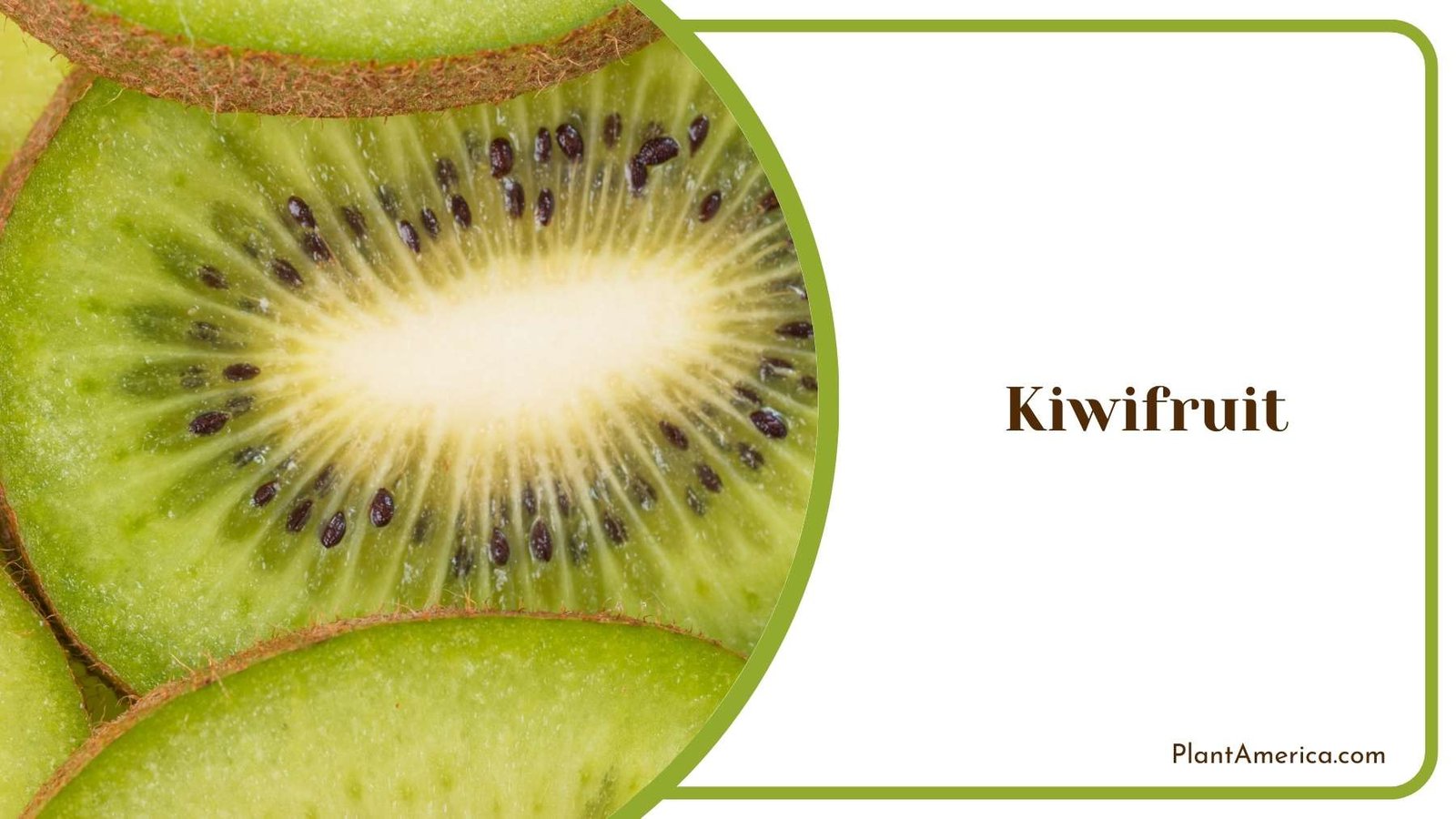
Kiwifruit vines are easy-to-grow and highly productive, producing delicious, sweet fruit packed with vitamins and nutrients. The vines require well-draining soil and full sun exposure to thrive. You’ll want to amend your garden soil with compost before planting to improve drainage and fertilize the soil. Space your kiwi vines six to eight feet apart and provide sturdy support for them to climb, such as an arbor, trellis, or fence.
The vines have attractive, glossy green, ovate leaves that emerge in early spring and remain on the vine through fall. The leaves can reach up to eight inches long and 4 inches wide on mature vines. In late summer and early fall, the vines begin bearing oval, fuzzy brown fruit called kiwi fruit that contain dozens of small, edible black seeds. The fruit ranges from one to three inches in size and has a sweet but tangy flavor when ripe.
2. Green Apples
- Growing Season: Spring, Early Fall
- Leaf Shape: Ovate, Alternate, Simple
- Specific Needs: Full sun, Well-draining soil, Needs cross-pollination
- Common Pests: Codling moth, Aphids, Apple maggot
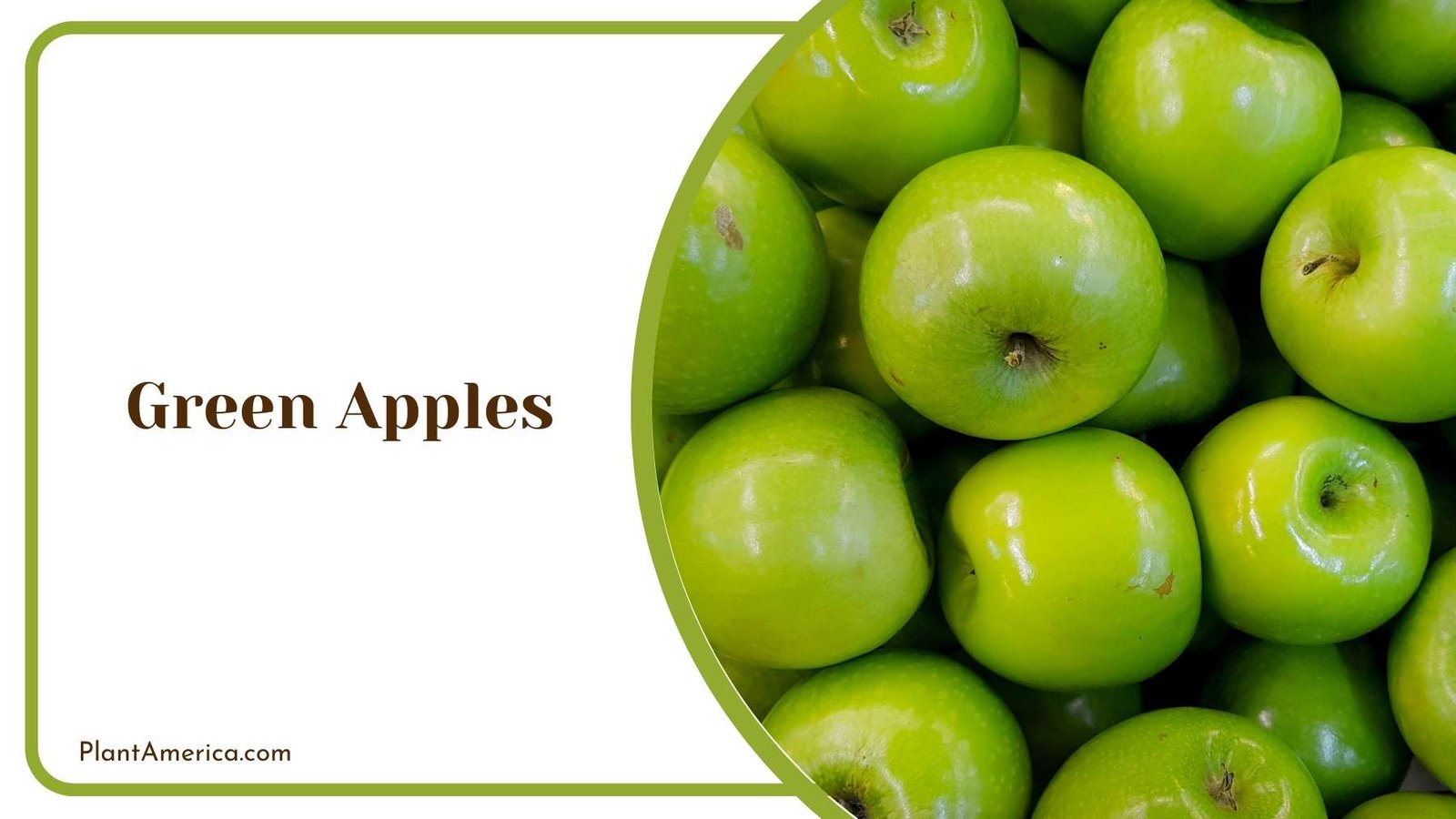
Green apples are a classic choice for home orchards. As an early-season variety, they bear fruit in the late summer to early fall months. Green apples thrive with at least 6 hours of direct sunshine daily and prefer nutrient-rich, well-draining soil to produce their crunchy, tart apples.
Another important factor is having two different green apple varieties planted close together to enable cross-pollination, which results in higher yields. Some common pests that afflict green apples are codling moth larvae that burrow into the fruit, aphids that sap the leaves, and apple maggots whose larvae grow inside the fruit.
Regular inspection and organic remedies can help keep these pests at bay. Bite into a fresh, homegrown green apple, and you’ll taste the true flavor of summer. Their vibrant hue and crisp texture make green apples a refreshing snack.
3. Baobab Fruit
- Growing Season: Year-round in warm climates
- Leaf Shape: Palmate, Compound green leaves
- Specific Needs: Fast-draining, sandy soil
- Common Pests: Not usually prone to major pests
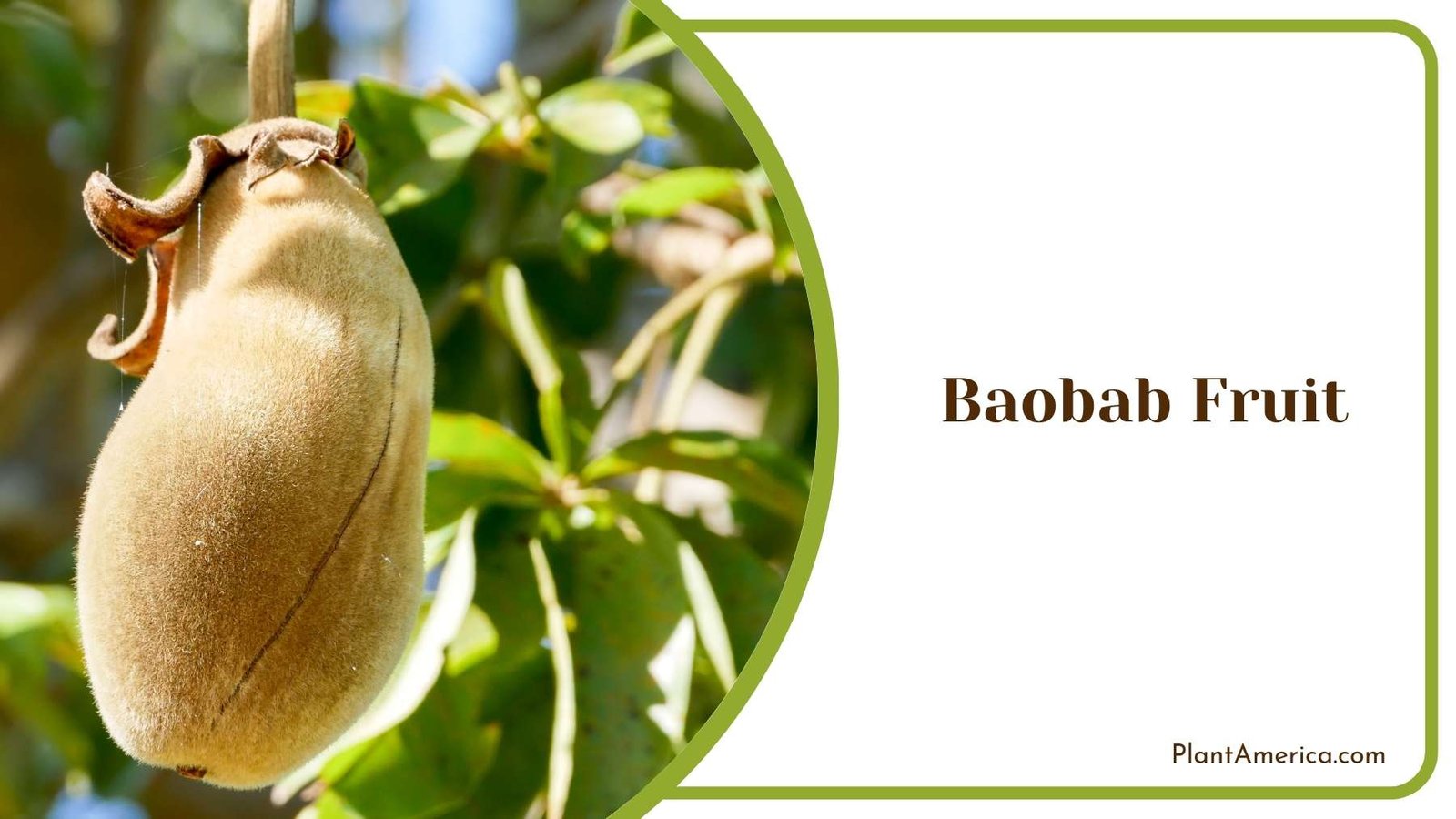
Baobab fruits may look unusual, but the powdery green fruit of the baobab tree contains a deliciously tart, citrusy pulp that’s high in vitamin C. Baobab trees prefer hot, dry climates and will grow year-round in zones ten and above.
When planting a baobab tree, choose a site with full sun, fast-draining sandy soil, and ample space. Baobabs develop a distinctive bottle-shaped trunk and spreading crown of palmate leaves that can exceed 100 feet in width on mature trees.
Baobab fruit production typically begins after five to 10 years of growth. In summer and fall, the tree’s branches are laden with spherical, powdery green fruit pods that contain a pulp and numerous hard seeds.
To harvest baobab fruit, wait until the pods drop naturally from the tree when ripe. Then crack open the pods and scoop out the pulp, which you can enjoy fresh or use in recipes. The pulp resembles tangy citrus fruit with notes of grapefruit and lime.
Baobab fruit pods typically remain on the tree for several months after ripening, so you can harvest your crop as needed on an ongoing basis. The fruit remains attached even during dry periods, so irrigation is rarely required.
4. Green Papaya
- Growing Season: Year-round in warm climates
- Leaf Shape: Broad, lobed green leaves
- Specific Needs: Well-draining, fertile soil
- Common Pests: Fruit flies, Mealybugs
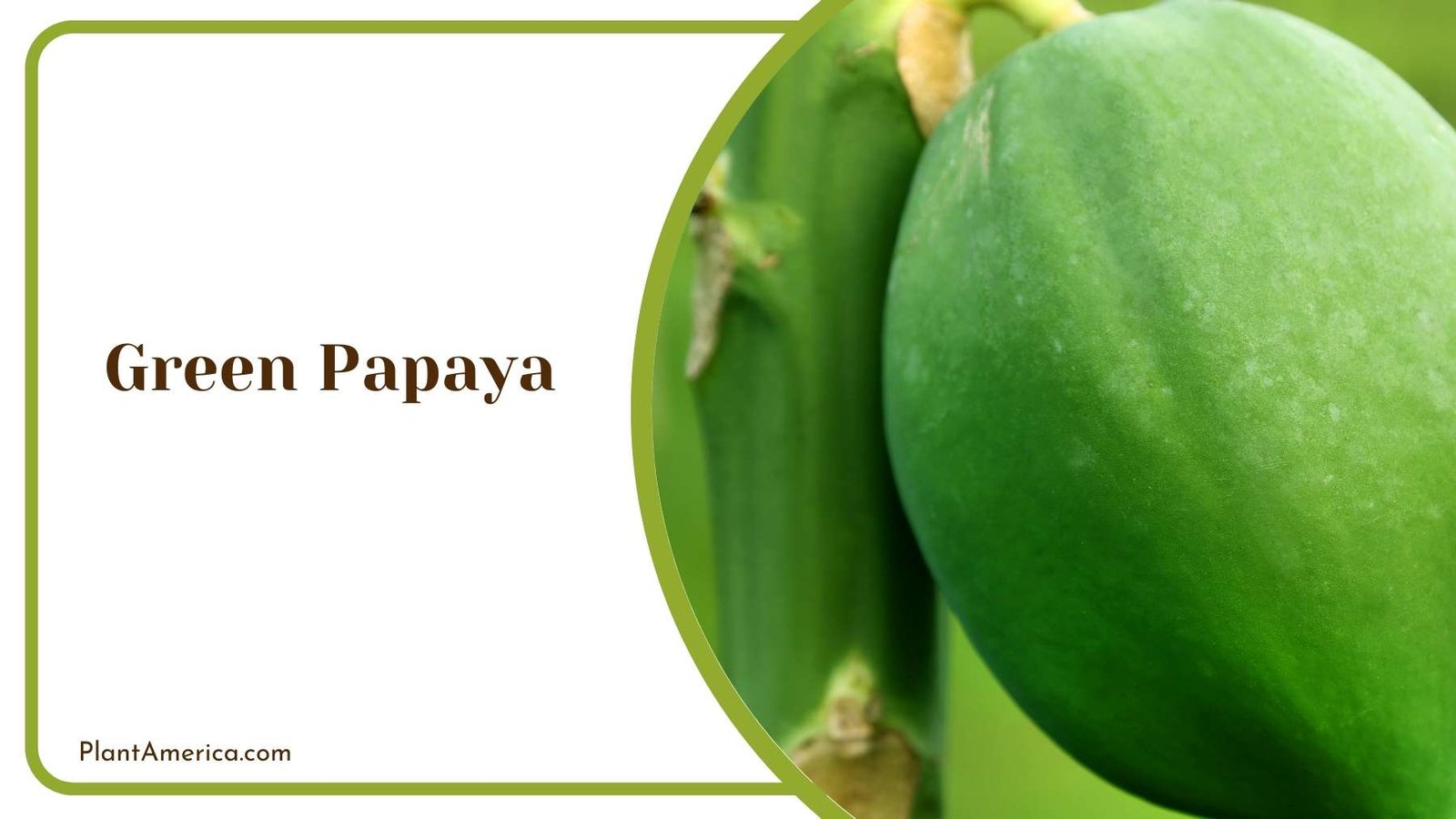
Green papaya adds a unique texture and subtle flavor to salads, soups, and more. Papaya trees prefer warm, tropical conditions and will bear fruit year-round in zones ten and warmer. When planting papaya trees, choose a site with full sun, well-draining soil amended with compost, and plenty of space. Papaya trees grow rapidly into large trees topping 30 feet tall and wide.
Papaya fruit forms directly on the trunk and large branches. As the fruit develops, they transition from green to orange when ripe. For recipes calling for unripe papaya, harvest fruit while they are green but fully sized.
Green papaya has a crispy texture and mild taste akin to green bell pepper, melon, or pear. Use the flesh of green papaya raw in salads, salsas, and stir-fries, or cook it like a summer squash in curries and soups.
Common papaya pests include fruit flies that lay eggs in ripening fruit and papaya mealybug insects that suck sap from leaves and fruit. Use traps and organic sprays as needed to control minor infestations.
5. Green Mangosteen
- Growing Season: Year-round
- Leaf Shape: Glossy, leathery green leaves
- Specific Needs: Well-drained, acidic soil
- Common Pests: Mangosteen scale, Fruit flies
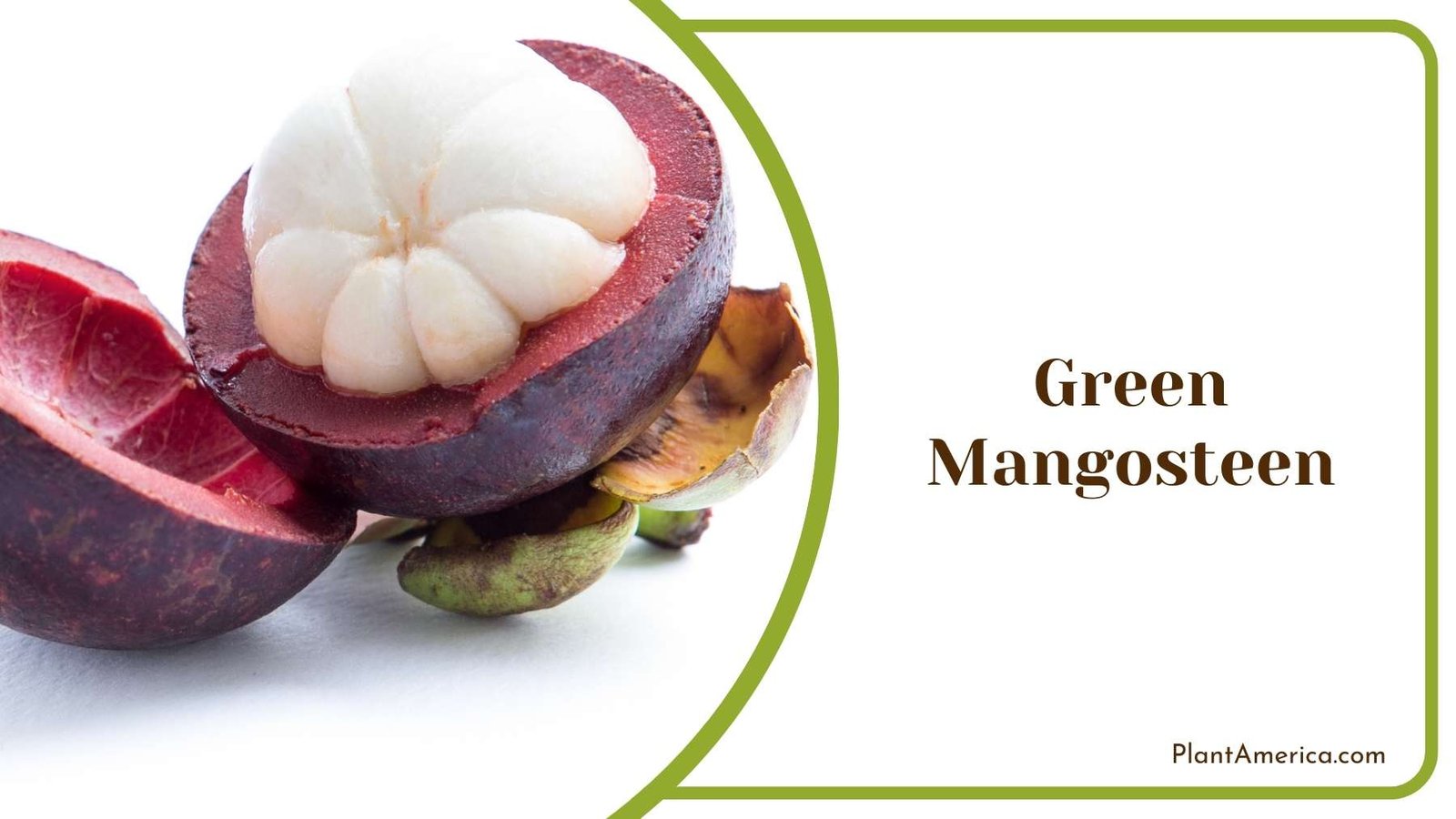
Green mangosteen’s delicate flavor and fragrant aroma make it well worth growing in warm, tropical climates. Like all evergreen trees, mangosteen produces new foliage and fruit year-round in zones ten and warmer.
When planting mangosteen trees, choose a site with protection from strong winds, full sun, and well-draining acidic soil rich in organic matter. Mangosteen trees have a broad, spreading growth habit and can reach 30 to 40 feet tall at maturity.
As mangosteen fruit develop, they transition from green to purple when ripe. While still green, mangosteen has a crisp texture and mild, subtly sweet flavor similar to apple or pear. To control pests on your mangosteen tree, remove fallen fruit from the ground to limit food for fruit flies, and prune any overly dense foliage to inhibit mangosteen scale insects that feed on leaves.
6. Green Passion Fruit
- Growing Season: Year-round
- Leaf Shape: Glossy, serrated Dark green leaves
- Specific Needs: Well-drained, fertile soil
- Common Pests: Spider mites, Fruit flies
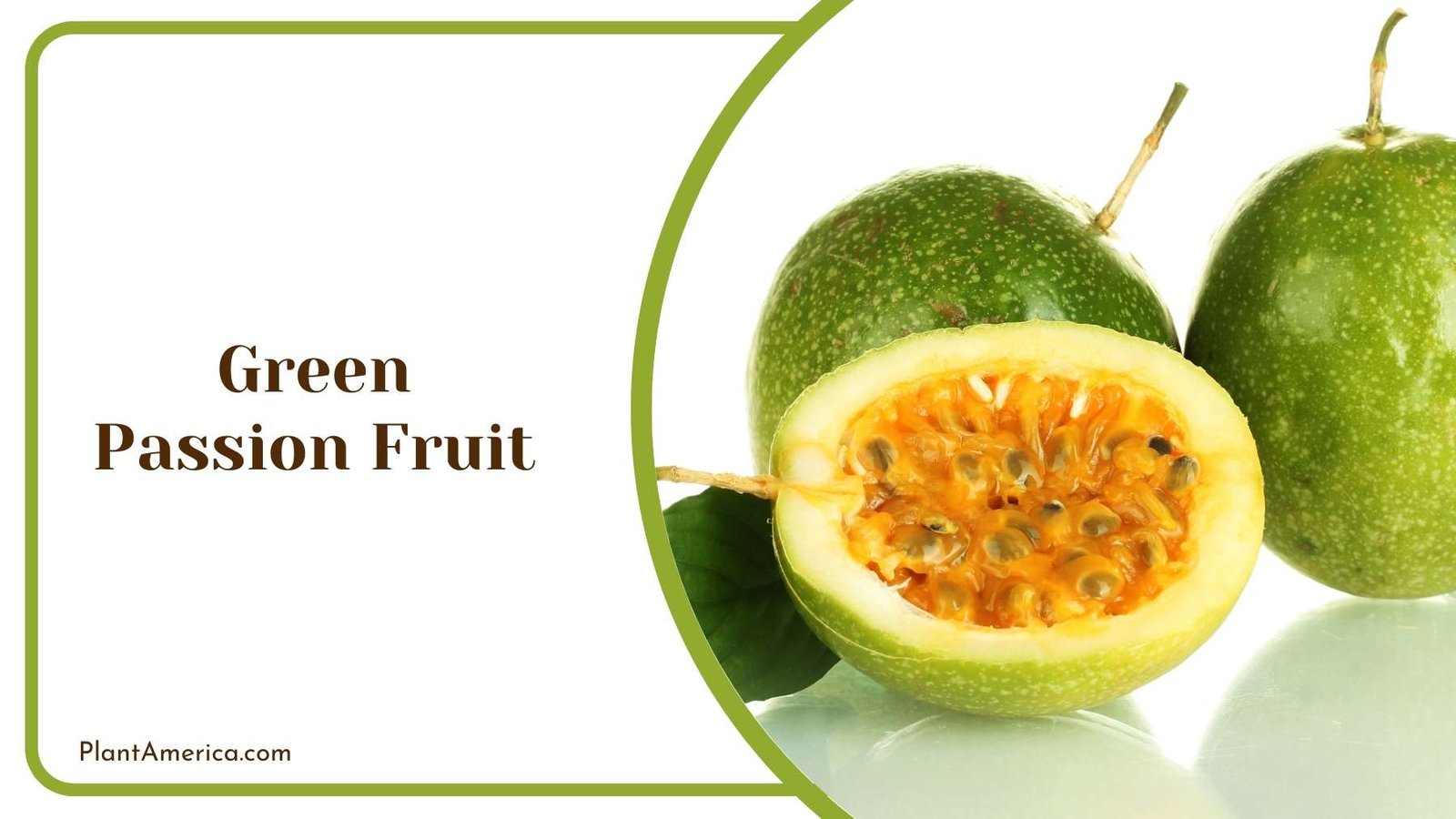
With an exotic flavor and jewel-like appearance, green passion fruit adds eye-catching color and a unique taste to salads and drinks. Passion fruit vines thrive year-round in warm, tropical conditions.
When planting passion fruit vines, choose a site with full sun and well-draining fertile soil amended with compost. Passion fruit is vines that need sturdy support for the tendrils to climb, such as a fence, pergola, or arbor.
Passion fruit develops from flowers on the vines in spring and summer. As the fruit grow, they transition from green to purple when ripe. While still unripe and green, passion fruit has a crisp flesh and sour yet interesting flavor.
You can eat green passion fruit out of hand for its tart taste and subtle notes of mango and melon. Or add the fruit to salads for color and acidity to balance other ingredients. Green passion fruit is also rich in vitamin C.
7. Green Guava
- Growing Season: Year-round
- Leaf Shape: Glossy, leathery dark green leaves
- Specific Needs: Well-draining, acidic soil
- Common Pests: Fruit flies, Scale insects
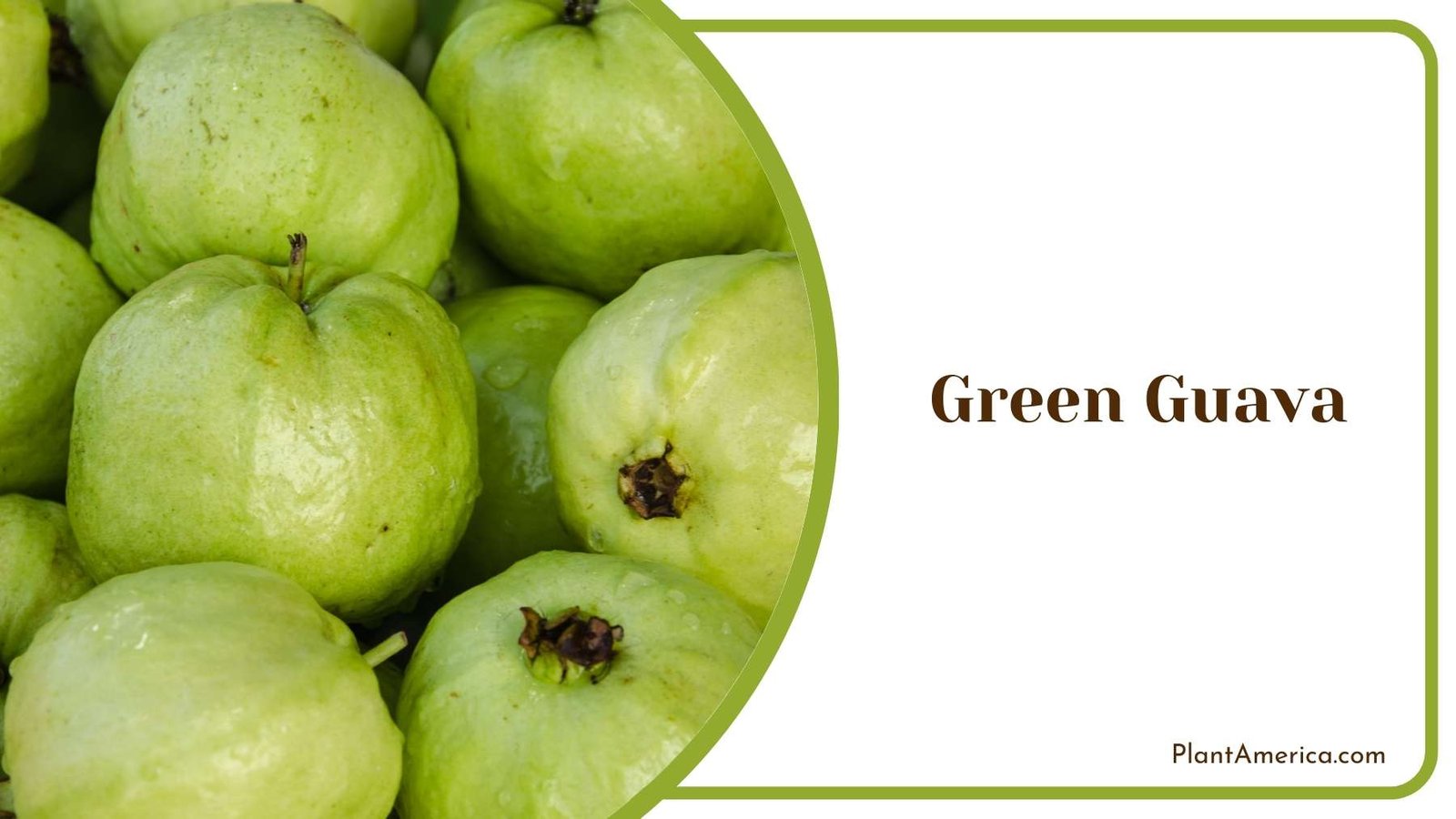
Green guava adds tropical flavor and nutrition to dishes when fully ripe guava is out of season. Guava trees flourish year-round in tropical and subtropical climates. When planting guava trees, choose a site with full sun, well-draining acidic soil, and ample space.
Guava produces a dense canopy of leathery dark green leaves and upright branching growth habit. As guava fruit develops, they transition from green to yellow or red when ripe. While still green and unripe, guava fruit are high in pectin and have a crisp flesh and sour flavor profile.
To avoid pests on your guava tree, regularly remove any fallen or damaged fruit that harbors fruit fly larvae. Also, control scale insects using horticultural oil sprays applied in winter when the tree is dormant.
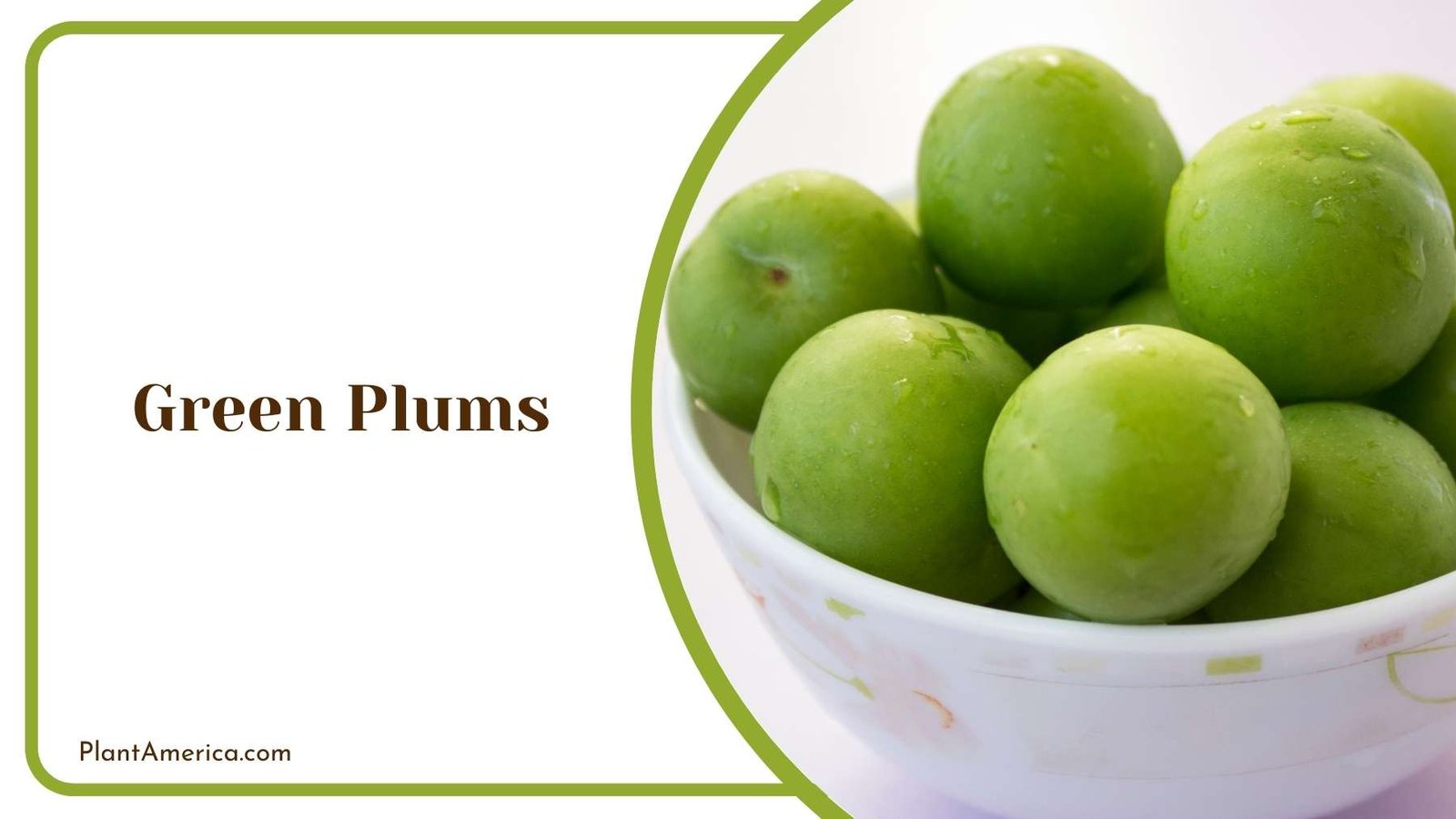
8. Green Plums
- Growing Season: Year-round
- Leaf Shape: Glossy, leathery dark green leaves
- Specific Needs: Well-draining, acidic soil
- Common Pests: Fruit flies, Scale insects
Green plums add a refreshing sweet-tart flavor to salads, salsas, and more. Plum trees bloom in spring and produce plentiful fruit in summer. When selecting a green plum variety for your garden, consider ‘Italian Prune’ plums with firm green skin and elongated shape when unripe. ‘Santa Rosa’ is another popular green plum ripening to yellow.
Plum trees require regular watering, especially when the fruit is forming. Control weeds and provide support for large fruit to prevent breakage. Prune in late winter when dormant to maintain an open structure.
Harvest green plums while they’re still firm. Ripe plums will be soft and release easily from the branch with a gentle tug. Green plums have a crisp texture and sour flavor with lemon and green apple notes.
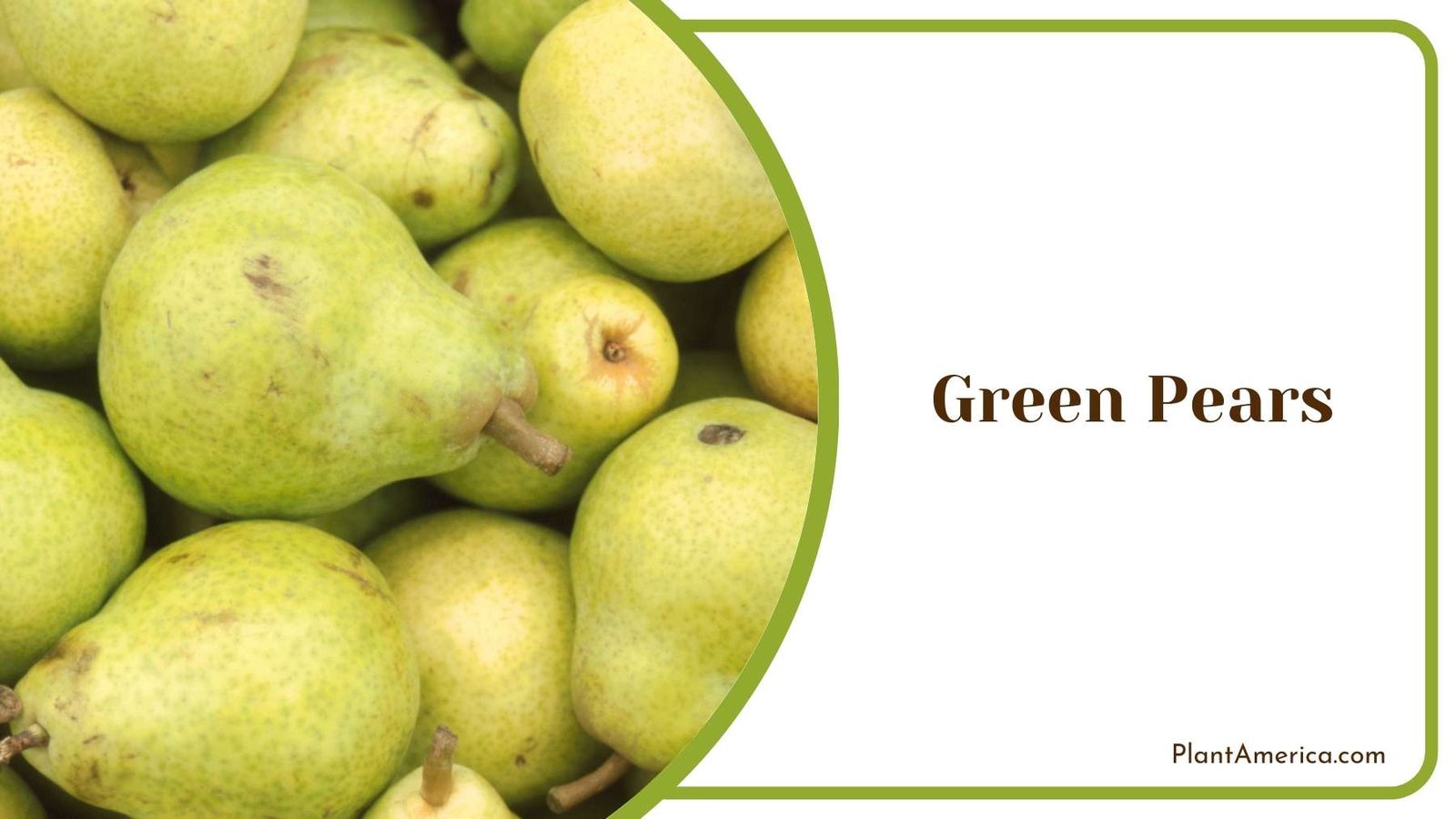
9. Green Pears
- Growing Season: Spring, Fall
- Leaf Shape: Oval, Light green with fine hairs
- Specific Needs: Well-draining, fertile soil
- Common Pests: Tomato hornworms, Aphids
Green pears add unique texture and slight astringency to salads, sauces, and baked goods. Pear trees bloom in spring and produce fruit in late summer and early fall. When selecting pear varieties for your garden, consider ‘Bartlett’ and ‘Comice,’ which are versatile choices that produce excellent fresh fruit in the fall. Most European pear varieties also produce fruit that is ripe while still green.
Prune your pear tree in late winter while still dormant to maintain an open structure that allows sufficient light penetration and air circulation. This will help control pests and promote optimum fruit production.
Harvest green pears while they’re still firm. Ripe pears will yield slightly to gentle pressure at the stem end. Green pears have crisp, juicy flesh and a slightly chalky flavor with notes of melon and citrus. Use green pears in fruit salads, stewed desserts, and baked goods for their acidic tang. Green pears are also high in fiber and several nutrients, including vitamin C and antioxidants.
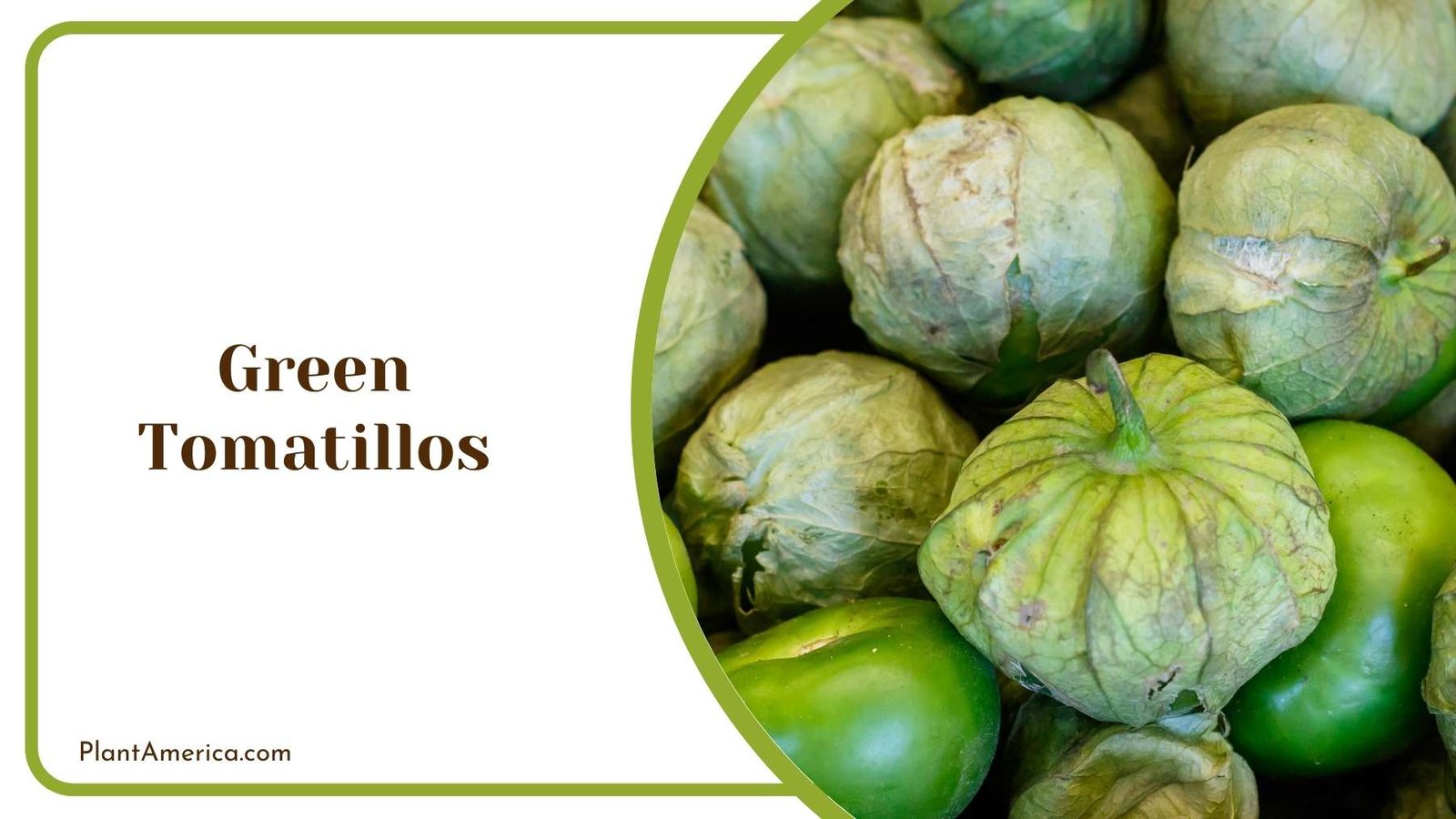
10. Green Tomatillos
- Growing Season: Year-round
- Leaf Shape: Glossy, dark green leaves
- Specific Needs: Well-draining, slightly acidic soil
- Common Pests: Scale insects, Mealybugs
Green tomatillos add a tangy flavor to salsas, sauces, and more. Tomatillo plants produce fruit from spring through fall in most climates. When selecting tomatillo varieties for your garden, look for ‘Toma Verde’ and ‘De Milpa,’ which produce an abundance of medium-sized fruit with thick husks.
The fruit of green tomatillos has a firm yet juicy flesh and tangy flavor profile similar to green tomatoes and lemons. Use the whole fruit in salsas and sauces for a pleasantly sour kick. Remove the papery husks before use. You can preserve green tomatillos by pickling, canning, or freezing. They’re also high in vitamin C and antioxidants like lycopene.
Watch for common tomatillo pests like tomato hornworm caterpillars that can defoliate plants and small green aphids that suck sap from leaves and fruit. Control minor infestations by hand or with targeted organic sprays.
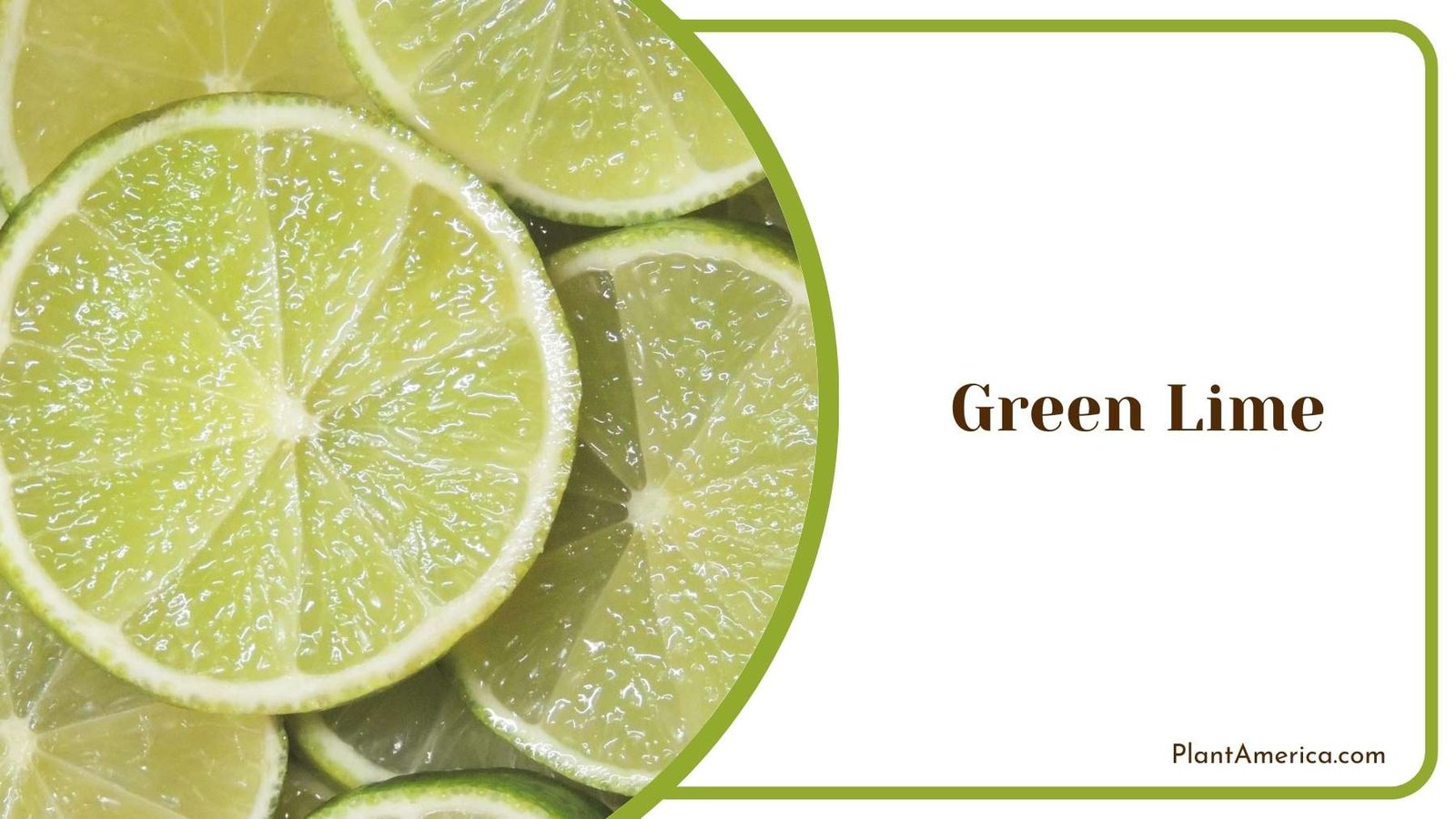
11. Green Lime
- Growing Season: Year-round
- Leaf Shape: Glossy green, oval leaves
- Specific Needs: Well-draining, slightly acidic soil
- Common Pests: Scale insects, Aphids
Lime trees produce acidic green fruit that adds zingy flavor to numerous recipes. Lime trees thrive year-round in tropical and subtropical climates. When planting lime trees, choose a spot with protection from wind, full sun, and well-draining soil amended with organic material. ‘Persian’ or ‘Tahiti’ lime trees are good small-yard options due to their compact size.
Lime trees have dense, rounded canopies of glossy green leaves and produce fruit directly on the branches. As the lime fruit develops, they transition from green to yellow when ripe. Unripe green limes have a sour flavor profile and high acid content, making them an excellent choice for recipes calling for a sharp citrus tang. Finely grate the zest of green limes or juice the fruit for marinades, vinaigrettes, and salsa.
To maximize fruit production, use citrus-specific organic fertilizer to ensure your lime tree receives regular watering and fertilization in spring and summer. Also, prune your tree annually to maintain an open structure.
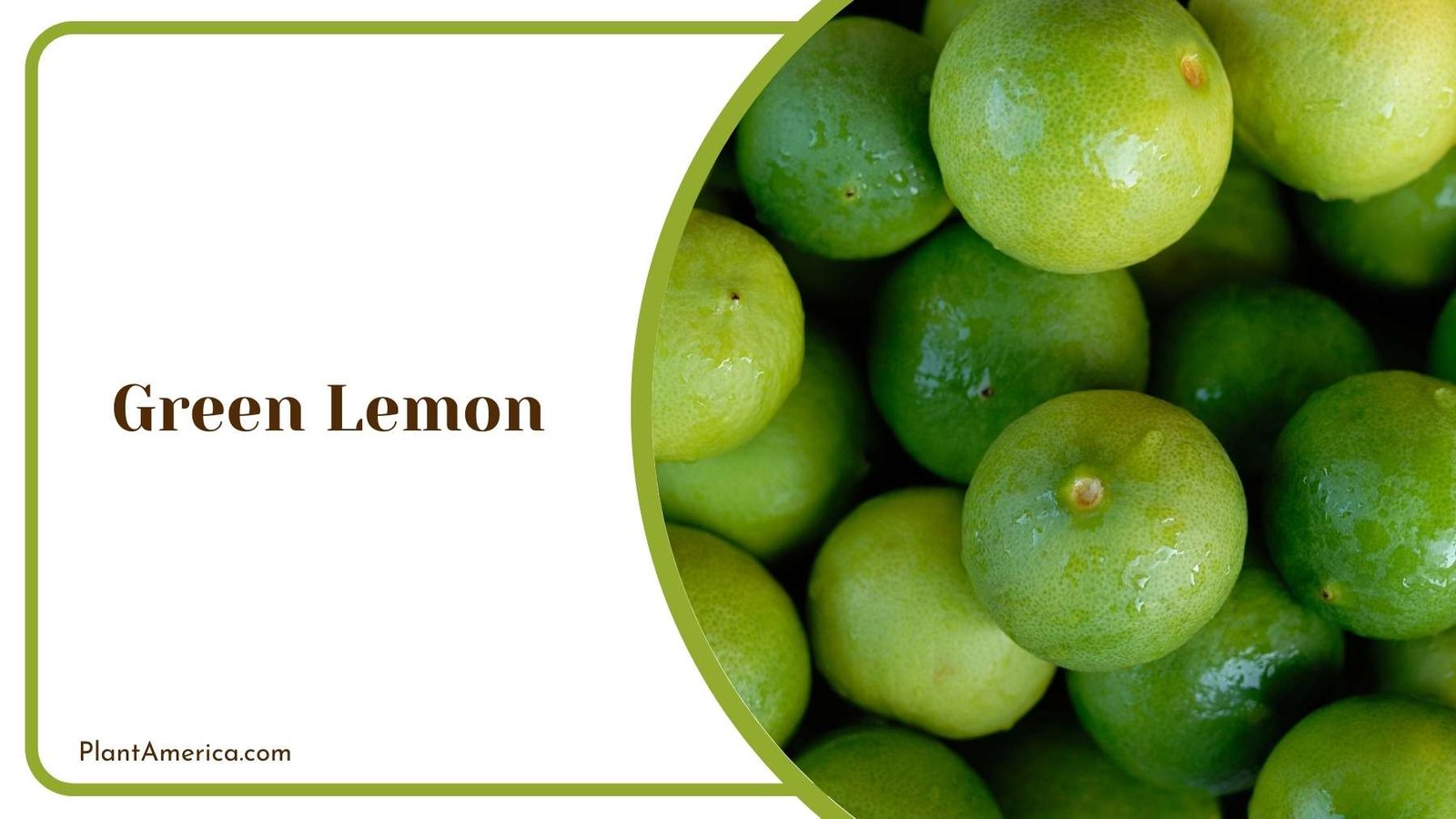
12. Green Lemon
- Growing Season: Fall, Winter
- Leaf Shape: Oval with pointed tips, Dark green
- Specific Needs: Well-draining, fertile soil
- Common Pests: Persimmon fruit moths, Deer
Lemon trees produce acid-green fruit to brighten up recipes all year long. Lemon trees thrive in warm climates and produce fruit continually. Lemon trees have dense, rounded canopies of dark green leaves and attractive white flowers. Unlike other citrus, lemons are self-pollinating and do not require cross-pollination from another tree.
As lemon fruit forms, they transition from green to yellow when ripe. While still green and unripe, lemons are high in acid and pectin, making them ideal for recipes calling for a sharp citrus tang. To keep your lemon tree producing well, apply citrus fertilizer, water regularly and prune in early spring to increase air circulation and light penetration.
Control pests using dormant oil sprays and targeted organic remedies. With proper care, a mature lemon tree can produce several hundred fruits annually to supply you with abundant acid-green lemons for cooking, baking, and garnishing all year.
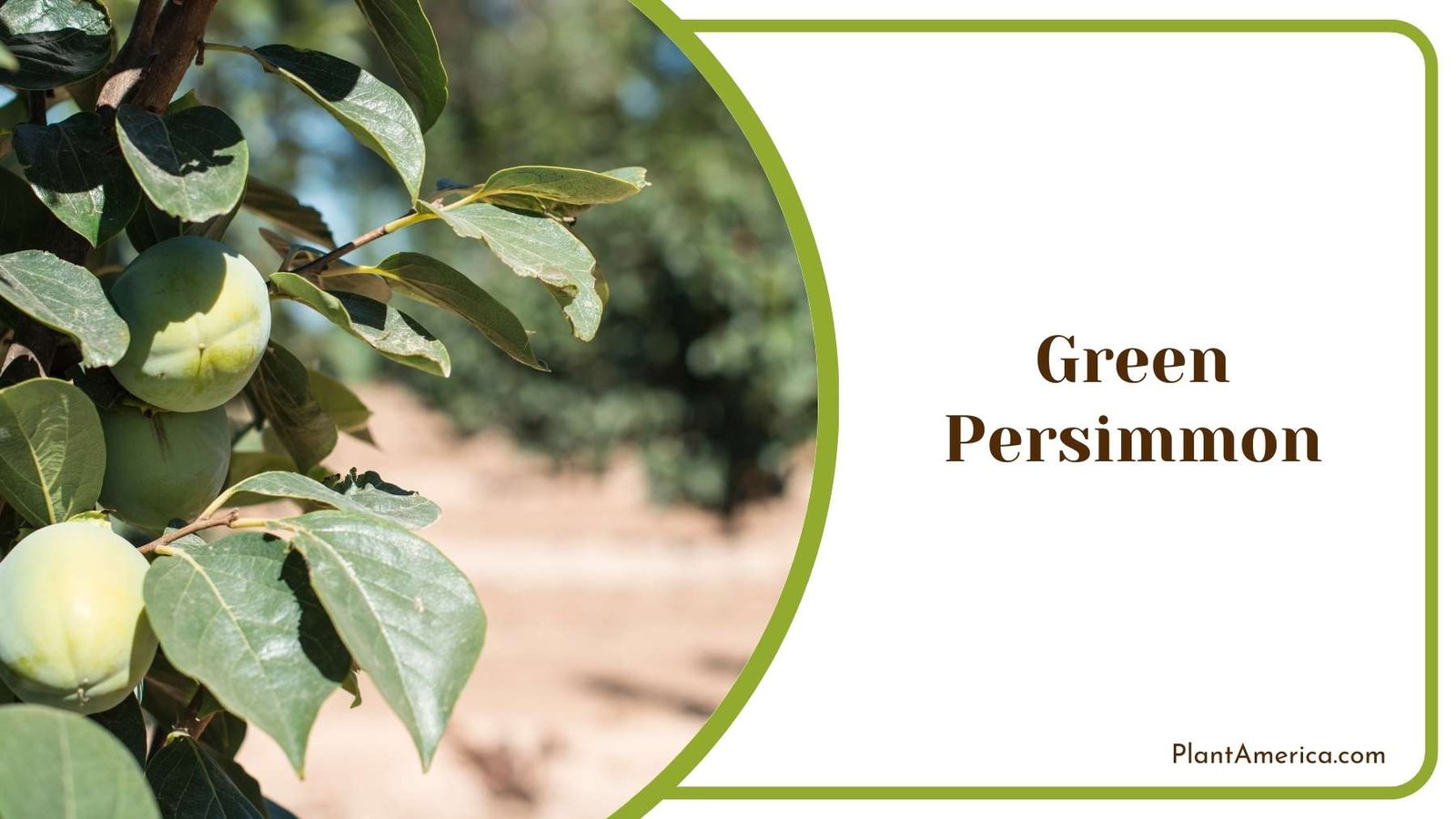
13. Green Persimmon
- Growing Season: Spring, Summer
- Leaf Shape: Dark green, lobed leaves
- Specific Needs: Well-draining, fertile soil
- Common Pests: Aphids, Powdery mildew
Persimmon trees produce oval green fruit with a unique, intensively sweet flavor once fully ripe. Persimmons soften and sweeten after the first frost. When planting persimmon trees, choose varieties that offer non-astringent fruit like ‘Fuyu’ with squat, green fruit that can be firm and ripe. ‘Tamopan’ is another option, producing large green persimmons.
Prune your persimmon tree in late winter while still dormant. As the fruit develops, thin the clusters to allow maximum size and flavor for the remaining persimmons. Harvest green persimmons before the first frost for firmer flesh.
Unripe green persimmons have a crisp apple-like texture and an astringent, tannic flavor profile. Once fully ripe in winter, they develop a soft flesh and intense sweetness. Use green persimmons in savory dishes where their astringency will mellow during cooking. Simmer green persimmons down into a sweet sauce or chutney. Their tannins act as a natural preservative.
Common persimmon pests include fruit moths that lay eggs within ripening fruit and foraging deer that feed on new growth and fruit. Control minor infestations using pheromone traps and organic repellents.
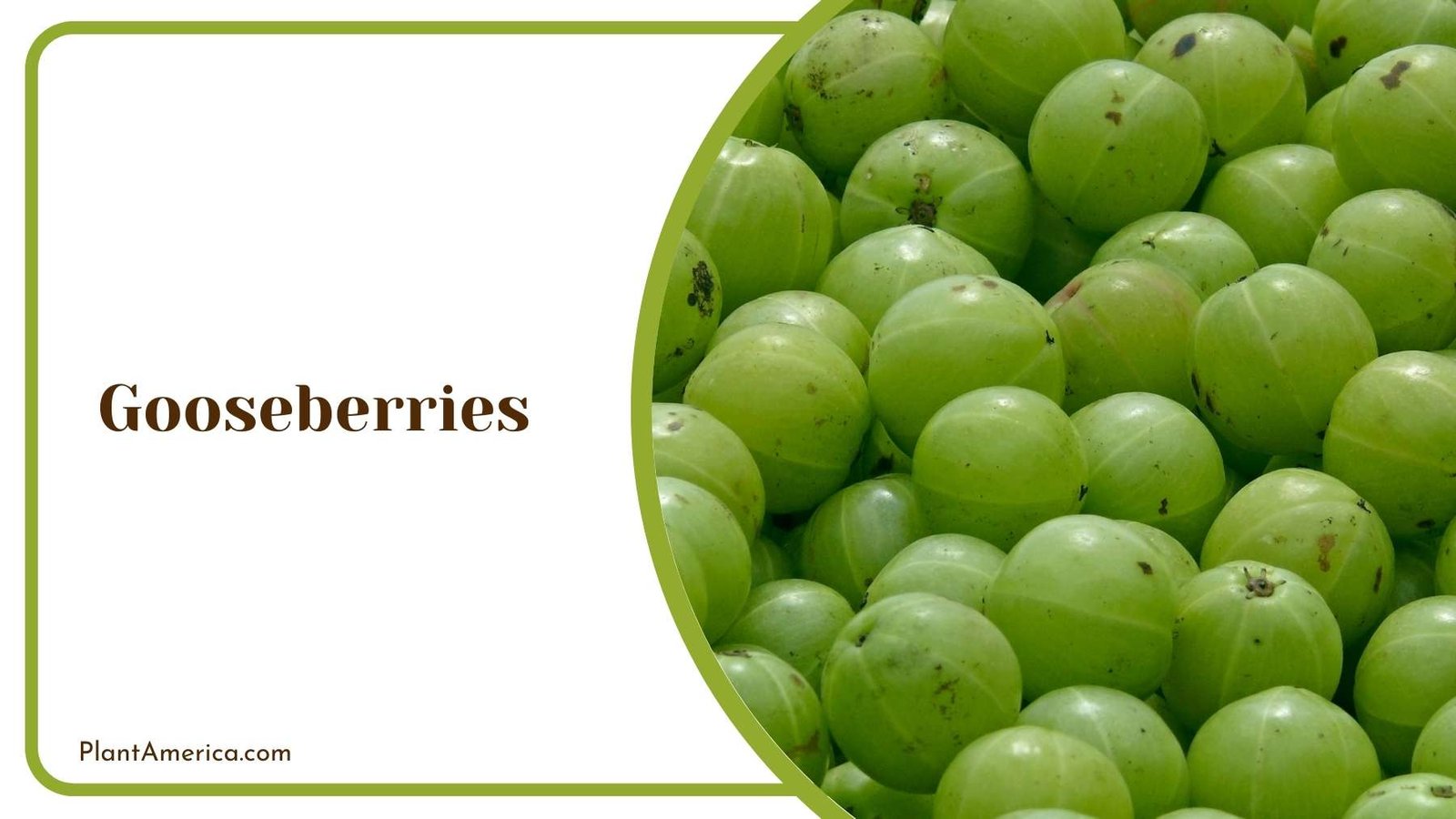
14. Gooseberries
- Growing Season: Year-round
- Leaf Shape: Glossy, dark green leaves
- Specific Needs: Well-draining, slightly acidic soil
- Common Pests: Scale insects, Mealybugs
Gooseberry bushes produce tangy green berries that add sweet-tart flavor to preserves, baked goods, and more. Gooseberries fruit on second-year canes in spring and summer. When selecting gooseberry varieties for your garden, consider ‘Captivator’ bushes with large, sweet fruit and ‘Pixels,’ which produce abundant cream-colored gooseberries with green undertones.
Unripe green gooseberries have a crisp, juicy flesh and tart flavor with grassy citrus notes. As they continue to ripen, they develop a soft texture and sweetness. Add green gooseberries to salads and crumbles for a tangy accent. Simmer them into fruit leathers and preserves using low heat to retain their vibrant green color.
Gooseberries are high in antioxidants and fiber. Prune away old, spindly canes in late winter to keep bushes producing well for years. Control minor pest infestations using organic remedies and removal of damaged growth.
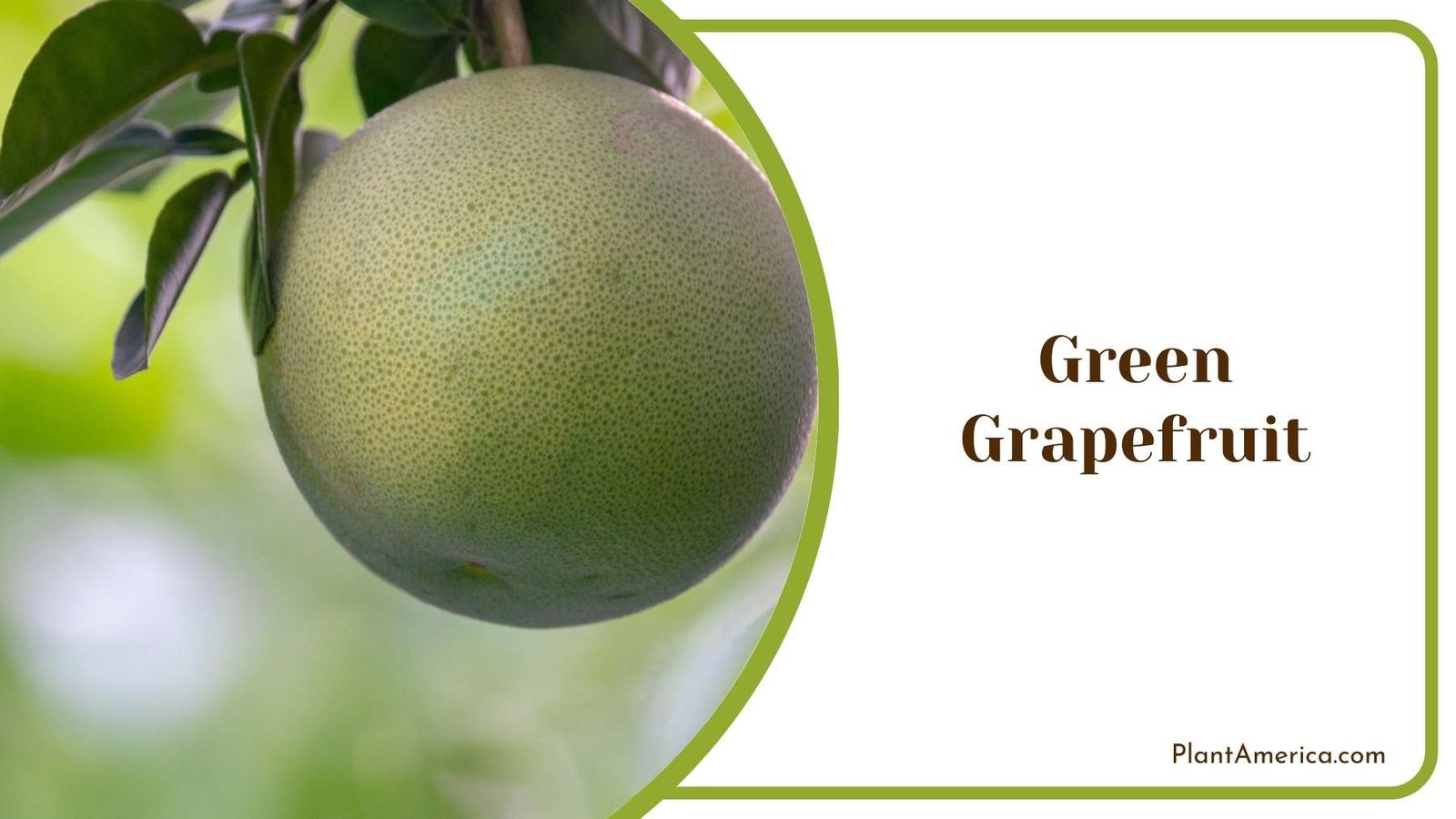
15. Green Grapefruit
- Growing Season: Late Spring, Early Fall
- Leaf Shape: Palmate, Alternate, Compound
- Specific Needs: Full sun, Sandy loam soil, Lots of water
- Common Pests: Squash bugs, Aphids, Fruit flies
Green grapefruit adds zesty acidity to recipes all year long. Sweet limequat hybrids like ‘Oro Blanco’ produce juicy green fruit that stays fresh on the tree for months.
When planting a grapefruit tree, choose a site with full sun, well-draining soil, and protection from strong winds. Space trees 15 to 20 feet apart to allow for their large canopy size. Grapefruit trees have dense, rounded canopies of dark green leaves and waxy white flowers. The fruit develops directly on branches and remains attached even when overripe.
Unripe green grapefruit has a crisp texture, high acid content, and flavor notes of lime and lemon. Finely grate the zest of green grapefruit or juice the fruit for dressings, marinades, and baked goods. Water your tree regularly to encourage optimum fruit production, especially during hot spells. Apply citrus fertilizer in spring when new growth appears. Prune yearly to improve air circulation.
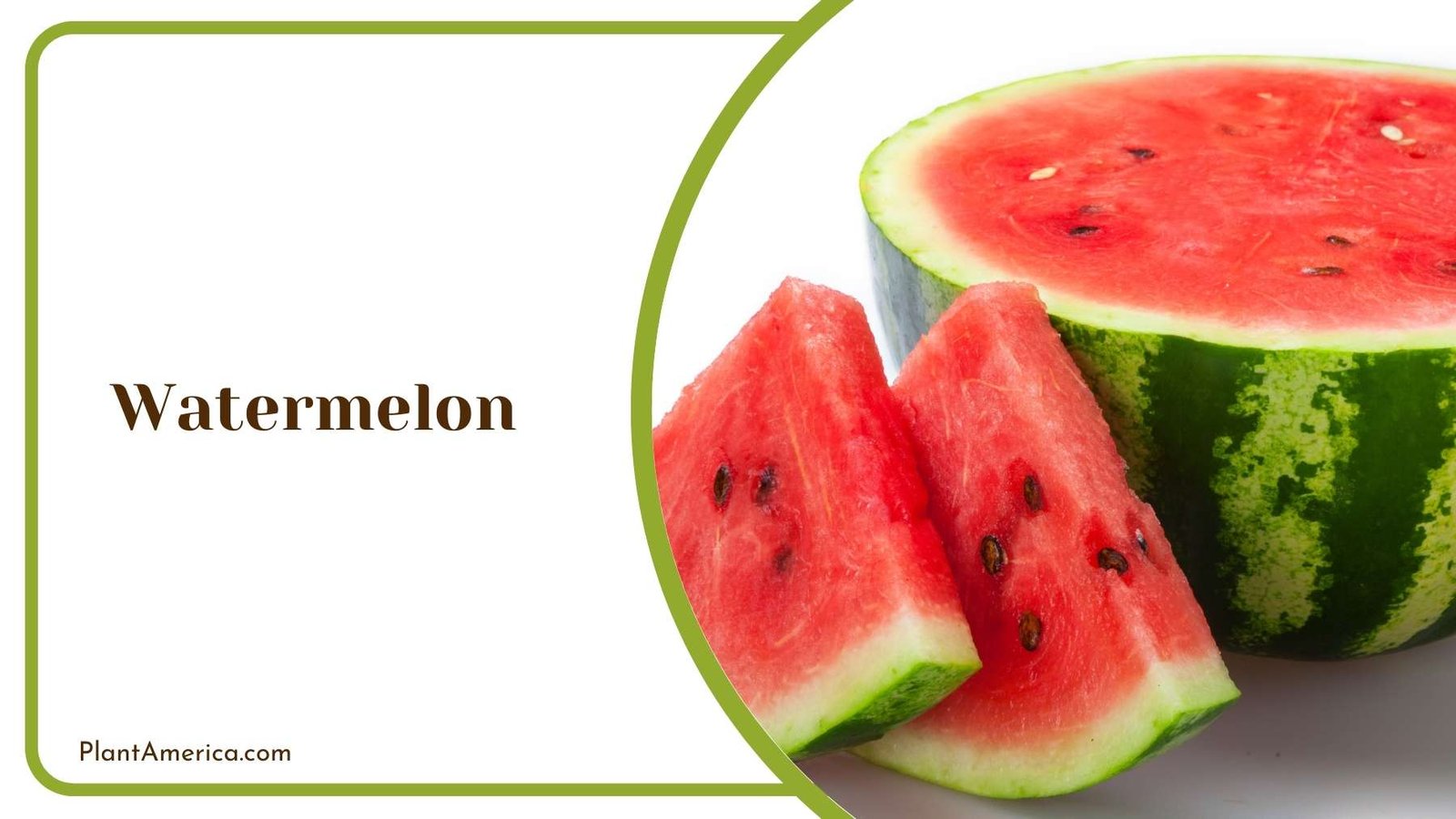
16. Watermelon
- Growing Season: Year-round
- Leaf Shape: Palmate, Dark green leaves
- Specific Needs: Well-draining, fertilizer-rich soil
- Common Pests: Fruit flies, Nematodes
Watermelon thrives in hot, sunny weather so the summer months provide ideal growing conditions. They perform best in nutrient-rich, well-draining sandy loam soils. This allows their large vines to spread further as they fruit.
Watermelons require consistent moisture, too, so during droughts, they’ll need supplemental watering. Their lobed, intricate leaves and trailing vines create a lush, tropical backdrop in the garden. Ripe watermelons, discerned by the yellow underside where they rested on the ground, burst with refreshing sweetness on a summer day. Just a few bites transports me straight to the beach.
While watermelons are generally low maintenance, a few pests sometimes take advantage of their sprawling vines, like squash bugs and aphids that suck the sap. Ripe watermelons also attract fruit flies looking to lay eggs. Careful inspection of leaves and ripening fruit, coupled with organic remedies for any bugs discovered, help yield a bountiful harvest of refreshing juicy melons. Their underwater crunch on a hot afternoon is delightfully cooling.
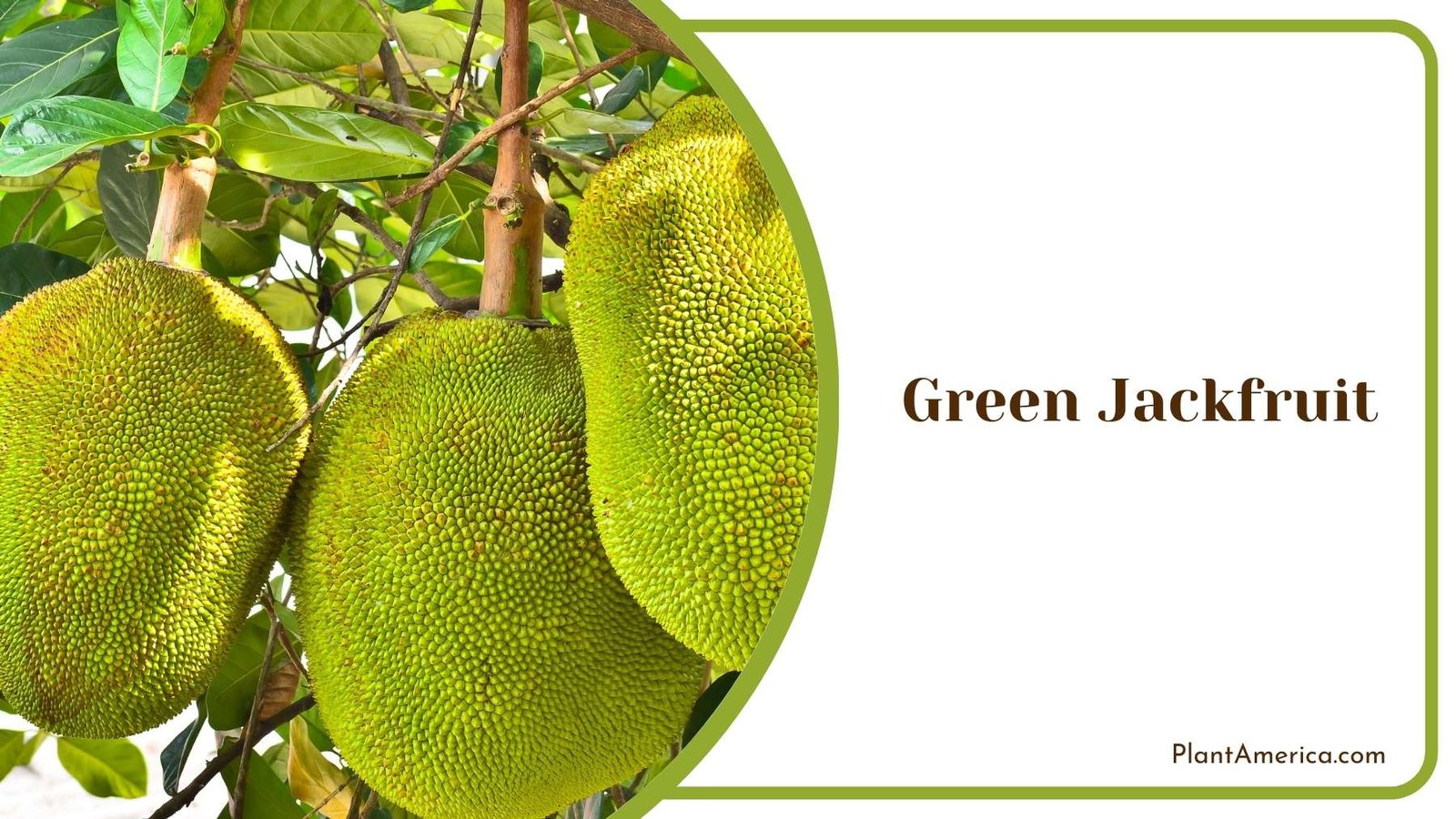
17. Green Jackfruit
- Growing Season: Summer, Fall
- Leaf Shape: Grayish green, Leathery leaves
- Specific Needs: Well-draining, alkaline soil
- Common Pests: Olive fruit fly, Spider mites
Jackfruit trees produce enormous green fruit that’s enjoyed both ripe and unripe. Jackfruit flourish in warm, humid climates and produce fruit year-round. When planting jackfruit trees, choose a site with full sun and well-draining soil amended with organic matter and compost. Allow ample space for jackfruit trees’ large canopy and spreading roots.
Unripe green jackfruit has a crisp texture and flavor profile similar to artichoke hearts, green bananas, and mango. Enjoy the bulbs raw for a unique, crunchy addition to salads. Steam, boil, or stew green jackfruit bulbs to soften and incorporate them into curries and stir-fries.
The seeds can also be cooked when green and contain edible flesh inside. To maximize fruit production and control pests, fertilize your jackfruit tree annually, prune judiciously, and remove fallen fruit. Control nematodes using organic substances added to the soil.
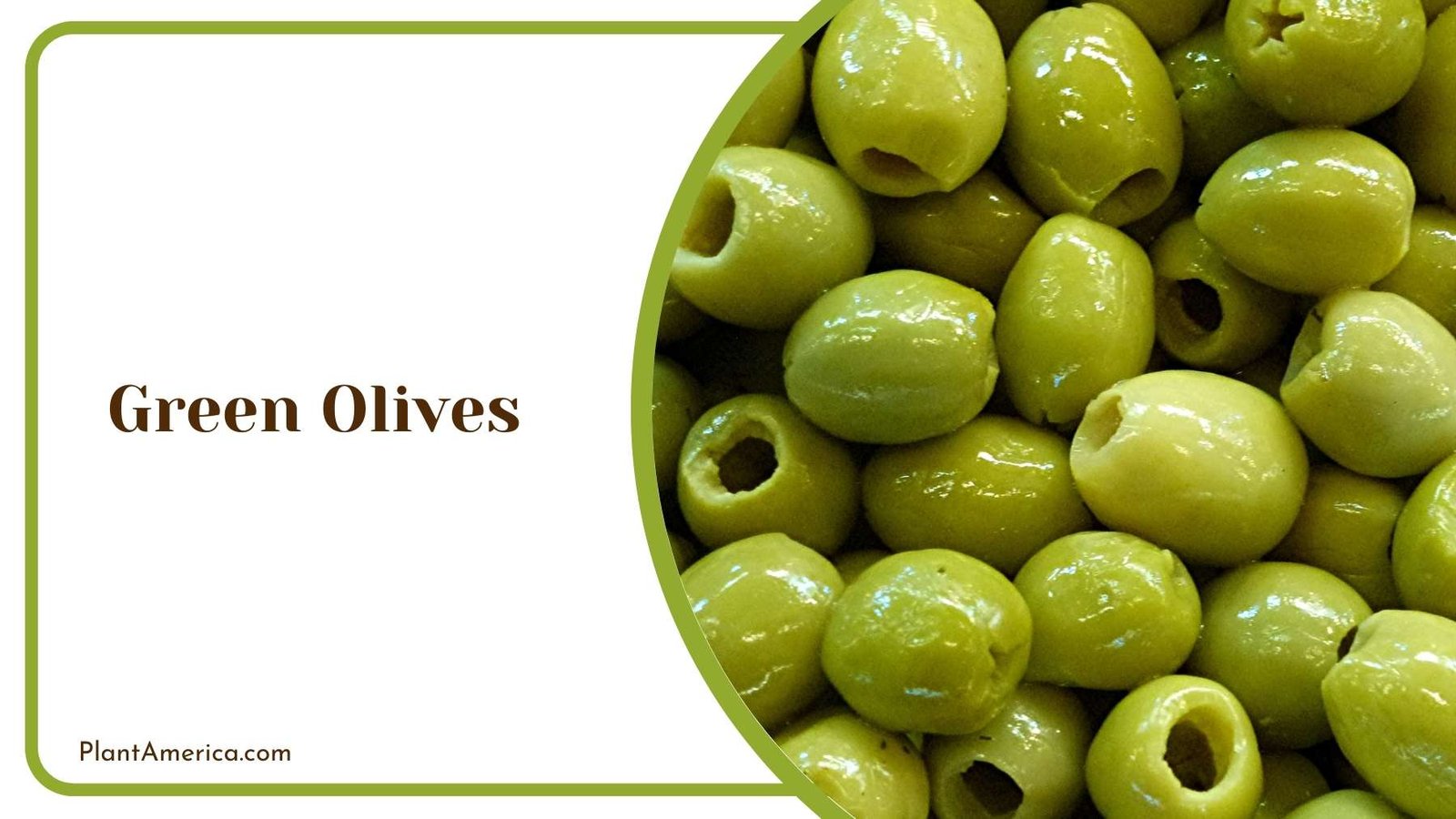
18. Green Olives
- Growing Season: Year-round
- Leaf Shape: Glossy, compound leaves
- Specific Needs: Well-draining, fertilizer-rich soil
- Common Pests: Fruit fly, Mealybugs
Olive trees produce small green fruit that are a staple in Mediterranean cuisine. Green olives add savory depth and complex flavor to tapenades, salads, and more. When planting olive trees, choose varieties that produce high-quality oil and fruit, like ‘Arbequina,’ ‘Koroneiki,’ and ‘Frantoio.’ Trees require from to eight years to begin bearing substantial harvests.
Prune olive trees in late winter while still dormant to maintain an open structure. Water deeply during dry spells when the fruit is forming. Control weeds that compete for water and nutrients.
Harvest green olives when they’re still firm but have increased slightly in size. Uncured green olives are bitter and astringent; they require curing before eating. Submerge the fruit in brine for six to eight weeks to leach out bitter compounds.
Once cured, green olives have a firm yet meaty texture and savory flavor with fig, herb, and lemon zest notes. Use them whole or pitted in Tapenades, olive salads, and pizza. Green olives are also high in healthy fats and antioxidants.
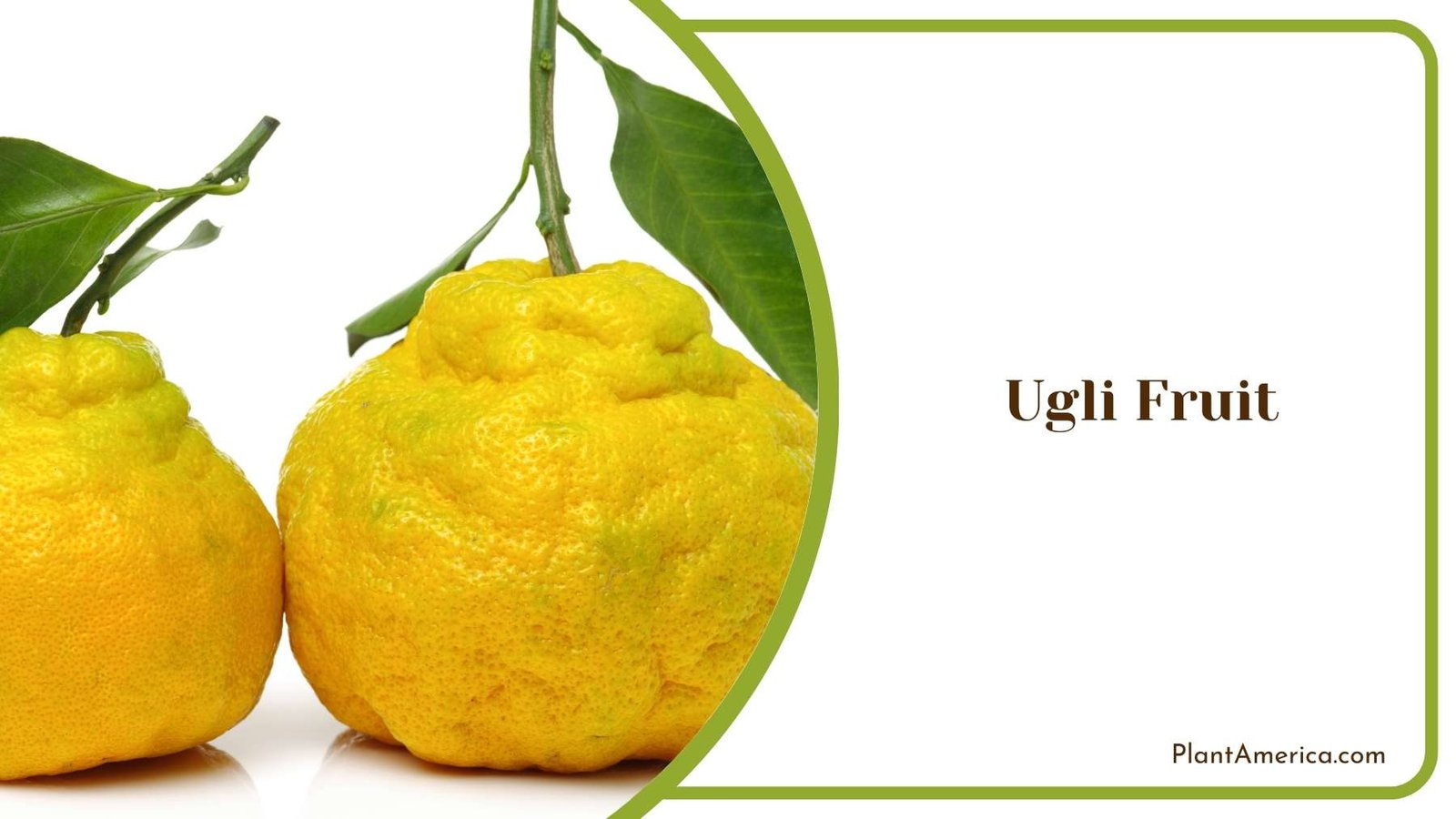
19. Ugli Fruit
- Growing Season: Year-round
- Leaf Shape: Glossy, compound leaves
- Specific Needs: Well-draining, fertilizer-rich soil
- Common Pests: Fruit fly, Mealybugs
Ugli fruit trees produce greenish-yellow, grapefruit-sized fruit with a juicy citrus flavor. Ugli fruit makes a refreshing treat and adds tangy acidity to recipes. When planting an ugli fruit tree, choose a site with full sun, well-draining fertile soil, and ample space. Ugli fruit trees develop dense, rounded canopies and branches that droop under the weight of fruit.
As the fruit develops, they transition from greenish to yellow when ripe. While still green, ugli fruit is high in acid and pectin, giving them a tart yet mild citrus flavor and crisp, juicy flesh. Finely grate the zest of green ugli fruit and enjoy sections of the whole fruit for their refreshing flavor. Green ugli fruit segments can also be puréed into sauces and salsas for a unique citrus twist.
To encourage maximum fruit production, fertilize your ugli fruit tree in spring, water regularly during hot, dry periods, and prune yearly to maintain an open structure. Control pests using organic remedies. Watch for fruit flies that lay eggs within ripening fruit and ugly fruit-specific pests like ugly fruit-eating caterpillars. Control minor infestations by hand or with targeted organic sprays.
Conclusion
Many tasty varieties of fruiting plants produce green fruit with unique flavors and textures. By growing a selection of these plants, you can enjoy colorful additions to your cooking throughout the year.
- The fruit pods of the baobab tree have tart, vitamin C-rich pulp while still green.
- Green apples are an excellent early season green fruit , providing a refreshing and versatile snack straight from the tree in late summer and early fall.
- Lemon trees produce tangy, green citrus that enhances recipes with a sharp flavor all year.
Growing green fruits worldwide adds diversity and excitement to any kitchen. With diligent care, many of these unusual fruiting plants will reward you with bountiful harvests and brand-new flavors to experiment with.