
The Philodendron el choco red of the Araceae family is a lovely climbing aroid plant with remarkable leaves. The upper part of the leaf is a gorgeous velvety green shade with prominent light green veining.
The underside features vibrant shades of red that highly contrast with the green, making this philodendron genus plant highly popular among gardeners. Check this article to get a proper insight into caring about the Philodendron el choco red plant so that it grows extremely well under our care.
What is the Philodendron El Choco Red?
The Philodendron el choco red plant is a wonderfully low-maintenance plant with beautifully contrasting leaf colorations perfect for every level of gardener. Having big dramatic leaves with highly contrasting and vibrantly colorful foliage lends a lush tropical feel to indoor and outdoor spaces.
Philodendron El Choco Red Care
Caring for the Philodendron el choco red plant is unexpectedly easy, as long as you provide the minimum requirements needed by the plant, you will not fail. While most tropical plants can be fussy, this particular Philodendron is one of the most easygoing plants.
 Water Requirements
The Philodendron el choco red plant tolerates constant watering. However, the key point is not how often the plant should be watered, but rather when the plant should be watered.
In areas where the light and temperature levels are high, it is very possible for the Philodendron el choco red plant to need more watering than in areas with low levels of light and temperature. You will just need to check the substrate or the soil of the plant to determine if it needs watering or not.
If the substrate or soil is dry to the touch, then you will need to water the plant. Make sure your substrate or soil is semi-permeable enough to allow great drainage but retain some moisture.
However, if you live in areas where winters exist, you may need to reduce the frequency of your watering once the cold weather sets in.
 Light Requirements
The Philodendron el choco red plant prefers to grow in high levels of bright indirect light. As a plant growing under the canopy of trees in the wild, this Philodendron plant has adapted to partial shade conditions in the forests.
When grown in cultivation, the most ideal light condition for the Philodendron el choco red plant is bright but filtered light. A few hours of direct morning sun should be fine, but harsh direct sun exposure in the noon and afternoon times will cause your plant to experience leaf burns.
Locations facing east are great for some morning sun exposure while south-facing windows provide high levels of bright indirect light. Nonetheless, if you happen to live in an area where natural lighting is very low, you may need to supplement your Philodendron el choco red plant with grow lights.
 Temperature Requirements
The warm tropical forests of Columbia have acclimated the Philodendron el choco red plant to thrive in temperatures of 70 to 78 F. If you are able to provide similar temperature ranges, your plant will reward you with new and bigger growths.
If you are fortunate enough to live in regions where you do not need artificial temperature adjustments, then you can place your Philodendron el choco red outside for the year. In the United States, USDA zones 9b to 11 are ideal for growing this particular Philodendron.
However, if you live in areas where certain periods of the year can get cold, it is advisable to pot your Philodendron el choco red plant. By placing the plant in a container, you can take it inside during the colder seasons to overwinter it since it is a tropical plant that perishes in the cold.
 Soil Requirements
The ideal Philodendron el choco red soil is airy enough to be quick-draining yet retains some dampness in the medium. The natural tendency of the plant as a hemiepiphyte plant means that it prefers soils that are loose to allow root aeration. When placed in compact, dense soil mixtures, the root system of the plant can suffocate and perish from root rot.
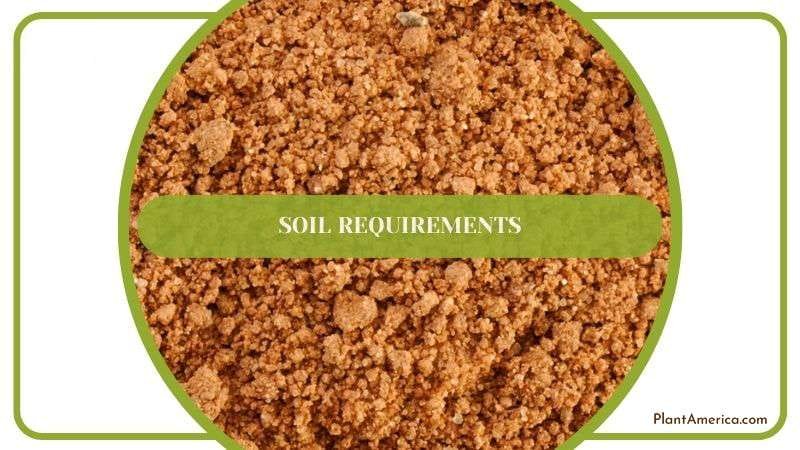
Here are some recommended potting medium materials that you can incorporate into your soil mix with their corresponding recommended percentages:
- 25 percent potting soil
- 25 percent orchid bark
- 20 percent perlite
- 15 percent sphagnum moss
- 15 percent charcoal
Ideally, the soil mixture should have a pH value that ranges from 5.1 to 6.0 to keep the Philodendron el choco red plant healthy.
 Humidity Requirements
The forests of Colombia tend to have high levels of humidity, so when in cultivation the Philodendron el choco red plant should ideally have similar conditions. The ideal amount of humidity should be around 60 percent, although some gardeners recommend going as high as 80 percent.
This is because the Philodendron el choco red plant has root systems that efficiently absorb water from the air. Make sure that your humidity levels do not dip below 60 percent to keep the plant in its optimal growing conditions.
 Fertilizer Requirements
The Philodendron el choco red plant appreciates feeding sessions greatly. As long as you use the correct amount and ratio according to the directions from the manufacturer, you should be fine. The safest way to prevent chemical fertilizer burns is to keep the solution more diluted than recommended.
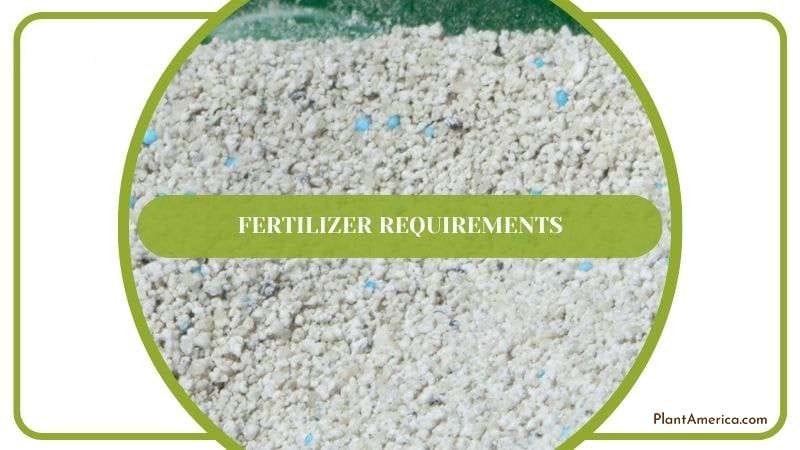
Most gardeners recommend fertilizing the Philodendron el choco red plant once a month, while some recommend it once a week. Others also supplement their inorganic fertilizers with organic ones such as manure and compost.
Stop applying fertilizers once the colder seasons set in to allow your plant to rest and recover from its active growing period.
 Pruning
Nearly no pruning is required for this beautiful el choco red. However, if you notice any yellowing or browning of the leaves, which means that they are withering or getting old, you may prune them.
In addition, when you spot any pest infestations, it would be good if you prune those stems as well, aiming to stop the infestation from spreading from one stem to the other.
Propagation
The Philodendron el choco red plant can be easily propagated in several ways. Here, we will explore the different ways to create seedlings from different parts of the plant.
– Propagation Through Stem Cuttings
This is the most common method as well as the easiest. Most gardeners recommend using this technique to get the most out of your stem cuttings. This is best done when you are pruning your plant.
Here are the steps to propagate the Philodendron el choco red plant through stem cuttings:
- Select a stem with at least one node and cut the part with a sterilized blade, knife, or pair of shears.
- Put some cinnamon powder on the cut area of the mother plant as well as on the cutting. Cinnamon powder prevents fungal infections as well as promotes rooting on the cutting.
- Fill a container with a soil mix that is similar to the potting medium of the mother plant. Make sure the potting medium is damp but not wet.
- Place the cutting in the soil mix.
- Cover the cutting in the container with a clear plastic bag. The plastic bag will serve as a temporary terrarium or a min greenhouse that promotes humidity.
- Place the plastic-covered plant in an area near the mother plant that receives appropriate light and warmth and cultivate the new seedling as required.
Generally, it can take around three to four weeks for the cutting to root. Spring and summer seasons are the best periods to propagate as the light and warmth are more stable.
– Propagation By Air Layering
Air layering is the next best way to propagate the Philodendron el choco red plant. Here are the steps to propagate the Philodendron el choco red plant by air layering:
- Select the stem that you want to eventually cut off as a propagated seedling.
- Wrap damp sphagnum moss around the node of the stem and secure it with clear plastic wrap.
- Check the wrapped area for any roots that will show through the sphagnum moss and plastic wrap. Generally, it takes three to four weeks for clear signs of root growth.
- When you see that root growth is healthy and visible, cut off the stem at the area just below the wrapped sphagnum.
- Remove the plastic cover and transplant your new seedlings in a potting medium similar to the mother plant.
- Cultivate the plant as required.
This method can require gardeners to have more experience, although you should also try this to see if it works for you even if you consider yourself a novice gardener.
– Propagation By Seeds
Philodendron el choco red seeds are typically sold with a warning for gardeners, especially novice ones, that growing Philodendron el choco red plants from seed is extremely difficult.
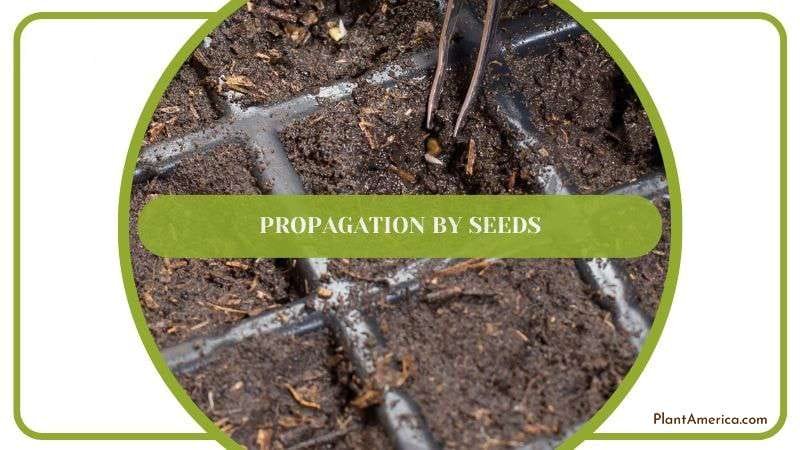
Thus, those who grow the plant from seed should have the utmost patience and skill as the germination rate and viability are quite low.
Problems
The Philodendron el choco red plant can have some issues when grown in cultivation. Here you will find some common concerns that the plant can experience, and how to treat each concern accordingly.
– Yellowing Or Drooping Leaves
When young leaves droop, turn yellow and feel soft, it is a sign that the Philodendron el choco red plant is overwatered. If the leaves turn yellow and are crisp, it is a sign that the plant is underwatered especially if the potting medium is dry all throughout.
If overwatered, check your potting medium since the soil may be too dense or compact. You can also reduce your watering if the soil is already the perfect mix but still remains constantly wet. If underwatered, consider increasing the frequency of your watering.
– Root Rot
Root rot is caused by the root system of the plant being constantly exposed to wet soil. This condition could cause your plant to perish. The signs of root rot are soft and mushy parts of the plant which normally start at the roots. Generally, gardeners end up throwing away dying plants since it can be difficult to recover plants suffering from root rot.
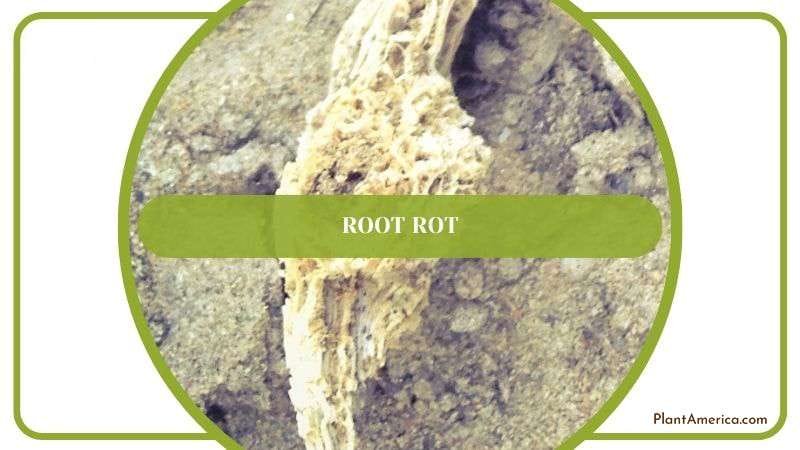
Because the start of root rot is normally hidden from view, prevention is key. Ensure that your potting medium is appropriate and water it only when the topmost inch is dry.
– Pest Infestations
Pests like mealybugs, aphids, thrips, fungus gnats, spider mites, and whiteflies can be irksome. Pests are also a possible indication that your plant had been suffering from stress prior to infestation.
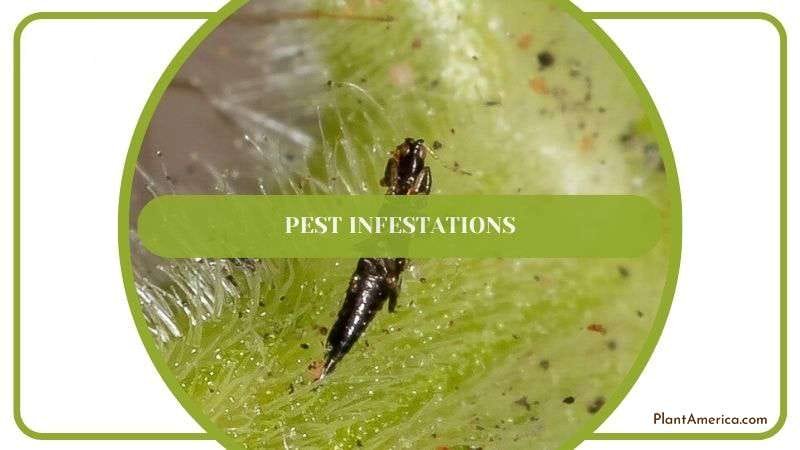
Treat pest infestations with insecticides or neem oil solutions. Once eliminated, ensure that your plant has healthy growing conditions to keep it healthy enough to ward off any pests.
Final note:
Let’s review what we have learned so far about cultivating and propagating this tropical beauty: