
Moon garden flowers can add a magical glow to your evening garden retreat. In this guide, we’ll explore moon-loving flowers that shine as night falls, from blooming flowers with petals that reflect the moonlight to plants with glowing leaves that come alive after dusk.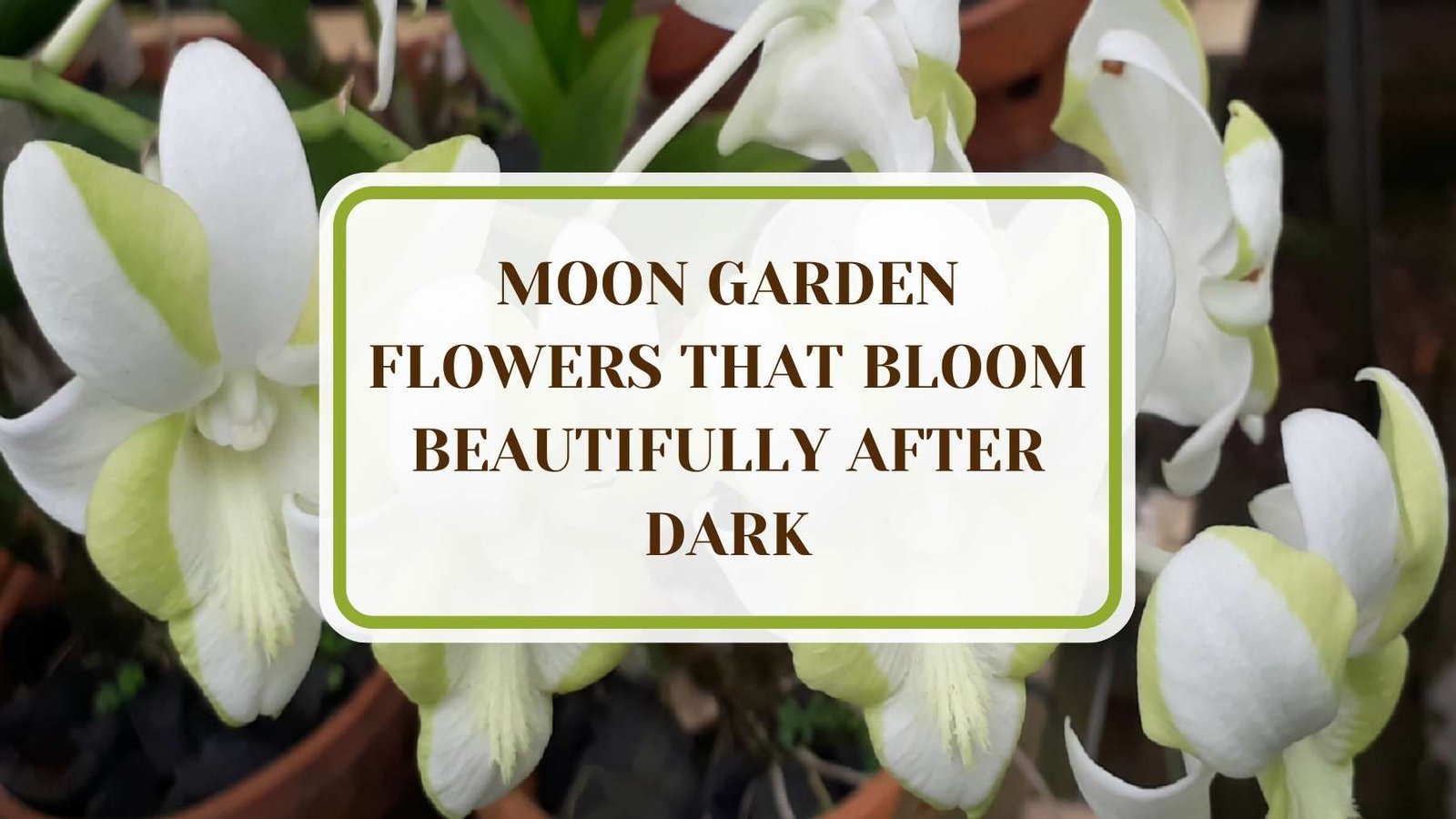
Whether you have a small balcony or a sprawling backyard, these moon garden flowers infuse your outdoor space with a soft luminescence to enjoy on quiet nights.
Moon Loving Flowers for Your Glowing Garden Retreat
1. Moonflower
- Growing season: Summer, Early fall
- Leaf shape: Heart-shaped, Serrated
- Specific needs: Needs something to climb on, Prefers full sun
- Common pests: Aphids, Spider mites
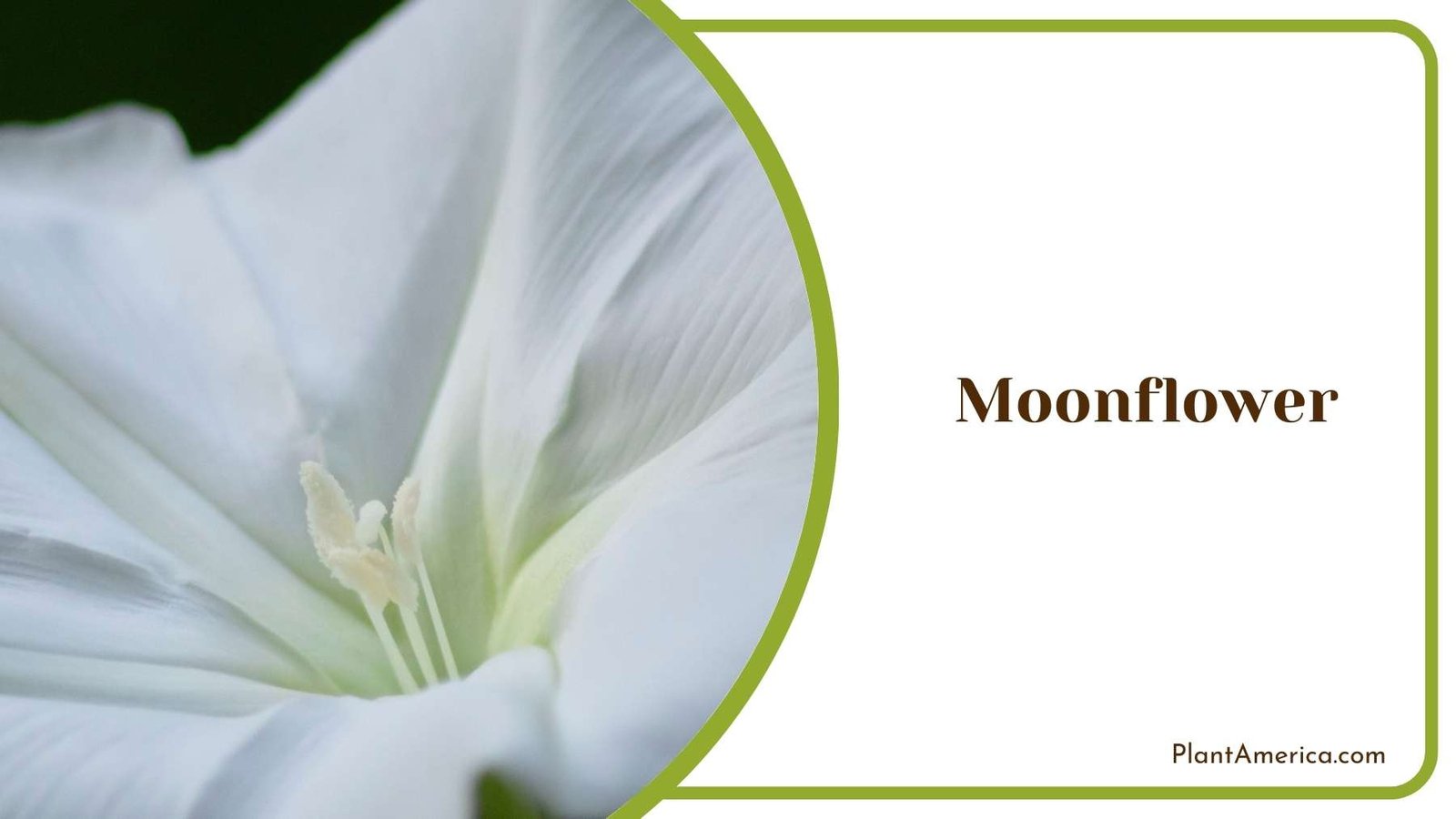
The moonflower is one of the most beautiful climbers for your moon garden. As night falls, its large white blooms can reach eight inches across, unfurl, and fill the air with a soft fragrance. You’ll be dazzled at seeing so many glossy white flowers glowing in the moonlight, connected by delicate vining stems.
Ensure to provide a trellis or arbor for its vines to scale upwards towards the night sky. Its rapid growth makes it perfect for covering an unsightly fence or adding lush foliage to a bald spot in your yard. Moonflowers thrive in evening’s dappled moonlight and are excellent for moon garden flowers.
It’s native to tropical regions of Asia and America, and the moonflower vine prefers warm and humid conditions. In partial shade, their heart-shaped leaves provide coverage during the day. But this flower truly shines at nightfall because its trumpet-shaped blooms only open under moonlight or darkness.
Some varieties stay open all night, perfuming the air with their sweet scent. Place moonflowers near your outdoor seating area to admire their beauty from dusk until dawn.
With their quick growth rate, you’ll have a garden bower covered with glowing white petals within a few months. As moonflowers thrive with minimal effort, they make lovely additions to moon gardens or areas with poor soil. Give them poles or fences to climb, as they can grow upwards of 30 feet. Attracted by the flowers’ sugary nectar, moths and night-flying insects flock to pollinate the blossoms.
In the morning, you may find their petals shed and a new batch of buds preparing to open with the next rising moon. Its delicate flowers, foliage, and enchanting night-blooming habit make moonflower an incredible choice for moon garden flowers.
2. Queen of the Night Tulip
- Growing season: Spring
- Leaf shape: Narrow, Pointed leaves
- Specific needs: Prefers well-drained soil, Full sun
- Common pests: Aphids, Spider mites
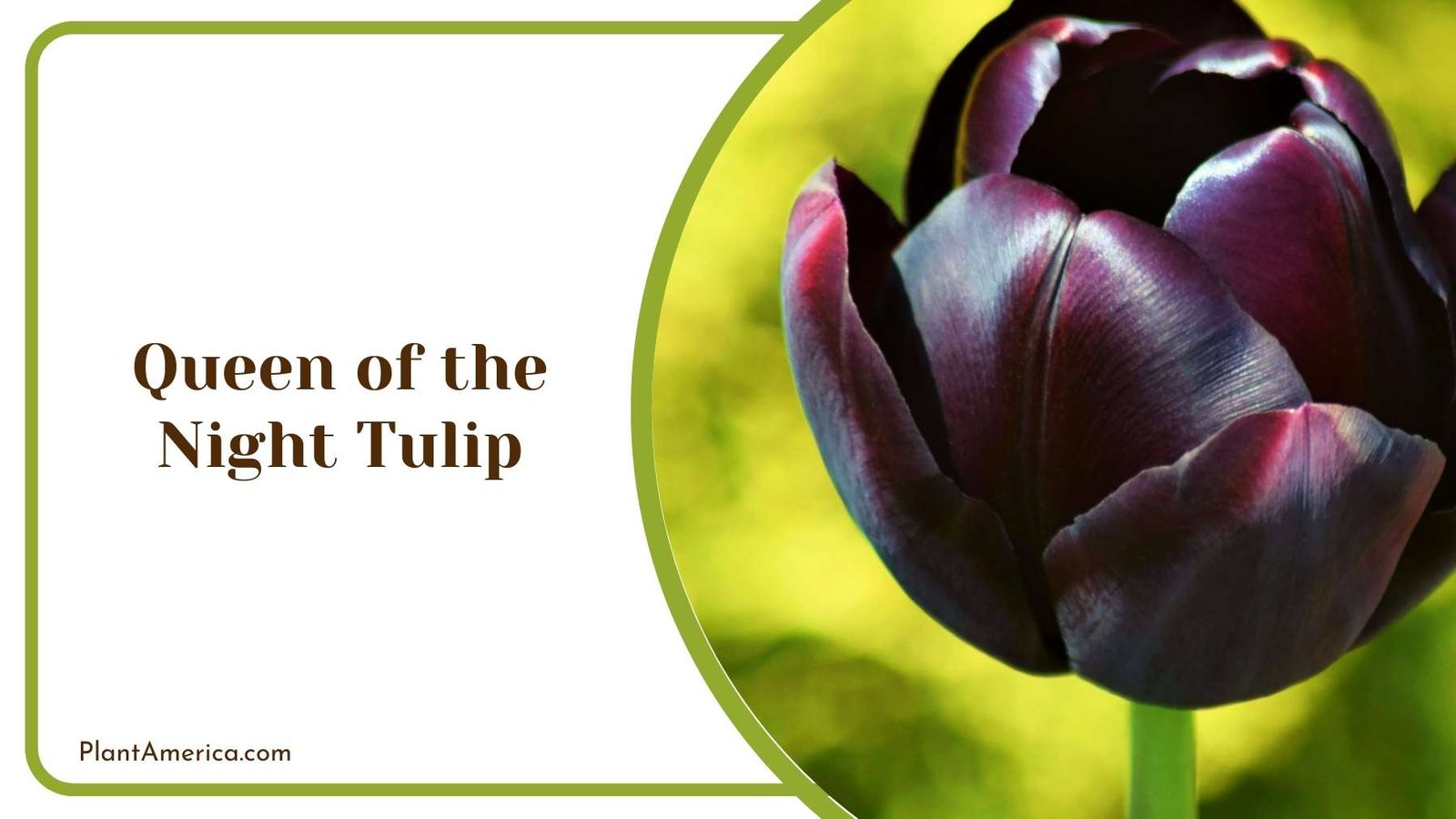
The Queen of the Night tulip gets its name from its unique blooming habit. Unlike other tulips that open to the morning sun, this variety waits for the moon’s pale light to reveal its delicately cupped white blossoms. On warm spring evenings, stroll through your moon garden and anticipate its blooms slowly unfurling.
You’ll be enchanted by their waxy white petals peeking open, embracing the glow of the rising moon. With pointed leaves in dense clumps, Queen of the Night tulips punctuate the garden bed. As the sun’s glow dims from the horizon, its flattened buds stir. Slowly, its three pale petals angle backward to expose fluorescent stamens and pistils.
By full darkness, the entire bloom faces skyward in full effect. Under the moon’s technique, its waxy petals almost seem to illuminate from within. No wonder this tulip inspired its mythical name, it’s fit for royalty in any moon garden.
3. Four O’Clocks
- Growing season: Summer Heat, Full sun
- Leaf shape: Untoothed, Oval
- Specific needs: Heat, Full sun
- Common pests: Aphids, Spider mites
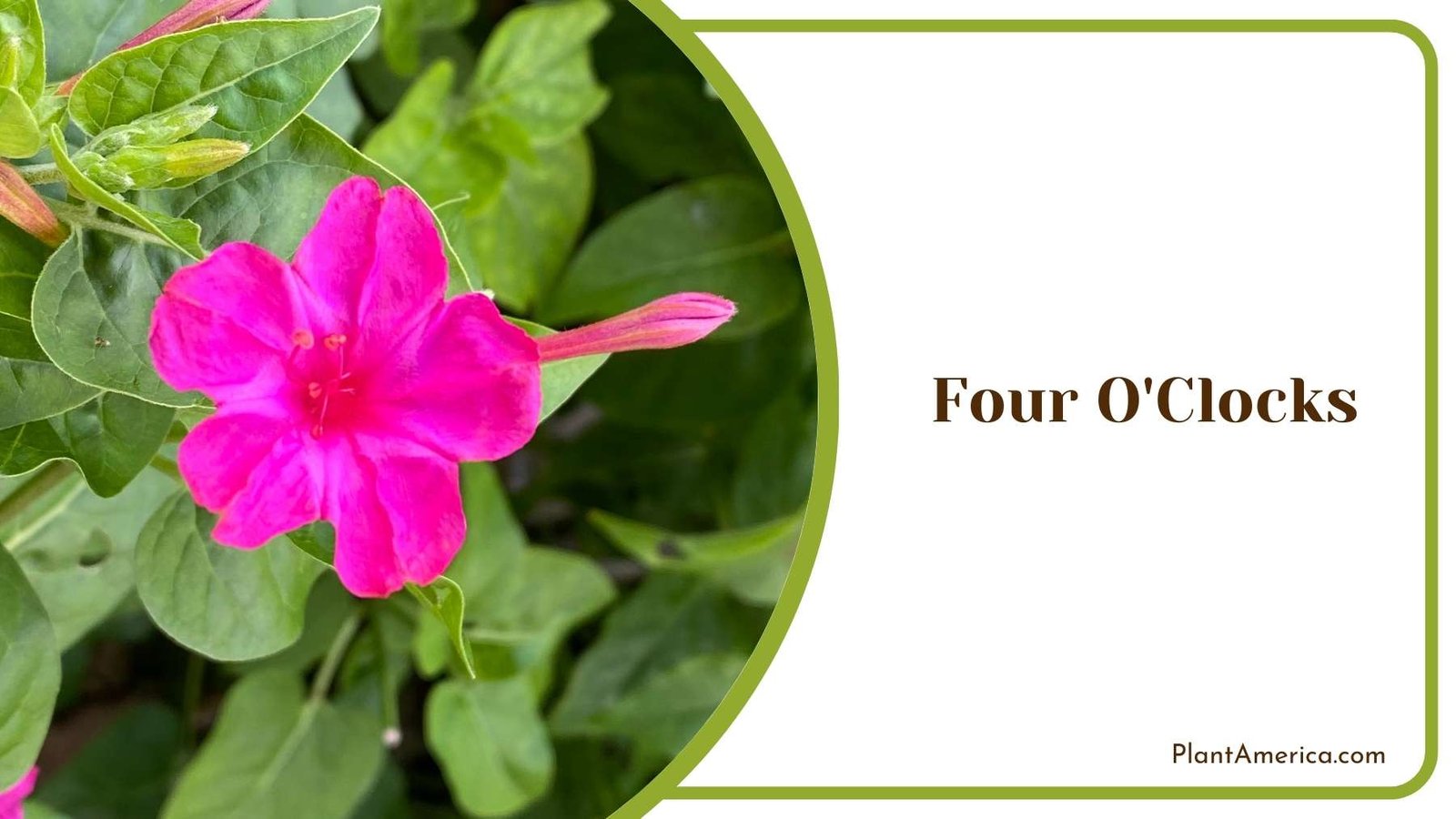
Also called Marvel of Peru, Four O’clock blooms vibrantly from summer into autumn. Their flowers remain tightly furled all day, hiding colorful clusters that pop open as the sun drops low. Finding the right spot in your garden for these moon garden flowers takes timing – make sure they receive hot sun to bring out vibrant reds, pinks, oranges, and yellows.
Throughout warm evenings, Four O’clock invites hummingbirds and moths with sweet nectar curled inside trumpets of petals. Vines lined with blooms wave gently in the dusk breeze, giving charm to any garden.
Whether grown as annuals or perennials, their cheerful flowers lift the spirits. In partial shade, they may struggle to unfurl, preferring full exposure to the setting sun. But with rich soil and space to roam, Four O’clock makes the moon garden glow through September nights.
4. Evening Primrose
- Growing season: Summer, Fall
- Leaf shape: Simple leaves, Branching stems
- Specific needs: Full sun, Good drainage
- Common pests: Aphids, Spider mites
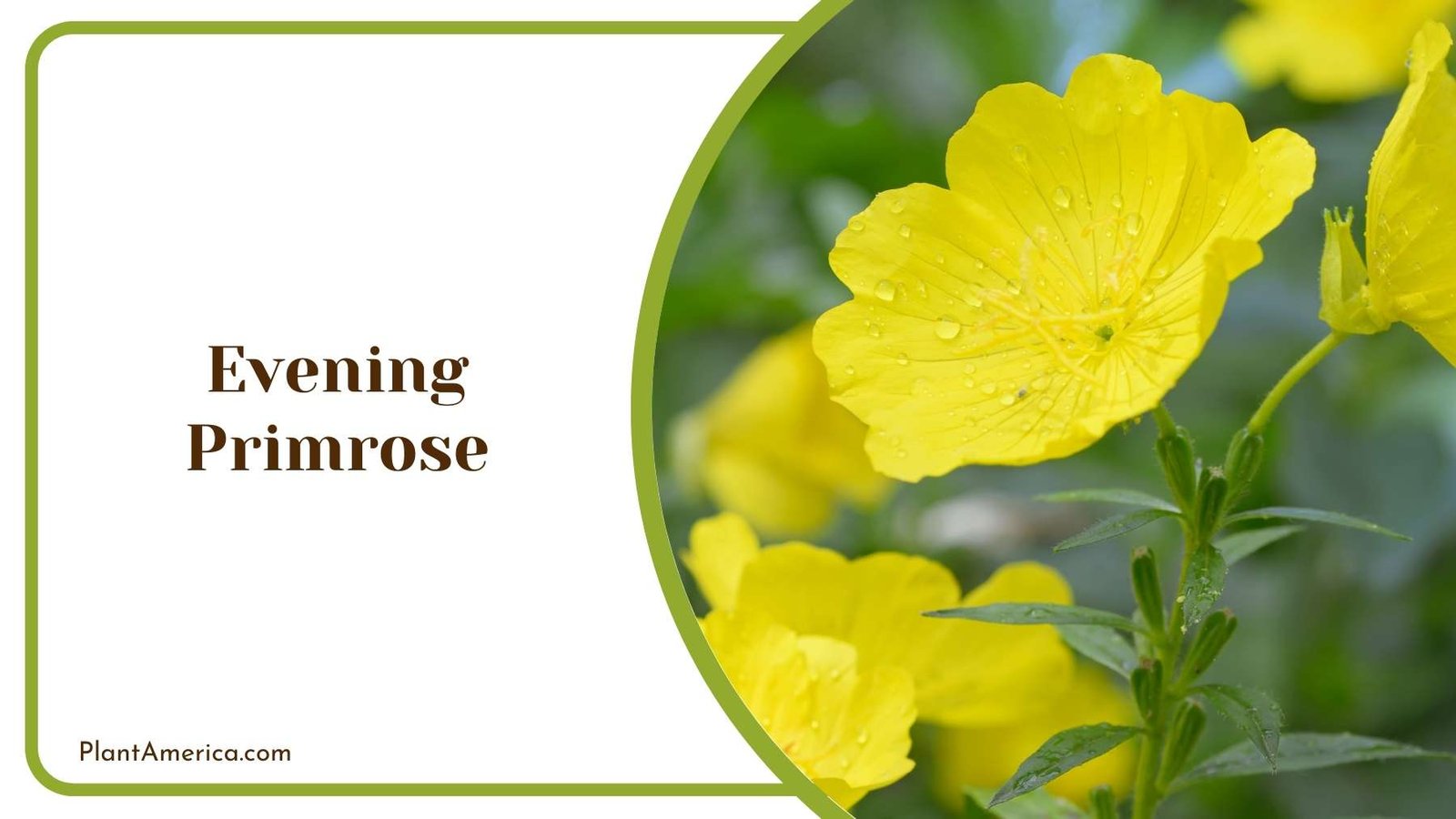
Bring the soft yellow blooms of evening primrose to your summer and fall moon garden. As daylight disappears, its four-petaled flowers twist open wide on long stems. Generously producing charming blooms, these hardy perennials spread themselves across beds and borders.
Their leaf shape is simple, complementing the beauty of solitary blooms popping open one after another through warm evenings. Foragers searching for pollen and nectar in the moonlit hours will feast upon evening primrose. Its open cups provide an easy target for moths, night-flying beetles, and bees.
Come dawn, residues of these nocturnal visitors may be evident on petals. Deadhead spent flowers to encourage more blooms right through the first frost. Even after flowers fade for winter, seed heads remain interesting visible silhouettes in the garden through the colder months. These moon garden flowers will surely beckon you outside for evening strolls again next summer.
5. Dusty Miller
- Growing season: Summer
- Leaf shape: Silvery gray, Fuzzy oval leaves
- Specific needs: Full sun, Average to dry soil
- Common pests: Aphids, Spider mites
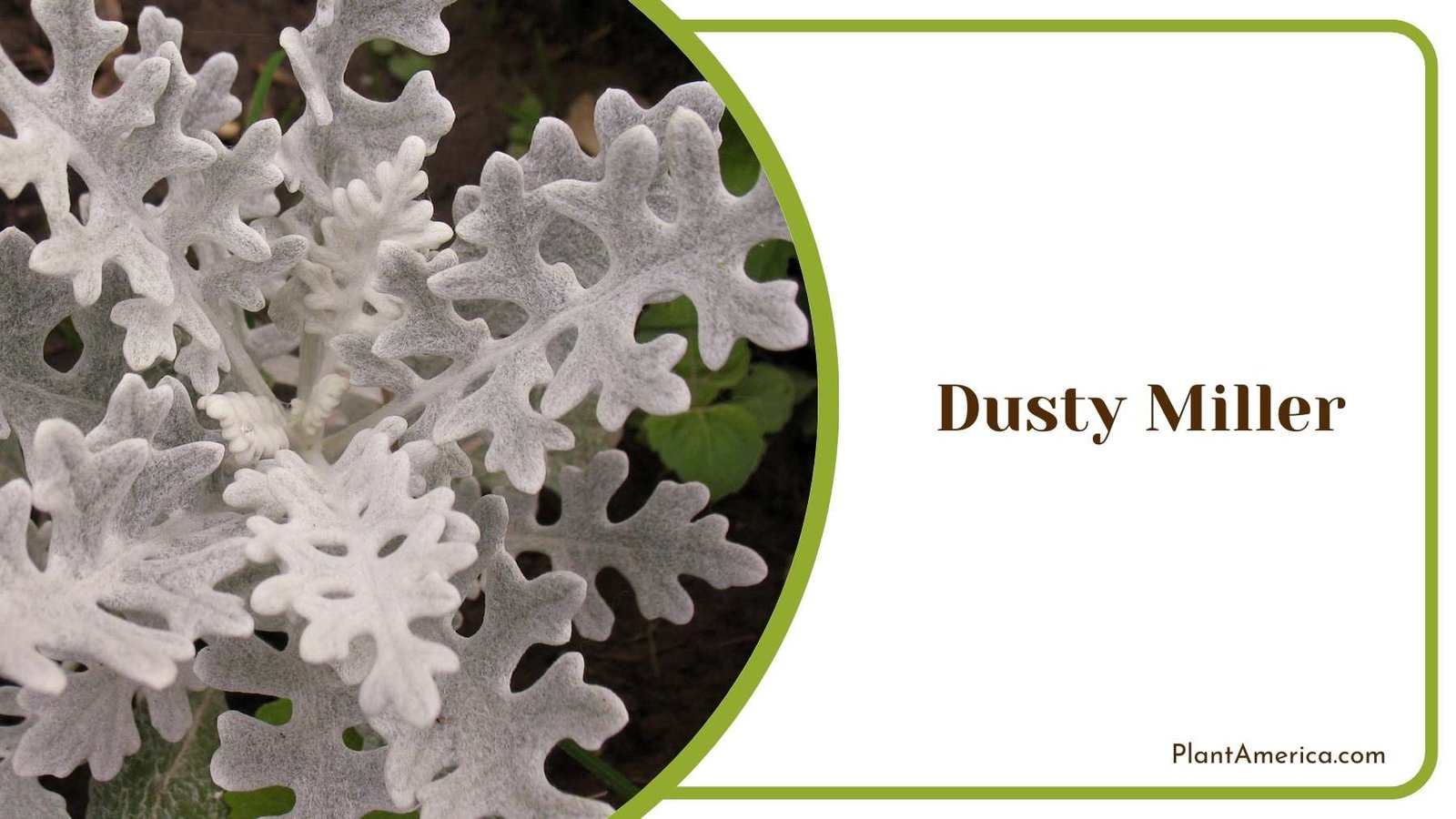
For foliage contrast in moon gardens, nothing compares to Dusty Miller. Covered in silvery down that reflects the rising moon, its leaves shine like the night sky. Plant Dusty Miller wherever you need a splash of grayish color; besides being beautiful, it requires little care. Come nightfall, its leaves take on an ethereal aura, undulating gently against surrounding plants.
Resistance to most pests and good drainage make this versatile perennial adaptable to both beds and containers. Softened by its pale leaves, blooms of neighboring plants will stand out magnificently in your garden or yard under moonlight.
Use Dusty Miller to frame an entry, accent a pathway, or provide texture amongst brilliant night bloomers. Lichen and Bog Sage could make lovely companions, complementing Dusty Miller’s airy appearance. And best of all – it will continue contributing its alluring foliage long after the flowers of summer fade.
6. Godetia
- Growing season: Spring, Fall
- Leaf shape: Fern-like, Dense
- Specific needs: Full sun, Average to dry soil
- Common pests: Aphids, Slugs
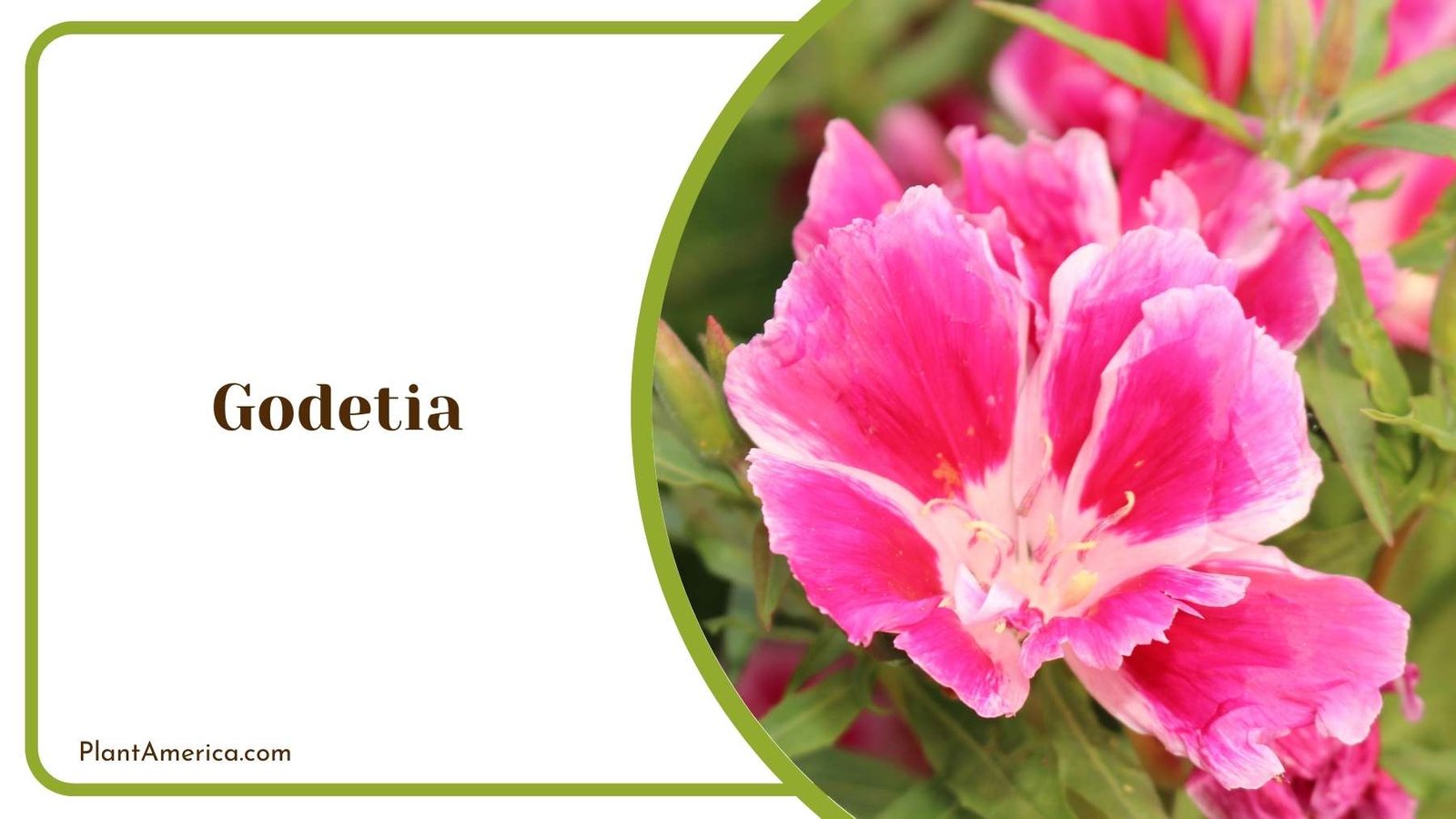
For a garden filled with glowing blooms night after night, look no further than Godetia. Starting in spring, cherry pink, rose, red, or white flowers appear freely on spreading mounds. During daylight hours, tightly closed buds hide colorful clusters awaiting dusk. Godetia bursts alive with blooms thrust open wide to the sky as twilight falls upon your moon garden.
Native to Chile, this cool-season annual thrives with consistent moisture. Deadhead spent flowers to keep it flowering until first frosts. Godetia spreads ferny foliage into a dense carpet punctuated by wonderfully intricate petals. Under the moon’s soft light, colorful godetia blooms almost appear to glow themselves.
Attractive to sphinx moths seeking nectar, night pollinators animate the garden after dark. Let Godetia transform bare paths or edges into stretches of flowers undulating in the moonlight breeze.
7. Gomphrena Globosa
- Growing season: Summer, Fall
- Leaf shape: Fleshy, Green-gray
- Specific needs: Full sun, Well-drained soil
- Common pests: Aphids, Spider mites
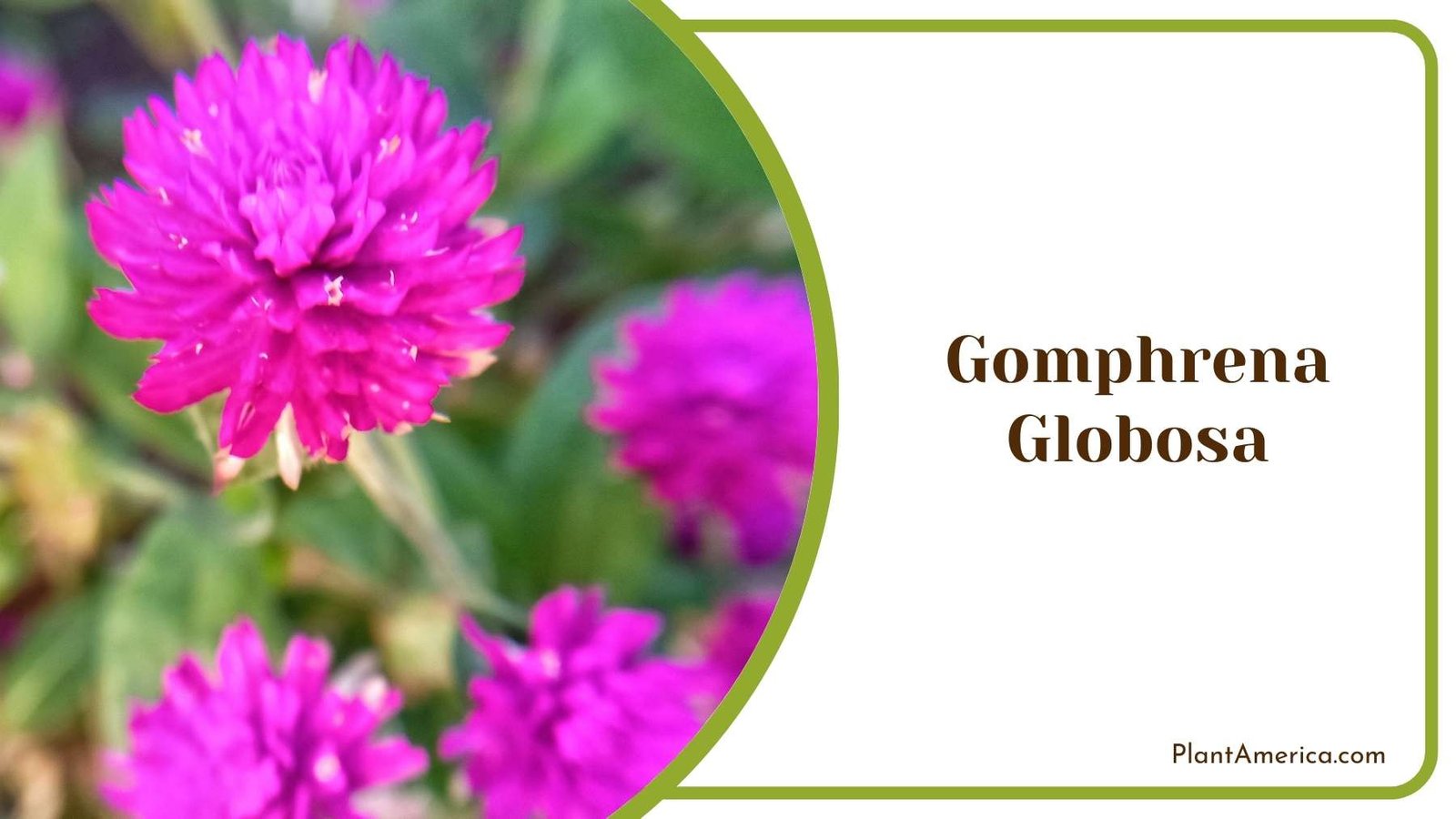
Bring vibrant color to your summer moon garden with the addition of Gomphrena Globosa. These drought tolerant perennials produce striking pink, red, orange, or white pom-pom-like flowers that bloom in tight globular clusters held high atop stiff, wiry stems. Their fuzzy pink flowers make Gomphrena Globosa a favorite of visiting hummingbirds.
During the hot days of summer when water may be scarce, the small, sticky leaves of Gomphrena Globosa help slow the loss of moisture from the plant through transpiration, creating an interesting texture while aiding its survival.
Come nightfall, the round flowerheads really shine as they catch and reflect the soft moonlight back out into the landscape. In the garden after dark, Gomphrena Globosa lights up a moon garden like illuminated orbs.
Used as edging plants or tucked throughout rock gardens, the mounding globes add visual interest and texture for many months. Even after flowering concludes at the end of summer, the plants persist nicely with their curious seed heads, providing decorative appeal well into the warm nights of early fall.
Regular deadheading of spent blooms is key to prolong Gomphrena Globosa’s performance season. Periodically removing faded flowers stimulates additional waves of flower production. By autumn, the seed heads dry attractively in colorful bunches that sway in the evening breezes.
Backlit by the moon, Gomphrena Globosa continues entertaining nighttime visitors with its unique blooms and persistent presence long after other seasonal flowers have gone dormant for winter..
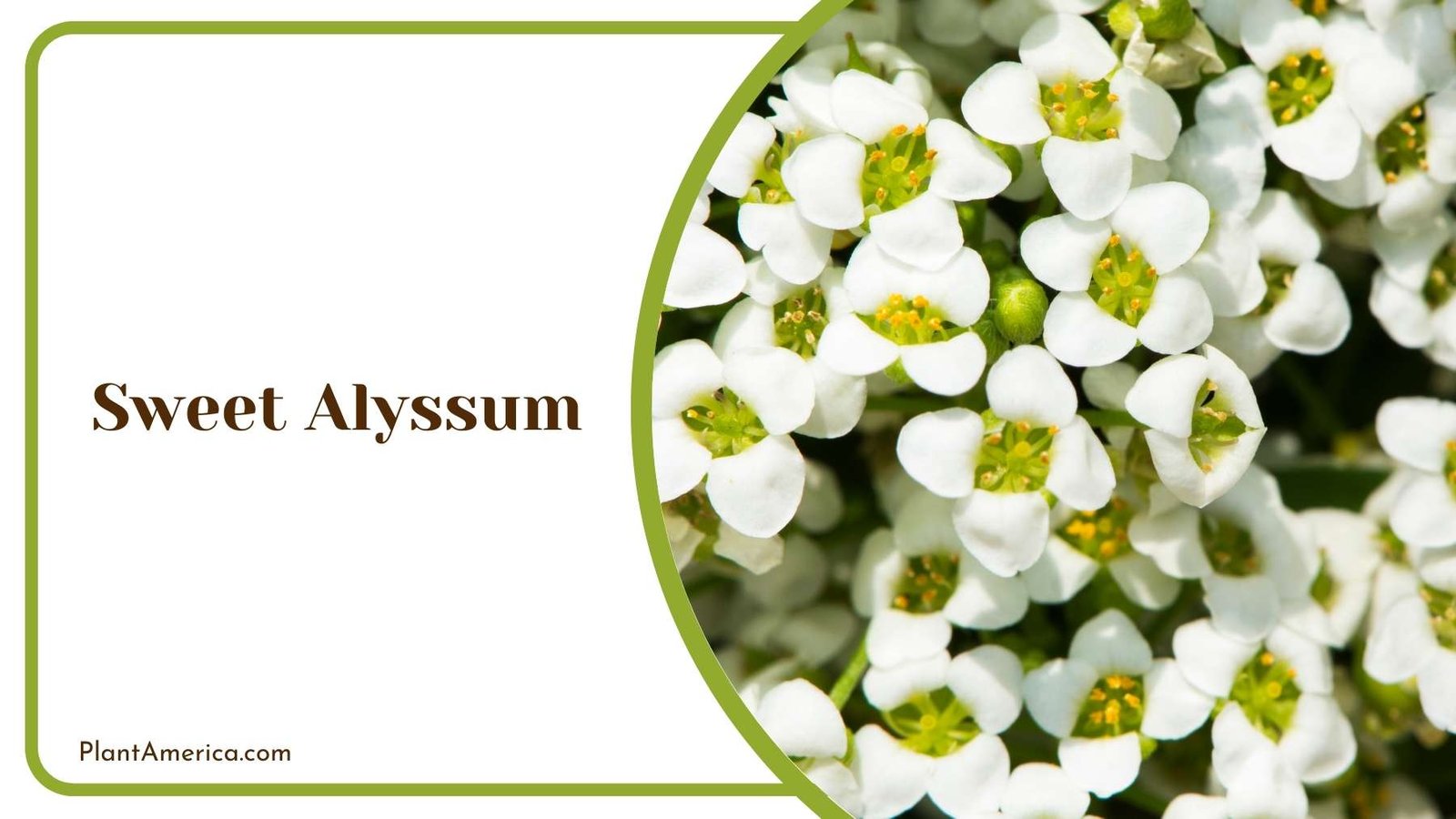
8. Sweet Alyssum
- Growing season: Spring, Fall
- Leaf shape: Basal rosette, Gray-green
- Specific needs: Full sun, cool weather, Rich soil
- Common pests: Aphids, flea beetles, Slugs
Bring the softly fragrant sweet Alyssum to delight your senses in spring and fall moon gardens. With non-stop blooming from early spring until the first frost, its tiny white flowers completely blanket the ground. Perfect for edging paths or spilling from containers, sweet Alyssum’s mat-forming habit makes quick work of bare soil.
Throughout the evening hours, bees flock to its nectar-rich petals. Their gentle buzzing sounds like fairy wings in the still night air of the garden. Use sweet Alyssum to soften edges or add visual appeal trailing from baskets on the patio.
Resistant to the most common pests and diseases, you can rely on masses of fragrant blooms with minimal care. Endlessly cheerful, this moon garden flower spreads happiness wherever it grows.
9. Sweet Potato Vine

- Growing season: Summer
- Leaf shape: Heart-shaped, Trifoliate
- Specific needs: Rich, Moist soil, Full sun
- Common pests: Aphids, flea beetles, Spider mites
Delight moonlit nights with Sweet Potato Vines winding loosely throughout the garden. Heart-shaped foliage emerges vibrant shades of burgundy, maroon, or purple contrasting brightly against surrounding green. Its crushed velvet leaves hardly shift during warm evenings while drinking cool breezes.
Train Vine’s supple stems spiraling upward arbors, fences, or trellises. Allow room to spread freely without restraint forming tunnels of foliage. Often deciduous in colder seasons, Sweet Potato brings sultry tropical charms until the earliest frosts signal dormancy. Come spring, look forward to its reemergence of cloaking garden structures with rich hues intensifying under the lunar glow.
On balmy August evenings, find tranquility in inhaling fresh garden scents Sweet Potato’s fallen leaves create lacy mulch nearby. Within rustling leaves, discover life’s fragments; spiders mending webs, and nightcrawlers are busy restoring soil for coming growth seasons.
Taking time each evening to appreciate nature’s renewal, inner peace gradually spreads just as this magical Vine adds its enchantment throughout nights blessedly warm and bright.
10. Black-Eyed Susan

- Growing season: Summer
- Leaf shape: Alternate, Irregularly lobed
- Specific needs: Average soil, Good drainage, Full sun
- Common pests: Aphids, Japanese beetles, Stem rot
Golden black-eyed Susans shining in the summer moonlight will cheer up any garden. From June till fall’s first freeze, its buttercup-like flowers rotate to face the rising moon each night. Scatter these long-blooming perennials across sunny borders for constant color. Adaptable black-eyed Susans tolerate various soil types as long as they have good drainage.
Each flower head consists of colorful petals surrounding a dark central cone. Blooms change hue with the sunlight, appearing bright yellow during the day but glowing golden after dusk.
Hosting an array of pollinators through the warm months, black-eyed Susans serve an important role in the ecosystem. Add their eye-catching charm to your summer moon garden display.
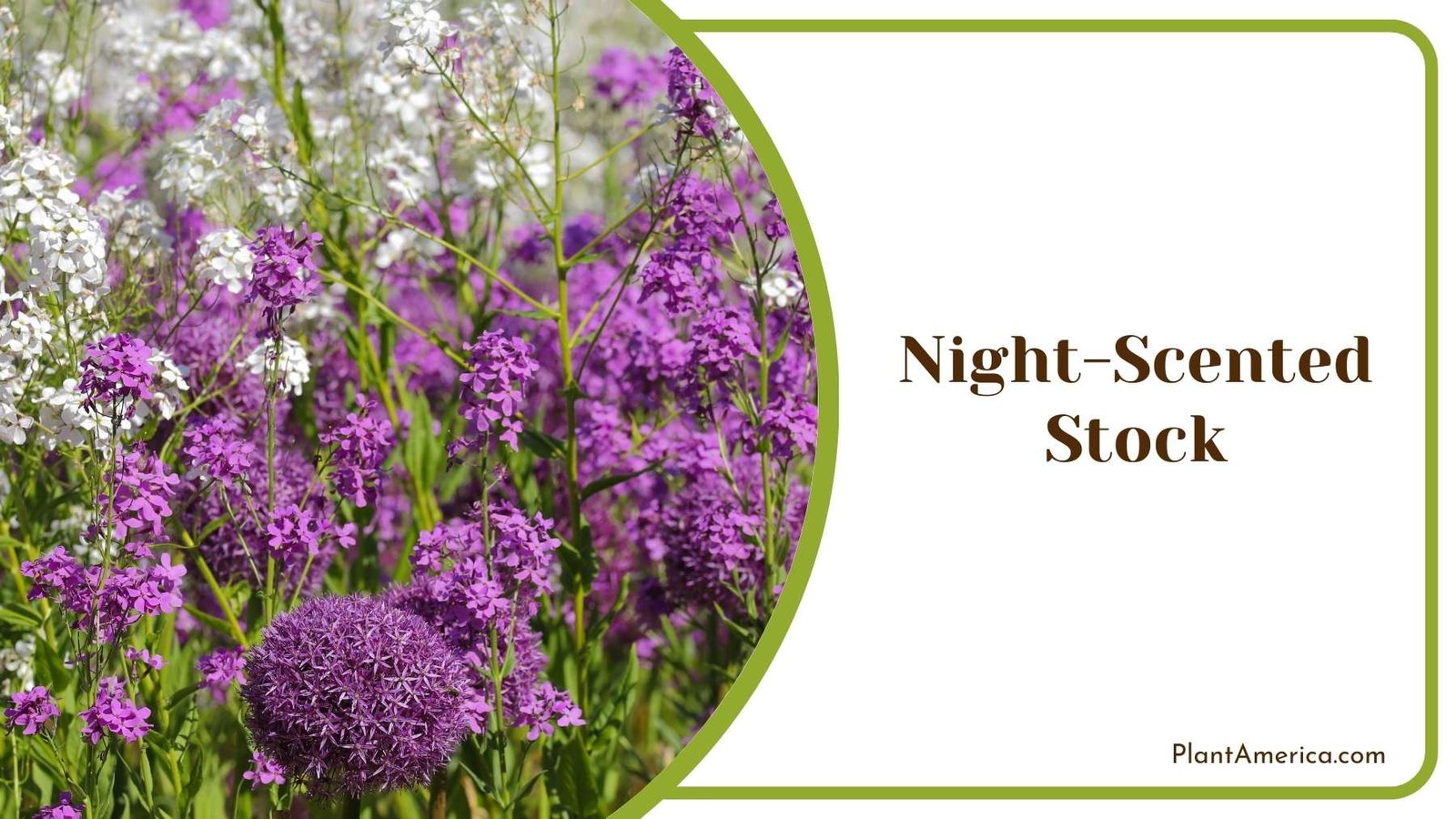
11. Night-Scented Stock
- Growing season: Summer
- Leaf shape: Opposite, Lance-shaped
- Specific needs: Average soil, Well-drained soil, Full sun
- Common pests: Aphids, Leaf spot
For an intoxicating aroma, plant night-scented stock amongst your moon garden flowers. Waiting till evening to unleash its sweet fragrance, stock opens white, pink, or purple flowers. Throughout dusk, its perfume fills the air with sweetness. Best of all, fragrance intensifies as darkness deepens under the moon.
Use stocks to line walkways or as accents throughout borders. Their upright habit, sometimes branching, provides texture. Come nightfall, close your eyes, and follow your nose to discover clusters of blooms emitting a heady scent. Moths flock, seeking its alluring fragrance after dark. For moonlit evenings with a romantic edge, consider adding stocks.
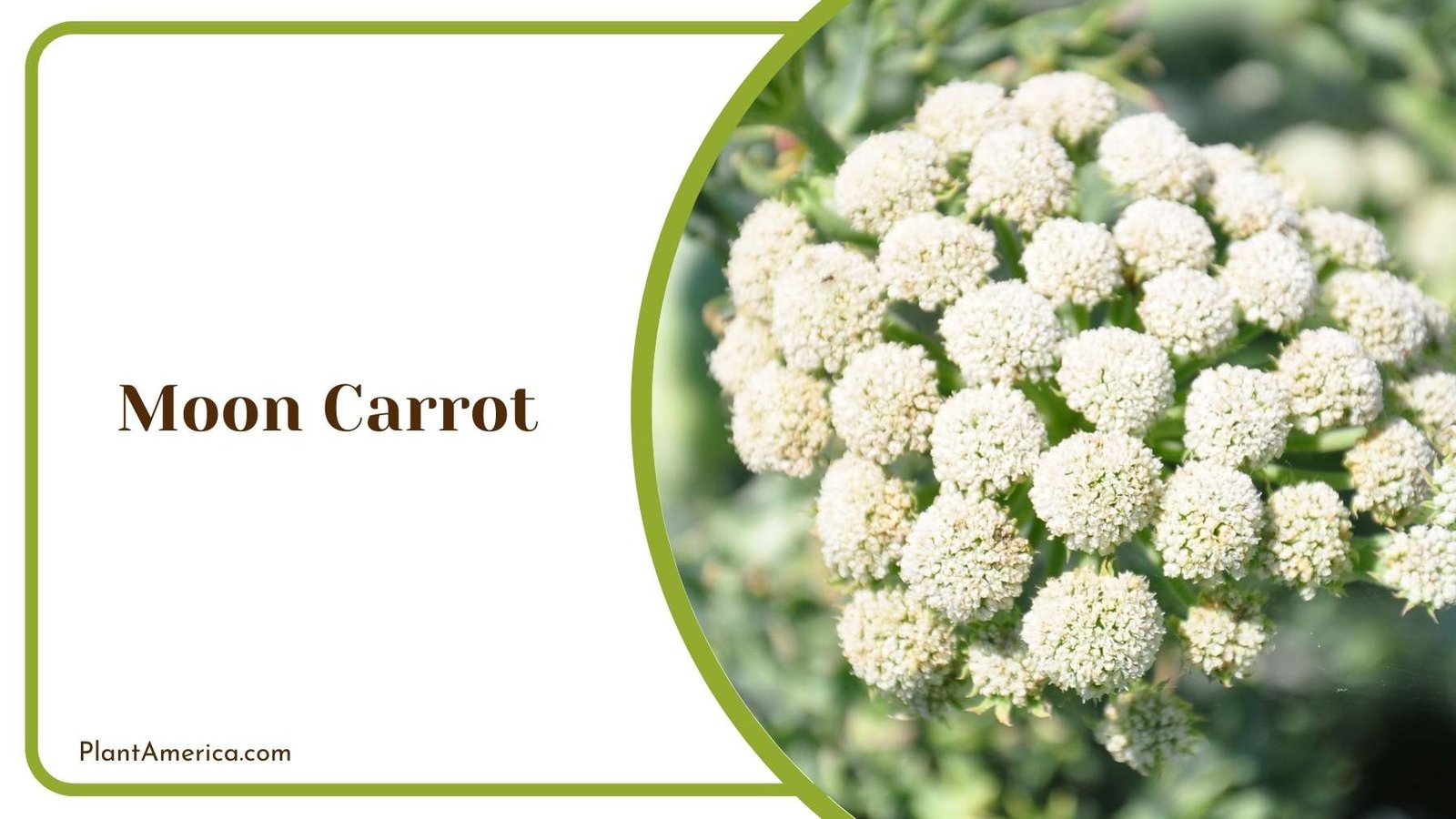
12. Moon Carrot
- Growing season: Summer
- Leaf shape: Ferny, Finely dissected
- Specific needs: Full sun, Well-draining soil
- Common pests: Aphids, Slugs, Snails
An unusual addition to moon gardens, the moon carrot bears umbels of tiny white flowers. Throughout the summer months, its lacy foliage forms a feathery texture amongst your flowers. Come evening time, delicate blooms open like lace hovering just above leafy rosettes. Adding mystique to any garden setting, Moon Carrot thrives with hot days and balmy nights.
Under the silvery haze of the moon, each minuscule white flower intensifies its glow. Some cultivars hold petals aloft on very thin stems, ethereal and shining against surrounding plants. Self-sows reliably to spread further charm year after year. Provide full moon carrot exposure and drainage to bring out its charming bloom display.
Throughout warm summer nights, its delicate blooms catch the gentle moonbeams. Like owlet moths, pollinators are active in darkness and drawn to sip its nectar-rich sugars. With fern-like foliage, the moon carrot offers fascination even after the flowers fade.
Allow seed heads to mature, then scatter seeds indoors for next year’s crop of lace-like blooms. Whether naturalizing amidst plantings or featured singularly in containers, the moon carrot adds mystical magic wherever you position this charming flower. Make room for its unique charm in your enchanted evening sanctuary.
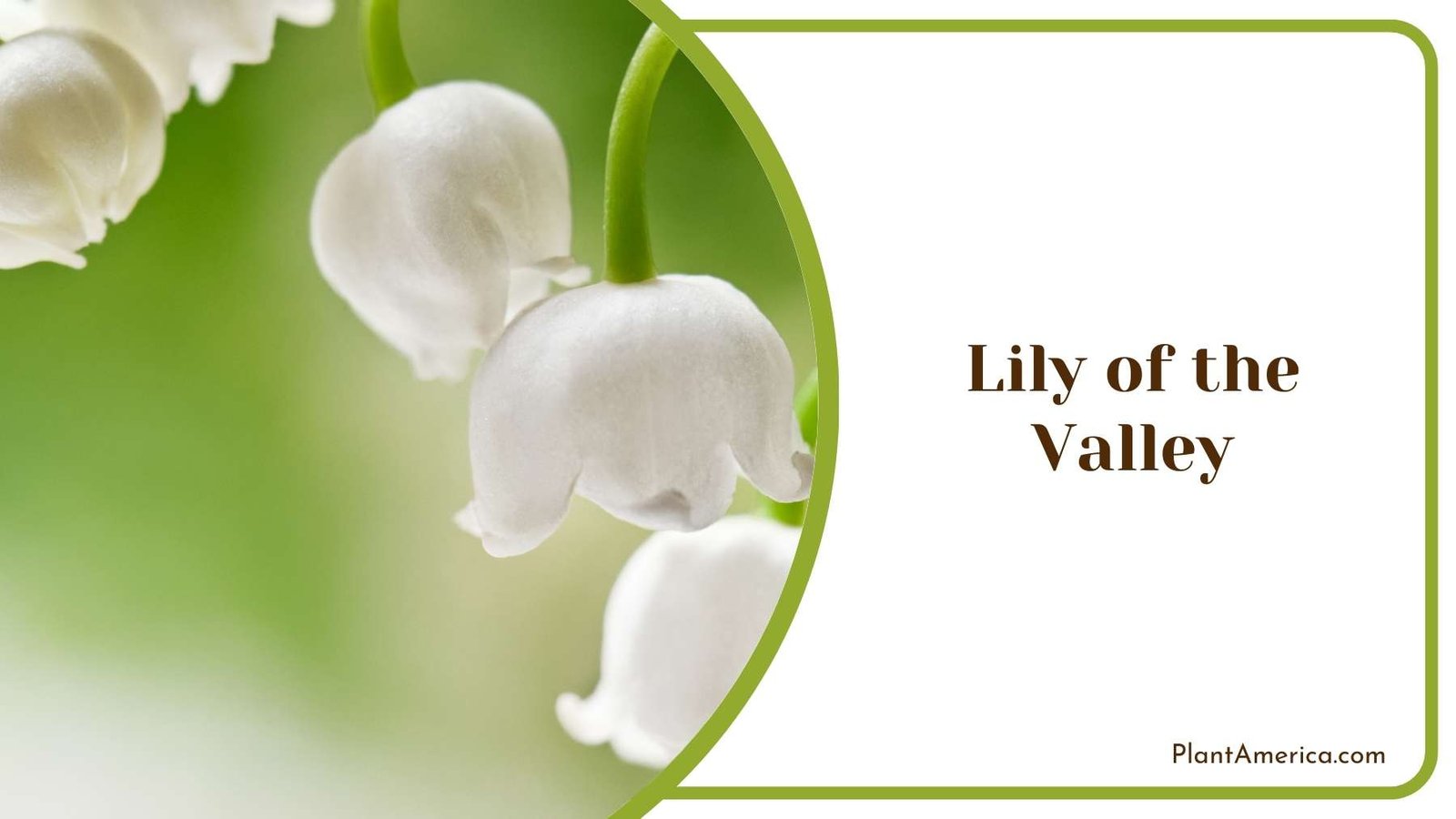
13. Lily of the Valley
- Growing season: Spring
- Leaf shape: Narrow, Sword-shaped
- Specific needs: Partial shade, Rich, Moist soil
- Common pests: Aphids, Slugs, Botrytis blight
For a carpet of white blooms blanketing the forest floor, lily of the valley ranks amongst the fairest of woodland queens. Come early spring, this delicate beauty sends up arching stems topped with sweetly scented bells. Ideal for shaded nooks in the moon garden, its dense growth thrives with dappled light and consistent moisture.
Individual blooms, dangling from thin red stems, resemble tiny pendants. Underground rhizomes slowly spread their charming foliage year after year. Inhabitants of folklore, lilies also invite delicate fairy folk into your enchanted woodland retreat.
With a sweet aroma perfuming the evening air, its subtle snowy blooms impart magic when they grow. Find perfect secluded corners to showcase this wood nymph’s beauty.
As evening falls, lights glow within the garden, magical against the night sky. Cottage gardens feel complete, with Lily of the Valley’s delicate charm lingering in shaded spots. Let it naturalize freely near moss-covered stones or spread under oak trees. Return each spring to discover more blooms covering once-bare patches of the earth with its gift of fragrant posies. In your moonlit bower, this woodland queen remains the loveliest of all.
14. Sea Holly
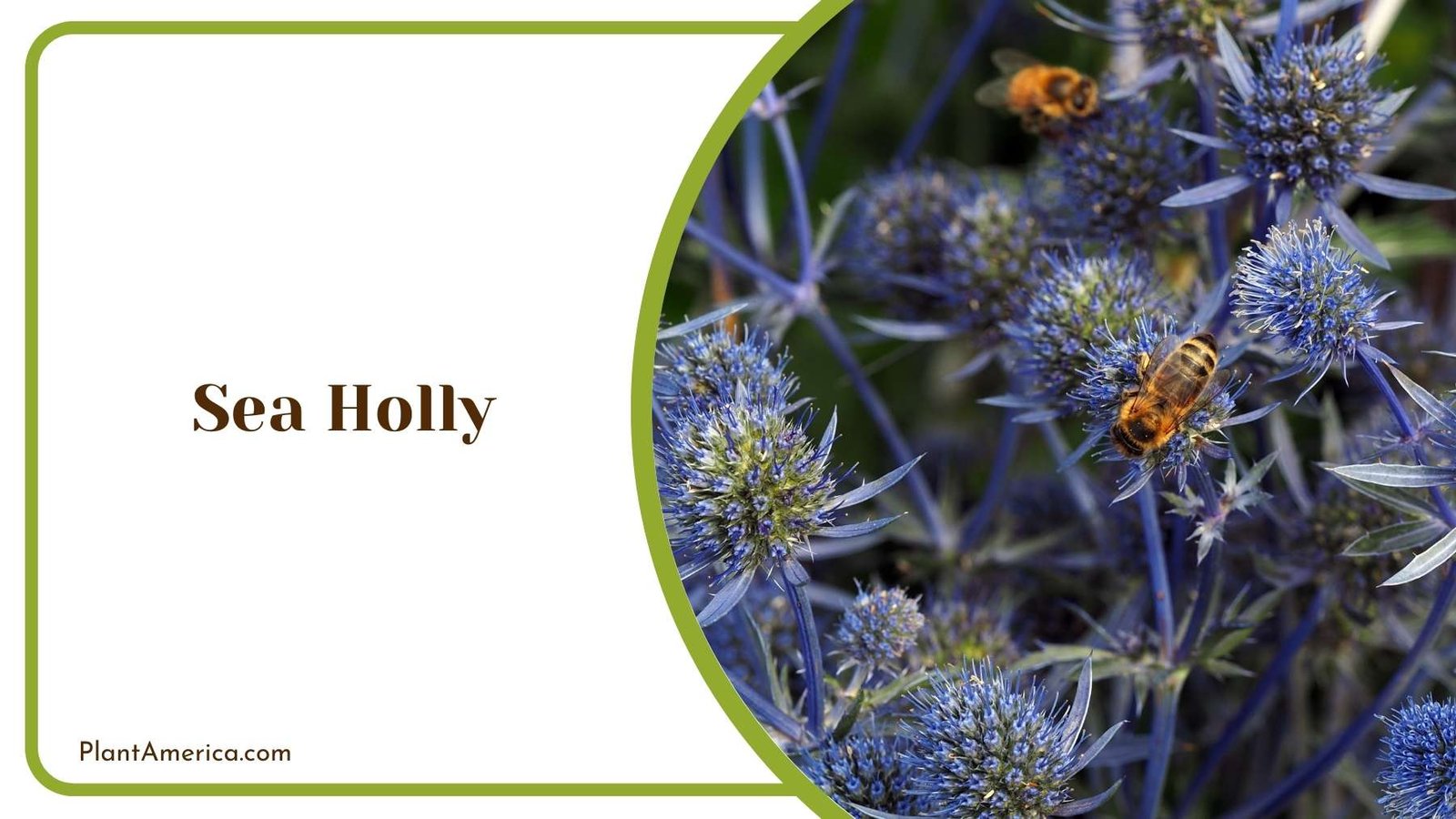
- Growing season: Summer
- Leaf shape: Sharp, Spiny, Holly-like
- Specific needs: Full sun, Average well-drained soil
- Common pests: Leaf miners, Aphids
Add texture and tropical flair to your summer moon garden with sea holly. From June into September, clusters of bright blue or pink flowers emerge amongst spiky evergreen foliage. Perfect for seaside landscapes, its sharp leaves resemble holly. Come nightfall, however, its strikingly beautiful flowers glow ethereally.
Pollinators frequent sea holly for nectar long into the evening. Shining against jagged greenery alongside the coast, its delicate blooms beautifully accent moonlit beaches or dunes. Draining sandy soil suits its roots well. Consider planting amongst beach grasses for fascinating contrast after dark. Let sea holly transform your garden into a magical moonlit shoreline anytime the moon rises high.
Include sea holly along sidewalks and paths for alluring beauty. Visit on summer nights as soft blue blooms sway in coastal breezes. Silhouetted against the indigo horizon, reflections of stars and moonbeams dance upon rippling waters.
Listen to waves gently lapping while inhaling fresh sea air scented by holly flowers. Find peace amidst spiky leaves and glittering petals, and reconnect with nature’s steady balance. Sea holly’s charm carries fond memories of relaxing under the moon’s glow.
15. Petunia
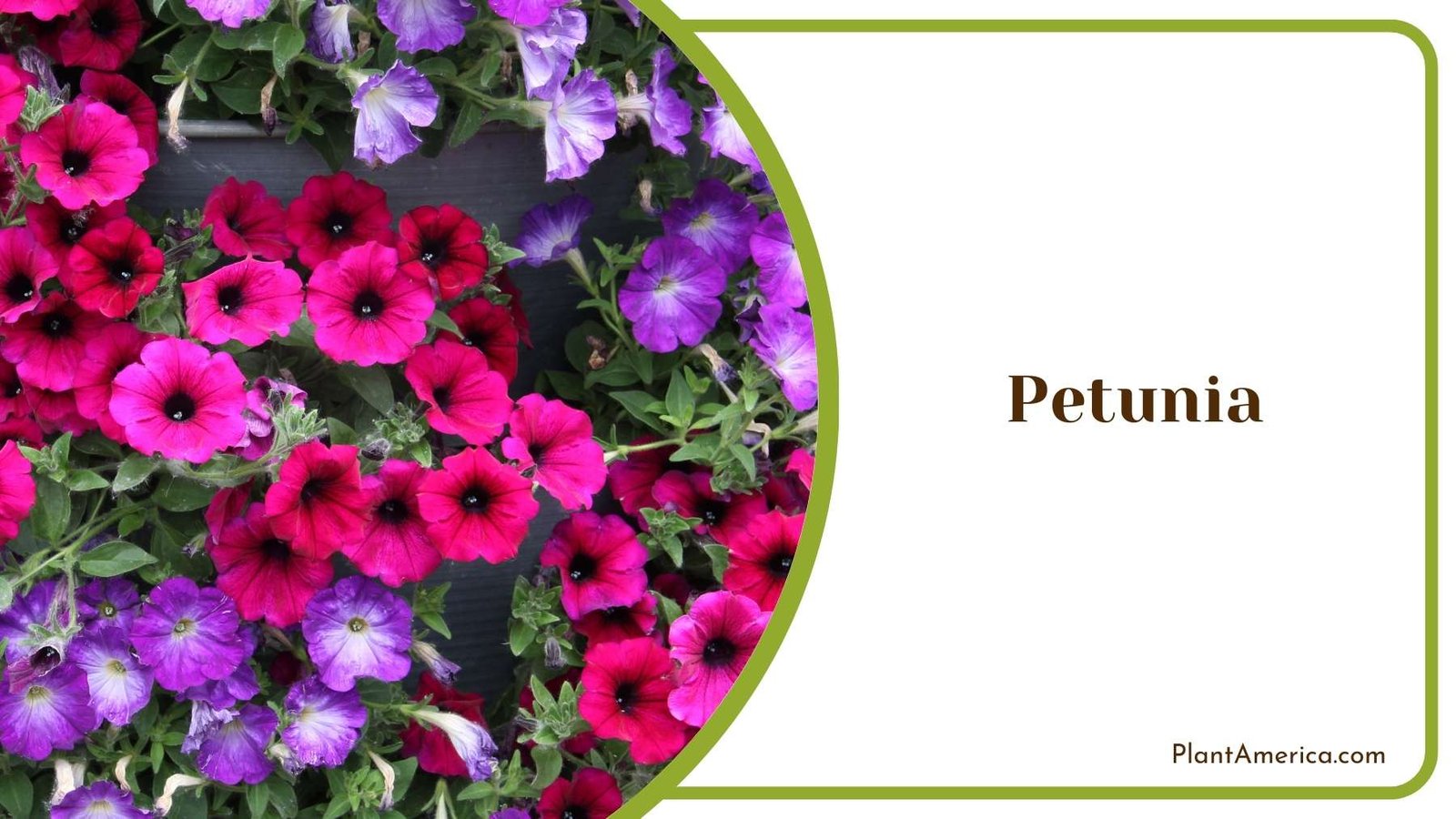
- Growing season: Summer
- Leaf shape: Opposite, Green oval
- Specific needs: Full sun, Rich moisture-retentive soil
- Common pests: Slugs, Snails
Few flowers can rival petunias for their reliable ability to fill a garden with non-stop blooms from spring straight through fall. Requiring minimal care beyond consistent watering, petunias thrive excellently in containers, hanging baskets, or spread across the ground of a moon garden.
Hundreds of single or double trumpet-shaped flowers emerge freely in a rainbow palette of shades including pink, purple, yellow, red, and white. Blanketing beds and spilling over edges, their charming blooms begin to shine brilliantly at dusk as evening falls upon the landscape.
Under the glow of the moon, their sweet fragrance intensifies, carrying delightfully through the calm night breezes. Offering beauty visible to enjoy throughout daylight hours and into the darkness, petunias make any moon garden come alive with luminescent color long after the sun disappears below the horizon.
Petunias adapt wonderfully to different growing conditions, with trailing varieties excellent for spilling over walls or cascading from baskets on the patio. More mounded kinds can also dot the moonscape. Interspersing them with foliage like Ivy or Dusty Miller adds visual texture and interest.
Winding scarlet-hued vines of Firecracker amongst lush petunia blooms build drama throughout the warm seasons. Returning each dusk, new flowers are discovered opening their faces wide like little stars to bask in the moonbeams. Reliably, petunias will continue spreading their magic across the luminous moon garden well into crisp autumn evenings with luminous color.
16. Abutilon
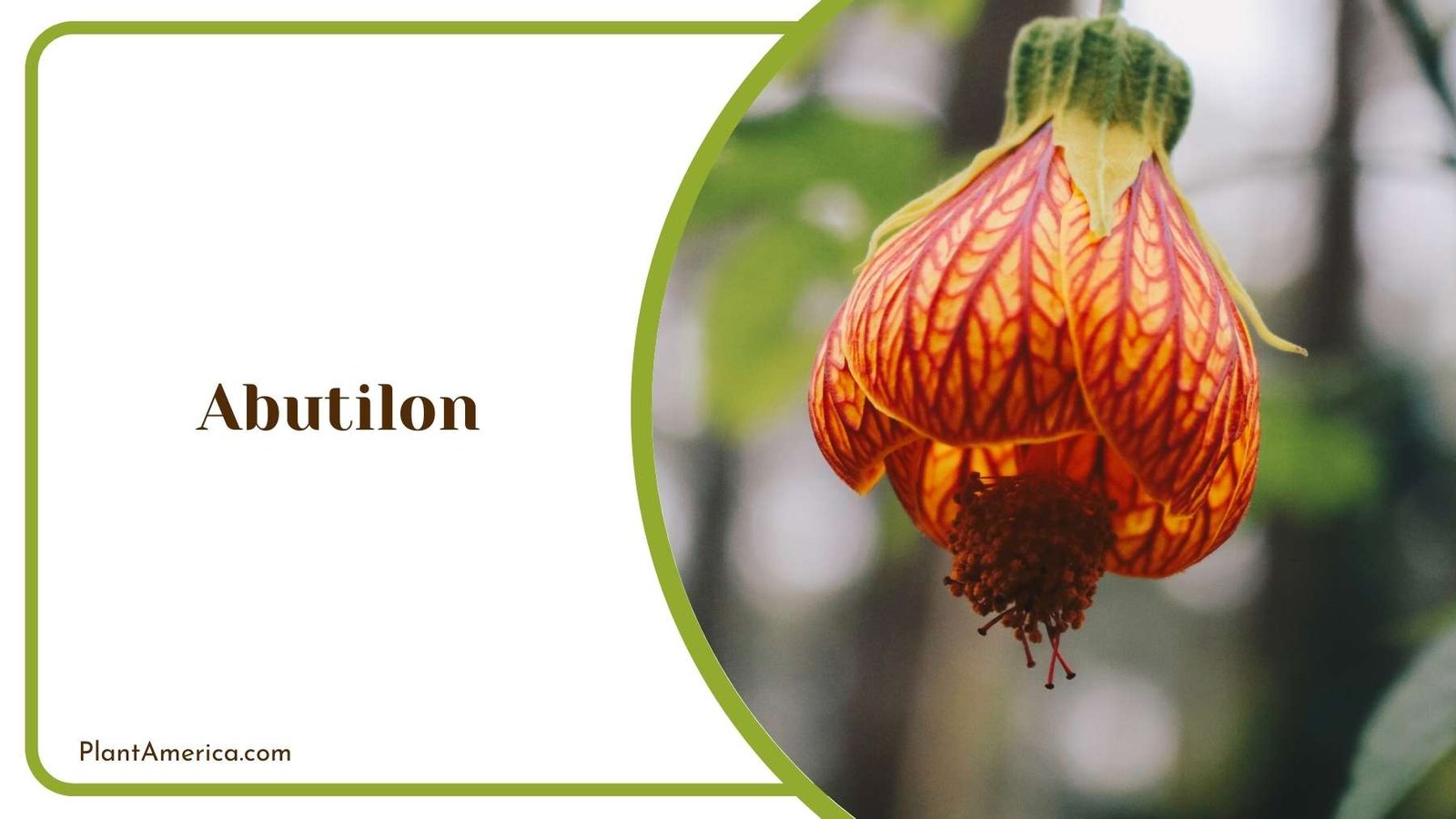
- Growing season: Summer, Fall
- Leaf shape: Palmate, Lobed
- Specific needs: Full sun, Rich, Well-drained soil
- Common pests: Aphids, Spider mites
Abutilon is a genus of flowering plants in the mallow family. It contains over 100 species of herbaceous shrubs native to tropical and subtropical regions worldwide. The plants form multi-stemmed bushes one to three meters tall with maple-like leaves. The leaves are alternate, simple, and palmately lobed with serrated margins. They range in size from five to 15 cm long.
Abutilon bears large, hanging flower clusters resembling Chinese lanterns. Individual flowers are trumpet-shaped with five petals fused at the base. Colors include red, orange, yellow, and cream.
Blooms appear continually over long periods, making Abutilon a beautiful addition to beds, borders, and containers. Flowers mature into dangling seed capsules resembling miniature Chinese lanterns.
Well-drained soil in full sun is preferred. Abutilon is extremely heat and drought-tolerant once established. It thrives in hot tropical and subtropical zones but some cultivars tolerate cooler climates as well.
Abutilon’s attraction lies in its rounded shrub habit, foliage, and prolific display of decorative lantern-like blooms in vibrant hues. Ideal for adding colorful year-round interest to gardens. Enjoy their benefit of low maintenance and being suited to many climates and purposes.
17. Sunrose
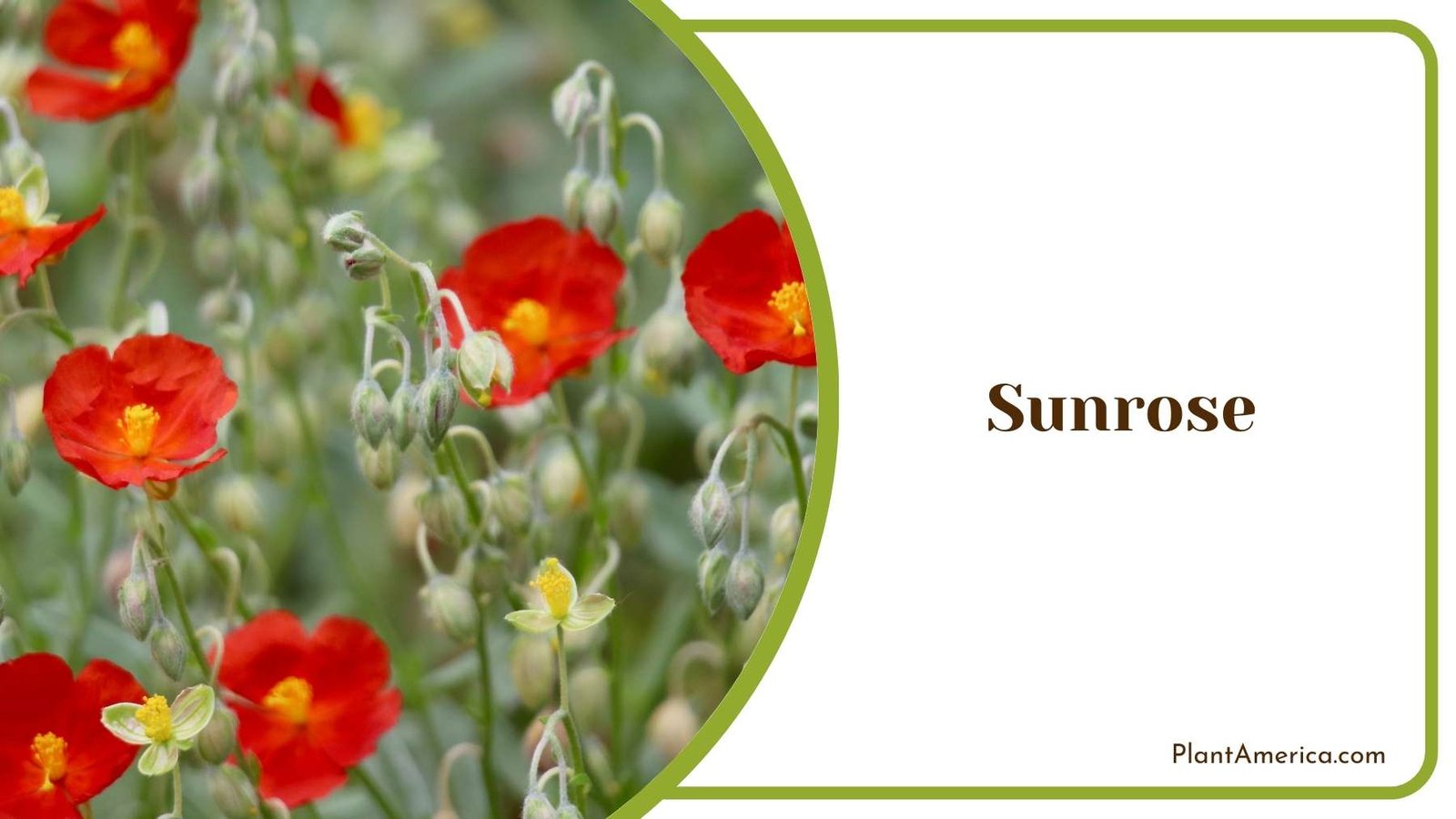
- Growing Season: Summer
- Leaf Shape: Ferny texture, fine leaves
- Specific Needs: Full sun, average well-drained soil
- Common Pests: Aphids, Powdery mildew
The Sunrose is a small perennial flowering shrub native to Europe and parts of Asia. It grows in compact mounds or mats four to 12 inches tall with numerous woody, branching stems. The leaves are arranged oppositely on the stems. They are small, oval-shaped, and gray-green. In winter the plant is largely leafless.
Beginning in late spring, five-petaled flowers appear in clusters at the stem tips. The most distinguishing characteristic is the flowers’ bright yellow color, resembling small suns. Individual flowers are about three-quarter inches wide.
Blooming continues sporadically through summer and into early fall. The flowers give way to small orb-shaped capsules holding numerous tiny seeds. These persist through winter providing winter interest.
Well-drained soil in full sun is preferred. The Sunrose is very drought tolerant once established. It is found growing naturally on dry hillsides, coastal plains, and sandy or rocky soils across its native range.
Cultivars make valuable rock garden – and border plants with their durable mounding form and cheerful yellow flowers. The Sunrose is low maintenance and well-suited to hot, dry Mediterranean climate planting.
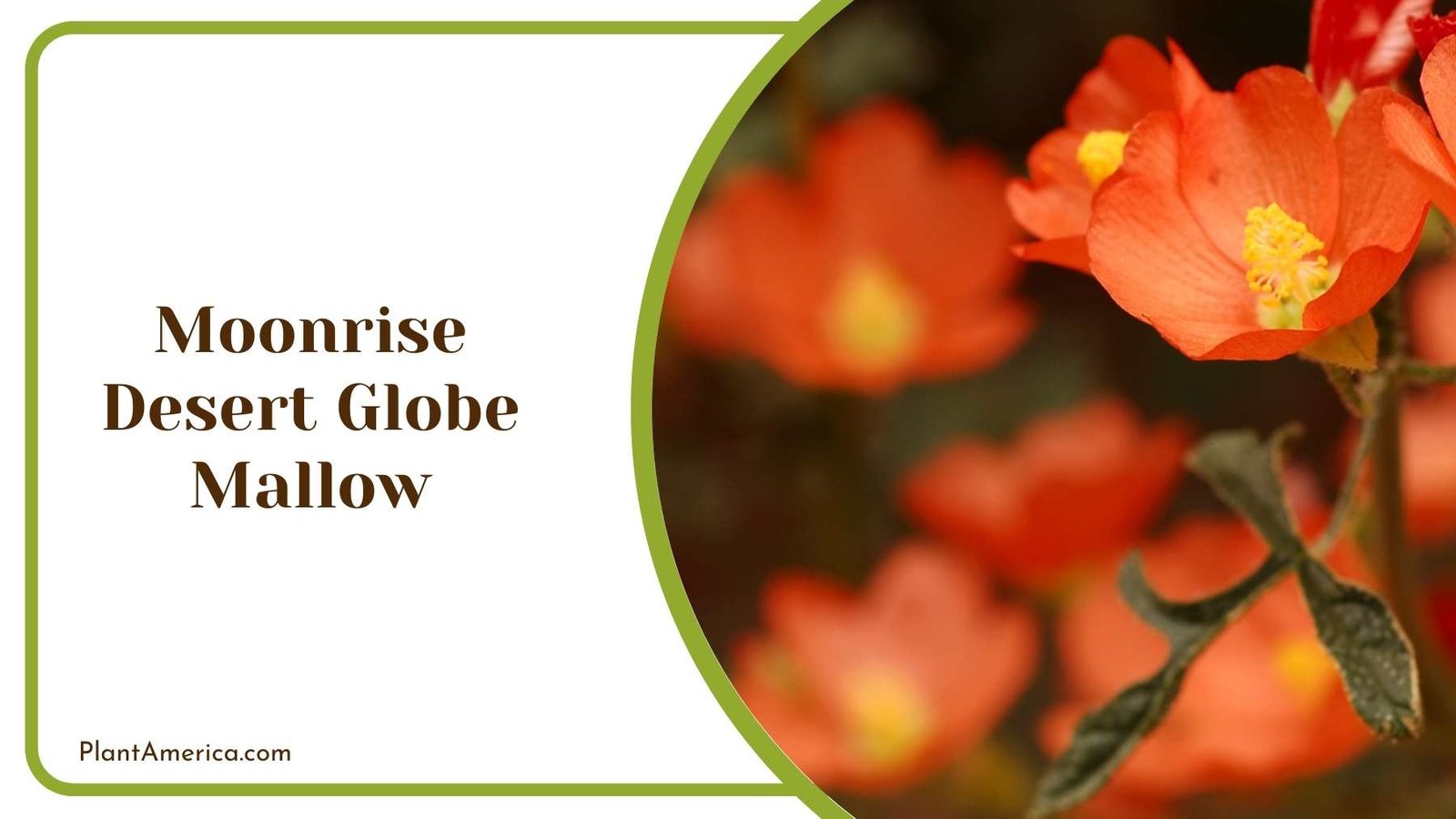
18. Moonrise Desert Globe Mallow
- Growing season: Summer
- Leaf shape: Grayish, Fleshy
- Specific needs: Full sun, Well-drained soil
- Common pests: Aphids, Powdery mildew
The Moonrise Desert Globe Mallow is a perennial desert wildflower native to the southwestern United States and northern Mexico. It forms rounded bushy mounds up to three feet tall with many slender, green branches. The leaves are gray-green, alternately arranged, and palmately lobed with three to seven sharp divisions.
Beginning in late spring, the branches bear copious bright orange, yellow, or coppery flowers. Individual flowers are about one inch wide with five rounded petals radiating from a center. They bloom abundantly through summer and early fall.
After flowering, the petals fall away to reveal rounded cup-shaped fruits covered in slender prickles. These mature to shades of brown and persist on the plant through winter. The Moonrise Desert Globe Mallow grows in well-drained soils in desert scrub, grassland, and oak woodland habitats. It is very drought tolerant once established and well-adapted to hot, arid climates.
The eye-catching flowers provide valuable pollen and nectar for wildlife. This tough desert wildflower is also well-suited for low-water native plant gardens and naturalized landscapes in hot climates across its range.
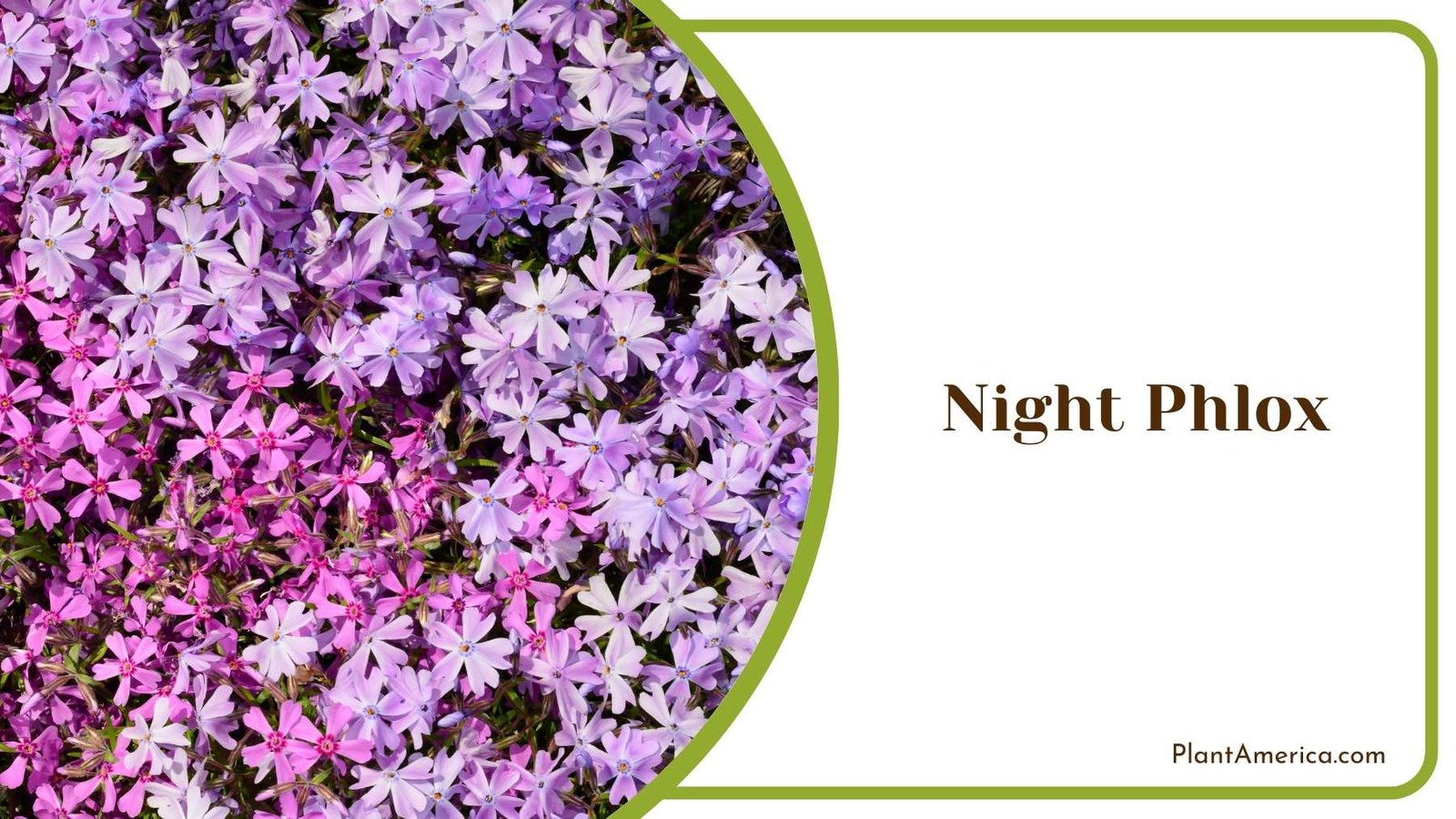
19. Night Phlox
- Growing season: Summer
- Leaf shape: Opposite, Oval
- Specific needs: Full sun, Well-drained soil
- Common pests: Spider mites, Powdery mildew
Night Phlox is a low-growing perennial wildflower native to eastern and central North America. It produces clusters of fragrant white or pink flowers that open in the evening or at night, giving rise to its common name. The stems of Night Phlox grow four to 12 inches tall and spread outward via creeping roots and stolons. The leaves are narrow, pointed, and arranged in whorls along the four-angled stems.
From late spring through early summer, upright flower stalks emerge from the leaf axils or stem tips. Each stalk bears a clustered cyme of five to 15 delicate trumpet-shaped flowers. The flowers are typically white but can also be pale pink. They emit a sweet fragrance beginning in the evening and lasting through the night to attract pollinating moths and insects.
After blooming, the flowers develop into small capsules that eventually split open to release numerous tiny seeds. Night Phlox spreads readily by self-sowing seeds, and vegetatively by its creeping root system.
Well-drained, loose soil in partial shade is preferred. Night Phlox is commonly found growing in forests, meadows, and scrubland across eastern North America from Canada to Georgia. Its delicate flowers make it a lovely addition to native wildflower gardens or naturalized areas.
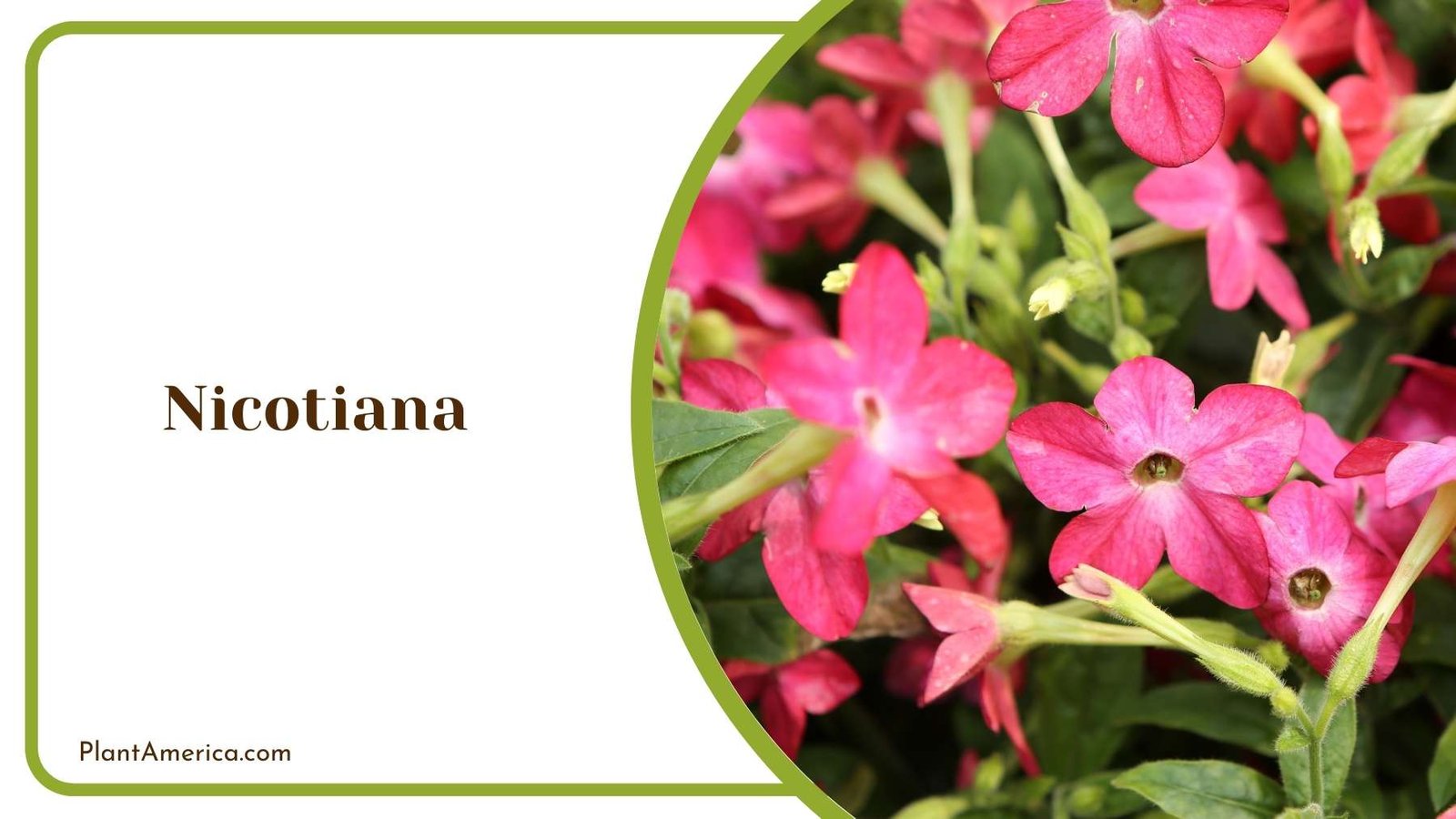
20. Nicotiana
- Growing season: Summer
- Leaf shape: Elliptic, Lanceolate
- Specific needs: Full sun, Rich, Well-drained soil
- Common pests: Few, Resistant to most pests
Nicotiana is a genus of herbaceous plants and shrubs in the nightshade family (Solanaceae). It includes various species of flowering tobacco plants known commonly as tobacco or allied plants. There are approximately 75 species in the genus. The best known is Nicotiana tabacum, the common tobacco plant cultivated for smoking, chewing, and other uses.
Tobacco plants are annual or perennial herbaceous plants or shrubs growing to a height between half a meter and three meters tall. They have soft, often hairy green or gray-green stems and leaves. The leaves can be either smooth or coarsely hairy depending on the species.
The flowers of tobacco plants are trumpet or funnel-shaped and are usually white or pinkish with yellow throats. They are produced in clusters at the stem tips or leaf axils. Fruits are leathery capsules that split open at maturity to release many tiny seeds. The seeds can persist in the soil for many years.
Tobacco plants grow as annuals or short-lived perennials in temperate or tropical zones worldwide. Many species have adapted well for cultivation as ornamentals or for the production of smoking products.
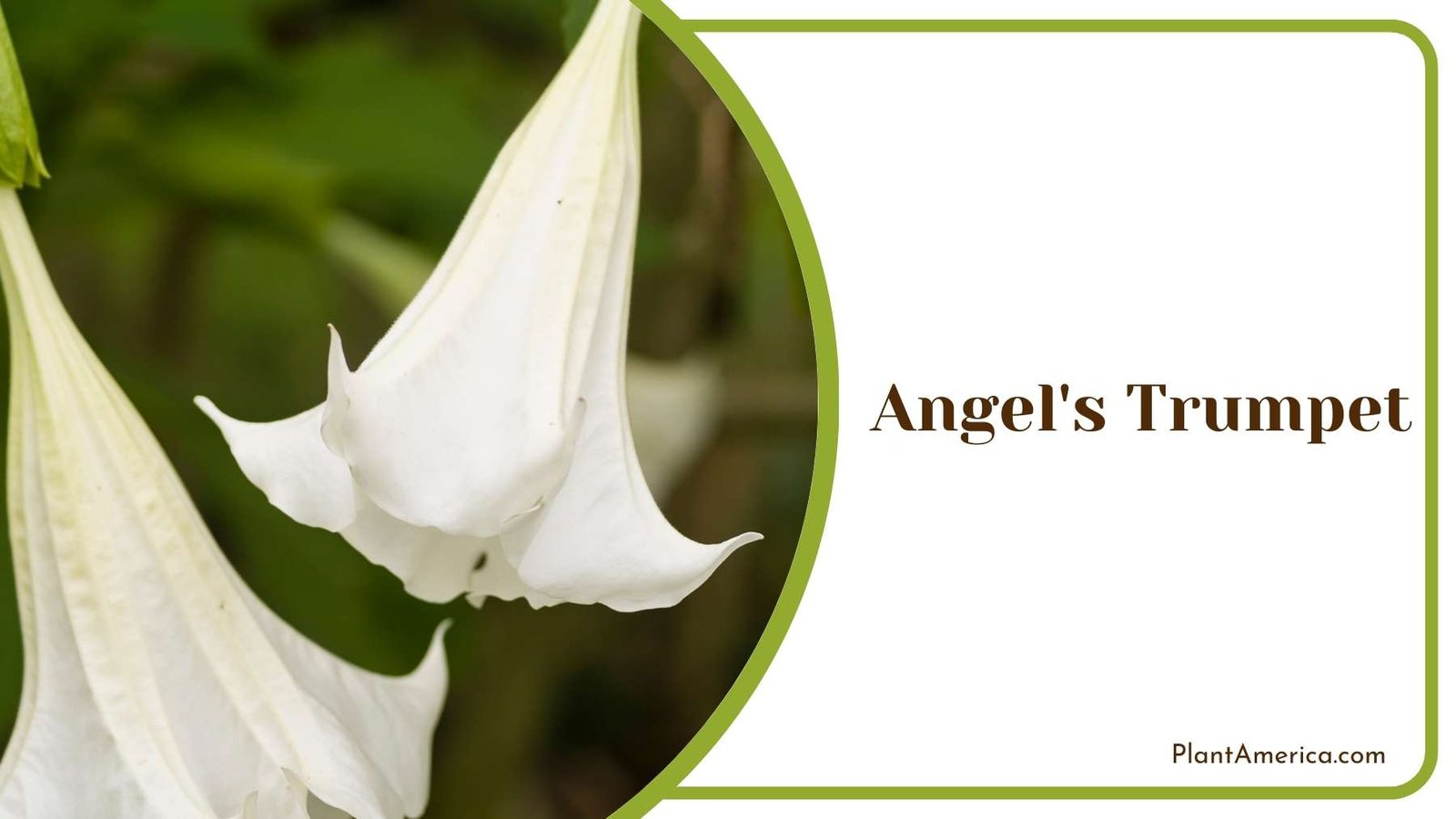
21. Angel’s Trumpet
- Growing season: Summer
- Leaf shape: Opposite, Rough textured
- Specific needs: Full sun, Rich, Well-drained soil
- Common pests: Aphids, Spider mites
Angel’s Trumpet (scientific name Datura metel) is a flowering plant in the nightshade family. As its common name suggests, it produces large, pendulous, trumpet-shaped white flowers. Angel’s Trumpet is a branching annual or short-lived perennial that typically grows three to six feet tall.
The stems and leaves are soft and hairy. The leaves are wide, oval-shaped, and irregularly lobed with wavy edges. They have a distinctive gray-green coloring and emanate a foul odor when crushed.
From late spring to early fall, Angel’s Trumpet bears an abundance of large, dangling, white blooms. Individual flowers reach six to 12 inches in length and four to eight inches wide at the mouth. They have a delicate, almost sheer appearance and emit a sweet, intoxicating fragrance at night to attract moths and other nocturnal pollinators.
After blooming, the flowers develop into spiny seed capsules. All parts of the Angel’s Trumpet plant, especially the seeds and flowers, contain toxic tropane alkaloids including atropine, scopolamine, and hyoscyamine. Ingestion can cause hallucinations, delirium, and in large doses, death.
An iconic garden plant in warmer regions, Angel’s Trumpet thrives in full sun and well-drained soil. It is native to tropical South America but readily naturalizes elsewhere. Caution must be taken when growing or disposing of this plant due to its highly toxic nature. Proper handling and disposal are important to prevent accidental poisonings.
22. Datura
- Growing season: Summer, Fall
- Leaf shape: Alternate, Thick elliptic
- Specific needs: Full sun, Rich, Well-drained soil
- Common pests: Aphids, Spider mites
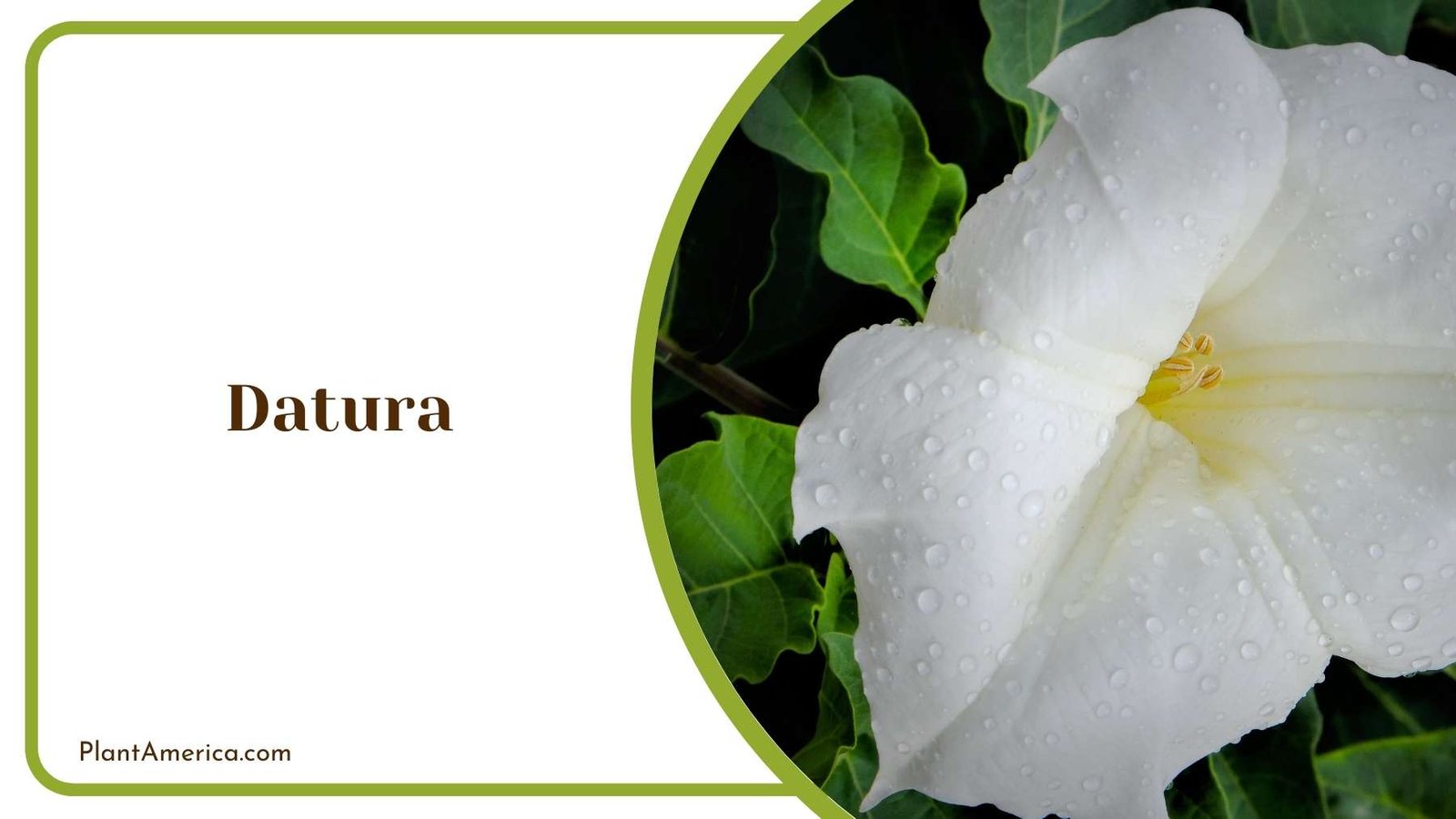
Datura is a genus of nine species of poisonous vespertine flowering plants belonging to the family Solanaceae. Common names for Datura plants include devil’s trumpet, devil’s weed, thorn apple, and moonflower.
Datura plants are herbaceous annuals or perennials that grow as erect bushes between one to three feet tall. They have large, trump-shaped flowers that are usually white or various shades of purple, yellow, or cream. The flowers emit a strong, unpleasant odor at night to attract pollinating insects.
The leaves of Datura are alternate, hairy, yellow-green in color, and have a distinctive serrated or lobed shape. They emit a foul odor when crushed. The fruit is a spiny capsule of two to eight centimeters long that splits open at maturity to release small kidney-shaped seeds.
All parts of the Datura plant contain dangerous levels of tropane alkaloids such as atropine, scopolamine, and hyoscyamine. These compounds can cause hallucinations, delirium, and even death if ingested by humans or livestock.
Datura prefers hot, dry, sandy soils and full sun exposure. It is found throughout tropical and temperate regions worldwide. In some cultures, Datura has a history of use for spiritual/religious purposes due to its hallucinogenic properties when consumed. Today it is predominantly grown as an ornamental plant or persists as an invasive weed. Proper handling and disposal are important due to the toxic nature of this genus.
Conclusion
Moon garden flowers offer nights full of natural beauty and tranquility for relaxing outdoors after dark:
- Sea Holly, Abutilon, Gomphrena, and Petunia stand out with colorful blooms that glow softly after dusk.
- Nicotiana, Angel’s Trumpet, Datura, and Night-Scented Stock perfume the air with sweet fragrances as night falls.
- Lily of the Valley, Sweet Alyssum, Dusty Miller, and Godetia spread delicate blooms blanketing the ground in moonlit white or pastels.
With careful planning and tending, these plants create a tapestry of lunar enchantment after daylight ends. May your moon gardens offer calm reflection and joyful wonderment viewing nature’s beauty under the stars each night. Through such small gifts of peace found outdoors, we regain perspective and strengthen our connection with life.