
Perennial flowers that bloom from spring to fall can add color to your garden from early spring till the first frost of fall. In this article, you will discover varieties of hardy perennial flowers that come back year after year, requiring little care from you besides the occasional weeding and deadheading.
Whether you want vibrant pops of color, delicate foliage, or floral scents to attract pollinators, a flower on this list will be the perfect fit to brighten your garden all season long without breaking the bank.
Perennial Flowers that Bloom from Spring to Fall Seasons
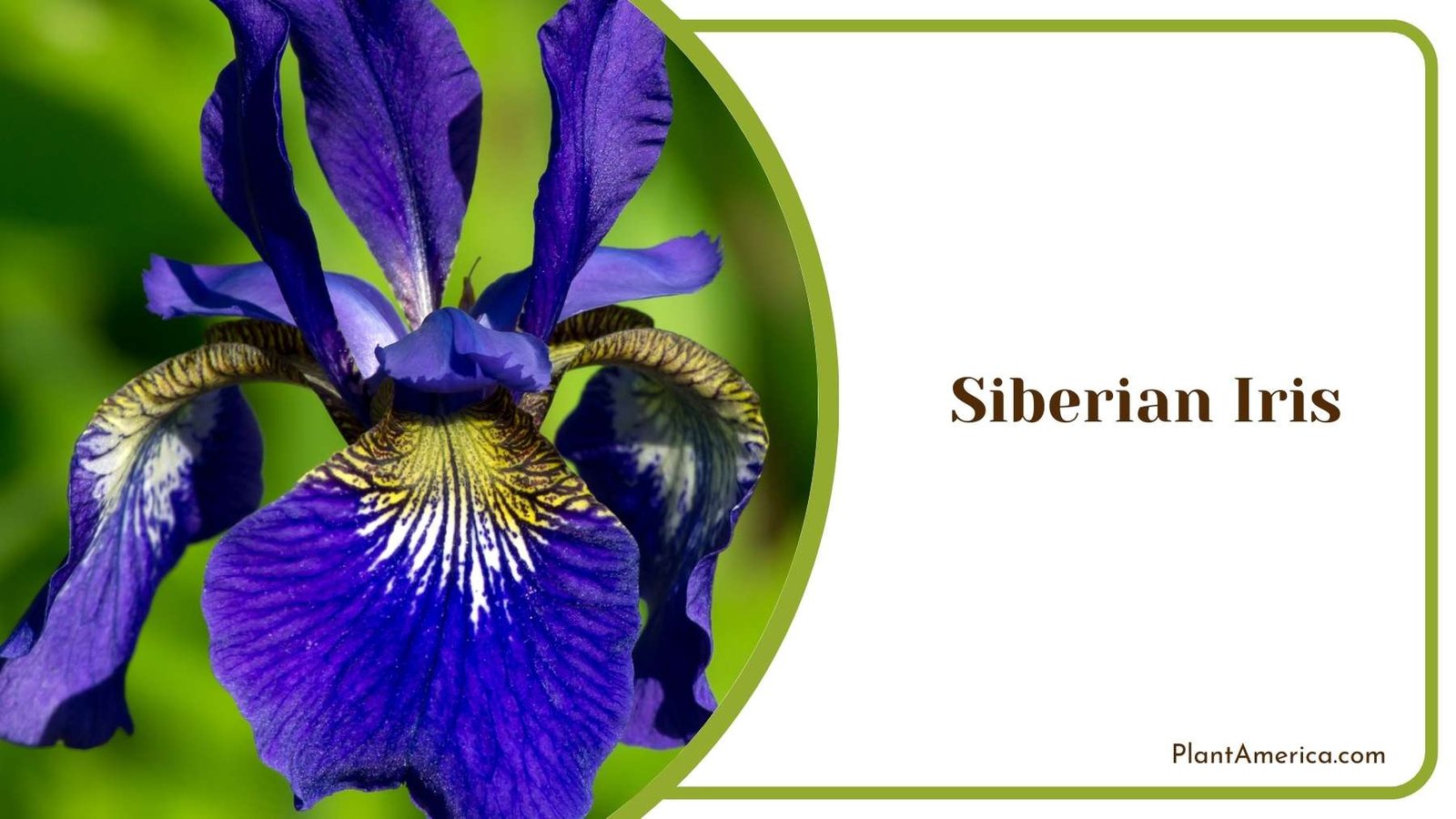
1. Siberian Iris
- Growing season: Early spring, Late spring
- Leaf shape: Sword-like, Serrated
- Specific needs: Prefers moist, Well-draining soil, Partial shade
- Common pests: Aphids, Slugs, Snails
Siberian Iris has beautiful powder-blue flowers that bloom in clusters in early spring, sometimes even punctuating the garden with pops of color when snow still lingers on the ground. Their sword-like leaves emerge later, giving the garden an elegant, flowing texture for most of the spring and summer months.
You’d like to plant Siberian Iris along the front of the garden beds, where you can enjoy their cherry blooms up close without having to trek into the muddy soil. Care for them by dividing them every few years in fall or early spring to keep them flourishing.
Siberian Iris is such a wonderful plant to brighten your garden all season. Their striking blue flowers come on the scene in early spring, when you need a boost of color after a long winter. Also, because of their long leaf shape, they continue adding an airy texture to the landscape throughout the growing season. One is drawn to their bold blooms, which seem to glow all the brighter against their sword-like backdrop of greenery.
Another perk of Siberian Iris is that they prefer partial shade, so they are versatile enough for various spots in your garden layout. Just be sure to provide organically rich, moisture-retentive soil to keep their blooms bountiful year after year.
Proper division and optimization of their growing conditions will reward you with a hardy clump of rebloomers that light up the early-season landscape for many springs. Their cheery blue flowers are a welcome sight each year, a true sign that warmer weather is on the horizon and another growth cycle is beginning in the bountiful garden oasis.
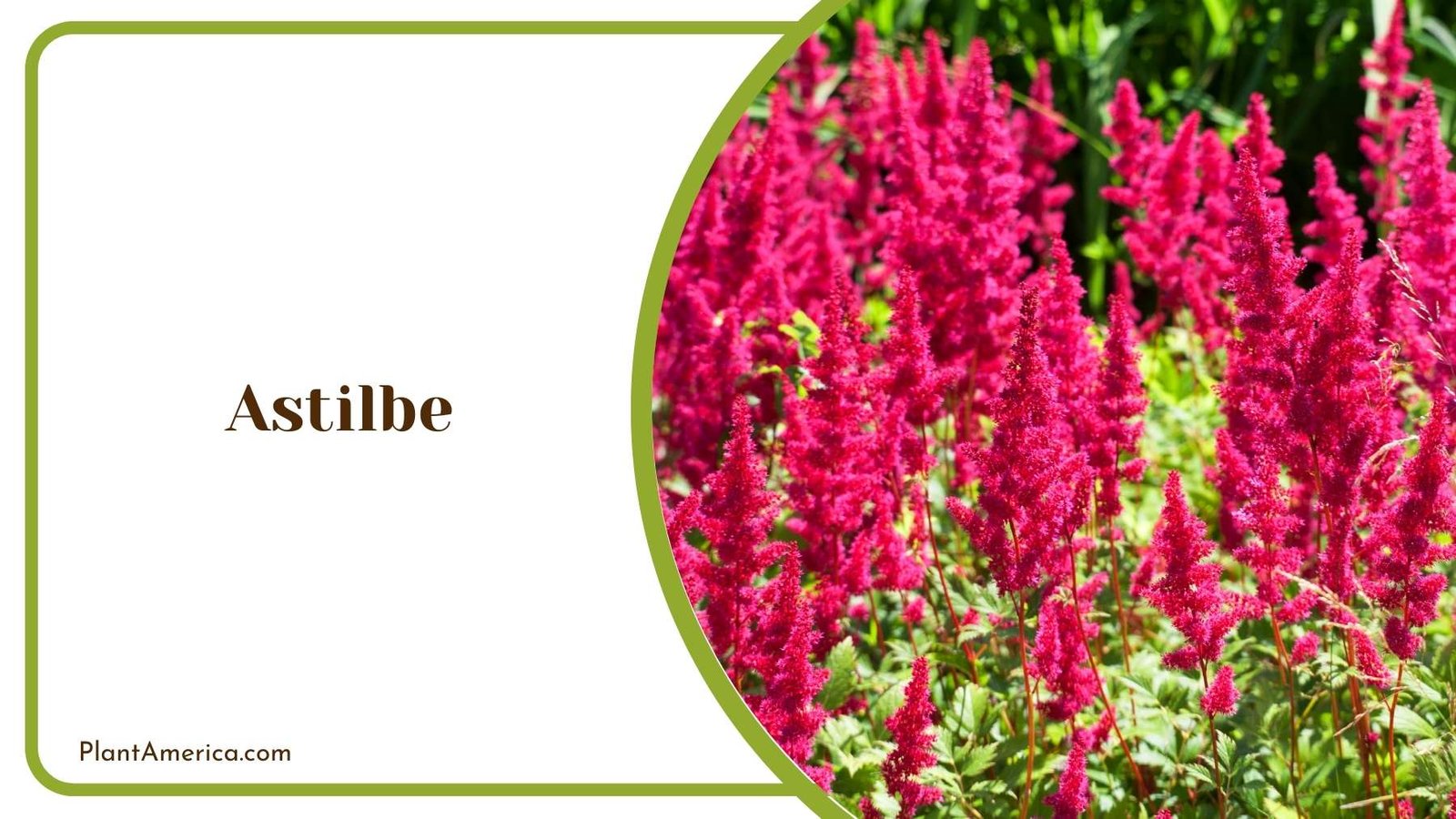
2. Astilbe
- Growing season: Summer, Early Fall
- Leaf shape: Fern-like
- Specific needs: Organic soil, Moist, Partial shade
- Common pests: Leafhoppers, Snails
Astilbe’s fluffy plumes of color rise above their low, ferny foliage starting in mid-summer and often lingering into early fall. Some of the favorite varieties include ‘Visions’ with its pink flower clusters, and ‘Delft Lace,’ whose silvery leaves provide lovely texture all season long.
Astilbe thrives in dappled woodland settings or at the backdrop of other plantings where their delicate blooms can shine through and attract pollinators. Astilbe is wonderfully low maintenance once established, asking for little more than occasional division every three to four years to keep them looking their best.
Even minor pests like leafhoppers seem unable to thrive on these resilient plants. Their plume-shaped flower clusters bob lightheartedly in the breeze all through late summer and early fall, prolonging the joy of colorful blooms in the garden. Astilbe also provides such a nice filler plant, adding graceful form and motion amongst other perennials in a border.
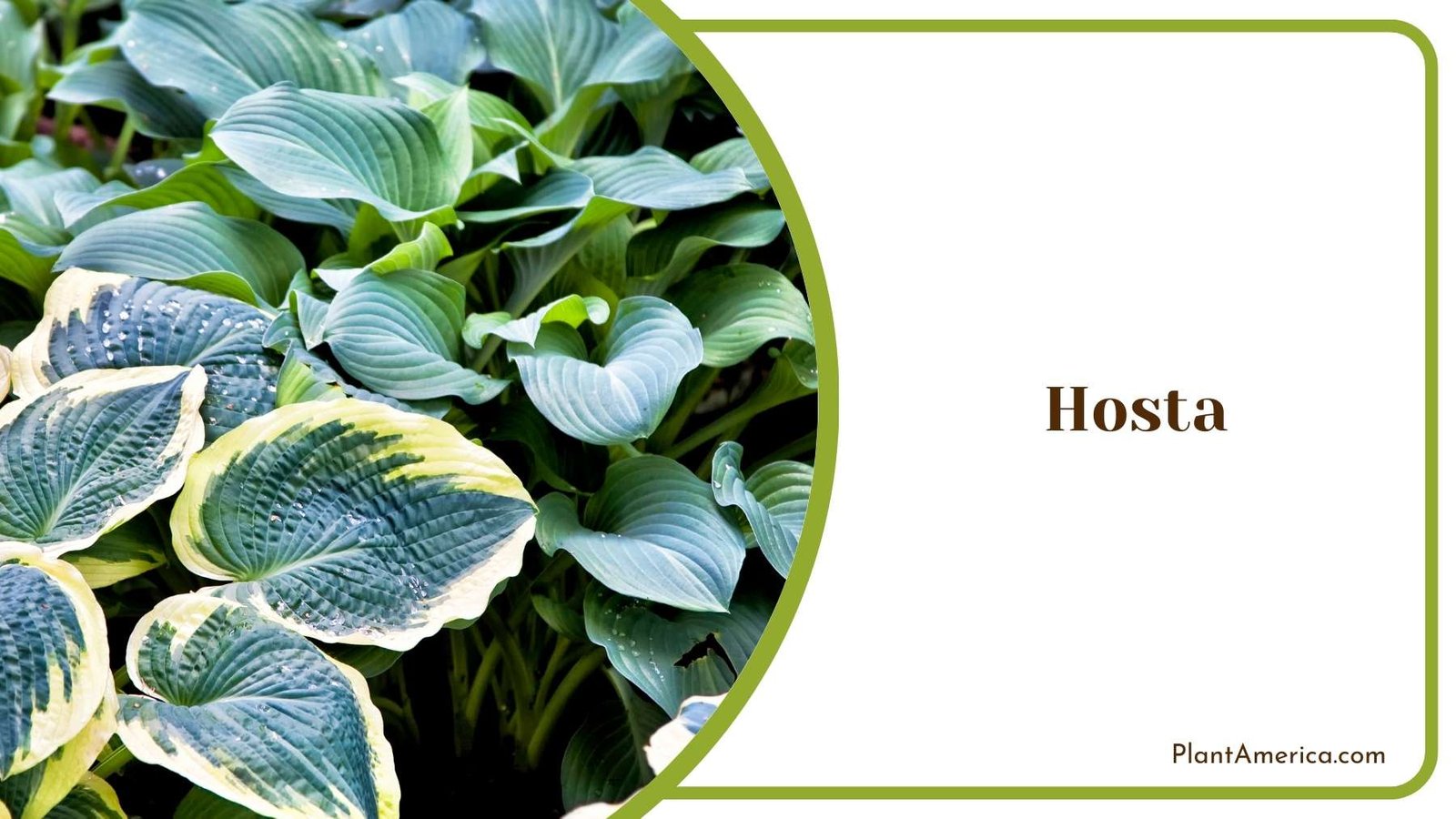
3. Hosta
- Growing season: Summer
- Leaf shape: Lobed, Rounded, Pointed leaves
- Specific needs: Prefer partial shade and rich, Organic soil
- Common pests: Slugs, Snails
Hostas make wonderful accent plants in shady gardens with their sturdy texture and plethora of colorful leaves. From the frosty blue leaves of ‘Sum and Substance’ to the rippled gold centers of ‘Rainforest Sunrise,’ there seems like an infinite combination of leaves to choose from. While some varieties bloom tiny white or lavender flowers in summer, the show-stopping leaves are the main attraction.
Growing Hostas is such a breeze that even beginning gardeners can achieve success. Just give them consistent moisture and fertile, organic soil in a spot with afternoon shade and leave them alone to flourish. Hostas are quite pest-resistant, too, with the largest threat usually stemming from occasional slug invasions after heavy rains. Otherwise, these beauties mound yearly with little need for intervention in shaded gardens.
4. Black-Eyed Susan
- Growing season: Summer
- Leaf shape: Oval, Slightly lobed leaves
- Specific needs: Prefers full sun, Moderately moist, Well-draining soil
- Common pests: Slugs, Snails
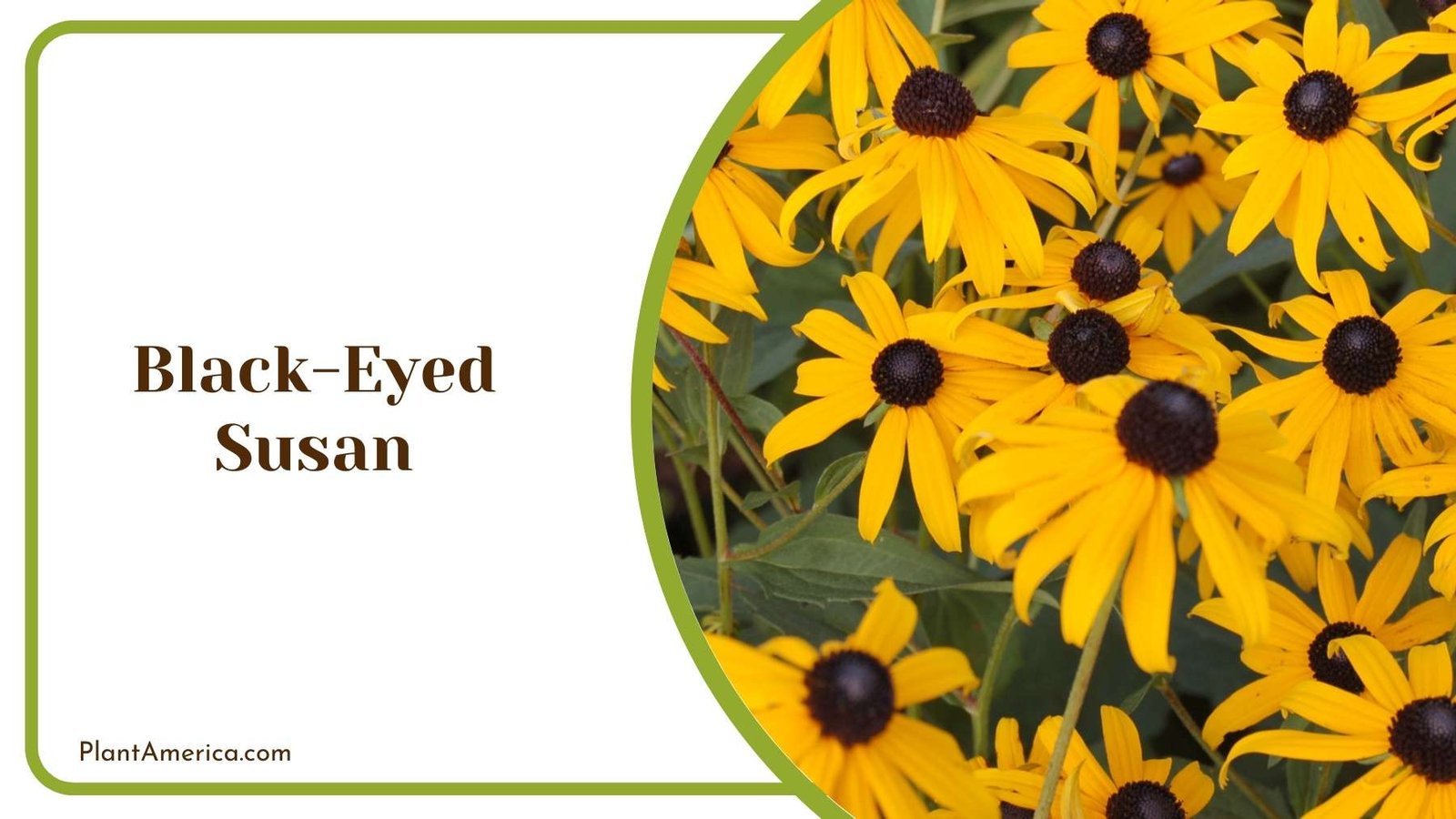
Black-eyed Susans delight summer gardens with their sunny blooms resembling a ball of yellow petals surrounding a dark center. Clumps of these cheerful flowers nodding in the breeze will attract scores of butterflies, bees, and other pollinators to your landscape for months.
One of the favorite qualities of Black-eyed Susans is that they thrive without much fuss or maintenance—give them full sun and reasonably well-draining soil, and they will bloom season after season.
Their ability to flourish with little supplemental water or care makes them excellent choices for naturalized wildflower areas or meadow gardens. Even after blooming is finished for the year, birds will often feast on the seeds their flowers produce well into fall and winter. Come spring; the sturdy foliage reemerges to begin another cycle of blossoms for your garden enjoyment.
5. Bleeding Heart

- Growing season: Spring, Early summer
- Leaf shape: Heart-shaped
- Specific needs: Partial shade and moist, Rich, Organic soil
- Common pests: Powdery mildew, Leaf spot
Nothing signals the arrival of spring in the garden quite like the delicate blooms of Bleeding Heart. Arching stems loaded with pink or white heart-shaped blooms float above lush green leaves and seem to dance on the breeze. While their flowers fade by early summer, the textural foliage continues providing an enchanting presence into warmer months.
Growing a Bleeding Heart could not be easier—provide consistent moisture and keep them out of harsh afternoon sun (though light morning sun is fine). Their beauty amplifies such simplistic care. Bleeding Heart never seems to mind the occasional division or transplanting during springtime. The frilly flowers cheerfully unfurling year after year never cease to make you smile when you cross through the garden each morning with coffee in hand.
6. Coreopsis
- Growing season: Spring, Early summer
- Leaf shape: Fine, Filigreed foliage
- Specific needs: Full sun, Well-draining soil, Low water needs
- Common pests: Powdery mildew, Aphids
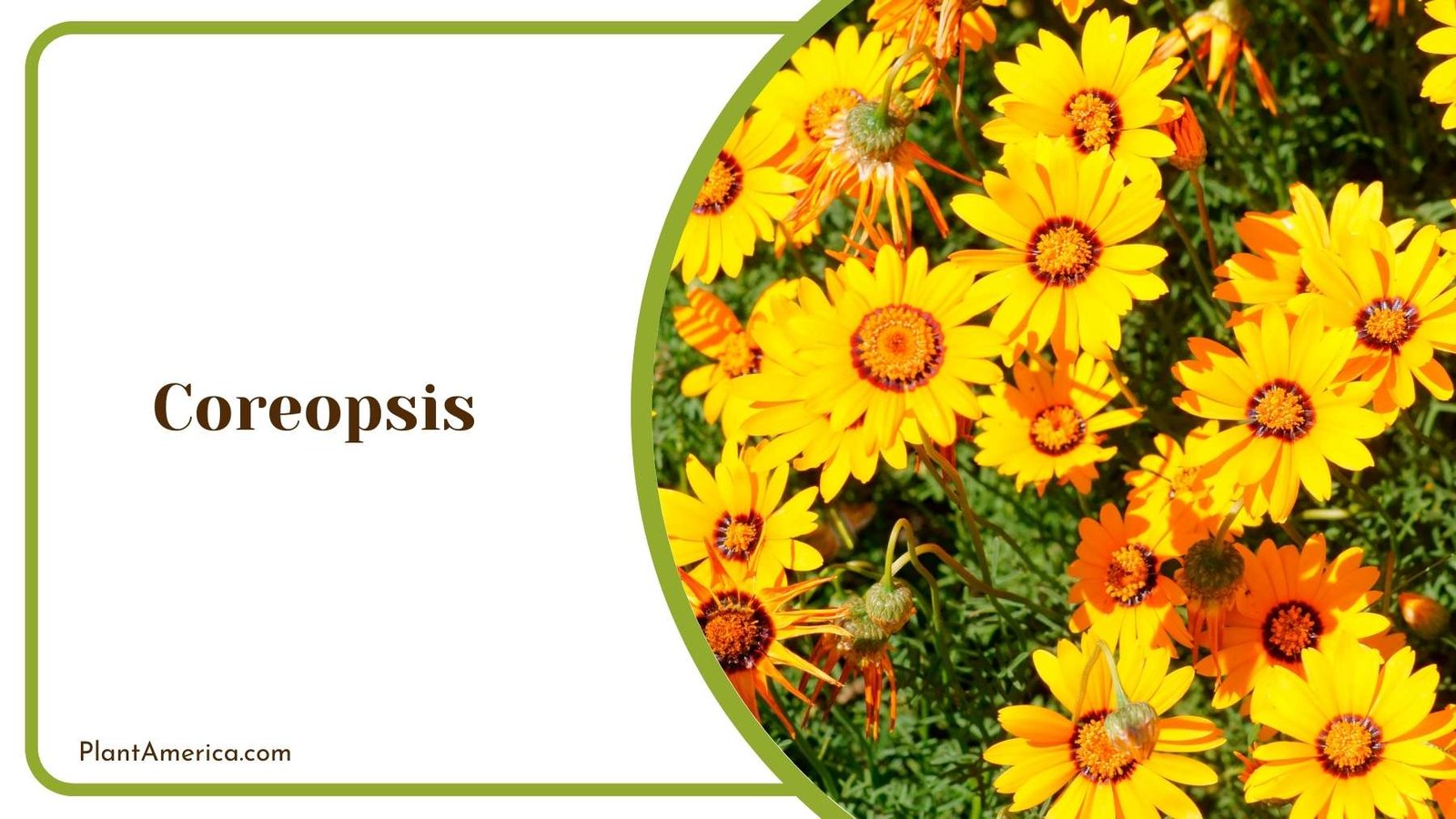
Coreopsis brings an abundant supply of cheerful yellow, pink, or red blooms to gardens from early summer through fall. Fine filigree foliage provides a lovely backdrop for the scratchy-textured blooms that bees and butterflies flock to.
Coreopsis thrives in full sun and average, well-draining soil with only occasional water needed once established. Their naturally bushy form and tendency towards repeat flowering without deadheading make them reliable, low-maintenance perennials. While individual blossoms may only last a week at most, successive waves ensure color for months on end.
Come late fall, after several hard frosts finally put an end to their flowering performance, seed heads continue drawing in songbirds looking to feast. Dividing Coreopsis clumps every three to four years is recommended for continued vigorous growth and more profuse blooms.
Throughout the growing season, spent blossoms may be sheared back to encourage additional rounds of smaller flowers to emerge. Overall, Coreopsis brings unparalleled hardiness, resilience, and uninterrupted charm to perennial borders from summer into the first frost.
7. Daisy
- Growing season: Early summer, Fall
- Leaf shape: Basal rosette
- Specific needs: Full sun, Well-draining soil, Low water needs
- Common pests: Powdery mildew, Aphids
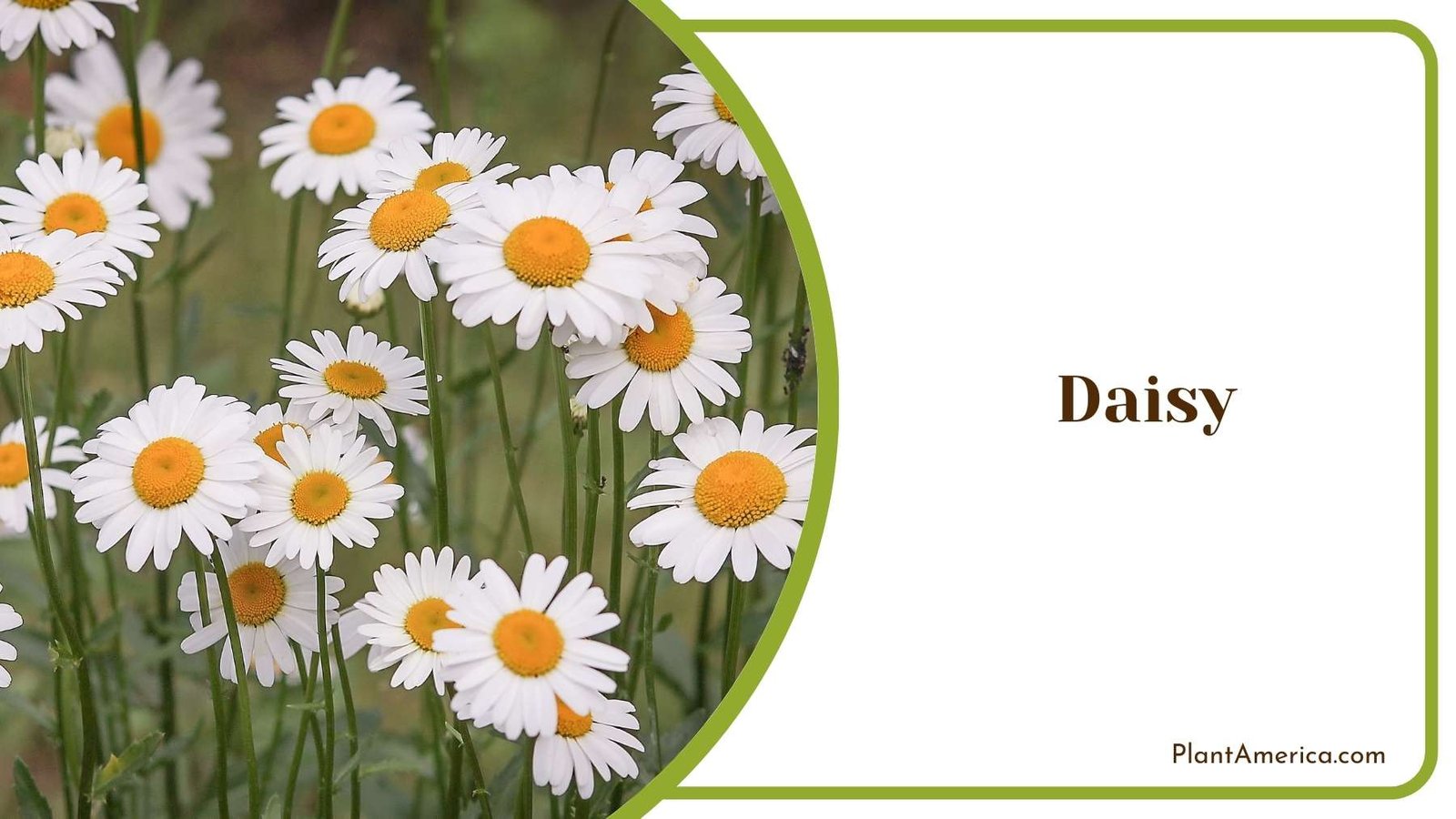
Many varieties of daisies thrive in the sunny garden and border plantings from early summer well into fall, contributing non-stop blooms of white, yellow, or yellow-centered red flowers. Some favorites include the Shasta daisy, with its classic white petals surrounding a golden center, and the carefree English daisy producing clouds of petite pom-pom flowers on wiry stems perfect for cutting.
Both spread freely to form cheerful mounds and brush up against other perennials and annuals without overcrowding their neighbors. All daisies appreciate full sun and average, well-drained soil, where they demand little more than an occasional shearing back after flowering peaks to encourage reblooming.
Their natural habitat is in meadows, pastures, and open fields, so daisies suit naturalistic plantings perfectly while tolerating fluctuations in moisture levels. Sometimes a few aphids may appear amongst their leaves, though predator insects and ambient ladybugs swiftly take care of minor infestations without causing damage.
Aside from light deadheading to promote the continuation of their non-stop blooms through fall, daisies require practically no maintenance. Yet their free-spirited flowers fling color all around the garden each summer and autumn, a sheer delight to admire up close while weeding or from further vantage points strolling through beds bordered by their carefree charm.
Birds also feast on seeds their flowers produce in abundance after blooming tapers, extending seasonal interest into winter dormancy. Daisies are certainly some of the hardiest and happiest perennial companions for full-sun gardens everywhere.
8. Phlox
- Growing season: Mid-Summer, Early Fall
- Leaf shape: Opposite, Lance-shaped
- Specific needs: Organic soil, Ample moisture
- Common pests: Snails, Aphids
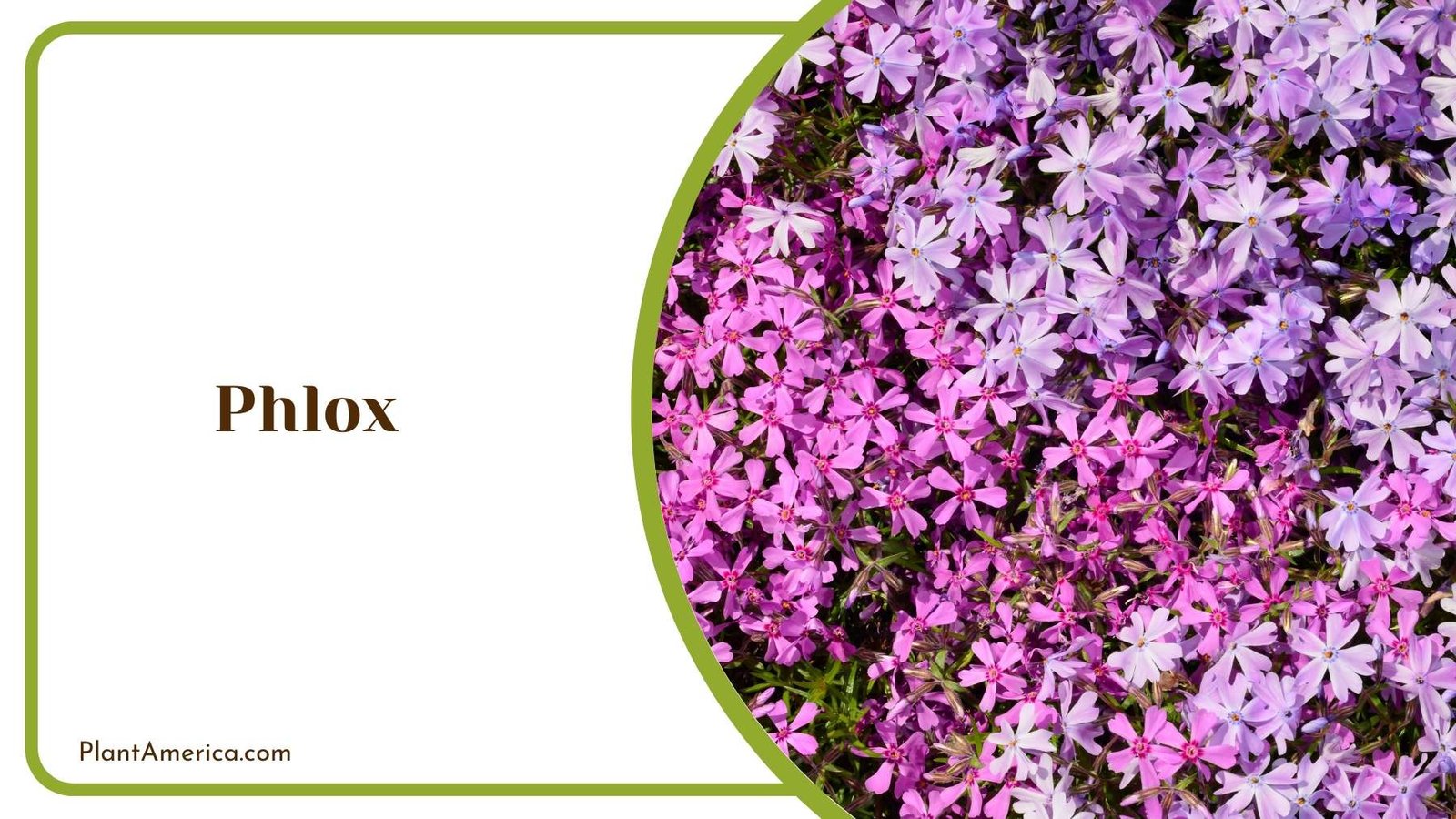
Phlox of all kinds, including Paniculata Phlox, Garden Phlox, and Moss Phlox, have become staple blooms in the summer flower beds, attracting pollinators with their fragrant clusters of star-shaped blossoms in a vast assortment of colors. ‘David’ produces vibrant purple-pink blooms above mid-green leaves, while ‘Bright Eyes’ boasts striking carmine red flowers and dark foliage.
All Phlox thrive when given at least six hours of direct sun each day, along with organic, moist yet well-draining soil. Make sure to spread a layer of compost or shredded leaves before planting in the sandy earth to retain moisture and nutrients as they grow vigorously throughout the summer.
Occasional deadheading extends their blooming season, though some breeds like Paniculata Phlox reseed themselves prolifically, making this step optional. Few pests or diseases ever trouble the robust Phlox plantings from mid-summer well into early fall. Their towering flower plumes draw in hummingbirds and butterflies in droves while perfuming the afternoon air.
Afterwards, seedheads provide valuable nutrition for songbirds over winter. Phlox continues spreading gradually via rhizomes each year to provide expanding drifts of color that require no staking or coddling besides an annual shearing back after frost blackens foliage into dormancy until warmer weather sparks fresh new growth. Overall, Phlox offers exemplary hardiness, reliability, and motion to perennial borders with ease.
9. Bee Balm
- Growing season: Summer
- Leaf shape: Opposite, Oval-shaped
- Specific needs: Full sun, Rich soil, Ample moisture
- Common pests: Japanese beetles, Leaf miners
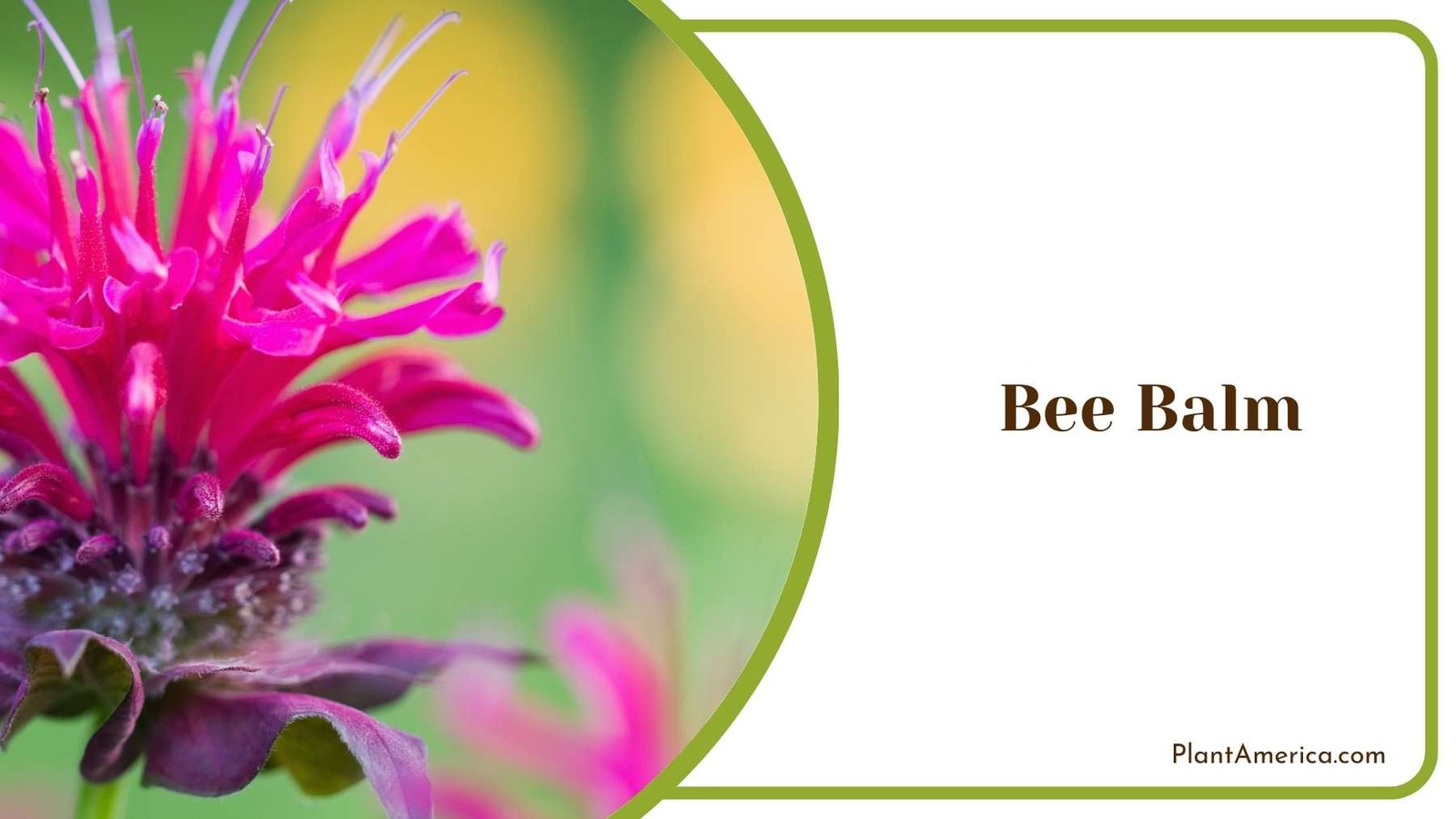
Nothing draws in more hummingbirds to your summer garden than a flush of vibrant red, pink or salmon blooms on Bee Balm. The favorites include ‘Marshall’s Delight’ with its striking carmine flowers boasting deep burgundy hues. As their common name implies, bees also flock heavily to Bee Balm nectar from early to late summer.
Bee Balm grows vigorously anywhere from two to five feet tall based on variety, bearing fingerlike clusters of blooms sporadically along fuzzy green stems and leaves. Their rich color pops brightly above the foliage and makes an especially lovely accent planted in groupings along garden borders or in a wildflower meadow.
While Japanese beetles may devour flowers and leaf miners occasionally tunnel their leaves, Bee Balm tend to withstand minor pest pressures with little harm to their spreading root systems.
Deadheading spent blooms lightly encourages reblooming for months on end without ruining their carefree charm. Bee Balm continually attracts friendly wildlife visitors all through balmy midsummer days in the landscape.
10. Coneflower
- Growing season: Summer
- Leaf shape: Alternate, Rough-textured
- Specific needs: Full sun, Average well-draining soil
- Common pests: Japanese beetles, Leaf miners
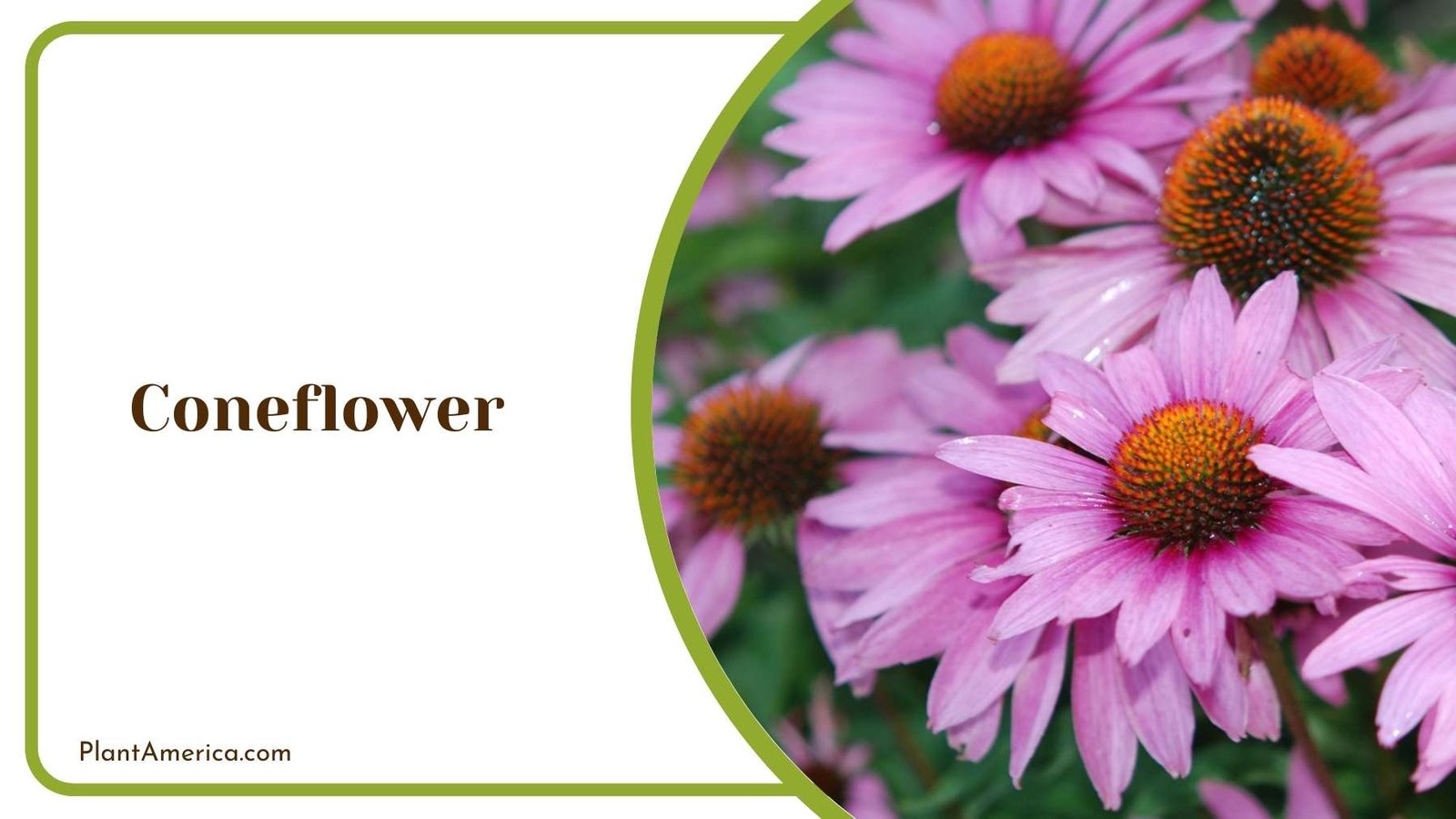
Coneflowers grace the flowerbeds in shades of purple, pink, white and red with their sunny daisy-like form and fuzzy cone-shaped centers from June until frost. Tall varieties such as ‘Magnus’ produce stately pink-red blooms up to four feet, perfect backdrops for smaller plants or as cut flowers. More compact types like ‘Hot Papaya’ boasts an exotic blend of coral and apricot hues.
All Coneflowers ask is occasional light deadheading to prolong their bloom time and full exposure to sun, where they thrive alongside a wide variety of perennials with little fussing. Their rugged textured leaves emerge later and persist through fall, much like ornamental grasses. Tracking plump goldfinches pecking at nutritious seeds is also an autumnal pastime among Coneflower skeletons.
11. Gaillardia

- Growing season: Summer, Early fall
- Leaf shape: Linear, Lance-shaped
- Specific needs: Full sun, Well-draining soil
- Common pests: Japanese beetles, Leaf miners
Commonly called Blanket Flower, Gaillardia brightens the summer and fall garden with cheerful blooms resembling pots of red, yellow or bicolored blankets. Favorites include ‘Goblin’ bearing vivid burgundy flowers and the bi-color’ Arizona Sun’ blend. Their buoyant blooms dance on wire-thin stems above mounds of narrow green foliage dotted with reddish hairs.
Thriving in lean soil with full sunshine, Gaillardia requires little beyond occasional deadheading to refresh foliage and coax reblooming well into early fall. Their naturally compact form mixes agreeably beside taller perennials without staking.
Late-season seed heads provide valuable food for birds, too, extending seasonal interest into winter months. Overall, Gaillardia makes wonderful additions wherever crisp blooms and whimsical motion are desired, with essentially no maintenance needs.
12. Sedum

- Growing season: Summer, Fall
- Leaf shape: Fleshy, Succulent
- Specific needs: Full sun, Well-draining soil
- Common pests: Japanese beetles, Leaf miners
Sedums thrive with minimal water through hot, dry periods in the garden, undeterred by sandy or rocky soils where other plants struggle. Some favorites include ‘Autumn Joy’ bearing ruby starbursts, ‘Dragon’s Blood’ with carnelian foliage, and ‘Pink Carpet’ forming a low succulent mat. Come late summer, their flower clusters attract hungry bees and Monarch butterflies in droves.
These sturdy succulents need only occasional division every three to four years to maintain vigor. Otherwise, Sedum asks for little beyond full sun exposure to showcase why they are such indispensable pioneers, colonizing stonescapes and poor soil with structural foliage all season where needed.
13. Yarrow
- Growing season: Summer, Early fall
- Leaf shape: Fern-like, Finely divided
- Specific needs: Full sun, Well-draining soil
- Common pests: Japanese beetles, Aphids
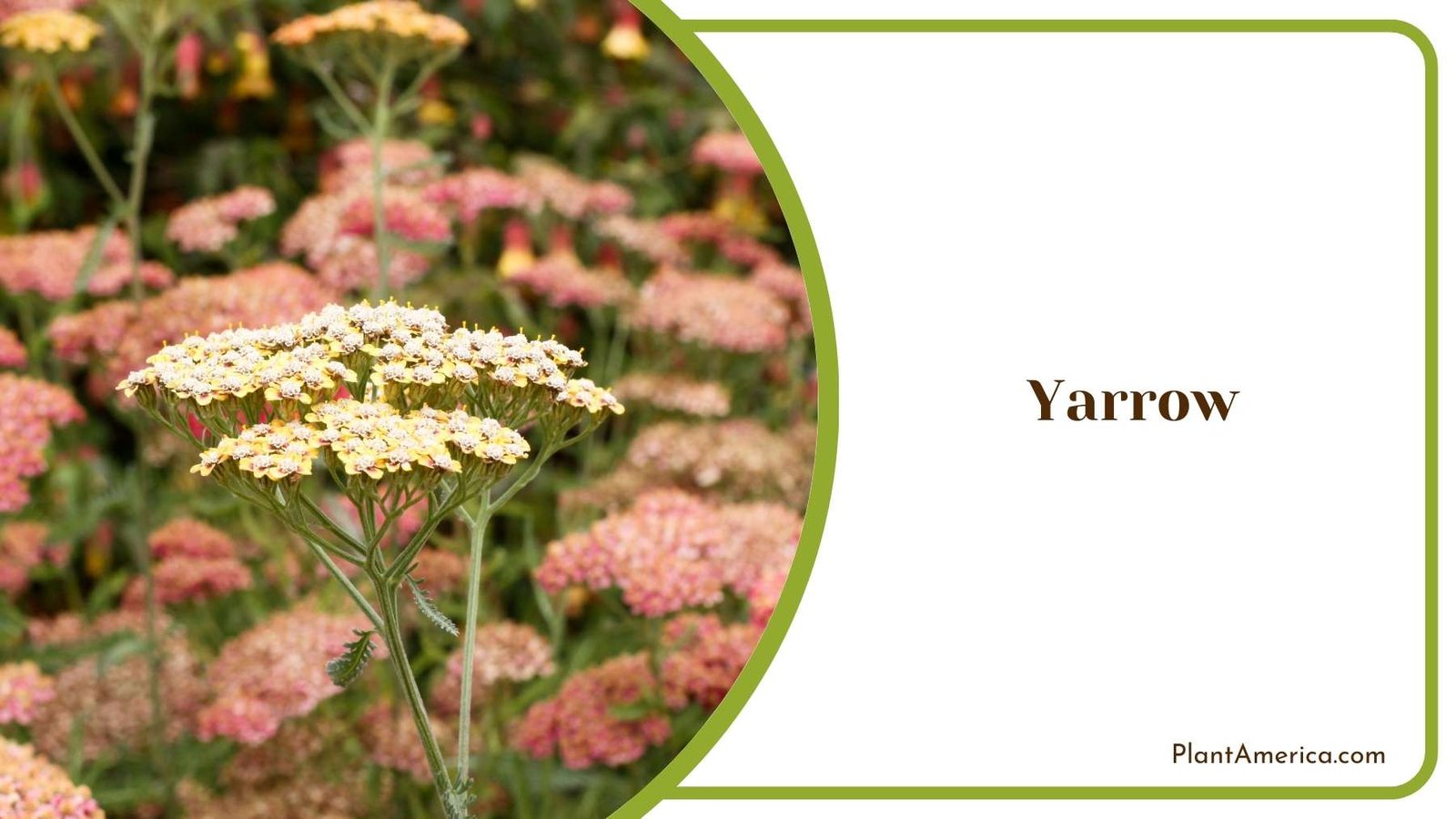
Yarrow graces the summer borders with airy sprays of pink, red or yellow flowers, attracting bees, butterflies, and beneficial insects for many weeks. Varieties like ‘Paprika’ produce mahogany blooms, while ‘Moonshine’ boasts pale yellow hues. Their lacy gray-green foliage remains handsomely textural long after seed heads form.
Requiring nothing more than occasional division every three to four years, Yarrow spread to naturalize freely wherever conditions suit in the soil with nothing but full sun. Their natural tendency to reseed profusely around the garden ensures continual blooms for cutting or viewing without effort.
Minor pests rarely afflict this hardy perennial, able to colonize any hot, exposed site like a champ while adding ethereal texture. A carefree plant of unparalleled usefulness in sunny borders!
14. Crocosmia
- Growing season: Summer, Early fall
- Leaf shape: Stiff, Sword-shaped
- Specific needs: Partial shade, Rich soil, Ample moisture
- Common pests: Slugs, Aphids
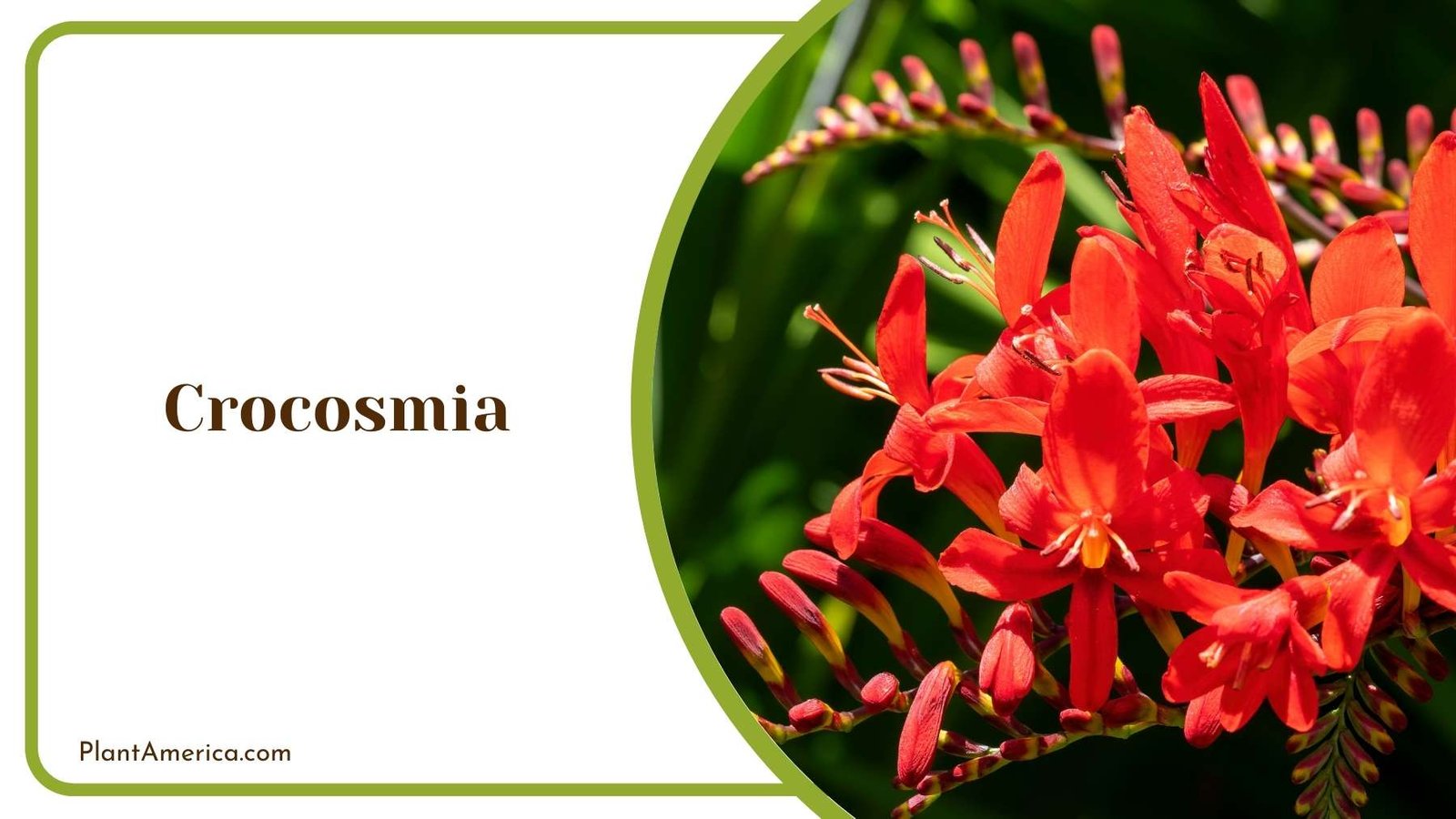
Crocosmia enlivens late summer gardens with their fiery orange, red, or yellow tube-shaped blooms held on sturdy stalks above flowing grass-like foliage. Planting in groups or as accents mixed amongst other perennials, Crocosmia thrives where provided partial shade and consistently moist but well-draining soil enriched with compost. Their sword-shaped leaves persist attractively for months while tubers increase each spring.
Since few pests trouble this stalwart plant, care involves simple division every three to four years and cutting stems removed after blooming ends to tidy up. Crocosmia infuses late-season color so effortlessly alongside shrubs or on borders during a time when many flowers have faded elsewhere in the landscape.
15. Shasta Daisy

- Growing season: Spring, Fall
- Leaf shape: Basal, Lobed
- Specific needs: Full sun, Average soil
- Common pests: Slugs, Aphids
Shasta Daisies blanket the garden in cheerful white blooms adorned with yellow centers each season. Their tidy mounds of foliage provide basal rosettes for tight clusters of flowers carried on sturdy stalks.
Needing little beyond occasional shearing back after flowering ends, Shasta Daisies thrive in full sun. They naturalize freely when conditions suit to spread across beds and borders for many months of the year. Growing these carefree perennials brings simple pleasure that uplifts the spirits each spring.
16. Catmint

- Growing season: Summer
- Leaf shape: Gray-green, Aromatic
- Specific needs: Full sun, Average soil
- Common pests: Slugs, Aphids
Catmint fills the summer garden with its fuzzy gray-green foliage and whorls of lavender blooms beloved by cats and beneficial pollinators alike. Varieties like ‘Walker’s Low’ cost low mounds while ‘Six Hills Giant’ towers statuesquely.
Thriving in full sun with average soil, Catmint requires very little care beyond an occasional trim after flowering or selective division every few springs. Its naturally bushy spread mingles attractively amongst other perennials, releasing refreshing aromatic scents on warm days long enjoyed in the garden ambles.
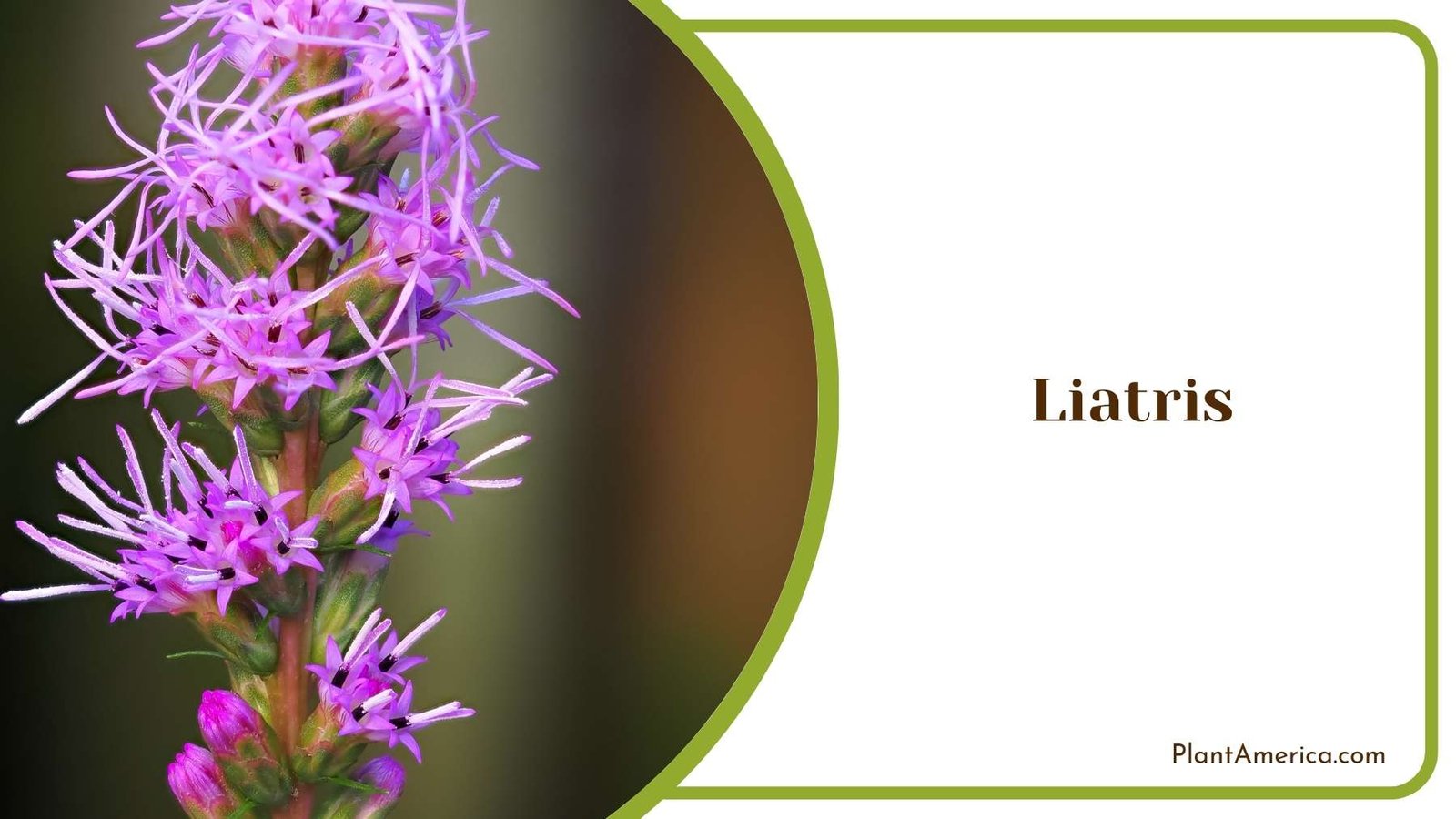
17. Liatris
- Growing season: Summer, Fall
- Leaf shape: Linear, Green
- Specific needs: Full sun, Well-draining
- Common pests: Slugs, Aphids
Liatris add ethereal vertical interest amid borders with their stiff flowering stalks bearing pointed bloom clusters in shades of lavender, purple or white. Favorite varieties include ‘Flamespike’ bearing ruby blooms and ‘Kobold’ boasting dense violet flower spikes.
Needing nothing more than well-draining soil and full sun exposure, Liatris thrive amid a wide variety of perennial companions with little fussing. Their tall spires sway gracefully amongst foliage and seeds, providing valuable nutrition for birds in fall months. Overall, Liatris bring beauty, ease, and wildlife value during summer’s peak season.
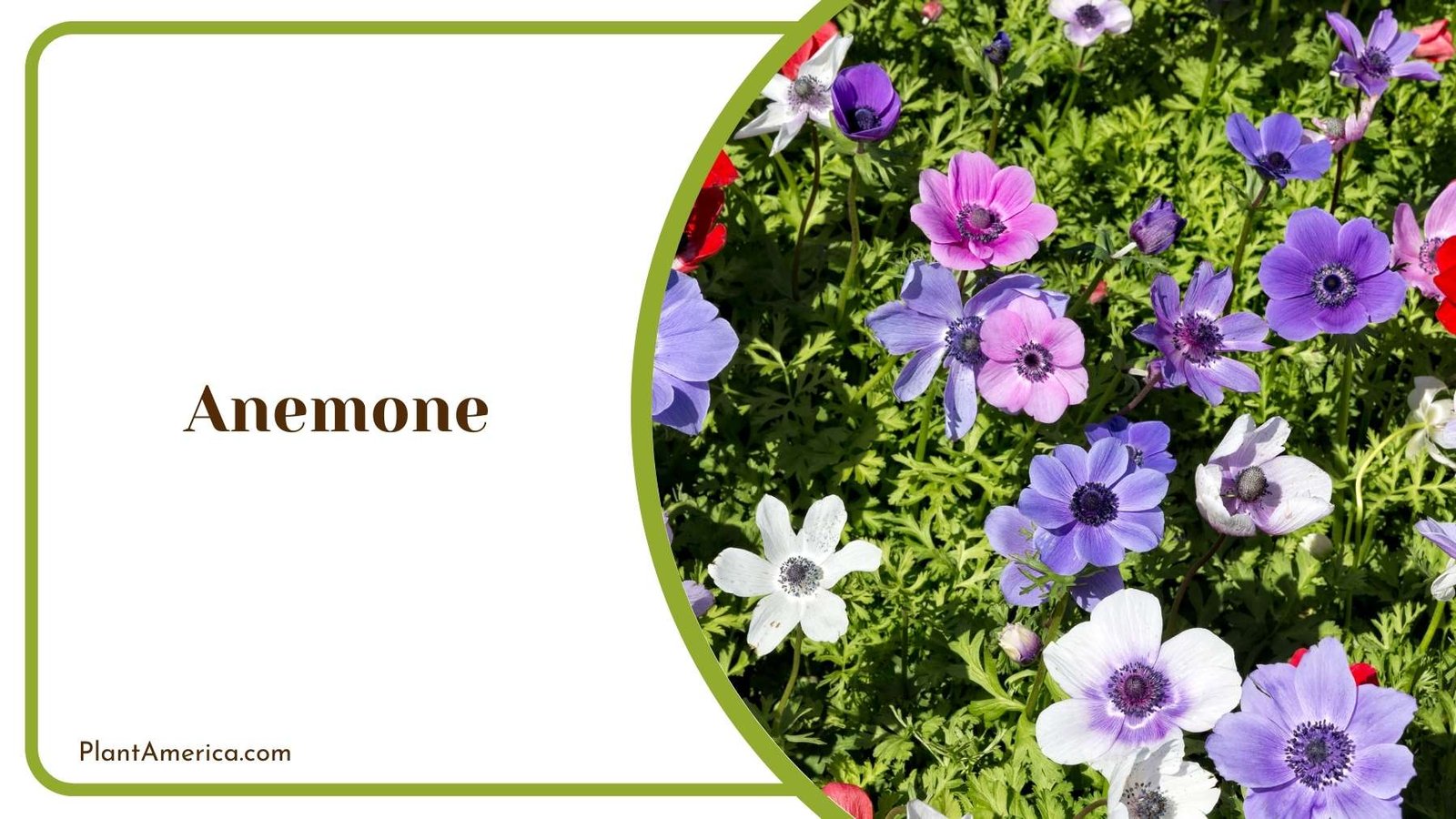
18. Anemone
- Growing season: Fall
- Leaf shape: Divided, Lobed
- Specific needs: Partial shade, Moist, Well-draining soil
- Common pests: Slugs, Aphids
Anemones harken to the arrival of autumn in the garden with their flouncy flowers borne on airy stems above attractive foliage. Favorites include ‘Honorine Jobert’ with semi-double white blooms and ‘September Charm’ glowing rose-pink.
Thriving with morning sun and afternoon shade where soil retains moisture, Anemone naturalizes readily without the demand for staking or deadheading. Their joyous flowers persist for weeks into the season, lightening the mood as temperatures cool. Minor pests rarely afflict these low-maintenance perennials brightening woodland nooks and borders in fall’s mellowest light.
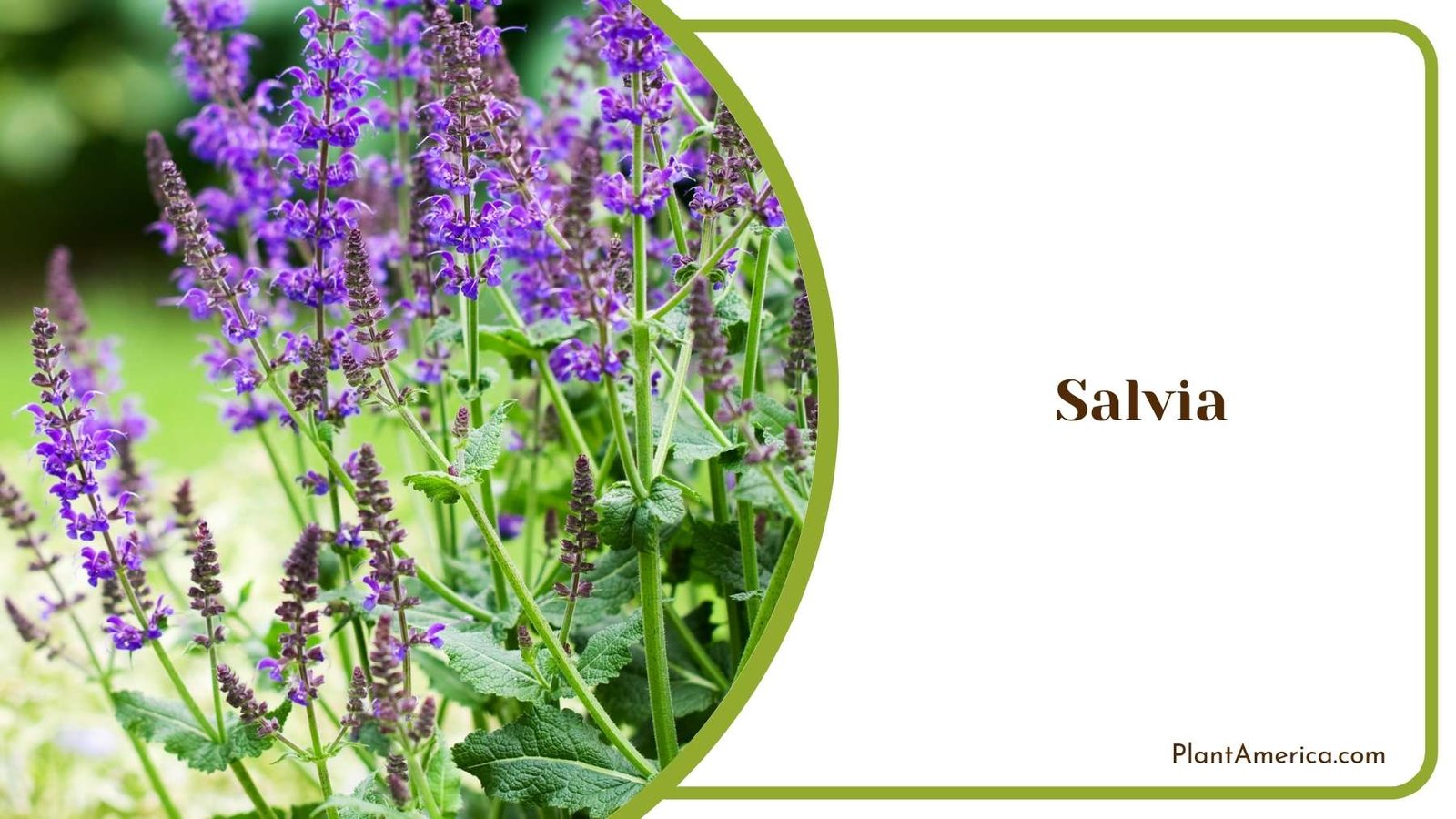
19. Salvia
- Growing season: Summer
- Leaf shape: Gray-green, Aromatic
- Specific needs: Full sun, Well-draining soil
- Common pests: Slugs, Aphids
Salvia fills late summer gardens with impressive spires of blue, purple, red, or white blossoms beloved by hummingbirds and butterflies. Thriving in full sun with lean, well-draining soils, Salvia requires little more than occasional shearing after flowering to encourage rebloom through fall.
Their fragrant leaves release mentholated scents delightful for gardens, and vivid vertical spires add drama wherever planted. Few pests ever trouble these sturdy perennials regaling borders when little else remains in bloom.
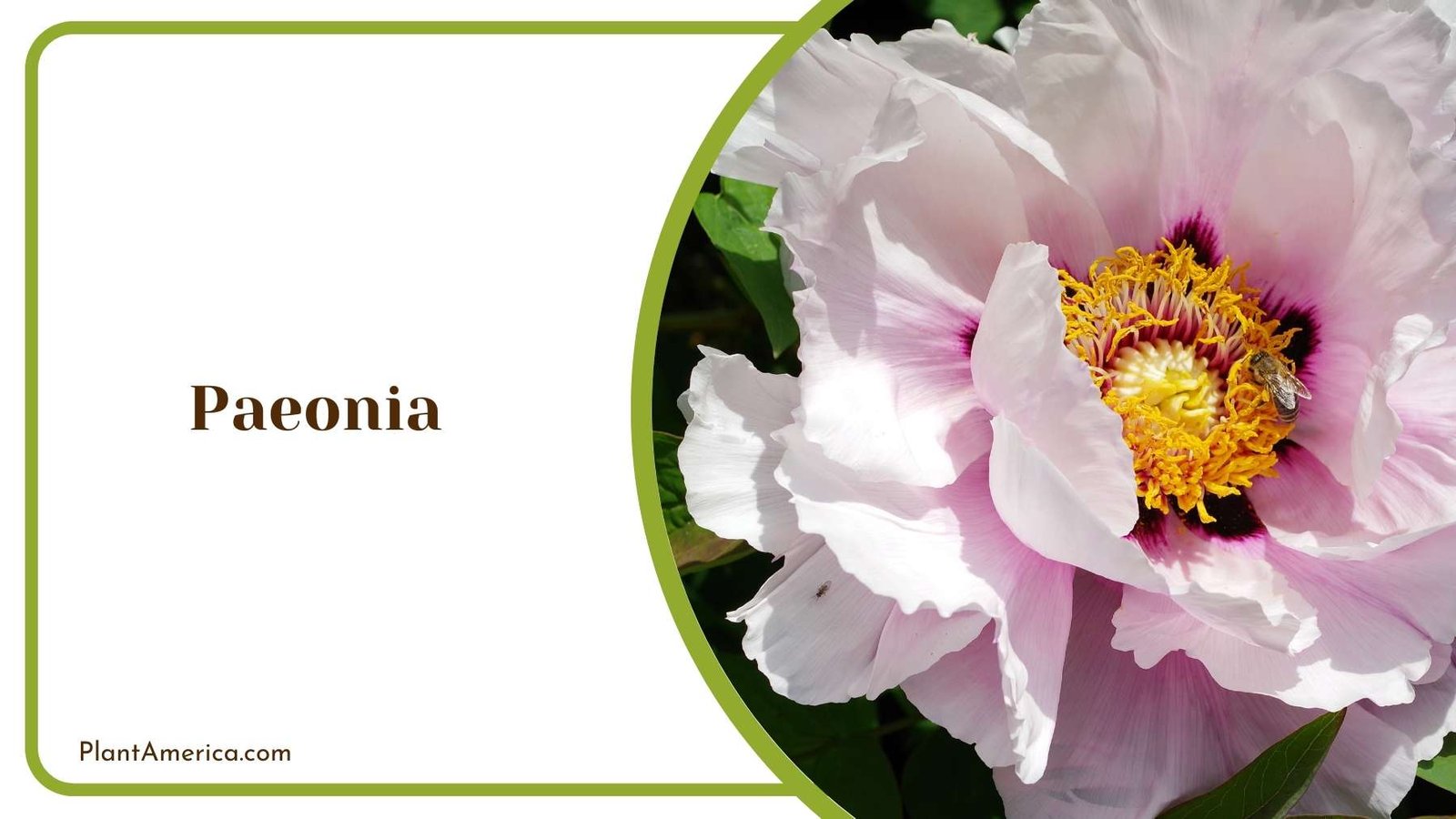
20. Paeonia (Peony)
- Growing season: Spring
- Leaf shape: Fern-like, Compound
- Specific needs: Afternoon shade, Organic nutrient-rich soil
- Common pests: Powdery mildew, Fungal rust
Peonies highlight the garden each spring with ornamental blooms carried on sturdy stems above handsome foliage. Favorites include ‘Festiva Maxima’ bearing full white blossoms and ‘Sarah Bernhardt’ flaunting rich pink petals.
Providing afternoon shade and compost-enriched soil retains moisture. Their regal flowers remain a must-have perennial for anyone lucky enough to grow them! Afterwards, cutting back spent blooms maintains tidiness throughout the leafy season into dormancy by late summer until roots repeat next year’s glorious show.
21. Larkspur
- Growing season: Spring, Summer
- Leaf shape: Fern-like, Finely cut
- Specific needs: Full sun, Moist, Well-draining soil
- Common pests: Powdery mildew, Fungal rust
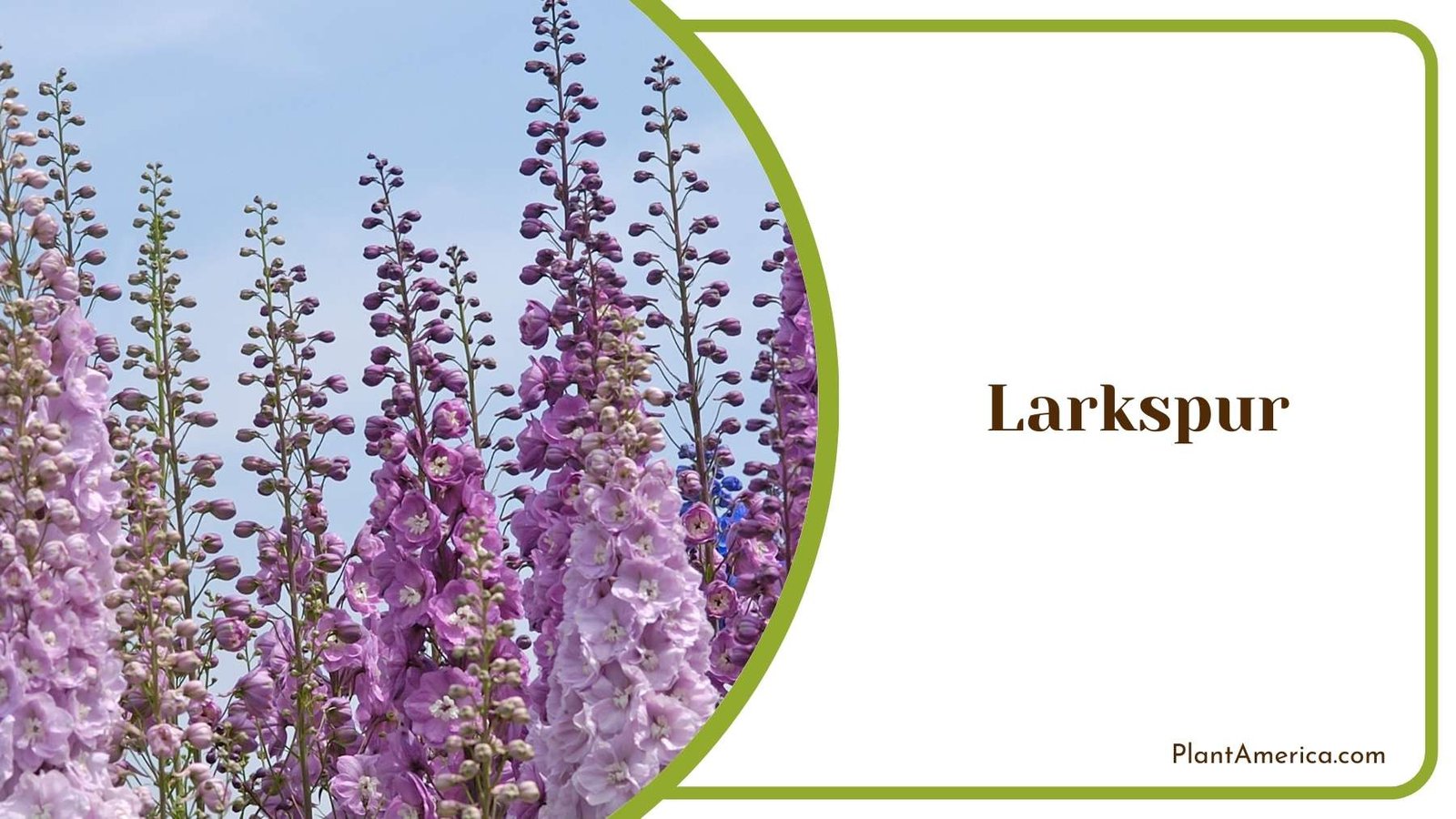
Larkspur lights the spring and early summer garden with sprays of blues, purples, and pinks beloved by hummingbirds visiting blossoms. Favorite varieties include ‘Blue Elf’ bearing sky blue clusters and ‘Snow Capped Wedgewood’ sporting cerulean flowers striped white.
Thriving in rich soil draining smoothly, Larkspur rewards minimal care beyond staking larger varieties for the strongest blooms high above the greenery. With protections from powdery mildew, such as good drainage, they reward the earliest color shows to lift spirits before heat bears down.
22. Hemerocallis (Daylily)
- Growing season: Spring, Fall
- Leaf shape: Elongated, Sword-like
- Specific needs: Full sun, Moist, Well-draining soil
- Common pests: Powdery mildew, Fungal rust
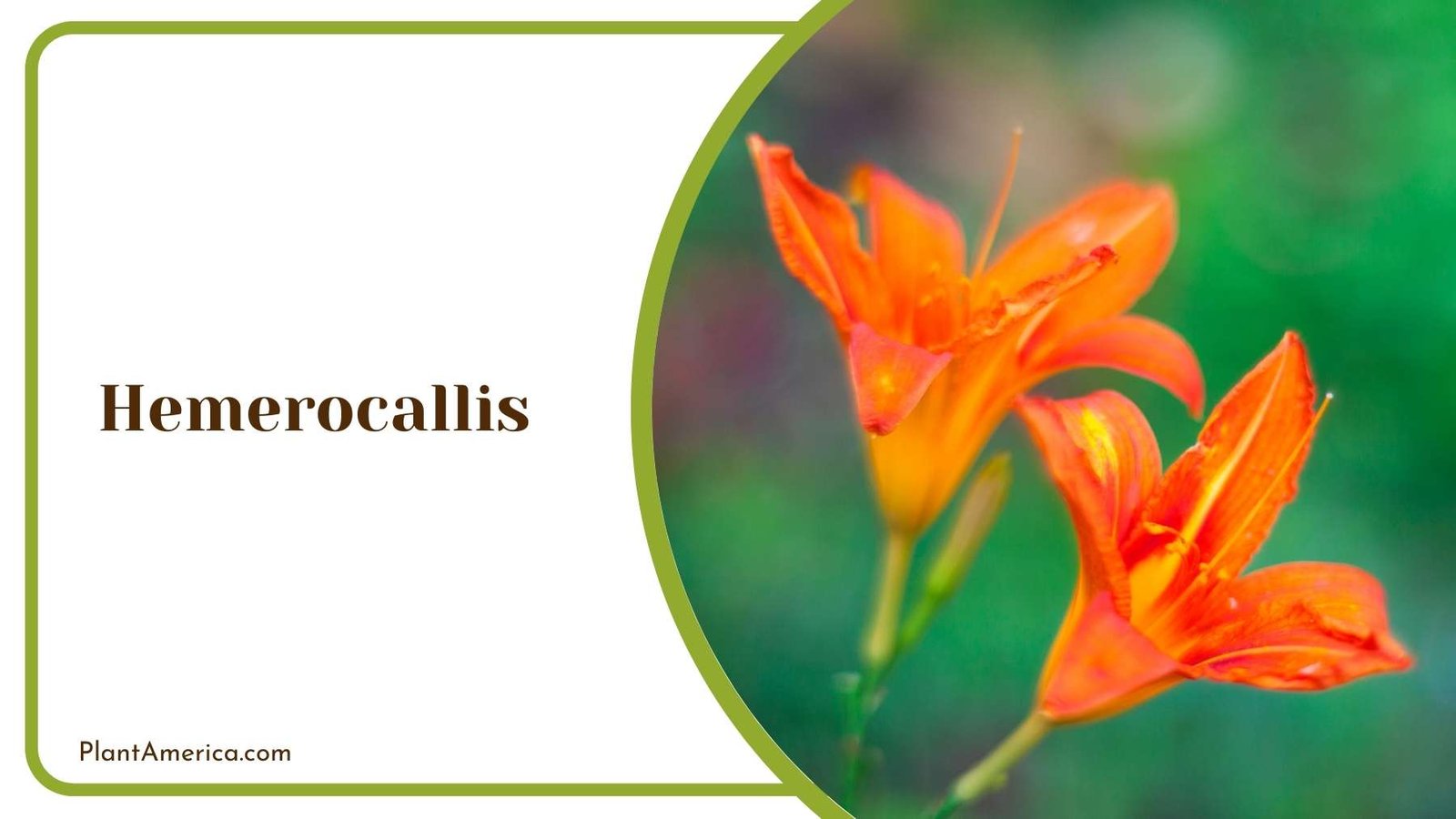
Daylilies brighten the garden from spring through fall, with their cheerful blooms opening each morning and fading by afternoon. Favorites include ‘Stella de Oro’ bearing golden yellow flowers and ‘Happy Returns’ boasting soft pink hues.
Requiring little more than divided clumps every few years, Daylilies spread expanding drifts of easy color that light up any landscape. Even their sword foliage offers texture for months more. Daylilies remain a mainstay planting for their carefree nature-enriching beds without demands of time or energy.
Conclusion
Perennial flowers are a surefire way to enjoy continuous color all through the growing season with minimal effort.
- Larkspur crowns the garden each spring and summer with spires exceeding the height, scattering cobalt to violet blossoms carried aloft.
- Catmint fills the summer garden with its fuzzy gray-green foliage and whorls of lavender blooms beloved by cats and beneficial pollinators alike.
- Shasta Daisies blanket the garden in cheerful white blooms adorned with yellow centers each season.
These resilient perennial flowers truly are the gifts that keep on giving back to gardens season after season. By selecting a variety of your favorite shades, scents, and flowering times among those highlighted here, you can create an oasis that continually uplifts your spirits with nature’s changing show.