
Best Trees for Privacy are perfect not only to provide visual screening but also to help block noise. In this post, we’ll cover the best trees with dense foliage to give you ultimate seclusion in your backyard or perimeter. Whether you want quiet moments of peaceful solitude and visual insulation from busy streets and neighbors or to boost your curb appeal, privacy trees are key.
So, if you’re looking for the perfect mix of function, beauty, and environmental benefits, read on to discover the top screening trees that will fill your privacy needs and be a perfect fit for your garden.
Best Trees For Privacy Considerations for Your Yard
1. Leyland Cypress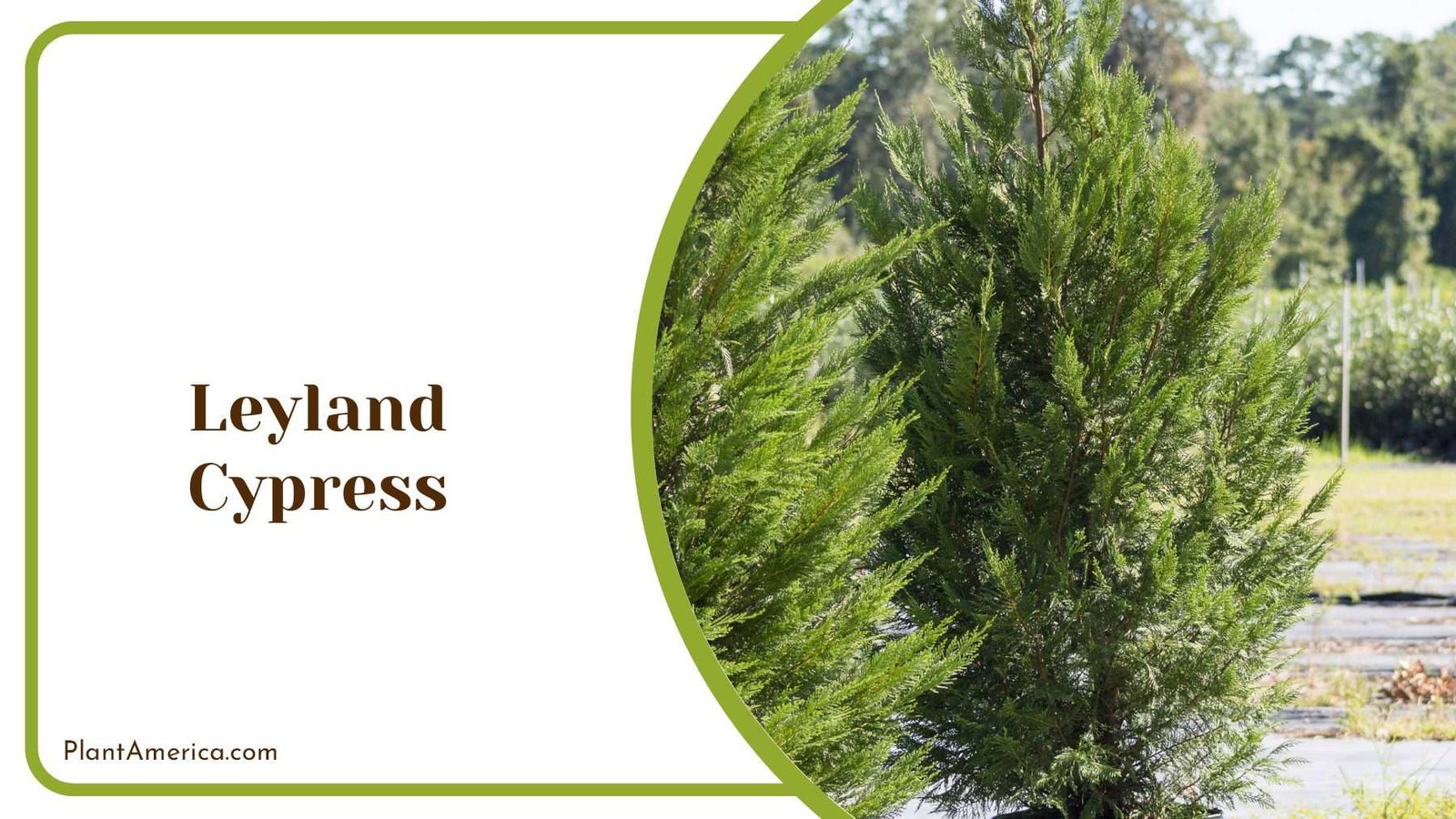
- Growing Season: Spring, Fall
- Leaf Shape: Needle-like, Pyramidial
- Specific Needs: Full sunlight, Well-drained soil
- Common Pests: Scale insects, Bag worms
Leyland Cypress trees make an excellent privacy screen with their tall, narrow shape and dense, year-round foliage and their soft green needles provide ultimate seclusion by blocking noise and visibility from adjacent properties. Leyland Cypress trees grow quickly, reaching 40 to 50 feet, to form a compelling visual and sound barrier. When cited correctly in full sun with well-draining soil.
Leyland Cypresses have few pest problems; their trees are an evergreen conifer, meaning they retain their needles all year. This steady green foliage provides consistent screening and privacy without needing seasonal leaf replacement.
Also, their needle-like leaves grow in spiky clusters that form a dense canopy even at a young age, and this allows the trees to effectively screen large areas within just a few years of planting.
Leyland Cypress trees are relatively low maintenance when grown under the right conditions as they prefer nutrient-rich, well-draining soil for optimum growth and performance.
2. Arborvitae
- Growing Season: Spring, Fall
- Leaf Shape: Flattened, Scale-like
- Specific Needs: Full sunlight, Partial shade
- Common Pests: Mites, Bag worms
Arborvitae trees are excellent options for privacy screens and hedges due to their dense, columnar growth habit and their flat, scale-like foliage provides a thick, year-round barrier blocking visibility and muffling noise between adjacent properties. Arborvitae trees grow relatively quickly to form an effective privacy screen within a few years of planting.
When sited in full sun to part shade with well-draining soil, arborvitae trees require little maintenance other than occasional pruning. Proper drainage is particularly important to avoid issues with fungus and other diseases. While resistant to most insects and diseases, Arborvitae trees may require periodic treatment for common pests like bagworms, mites, and aphids.
Arborvitae trees are evergreen conifer, so they retain their scale-like foliage all year, and this consistent green barrier provides privacy without needing seasonal leaf replacement. Their flat, scale-like leaves grow in tight, overlapping rows along the branches, forming a dense canopy even at a young age. This dense foliage and its narrow columnar shape allow Arborvitae trees to screen large areas effectively.
3. Eastern Red Cedar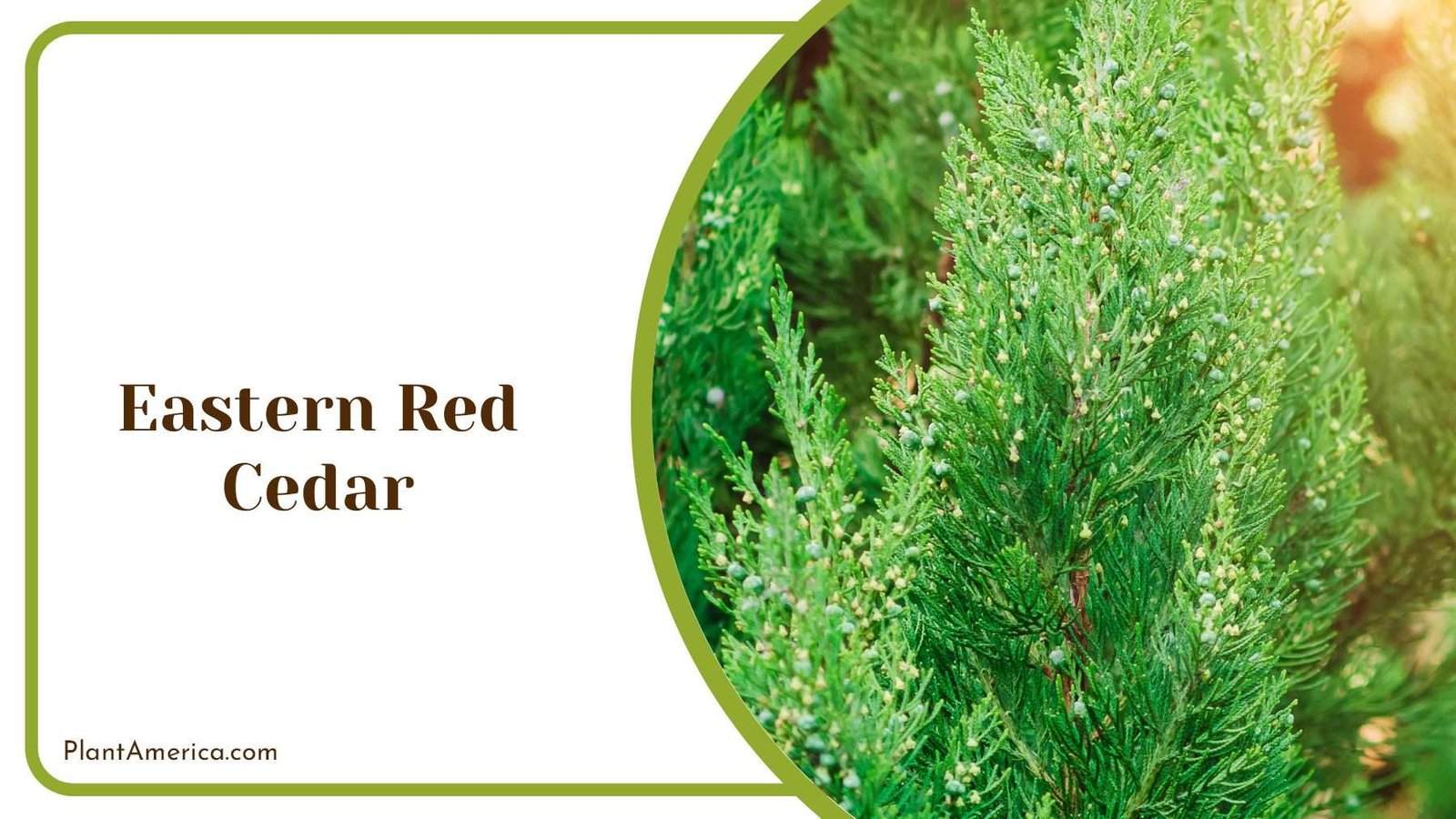
- Growing Season: Spring, Fall
- Leaf Shape: Simple scale, Awl-like
- Specific Needs: Deep soil, Well-drained soil
- Common Pests: Spider mites, Bag worms
Eastern Red Cedar trees provide an effective natural screen and hedge due to their dense, pyramidal growth habit and fragrant evergreen foliage and their small-scale-like leaves overlap to form a thick, year-round barrier that effectively blocks visibility and noise between properties.
Eastern Red Cedar trees typically grow quickly, reaching 20 to 40 feet within 10 to 15 years. Also, their mature pyramidal shape allows them to effectively screen large areas while fitting into a relatively small space. When planted in full sun and in a well-drained soil, Eastern Red Cedar trees require little maintenance beyond occasional pruning.
As an evergreen conifer, Eastern Red Cedar trees retain their fragrant scale-like foliage year-round, providing constant privacy without needing seasonal leaf replacement.
Their scale-like leaves grow in tightly overlapping rows along the branches and have a soft, feathery texture and this fine-textured foliage and their pyramidal growth habit allow eastern red cedar trees to fill in quickly to form an effective visual and sound barrier. Regarding care, Eastern Red Cedar trees tolerate different soil and light conditions.
4. Norwegian Spruce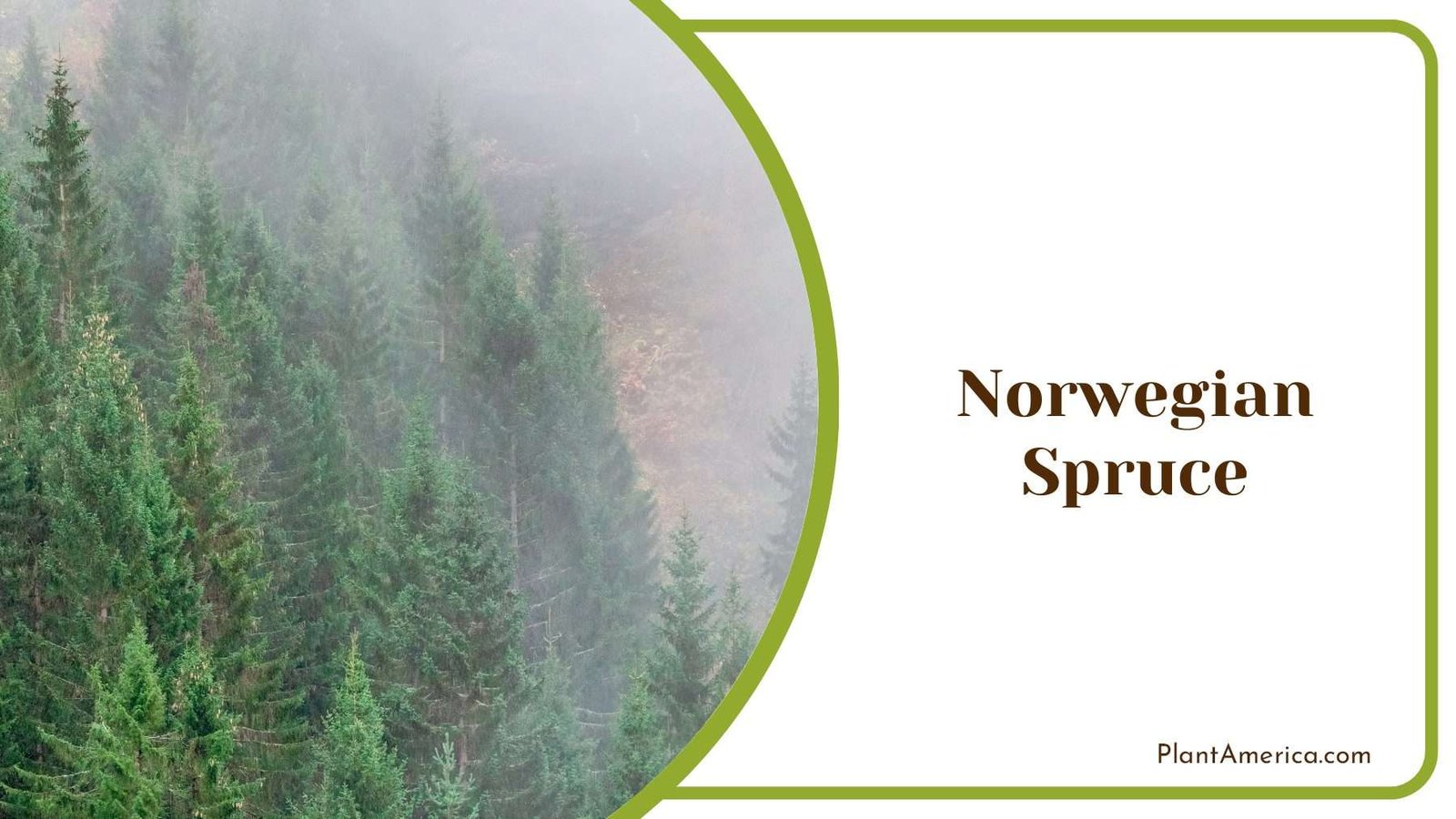
- Growing Season: Spring, Fall
- Leaf Shape: Needle-like, Slightly curve
- Specific Needs: Moist soil, Well-drained soil
- Common Pests: Shoot moth larvae, Budworms
Norwegian Spruce trees are excellent privacy screens thanks to their dense, pyramidal form and thick evergreen foliage; their soft blue-green needle-like leaves overlap closely to create a waterproof canopy that effectively blocks visibility and absorbs sound between properties. They typically grow moderately to fast, reaching heights of 50 to 70 feet at maturity.
Native to northern Europe and Asia, this fast-growing tree produces a narrow pyramidal shape reaching heights over 100 feet.
Norwegian Spruce displays lush, deep green needles 1/2 to 1 inch long, soft to the touch and aromatic when crushed. It holds its color year-round, retaining lower branches when young to form a full, dense canopy. Come winter: this conifer boasts interest by accentuating intricate branch structures underneath frosted boughs.
This hardy tree thrives in USDA zones two to seven, tolerating cold temperatures down to -40 degrees Fahrenheit once established. Its extensive root system penetrates deep, allowing Norwegian Spruce to withstand high winds and heavy snow loads better than similar-sized pines or firs. Although displaying drought tolerance once past the seedling stage, constant moisture leads to healthier, vigorous growth.
The versatile conifer acts as a privacy screen, windbreak, or ornamental specimen for larger gardens. Position in full sun for desirable density and bluish color, tolerating partial shade along borders. While fairly pest resistant, insect/disease issues tend mild compared to other popular spruces.
Exciting for gardeners, juvenile trees grow two to three feet yearly, maturing slowly to give decades of evergreen presence. Start from seed sown indoors or transplant young saplings, protecting new roots as they spread outward. Over time, this long-lived tree develops character, with ridged charcoal bark adding winter interest.
Norwegian Spruce deserves a space in any collection seeking architectural elegance and year-round vertical greenery. Give this low-maintenance evergreen a try – it may become your favorite garden resident for generations to come!
5. Hemlock Spruce
- Growing Season: Spring, Fall
- Leaf Shape: Needle-like, Pointed
- Specific Needs: Full sunlight, Well-drained soil
- Common Pests: Spider mites, Adelgids
Hemlock Spruce trees are popular evergreens favored for privacy hedges and screens due to their dense, conical shape and relatively small, dark green needles; their fine-textured foliage overlaps closely together to form a year-round barrier that effectively blocks visibility and absorbs noise between adjacent properties.
Hemlock spruce trees usually grow at a moderate pace, reaching heights between 40 to 60 feet at maturity and within 10 to 15 years, Hemlock Spruce can form an adequate natural screen with ample privacy. When planted in full sun to part shade with well-draining soil, they require minimal upkeep beyond periodic pruning.
As an evergreen conifer, Hemlock Spruce retains its needle-like foliage all year, and this consistent green barrier provides uninterrupted screening and privacy without needing seasonal leaf replacement. The small, dark green needles grow in clusters along the branches, giving hemlock spruce a dense, full appearance that fills in quickly to form an effective visual and sound barrier.
6. Yew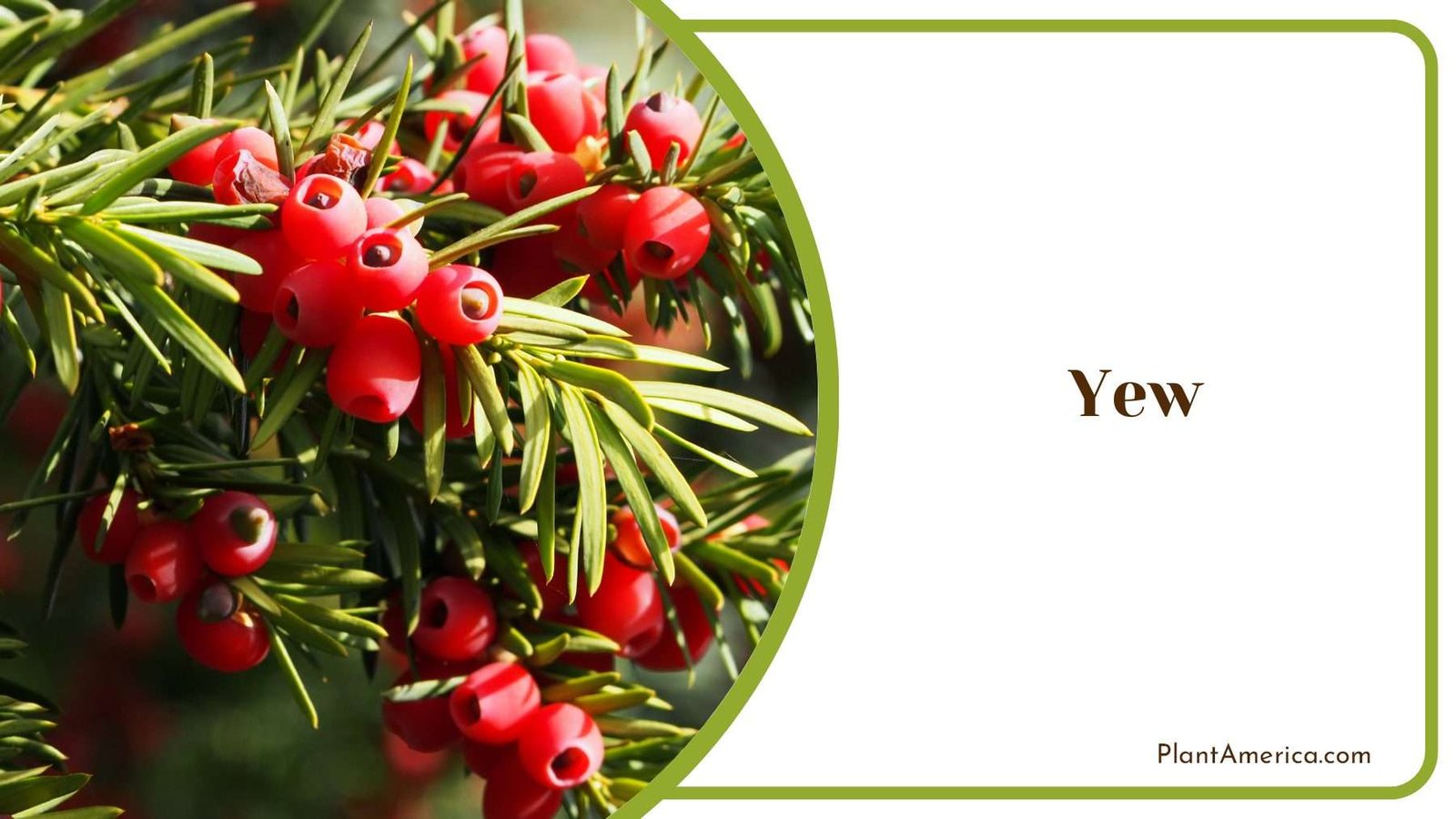
- Growing Season: Spring, Fall
- Leaf Shape: Flat, Scale-like
- Specific Needs: Full sunlight, Well-drained soil
- Common Pests: Bagworms, Mites
Yew trees make a versatile evergreen choice for low hedges, tall screens, and smaller-level privacy gardens due to their tolerance of pruning into various styles and shapes. Their small, dark green scale-like leaves overlap closely to form a dense year-round barrier that effectively blocks visibility and absorbs noise between adjacent properties.
Yew trees grow quite slowly, typically reaching heights between 10 to 40 feet depending on the cultivar and planting location. When planted and pruned correctly, these trees can form an adequate screen to provide sufficient privacy within five to 10 years. With proper pruning and care, well-sited trees require minimal care beyond occasional reshaping over the years.
Yew trees retain their scale-like foliage all year. This constant dark green barrier provides consistent screening and privacy without needing seasonal leaf replacement. Their small, scale-like leaves grow in rows along the branches and give them a dense, delicate texture that layers together to quickly fill in any space.
7. Western Red Cedar
- Growing Season: Spring, Fall
- Leaf Shape: Scale-like, Ovate
- Specific Needs: Full shade, Well-drained soil
- Common Pests: Western cherry fruit fly, False spider mites
Western Red Cedar trees are prized for privacy hedges and screens due to their dense, pyramidal shape and small scale-like foliage. Their fragrant, dark green leaves overlap closely to form a year-round barrier that effectively blocks visibility and absorbs noise between adjacent properties.
Western Red Cedar trees typically grow at a moderate pace, reaching heights of 40 to 60 feet at maturity, and within 10 to 15 years, they can form an adequate natural screen that provides sufficient privacy. When planted in full sun and in well-drained soil, they require minimal care beyond occasional pruning.
Western Red Cedar retains its scale-like foliage all year, and this constant dark green barrier provides consistent screening and privacy without needing seasonal leaf replacement. Their scale-like leaves have a soft texture and pleasant fragrance that easily layers together to quickly fill in any space.
8. Blue Atlas Cedar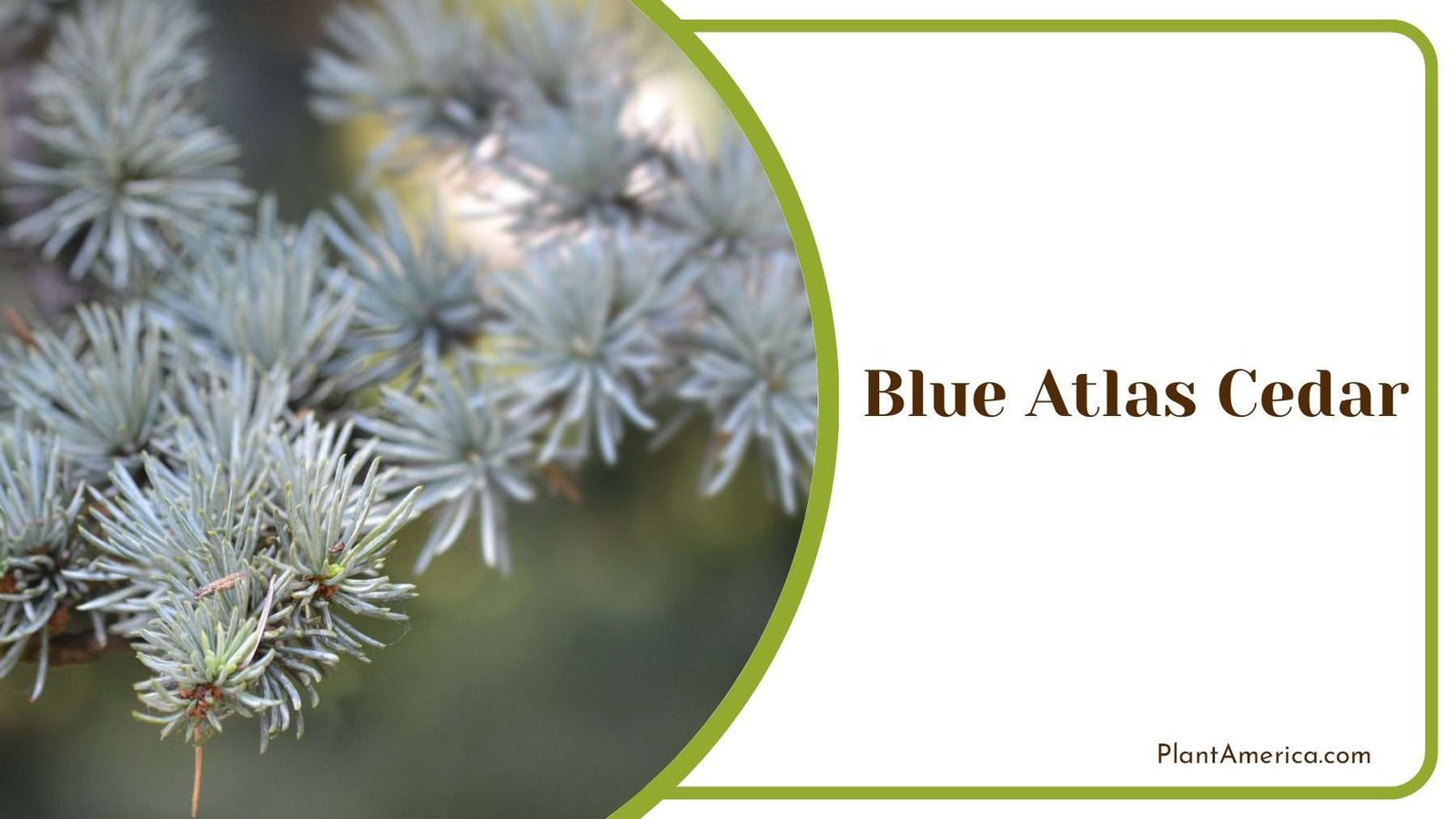
- Growing Season: Spring, Fall
- Leaf Shape: Scale-like, Pointed
- Specific Needs: Full sunlight, Acidic soil
- Common Pests: Bagworms, Aphids
Blue Atlas cedar trees are favored for hedges and screens due to their dense, columnar shape and fine blue-green scale-like foliage that remains relatively small. Their fragrant leaves overlap closely together to form a year-round barrier that is highly effective at blocking visibility and muting sound between neighboring properties.
Blue Atlas cedar trees grow rather slowly, taking around 20 to 40 years to reach heights between 20 to 30 feet depending on conditions and cultivar. When planted and pruned correctly, Blue Atlas cedars can form an adequate screen to provide sufficient privacy within five to 10 years, and with proper pruning and care, just occasional reshaping is required over the years.
Blue Atlas cedars retain their scale-like foliage all year and this constant blue-green barrier provides consistent screening and privacy without the need for seasonal leaf replacement. Their small scale-like leaves have a silvery appearance and give them a fine-textured appearance that quickly layers together to fill any space.
9. Deodar Cedar
- Growing Season: Spring, Fall
- Leaf Shape: Needle-like, Slender
- Specific Needs: Full sunlight, Well-drained soil
- Common Pests: Bagworms, Spider mites
Deodar cedar trees are popular evergreens favored for hedges and screens due to their dense, pyramidal shape and soft blue-green needle-like foliage. Their fragrant needles overlap closely together to form a year-round barrier that effectively blocks visibility and absorbs sound between neighboring properties.
Deodar cedar trees typically grow at a moderate to fast pace, reaching heights between 60 to 100 feet at maturity, and within 15 to 20 years, they can form a dense barrier that allows for sufficient seclusion and privacy. When planted in full sun and in well-drained soil, Deodar cedar trees require minimal care beyond occasional pruning.
Also, as an evergreen conifer, Deodar cedars retain their needle-like foliage year-round, providing consistent screening and privacy without the need for seasonal leaf replacement. The soft blue-green needles grow in clusters along the branches and give them a full, textured appearance that fills in quickly to form an effective visual and sound barrier.
10. Japanese Cryptomeria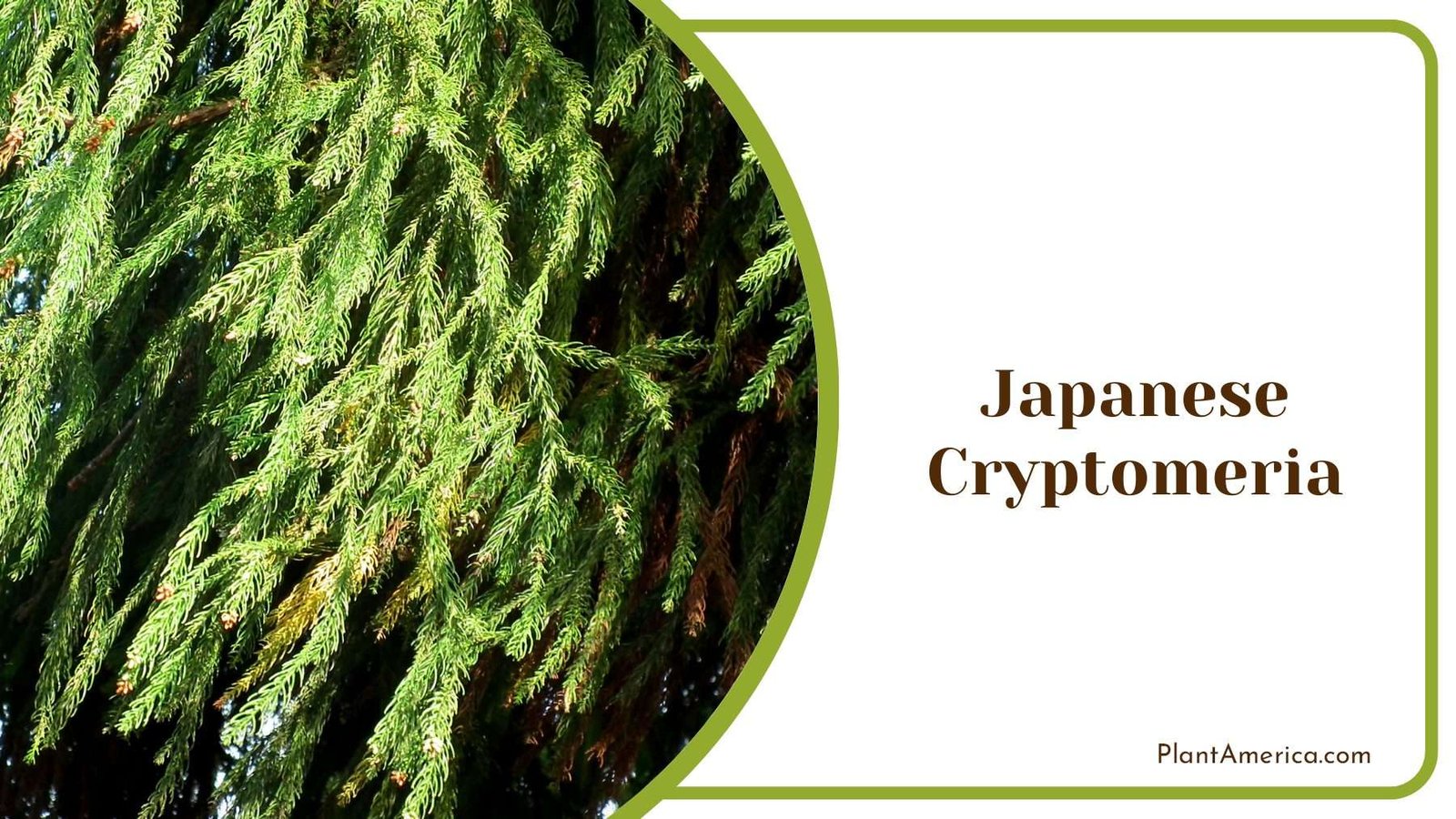
- Growing Season: Spring, Fall
- Leaf Shape: Needle-like, Saber-shaped
- Specific Needs: Full sunlight, Well-drained soil
- Common Pests: Spider mites, Aphids
Japanese Cryptomeria trees are evergreen favorites for privacy screens due to their dense, conical shape and fine dark green needle-like foliage. Their aromatic needles overlap closely together to form a year-round barrier that is highly effective at blocking visibility and absorbing sound between adjacent properties.
Japanese cryptomeria trees typically grow moderately, reaching heights between 40 to 60 feet at maturity. Within 15 to 20 years, they can form an adequate natural screen that provides sufficient privacy. When planted in full sun and in well-drained soil, they require minimal care beyond occasional pruning.
Japanese Cryptomeria retains its needle-like foliage year-round, and this constant dark green barrier provides uninterrupted screening and privacy without the need for seasonal leaf replacement. The fine needles give Japanese Cryptomeria trees a dense, full appearance that fills in quickly to form an effective visual and sound barrier.
11. False Cypress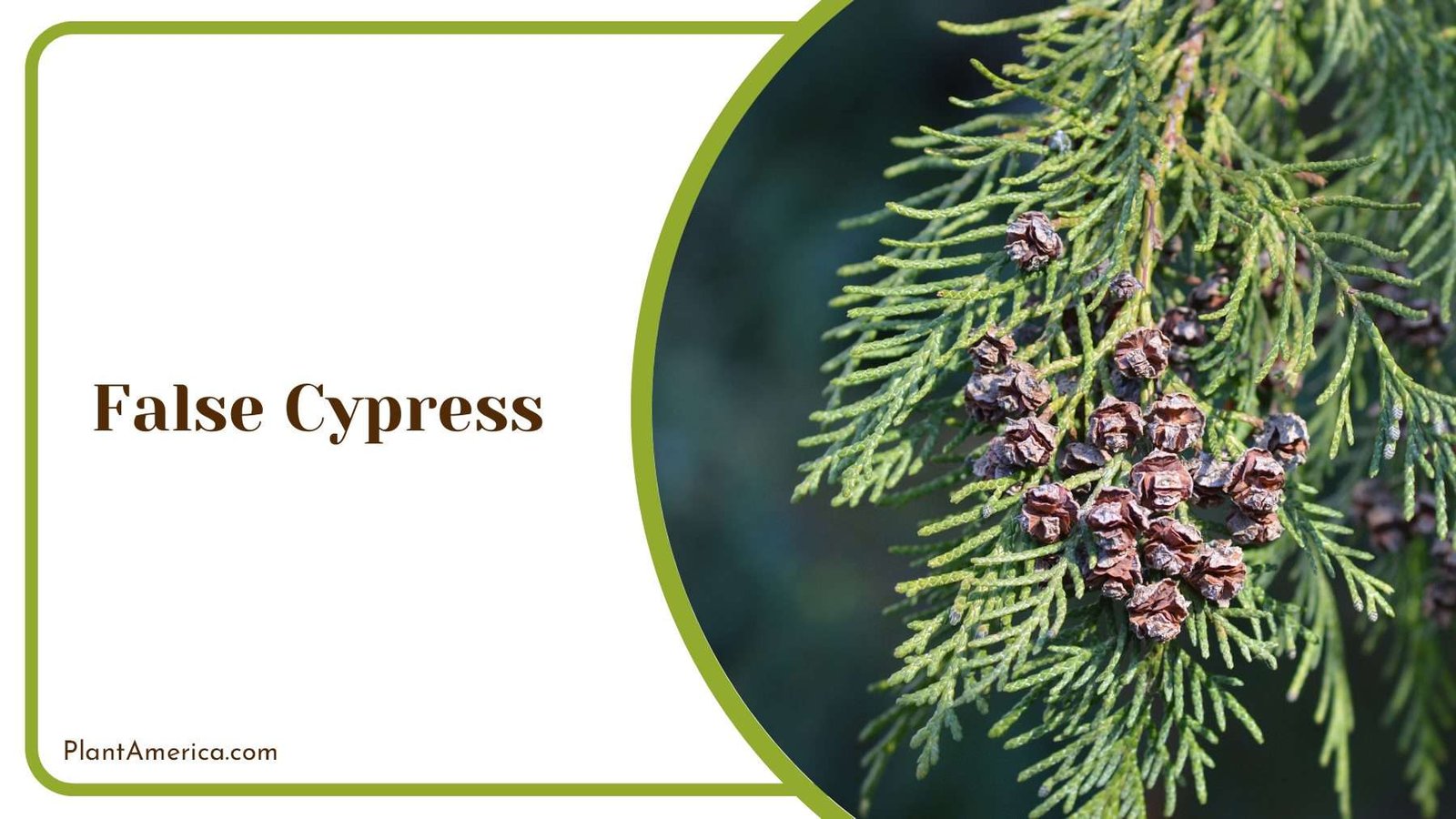
- Growing Season: Spring, Fall
- Leaf Shape: Scale-like, Conical
- Specific Needs: Well-drained soil, Full sunlight
- Common Pests: Bagworms, Spider mites
False Cypress trees make excellent privacy hedges and windbreaks due to their dense, columnar shape and fragrant scale-like foliage. Their dark green leaves overlap closely to form a year-round barrier that effectively blocks visibility and absorbs sound between adjacent properties.
False cypress trees typically grow fairly quickly, reaching 20 to 40 feet within 15 to 20 years. Their narrow, columnar form allows them to provide privacy screening in a relatively small space. Planting in full sun and well-drained soil requires minimal care beyond occasional pruning.
As an evergreen conifer, false cypress trees retain their scale-like foliage year-round, providing constant privacy without the need for seasonal leaf replacement, and their scale-like leaves have a soft texture and pleasant fragrance that easily layers together to quickly fill in any space or garden.
In terms of care, False Cypress trees prefer nutrient-rich, well-draining soils for optimum growth and health. Proper drainage is important to minimize disease issues, and occasional pruning can help maintain the tree’s narrow shape and control its ultimate height and spread. While very resistant to most insects, they may occasionally require bagworm treatment.
Overall, False Cypress trees are an attractive choice for privacy needs with their densely columnar growth habit, fine-textured foliage, and pleasant fragrance. With proper site selection and minimal care requirements, False Cypress trees can provide effective screening within just a few years of planting, ultimately delivering maximum seclusion.
12. Lombardy Poplar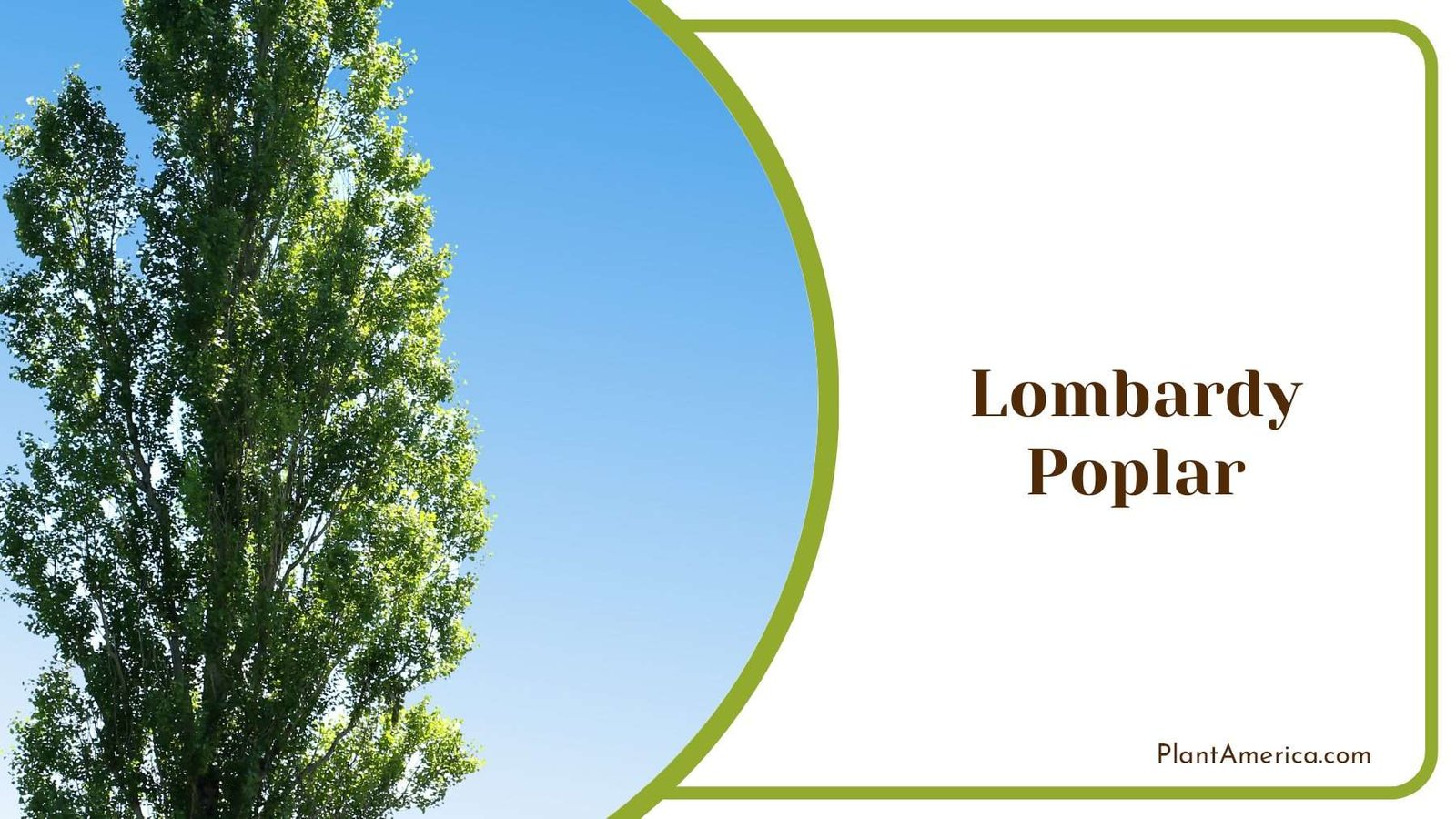
- Growing Season: Spring, Fall
- Leaf Shape: Lobed, Triangular
- Specific Needs: Full sunlight, Acidic soil
- Common Pests: Borers, Aphids
Lombardy Poplar trees are valued for privacy screens due to their tall, narrow shape and fast growth rate. Their pointed, dark green leaves provide a quick screen that effectively blocks visibility and dampens sound between neighboring properties. They grow remarkably fast, reaching 60 to 80 feet within 15 to 20 years.
Also, their narrow, columnar form allows them to provide privacy screening in a relatively small space despite their tall stature. When planted in full sun and in well-drained soil, it requires little maintenance beyond regular pruning. As a deciduous tree, Lombardy Poplars drop their leaves in fall and remain bare throughout winter.
However, their fast growth allows them to quickly refill any gaps and provide full screening capabilities once new foliage emerges in spring. In terms of care, Lombardy Poplars prefer nutrient-rich, well-draining soils and ample moisture for strong growth. Their shallow roots also require ample soil space and hydration.
Overall, Lombardy Poplars provide a very fast-growing choice for privacy screens thanks to their tall, narrow form and quick growth rate. Within just a few years, it can tower over adjacent properties and provide reasonable seclusion. With proper site preparation, hydration, and pruning, these privacy tree offers an effective option for delivering temporary privacy on a tight schedule.
13. Eastern White Pine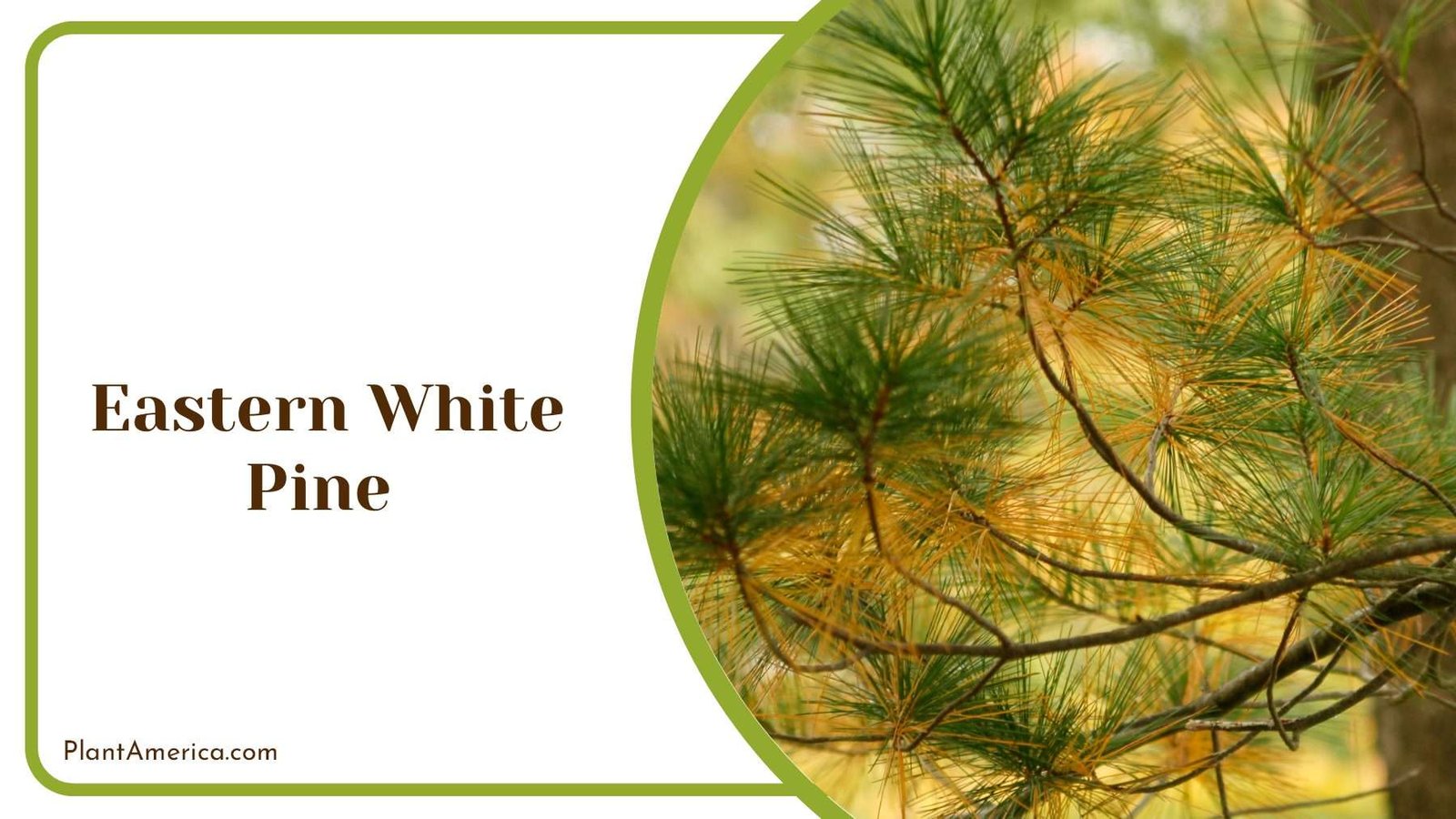
- Growing Season: Spring, Fall
- Leaf Shape: Needle-like, Alternate
- Specific Needs: Full sunlight, Well-drained soil
- Common Pests: Pine needle scale, White pine weevils
Eastern White pine trees make excellent privacy screens thanks to their tall, pyramidal form and full, thick evergreen foliage. Their long, soft green needles overlap to create a dense canopy that effectively blocks visibility and absorbs noise between properties. Its trees usually grow at a moderate to fast pace, reaching heights of 60 to 100 feet at maturity.
Within 15 to 20 years, Eastern White pines can form an effective natural barrier that provides maximum seclusion and privacy. When planted in full sun and in well-drained soil, Eastern White pine trees require minimal care beyond periodic pruning. As an evergreen tree, Eastern White pine retains its soft green needles year-round.
Also, its constant foliage provides uninterrupted screening and privacy without the need for seasonal leaf replacement. The long, flexible needles grow in clusters and give Eastern White pines a full, lush appearance that fills in quickly to form an effective visual and sound barrier.
In terms of care, Eastern White pine trees prefer well-draining soils, especially sandy or loamy soils that allow excess water to drain quickly and proper drainage is critical to avoid issues with root rot and other diseases. Occasional pruning can help maintain the tree’s pyramidal shape and control its ultimate height and spread.
Overall, Eastern White pine trees offer an attractive option for privacy screens with their tall, pyramidal form and full, thick evergreen foliage and within a decade and a half, Eastern White pines can grow to provide maximum seclusion for outdoor spaces. When planted properly, Eastern White pine trees also require little ongoing maintenance, making them an easy-to-grow choice for creating ultimate privacy.