
Official birth month flowers are quite symbolic and have you ever wondered which flowers represent your zodiac? Well, gather while we tell you about some neat traditions tied to each month’s botanical buddy.
In this article, we’ll break down the dope deets of blooms blessed with celestial connections to when you first entered this wild world. From sweet lilies for July babies to frosty chrysanthemums for chill November types, we’ll spill the symbolic meaning behind each flower’s fancy astrological association so you can feel one with Nature’s zodiac.
Official Birth Month Flowers and Their Symbolic Meanings
1. January – Carnation, Snowdrop
- Growing Season: Spring, Summer
- Symbolic Meanings: Carnation represents love and admiration, Snowdrop symbolizes hope and purity
- Popular Uses: Carnations are often used in bouquets and arrangements; Snowdrops signify the arrival of spring
- Care and Maintenance: Provide well-draining soil, Regular watering, Bright, indirect sunlight
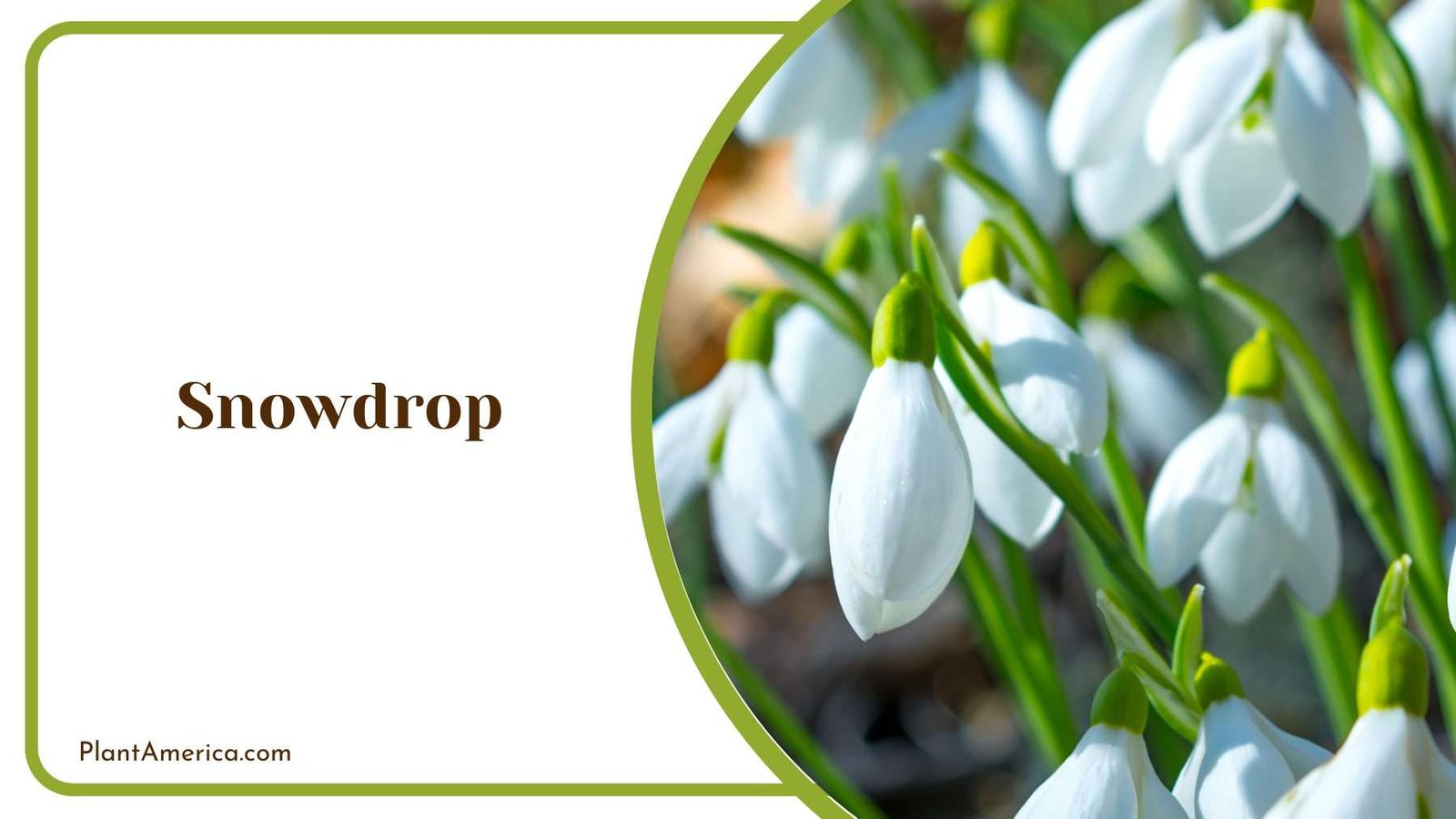
The birth month flowers traditionally associated with January are the carnation and snowdrop. The carnation is one of the most widely recognized flowers representing the start of a new year.
It comes in a vibrant array of colors, with red being the most symbolic of luck, joy and new beginnings. Carnations are also known for their long vase life, allowing January-borns to appreciate their bright hues well into winter.
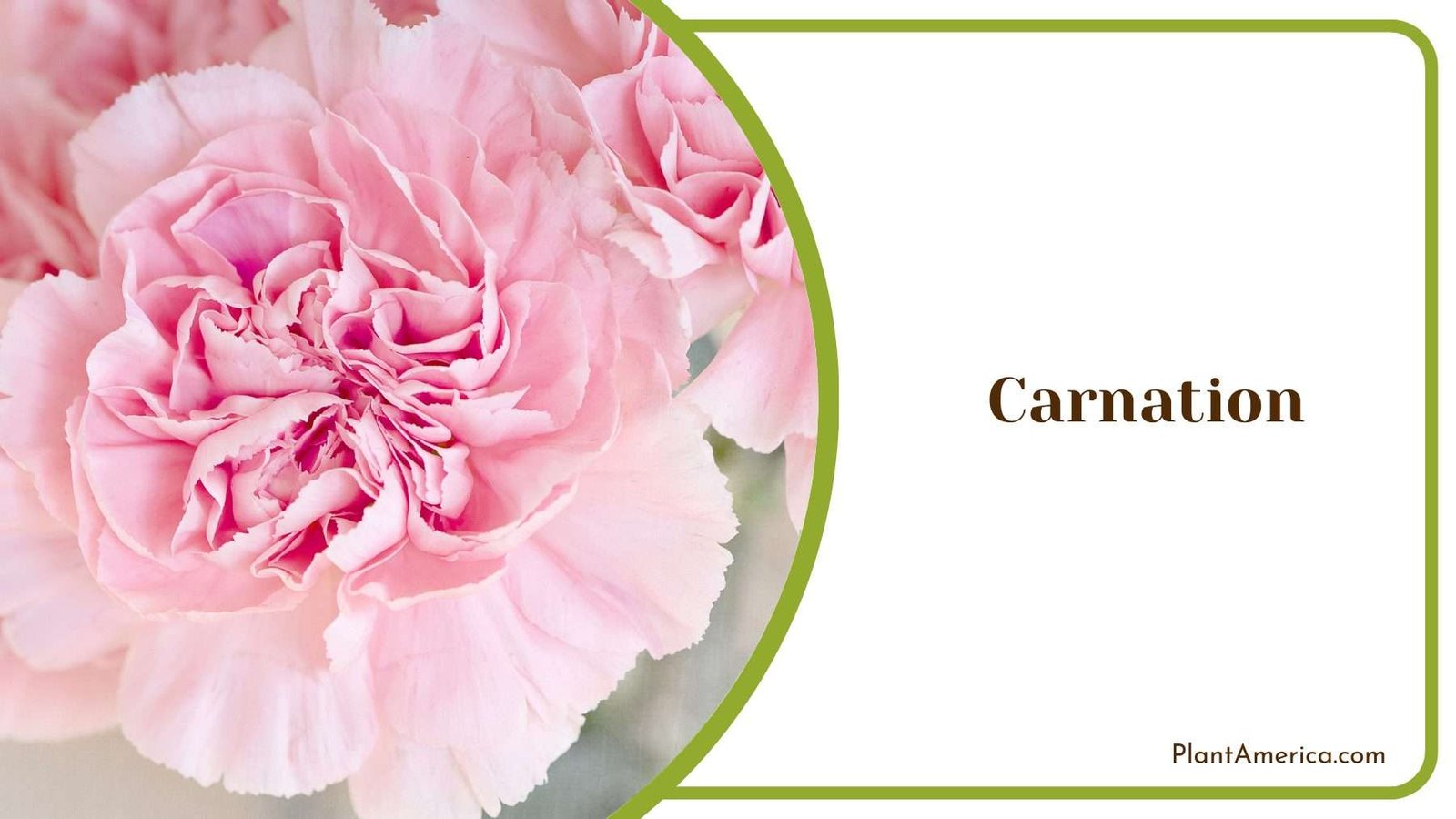
In contrast, the delicate snowdrop blooms with six white petals curling gently upwards. One of the earliest flowers to emerge after winter’s deep freeze, its appearance in bare soil seems almost miraculous.
Native to Europe and Asia, snowdrops have come to symbolize hope, purity and rebirth during bleak, frozen months. Their botanical name of Galanthus even means “milk flower,” reflecting the plant’s preciousness when so little is green.
Both carnations and snowdrops reflect qualities attributed to those born in January. The carnation’s vivacity and longevity highlight one’s ability to encounter each new year with optimism.
Meanwhile, the persevering snowdrop thriving despite frigid conditions echoes January-borns’ inner strength to find beauty even in life’s colder or barer phases. Appreciating these flowers’ deeper symbolism helps one stay aligned with nature’s seasonal wisdom.
2. February – Violet, Primrose
- Growing Season: Violets bloom in late winter to early spring, Primroses thrive in spring
- Symbolic Meanings: Violets signify loyalty, Primroses represent young love
- Popular Uses: Violets are used in gardens and as cut flowers, Primroses are potted plants and ground cover
- Care and Maintenance: Keep soil moist for both, Violets prefer partial shade, Primroses like partial sun
The month of February sees the blossoming of two cheerful harbingers of spring: the violet and primrose. Violets are known for their bright splashes of color, most commonly in hues of blue, white or yellow.
More than just a pretty face, the violet is a wildflower, rich in symbolic lore. Its heart-shaped leaves and sweet fragrance have long represented love, modesty and faithfulness. Gifting a small bunch of violets is a time-honored tradition for expressing care and affection during the holiday of love in February.
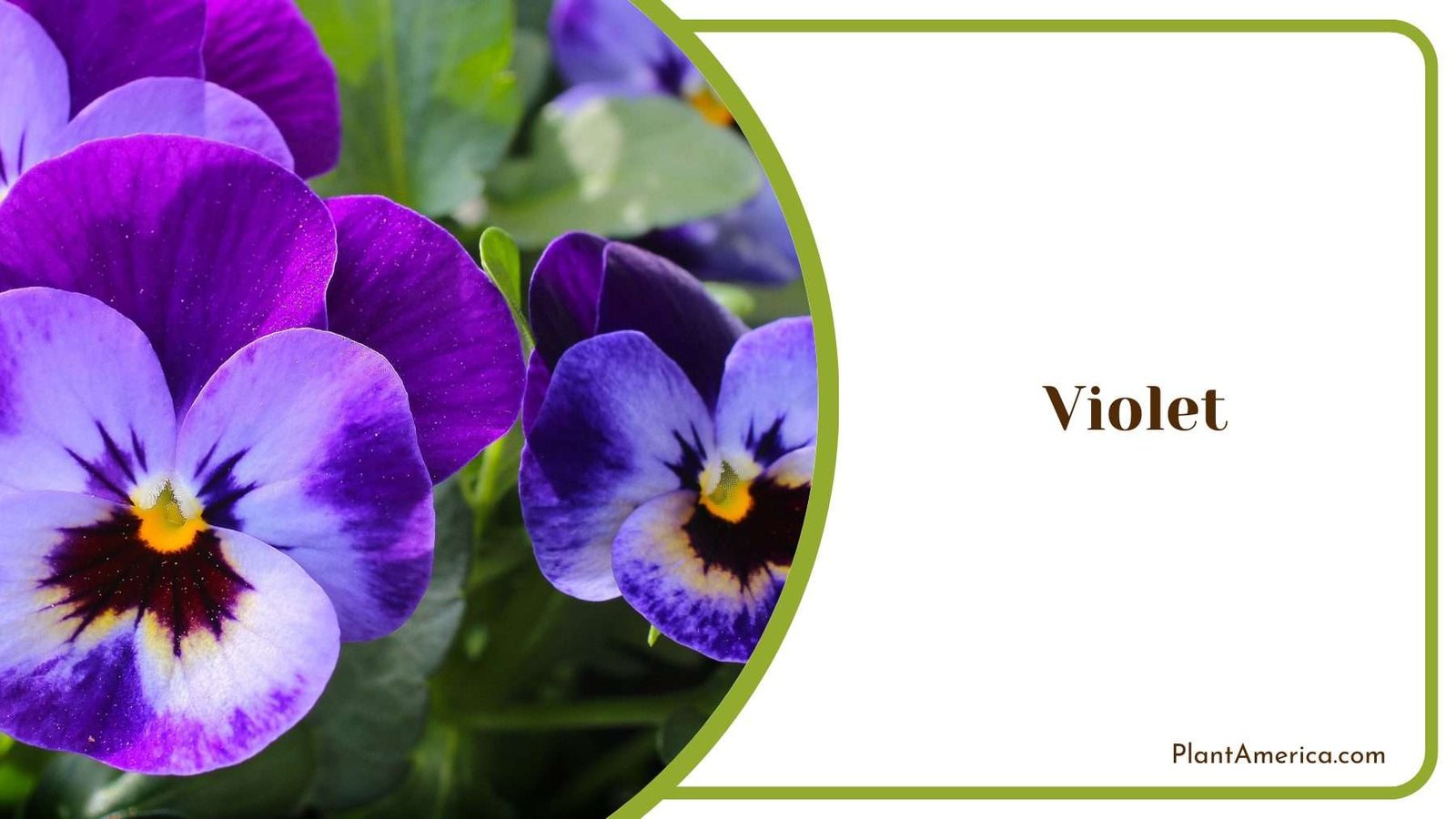
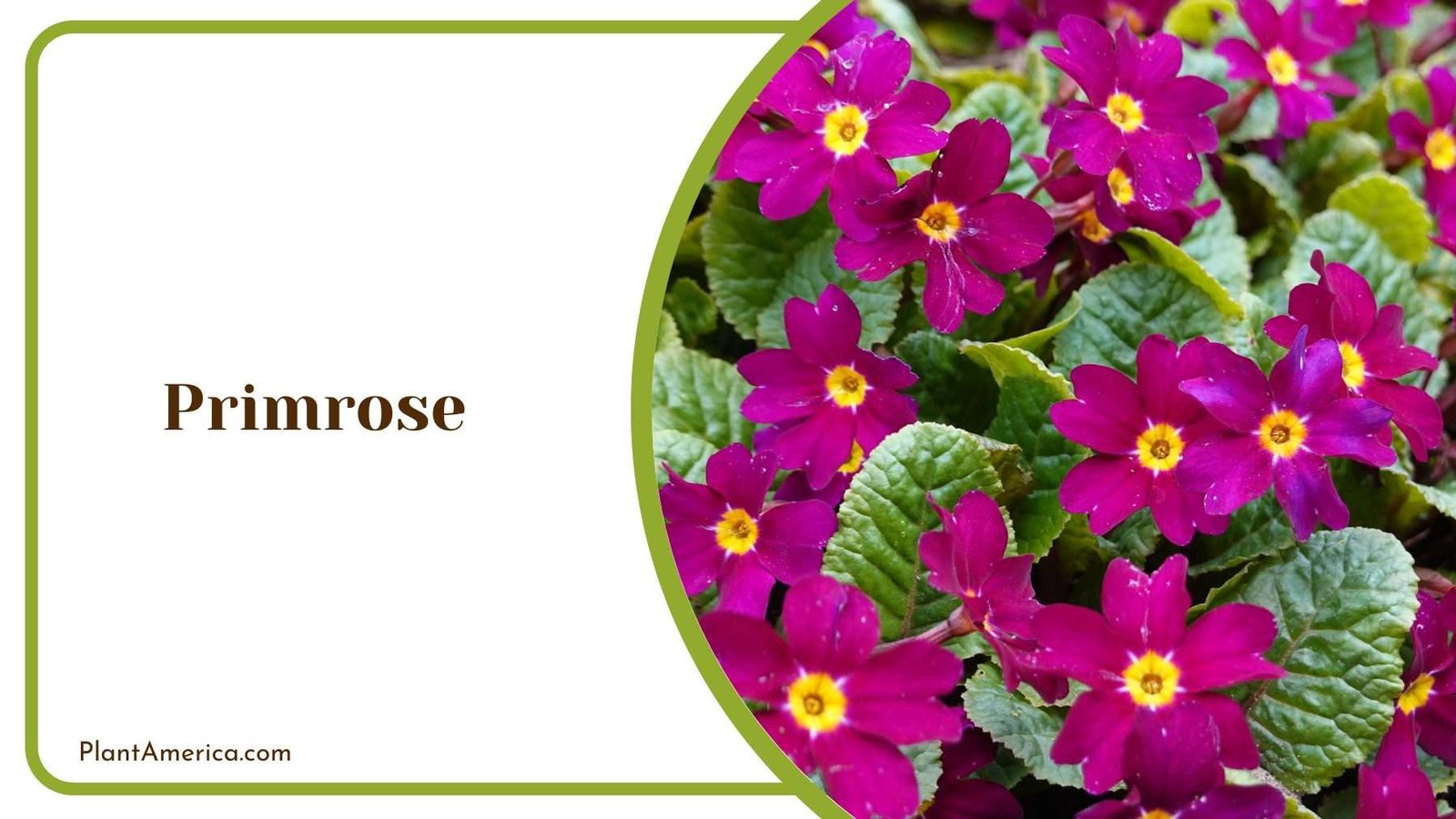
The primrose, with its buttercup-like blooms clustering in shades of yellow, pink or white, also carries amorous associations. Its name originates from the Latin word primus, meaning “first”, in reference to its tendency to flower very early in the season.
Like the determined sprouting of primroses, those born in February are believed to show early signs of warmth, compassion and nurturance.
For all their delicate appearances, violets and primroses endure the last breaths of winter with resilience. Their arrival raises hopes that more vibrant florals will soon follow and reminds us that even in colder seasons, life finds creative ways to emerge and love to blossom.
Their natural hardiness parallels the inner strength and nurturing spirit associated with February-born souls. Observing their beauty could help one reflect on cultivating patience, care, modesty and romance within even amid life’s chillier phases.
3. March – Daffodil, Jonquil
- Growing Season: Daffodils bloom in early spring, Jonquils are a type of daffodil
- Symbolic Meanings: Daffodils symbolize rebirth and new beginnings
- Popular Uses: Daffodils are common in gardens and floral arrangements
- Care and Maintenance: Plant in well-drained soil, Provide sunlight, Allow foliage to wither naturally
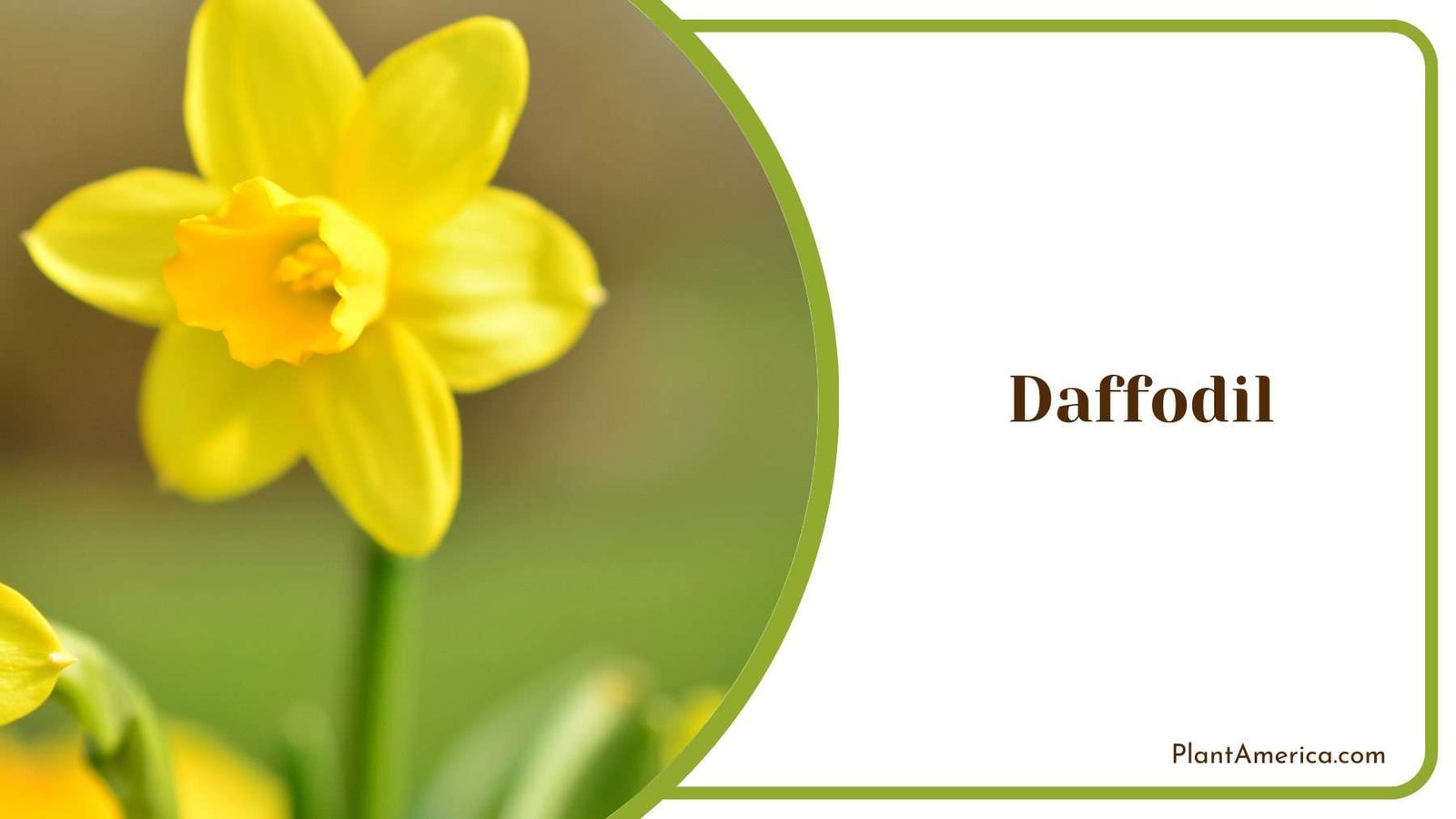
As spring bursts forth in March, two cheerful harbingers often appear – the daffodil and jonquil. Scientifically classified under the Narcissus genus, these bulbous flowers are believed by many cultures to represent rebirth, new beginnings and optimism.
Daffodils come in a variety of hues but are most commonly seen as a bright trumpet shaped blossom dangling atop a slender green stem. They enjoy widespread distribution and flourish easily in temperate climates.
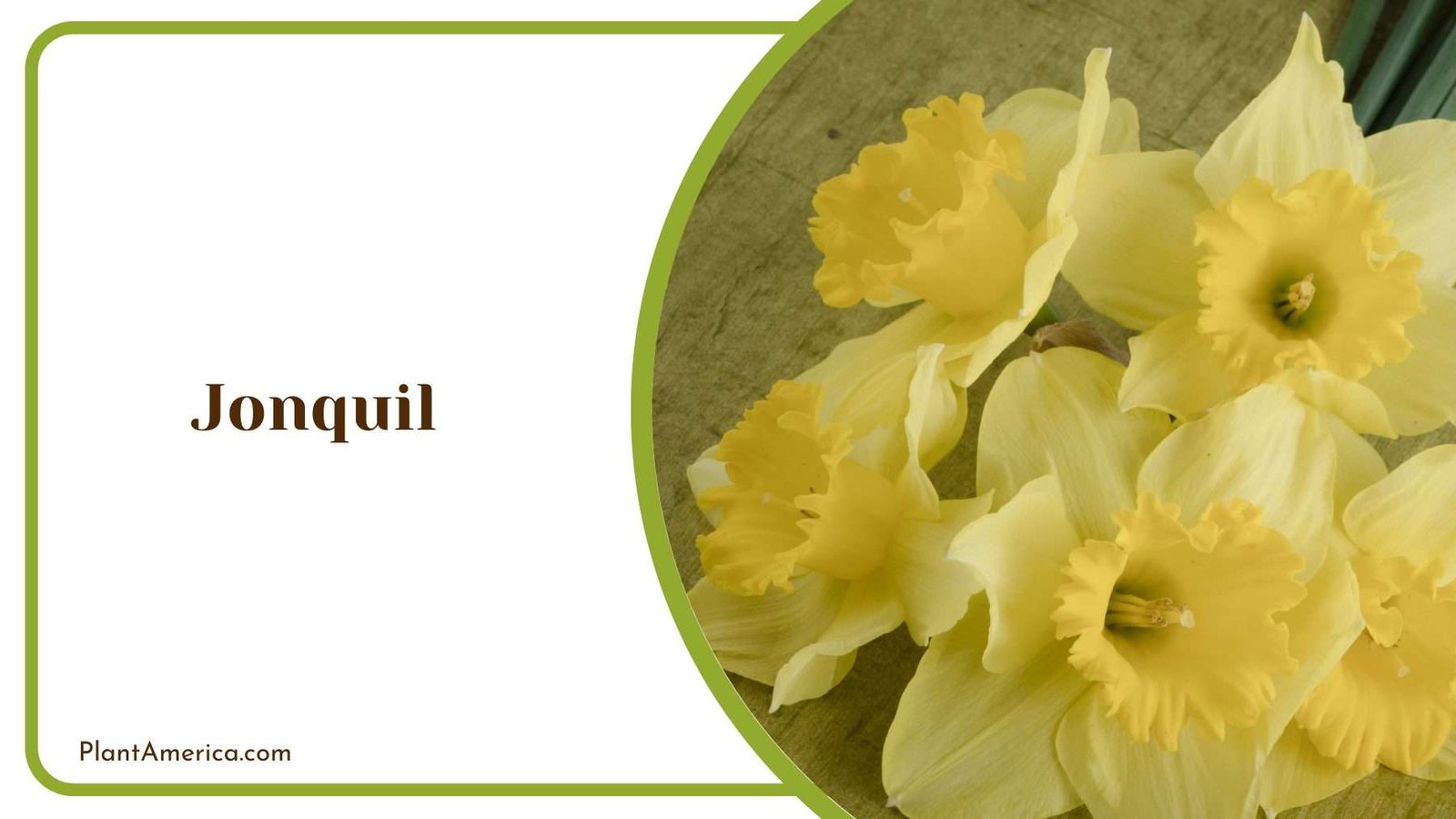
The jonquil differs from its cousin through petite, frilly petals in shades of yellow or orange clustering together on a central stem. Both flowers hold the symbolic meaning of desire for affection returned.
It’s thought their appearance lifts spirits as darker, colder winter evenings relent their hold. In some European folklore, jonquils were believed to have magical powers to counter evil and attract love.
The vibrancy and abundance of daffodils and jonquils as they color hillsides and parklands every March is taken as a sign of flourishing possibilities. Their undeterred growth epitomizes new chapters unfolding despite challenges.
Those born in this month are thought to embody optimism, desire for connection, and a capacity for prosperity even after dormant phases. Their innate cheer parallels the uplifting sight of golden blossoms swaying in the breeze, heralding brighter days as nature’s annual renaissance proceeds in its course.
4. April – Daisy, Sweet Pea
- Growing Season: Daisies bloom in spring and summer, Sweet peas thrive in cooler spring weather
- Symbolic Meanings: Daisies represent innocence and purity, Sweet peas signify blissful pleasure
- Popular Uses: Daisies are used in various floral arrangements, Sweet peas are trellised in gardens
- Care and Maintenance: Both prefer well-draining soil, Sunlight for daisies, Regular watering for sweet peas
As the northern hemisphere embraces spring’s euphoria in April, two emblematic blooms decorate meadows and gardens alike – the familiar daisy and charmingly fragrant sweet pea.
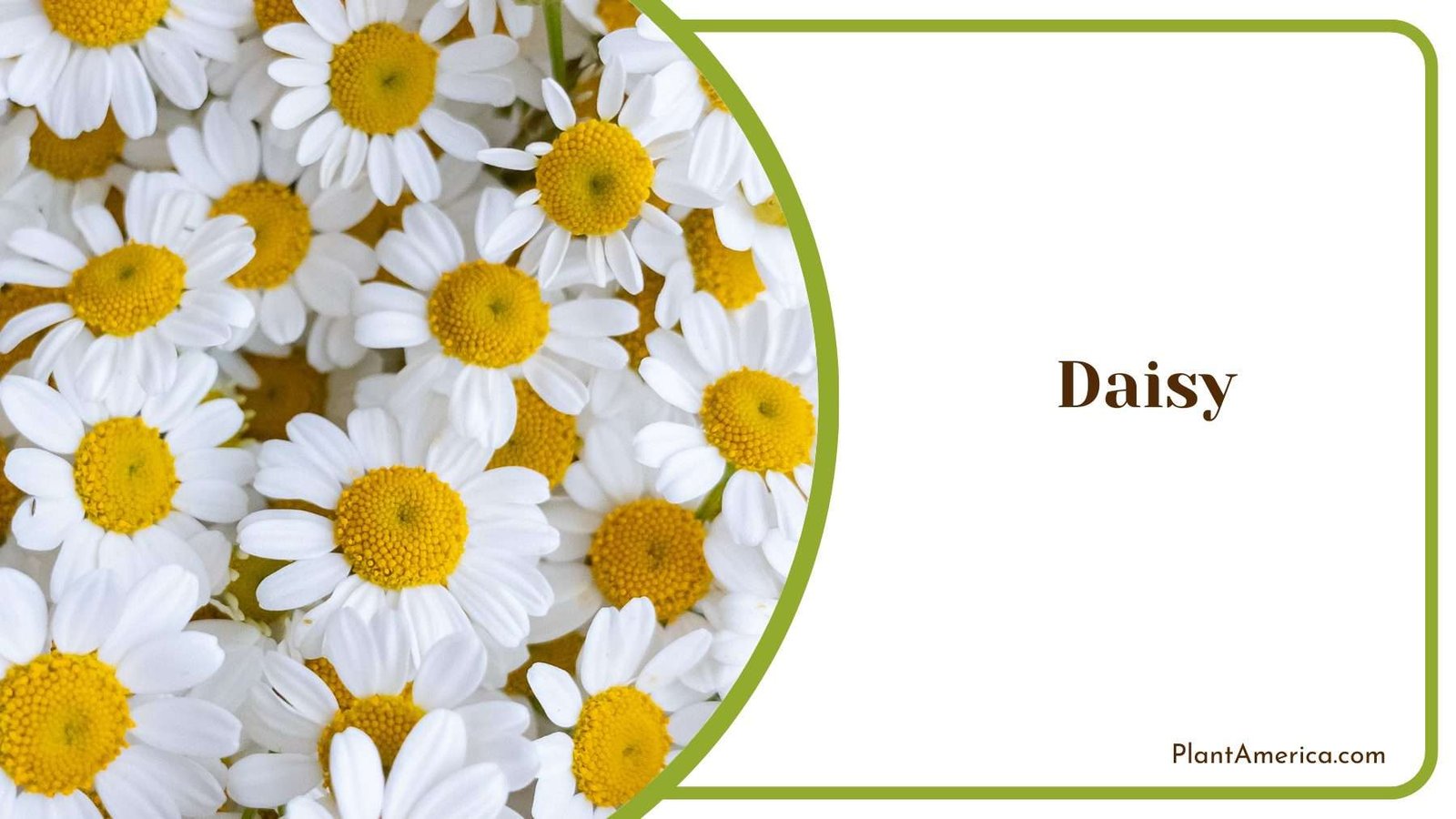
Daisies are one of the first wildflowers to reappear each year, their solitary yellow flowerheads dotting verdant lawns. Beyond simple beauty, folklore associates daisies with innocence, purity and childlike wonder. Their ubiquitous presence underscores renewal’s simplicity.
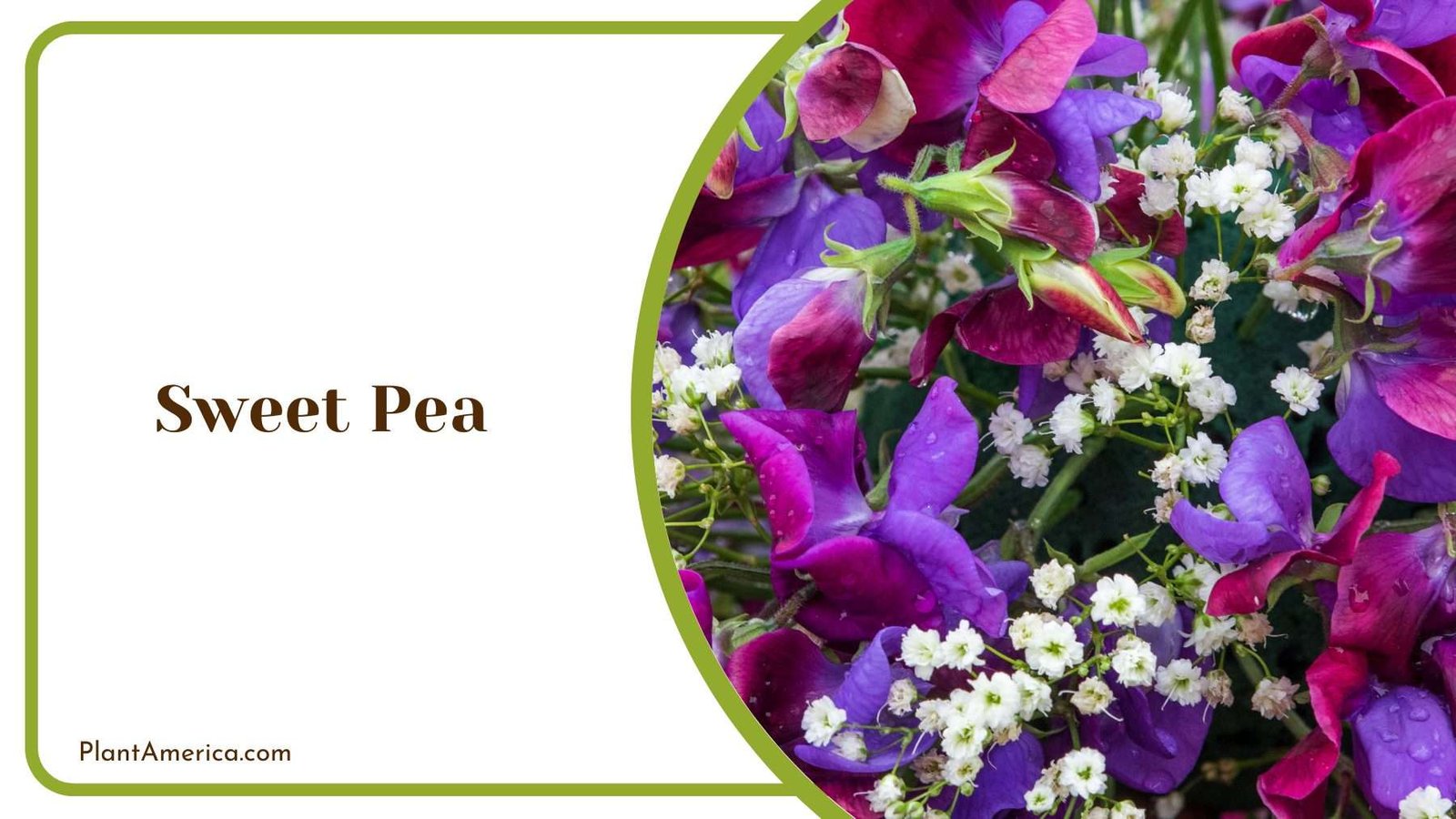
Sweet peas introduce another element of sensory delight, their softly hued flowers cascading from vines in shades of pink, purple, white or maroon.
A favorite in European and Victorian gardens, sweet peas have long held symbolic meaning around pleasurable life episodes. Their sweet nectar resemblance underscores passions like youthful love coming into full bloom.
Like the charm and promise of April showers brings May flowers, those born during this month are said to exude optimism, youthful spirit and warmth much welcome after drearier seasons pass.
Daisies and sweet peas remain emblems of hope, beauty and life’s sweetness emerging even out of formerly dormant land. Their enthusiastic flowering denotes possibilities for positive changes taking root, as April’s mix of sunshine and rainfall nurtures nature’s tapestry, expanding its color palette all the richer.
5. May – Lily of the Valley, Hawthorn
- Growing Season: Lily of the Valley blooms in late spring, Hawthorn blossoms in spring
- Symbolic Meanings: Lily of the Valley represents humility and sweetness
- Popular Uses: Lily of the Valley is often used in bridal bouquets and perfumes
- Care and Maintenance: Plant in shade to partial shade, Provide consistent moisture
As lush greenery claims meadows and forests anew in the merry month of May, two enchanting floral symbols appear in woodland hollows and hedgerows alike – the lily of the valley and hawthorn blossom.
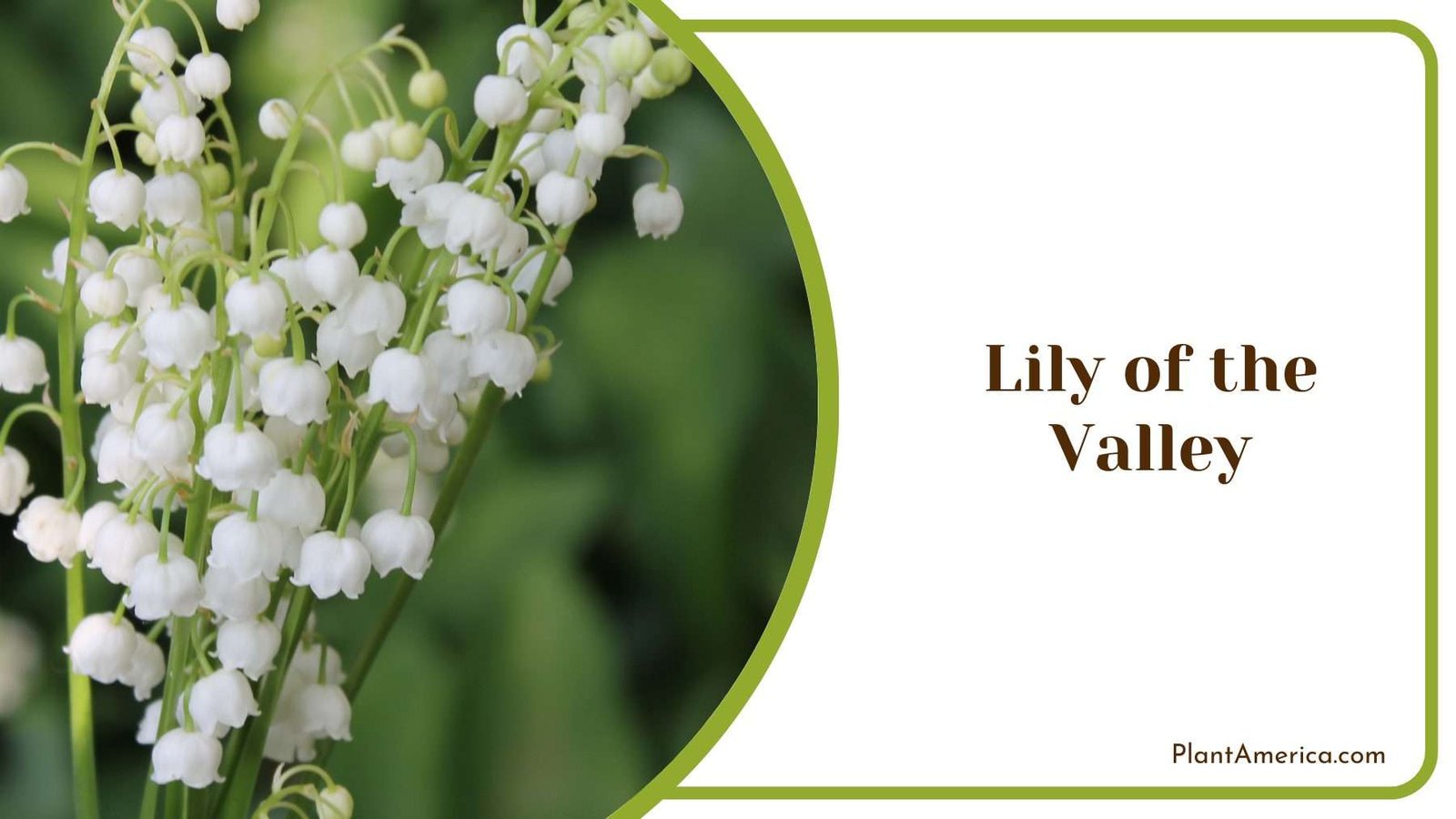
True to its name, lily of the valley forms ground-covering carpets of drooping, bell-shaped white blossoms exquisitely fragranced. Thought to represent purity, humility and the return of happiness, these delicate beauties epitomize innocence blooming even amid leafy shelters.
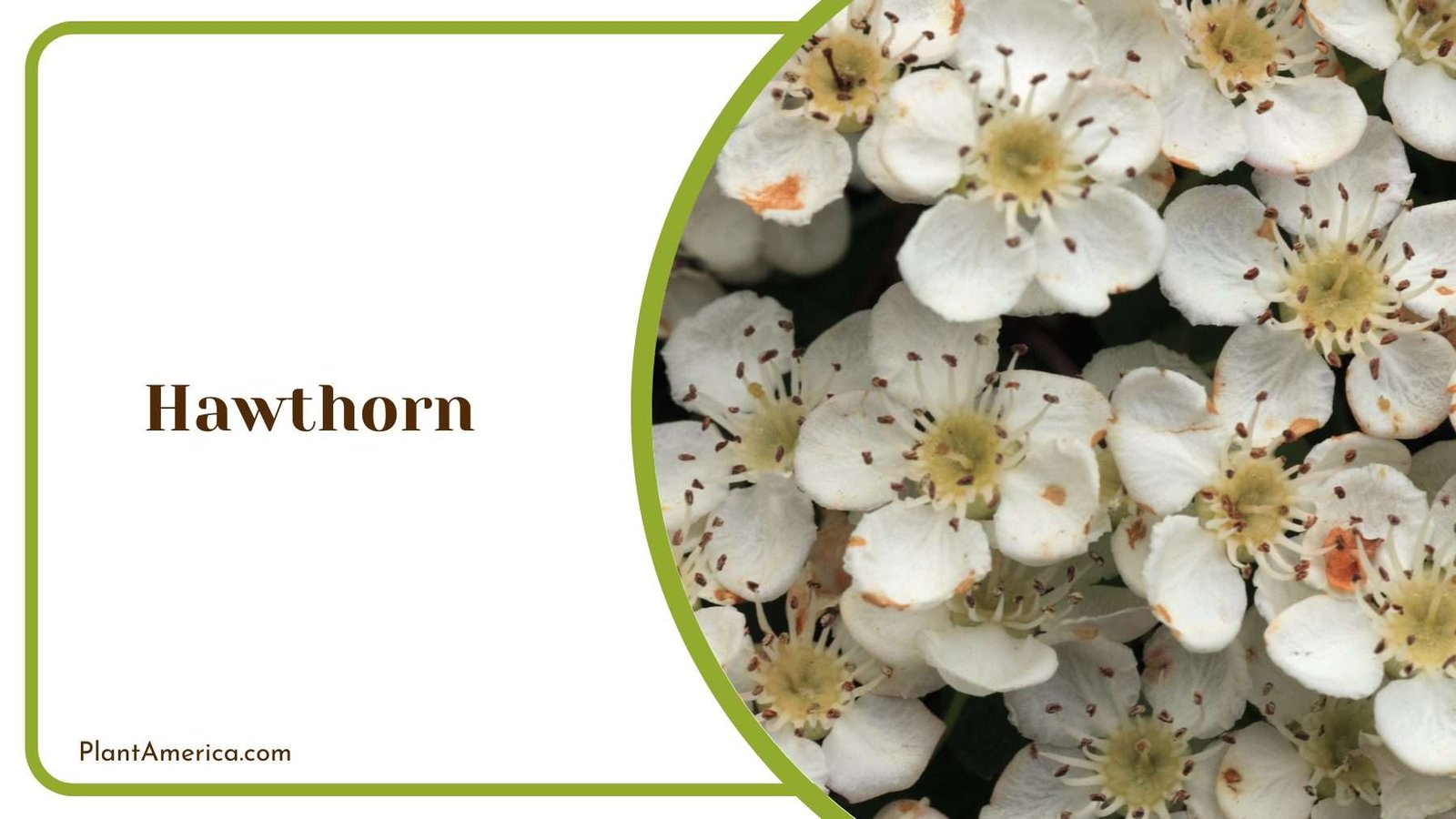
Slightly hardier, hawthorn emerges with frothy clusters of small white or pink flowers. Commonly seen as neighborhood bushes laden with mayblossom, the hawthorn holds symbolic meaning as a forest guardian protecting endangered new life unfolding within its guarded bowers.
Often associated with guidance and remembrance, hawthorn adds charming spectacle to blossoming countryside vistas come Maytime.
Those with birthdays in this verdant month are thought to possess the gentle charms of lilies – humility, sweetness of spirit and an ability to find joy even in nature’s most hidden nooks.
Like the watchful hawthorn, they also display innate protectiveness towards any nascent hopes and dreams requiring shelter to thrive. Beauty arising amid fresh renewal reminds all of life’s persevering ways.
6. June – Rose, Honeysuckle
- Growing Season: Roses bloom throughout summer, Honeysuckle thrives in warm months
- Symbolic Meanings: Roses symbolize love and beauty, Honeysuckle represents affection and happiness
- Popular Uses: Roses are iconic in floral arrangements and gardens, Honeysuckle is a fragrant vine
- Care and Maintenance: Roses require sunlight and well-drained soil, Honeysuckle prefers full sun to partial shade
As summer warmth settles across lands in the season’s June month, two quintessential blooms renowned for their sensuality and charm abound – the rose and honeysuckle vine.
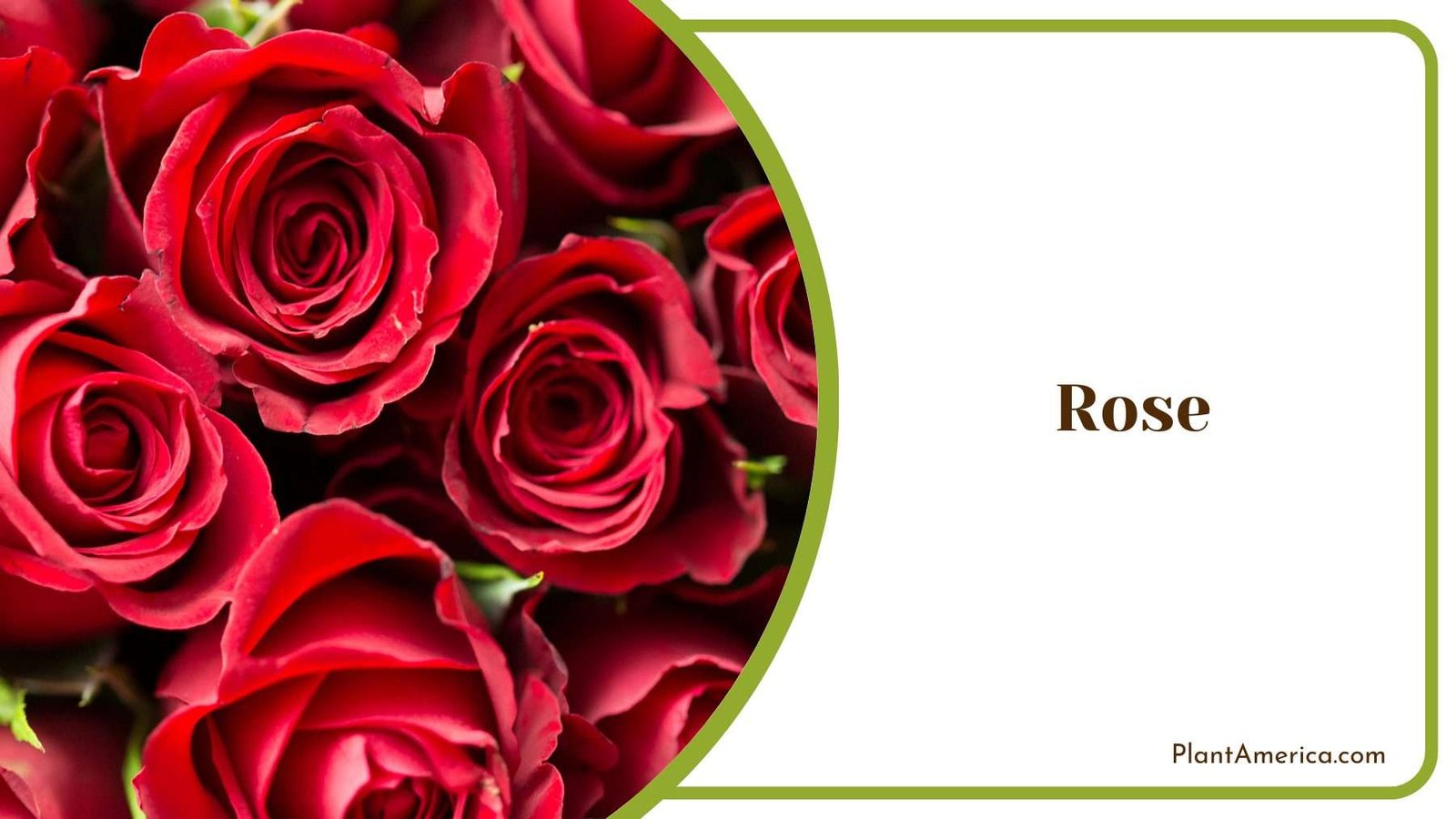
Available in a breathtaking kaleidoscope of hues, elegantly formed roses epitomize romance, passion and affection in their delicately perfumed form. Their diverse colors lend symbolism too – pink for admiration, yellow for joy and friendship, red for deep emotions.
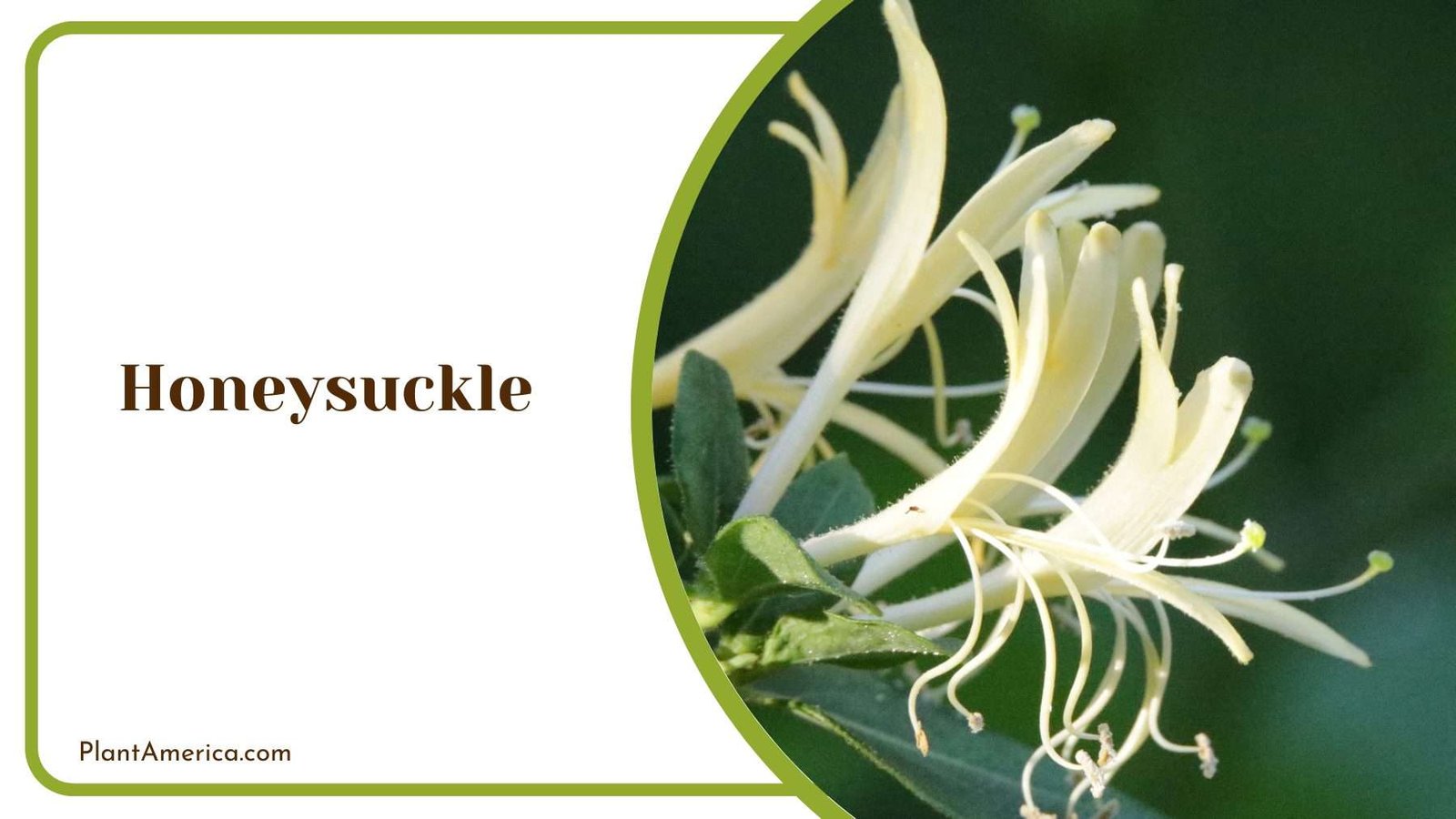
Wimpling along garden walls and hedgerows alike, honeysuckle invades the senses even more vividly with its trumpet-shape nectar wells exhaling their irresistibly sweet fragrance.
Thought to represent the bonds of love, its spicy aroma and ability to attract pollinators with floral riches mirrors the vine’s namesake. Honeysuckle adds an element of vigorous abundance and allure to rose bushes’ cultivated splendor.
Those born in June are said to possess similar romantic traits. Like the rose, they exude elegance and charm yet hint at deeper sensibilities within. Similar to honeysuckle’s enthusiastic profusion, they overflow with fervor for lively experiences and forms of connection.
Observing nature’s amorous midsummer tableaux reminds one of passion’s power to inspire, whether through a single bloom, wandering breeze or renewed sense of living fully in each moment’s gifts.
7. July – Larkspur, Water Lily
- Growing Season: Larkspur blooms in early summer, Water lilies thrive in warm months
- Symbolic Meanings: Larkspur symbolizes levity and open heart, Water lilies represent purity
- Popular Uses: Larkspur is used in cut flower arrangements, Water lilies grace ponds and water features
- Care and Maintenance: Larkspur prefers full sun and well-drained soil, Water lilies need still water and sunlight
As the northern hemisphere settles into summer’s warmest month, two statuesque blooms rise proudly from gardens and along waterways in July – the spiky larkspur and floating water lily.
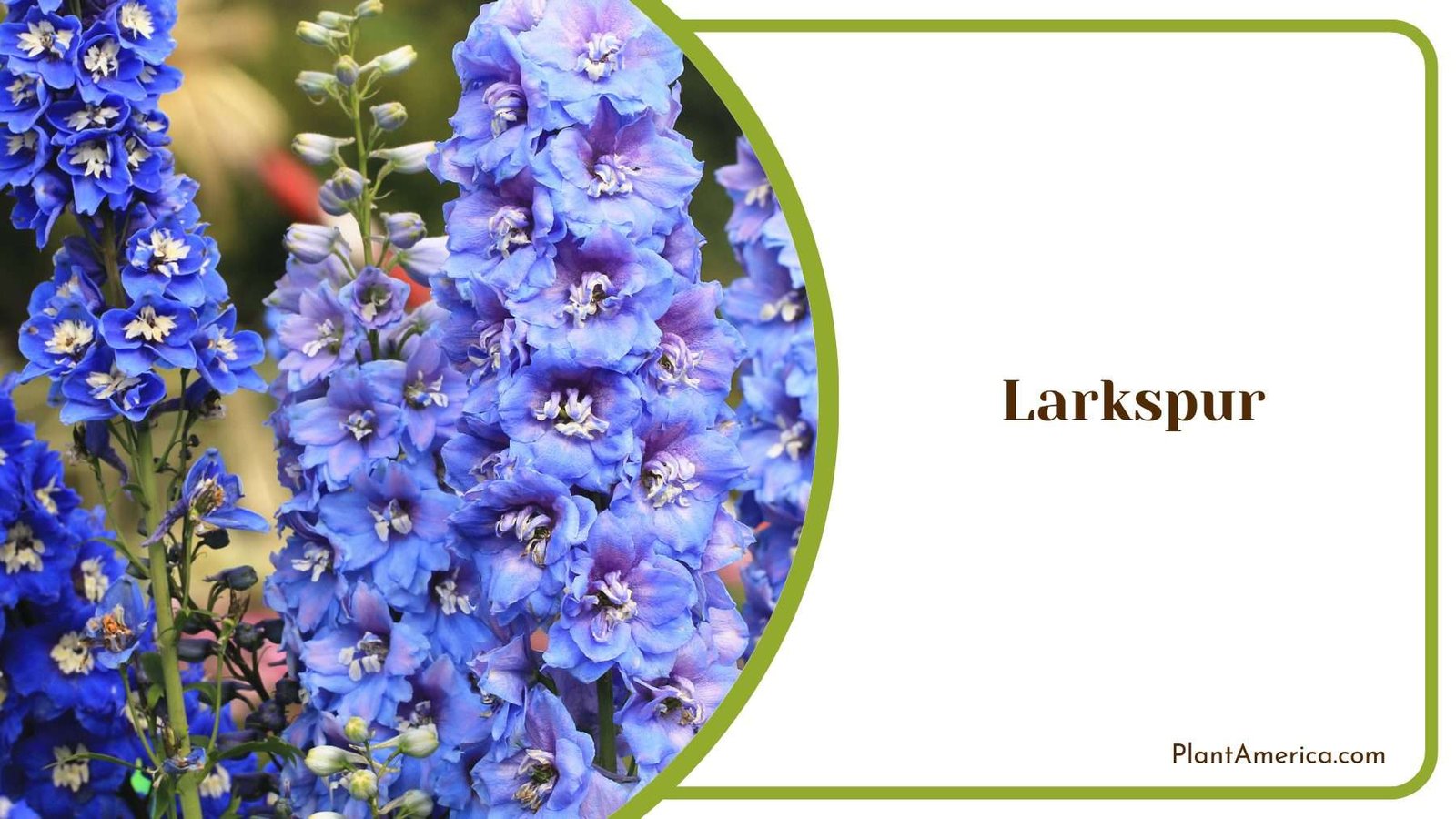
Larkspurs dazzle in hues from vibrant purple to soft blue, their tall spikes bearing flowers likened to jumping birds who give the genus its name. Symbolizing levity and lightheartedness, larkspur offers whimsy amongst borders and meadow plantings at summertime’s height.
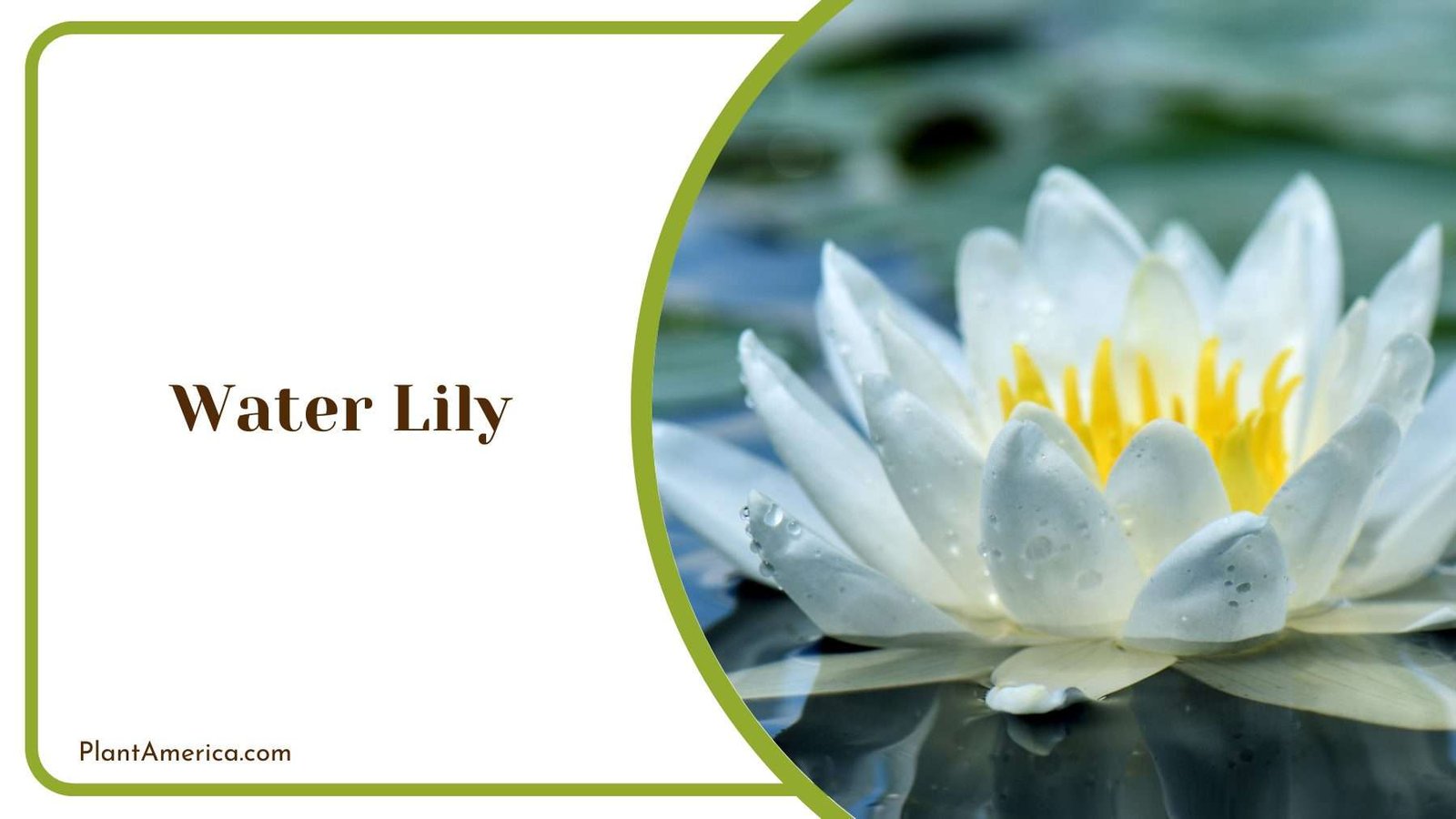
Anchored along ponds or lazily drifting upon swamplands, water lilies open broad colored pads and intricate flowers seemingly untouched by earthly confines. Their symbol of purity, gratitude and peace takes on serene existence amid tranquil aquatic settings.
Some species bloom lavishly white while others showcase shades of rose or golden-yellow. Together with larkspur, water lilies represent unbound joy taking form during the long-day season’s reverie.
Those born in July are said to possess the spirit of free-wandering larkspur – a playful, energetic approach to life combined with artistic touches.
Additionally, they exhibit water lilies’ relaxed yet vibrant demeanor, maturing with ponderous grace however circumstances unfolding around them. Birdsong-sweet month of their birth sees nature in full bloom, as within likewise animates their unbound vitality.
8. August – Gladiolus, Poppy
- Growing Season: Gladiolus flowers in late summer, Poppies bloom in various seasons
- Symbolic Meanings: Gladiolus symbolizes strength and integrity, Poppies signify remembrance
- Popular Uses: Gladiolus are popular in floral arrangements, Poppies are wildflowers and garden plants
- Care and Maintenance: Gladiolus prefer full sun and well-drained soil, Poppies are low-maintenance
As summer days begin their gradual wane in the month of August, two stately blooms stand out proudly in fields and beds – the red poppy and tropical-inspired gladiolus.
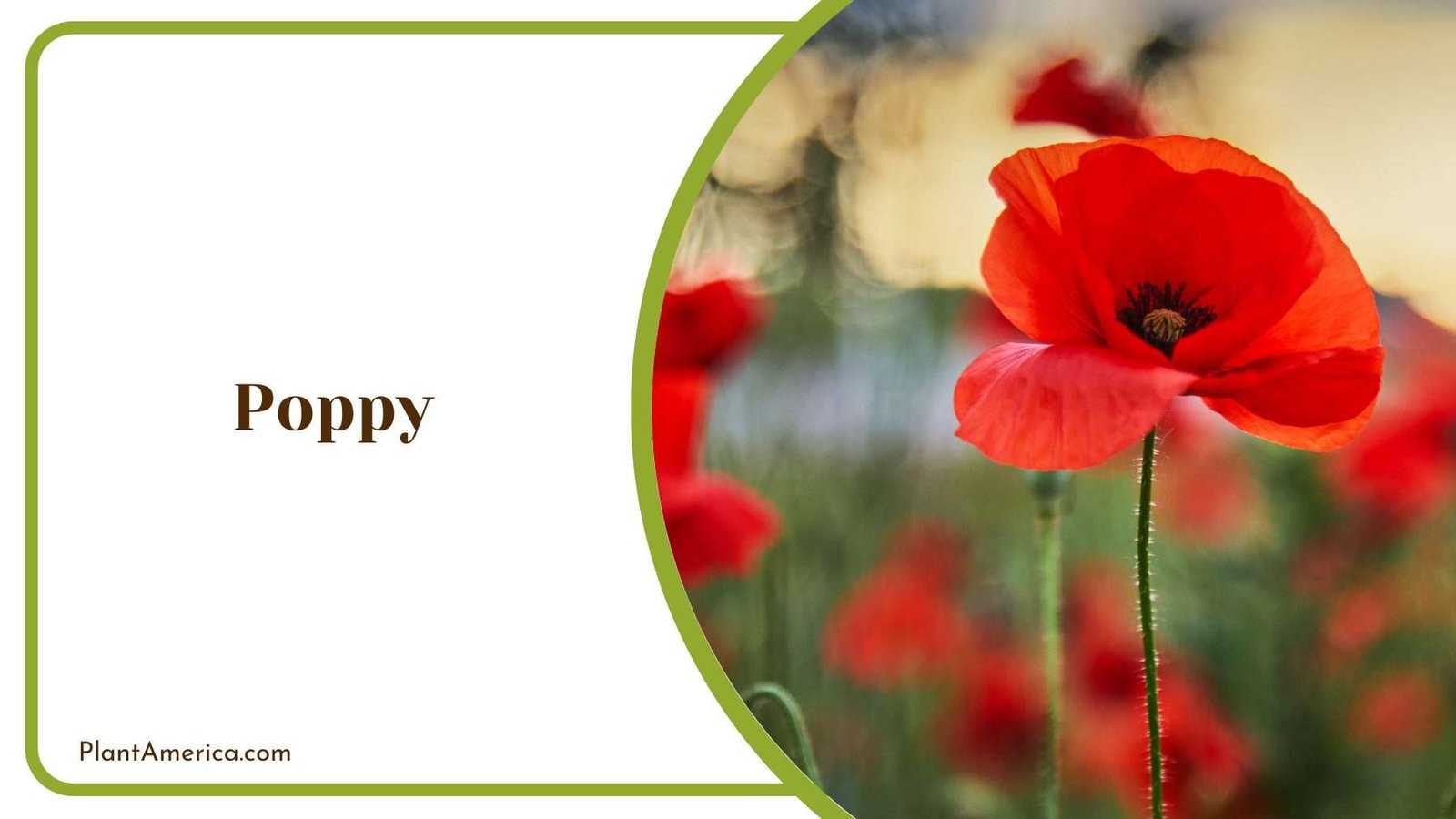
Poppies elicit visions of delicate scarlet blooms swaying dreamily amid wheat fields, a symbol of honor, beauty and remembrance. Through shape and hue alike, they evoke reverence for lives given in mankind’s many struggles.
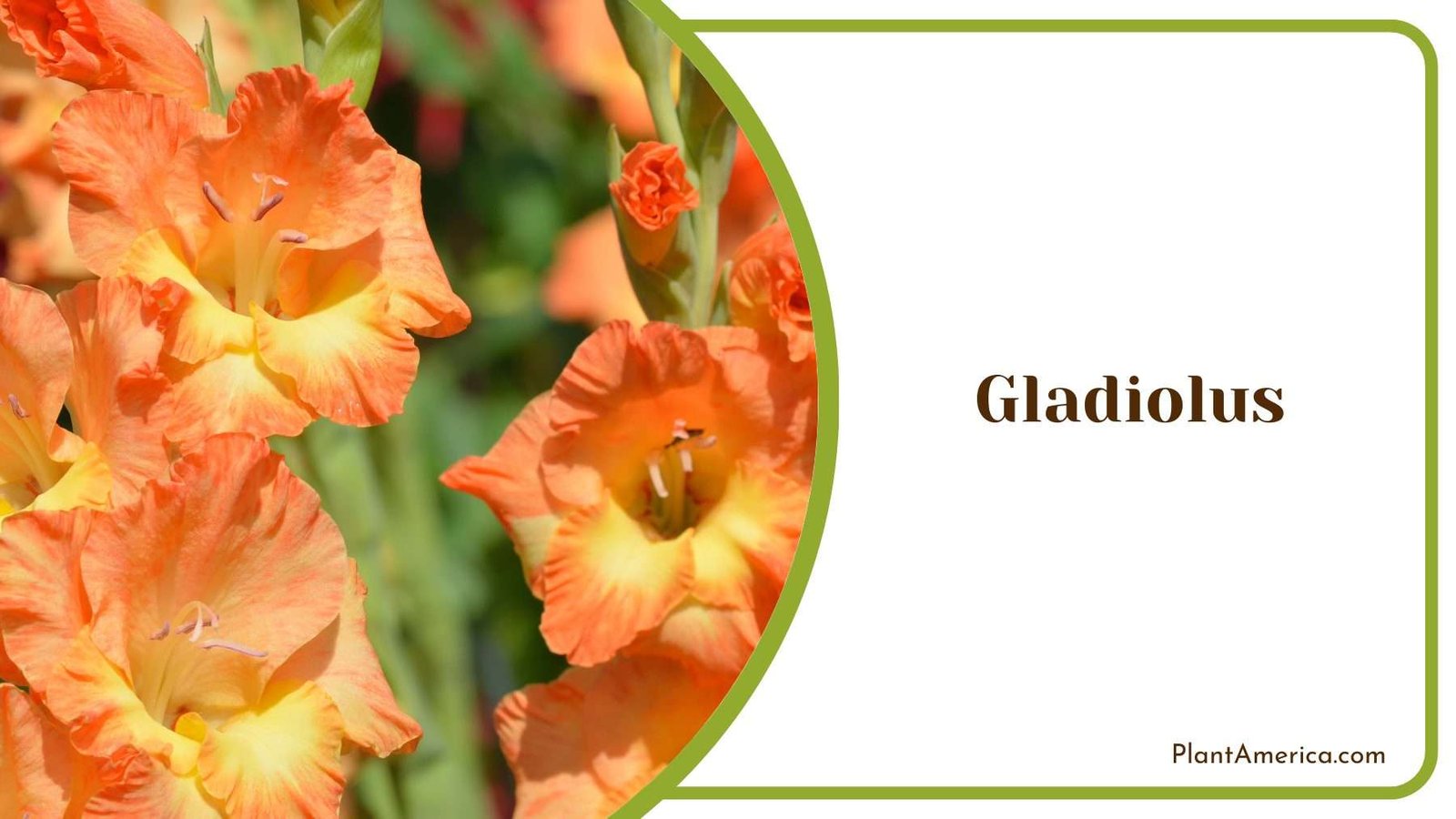
Originating from South Africa, gladiolus flourishes in various climates with spikes of pointed buds unfurling into graceful silhouettes. Their botanical name translates to “sword lily,” reflective of narrow petals fanning forth in magnificent displays of color – deep magenta, buttery yellow or pearly pink.
A symbol of calm strength and integrity, gladiolus adds vibrance to gardens through late season. Those with August birthdays are said to carry characteristics of both flowers. Like poppies, their souls resemble deep crimson – resolute, striking and eternally watchful of justice.
Yet within it also thrives gladiolus’ inner reserves, making them linchpins of poise and direction whether in solemn times or colorful festivities. Through observing nature’s late flourishings, one gains insight into cultivating fortitude and appreciation for life’s beauty in all its fleetingly resplendent hues.
9. September – Aster, Morning Glory
- Growing Season: Asters bloom in late summer to fall, Morning glories thrive in warm months
- Symbolic Meanings: Asters symbolize love, patience, and elegance
- Popular Uses: Asters are used in cut flower arrangements, Morning glories cover trellises and fences
- Care and Maintenance: Asters prefer full sun and well-drained soil, Morning glories need sunlight and support
As summer eases into the mellower days of September, two floral symbols takes center stage – the spiraling morning glory vine and domed aster blooms.
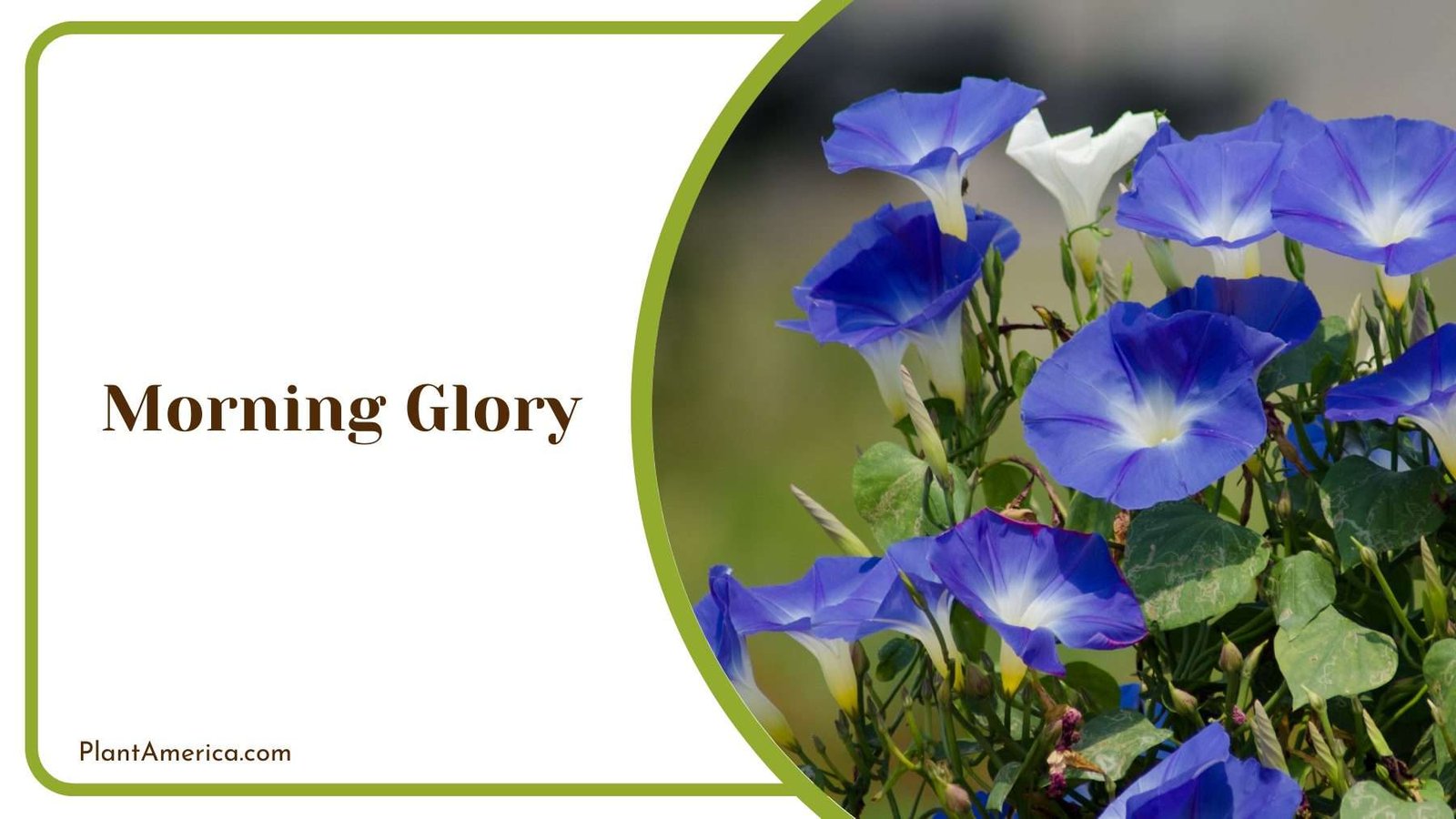
Wrapping themselves enthusiastically around any surface available, morning glories flaunt bell-shaped blooms in shades of azure, rose or magenta. Thought to represent affection and bonds that cannot be restrained, their energetic twining evokes fleeting passions that blossom whilst time allows.
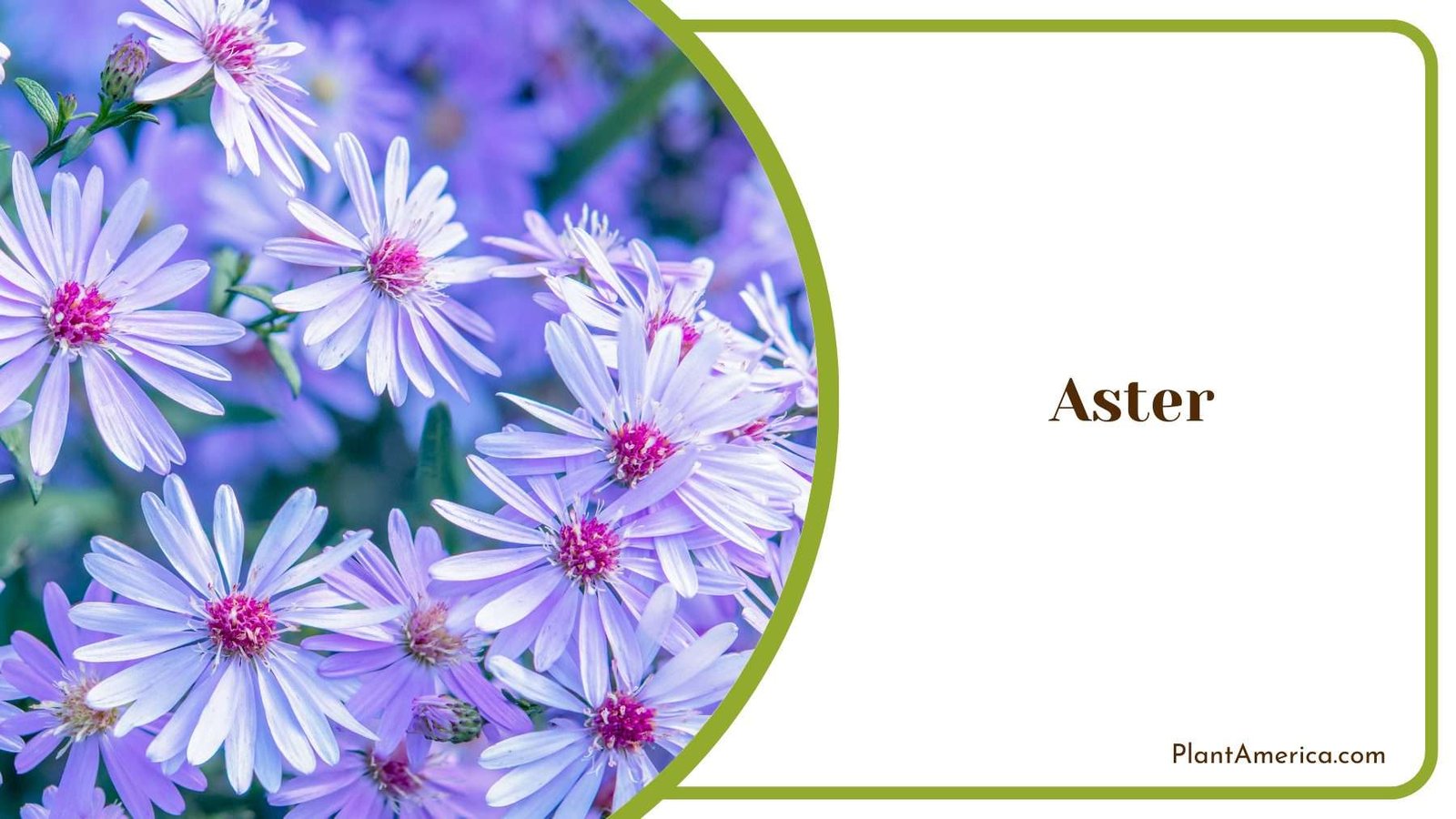
With a longer blooming season stretching into autumn, asters decorate gardens abundantly in various colors – violet, pink, gold or white. Their clustered, star-like flowers symbolize afterthoughts, constancy and patience.
As summer departs and asters soldiers on to impart late color, their perseverance gives hope that life may yet renew even as darker months roll in to take seasonal primacy.
Those with September birthdays are said to exemplify traits of both flowers. Morning glory’s spirited embrace of moments parallels their zest for experiences. Likewise, within beats constancy like asters’, keeping momentum vibrant until favorable conditions return to nourish further growth again.
Appreciating natural spectacles that persist reminds us to welcome each fleeting phase with open arms and open hearts.
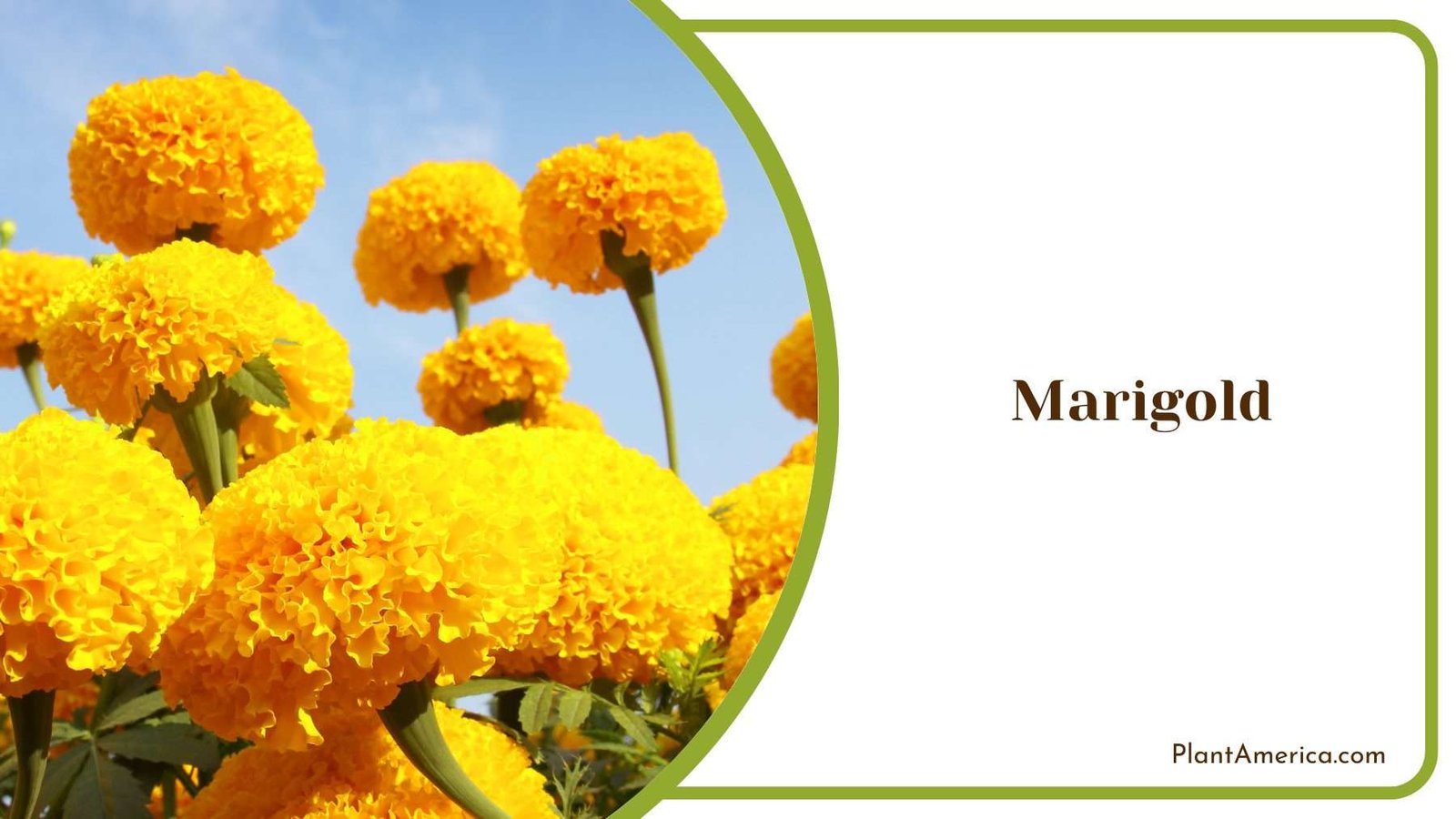
10. October – Marigold, Cosmos
- Growing Season: Marigolds bloom in spring to fall, Cosmos thrive in late summer to fall
- Symbolic Meanings: Marigolds symbolize loyalty and passion
- Popular Uses: Marigolds are commonly planted in gardens, Cosmos are used in floral arrangements
- Care and Maintenance: Both prefer full sun and well-drained soil, Marigolds are drought-tolerant
As autumn settles upon the northern landscape in October, two cheerful blooms continue radiating beauty through crisper weather – the golden calendula and ethereal cosmos.
Calendulas grace pathways in dense clusters, their oval ray-floret heads vivid in sunrise-yellow hues unique in cheering cool season gardens. Symbolizing sunrise and remembrance, their bright color shows life persevering after warm months pass.
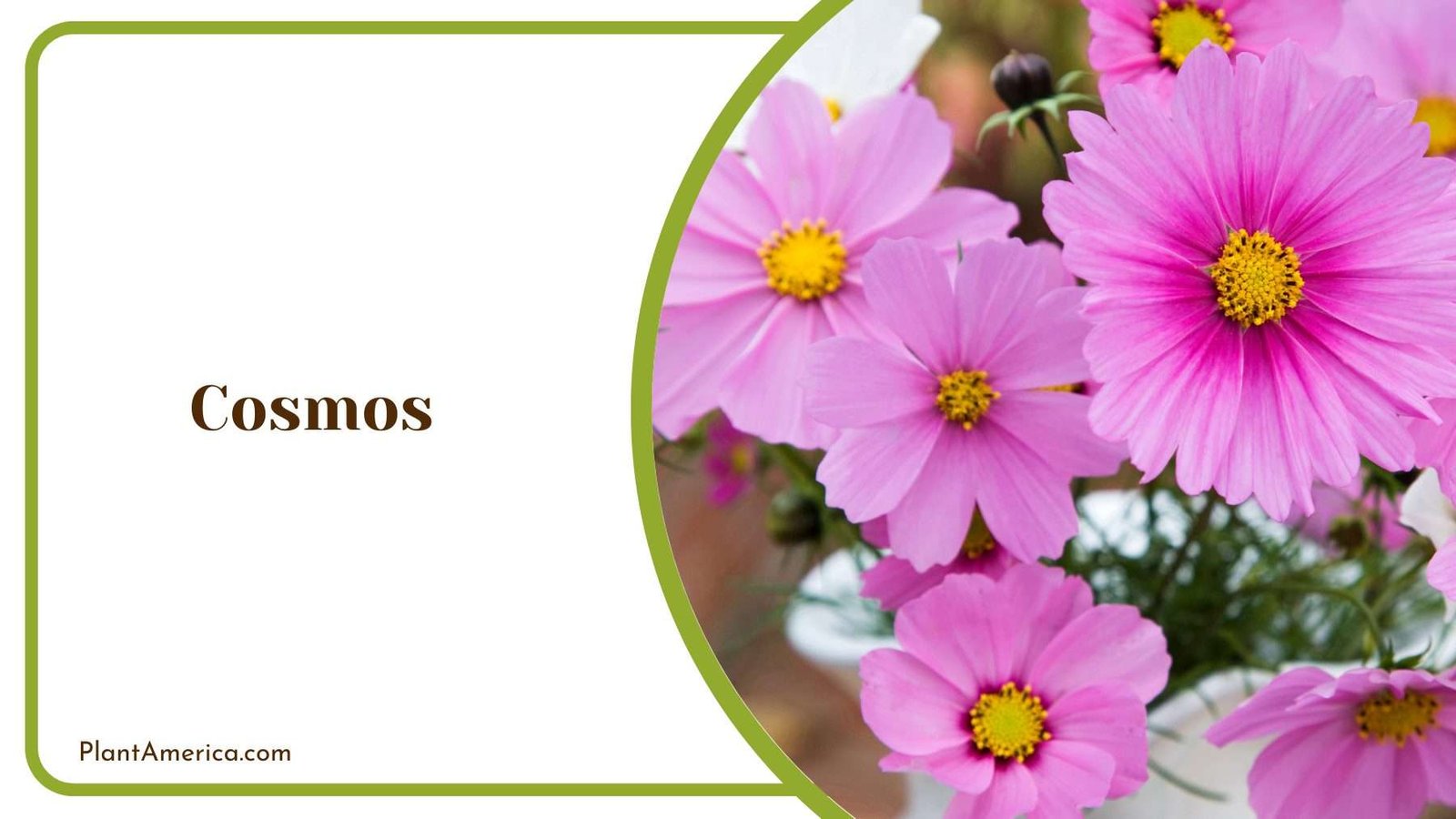
Cosmos bring an almost angelic dimension with papery flowers floating amid foliage in white, pink or crimson tones. Their delicate fringed petals dance lightly along stems signifying imagination, creativity and simple pleasures taken in nature’s subtlest gifts. Cosmos add an element of fanciful magic to borders alongside calendulas’ heartening glow.
Those with birthdays in October are believed to carry insightful attributes much like these harbingers of shorter days. Calendulas’ tenacious beams of gold represent their ongoing tenacity of spirit after cyclical changes.
Cosmos’ celestial beauty and ability to elevate mundane vistas through evanescent artistry mirrors their imaginative panache which energizes even dormant spaces. Together these October flowers remind us how inspiring such delicate, determined perseverance can be.
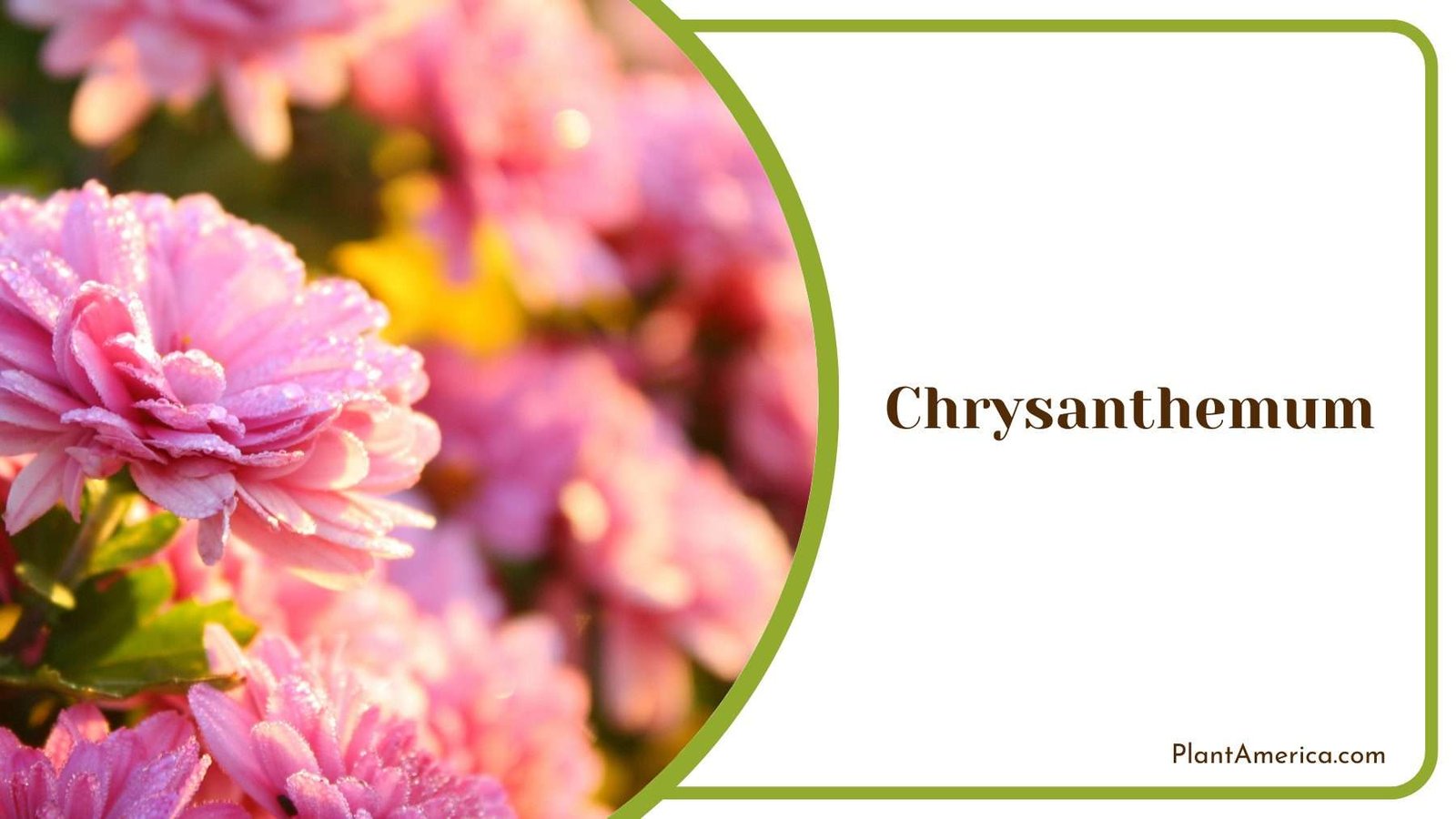
11. November – Chrysanthemum, Peony
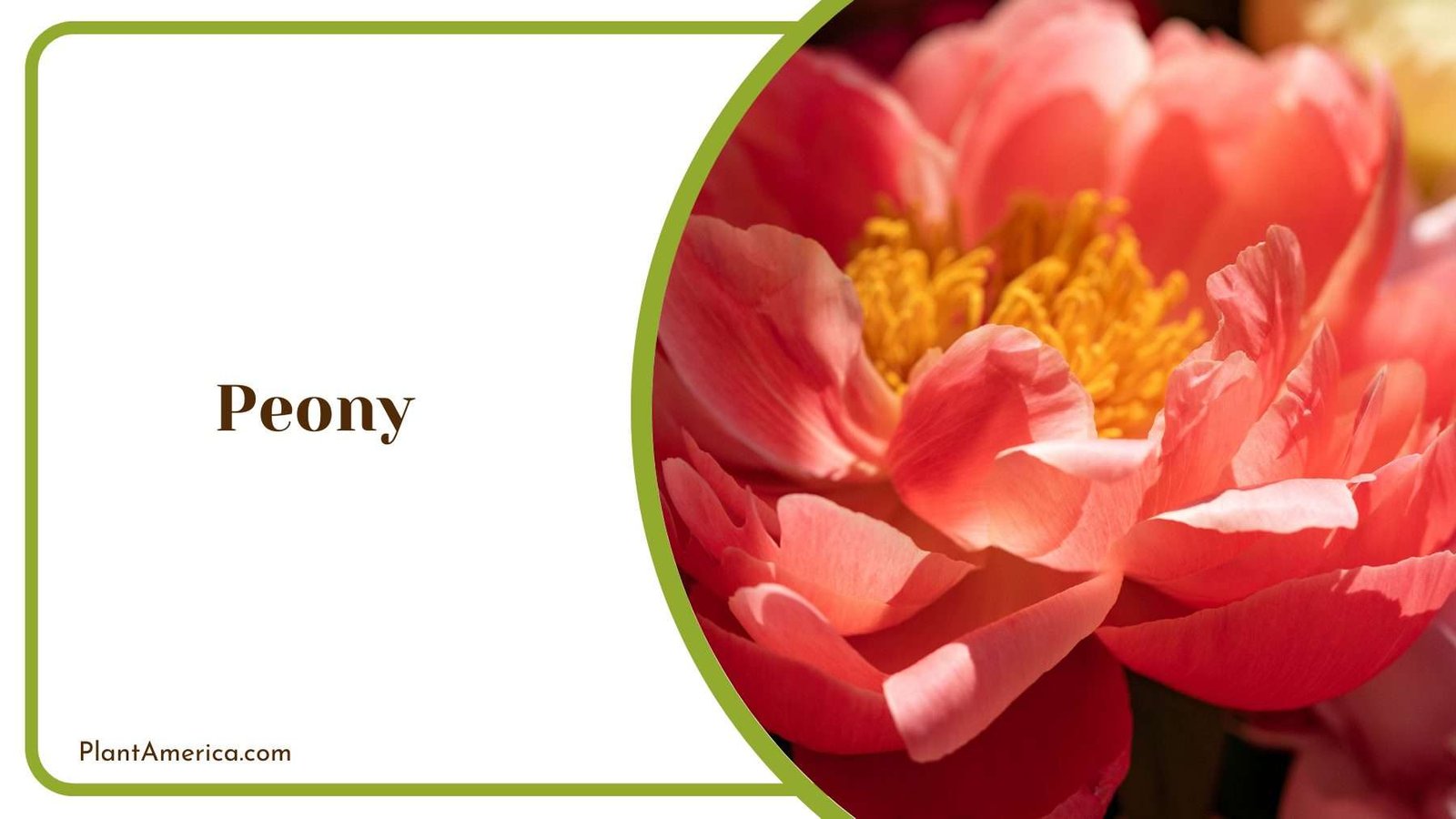
- Growing Season: Chrysanthemums bloom in fall, Peonies flower in late spring to early summer.
- Symbolic Meanings: Chrysanthemums symbolize joy and optimism, Peonies represent prosperity.
- Popular Uses: Chrysanthemums are widely used in floral arrangements, Peonies are popular in weddings.
- Care and Maintenance: Both prefer well-drained soil, sunlight, and regular watering.
As autumn edges nearer to winter’s domain in November, two symbols take the floral mantle – the festive chrysanthemum and regally beautiful peony. Available in a striking rainbow spanning rusts, crimsons and sunshine yellows, chrysanthemums flourish potently even amid cooler temperatures.
Associated with optimism, joy and celebration of life’s rewards, their spirited blooming uplifts spirits through waning seasons.
Majestic peonies arrive in shades of rich pink, carmine, or pristine white epitomizing nobility, compassion, and a good life. Their lush inward-curving petals impart lingering fragrance long after blooming concludes. Though peonies flower briefly, their charming poise elevates any garden scene.
Those born in November possess attributes of both symbols. Chrysanthemums’ plucky perseverance to spread cheer parallels their ability to envision light ahead despite darker surroundings.
Likewise, within lies peonies’ dignified grace, shielding hopes through compassion and principle rather than superficial shows.
Even as leaves fade, these flowers’ lessons live on – that with fortitude, care for growing things, and attention to life’s finer pleasures, inner nourishment can withstand any fall winds that blow.
Chrysanthemum and peony remind us that life’s rewards remain within reach regardless of external conditions, if one cares for their wellbeing and that of others throughout seasonal changes.
12. December – Poinsettia, Narcissus
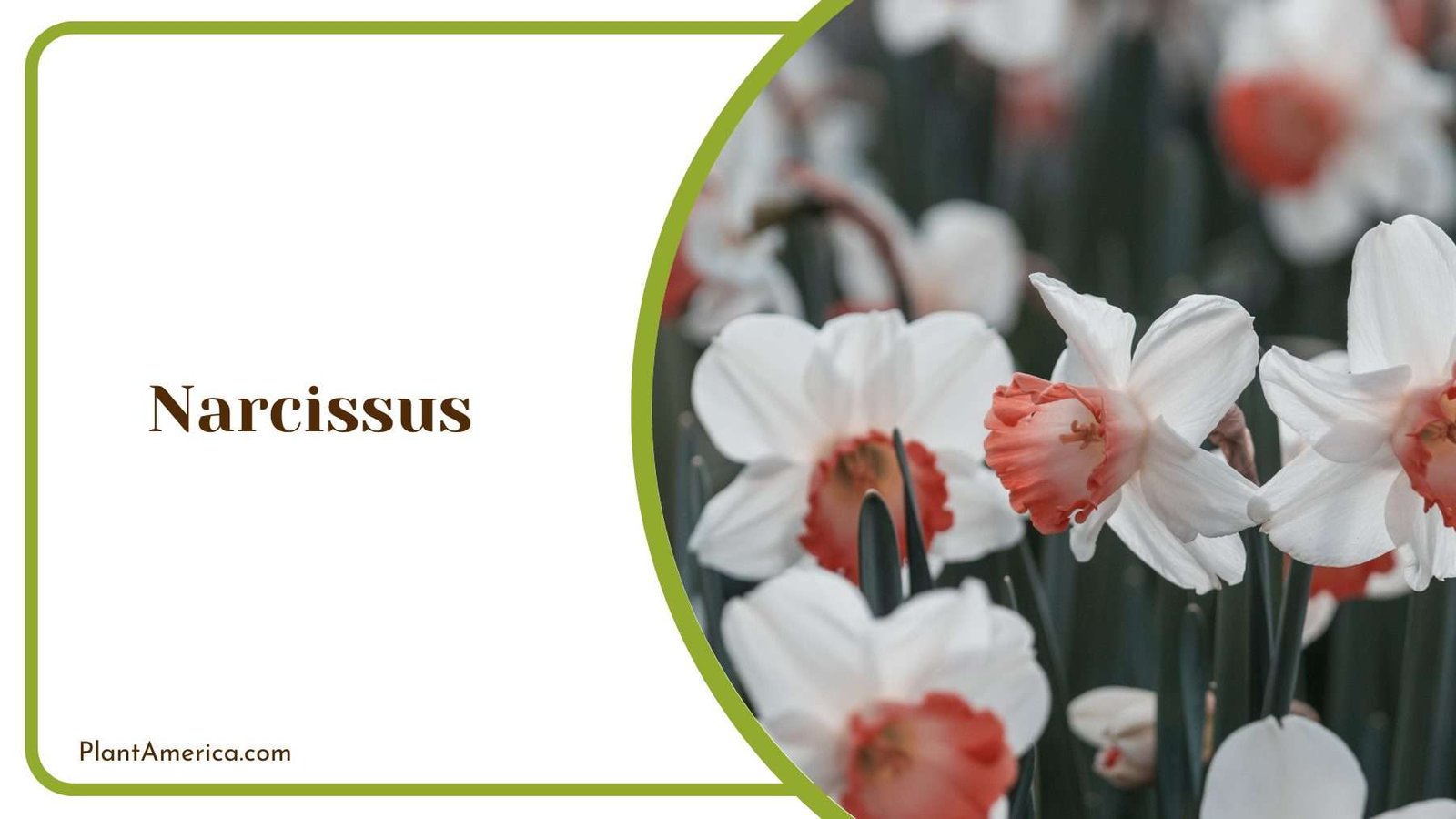
- Growing Season: Poinsettias bloom in winter, Narcissus blooms in late winter to spring.
- Symbolic Meanings: Poinsettias symbolize success and good cheer.
- Popular Uses: Poinsettias are popular as Christmas plants, Narcissus is used in various arrangements.
- Care and Maintenance: Poinsettias require bright, indirect light and controlled light exposure for holiday color. Narcissus needs well-drained soil and regular watering.
As the year draws towards its close in the month of December, two festive flowers brighten landscapes – the familiar poinsettia and early-blooming narcissus.
Poinsettias carry symbolic meaning as stars symbolizing guidance, light during darker nights, and hope for a joyous Christmas season. Vivid red bracts radiate warmth and good tidings along with various white, pink or marbled cultivars.
Narcissus push up cheerful faces in hues of yellow, apricot or white even as snow may dust the ground. Their botanical name comes from the myth of a beautiful young man who fell in love with his own reflection, representing self-love, rebirth and the renewing spirit of the winter solstice.
Both flowers signal cheer’s capacity to persist through times of shortening daylight and cooling climes.
Those born during December contain qualities of poinsettia and narcissus. Like poinsettias lifting spirits through guiding light shows, they display a gift for illuminating others’ paths with compassion.
Within also blooms narcissus-esque confidence and assurance – a steady self-possession allowing one to weather life’s fallow spells with grace and emerge renewed. As the pair portray nature’s perseverance to brighten seasons’ turning wheels, so too does this spirit breathe vitality into even the most dormant spaces around them.
Conclusion
The flowers aligned with each month carry meaningful symbols, they represent qualities we can cultivate within ourselves, like perseverance and spreading cheer. Their lessons teach us that beauty does not obey calendars and nature finds ways to brighten each season in its own time.
- The steadfast courage of Carnations and promises of rebirth spoken through Snowdrops’ piercing of winter soil echo the resilience and hope those born in January carry within.
- The passion of roses and sweet nectar of honeysuckle represent the depth of emotion and ability to find beauty even in tricky situations embodied by those born in June.
- The poinsettia’s guiding light and narcissus’ self-renewal reflect the ability to brighten dark seasons and find reassurance to those born in December.
Observing blooms throughout the yearly cycle reminds us of life’s resilience. Within each period viewed as barren, new growth quietly forms, this gives hope that difficult times are just chapters, not the whole story.