
Mealybugs on Christmas cactus are a true nuisance! Although they’re small and incredibly cute, they will be hard to deal with once they get established on your cacti. That’s why prompt action is needed.

Nothing to worry about, we have just the right solutions for you — jump right in!
How To Identify Mealybugs on Christmas Cactus
Mealybugs, belonging to the Pseudococcidae species, have the knack for easy movement between plants, particularly when placed close to each other or when excess moisture is present.
Some of the most widespread Christmas cactus pests include spider mites, scale insects, cactus bugs, and fungus gnats. But none can do the damage quite fast and silently as mealybugs can!
These pests exhibit different preferences in their sap-sucking habits — some target the sap from the leaves above the soil, while others opt for the roots below. But what’s common among them all is the damage they make.
An uncontrolled infestation can result in the foliage turning yellow and wilting, or even cause damage to the plant’s root system. Should the roots be irreparably harmed by the infestation, stem rot may follow and you might find that several unaffected stem segments remain. This can still serve as the basis for propagation, so there’s no need to fear that your plant will die soon.

Their appearance is characterized by a white and fuzzy texture, and their egg-laying strategy involves creating a mass that closely resembles fluffy cotton. With a penchant for snug spaces, you’ll often spot them at the junctions of stem segments and the intersections of intricate root systems.
Let’s see how you’ll identify them easily!
– Cottony Mases
Cottony masses are a distinctive indicator of a mealybug infestation on Christmas cacti, and recognizing them early is essential for effective intervention.
These cottony masses resemble small tufts of fluffy cotton or white fuzz and are usually found in concealed areas of the plant, such as the joints where stem segments meet or at the intersections of roots. These locations provide the mealybugs with the shelter they favor before they can take over.
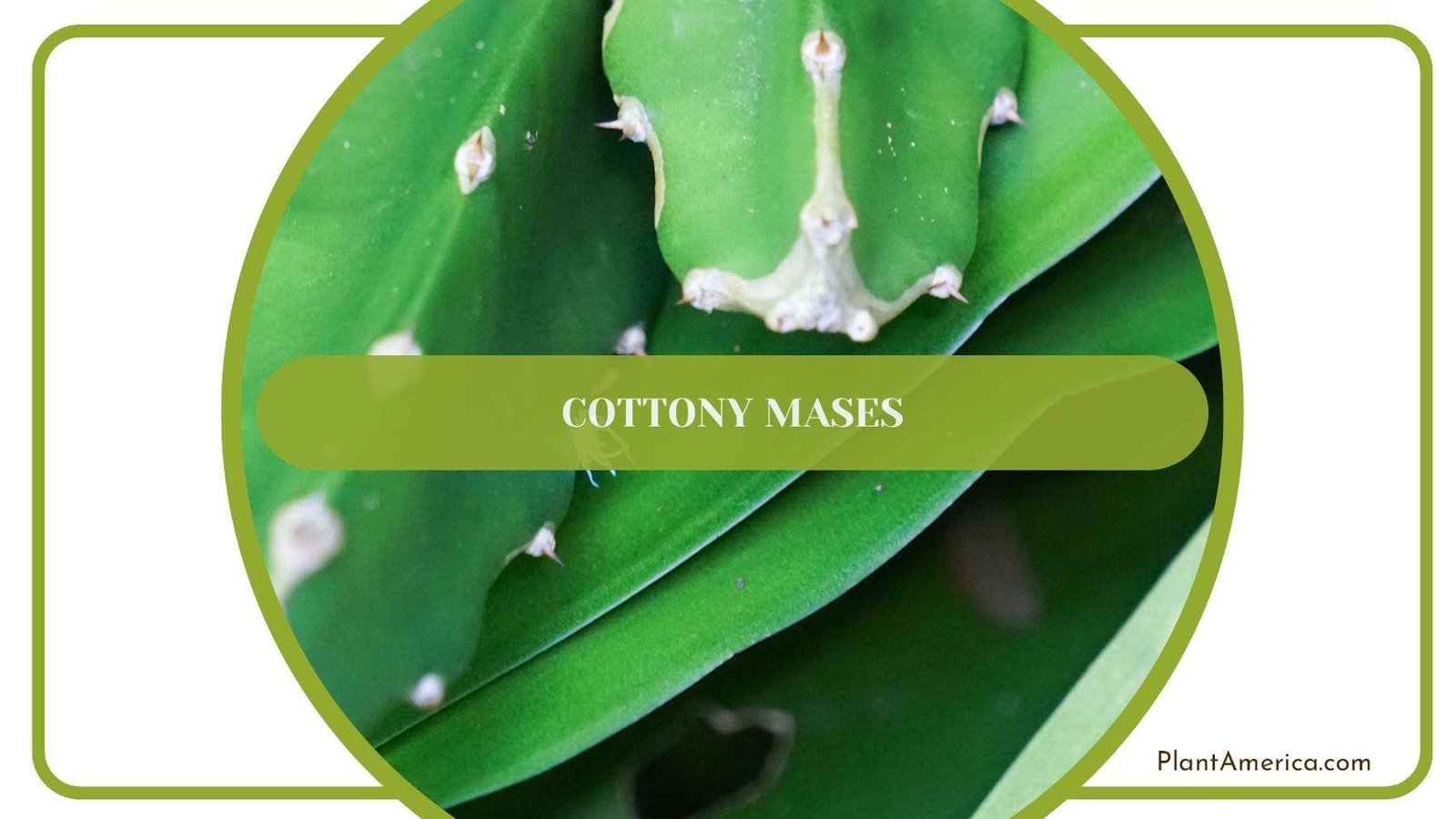
Carefully inspect your Christmas cactus often, paying close attention to these hidden spots. Gently touch the plant’s surfaces, especially around stem joints and root intersections.
Keep an eye out for any unusual white or fuzzy formations on Christmas cactus blooms too!
– Sticky Residue and Mold
Sticky residue, often referred to as honeydew, is a sugary substance excreted by mealybugs as they feed on the plant’s sap. This residue can accumulate on the cactus’s leaves, stems, and even flowers. To identify it, gently touch these plant parts. If you feel a sticky or tacky substance on your fingers, it’s a strong indication of honeydew left behind by mealybugs.
Sooty mold is a dark development on the surfaces where honeydew is present. Mealybug-infested plants can become coated with this mold, diminishing their visual appeal and health. Visually inspect your Christmas cactus and look for any black or dark gray patches on the leaves, stems, or flowers.
Identifying these indicators promptly will help you take on the pests much more easily!
– Increased Ant Activity
Ants will gladly gather around the nutritious honeydew. If you observe them crawling on your Thanksgiving cactus or around its vicinity, they are likely seeking out this sugary substance.
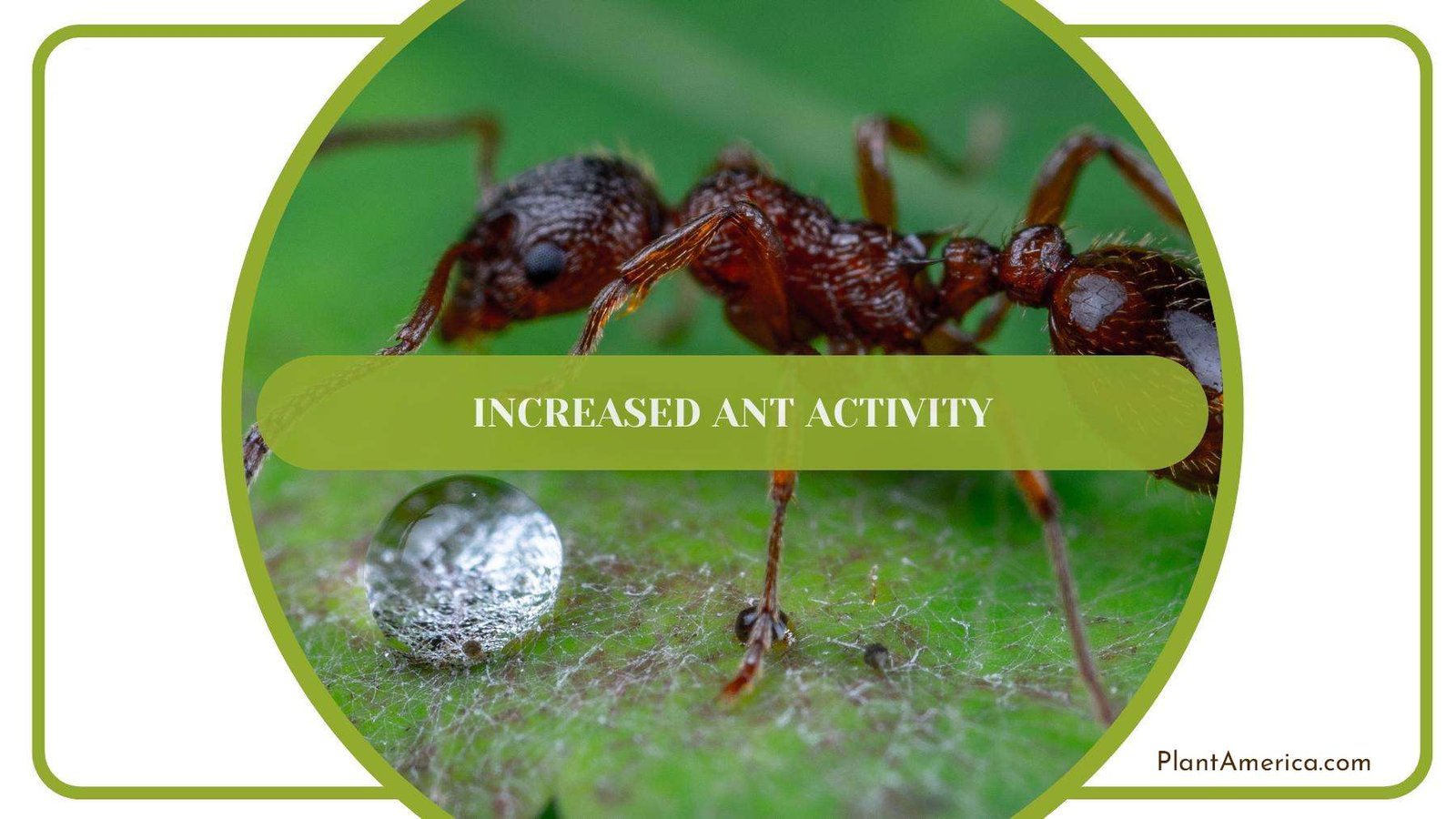
Closely observe your Christmas cactus and its surrounding area. Look for trails of ants moving to and from the plant. Additionally, check for ants crawling on the plant’s leaves, stems, and flowers.
By identifying ant activity as a potential indicator of mealybug presence, you can take prompt action to address the infestation and prevent further damage to your Christmas cactus.
How To Get Rid of Christmas Cactus Mealybugs
Detecting an early mealybug infestation on your Christmas cactus plants offers several indicators, yet effectively addressing these pests demands a unique approach.
A range of strategies is at your disposal. And while tailoring your pest control measures to your plant’s specific needs is paramount, consider embracing a multifaceted approach by simultaneously experimenting with diverse techniques.
– Shower the Plant
Showering your Christmas cactus in the sink is a great method to eliminate mealybugs in the early stages of infestation and should be repeated periodically. Gently carry your cactus to the sink and allow lukewarm water to flow over the entire plant. Ensure the water pressure is high, but not too forceful to avoid damaging the plant.
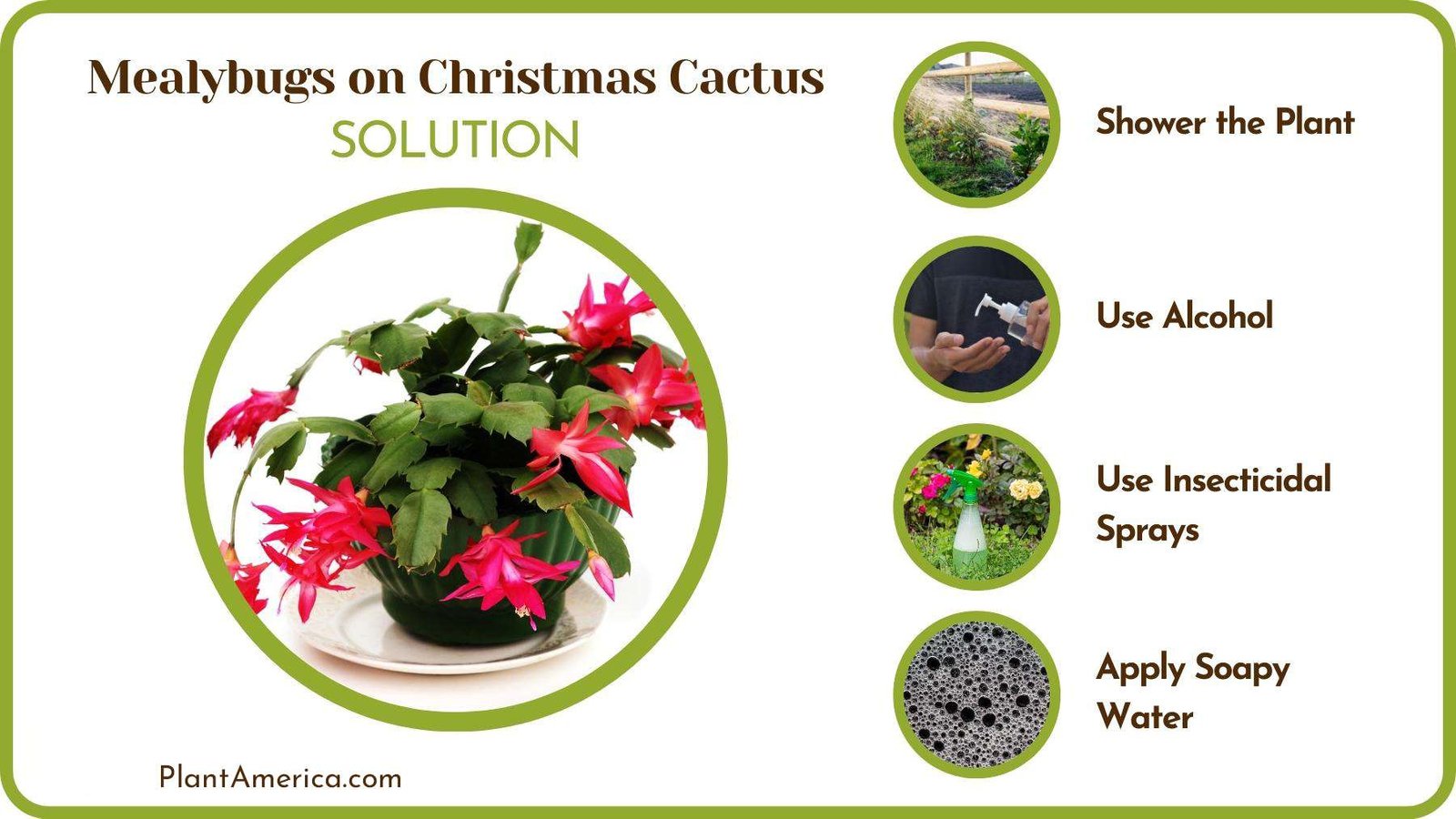
The gentle stream will dislodge and wash away the pests, including their eggs and honeydew secretions. While showering, take care to thoroughly wet all parts of the cactus, including the stems, leaves, and soil surface. Afterward, let the excess water drain away and return the cactus to its original spot.
– Use Alcohol
To employ this method, start by preparing a solution of isopropyl alcohol, ideally at a concentration of 70%. Dampen a cotton ball or swab with the alcohol solution, then gently dab it onto the areas where mealybugs are present. The alcohol effectively breaks down the waxy protective coating of the pests and kills them on the spot.

When applying alcohol, ensure that you cover the mealybugs thoroughly —aim for all the hiding spots like stem joints, crevices, and the undersides of leaves. Before treating the entire plant perform a patch test on a small section to check for any adverse reactions.
For larger infestations, a diluted solution of 10-25% alcohol mixed with water can be sprayed onto the plant using a spray bottle. Repeat the alcohol treatment as needed, monitoring the effectiveness and persistence of the mealybug population.
– Use Insecticidal Sprays
Commercial sprays contain specific chemical compounds designed to target and eliminate mealybugs effectively. But they can be aggressive — shy away from using them if you grow Christmas cactus inside, as they can damage other indoor plants!
To apply the spray, start by selecting a well-ventilated area, preferably outdoors or in a space with good air circulation. Hold the spray bottle at a distance recommended on the label and lightly mist the affected areas of the Christmas cactus, making sure to cover the mealybugs thoroughly. Focus on the parts where the pests are most concentrated.
Be cautious not to oversaturate the plant, as excessive moisture can lead to other issues. It’s also advisable to avoid spraying the plant during the hottest part of the day to prevent potential leaf burn and wilt.
Regular inspections and continued maintenance are essential to prevent the pests from returning and to keep your Christmas cactus healthy and mealybug-free.
– Apply Soapy Water
Household soaps can be a cost-effective and easily accessible solution for dealing with mealybugs and other insects on your houseplants. These soaps can effectively eliminate pests while being gentle on your plants.

To create a soap spray, you can dilute common dish soap with water. A mixture of one tablespoon of soap per gallon of water is often recommended. This diluted solution can then be applied using a spray bottle, ensuring thorough coverage of the affected areas where the mealybugs are present.
It’s important to avoid exceeding the suggested dilution ratio, as using a higher concentration can potentially harm your plants. While soap sprays lack a long-lasting residual effect, they can be quite effective when applied directly to the target insects. For a successful treatment, you’ll need to apply the soap spray regularly until the mealybug infestation is completely eradicated.
– Use Neem Tree Oil
Sourced from the seeds of the Indian neem tree, this oil is available either in its pure form or blended with other ingredients to formulate pesticide sprays.

Neem tree oil operates on multiple fronts, acting as a repellent, smothering agent, and direct insect killer upon contact. Its application involves combining a few teaspoons of neem oil concentrate, a teaspoon of mild liquid soap, and a liter of distilled water in a spray bottle, followed by a thorough shake to ensure a well-mixed solution.
Ensuring comprehensive coverage, proceed to liberally apply the solution to every part of the Christmas cactus, including the underside of its leaves. During this process, it’s advisable to shield the plant from direct sunlight until the Christmas cactus leaves have thoroughly dried.
While neem tree oil exhibits a limited residual effect, persistence is key. Regular application every few weeks remains necessary until the mealybugs are entirely eradicated. Incorporating soap into the mixture facilitates its harmonious integration with water, bolstering its efficacy by dispatching plant pests upon contact.
Pro tip: Combining neem oil with insecticidal soap will result in notably enhanced outcomes compared to individual use.
It’s worth noting that the oil carries a distinct and potent aroma that might initially feel overwhelming to those unaccustomed to it. However, rest assured that the scent dissipates as the spray dries. Prevent potential staining of fabrics, including carpets, by applying the oil on easily cleanable hard surfaces.
– Natural Predators Can Help
These nature’s allies assume a pivotal role in keeping a harmonious ecosystem, working tirelessly to control mealybug populations. Lacewings emerge as formidable enemies, while spiders will prove effective with their webs. The beloved ladybugs also command a crucial position in the battlefront against mealybugs and you should readily encourage their presence around your home.
The theater of pest wars also likes to see the deployment of parasitic wasps — these crafty wasps skillfully implant their eggs within mealybug nymphs, a fate that culminates in eating the pest inside out. This parasitic maneuver introduces an additional layer of pressure upon mealybug populations, further tilting the scales in favor of natural equilibrium.
– Use Diatomaceous Earth
This fine powder is composed of the fossilized remains of diatoms, microscopic aquatic organisms. When mealybugs come into contact with diatomaceous earth, their abrasive texture effectively damages their protective outer layer, causing them to dehydrate and eventually perish.
To apply diatomaceous earth to your Christmas cactus choose a dry and well-ventilated area to work in, then gently remove your Christmas cactus from its pot and take it to the chosen area.
Use a small brush or soft applicator to dust a thin layer of diatomaceous earth onto the plant’s stems, leaves, and any visible mealybug-infested areas. Take care to avoid excessive application, as only a light dusting is sufficient.
Gently tap the plant or use a soft brush to ensure the diatomaceous earth settles evenly on the plant’s surfaces. After applying diatomaceous earth, return the plant to its pot and original location.
Diatomaceous earth is most effective when kept dry. If it becomes wet or clumps together, it may lose its abrasive properties.
– Keep Your Plants Healthy
If there’s one thing that we’d like you to remember it’s that a healthy cactus is a pest-free cactus! Proper Christmas cactus care plays an important role in the ongoing battle against mealybugs.
And there are more than a few ways to achieve this!
First off, ensure that you water your Christmas cacti appropriately, allowing the soil to dry slightly between waterings. Overwatering can create root rot issues and cause all kinds of common problems, later conducive to mealybug infestations.
Provide your cacti with the right amount of light. Place them in bright, indirect sunlight to promote healthy growth and discourage mealybug activity. Enough air circulation helps prevent the buildup of moisture, so avoid overcrowding plants and ensure proper spacing.
Trim and remove any affected parts of the plant to prevent mealybugs from spreading. If you notice an infestation, isolate the affected plant from others to prevent the pests from spreading. Keep your gardening tools and containers clean to avoid transferring pests between plants, and maintain proper fertilization to support plant health.
By consistently implementing these practices, you create an environment that is less favorable for mealybugs, helping your plants thrive and reducing the likelihood of common pests.

Conclusion
Mealybugs are among the common Christmas cactus bugs, and along with spider mites, they make a formidable force to reckon with! But now that we are armed with the perfect solutions to guide you through this pest-ridden journey!
- The struggle begins with identifying these tiny troublemakers on your Christmas cactus. Keep a watchful eye for cottony masses, sticky residue, and sooty mold. When mealybugs feast on plant sap, they leave behind a sugary substance known as honeydew.
- Ants are not innocent bystanders either; they are drawn to the sugary honeydew produced by mealybugs. Observe trails of ants leading to and from the plant, crawling on leaves, stems, and flowers.
- From showering your cactus to applying rubbing alcohol, utilizing commercial insecticidal sprays, soapy water, neem tree oil, and even harnessing natural predators, each method has its merits. Even diatomaceous earth, with its abrasive prowess, can contribute to your arsenal.
- Prevention is the true key to success. Keeping your cacti healthy plays an integral role in the ongoing battle against mealybugs. Proper watering, optimal lighting, and maintaining a conducive environment go a long way. Pruning, isolation, encouraging natural predators, and adhering to hygienic practices further fortify your defense.
With dedication and the right techniques, you can emerge victorious in this pest-driven endeavor and enjoy your cacti’s vibrant beauty once more.