
Native Colorado flowers offer delightful options for your mountain garden. Within this article, we will explore 20 beautifully hardy wildflowers perfectly suited to high elevations. From fiery Southwestern favorites like Indian paintbrush to delicate European imports such as blazing blue columbine, each indigenous bloomer featured here brings unique splashes of color.
Whether populated with prairie stars or waving meadow grasses, your alpine plot deserves the dowdy diversity of nature’s finest flora.
Native Colorado Flowers Faring Flawlessly at High Altitudes
1. Indian Paintbrush
- Growing Season: Spring, Summer
- Leaf Type: Linear, Basal leaves
- Specific Needs: Well-draining soil, Full sun
- Common Pests: None
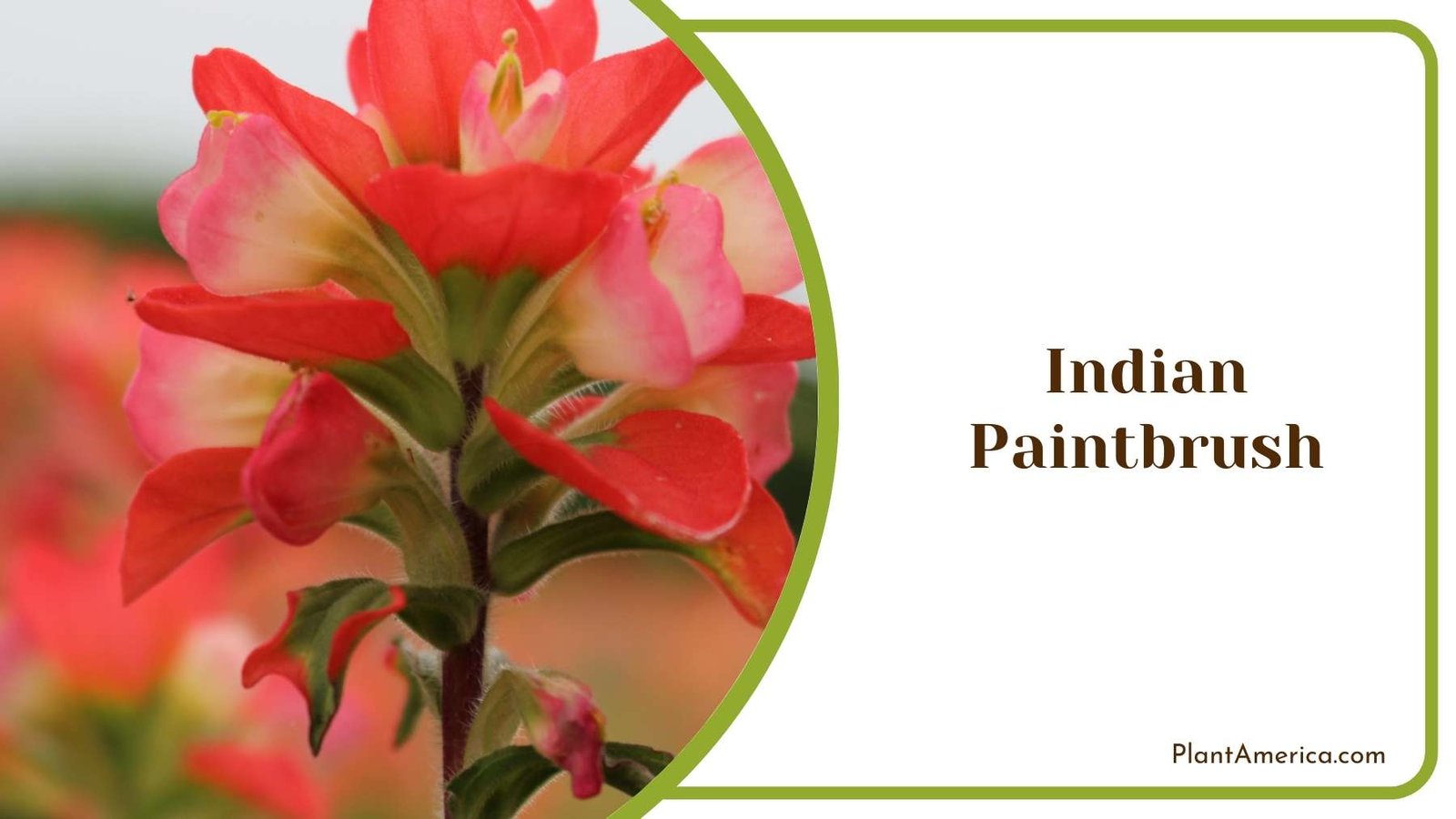
Are you looking to add a pop of vibrance to your mountain abode? The Indian paintbrush is a colorful choice for your alpine nook. With its showy blooms that resemble a fine artist’s paintbrush, this perennial offers fiery splashes of red and yellow from May through August.
Native to meadows and open woods throughout Colorado’s high country, Indian paintbrush is also low-maintenance. Provide good drainage and ample sunlight for these sturdy natives to thrive season after season.
The Indian paintbrush gets its name from its brightly colored flower clusters, which resemble a finely painted brush. Each flower has two colorful bracts that resemble a red, orange, or yellow paint brush tipped with white, pink, or maroon flowers. These colorful flower clusters bloom successively along branched stalks ranging from 1 to 3 feet tall, depending on the environment and variety.
In addition to being a vibrant pop of color in the landscape, the Indian paintbrush also provides important habitat and forage for native pollinators like bees, butterflies, and hummingbirds. The plant’s seeds also provide food for birds like sparrows, finches, and juncos in the fall. Indian paintbrush is a low-water use plant once established, thriving in well-draining dry soils with full sun exposure. It is exceptionally hardy and drought-tolerant.
With minimal care needs after the initial establishment period, Indian paintbrush makes a colorful, low-maintenance addition to high-altitude mountain gardens. Its vibrant blooms add visual interest from spring through summer and are a valuable habitat for local wildlife.
2. Colorado Blue Columbine
- Growing Season: Late Spring, Early Summer
- Leaf Type: Palmate, With 5-7 leaflets
- Specific Needs: Partial shade, Consistent moisture
- Common Pests: None
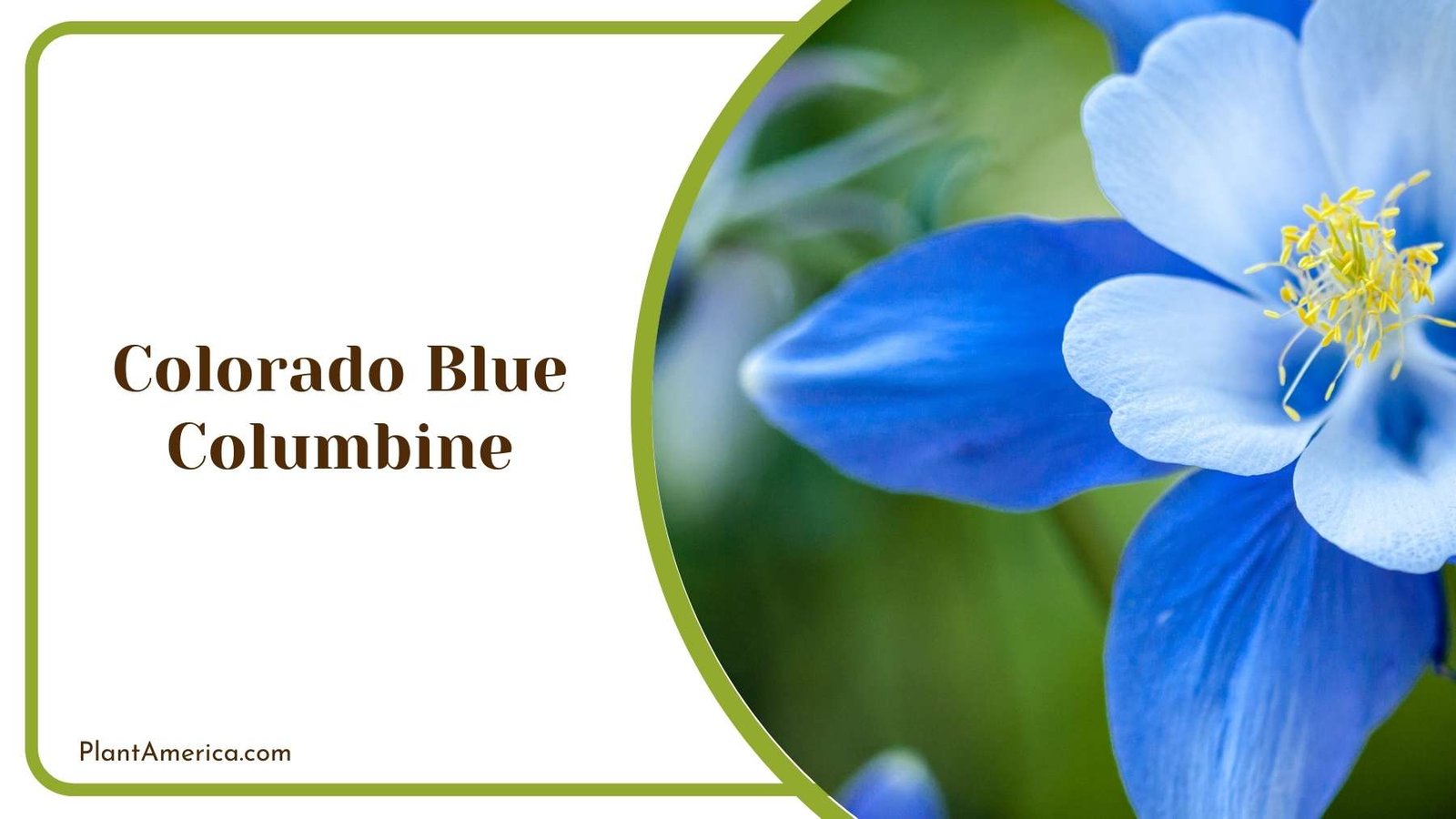
Boasting features as lovely as its state flower namesake, Colorado blue columbine combines elegance with toughness—delicate dangling blossoms in hues from powder blue to violet kiss these perky perennials from May through July.
Though dainty in demeanor, Columbine flourishes in woodland-style spots beneath ponderosa pine and Rocky Mountain juniper. Give your colony of columbines a nutritious mulch and watch them reward you with years of beauty that’s as resilient as the rocky mountain itself.
The Colorado blue columbine is the official state flower of Colorado. Its five-petal flowers can range in color from a vivid powdery blue to more pastel lavender shades. Each bloom has five sepals rounded at the tip that resemble a quivering dove poised for flight. The Columbine’s palmate leaves are divided into five to seven glossy leaflets.
This Columbine prefers partial shade and consistently moist, well-draining soil. It thrives beneath tree canopies like ponderosa pine and Rocky Mountain juniper, sheltered from the hot afternoon sun. Supplement with a layer of mulch around the plants to retain soil moisture during the summer months and prevent weed competition. Columbine is durable and trouble-free, facing few pest or disease problems in the landscape.
Bees of many varieties are attracted to Columbine’s nectar-rich blooms. This, in turn, helps the plant propagate itself through pollination. Birds also feast on the Columbine’s seeds in late summer, aiding the plant in naturalizing throughout the surrounding habitat.
3. Rocky Mountain Penstemon
- Growing Season: Spring, Summer
- Leaf Type: Linear, Opposite or whorled
- Specific Needs: Well-draining soil, Full sun
- Common Pests: None
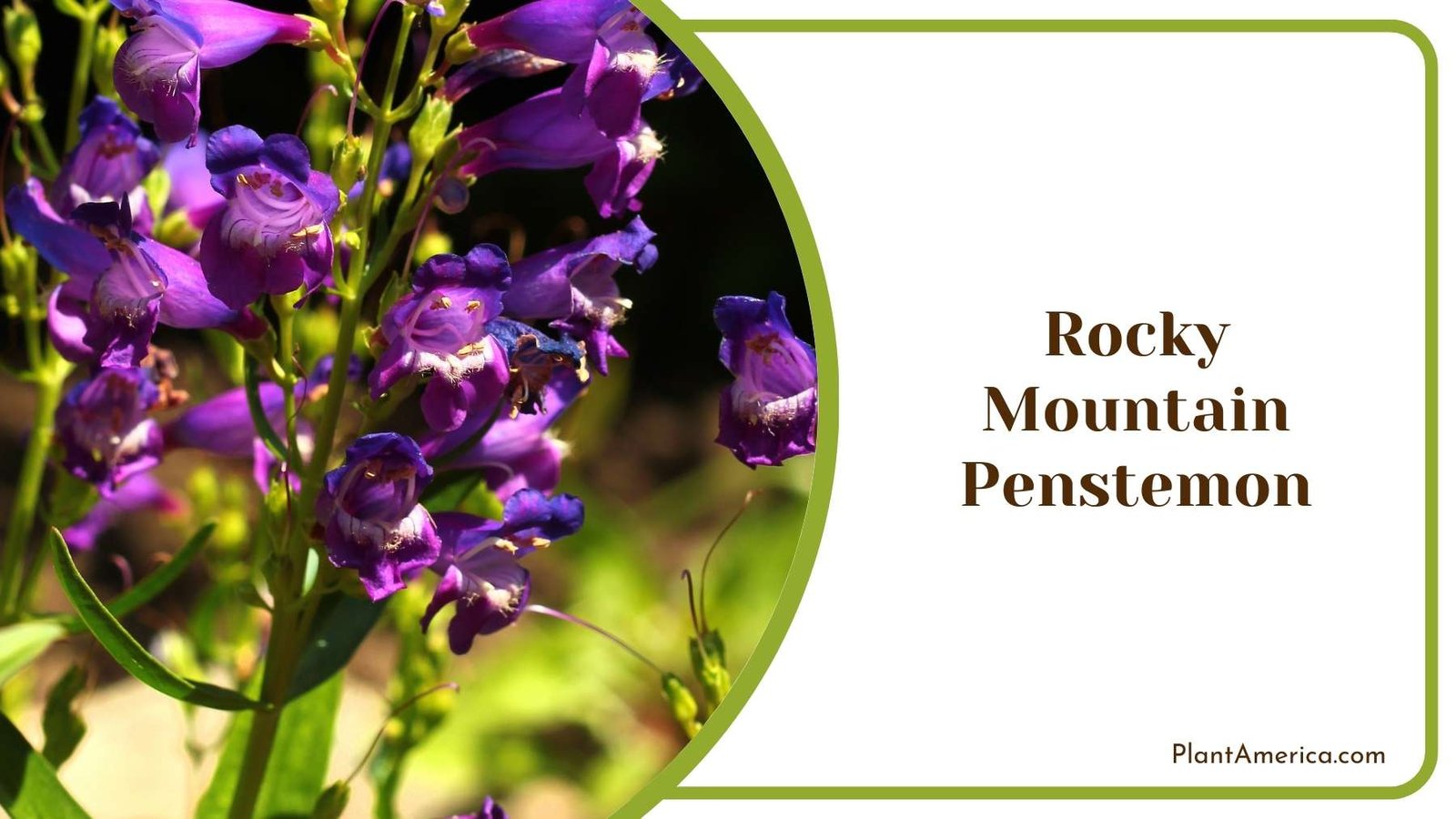
Common sights along Colorado’s alpine hillsides are the many penstemon varieties with tubular flowers atop wiry stems. As one of the hardest, Rocky Mountain Penstemon boasts beauty and resilience. From May through August, its bluish-purple blooms lure hummingbirds and butterflies with their nectar reserve.
More than just a lovely landscape plant, Penstemon holds significance for native peoples. Various tribes, including the Cheyenne and Ute, incorporated parts of the plant into traditional medicines to treat ailments. Rocky Mountain penstemon was believed to cure sore throats when chewed or infused as tea.
This Penstemon grows upright in loose tufted clumps adorned with narrow evergreen leaves. Individual tubular flowers in shades of blue, pink, and purple are held within lingering seed capsules after the blooming season ends. While vibrant in the sunlight, Penstemon is also stunning, backlit by the dusky mountains at day’s end.
Not requiring rich soils or fussy care, Penstemon thrives best with well-draining sandy or gravelly terrain. It may perform in average garden soil, provided the area has sufficient drainage and exposure to full sun. Mulch around plants to retain moisture during summer dry spells. Deer resistant and featuring low water needs, Penstemon is as easy as lovely. Add a dash of native character to your high-altitude garden with this beautiful Rocky Mountain denizen.
4. Mountain Bee Plant
- Growing Season: Late Spring, Early Summer
- Leaf Type: Opposite, oval leaves, Yellow tubular flowers
- Specific Needs: Moist, well-draining soil, Partial shade
- Common Pests: Leafhoppers, Aphids
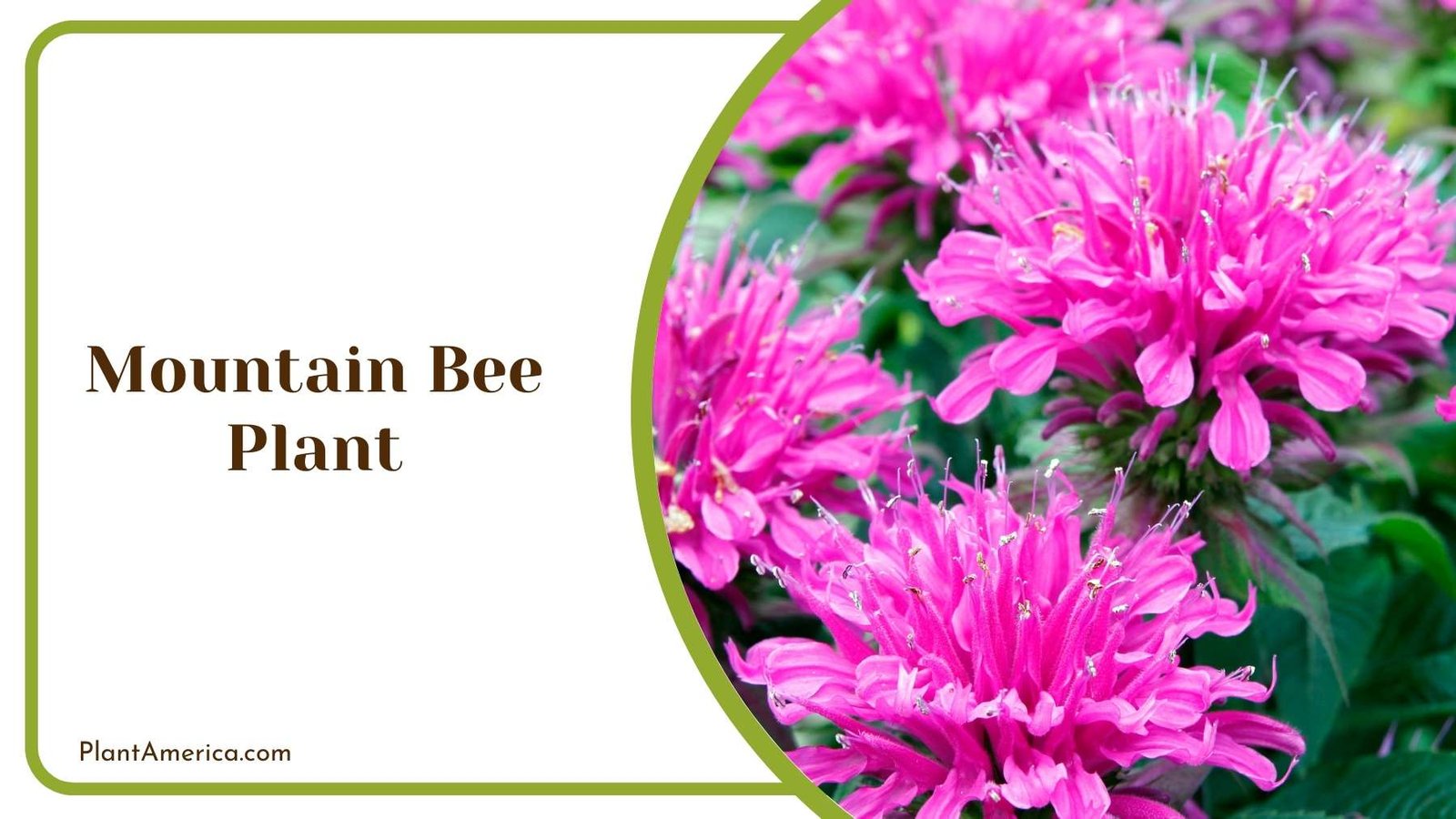
Across wooded slopes and meadows ringing Colorado’s mountainsides, sturdy stands of Mountain Bee Plant arise each spring bearing charming yellow blossoms. From May through July, their sturdy stalks lift clustered tubular flowers high into sunlight filtered by towering ponderosa pines and Douglas firs above.
Native perennials taking durable roots where moisture-rich soils receive dappled shade, Mountain Bee Plants thrive optimally alongside bubbling creeks or damp northern glades. Here, the opposite, oval foliage remains healthy green while blooms above call avid pollinators rapt with aromatic nectar gifts.
Bees, hummingbirds, and butterflies flock cheerfully to sip sweet rewards, spreading pollen vital to seed production come autumn. Meanwhile, songbirds find further sustenance, nibbling ripened seed capsules once blooming finishes. Certain indigenous groups harvested parts to treat colds or bronchitis, valuing cleansing properties.
5. Fringed Sage
- Growing Season: Summer, Early Fall
- Leaf Type: Linear, Gray-green leaves
- Specific Needs: Well-draining soil, Full sun
- Common Pests: None
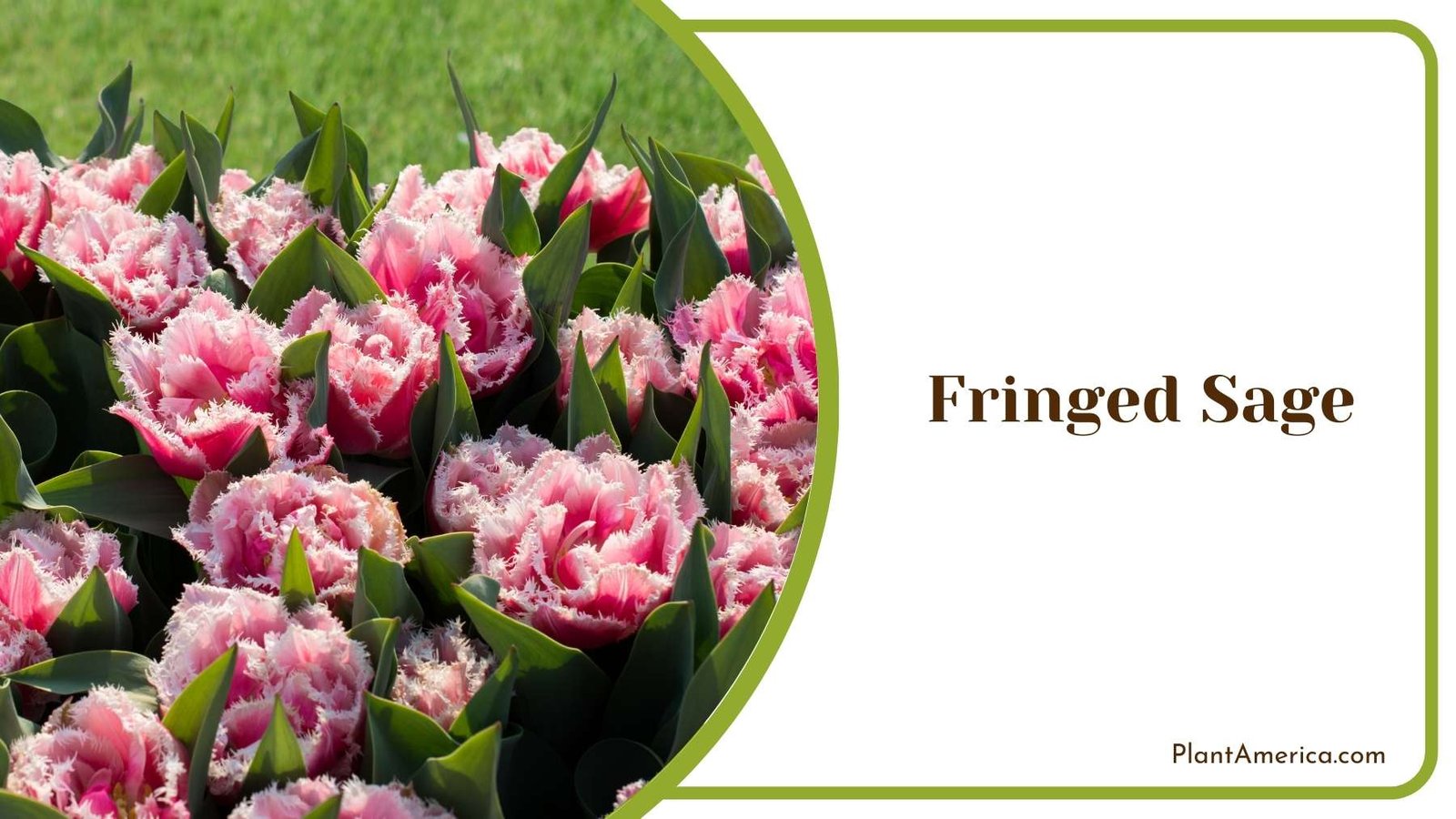
Aromatic fringed sage adds olfactory delights to mountain gardens from July through September. Meticulously dissected leaves release a spicy fragrance reminiscent of lemon or camphor when brushed against. Meanwhile, the plant dazzles eyes with tiny pink or white flower plumes.
An ideal choice for the xeric landscape, fringed sage grows vigorously once established, requiring little more than sunshine and average well-draining soil. This drought-tolerant subshrub tolerates hot conditions even better than most native plants. Prune back annually in early spring to encourage thicker growth and maintain its neatly rounded form.
Wildlife benefits greatly from fringed sage’s specialized adaptations. Sage grouse add green leaves to their breeding courtship rituals, while songbirds, game birds, and small mammals nibble seeds come autumn. Birds are particularly attracted to its flowers, which provide a reliable late-season nectar source. Pollinator insects like bees, butterflies, and flies also visit fringed sages.
Come fall, seed heads bedeck fringed sage in fluffy flocks ready to propagate anew. Wispy tufts of seeds drift on gentle mountain breezes, slowly reseeding the landscape. This allows fringed sage to naturalize easily wherever conditions are suitable. It withstands winters without additional protection, re-emerging each spring from the same base.
Beyond its ornamental attributes, fringed sage holds cultural significance for many Native American tribes. The Ponca used the plant medicinally to treat coughs and colds. Several plains tribes incorporated its leaves and flowers into smudge sticks for purification ceremonies.
Its crisp, aromatic nature makes fringed sage a welcome addition along pathways or as a foliage accent in xeric rock gardens. Showcasing seasonal changes through varied leaf and flower forms, this hardy subshrub gifts visitors with beauty and interest throughout the high plains year-round.
6. Blue Flax
- Growing Season: Late Spring, Summer
- Leaf Type: Linear, Grayish-green leaves
- Specific Needs: Well-draining soil, Full sun
- Common Pests: None
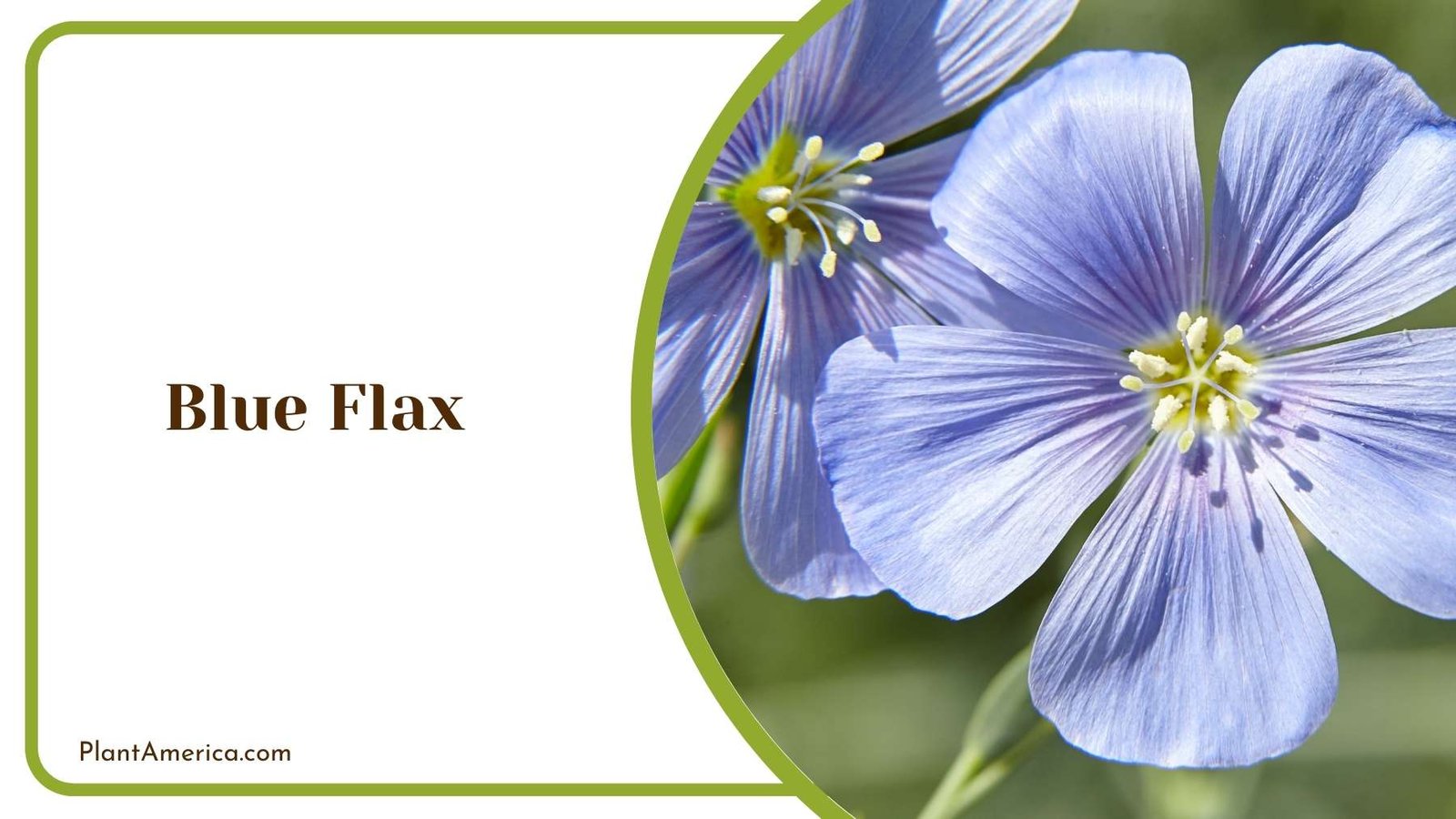
A burst of summer cyan lights up dry meadows and mountainsides courtesy of hardworking blue flax. From June through August, vibrant five-petaled blooms attract a myriad of pollinators. Later, flax distributes tiny olive seeds, replicating itself across untamed terrain perfectly suited to its needs.
Nimble yet not brittle, blue flax stems arise singularly or scattered loosely over sandy, well-draining soils. Lineal leaves remain low at the plant’s base, allowing flowers to shine as solitary stars above. Hues range from sky blue to violet, depending on the variety and mood of natural dyes within.
Wildlife and seekers of wilderness medicine value this resilient native. Its seeds provide nourishment to songbirds and upland game birds once summer ends. Some Lakota people brewed floral preparations as an eyewash to relieve skin irritations when made into a cooling poultice.
Beyond utility, flax’s enduring character uplifts the spirit. Simple elegance remains constant, whether solitary stems or brushing fields of blue heightening the mood. Unfussed beauty regularly arises without special requests – a reminder that nature’s calm depends not on complex productions but merely on persistent rays in their natural simplicity.
7. Silky Lupine
- Growing Season: Late Spring, Early Summer
- Leaf Type: Palmate, with 5-11 leaflets, Silvery-hairy leaves
- Specific Needs: Well-draining soil, Full sun
- Common Pests: None
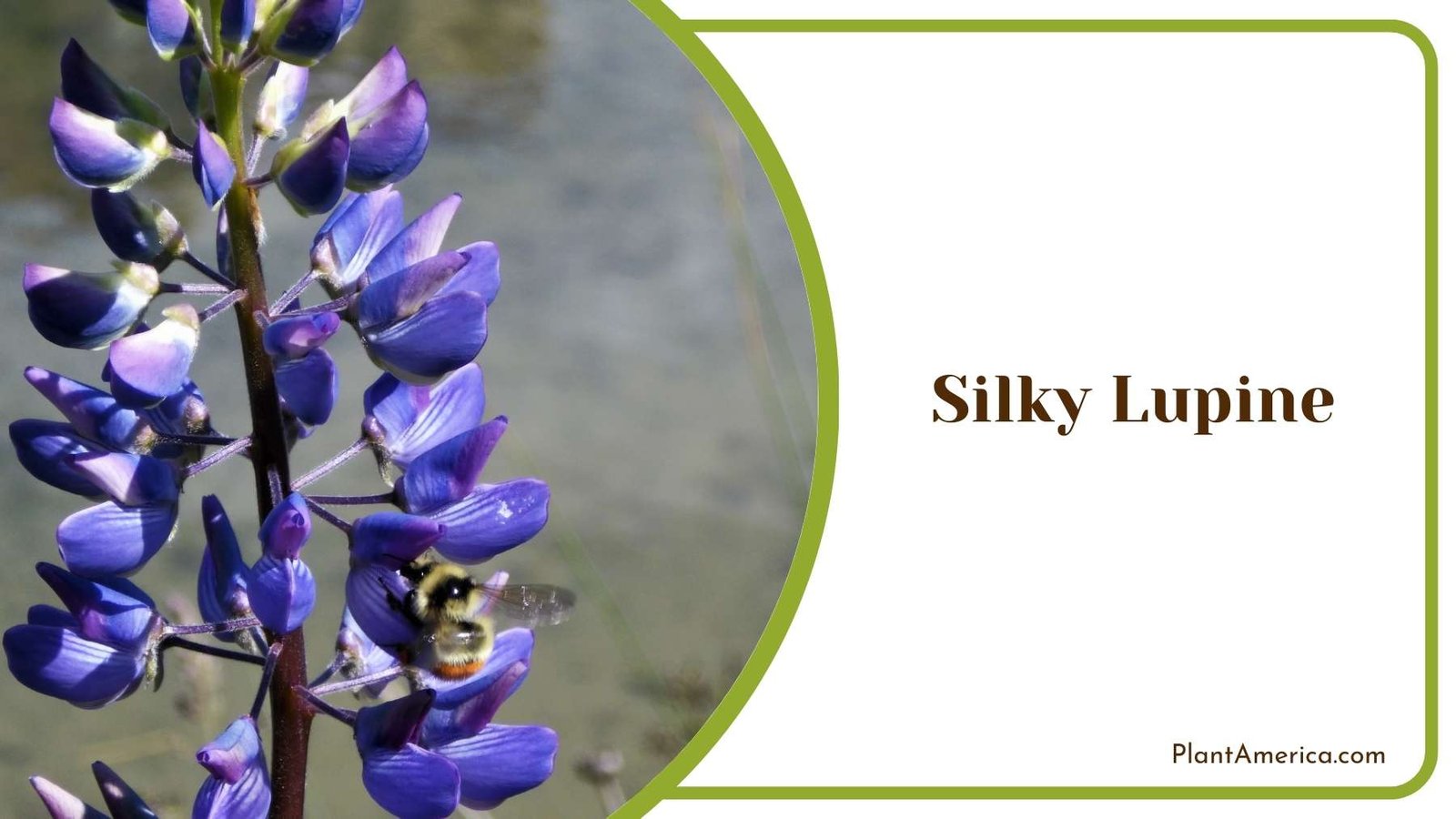
Silky lupine aptly earns its name with leaves blessed in silvery foundation. From May through July, tall stalks crown this marvel with peaking displays of blue, purple, or pink flowerheads. Unlike many flashier blooms, lupine commits itself reliably as a staple of sunny slopes, meadows, and pinyon-juniper woodlands.
Each bloom dangles beautifully while clustered on spiraling stems reaching two to four feet. Underneath, leaves spread wide like outstretched fingers, coated soft in downy hairs. Such textural appeal soothes as visual delight touches onlookers of fields rippling in lupine’s shine. The silvery coating on the leaves is thought to help reflect heat and conserve moisture in the lupine’s arid high-elevation habitat.
Lupine’s nutrient-rich soils make it popular for reclamation projects in mines and other disturbed areas. Its deep taproot pulls minerals up from below, helping to replenish the earth. It is also a valued component of prairie restoration efforts. Hardy and undemanding, lupine adapts splendidly among native floras. Well-draining ground and sunlight allow this charmer to contribute colorful pollen and nectar banquets.
Bees, butterflies, and hummingbirds partake avidly in nature’s generous gifts. Bees are especially drawn to lupine blooms, using them as a major nectar source. Lupine is vitally important as a food source for native pollinators. Later, seed pods nourish bird populations migrating through.
For humble persistence and simple beauty that enhances high-country vistas, one would be hard-pressed to top lupine’s diligent loveliness. Its legacy lives on not for flashy tendencies but for faithful presence, lifting native habitats year after year with understated grace. Lupine is a quintessential symbol of the Rocky Mountain region.
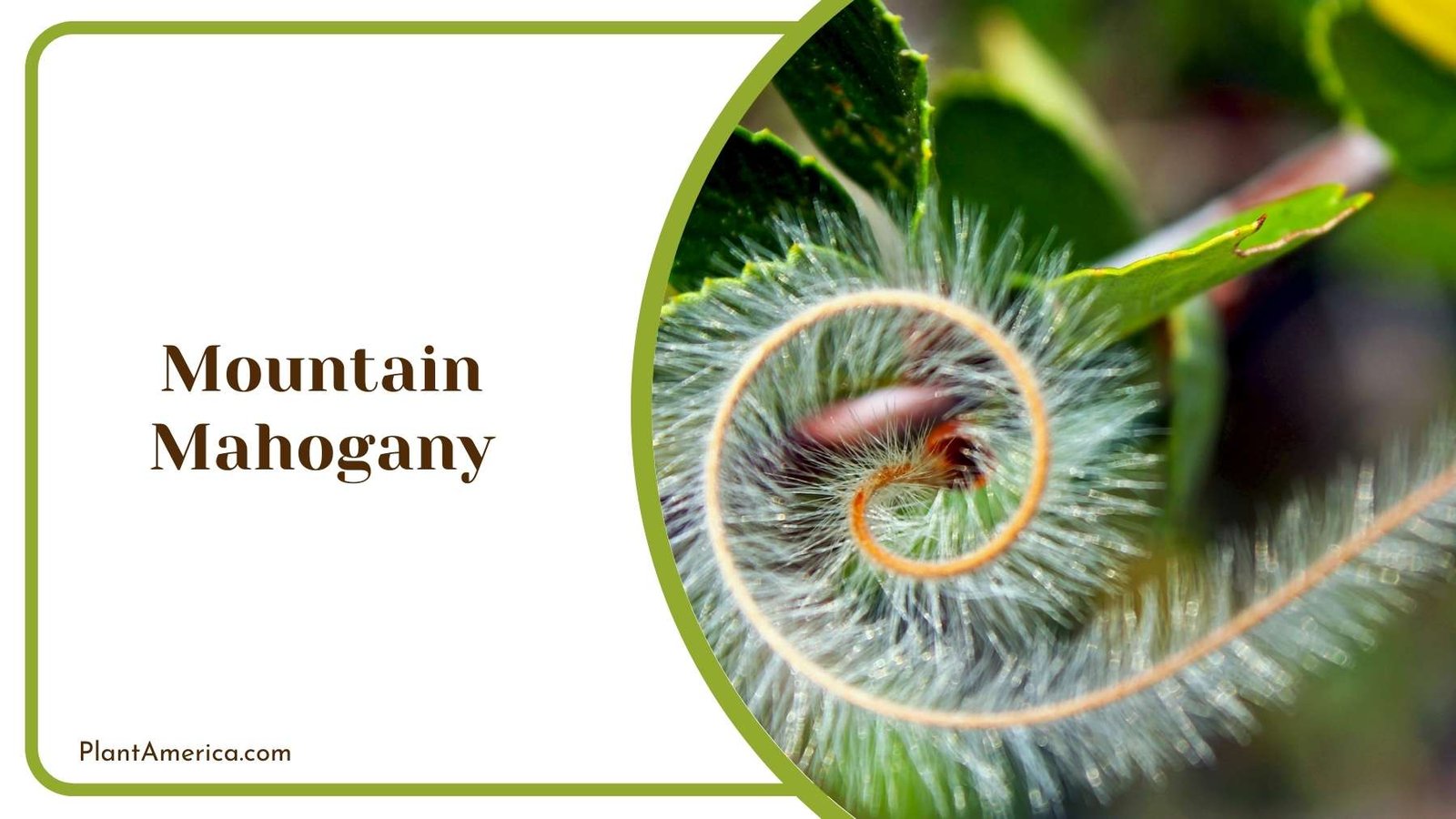
8. Mountain Mahogany
- Growing Season: Spring, Summer
- Leaf Type: Oval, alternate leaves, Scaly bark
- Specific Needs: Well-draining soil, Full sun
- Common Pests: None
Majestic mountain mahogany trees rise from an arid high country with a persistence rivaled by few. Through unrelenting hot conditions, they stand committed in grays and greens, nourishing passersby with shade and sanctuary. Originating in open woodlands and canyons throughout western North America, these natives co-evolved quite literally to withstand the challenges inherent in alpine life.
Three species deliver diversity for varied elevations – low, true, and curl-leaf mountain mahoganies. All display extreme drought tolerance through gifts like waxy cuticles, minimizing water loss. Intricate root systems excavate precious moisture from any available source. Even harsh, mineral-poor soils prove no true hardship against their hardy constitution.
Beyond mere survival, mountain mahoganies cultivate community. Edible berries, leaves, and shoots nourish mule deer and bighorn sheep come autumn. Nesting birds find security amid evergreen branches steadfast in seasonal change. Pollinators sip nectar and spread pollen as vital lifelines interconnect intricate webs of sustenance across high terrain.
With sustainability, medication, nourishment, and haven, mountain mahoganies impart lifetimes of goodwill unto lands they call home. Their persistence gifts beauty, habitat, and memory to wanderers passing through the seasons’ winds. Through adversity weathered with grace, these giants emanate dignity befitting their storied place amongst trees of legend rising proudly from western soil.
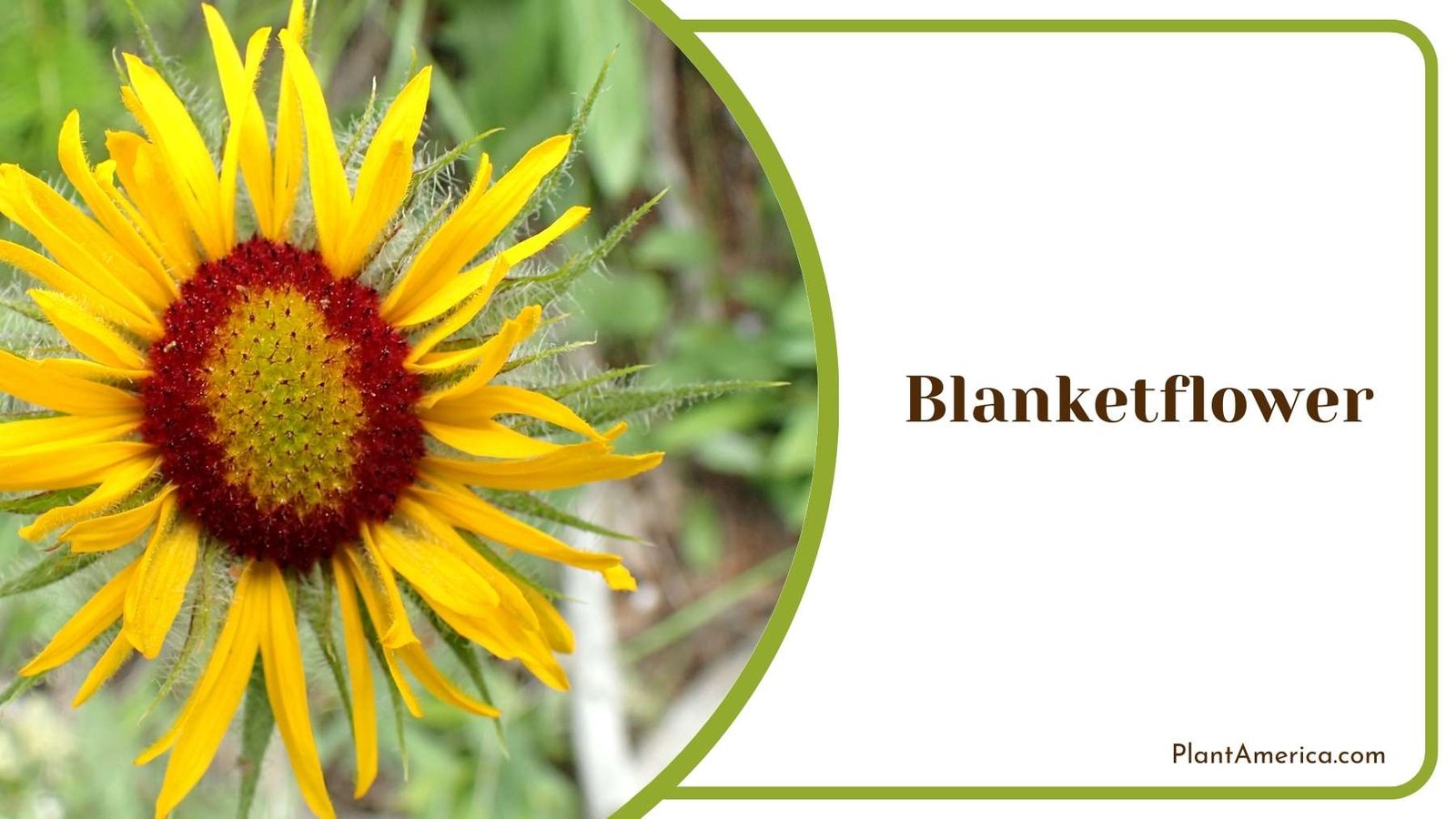
9. Blanketflower
- Growing Season: Summer, Early Fall
- Leaf Type: Alternate, lance-shaped leaves, Wooly leaves
- Specific Needs: Well-draining soil, Full sun
- Common Pests: None
Blanket flowers spread brightly colored blankets across mountain meadows and prairies each summer and fall. Clusters of daisy-like blooms in shades of yellow, orange, and red light up from July through September, beckoning all pollinators to feast on their nectar riches.
True to its name, blanketflower forms a dense, spreading mat of growth perfect for ground cover. Wooly gray-green leaves provide valuable insect habitat while acting as a mulch to retain soil moisture below. The plant carries itself with a sturdy, bushy constitution suited to withstand rigorous winds at high elevations.
Beyond beauty alone, blanketflower seeds feed many birds, including finches, sparrows, and juncos, come autumn. Its roots also hold the soil in place, helping to prevent erosion. Deer tend to avoid this plant, making it well-suited for naturalized landscapes where other offerings may fall prey to hungry mouths.
With minimal care needs of sun and average well-draining soils, blanketflower lifts spirits with its hardy, cheerful disposition. Brilliant blooms persist on neatly spreading mounds requiring little fuss beyond the occasional deadheading to preserve shape and encourage further flowering. Over generations, blanketflower builds bountiful habitats where generations of fauna find seasonal sustenance.
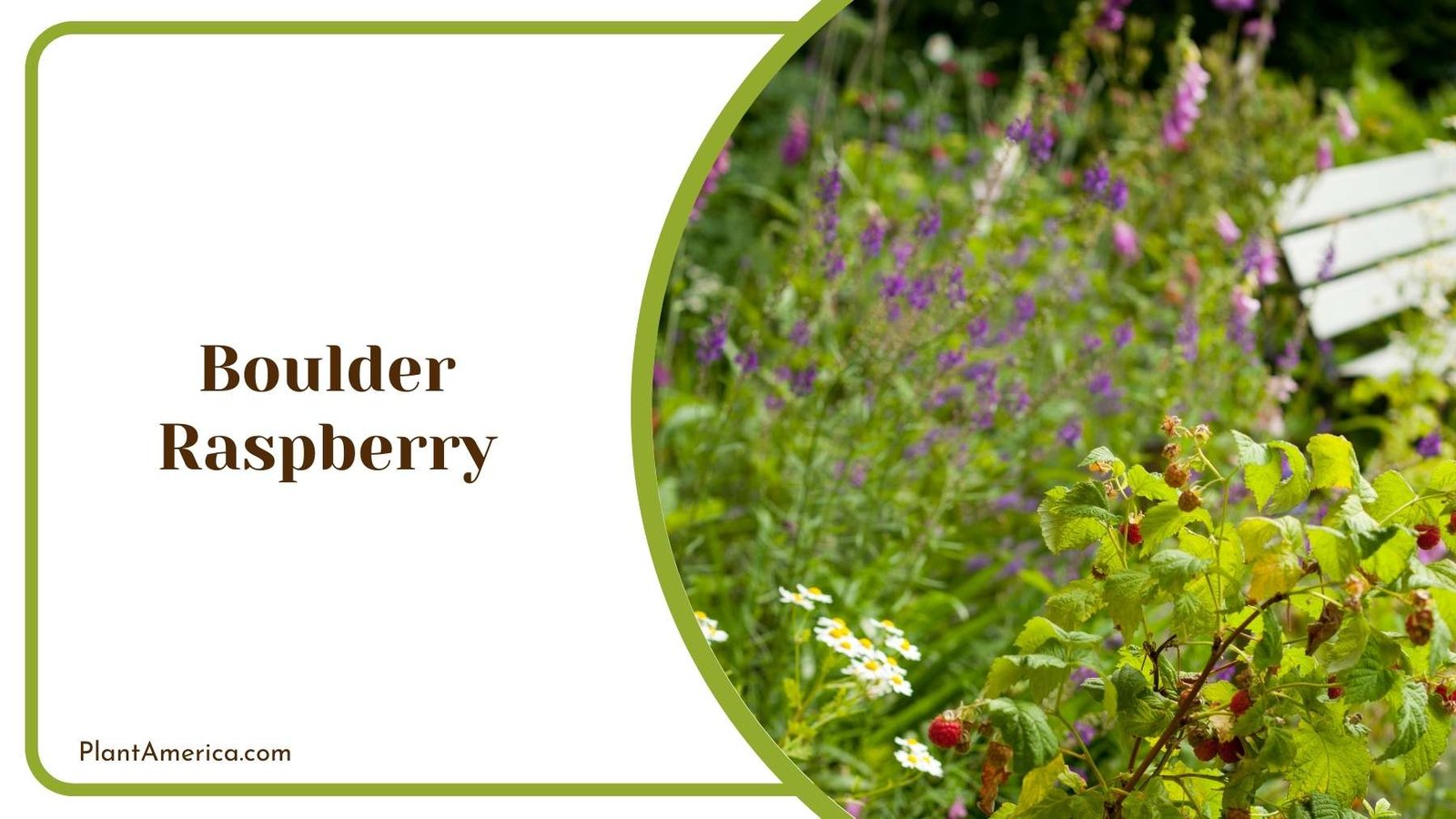
10. Boulder Raspberry
- Growing Season: Summer, Early Fall
- Leaf Type: Palmate compound leaves, Prickly stems
- Specific Needs: Moist, well-draining soil, Partial sun
- Common Pests: Rust disease, Spider mites
Nothing says Rocky Mountain summertime like wild berries ready for the picking. The delicious boulder raspberry grows along forest edges and streams throughout Colorado’s high country. From July through September, it invites all to enjoy plump, deep red fruits among delicate foliage marked by prickly protection.
While producing abundant vitamins and minerals within tender drupelets, this native also cultivates the community. Bears rely heavily on berry patches when fattening for winter downtime. Birds spread seeds far and wide within gifts of pulpy joy. Small mammals partake as well in nature’s sweet seasonal smorgasbord.
Boulder raspberry forms loose tan-colored canes up to six feet long across damp, nutrient-rich ground sheltered beneath ponderosa pines and Douglas firs. Compound palmate leaves are divided into five to nine-toothed leaflets, providing shade to lushly ripening berries below.
Should you find a thriving colony, harvest sparingly. Wild edibles delight in replenishing themselves perpetually, enhancing surroundings for all inhabitants who rely on nature’s generosity for the taking. Partake moderately and spread seeds freely, honoring the ecosystem’s balance as raspberry gifts wanderers its sweet, vivifying treat.
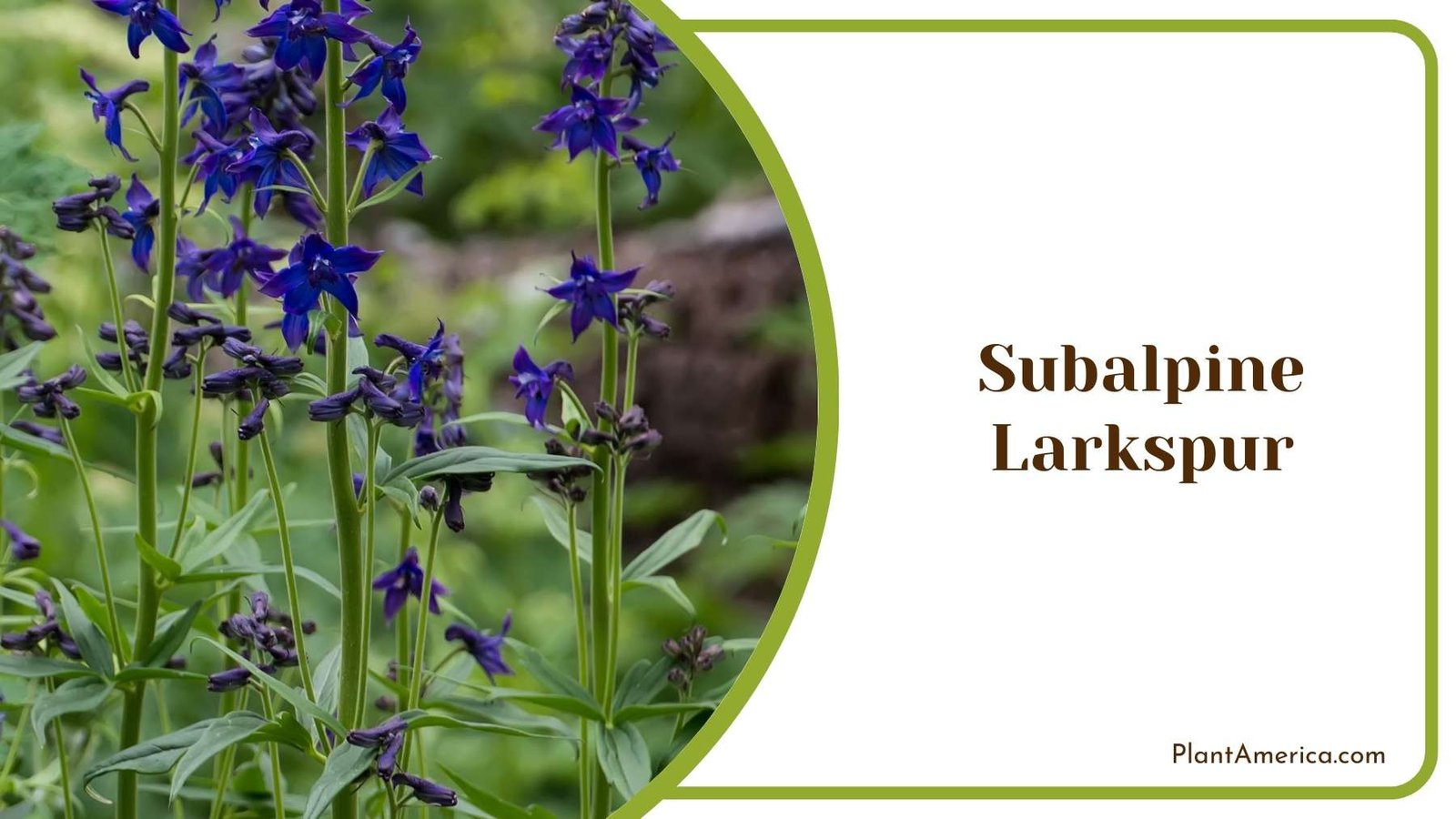
11. Subalpine Larkspur
- Growing Season: Late Spring, Early Summer
- Leaf Type: Palmately compound leaves, Multiple blue/purple flowers
- Specific Needs: Moist, well-draining soil, Partial shade
- Common Pests: Aphids, Borers
Delicate spikes of purple-blue grace Colorado’s cool mountainsides each summer courtesy of charismatic subalpine larkspur. From May until early July, its elongating flower clusters enchant alongside bubbling creeks and shaded forest edges within subalpine ecosystems.
Growing one to three feet tall, larkspur arises on porous, organic soil receiving ample moisture yet dappled shade. Palmately divided leaves resemble soft feather fans arching around tall hollow stems packed with dangling blooms. Colors range from periwinkle to navy, depending on the light’s angles.
Nectar within these blooms lures butterflies, bees, and hummingbirds zealously flitting this wildflower hotspot. Pollinators spread genetic variety, enhancing resilience across elevations. Meanwhile, seeds feed finches and other songbirds, sheltering amongst towering pines and firs once spent blossoms fade.
Larkspurs pose mild toxicity risks if consumed above ground. Yet rhizomatous roots hold promise medicinally for native peoples historically. Widespread still, these ephemeral beauties flourish elegantly without demand beyond a nurturing alpine habitat. Together, leaves and stems compose graceful reminders of how even petite players impact large-scale splendor within mountain vistas through kind cooperation.
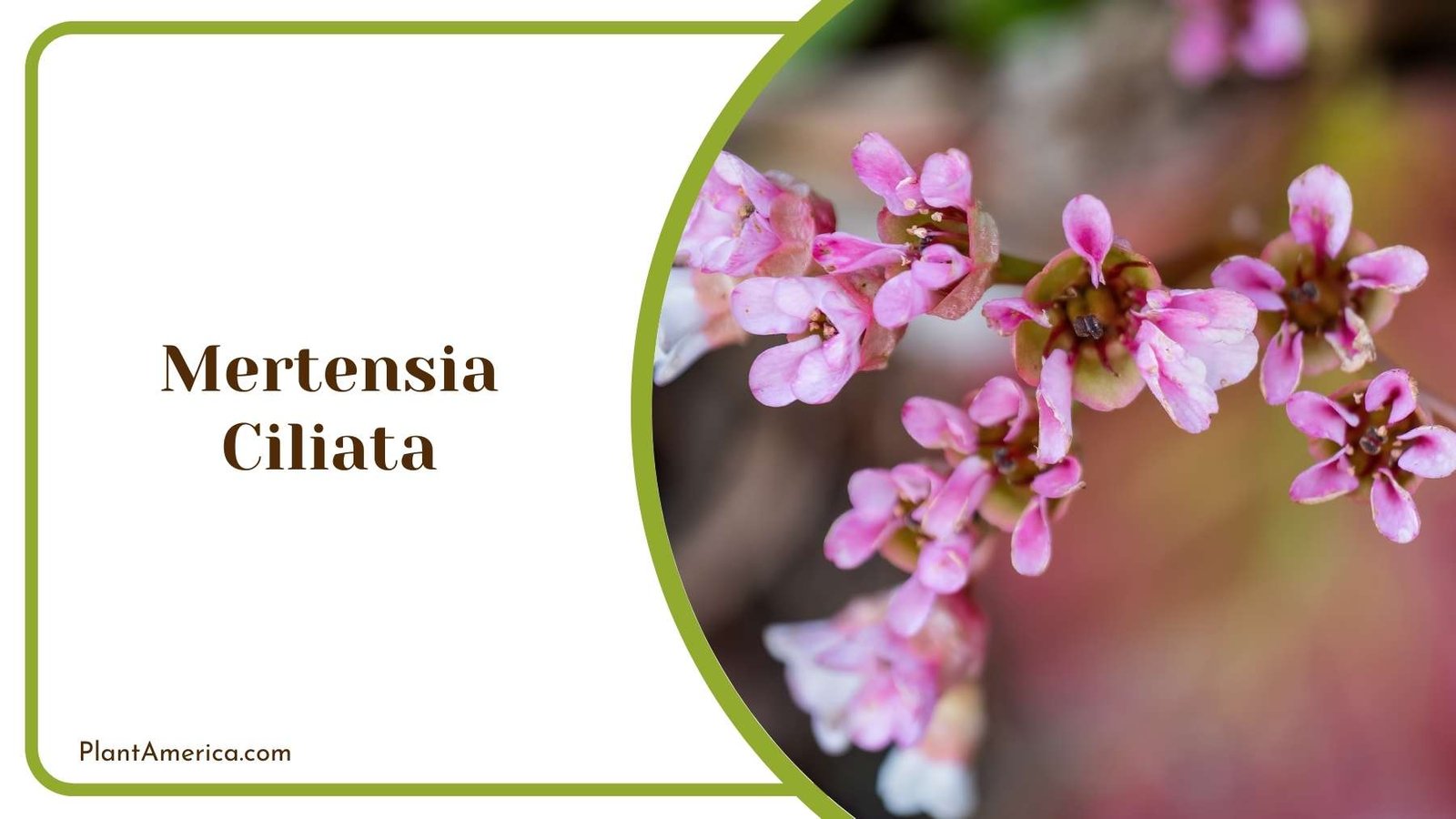
12. Mertensia Ciliata
- Growing Season: Late Spring, Early Summer
- Leaf Type: Round to kidney-shaped leaves, Fringed leaves
- Specific Needs: Moist, nutrient-rich soil, Partial to full shade
- Common Pests: None
Alongside rushing creeks and beneath towering conifers, delicate tufts of Mertensia ciliata thrive from May through July. Also known as fringed bluebells, its wispy stems carry numerous pale blue, bell-shaped blooms that resemble sky hung in efflorescence.
This charismatic perennial forms low basal clumps dotted with soft, rounded leaves kissed by delicate fringe. Combined with pale blooms dusting the woodlands, Mertensia cultivates an air of ephemeral fairy-realm magic wherever it takes root. Optimal growth occurs in moist yet well-draining soils receiving filtered shade from overhead pines and firs.
Butterflies, bees, and hummingbirds find sweet nectar within each bell while pollinating contentedly. Later, seeds drift upon creek waters and mountain breezes, spreading genetic diversity. Small songbirds feast on nourishing seeds, adding a further dimension to life-giving cycles intrinsically intertwining all inhabitants.
Come autumn, its leaves soon fade, leaving only memories of summer’s fleeting magic until next year’s rebirth. Yet Mertensia’s final act proves just as vital – leaves decompose rapidly, returning nutrients to enrich the soil and invigorate new growth unfolding perpetually within old-growth forests throughout each springtime. Natural medicine incorporated this plant’s soothing properties to relieve feverish symptoms.
For centuries, the Ute people valued this plant’s medicinal qualities. An infusion of the leaves and flowers was used to treat upset stomach, fever, and infections. Its elegant presence gracing forest floors seemed to whisper healing and renewal to all who encountered it.
For bringing ethereal beauty, nourishment, and balance to high country realms it calls home, Mertensia ciliata’s presence whispers mystery and resilience within every being it silently yet profoundly impacts season after season along verdant woodland paths.
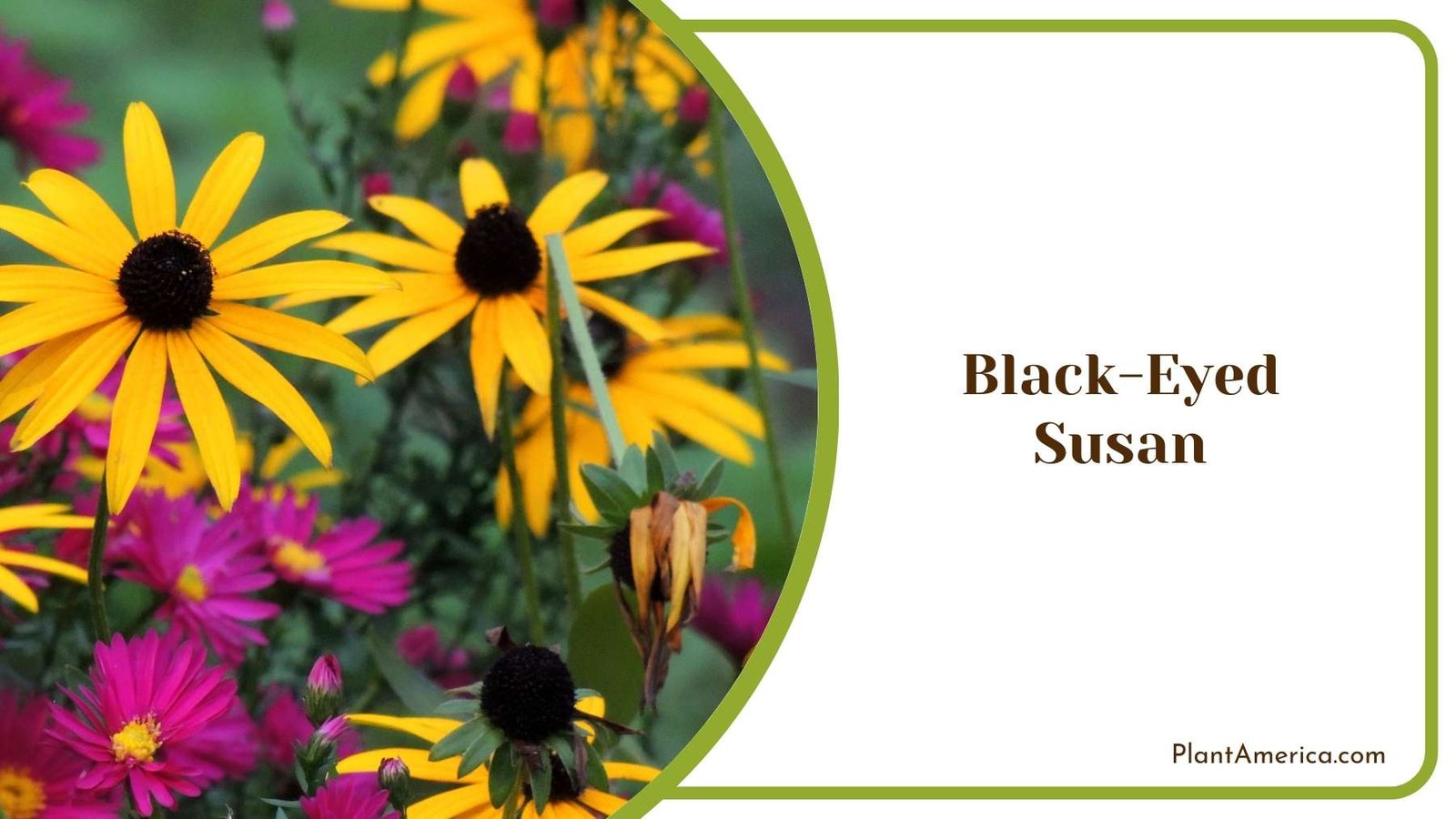
13. Black-Eyed Susan
- Growing Season: Summer, Early Fall
- Leaf Type: Alternate, pinnately lobed leaves, Yellow flowers
- Specific Needs: Well-draining soil, Full sun
- Common Pests: None
Bright yellow, Black-Eyed Susans shine across Colorado’s grasslands and meadows each summer and fall. Reaching one to three feet tall with sturdy hairy stems, these natives erect cheerful blooms, watchers with curiosity. From July through September, deep chocolate central disks contrast vibrantly against surrounding yellow petals, attracting all pollinators afield.
Alternate leaves divide pinnately into rounded dull green lobes along wiry branches. Though variable in size, all types flourish with ample sunlight and good drainage, whether in upland prairies or mountain valleys. This sun-loving flower adaptability suits varied locales locally.
Beyond beauty, Black-Eyeds Susans provide sustenance. Birds, including goldfinches, feast seeds abundantly come autumn migrations. Furthermore, roots harbor medicinal compounds utilized by Native peoples historically to treat fever or infections.
Today, wilderness lovers value Black-Eyed Susan simply for reliability, lighting landscapes with golden optimism each summer. Hardiness and sturdy disposition mean consistent delight requiring little beyond nature’s provisions. For gifting wanderers seasonal charm across untamed terrain, few forage peers surpass this vivacious wildflower’s smiling hard work.
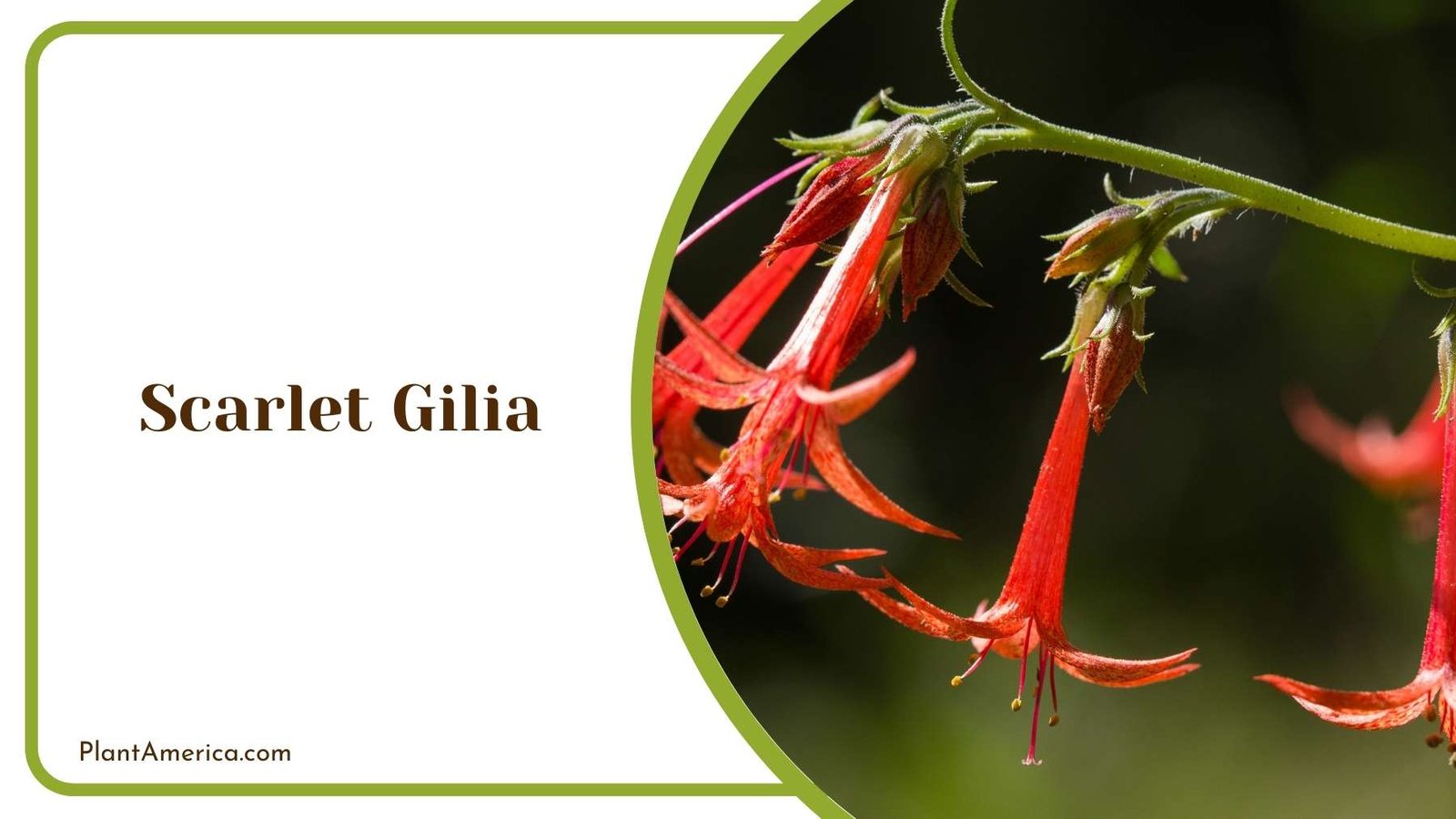
14. Scarlet Gilia
- Growing Season: Spring, Summer
- Leaf Type: Finely divided, thread-like leaves, Trumpet-shaped red flowers
- Specific Needs: Loose, well-draining soil, Full sun
- Common Pests: None
Scarlet gilia lights dry meadows and hills alight with vibrant red blooms from May through July. Slender, branching stems carry numerous tubular, scarlet flares that butterflies, hummingbirds, and other pollinators eagerly seek after. Finely cut foliage resembles thin green threads, scarcely impeding the arising brilliant trumpet-shaped corollas.
Thriving in friable, loose soils with adequate drainage, this sun-loving wildflower relishes sparse, low-nutrient terrain where few other plants can take root. Remarkably, gilia manages to adapt to a wide variety of habitats, from montane valleys up to subalpine heights anywhere conditions are sufficiently dry. Periodic rainfall and full exposure to the sun are enough to sustain its robust growth throughout the warm seasons.
Wildlife across the Rocky Mountains depend widely on gilia for sustenance. In addition to pollinators, songbirds procure the plant’s nutritious seeds during fall migration. Some Native American tribes, such as the Ute, incorporated extracts from this flower to treat wounds and infections, leveraging its antiseptic and antimicrobial properties. Even deer and pronghorn browse on scarlet gilia when other forage is scarce.
With its bright scarlet flowers flashing from barren mountainsides, scarlet gilia truly personifies resilience through simplicity. Its persistent presence livens untold high country acres annually without needing fussy soils or pampering.
Whether scattered alone or in large drifts, these hardy blossoms remain emblematic symbols of wild spirit, lifting color and life from the harshest terrain through nature’s effortless gifts. Scarlet gilia is a welcome splash of brilliance during its short blooming season each summer.
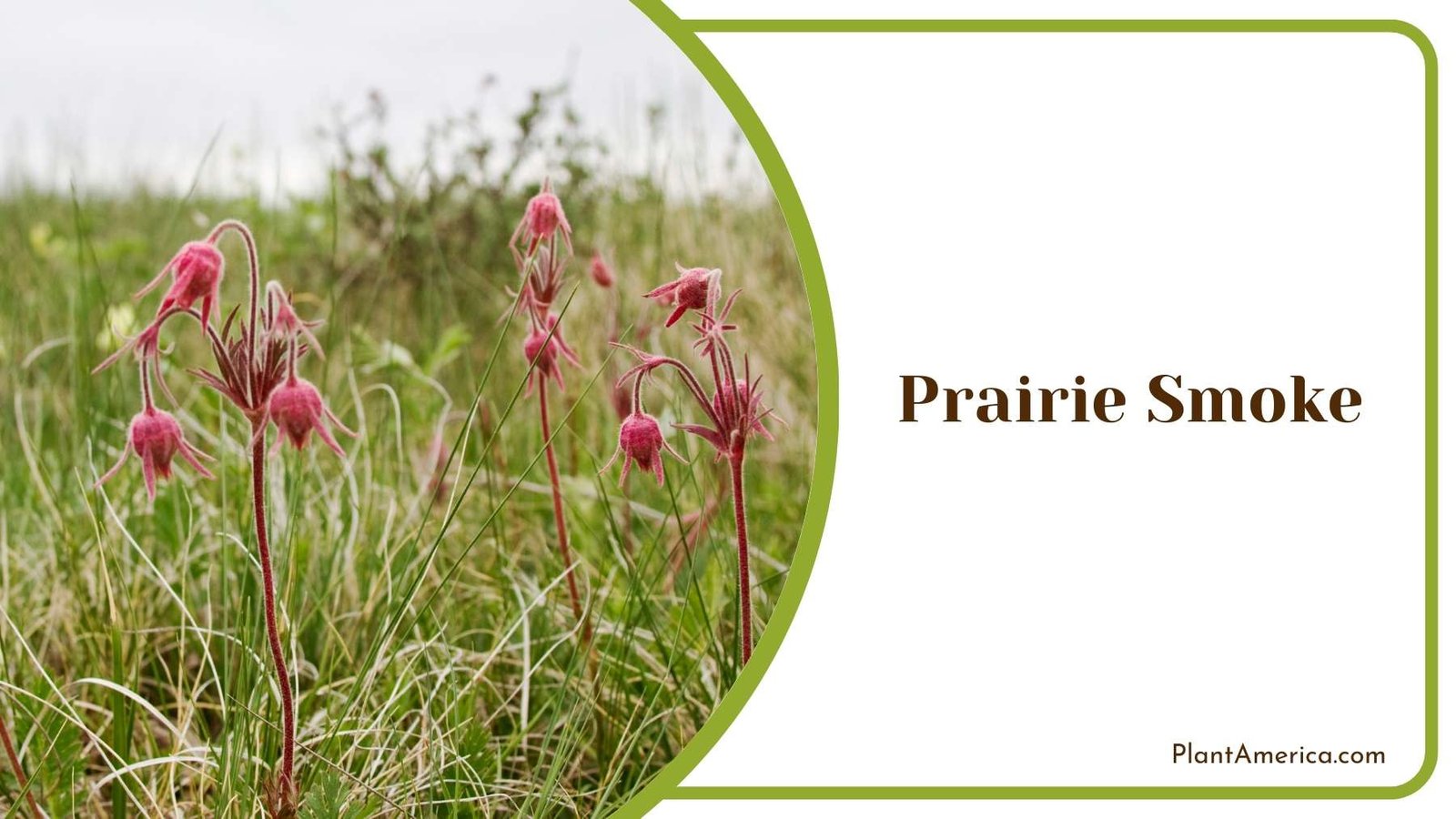
15. Prairie Smoke
- Growing Season: Summer
- Leaf Type: Fine, thread-like leaves, Pink, puff-like flower clusters
- Specific Needs: Well-draining soil, Full sun
- Common Pests: None
Across western grasslands, wispy plumes of pale pink arise each July and August, gifting landscapes with subtle charm. Commonly known as prairie smoke, this native wildflower drifts heavenly tufted blooms prairie wanderers glimpse from afar as gentle clouds float above sun-bleached scrub.
Closer inspection reveals puffs composed of myriads of fine filaments so diminutive and soft as to be brought by the wind. Only roots mooring these ethereal masses indicate true presence despite appearances otherwise spectrally insubstantial. Thin green leaves lace basal tufts nearly invisible against sunbaked earth.
Nothing ostentatious marks prairie smoke, yet its subtle magic lingers. Bees, butterflies, and assorted pollinators float amongst fairylike plumes rewarded with nourishing nectar. Songbirds feast upon seeds once cloudbanks fade, sustaining generations of avian nomads.
For pioneers across stark prairie vistas, whispers of prairie smoke signified life and beauty wherever sighted. So, this quiet charm also livens untamed spaces with a gentle reminder that tenacity comes in all forms, substantial or seemingly not. Its minimal presence uplifts spirits across parched lands with blessings as light as drifting skies.
16. Spruce
- Growing Season: Year-round
- Leaf Type: Needle-like, scale leaves, Cones
- Specific Needs: Cool, moist climate, Acidic, well-draining soil
- Common Pests: Spruce budworm, Aphids, Mites
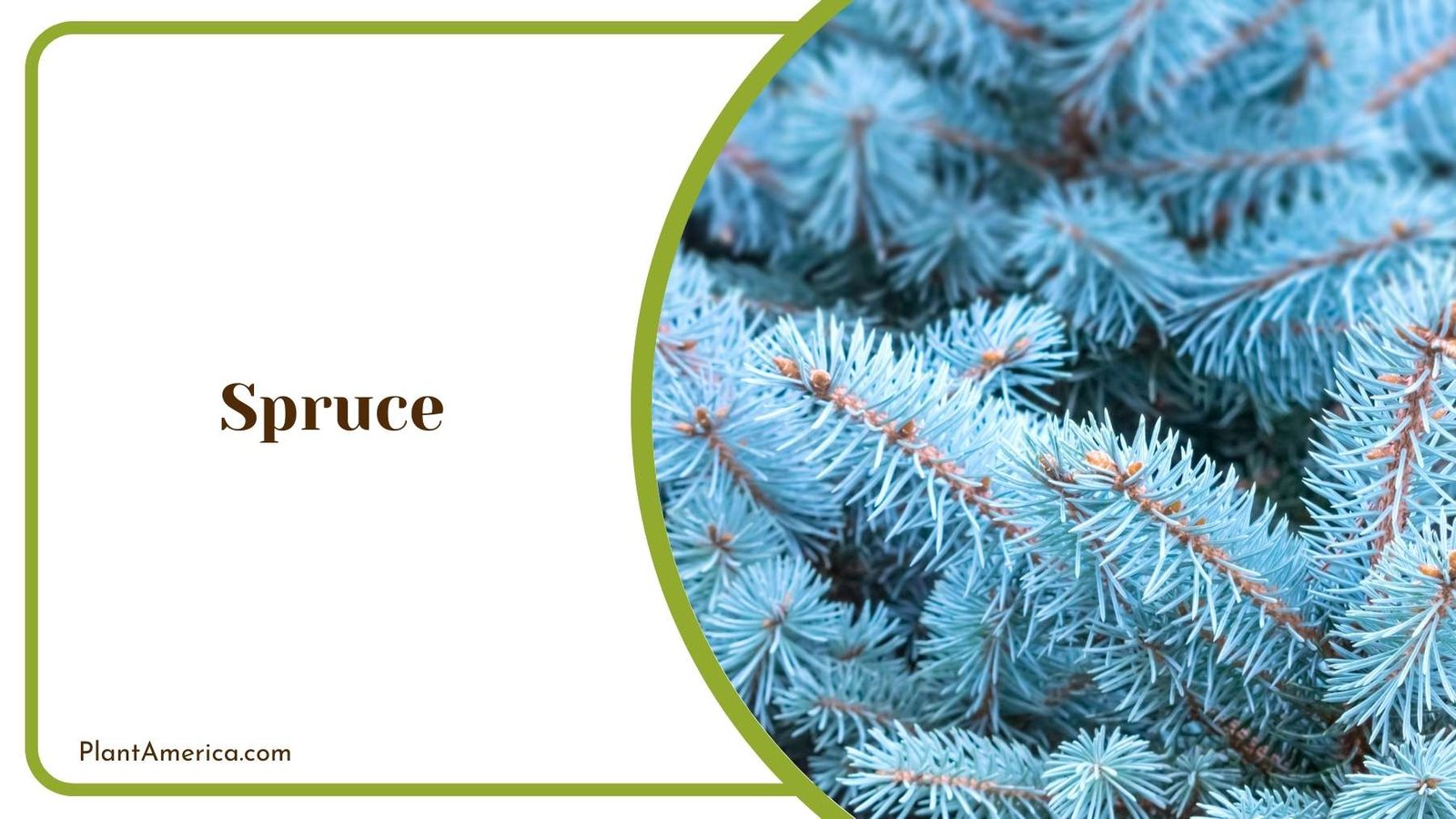
Throughout the subalpine woodlands of the Rocky Mountains, stately spruce sentinels stand steadfast. Hardy and opportunistic, they thrive where few other trees can grow in the cool, harsh climes high in the mountains. Reaching heights over 100 feet tall, spruce lends majesty and shelter wherever its roots take hold.
Three native spruce species call these high elevations home. Blue spruce, white spruce, and Engelmann spruce all boast small, scale-like evergreen leaves and pendulous cones that ripen optimally in the chilly alpine airs and acidic, moisture-retentive soils where they put down roots. Their sturdy branches weave helical tapestries that shelter various bird species and small mammals within the protective boughs.
Come winter, the persistent green needles supply crucial sustenance to wildlife. Deer, elk, snowshoe hares, porcupines, squirrels, and other small rodents browse the nutrient-rich branches for energy and vitamins to see them through the cold, snowy months. The ripened nuts and cones in the fall and winter likewise nourish birds and small mammals, and the seeds they disperse will take root come spring.
Furthermore, spruce exudes resilience through the centuries, far outliving most transient human lives. They persist as silent sentinels, observing endless cycles of the seasons and changes in the landscape. Their calm, unwavering presence instills hope that the wonders of wild nature will outlive humanity’s fleeting imprint. Generations of creatures have and will continue to find solace under the spread boughs of the high-elevation spruce for ages.
17. Ponderosa Pine
- Growing Season: Year-round
- Leaf Type: Long, needle-like leaves in bundles of 3, Cones
- Specific Needs: Well-draining soil, Full sun
- Common Pests: Mountain pine beetle, Western pine shoot borer
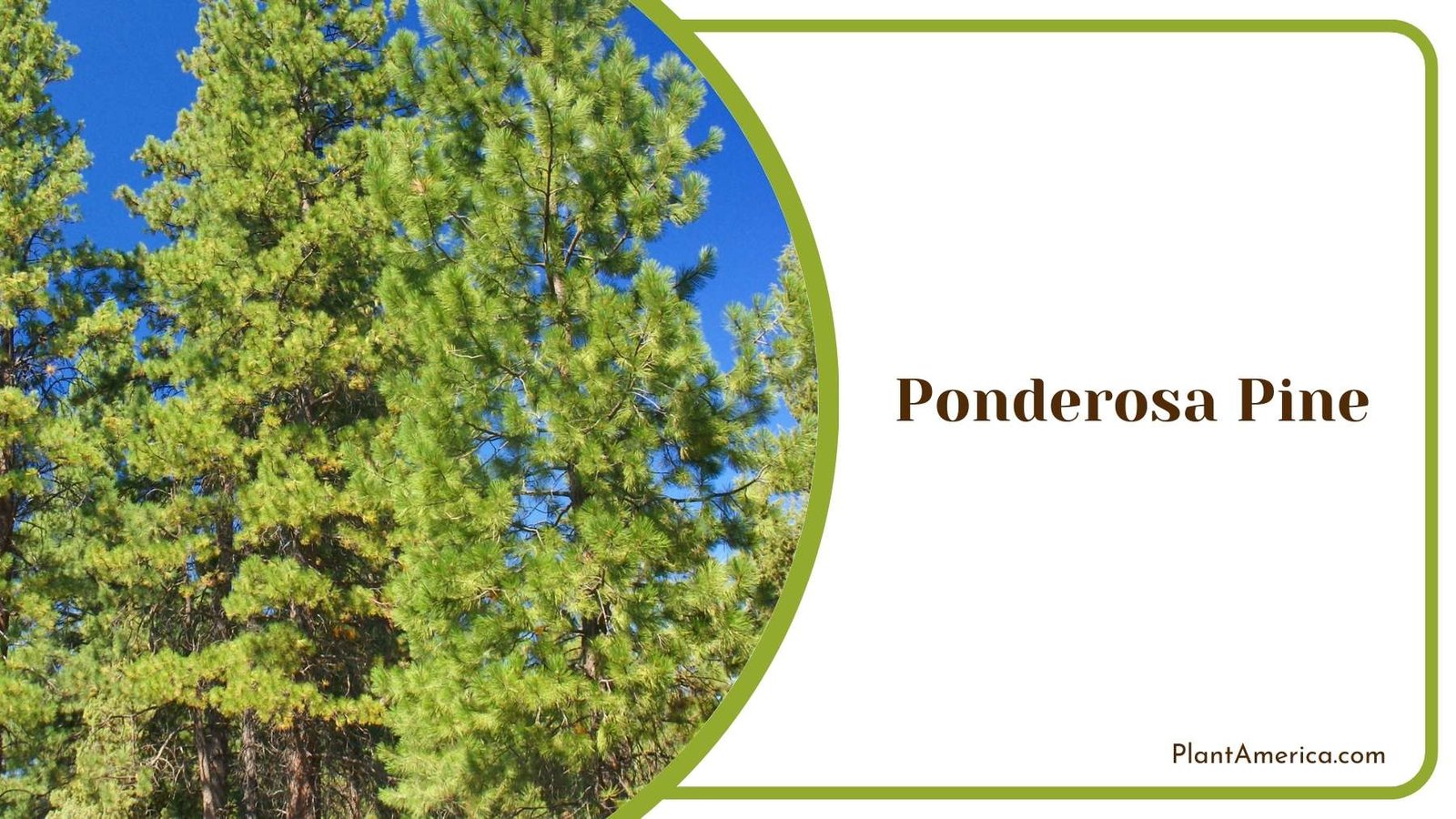
Majestic ponderosa pines define the Front Range, lending towering stateliness across high prairies and foothills. Their ridged bark exudes warmth in colors, changing subtly like sunlight through differing seasons. Branches carry in bundles narrow needle leaves whispering secrets to mountain winds for listeners’ patience.
Roots take hold where conditions suit – well-draining, nutrient-rich soils and ample sun – pines thrive into giants sentinel of 150 years or more. Women and children of Arapaho and Cheyenne peoples once gathered seeds after cones ripened, priding nourishing fats and nutrients within pine nuts harvested.
Come winter, persistent needles ongoingly feed hungry deer and elk herds. Considerate trees also host dozens of bird species nesting amidst boughs and sipping sap from trunk wounds. Nutcrackers especially rely on pines, hoarding seeds underground to sprout new saplings come spring.
Today, mature pines harbor cavity nests for bluebirds, flickers, and more. Their resin remains prized for medicinal use by Waldorf schools and tribes alike, an offering of well-being from old forest friends. Through lifespans spanning human and natural histories, ponderosa pines stand steady beacons of resilience, constancy, and shelter within the ever-changing Colorado landscape.
18. Douglas Fir

- Growing Season: Year-round
- Leaf Type: Flat, soft needle-like leaves, Cones
- Specific Needs: Moist, well-draining soil, Partial shade
- Common Pests: Douglas-fir tussock moth, Western spruce budworm
Looming tall beneath canopies alongside streams throughout Colorado’s northern mountains, graceful Douglas firs impart solemn majesty. Reaching over 100 feet, sturdy trunks bring stability while delicate flat needles blanket boughs in refreshing greenery.
Roots take hold where the soil stays rich and moist, light-dappled by neighboring Ponderosa pines and Colorado blue spruce. Here, towering Douglas firs thrive for centuries, their trunks expanding rings glorifying each passing year. Cones ripening high overhead spread genetic perseverance on mountain breezes.
Small game finds refuge amongst low-sweeping boughs, while myriad birds nest safe from predators. Red squirrels cache cones, their stored seeds later sprouting new saplings. Come winter, deer, and elk browse needles for sustenance. Bark holds medicinal compounds utilized by native peoples for millennia.
Standing witness to nature’s wonders unfolding through time immemorial, these noble sentinels call old-growth groves home. Their gravitas instill deep calm within all who behold giants gracing Colorado’s wild spirit with resilience, protection, and boundless thanks for forests’ gifts that nourish both soul and body evermore.
19. Western Wallflower
- Growing Season: Spring, Early summer
- Leaf Type: Simple, lobed leaves
- Yellow flowers
- Specific Needs: Well-draining soil, Full sun
- Common Pests: None
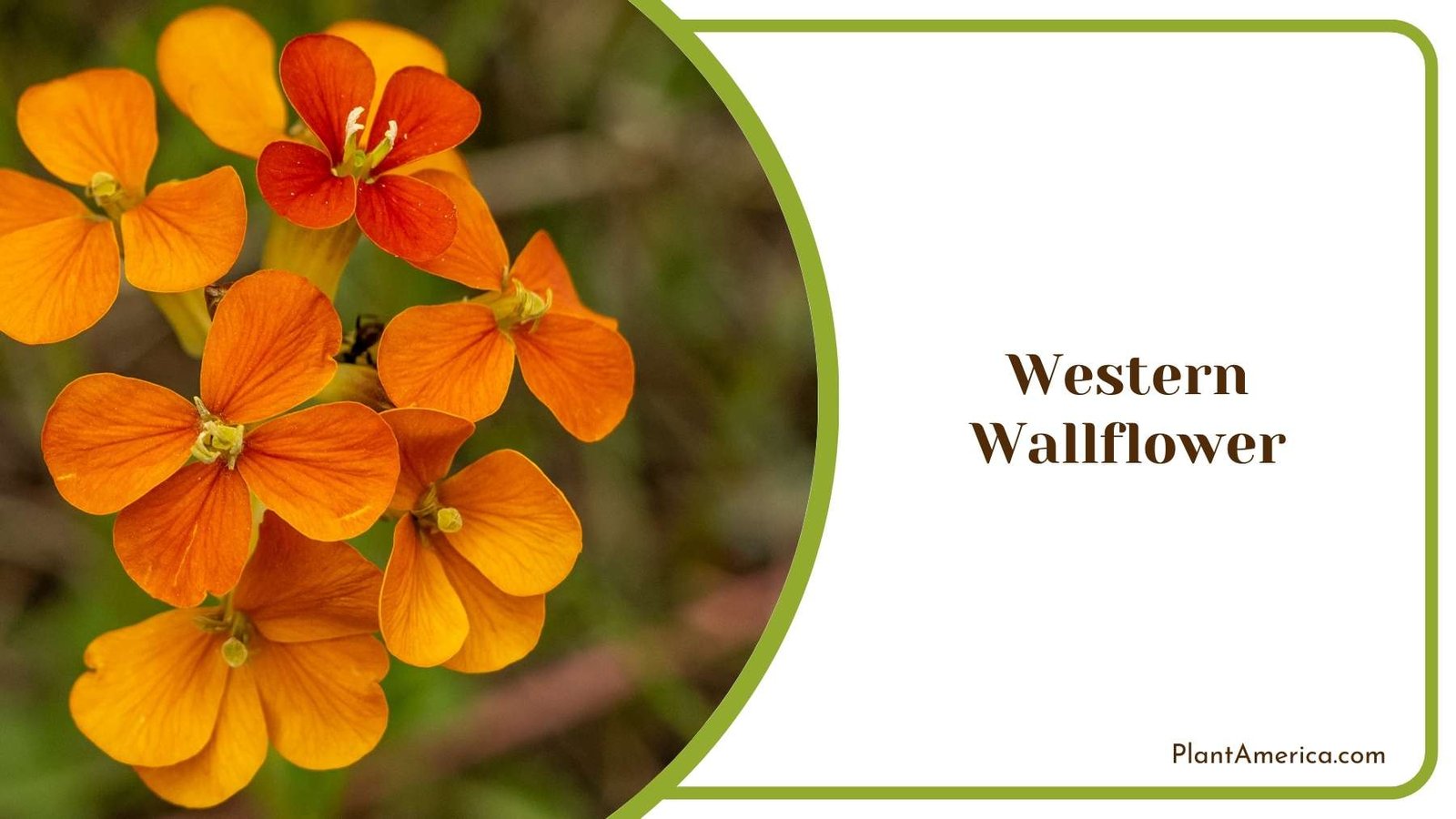
Brightening western slopes with cheer, Western wallflowers arise each spring bearing brilliant yellow blooms. Low-growing and scrambling omnipresent throughout foothills, these perky natives light barren terrain with high spirits.
By early summer, simple lobed foliage spreads thinly while stems branch repeatedly displaying frilly corollas eagerly awaited by foraging bees. From creeping roots, hardy genetics allow wallflowers to take hold wherever stubborn sun and soil permit.
Come June, generous pollen and nectar provisions sustain busy pollinators founding new generations. Later seeds also feed birds and whitetail mice, increasingly reliant on wallflowers’ persistence. Native peoples applied mashed parts medicinally to alleviate pain or treat minor wounds and infections.
With habits as hardy as their brilliant mood, wallflowers epitomize resilience amongst fellow flora facing arid seasons. Through lean times, their golden presence continues uplifting all souls, witnessing how unforgiving climes bloom gorgeous through nature’s cooperative gifts. Persisting with cheer wherever Colorado’s soul shows through, wallflowers inspire gratitude for Earth’s hardworking wild ones.
20. Evening Primrose
- Growing Season: Summer
- Leaf Type: Alternate, lobed leaves, Yellow funnel-shaped flowers
- Specific Needs: Moist, well-draining soil, Full sun
- Common Pests: None
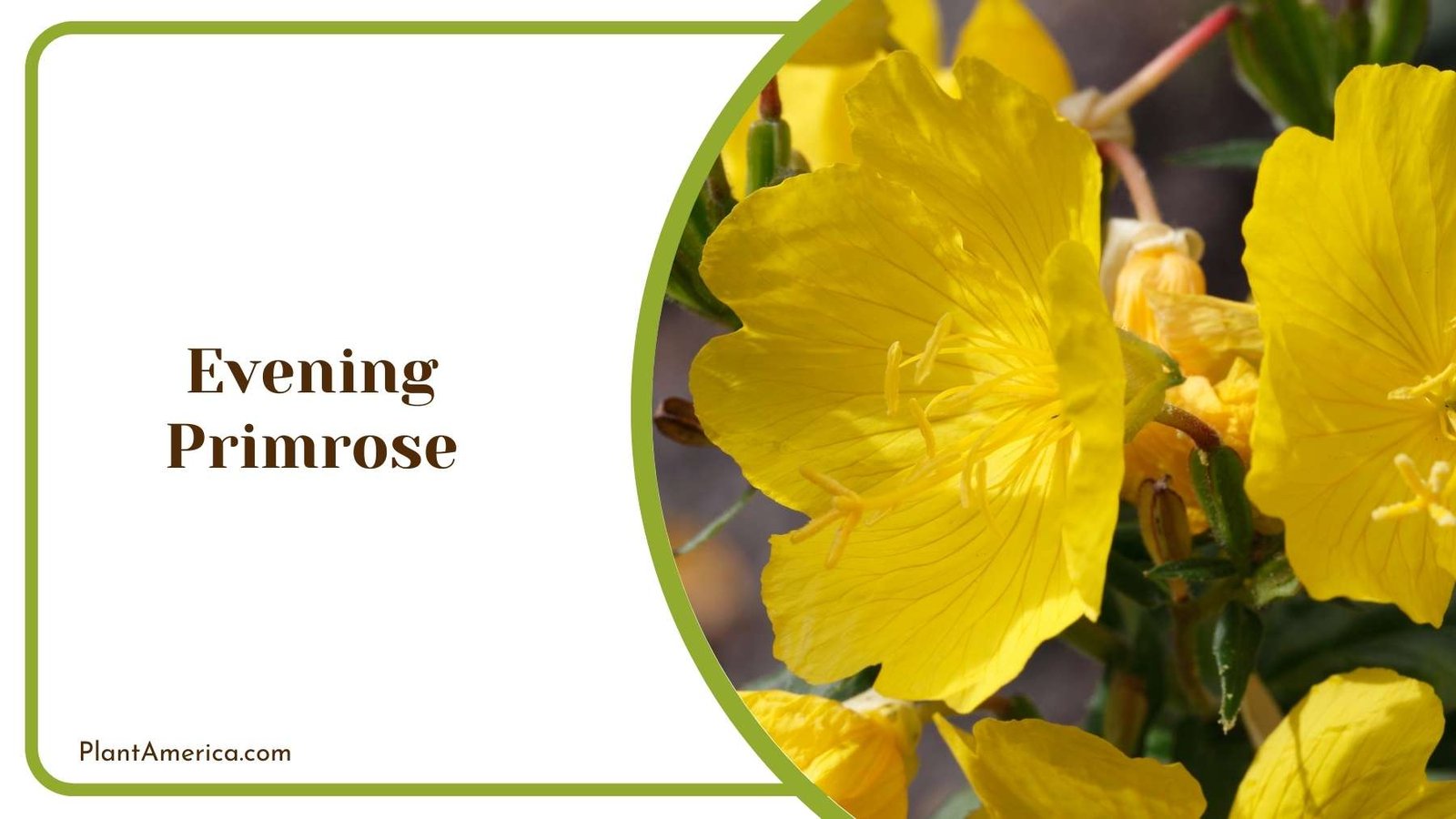
Across western grasslands each summer, golden sunsets inspired by evening primrose blooming. Long into twilight and beyond, brightly hued corollas shine as beacons across the prairie, inviting nighttime pollinators to feast on floral fancies.
Elongating stems lift cheerful blooms to four feet above lobed green leaves and branched bases originating from sturdy roots. Throughout days of warmth, flowers unfold, welcoming bees, moths, and quieter creatures, briefly igniting darkening scapes with nourishing nectar and pollen provisions.
Come autumn, capsules burst, releasing small seeds transported by winds or feathered couriers to new potential patches. Many indigenous tribes recognized evening primrose medicinal properties, mashing roots to alleviate pain, fevers, or respiratory issues.
Conclusion
This article discussed 20 beautiful native Colorado wildflowers well-suited for mountain gardens. Some top recommendations include:
- Blanketflower: Forms dense ground cover with daisy-like blooms in yellow, orange, and red, providing forage for pollinators and birds.
- Mountain bee plant: Clusters of yellow tubular flowers on sturdy stalks thrive with partial shade and moist soil near streams or forests.
- Scarlet gilia: Brilliant red trumpet flowers light up hot, dry areas with minimal needs beyond the sun and excellent drainage.
By selecting hearty regional plants adapted to your locale’s conditions, your mountain garden can provide valuable habitat while flourishing with far less fussing. Remember that even small native plantings positively impact local biodiversity and connect natural areas across the landscape.