
Mealybugs on Swedish ivy of the Asteraceae family can be distressing for any plant enthusiast. Your once lively, green plants now look sad and droopy, all because of these pesky little pests. But don’t worry; we’re on a mission to fix this.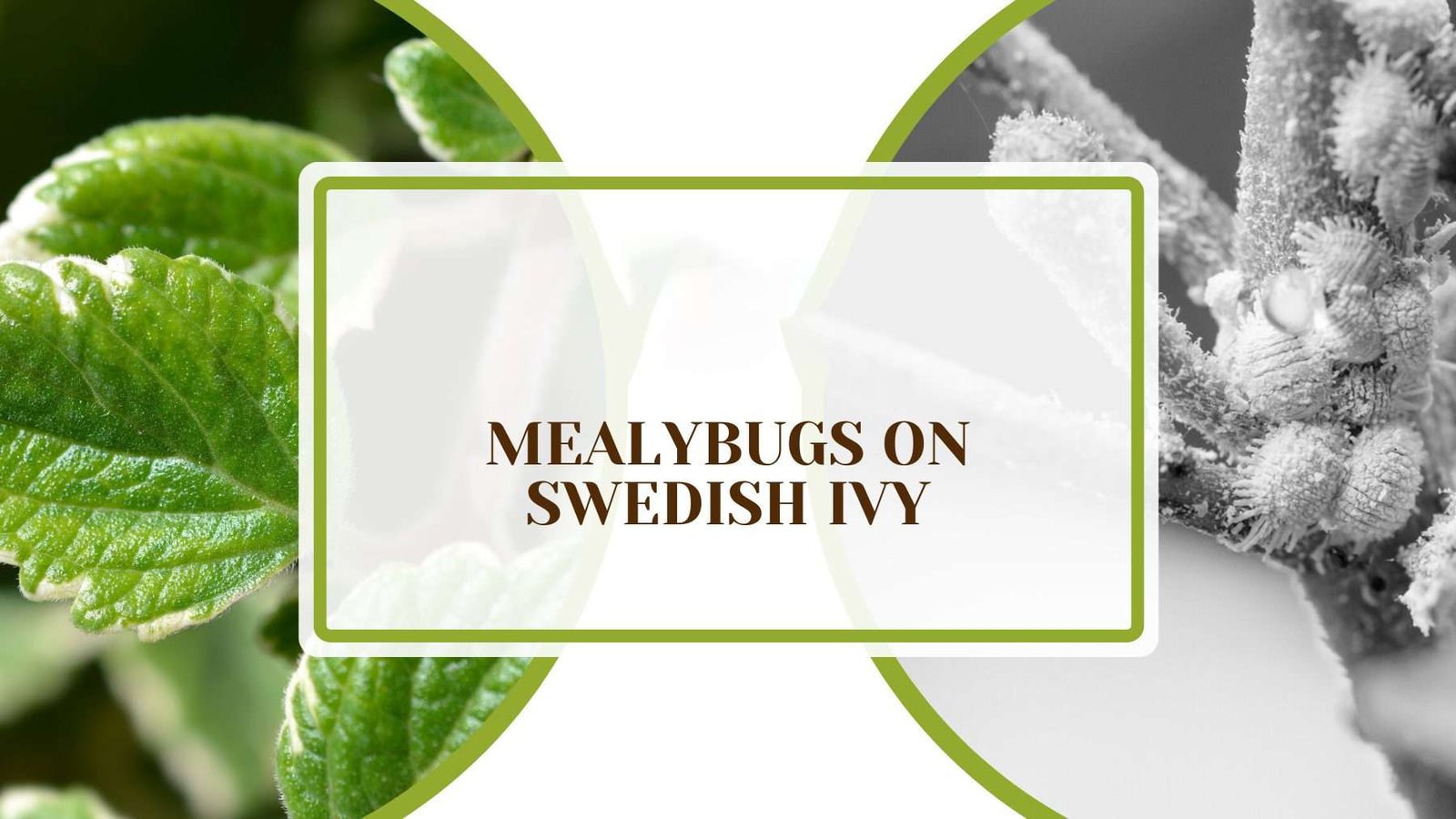 Read out solutions, apply them on your ivy plants, and make your garden free from bugs.
How Detrimental Are Mealybugs On Swedish Ivy?
Mealybugs are very detrimental to Swedish ivy because they suck the cell juice from the leaves and stems, causing the plant’s wilting, yellowing, and eventual death. These bugs also release sticky substances that can lead to fungal growth. Sometimes, Ivy’s death can also occur.
– The Stealthy Sapping of Swedish Ivy Benefits
We enjoy the calming sight of Plectranthus australis Swedish ivy in many gardens. This plant gives a very aesthetic and cozy look to your garden. However, a mealybug infestation threatens to drain these benefits dry.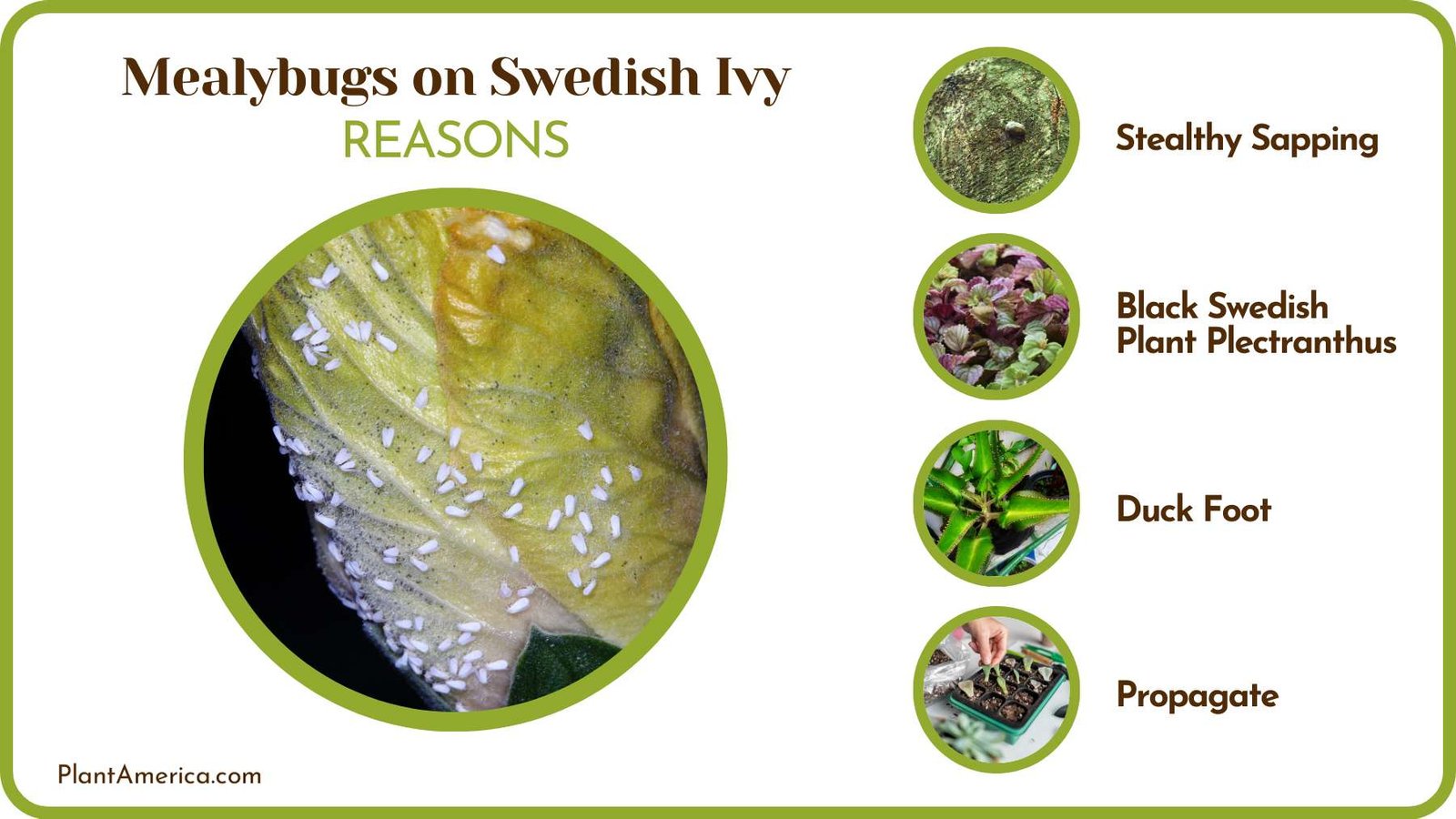
These pests suck the cell juice, which makes the foliage weak. This means the plant can’t grow properly and ends up in bad shape overall.
– Black Swedish Plant Plectranthus: An Unwelcome Color Change
If you’ve got a black Swedish ivy plant Plectranthus, you’re probably in love with its unique dark foliage. Unfortunately, mealybugs aren’t picky about color. They can attack any plants that seem defenseless or juicy.
– Duck Foot Swedish Ivy Plants: Not Safe From Mealybugs Either
You might think your duck foot plant is safe with its unique leaf shape. Sadly, mealybugs aren’t discerning diners. These little pests aren’t picky eaters – they’ll peck on any part of the plant they can reach.
– When Lace Swedish Ivy Plant Plectranthus Becomes a Feast
Lace Swedish Ivy, or Plectranthus, is another ivy variant that can fall victim to mealybugs. Their attack can cause issues, like leaves changing color and growth getting stunted.
– Difficulty In Propagate Swedish Ivy Due to Mealybugs
You can take a small part of an existing Swedish ivy, like a cutting, and use it to grow a whole new plant. However, the presence of mealybugs hinders this process. By sapping the strength of the parent plant and possibly even the cuttings, these pests make it much harder to grow new plants.
– Is Swedish Ivy Edible? Not When Mealybugs Are Around
In some cultures, ivy is consumed as a culinary herb. However, if your plant has a mealybug infestation, it’s unsafe for consumption. Those pests can be pretty messy – they leave behind waste and sometimes even harmful stuff that can be dangerous if accidentally consumed.
Now, let’s talk about our lovely Swedish ivy. It’s not just about looks; this plant has much to offer. You can put it in a hanging basket for a charming touch, or it can jazz up a garden border with its presence.
It’s more than just a pretty face – it’s a multitasking plant that brings beauty and function to your space. However, these uses are minimal when a mealybug infestation weakens the plant. It’s difficult to appreciate the aesthetic value of a visibly suffering plant.
– Threat to Swedish Ivy Medicinal Uses
One of many Swedish ivy uses is part of many home remedies. But mealybugs can throw a wrench in the works. They suck the plant’s nutrients, weaken them, and leave behind stuff that could cause further damage.
It’s not just about the bugs making the plant look bad – their waste and other leftover stuff contaminate the plant material.
Things to Do When You Treat Mealybugs on Swedish Ivy Plants
Things to do when you treat mealybugs on Swedish ivy plants include quarantining the plant and pruning the infested parts. The next step is to try remedies like sticky banding and cold treatment. You can use beneficial insects or apply products like diatomaceous earth and cinnamon powder.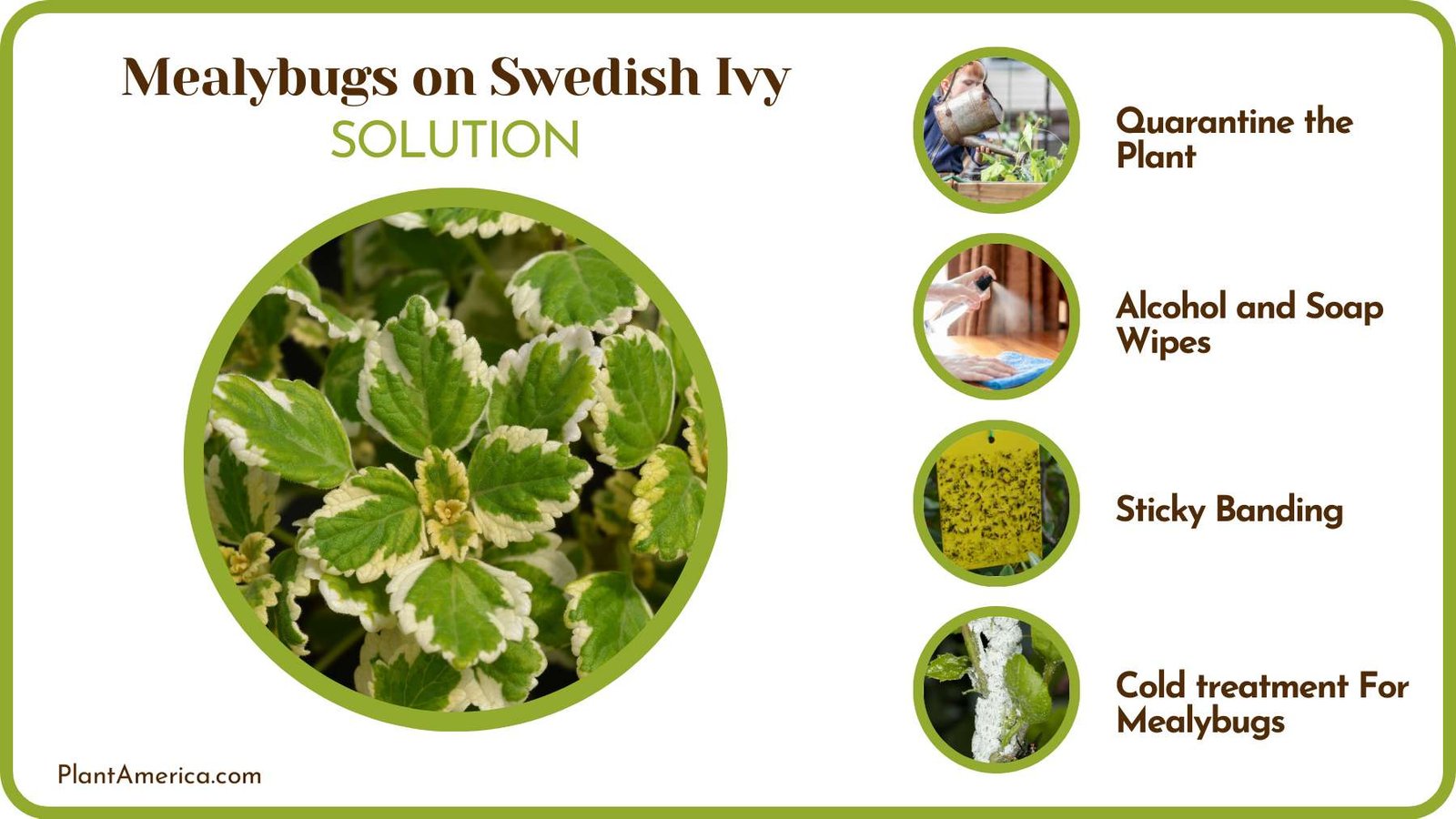
– Quarantine the Plant and Prune Out Infested Parts
Now is the time to get rid of mealybugs on ivy. The first step we must follow immediately is to quarantine the affected plant. Mealybugs can spread from one plant to another, which means more destruction. You must isolate the infected ivy to reduce the risk of pests attacking other plants.
Now, quarantining isn’t a silver bullet. It won’t eradicate the mealybugs on its own. But it does buy us time to apply other treatment methods without risking a full-blown infestation of our entire garden or houseplant collection.
Next comes pruning. We have to be ruthlessly efficient here. Any part of the plant with visible mealybug presence needs to be removed.
Speaking of which, we’ve heard reports of purple Swedish ivy problems related to mealybug infestations. It’s worth noting that these pests don’t discriminate based on color, and all variants of Swedish ivy, including the eye-catching purple ones, are equally susceptible. So if you’re a purple ivy owner, this advice applies to you just as much.
– Alcohol and Soap Wipes
Once we’ve isolated and pruned the ivy, we must eliminate the remaining mealybugs. One effective method is wiping the plant with alcohol and soap. This mix acts as a double whammy – the alcohol helps dissolve the protective waxy layer on the mealybugs, and the soap helps to suffocate them.
 Be careful while doing this method, as you can easily harm the plant. The solution should be diluted appropriately – we usually recommend a ratio of about 1 part alcohol to 3 parts water, with a few drops of dish soap. It’s best to first test this solution on a small part of the plant, especially when dealing with indoor plants.
Indoor plants often have a different growing environment than outdoor ones and might respond differently to treatments. Also, because indoor plants are usually closer to us (literally), we need to be extra careful about using substances that won’t harm us or our pets. But it does not mean Swedish ivy outdoors doesn’t require care.
Moreover, you must also do extra maintenance if you are a variegated Swedish ivy owner. This beautiful variety of ivy is just as likely to be targeted by mealybugs and spider mites. So, be mentally prepared to do all the treatments on this plant too.
– Sticky Banding
In this method, you must put a sticky substance around the plant’s stem to create a barrier that stops mealybugs from moving freely up and down. Here’s the thing: you need to be strategic about where you put this sticky band. Those sneaky bugs might crawl over it if it’s too low. So, you must monitor it and change the sticky substance regularly.
– Cold treatment For Mealybugs on Swedish Ivy Indoors
Moving on to the next strategy, cold treatment. Mealybugs can be tough, but even their weakness is the cold temperature. They don’t like cold temperatures. It’s like sending them off to a place they can’t handle, and that’s a win for you and your plant.
A few hours in a refrigerator or an unheated room during winter should do the trick. Remember, you must be super careful not to harm the ivy in this cold treatment. After all, some plants may not be too keen on the cold either!
Also, remember that cold treatment is a one-off solution, ideal for dealing with a small infestation or as a last resort. It’s a less suitable long-term strategy, as mealybugs can re-infest plants after treatment.
– Dust Diatomaceous Earth and Cinnamon Powder
Diatomaceous earth has sharp edges that can pierce the bodies of mealybugs, causing them to dehydrate and die. Cinnamon powder, on the other hand, is a more natural household remedy. Many gardeners believe that the smell of cinnamon can deter mealybugs.
When applying these powders, it’s best to dust lightly, covering the plant but not smothering it. Make sure the powder reaches the undersides of the leaves.
– Products containing the systemic insecticide dinotefuran
Sometimes, despite our best efforts, mealybugs persist. This is where systemic insecticides, specifically those containing dinotefuran, come in. Dinotefuran is quite a unique insecticide. It messes with pests’ nervous systems, which eventually leads to their death.
Unlike other insecticides, it doesn’t just target the surface – it goes deeper. The plant absorbs it once applied, distributing it throughout its tissues. Any mealybugs that feed on the plant ingest the insecticide and are affected.
Products containing dinotefuran can be beneficial in dealing with stubborn infestations or when the mealybugs have spread to hard-to-reach places on the plant. Always follow the manufacturer’s instructions, and avoid overuse, which could lead to insecticide resistance.
– Keep Area Around Ivy Clean
Keeping your ivy surroundings clean is a smart move to tackle those pesky mealybugs. It’s all about staying on top of things – make it a habit to clear away dead leaves, branches, and any other junk.
Remember- a clutter-free environment allows your plant to breathe easier and soak up more sunlight. So, give your ivy some room to shine by sweeping away the mess. Plus, keeping the surroundings tidy makes spotting any problems early on easier.
It is also crucial to talk about the “watering Swedish ivy” method here. It should be a bit of a “balancing act,” as overwatering can lead to root infections, like root rot. Furthermore, drain the excess liquid and allow the potting soil to dry before you re-water.
– Repot the Plant If Needed (Care Guide)
It’s important to remember that sometimes our ivy might need a new home! If the pot is overrun with mealybugs or the plant has outgrown its space, it’s time for a pot change.
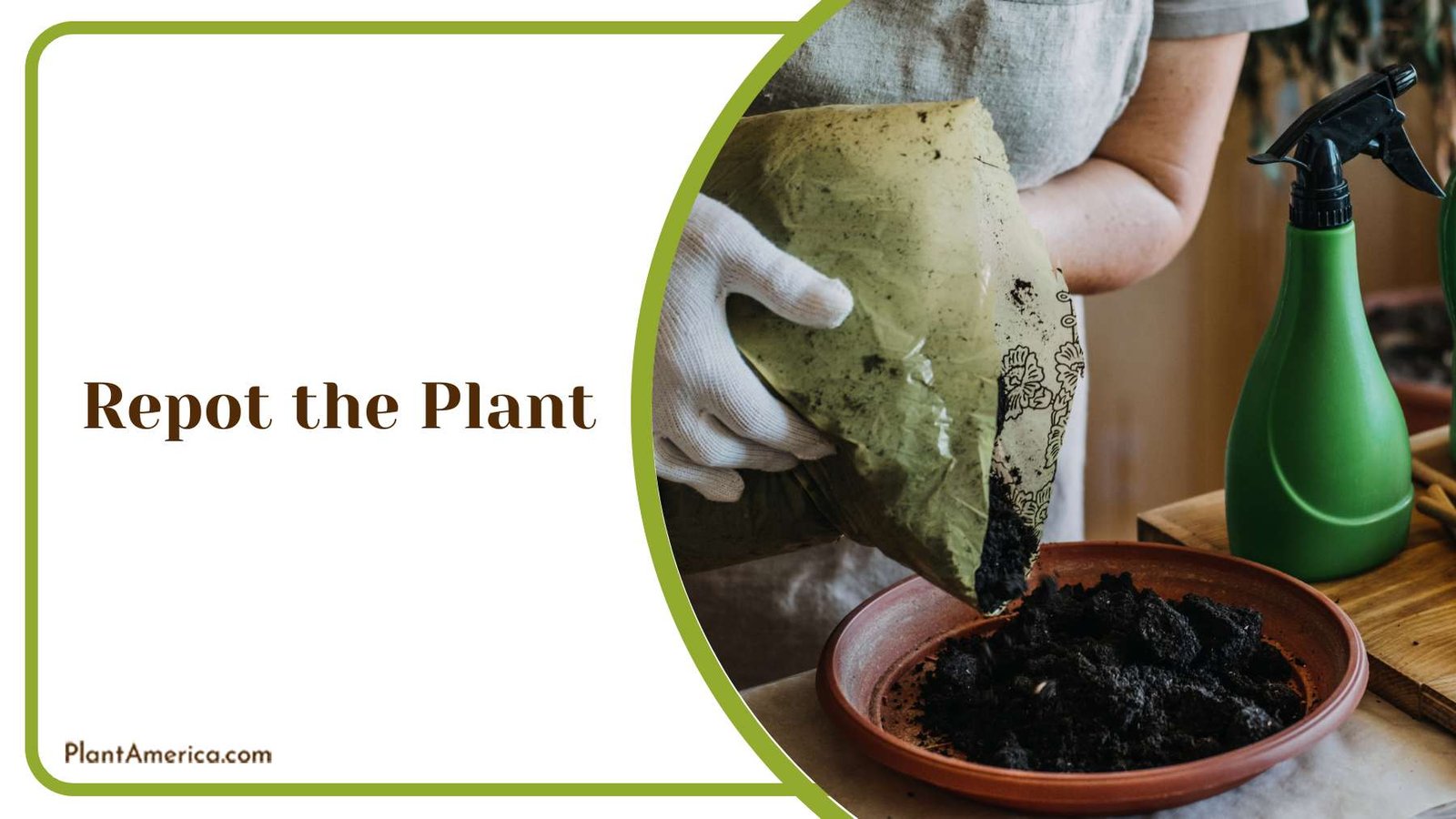 Now, let’s discuss some easy-growing tips/growing guide about repotting:
- First, remove the ivy from its current pot, shaking off excess soil.
- The next step is to examine the roots of ivy thoroughly. If they’re tightly wound or growing in a circle, gently tease them apart.
- Now, it’s time to shift your plant to the brand-new pot. Make sure the pot is clean and has good drainage.
- Place some fresh potting mix at the bottom, then put the plant in, spreading the roots out.
- Fill around the plant with more mix, but don’t bury the stem.
- Please give it a good watering; your ivy has a new home!
Remember to put the newly potted plant in a bright spot for more ivy plant care tips. Keep the soil moist but not waterlogged. With good care, your Swedish plants should thrive!
– Discard Heavily Infested Plants
Plants like the Swedish ivy, or its relative, the creeping charlie, are resilient and grow back with gusto. But sometimes a plant might be so heavily infested with mealybugs that it’s beyond saving. The best thing you can do now is get rid of the plant.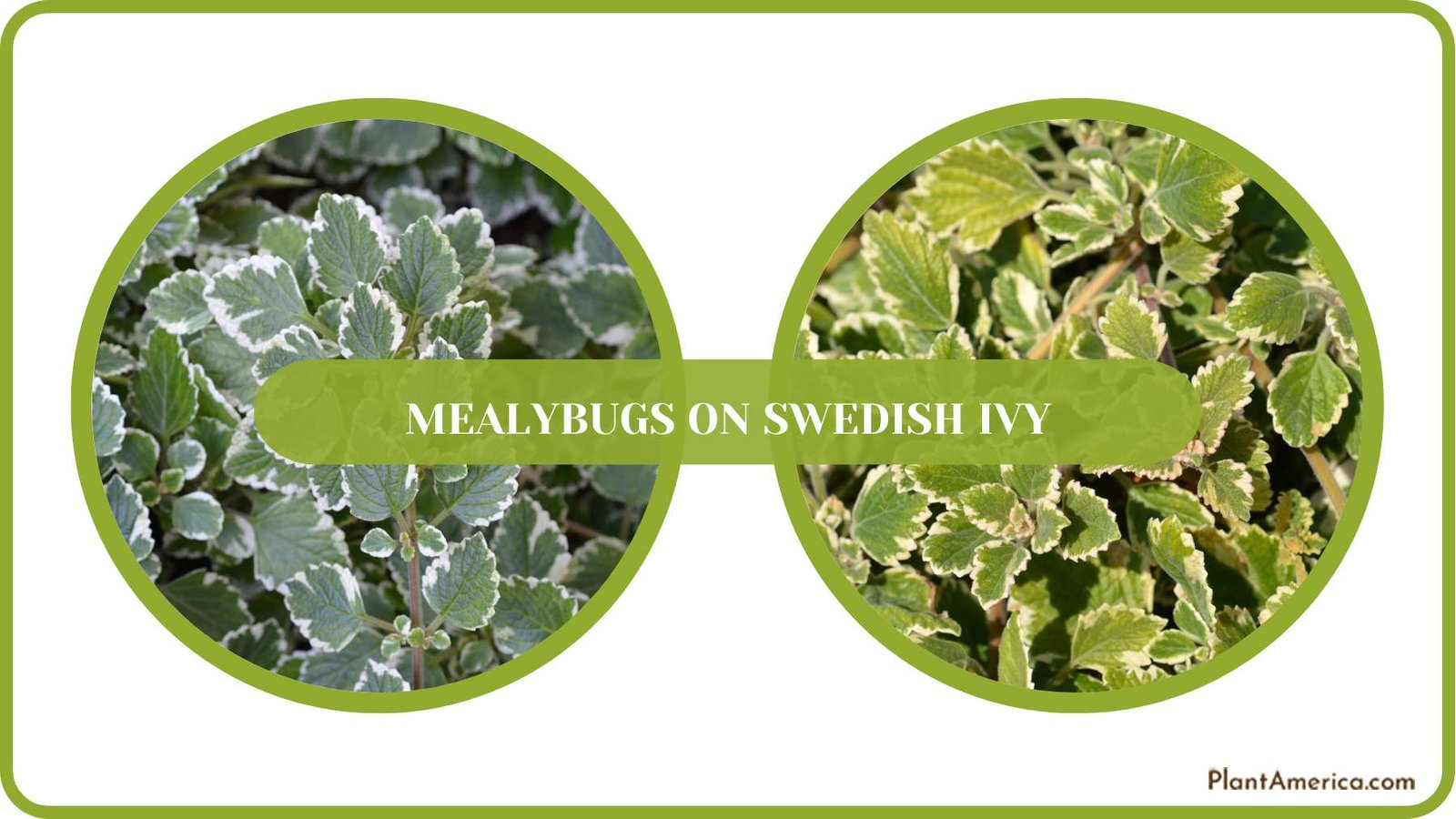
Conclusion
All-inclusive, mealybugs can severely threaten your Swedish ivy, but the situation is far from hopeless. We’ve talked about different ways to take care of our plants – things like trimming and keeping things neat, all the way to using special bug sprays. Here are vital steps to remember:
- Regularly inspect and clean your plants to catch infestations early.
- Use a multi-pronged approach: pruning, wiping, and banding, to beneficial insects and insecticides.
- Keep the area around your ivy clean and provide optimal growing conditions.
- Repot the plant if needed, and don’t be afraid to discard heavily infested plants to protect others.
- Always follow suitable measures to keep your ivy healthy and less susceptible to pests.
By following all the steps mentioned above, we can ensure our ivy garden stays healthy and thriving.