
Ivy leaves turning brown is a concerning sight for many plant enthusiasts. It signals that your beloved Ivy faces challenges, like watering issues, unsuitable light conditions, or pests. Fortunately, stopping the discoloration is simple.

Stay with us as we explain the main reasons behind this issue and offer expert insights.
What Are the Leading Causes Behind Ivy Leaves Turning Brown?
The leading causes behind Ivy leaves turning brown are improper watering, exposure to unsuitable light conditions, and temperature fluctuations. The leaves can also have big brown patches if plant roots are stressed. Other reasons include poor air circulation, disease attacks, and pests like mites.
– Underwatering or Overwatering
One of the most common reasons for the “Swedish ivy leaves turning brown and falling off” or the “English ivy turning brown” is incorrect watering. We all know that water is crucial for plant leaves to stay green. But both more or less of it can lead to brown marks.
When we talk about underwatering, we mean the plant isn’t getting the water it needs. This makes the leaves start to dry out, get brown, and eventually fall off. Now, if you’re thinking, “I’ll just water it more,” be careful. Overwatering can be just as bad, if not worse.
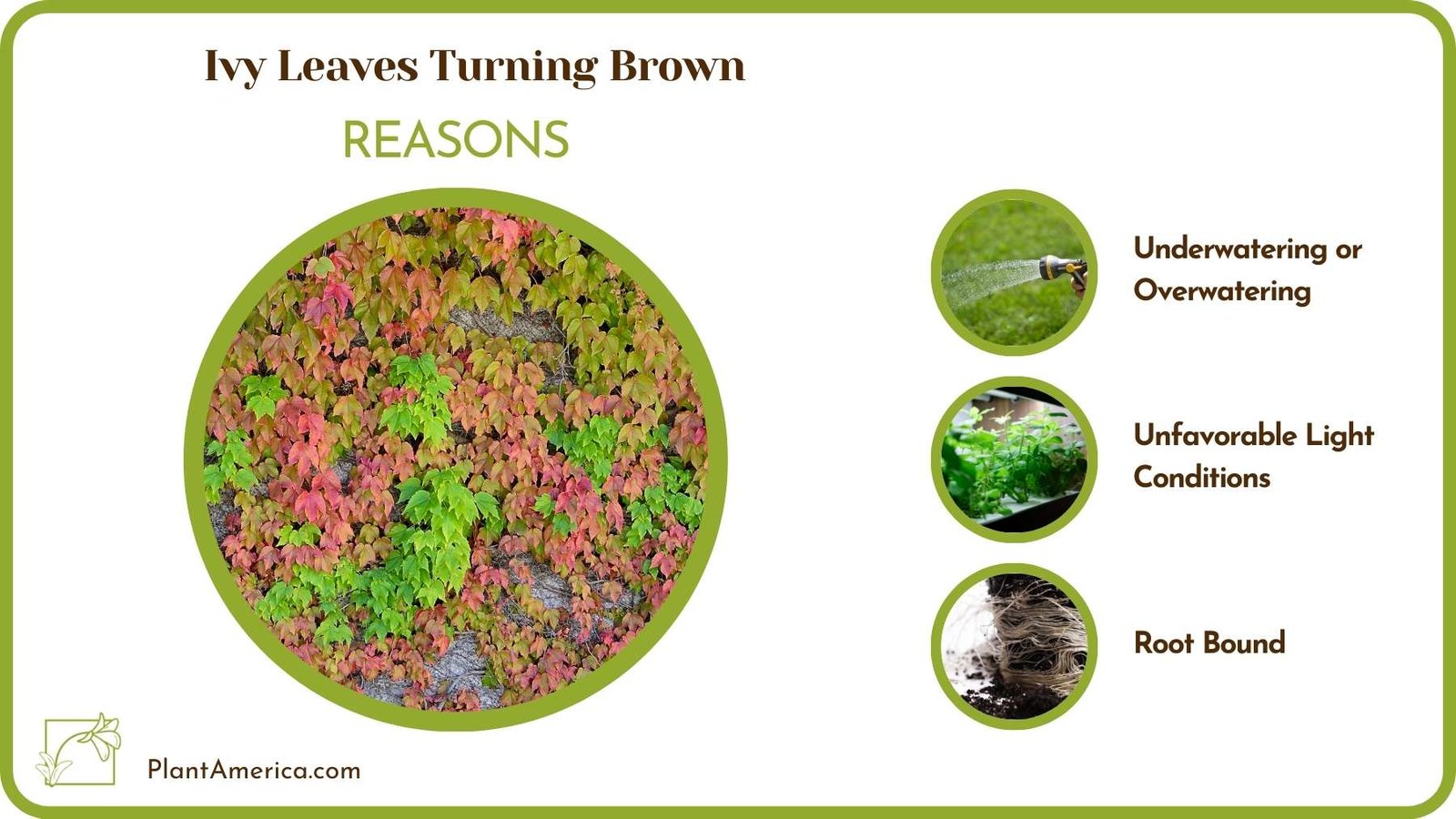
When a plant is overwatered, the soil remains wet for too long. The plant roots sit in this water and can start to rot. Moreover, the roots struggle to breathe appropriately when immersed in water.
When this happens, they can’t uptake moisture and minerals. So, even though there’s too much water around the roots, the leaves still begin to dry out and turn brown because the damaged roots can’t do their job.
– Unfavorable Light Conditions
Now, you might have noticed Ivy leaves turning reddish brown. This indicates the plant is getting too much light, usually for over eight hours. It’s like when we stay in the sun for too long, and our skin turns red.
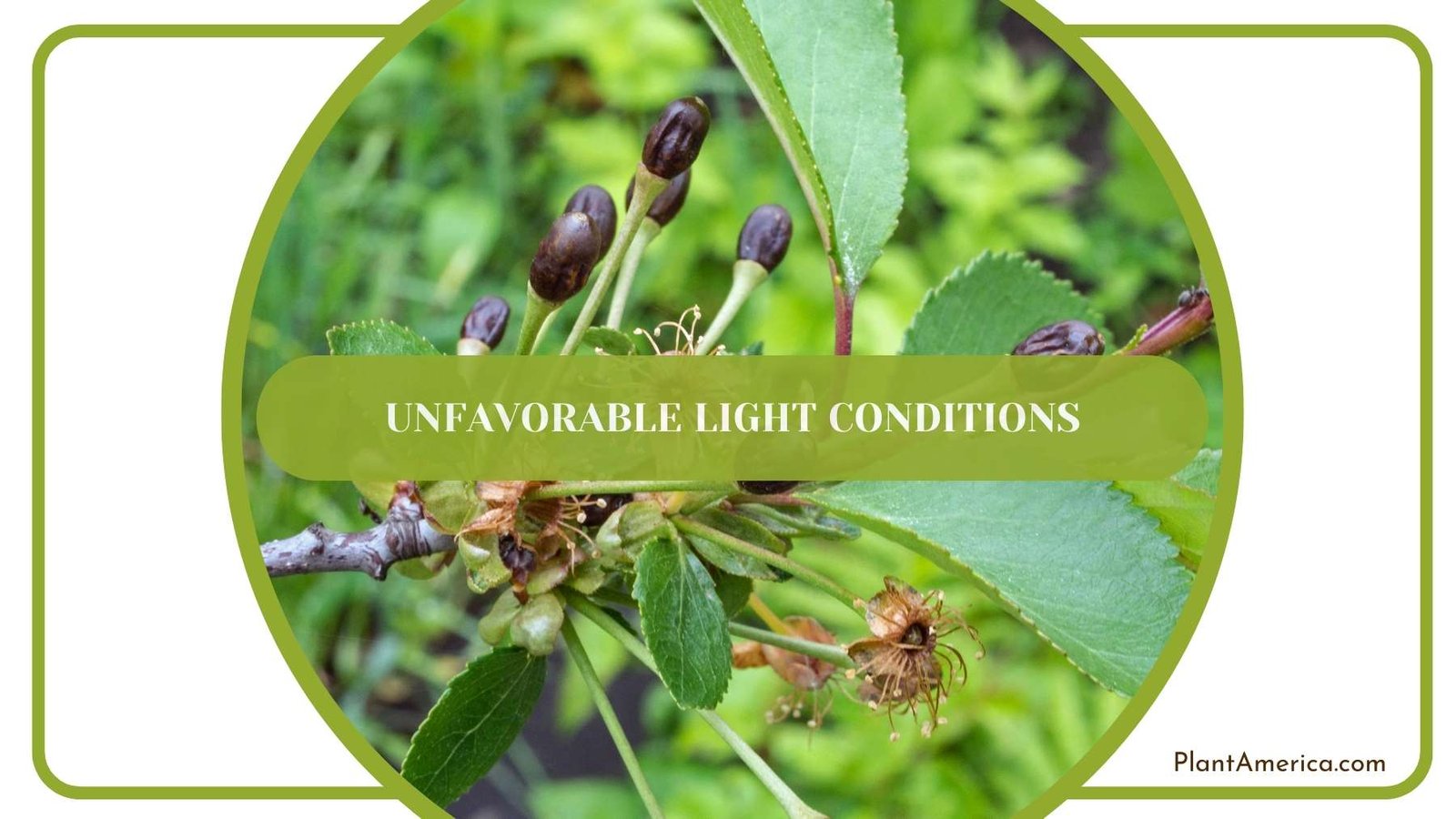
English Ivy plants, in general, prefer indirect light. When exposed to direct and high-intensity sunlight for extended periods, their leaves can change color, turning from green to red and eventually brown.
– Root Bound (Problems With Roots)
Being root-bound is another reason you might see your Ivy leaves turning yellow and brown. When a plant becomes root-bound, the roots have filled up the entire pot, forming a dense mass.
With no place to grow, the roots start to circle the container’s interior and stop performing their function. As a result, the leaves might turn yellow first and then brown, signaling the plant’s discomfort.
It’s crucial to regularly check your plants, especially if they’ve been in the same pot for a long time. You should dig up the soil to confirm the root condition. If the roots are crowded and fill up the entire space, it’s a sign that the plant may be root-bound.

– Poor Air Circulation
Just as we need fresh air to breathe and feel refreshed, plants also need good air circulation to thrive. One issue some gardeners overlook is the importance of this air movement. Poor air circulation can lead to Ivy leaves turning black.
When the air around the Ivy doesn’t move, it creates a stagnant environment. This still air can be a breeding ground for fungi and pests. Think of it like a room that’s been shut tight for days. The air inside becomes stuffy and unpleasant.
– Discomfort from Temperature
Plants can show signs of stress when the weather gets too hot or cold. One of the challenges many gardeners face, especially during specific seasons, is Ivy leaves turning brown in summer (hot days).
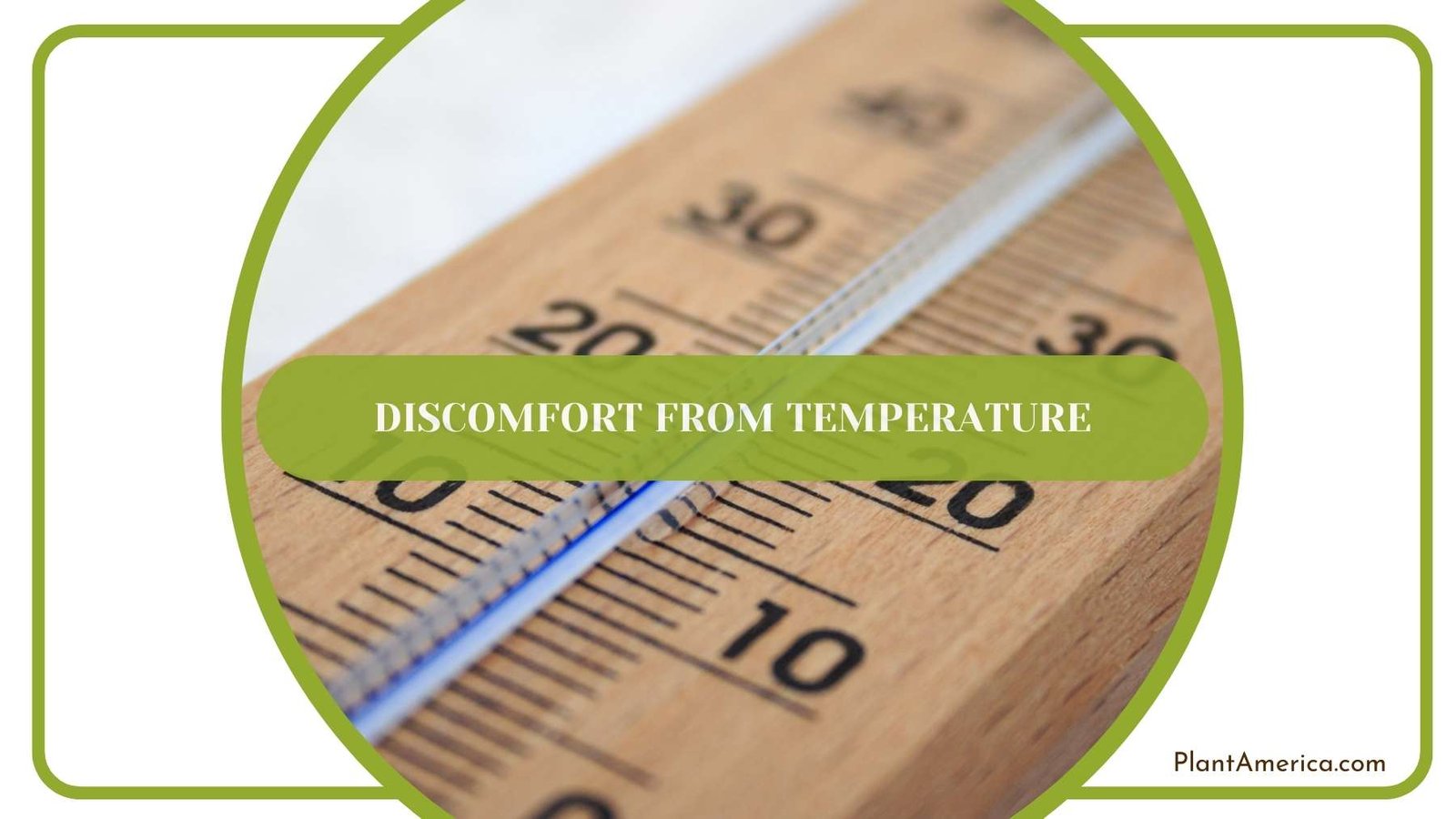
High temperatures and direct sunlight can be intense for Ivy. They can become dehydrated quickly on a hot day, which is highly undesirable. The combination of heat and dry air sucks the moisture out of the leaves, leaving them dehydrated and brittle. This dehydration is why you might find ivy leaves turning brown and crispy.
The leaves can also brown in winter if the English ivy plant is exposed to cold drafts or freezing temperatures. The reason is that the moisture inside the plant can freeze up, leading to brown patches.
Even if the temperature is slightly higher than the freezing point, transpiration can be affected during the winter. Furthermore, chilly winds can hurt the tissues and cause injuries. When it happens, you will also see brown spots on the leaves and stems.
Ivy prefers 50 to 70 degrees Fahrenheit temperature. You will most likely see the discoloration if it is below or more. To confirm, use thermometers or check the weather forecast to determine whether the temperature is within the ideal range.
– Fungal Disease Attacks
An Ivy plant turning a different color or showing spots can indicate disease. Root rot is a common one that occurs when the plant’s roots sit in water for too long. Overwatering, poor drainage, or a pot without enough holes can lead to this condition.
When the roots are always wet, they begin to decay. This decay means the roots can’t take up nutrients or water, leading to the plant showing signs of stress (brown spots). You can dig up the soil to confirm the root condition. You might also smell a foul odor if fungi have attacked.
– Pest Invasions
Sometimes, the problem isn’t about what you can see but what’s hiding. Tiny pests can make a home in your plants without realizing it. One of the most common pests that target ivy plants is spider mites.
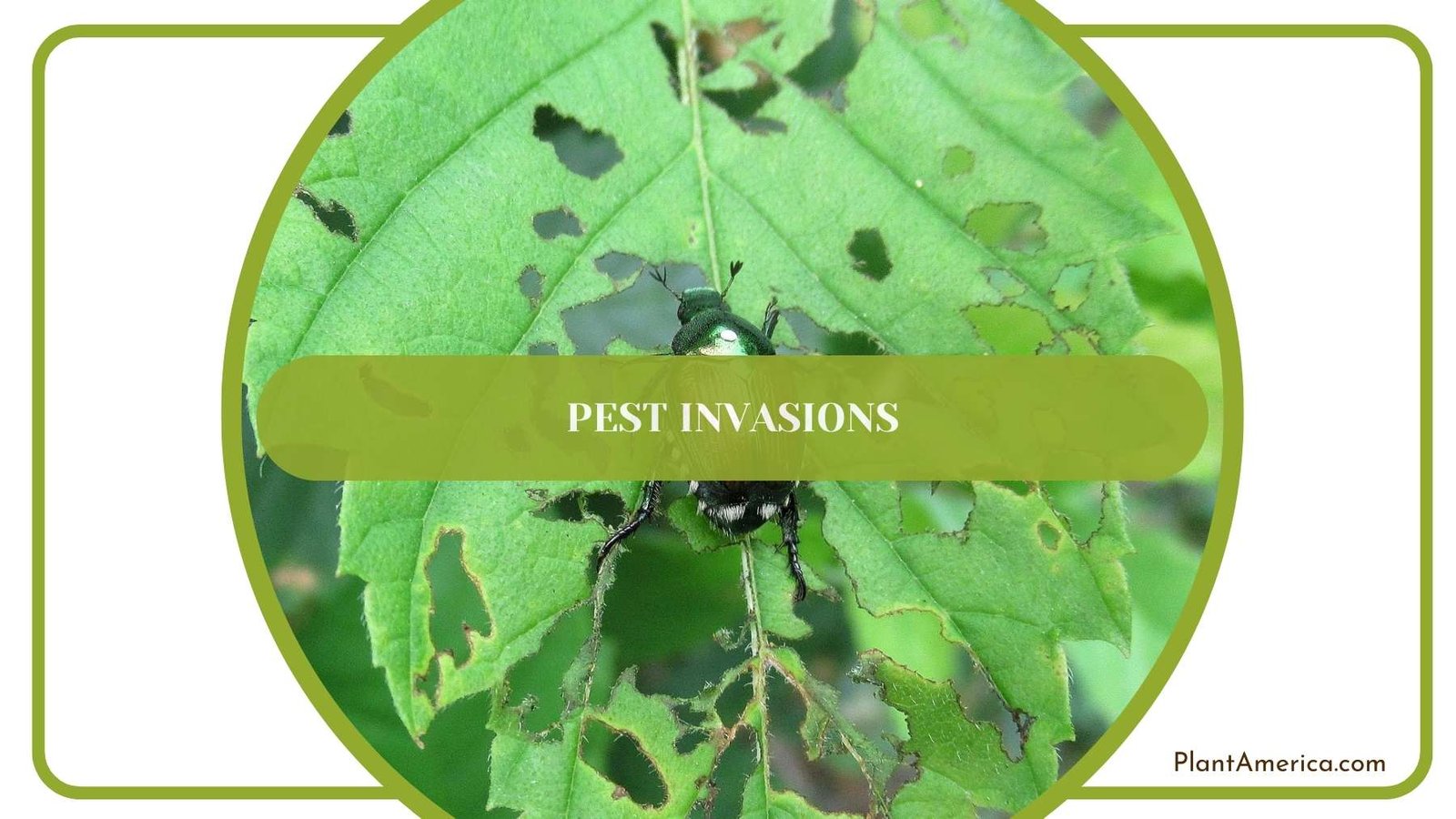
Mites are tiny creatures, often too small to see with the naked eye. But they can cause big problems. They suck the sap out of the plant’s leaves, leading to small white, brown, or yellow spots. As they continue feeding, they weaken the plant and might even cause death.
Don’t worry. Luckily, fixing the problem is super easy.
How to Fix the Brown Leaves of Ivy
– Ensure the Soil Stays Adequately Moist
One of the best remedies for brown leaves is ensuring the soil remains moist. That’s also how to revive dead Ivy.
Here’s what to do:
- Start by checking the soil. If it feels dry, give it a good soak, allowing the water to drain from the bottom. This ensures the roots get a good drink without sitting in stagnant water.
- If the soil feels soggy or too wet, it’s a sign you might be overwatering. In such cases, reduce the watering frequency and ensure the pot has good drainage.
Over time, with the right amount of water, you’ll see improvements in your Ivy’s health.

– Focus on Light Conditions to Help Plants Stay Healthy
As discussed above, if your English Ivy leaves get brown, it might be due to unsuitable light conditions. So, if your Ivy is placed in an area with direct, harsh sunlight, consider moving it to a spot with filtered or dappled sunlight.
Conversely, if your Ivy is in a dark corner, it might not get the light it needs. Consider placing it in a brighter area but still away from direct sun rays in such cases. We also recommend regularly rotating your plant to ensure all sides get an even amount of light. This ensures balanced growth and prevents the leaves on one side from getting brown due to excessive or insufficient light.
– Repot the Plant to Support It
If your plant has been in the same pot for a long time and the leaves turn brown, it might indicate that it is root-bound or the soil has become compacted, restricting proper root growth. Fortunately, repotting gives your plant a fresh start.
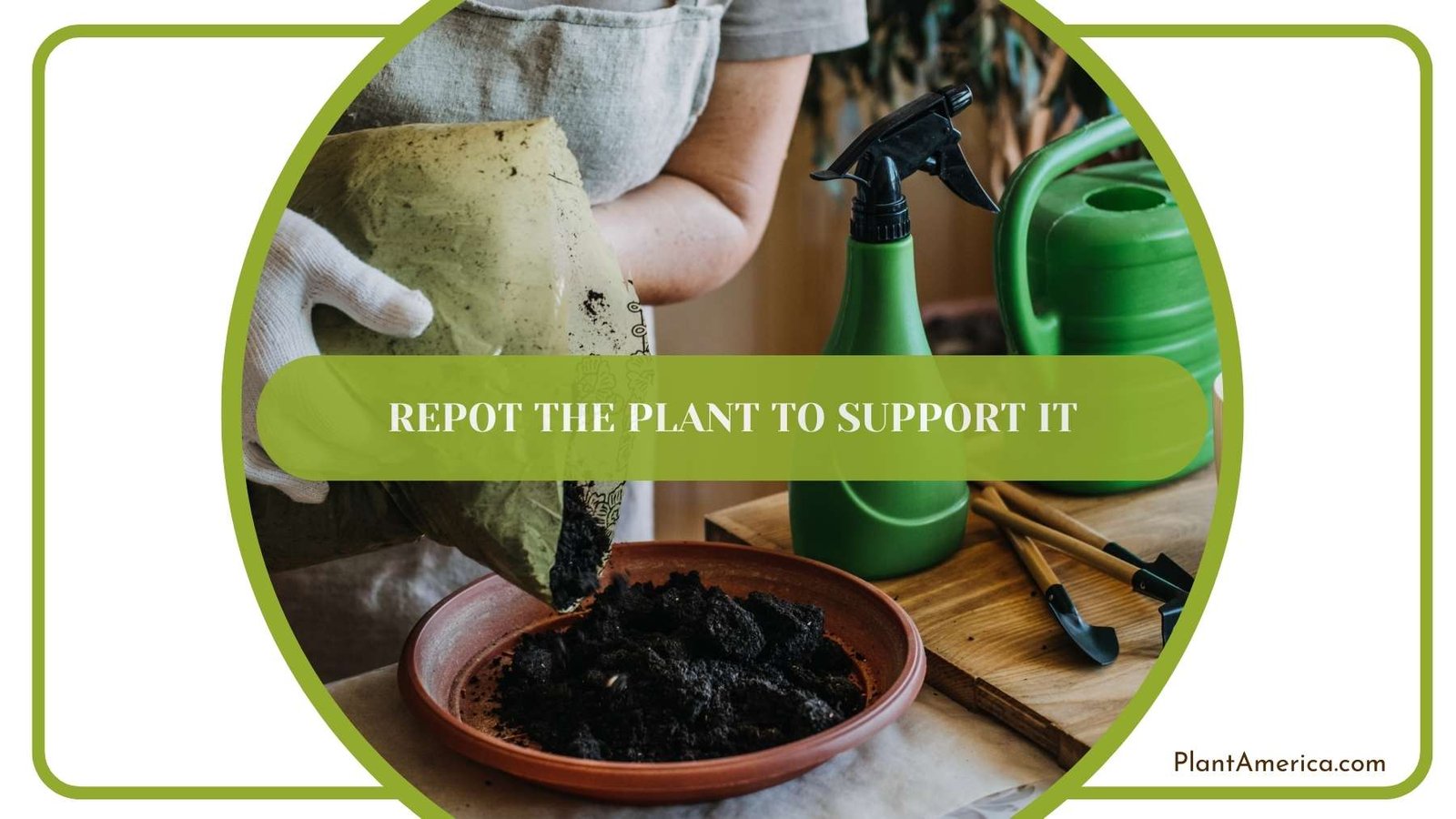
Choose a pot a couple of inches larger than the current one. This provides more space for the roots to spread out. When you repot, be gentle with the roots, tease them out a bit, and then add fresh soil. This ensures better water retention and nutrient absorption.
– Pest and Disease Management
It is recommended to inspect your Ivy at least twice a week closely. If you spot pests or see disease signs, start the treatments immediately. Pests can be removed by spraying the plant with water and mild soap. Ensure to cover the entire plant, focusing primarily on the underside of the leaves where pests often hide.
Diseases, on the other hand, require a different approach. Fungal infections like rot or leaf spots usually cause browning. In such cases, reduce the watering frequency and ensure the plant has proper ventilation to prevent a damp environment that fungi love. If the problem persists, treat the plant using an organic fungicide.

– Maintain Environmental Conditions (Super Important)
Maintaining the proper environmental conditions helps them stay healthy and vibrant. When you do this, the brown leaf patches might start to reverse. If not, still you will get relief because more leaves won’t discolor. Remember these points:
Temperature: Ivy can stay in good shape when the temperatures are between 55 to 75 degrees Fahrenheit during the day and around 8-10 degrees cooler at night. We suggest shifting plant location when the temperature becomes undesirable. But remember not to place them near places like those near heaters, air conditioners, or drafty windows. These areas can stress the plant, making it more susceptible to diseases or leading to browning of leaves.
Humidity: English Ivy is a big fan of moisture. Dry indoor air can lead to the edges of leaves turning brown and crispy. Consider placing a humidifier near your Ivy during dry months or grouping plants to create a microenvironment with higher humidity. Another method is to place the plant pot on a water-filled tray, ensuring the pot is above the water level.
Air Circulation: Good ventilation helps prevent fungal diseases and refreshes the plant. We suggest placing Ivy near the east-facing windows or any outdoor spot that does not restrict the wind.
Avoid Pollutants: Ivy is sensitive to environmental toxins, such as cigarette smoke or chemical fumes. These toxins can also harm the leaves, leading to brown leaf patches. Ensuring the environment around the Ivy remains clean and toxin-free is essential.
As you adapt and make changes based on the plant’s needs, you’ll see improvements in its growth and vitality. Remember, it’s all about creating a comfortable and suitable space for the plant to flourish.

Conclusion
All-inclusive, various challenges, such as improper watering, temperature stress, pest invasions, etc., can change the leaf color to brown. However, with careful observation and the proper care steps, you can restore your ivy plant to its lush, green beauty. Here’s what to do:
- Focus on keeping the soil adequately moist and adjusting the light conditions.
- When you see pests like mites, spray soapy water.
- In case of fungal infections, use organic fungicide.
- Repot the plant when necessary, ensuring its roots have space to grow.
- Ensure the proper environmental conditions by managing temperature, humidity, and air circulation.
By doing these things, you’re on your way to nurturing a vibrant and healthy ivy garden!