
Mealybugs on Portulaca can swiftly turn a thriving garden into a fading landscape. These tiny invaders, almost imperceptible at first, hold the power to drain the life from your treasured plants.Your succulents need you, and the time to act is now. Read on to learn how to deal with these pests effectively.
How To Diagnose Mealybugs in Portulaca?
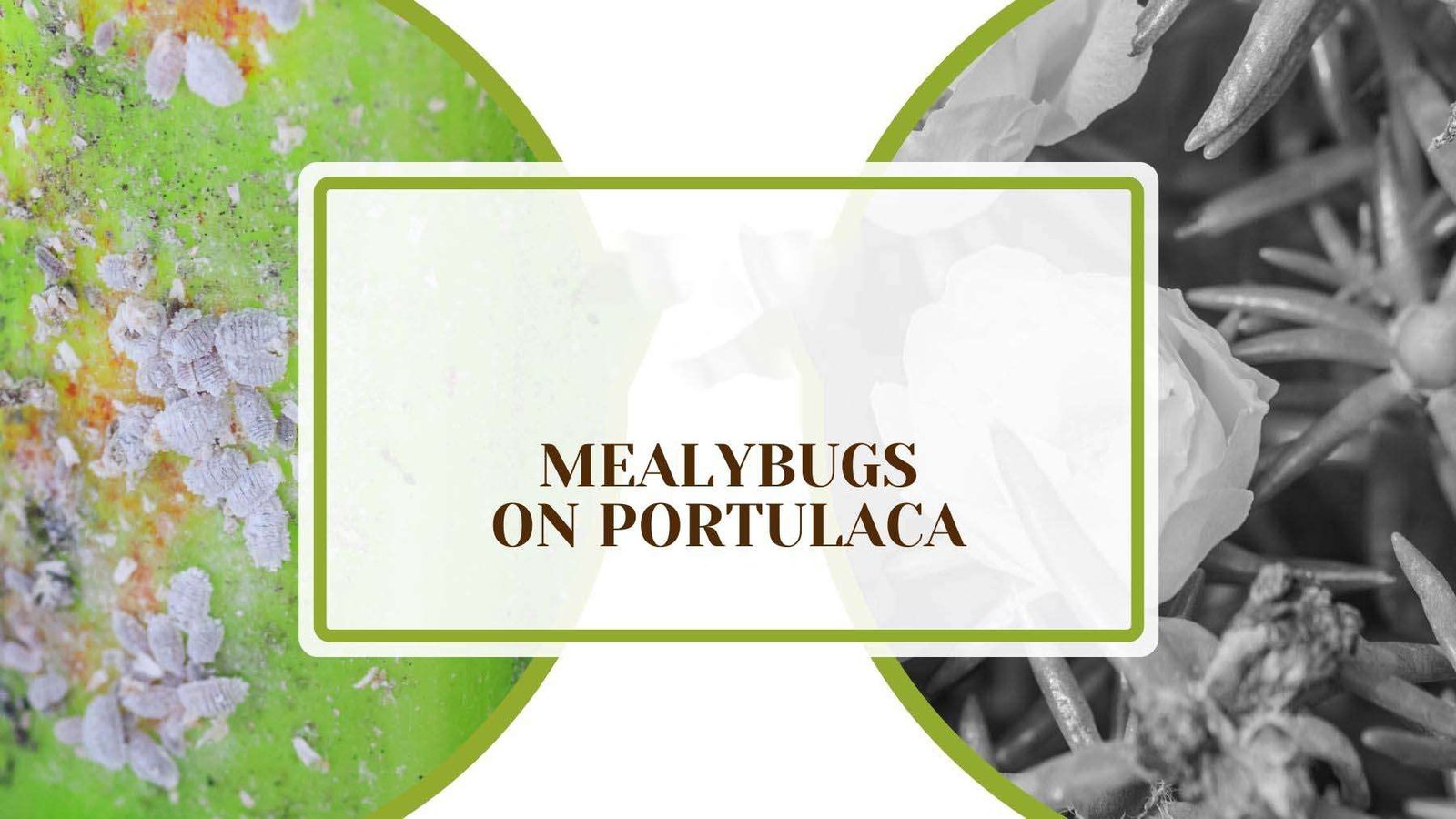
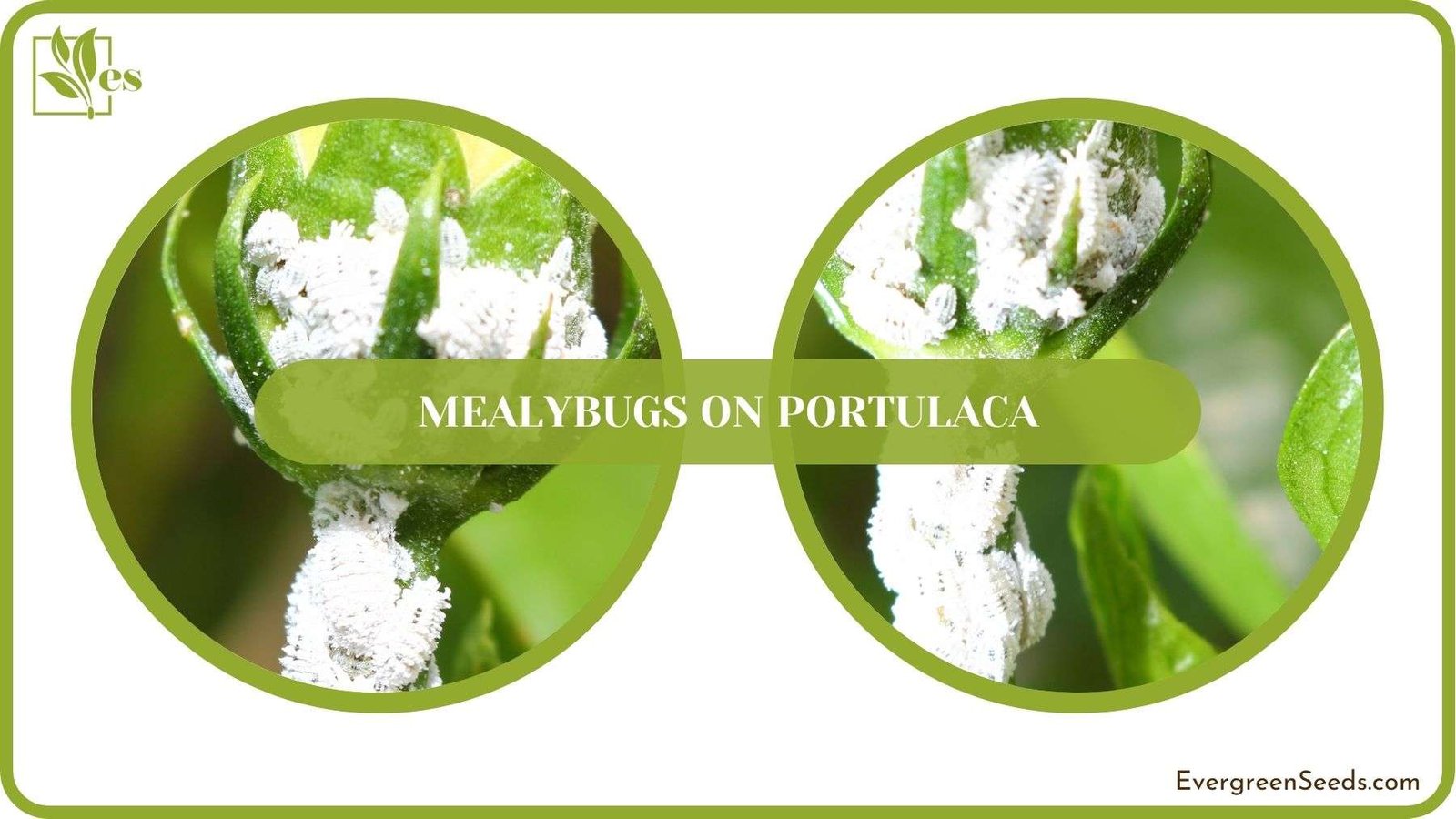
To diagnose mealybugs on Portulaca, inspect the plant for white, cotton-like masses, often hidden in leaf axils and undersides. This waxy substance shelters the insects, and close observation may reveal their oval bodies. The presence of sticky honeydew or black sooty mold also indicates mealybugs.
– Recognizing the Signs of Mealybugs on Succulents: Early Indications
The battle against mealybugs begins with understanding the earliest hints they leave behind. A sticky substance known as honeydew often accompanies a mealybug infestation. This sticky residue might be the first sign that something is amiss. You might also notice an unusual presence of ants attracted by the honeydew.
If you look closely, the mealybugs themselves may become apparent. You’ll usually spot them as small, soft bugs covered in white, powdery wax. They like to hang out together in groups and can sneak into tight spots on the plant. They have settled in and are actively feeding on the plant’s juices.

– Leaf Damage
The leaves of a portulaca infested with mealybugs will start showing significant wear. You may see yellowing or curling at the edges and, in severe cases, a withering of entire leaves.
– Checking Stems and Roots
Remember, these pests don’t only target leaves – they can go after stems and roots too. Keep an eye out for stems that seem weak or are starting to decay. That’s another hint that there can be an infestation going on. If you suspect mealybugs have gotten to the roots, you may need to unearth the plant to inspect the root system gently.
– Checking For Flower Damage
If you have a blooming Portulaca, the mealybugs might also attack the flowers. Watch for a loss of vibrancy in the color or wilting of the petals.
For confirmation, a magnifying glass can be super helpful. Mealybugs are small, so you should look closer to be sure. Check for their unique shape and the fluffy wax coating around them – a dead giveaway.
– Consulting an Expert or Pest Control Services
Sometimes, the signs might be confusing, and professional assistance is needed. Feel free to consult a local nursery or a plant expert if you need confirmation. They’ll have the know-how to spot the signs and give you a clear answer.
Once you’ve spotted the signs of mealybugs on your Portulaca, act immediately.
Spotted Mealybugs on Portulaca? Here’s the Solution
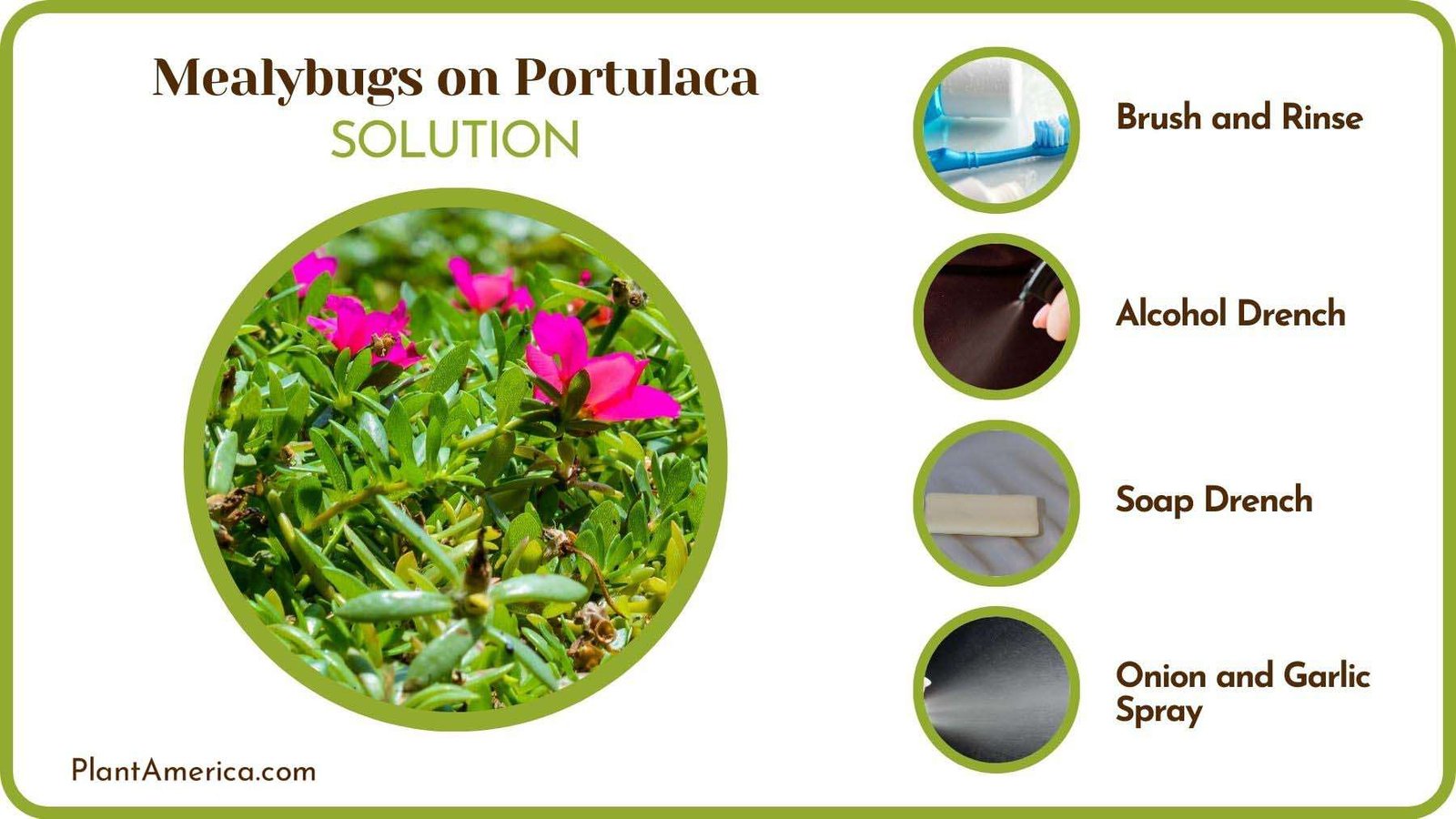
If you’ve spotted mealybugs on Portulaca, take immediate action by brushing and rinsing them off. After this, use other methods like alcohol drenching, insect-killing soap, neem oil treatment, or vinegar spray. You can also use onion, garlic spray, or solarization remedies to control the infestation.
– Brush and Rinse
So you’ve found those little critters nestled in your plants. It’s time to get rid of them.
Start with a Gentle Brush:
- Grab a soft-bristle brush or even a toothbrush.
- Gently brush the mealybugs away from the plant.
- Inspect all hidden places, like under the leaves and along the stems, where these pests like to hide.
After this, take your plant for a shower. A gentle spray of water from a hose or sink can help dislodge the mealybugs further. Make sure it’s calm and even spray; we’re not trying to blast them into oblivion (though that might feel satisfying), just encourage them to find a new home.
– Alcohol Drench
Now, this sounds more aggressive, and in a way, it is. But trust me, your Portulaca can handle it, and those mealybugs won’t know what hit them.
Prepare the Solution:
- Grab rubbing alcohol from your medicine cabinet and mix it with water (a 1:1 ratio is recommended).
- Add two drops of mild liquid soap to help the solution stick to the mealybugs.
- Fill a spray bottle with your newly mixed solution and spray it directly onto the mealybugs. You want to coat them with the solution but not soak the plant entirely. Aim and precision are key here.
- Give the solution some time to work its magic. It breaks through the waxy cover of the mealybugs and messes up their normal functions. You’ll likely notice them weakening and eventually dying off.
- After 30 minutes, rinse the plant with water again. You want to wash away the dead mealybugs and any excess alcohol solution.
Monitor the Situation: Keep a close eye on your Portulaca in the coming days. If you’ve been thorough, the mealybugs should be gone. If not, don’t be disheartened; repeat the process.
– Soap Drench
Let’s focus on another clever and natural way to tackle those mealybugs in Portulaca. This method requires something you most likely already have in your home: soap. But not just any soap; we’re talking about insect-killing soap.
Insecticidal soap is a fantastic tool in your gardening toolkit. It’s gentle on the plants but tough on the bugs. To use it against mealybugs, you’ll want to mix the soap with water (instructions will be printed on the bottle). Following those guidelines is essential, as too much soap can harm the plant.
Spray the affected areas with the soap solution, covering the mealybugs completely. You’ll need to let it sit for a little while as the soap slowly penetrates the bugs’ waxy coating, disabling them.
Afterward, give the plants another gentle rinse with water to wash away the dead bugs and any leftover soap residue. Keep an eye on your plants over the following days, ready to repeat the process if needed.
The best thing about insect-killing soap is that you can use it regularly without hurting your plants. It’s a safe and non-toxic option to help protect your Portulaca.
– Onion and Garlic Spray
If you’re dealing with not just mealybugs but also other nuisances like tiny black bugs on succulents, it might be time to break out the big guns. Well, the smelly ones, anyway.
Here’s a powerful DIY solution: onion and garlic spray. This homemade mixture is strong enough for pesky garden insects like sawflies.
Blend a few onions and garlic cloves with water, then strain the liquid for a clear solution. Add 2-4 drops of liquid soap to help it stick to the bugs, and you have a powerful spray ready. Spray the affected plants with your homemade mixture, covering all the areas where you’ve spotted mealybugs or other insects. Give it time to work, then rinse your plants with clear water.
– Neem Oil For Mealybugs
Have you ever wondered about the magic of neem oil for mealybugs? Derived from the neem tree, this organic oil is a wonder worker in the garden, especially when you’re learning how to get rid of mealybugs on succulents and semi-succulents (like moss roses).
First, you must create a solution by mixing neem oil with water and a few drops of liquid soap. The soap helps the oil mix well with the water and stick to the mealybugs. You’ll follow the instructions on your neem oil bottle to get the right concentration.
Next, spray the affected plants with your neem oil mixture, covering the entire plant. Allow it to sit briefly, then cleanse the plant. The best thing about neem oil as a mealybugs treatment is that it’s safe for beneficial insects like bees and ladybugs. Remember to monitor your plants over the next few days, repeating the treatment if necessary.
– Citrus Peel Spray
This organic method is as pleasant to use as it is effective. It’s time to turn those leftover orange or lemon peels into a garden savior. To make a citrus peel spray, soak the peels of oranges, lemons, or citrus fruits in water for a few days. The essential oils from the peels will infuse the water, creating a natural insect repellent.
After soaking, strain the liquid and pour it into a spray bottle. Spray the affected plants with citrus-infused water, thoroughly covering the mealybugs. It will break down the bugs’ waxy coating, leaving them vulnerable.
Rinse the plants with clean water after letting the citrus spray do its work for a while. The citrus smell will keep the mealybugs away and give your garden a pleasant, fresh aroma.
– Vinegar Spray
The same vinegar you use in your salads and cleaning can become an unexpected ally in your battle against those pesky mealybugs on Portulaca. First, you’ll want to mix a solution of one part vinegar with three parts water. We dilute it because vinegar, while great at dealing with bugs, can be harsh on the plants if used at full strength.
With your spray bottle filled and ready to go, give those infested areas a good spritzing. The vinegar’s acidity breaks down the waxy shield on the mealybugs, making them vulnerable to drying up. A little bit like how vinegar can cut through grease in the kitchen, it cuts through the mealybugs’ defenses in the garden.
You’ll want to let the vinegar solution sit for a while to do its work, but remember to rinse the plants afterward with clean water to wash away the dead bugs and any lingering vinegar.
– Botanical Pyrethrins
Botanical pyrethrins come from specific chrysanthemum flowers and are famous for their ability to kill insects. Without piperonyl butoxide, a common additive in many insecticides, they offer a more natural approach to pest control.
To use this method, you’ll need to purchase a pyrethrin-based insecticide that specifically doesn’t contain piperonyl butoxide. Ensure to follow the packaging instructions for proper mixing and application. Your garden store experts can likely help you find the right product.
Spray the affected Portulaca with the prepared solution, covering the mealybugs thoroughly. Pyrethrins target the nervous systems of insects, causing them to become immobilized quickly. Then, allow the spray to dry, and watch the treated plants.
– Try Solarization
Solarization can sound fancy, but it’s actually easy and super effective. It’s like turning your garden into a sauna for the soil, but we’re sending those bugs packing instead of relaxing!
- First, you’ll need to clear the area of any large debris or plants and then water the soil thoroughly. You want it damp, not drenched, so the sun’s rays can turn that moisture into steam.
- Next, cover the area with a clear plastic tarp, securing the edges with soil or rocks. This greenhouse is for the ground, trapping the sun’s rays and cranking up the heat.
- Leave the tarp in place for about 5 to 6 weeks during the hottest part (peak sun hours) of the summer. You’ll want to watch it, ensuring the plastic stays secure and the sun keeps doing its work.
- When the time’s up, remove the plastic.
The heat from the sun should have taken care of those mealybugs and other unwanted guests. Plus, it’s a chemical-free, environmentally friendly approach that your Portulaca will thank you for.
– Remove Weeds – How To Prevent Mealybugs on Succulents?
Weeds aren’t just about looking bad; they can also be a hideout for mealybugs and other pests (like purslane sawfly), giving them a spot to live and reproduce.
When you keep your garden free of weeds, you’re removing one of the mealybugs’ favorite hiding places, making it less appealing for them to stick around. So grab those gardening gloves, arm yourself with a good weeding tool, and get to work.
Conclusion
Dealing with mealybugs in your Portulaca isn’t just about battling pests – it’s a chance to connect with your garden. Here, we’ve explained how to make a Portulaca garden mealybug-free. Let’s recap:
- Use Everyday Items Wisely: Turn household products like vinegar and alcohol into effective tools to fight mealybugs.
- Get Help From Nature’s Remedies: Try solutions like neem oil and botanical pyrethrins that use nature’s strength to protect your garden.
- Get Creative: Techniques such as solarization and simple weed removal can significantly prevent and eliminate mealybugs.
- Please pay Attention to the Details: Whether it’s precise alcohol applications or careful weed removal, close observation can keep infestations at bay.
These simple methods will ensure your Portulaca and other succulents thrive.