
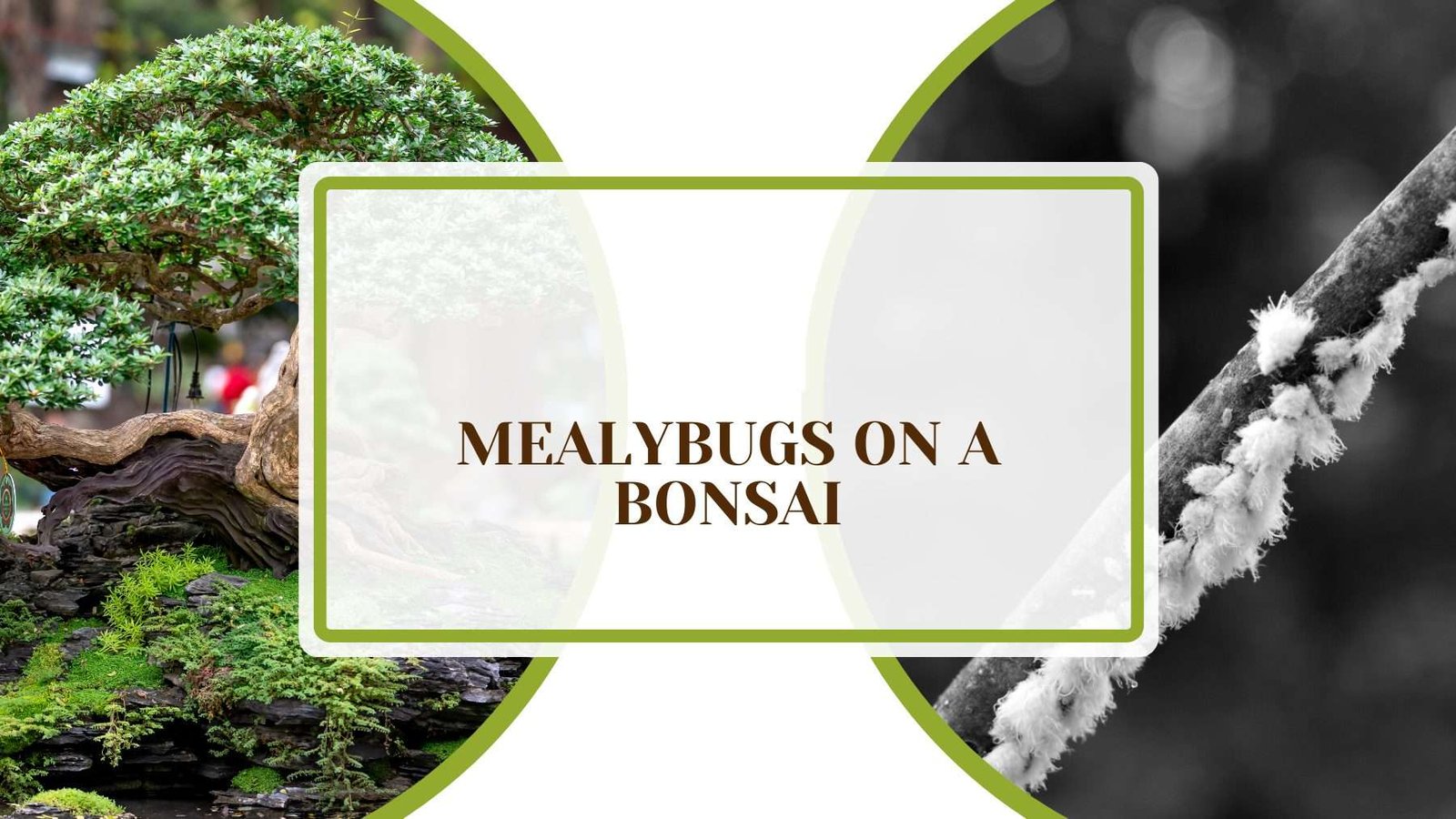
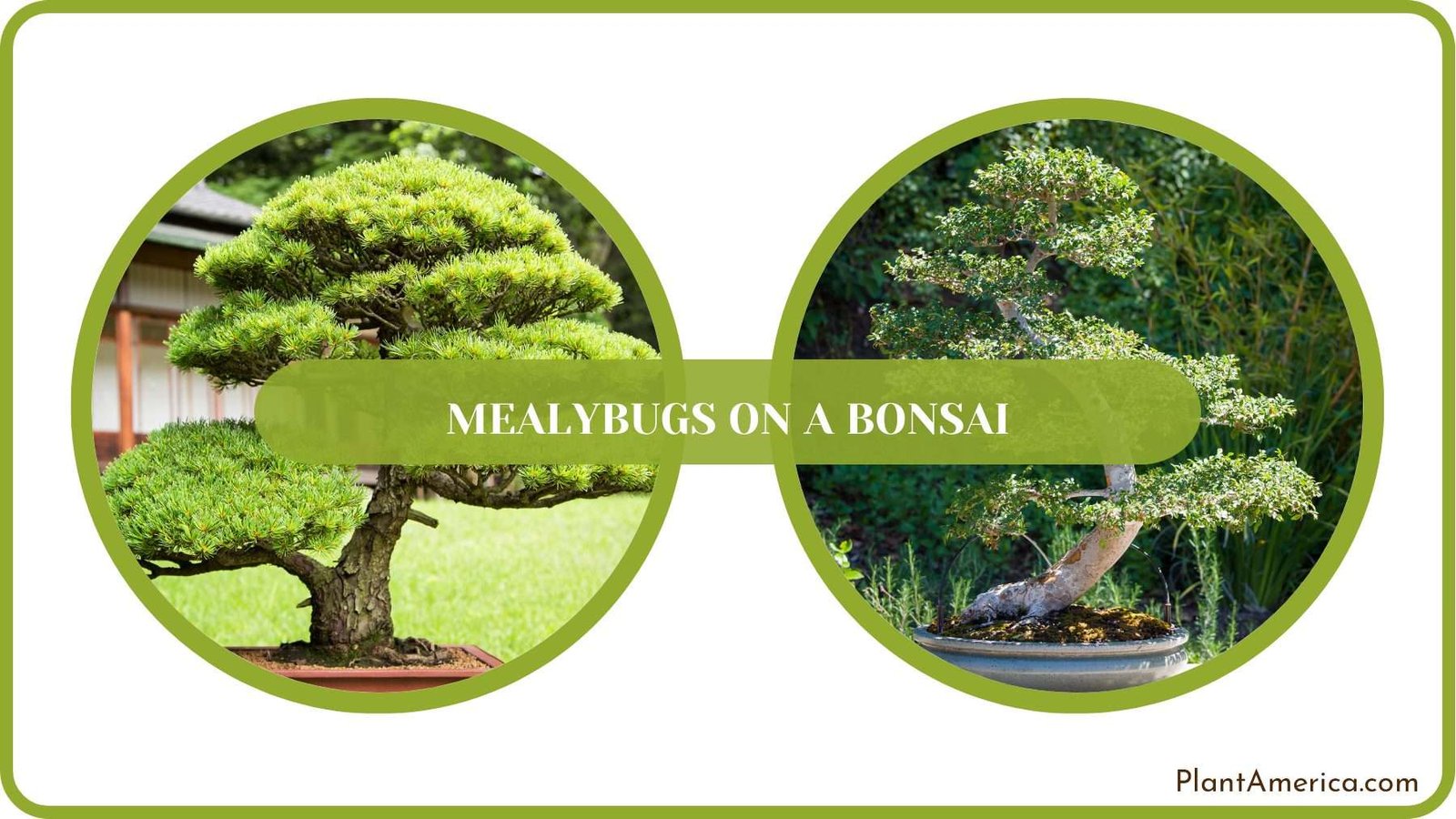
Mealybugs on a bonsai can often catch plant enthusiasts off guard, threatening the health of their cherished miniature trees. These little pests are more than just an eyesore – they suck out essential nutrients, making your Sapindaceae family bonsai weak.
It’s super important to take them seriously. Here, we’ve discussed their causes and easy ways to fight them, so stick to the end.
What Causes Mealybugs on Bonsai?
️⚡ Mealybugs on bonsai are caused due to their rapid growth and favorable indoor environment. Overwatering, poor air circulation, and high nitrogen fertilizers can also make bonsai more susceptible. Moreover, these white “cottony” bugs can also enter your garden with the help of winds.
– Indoor Conditions Favoring Mealybugs
The indoor environment is one of the most common causes of mealybugs on bonsai. Many bonsai owners prefer to put their trees indoors, but this can be a haven for these pests.
High Humidity: Mealybugs thrive in humid conditions. If your bonsai is placed in a part of your home where humidity levels are consistently high, it could attract these pests.
Lack of Air Circulation: Stagnant air can also be a factor. Areas with poor air circulation might make it easier for mealybugs to settle down and reproduce.
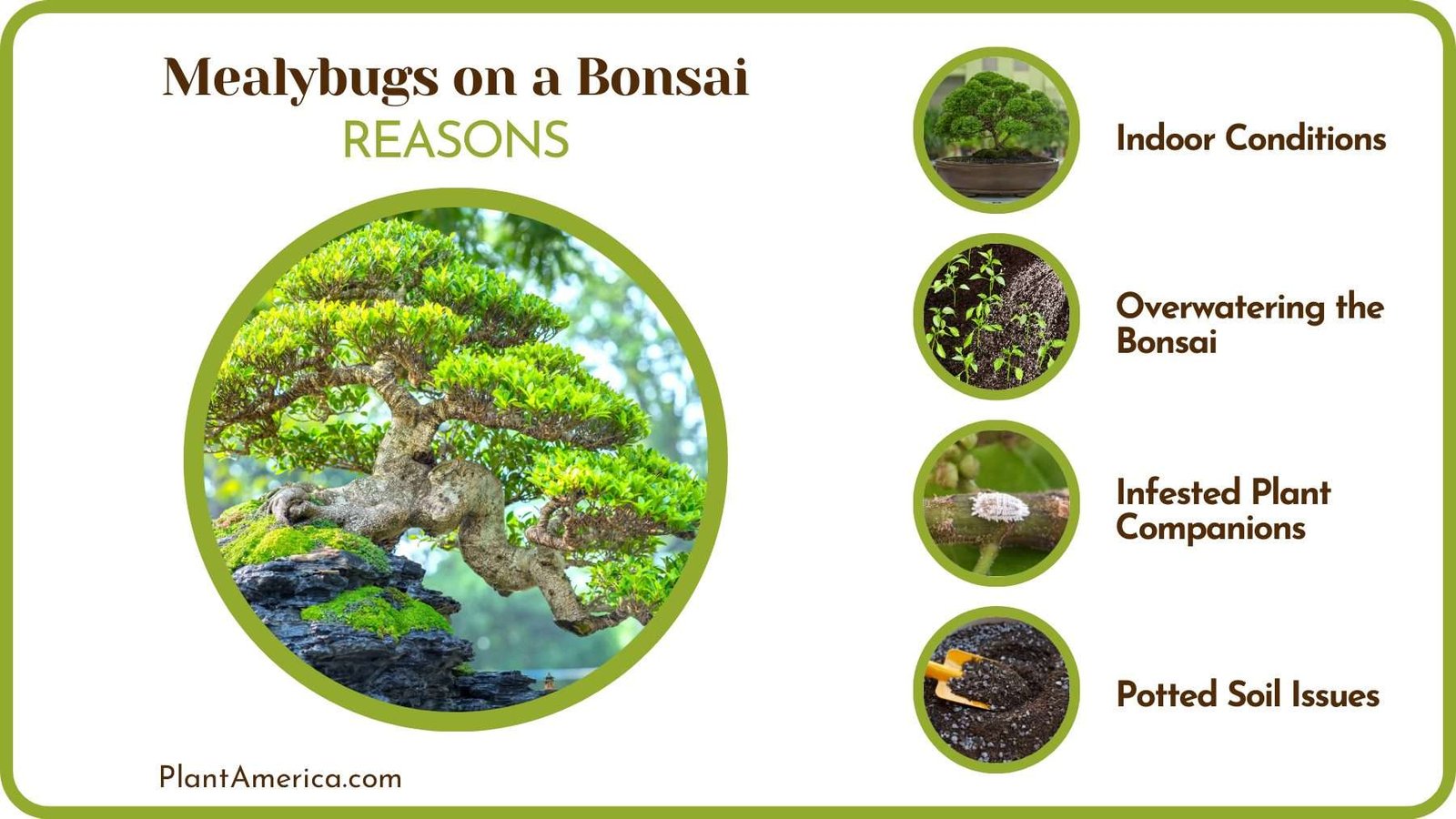
– Overwatering the Bonsai
Overwatering can lead to more “delicate” plant tissues, which are easier for mealybugs to penetrate and feed on. Similarly, soil retaining too much water can become a breeding ground for pests (including mealybugs).
– Infested Plant Companions
Even if your bonsai was initially free from mealybugs, they could quickly be introduced if you have other infested plants nearby.
Close Proximity: If you have other houseplants, and one gets infested, mealybugs can quickly move from one plant to another if placed close together.
New Plants: Bringing a new plant into your home without adequately inspecting or quarantining it can introduce mealybugs to your bonsai.
– Potted Soil Issues
The soil where you plant your bonsai can be a source of mealybugs.

Contaminated Soil: If you’re not using sterilized soil, there’s a chance it could have mealybug eggs or even live bugs in it.
Decomposing Organic Matter: Sometimes, the organic components of soil can decay, attracting various pests, including mealybugs.
– Natural Spread of Mealybugs
Like all creatures, Mealybugs have ways of getting around and spreading naturally.
Wind: In outdoor settings, the wind can carry mealybugs from one plant to another.
Animals: Small animals or birds might transfer these pests from one location to another.
How To Rid Bonsai Trees of Mealybugs
To rid bonsai trees of mealybugs, start with manual removal. After that, use a mix of rubbing alcohol and a soapy solution. If the problem doesn’t go away, go for strong treatments like commercial insecticides, diatomaceous earth (DE), reflective mulch, and hot pepper spray.
– Manual Crushing: First Thing You Should Do
Dealing with mealybugs can sometimes require chemicals or complex solutions. One of these methods involves manually removing the bugs from your bonsai.
The first step is carefully inspecting your bonsai trees. Mealybugs appear as tiny white, cotton-like masses on the plant, which makes them easy to hide. Before you begin, wash your hands and ensure they’re dry. This prevents unintentional harm to the bonsai from oils or dirt on your fingers.
Gently Pinch and Crush: Using your thumb and forefinger, gently pinch the mealybugs to crush them. You can also try tweezers or any other tool to deal with these white bugs manually. Review each part of your bonsai to ensure no bug is left behind.
After manually removing all visible mealybugs, clean the area around your bonsai. This ensures that any fallen bugs don’t find their way back to the plant. It’s essential to inspect your bonsai frequently after the initial removal. This helps you spot and deal with any mealybugs that might have been missed during the first round.
– Use Rubbing Alcohol and Soap Solution To Resolve Pest Problems
If the manual method doesn’t appeal to you or you’re dealing with a more severe infestation, rubbing alcohol and soap can be a highly effective remedy.
Prepare the Solution:
- Mix equal water and rubbing alcohol in a spray bottle.
- To this mixture, add a few drops of insecticidal soap.
- Ensure it’s thoroughly mixed.
It’s always a good idea to test the solution on a small part of your bonsai first. This helps you determine if your bonsai reacts adversely to it. Spray a little of the mixture on a few bonsai leaves and wait for a day.
Spray the mixture generously over the entire bonsai, ensuring you cover the leaves on top and underside. The alcohol dehydrates the mealybugs, while the insecticidal soap suffocates them.
After spraying, let the solution sit on your bonsai for a few hours. Then, using a gentle stream of water, rinse off the key. This washes away the dead mealybugs and removes any residual solution, preventing potential harm to your bonsai. Always wait a day or two between applications to monitor your bonsai’s health.
After you’ve successfully dealt with the mealybugs, it’s essential to maintain your bonsai’s environment. Ensure it’s placed in a well-ventilated area, and regularly inspect for signs of pests.
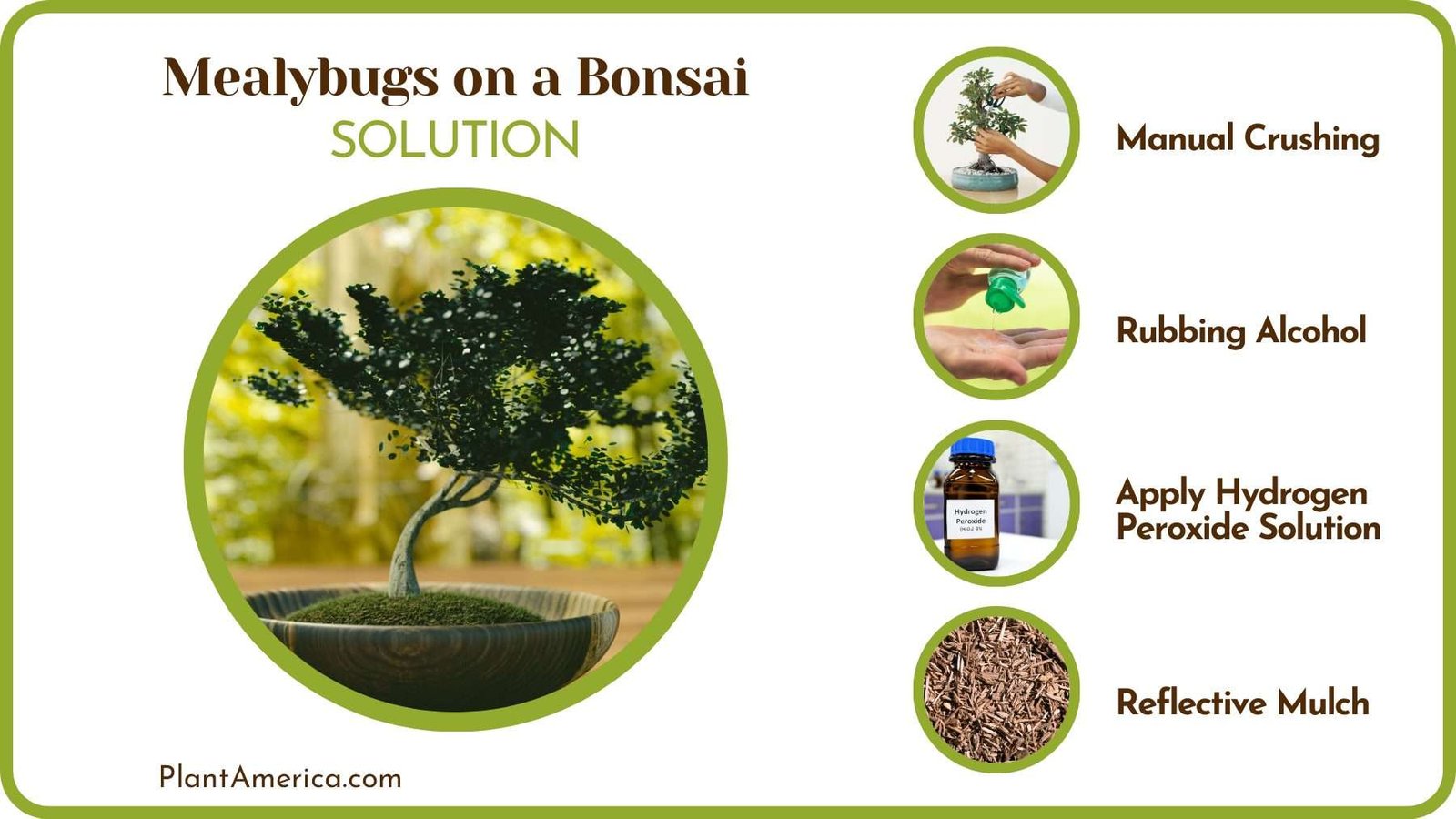
– Apply Hydrogen Peroxide Solution But Regularly Examine the Bugs
Hydrogen peroxide isn’t just for your medicine cabinet; it can also be a great ally in the garden! This can keep mealybugs away and is also super effective against other insects, like:
- Spider mites
- Fungus gnats
- Aphids
A 3 percent hydrogen peroxide solution is commonly used for bonsai trees. You can buy this concentration at most stores. Mix one part (one cup) of the 3 percent hydrogen peroxide with four parts (or four cups) of water in a spray bottle.
Lightly mist the bonsai tree, ensuring the solution covers all areas, mainly where commonly found mealybugs and other pests are found.
Let the solution sit on the bonsai for a few hours. Later, rinse the tree with clean water to wash off the key and the dead pests. Check your bonsai for the next few days to ensure all pests are gone. If needed, repeat the process after a week.
– Reflective Mulch: An Unconventional Method
While this method is more commonly used for larger plants and outdoor gardens, with a bit of creativity, reflective mulch can be adapted for bonsai trees.
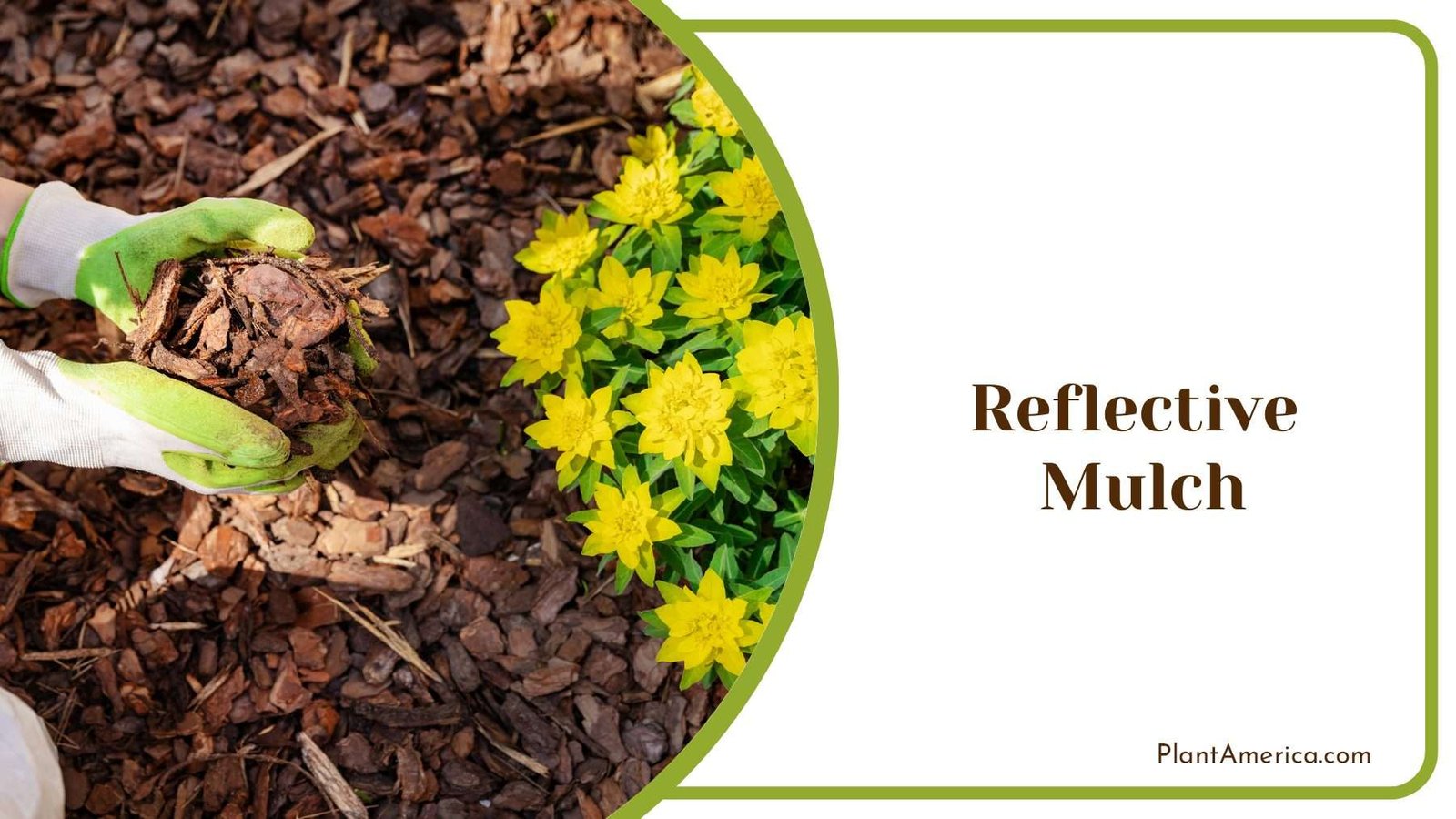
Choose the Right Material: You only need a little material for bonsai trees. Aluminum foil is a commonly available and effective option. Cut the foil into small strips or shapes that can fit around the base of your bonsai pot.
Lay the reflective pieces around the base of your bonsai, ensuring the shiny side faces up. Every once in a while, check the reflective mulch to ensure it’s still shiny and in place. Replace it with fresh pieces if it gets dirty or loses its sheen.
– Diatomaceous Earth: Another Best Way To Deal With Mealybugs
When mealybugs and other soft-bodied pests come into contact with DE, the sharp particles pierce their exoskeletons, causing them to dehydrate and die.
Application: To use DE for your bonsai, you’ll want to ensure you’re using food-grade DE (different grades are available, and not all are suitable for plants). Lightly sprinkle the DE on the soil around your bonsai and even on the bonsai itself. Ensure the plant is dry when you do this, as moisture can reduce DE’s effectiveness.
Duration and Reapplication: DE remains effective as long as it’s dry. You’ll need to reapply if you water your bonsai or the DE gets wet for some reason (like humidity or rain).
Safety Concerns: While DE is natural and safe for your bonsai and the environment, you should be careful during application. The fine powder can irritate if inhaled, so wearing a mask is a good idea. Even though it’s safe to touch, DE can still dry your hands, so wearing gloves is a good idea.
– Biological Control: Use Insects To Kill Insects
Biological control is all about using bugs to fight pests. It’s when you bring living creatures to care for the nasty bugs. Instead of using chemicals, you use nature’s defenses.
Helpful Bugs: Ladybugs and lacewings are like superheroes for your plants. These good bugs chomp on the pests that mess with your trees. Releasing them near your bonsai is an effective way to ensure the nasty bugs stay away.
Where to Get Them: Many garden stores sell these helpful bugs. Ask for bugs meant for pest control, and they’ll know what you need.
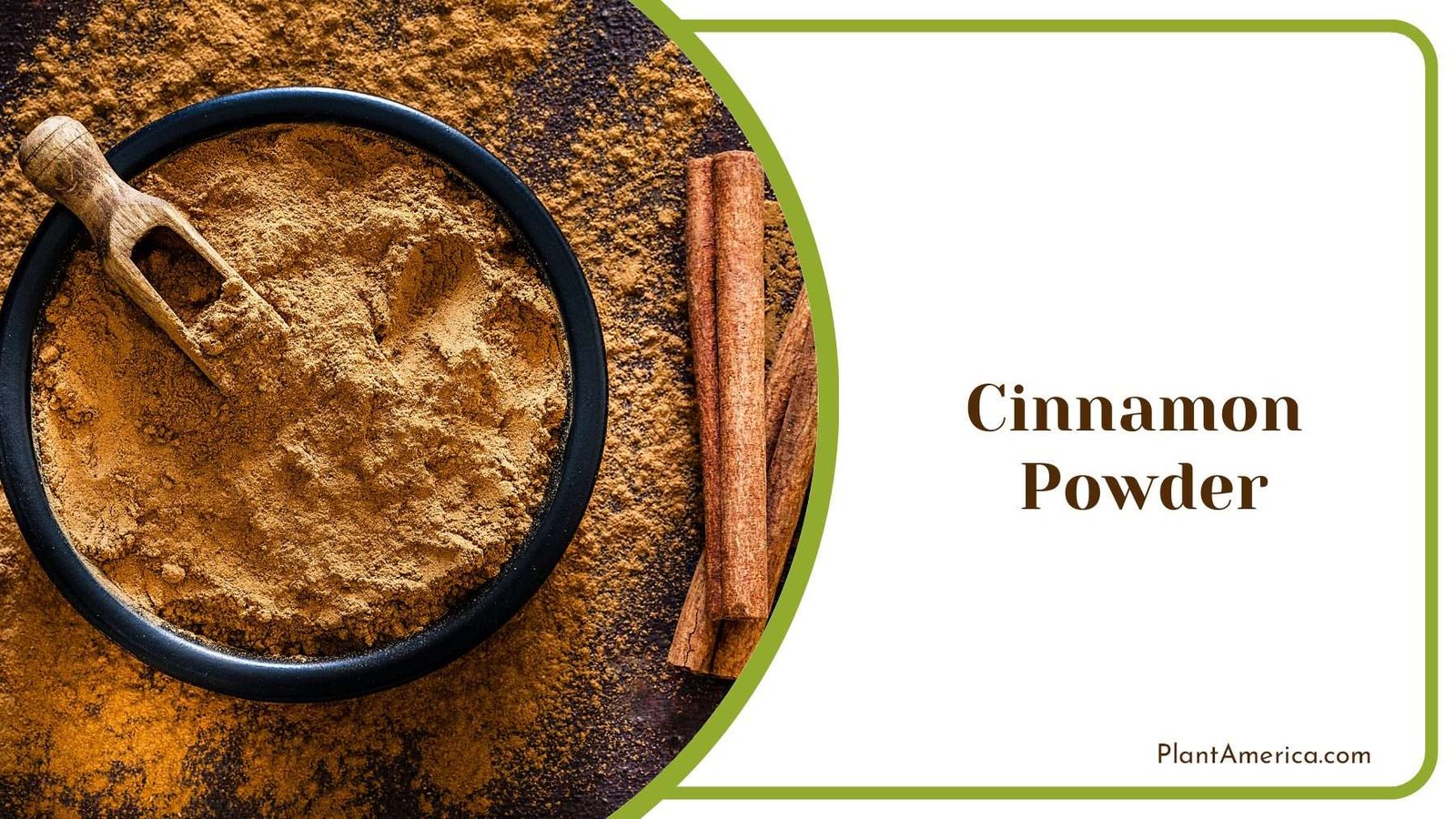
– Cinnamon Powder: Natural Way To Deter Mealybugs
Cinnamon isn’t only for cooking but also for your bonsai trees, as it protects them from harmful pests. Just sprinkle some cinnamon powder on your indoor bonsai soil. It’s that easy! Since it’s a spice, it’s safe around kids and pets. Just remember, it’s for the plant, not for them to eat!
– Hot Pepper Spray: Easy Solution For Common Pests
Dealing with pests can sometimes be as simple as turning to your kitchen; hot pepper spray is an excellent testament to that. The capsaicin in the peppers, which gives them their characteristic heat, is uncomfortable for problems.
To make your hot pepper spray at home:
- Gather some hot peppers, like jalapeños or even habaneros.
- Blend the peppers with water until they form a liquid consistency.
- After blending, strain the mixture/solution to remove the solid bits.
- Add a gallon of water and a few drops of liquid soap to this liquid, which helps the spray adhere better to plants.
- Once mixed, transfer the pepper solution to a bottle. When applying to your bonsai, covering the entire plant is crucial, especially the often-neglected undersides of the leaves where pests love to hide.
However, remember to exercise caution—wear gloves when preparing and using the mixture, and always ensure it doesn’t come into contact with your face, especially your eyes.
– Pyrethrin-Based Insecticides: Use It For Stubborn Pests
Pyrethrin-based insecticides are the quickest remedy against bugs. Once you put them on, you’ll notice them quickly taking down pests.
Another benefit is its environmental impact, or rather, the lack of it. Pyrethrins are broken down quickly by sunlight and air, meaning they don’t linger in the environment long.
When using pyrethrin-based insecticides on your bonsai, always begin by reading the product’s label. This will guide you on the correct application methods and frequencies. Typically, it’s best to apply the insecticide in the early morning or late evening. Also, while spraying, it’s essential to ensure that you cover the bonsai thoroughly, with particular attention to the leaf undersides.