
Mealybugs on outdoor plants can make them weak, fragile, and prone to disease attacks. These pesky pests creep in silently, suck the cell sap, and turn lush greenery into wilted specimens in no time.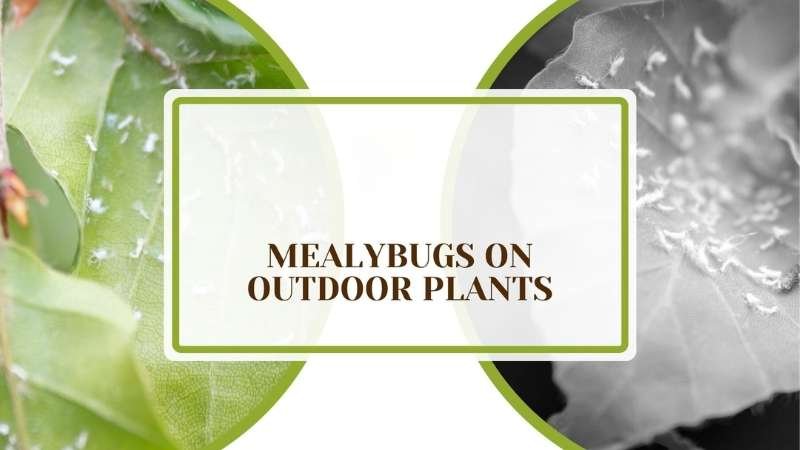 Fear not; we’re here to arm you with the best defenses. So, we are going to explore the reasons behind the attack of these unwanted garden pests.
What Are the Reasons Behind Mealybug Attacks Outdoors?
The reasons behind mealybug attacks outdoors are due to excessive watering, high humidity, and warm temperatures. This provides a suitable environment for pests to grow and breed. They can also be introduced into the garden through new plants, tools, or clothing.
– Environmental Factors Attracting Mealybugs
The first thing to understand is that mealybugs are attracted to specific environmental conditions. If your garden provides a hospitable environment, they’ll be more likely to take up residence.
Warm, humid climates are particularly attractive to these pests. Overwatering or over-fertilizing your plants can also create the perfect conditions for a mealybug invasion.
Plants can also be more vulnerable to pests (like mealybugs) when they are facing trouble. It can become stressed if a plant is overwatered, underwatered, receiving too much sunlight, etc. They are easy targets for bugs because they don’t have any power to show resistance.
– Role of Ants in Bug Infestation
Ants can surprisingly play a vital role in mealybug attacks. They have a mutual relationship with mealybugs, safeguarding them from predators and carrying them to different plants. In exchange, ants nourish themselves on the honeydew produced by the mealybugs.
If you see a large ant population in your garden, it might be a sign of a potential mealybug problem.
– Can Take Lift From New Plants
Mealybugs can easily spread to your garden by hitching a ride on new plants. Bringing home an infested plant from a nursery or garden center opens the door for these pests to quickly infest other plants in your garden.
It is essential to inspect new plants thoroughly before introducing them to your garden to prevent the spread of mealybugs. Check the leaves, stems, and undersides for any signs of white, cottony clusters or sticky honeydew residue indicating mealybug presence.
Quarantine new plants for a period to ensure they are free from any infestation before placing them near your existing plants.
– Inadequate Predators
One of the most effective remedies against mealybugs is using natural predators. However, if these predators are absent due to factors like the use of pesticides or lack of habitat, mealybug populations can explode.
Want to know- are mealybugs harmful to plants? Mealybugs “drink” plant sap, which is vital for their growth (so they are dangerous). When they feed on plants, they leave behind honeydew, which is a sugary substance that causes mold.
It’s not just your outdoor flowering plants or vegetable garden at risk; mealybugs on trees can be severe. Once they increase in population, they can also harm other plants and fruits. Therefore, try to remove their infestation as soon as possible.
How Can You Remove Mealybugs From Outdoor Plants?
You can remove mealybugs from outdoor plants by physically removing the bugs or spraying them with a strong water stream. Natural remedies like neem seed oil and dish soap can also be effective in dealing with mealybug infestations. In severe cases, chemical-based insecticides may be required.
– Physically Remove the Bugs
One of the most immediate ways to deal with a mealybug invasion is to remove the bugs physically. But you might wonder, can mealybugs fly? The answer is no. Most species of mealybugs cannot fly, especially the females, which are the most destructive. As they move slowly and are unable to fly, they are not very hard to eliminate from the garden.
Begin by manually removing them. You can also use tweezers or a toothpick to remove the mealybugs from your plants gently. Remember, this method may not be feasible if you have a large-scale infestation or if mealybugs have penetrated deep into the plant crevices.
An alternative to manual removal is a cotton swab dipped in isopropyl alcohol, often called rubbing alcohol. Gently dab the mealybugs with the swab, ensuring not to damage your plants. The alcohol will kill the bugs upon contact.
Manual removal might not be practical for a large infestation, but it can be highly effective for dealing with a few infected plants or as a supplementary treatment.
– Spray With Water To Dislodge Bugs
Another simple yet effective way to remove mealybugs from your outside plants is to use water. Yes, a strong jet of water can dislodge mealybugs from your plants. This method is for you if you have tomato plants in your garden.
Using a garden hose, aim the water stream at the affected areas of your plants. Be careful not to damage the plants with too strong a water jet.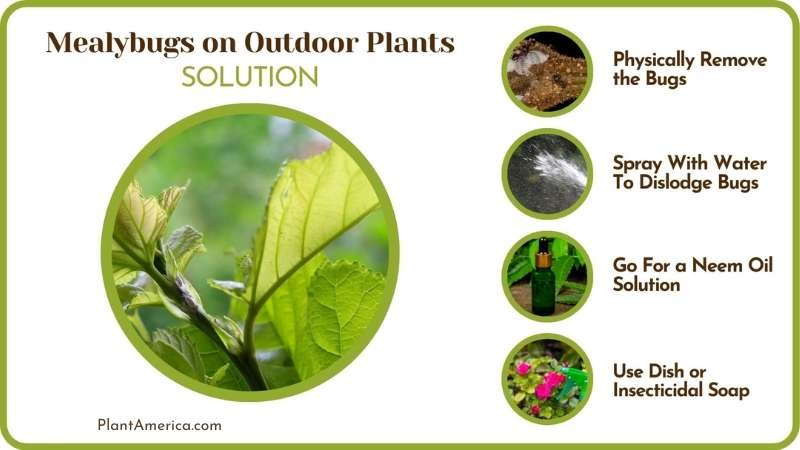
– Go For a Neem Oil Solution
Moving on to the best home remedy against garden pests – neem seed oil. Its special properties work instantly on contact, effectively combating mealybug infestations. Neem oil has the ability to change the pH of soil, so it disturbs the life cycle of mealybugs.
Remember that neem seed oil should be applied properly, covering the plant surfaces where mealybugs are present. You have to be consistent and use neem oil multiple times to ensure complete control, especially if your garden has heavy infestations. Follow the printed instructions and apply during cooler times of the day to avoid potential leaf damage caused by direct sunlight.
However, note that you must use the best neem seed oil. The top ones are safer neem oil, bonide neem oil concentrate, Monterey neem oil 70% concentrate, and southern ag triple action neem oil.
Preparing the solution is a straightforward task. Add a few droplets of neem oil to water, introduce a small volume of dish soap to enhance the oil’s adhesion to the plant, and subsequently spray this mixture on the mealybug-infected areas.
– Use Dish or Insecticidal Soap
You might be wondering, will dish soap kill mealybugs? The answer is yes- dish soap can play a significant role in mealybug control. Both soap and neem seed oil work by breaking down the protective waxy coating on mealybugs, leading them to dehydrate and perish. Using soap has several benefits—it’s affordable, easy to find, and generally safe for plants.
Mix 3-4 drops of soap in water first. Then, spray the mixture onto the infested areas of your plants. Be sure to cover all parts of the plant, as mealybugs can hide in crevices and undersides of leaves. Repeat this treatment every few days until you no longer see any mealybugs.
Soap can also be helpful against other pests, like aphids on outdoor plants. You can also purchase pre-made insect-killing soaps or make your own at home.
– Use Natural Predators
In the world of gardening, not all insects spell trouble; some are, in fact, quite helpful. These beneficial insects are frequently referred to as natural enemies. They can be effective against mealybugs.
You can create a natural ecosystem by introducing these beneficial insects into your garden. They will keep the mealybug population under control, acting as your private pest control team! Attract them by planting pollen and nectar-rich flowers or buying them from gardening stores or online.
– Try Vacuuming in Case of a Small Infestation
You heard it right – a vacuum can help your plants! It’s one more tool in our toolkit against mealybugs. A small handheld vacuum is best. Here’s the idea. You suck up the bugs right off both outdoor and indoor plants.
Then, seal the vacuum bag. Dispose of it far from your garden because you don’t want any escapees! Vacuum in the early morning or late evening. That’s when mealybugs are most active.
– Apply Vinegar Solution on Stubborn Infestation
Vinegar isn’t just for your salad. It can help your plants stay mealybug-free as well. First, make a solution- mix equal parts of water and white vinegar. Then, spray it onto the affected areas of your plants. Be careful not to use too much because vinegar can harm the leaves if used excessively. Also, repeat this every few days until the bugs are gone.
– Place Aluminum Foil Reflectors
While it may sound unconventional, aluminum foil reflectors have proven to be quite effective in helping to prevent mealybugs. To keep mealybugs away, use a foil reflector. Place shiny-side-up aluminum foil around the stem’s base.
The bright light it emits confuses pests, causing them to avoid your plants. The foil also acts as a barrier, keeping mealybugs away from your plants.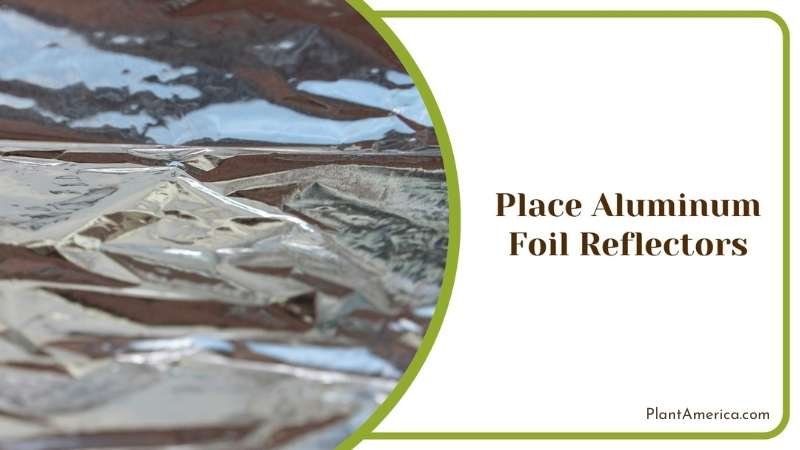
– Apply Chemical-Based Insecticides To Control Mealybugs
While natural remedies can be effective, severe infestations sometimes require stronger measures. This is where chemical insecticides come in. These potent formulations, often regarded as the best insecticide for mealybugs, can knock down severe infestations quickly and effectively.
Insecticides for mealybugs usually include chemical pesticides or synthetic chemicals that can kill the pests on contact or disrupt their life routine. While these can be effective, use them with caution.
– Keep Garden Clean and Weed-Free
Like many pests, Mealybugs thrive in cluttered, neglected areas, as they can hide and breed undisturbed there. But if you wash such an area with water, then these bugs will have no place to go.
Moreover, if the water touches their body, it will make their movement difficult as well. In this situation, you can manually pick and throw them away.
Also, regularly clearing out fallen leaves, dead plant material, and other debris eliminates potential hiding spots for mealybugs. Not just that, a clean and weed-free garden helps prevent other pests from harming your plants’ overall health.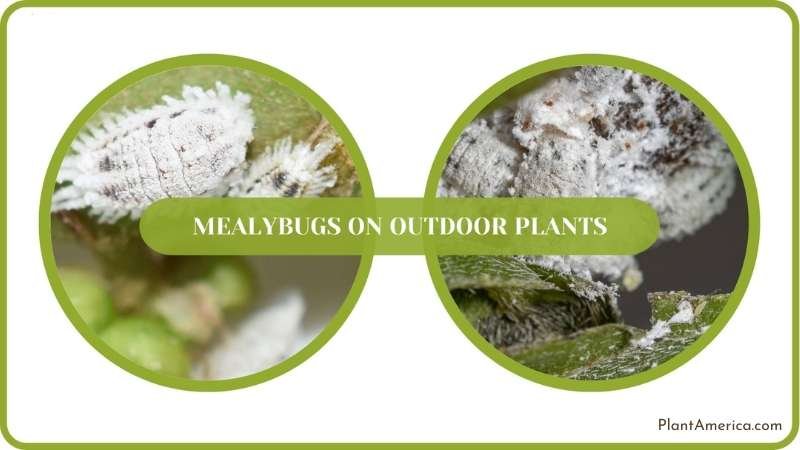
However, weed removal is not as easy as it sounds. You can easily uproot the smaller ones with your hands. But if these unwanted plants grow a little bigger, then getting rid of them manually will become difficult. You can’t leave them on their own, as weeds can harbor mealybugs.
In this situation, apply a little water to the soil and wait for it to get soft (less compact). Then, you can use a trowel to hit the weed roots. If you still are unable to eradicate these unwanted plants, then it is better to use commercially-manufactured weedicides. Remember- keeping your garden weed-free limits these opportunistic pests’ chances of establishing a foothold.
Conclusion
In-inclusive, mealybugs on outdoor plants are a concerning problem. It can feel overwhelming at first, but with the right strategies, you can control and prevent them. To ensure a thriving, mealybug-free garden, here are some essential steps to follow:
- Use various methods to physically remove mealybugs, such as handpicking or a strong water spray.
- Harness the power of natural remedies like neem oil and dish soap for a non-toxic, cost-effective solution.
- Leverage predatory insect pests to maintain a balanced ecosystem in your garden.
- When necessary, use chemical-based insecticides with caution.
- Maintain a clean, weed-free garden to discourage mealybug habitation and breeding.
Follow these strategies mentioned above to handle a mealybug infestation and protect the health of your outdoor plants.