
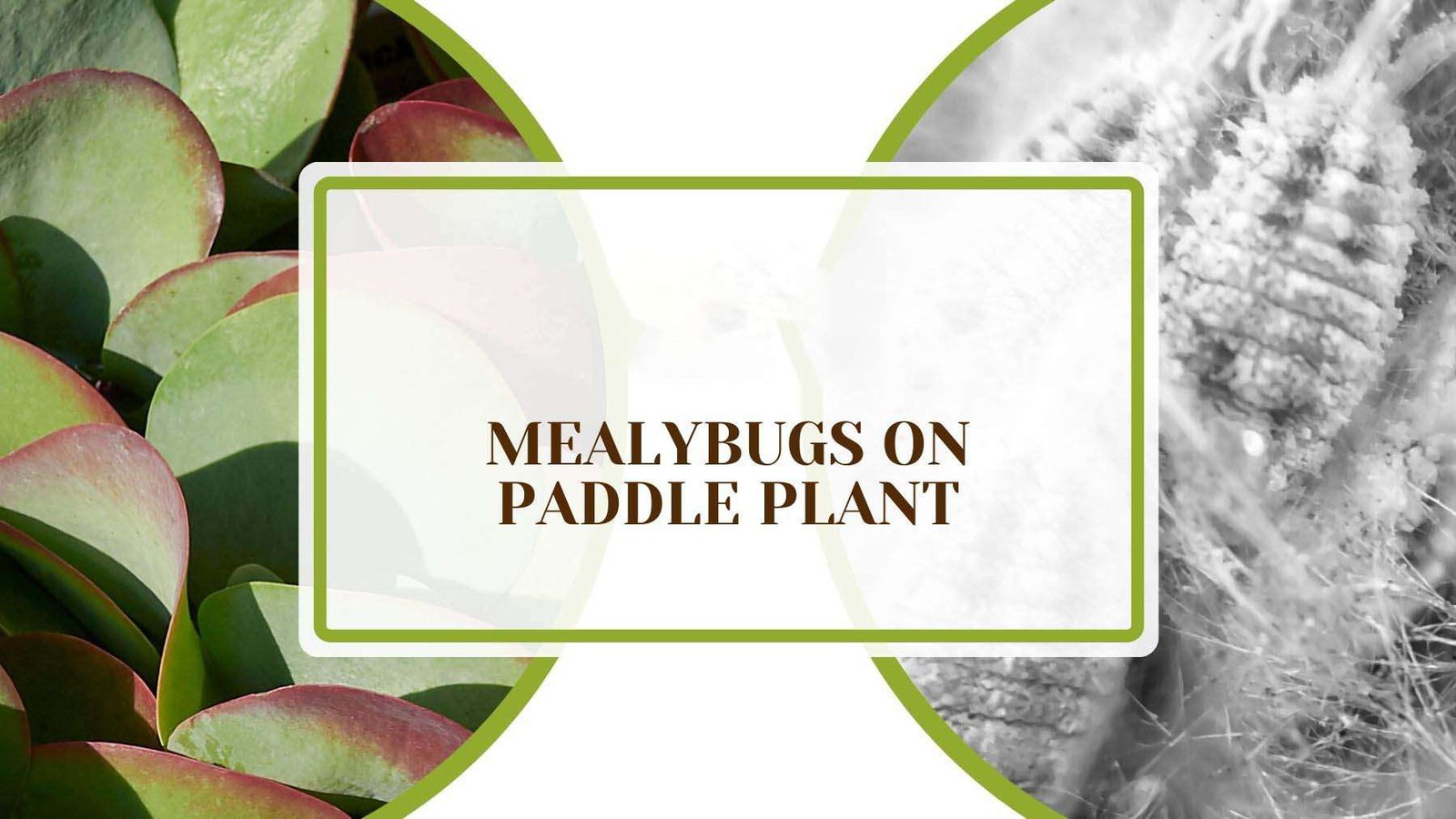
Mealybugs on paddle plant could be a mere annoyance or a real threat to your beloved succulent. Well, the truth is, these tiny pests can turn lush green leaves into a withered mess within a week.
Therefore, eliminating them from your garden is super essential for your plant’s survival. So please stick with us as we delve into simple ways to rid your paddle plant of mealybugs and keep it thriving.
Why Are There Mealybugs on Paddle Plants? 4 Reasons
There are mealybugs on paddle plants usually because of overwatering, poor plant hygiene, and using contaminated soil or tools. These bugs can also enter your garden by hitchhiking on the newly bought nursery plants. These pests can hide in soil or or under leaves, which is why they often go unnoticed.
– Overwatering: Creating a Perfect Mealybug Habitat
When the soil remains consistently wet, it creates conditions where mealybugs can multiply at a rapid rate. The excess moisture also weakens the plant, making it more susceptible to pests. So, you’ll see many bugs if you start pouring more water.
You may wonder, are mealybugs harmful to paddle plants? The answer is yes; these tiny insects can be a real menace. They attack plants at their core and create problems that can weaken or kill them.
– Poor Plant Hygiene: A Welcoming Mat for Pests
Dust, debris, and dead plant parts can attract a variety of pests, including mealybugs. These conditions can also obstruct the plant’s ability to breathe and photosynthesize effectively, weakening its immune response.
Remember that mealybugs like to feast on fragile plants. So, they will enter and infest your garden if it’s full of weak plants.

– Using Contaminated Soil or Tools: Unintentional Invitations
Mealybugs, like many pests, can hitch a ride on almost anything. Using soil that has previously housed infected plants or not cleaning tools between uses can introduce these pests to otherwise healthy environments.
Note that mealybugs lay their eggs in the soil. If this soil is reused or mixed with clean soil, the eggs can hatch, and a new infestation can begin. Therefore, gardeners should be wary of the origins of their soil and the cleanliness of their tools.
– Introducing Infected Plants: The Trojan Horse Effect
When a new plant is brought into a garden or home, it’s possible that it carries hidden mealybugs or their eggs. Even if a plant appears healthy on the surface, it may be harboring pests beneath its leaves or in its soil.
By the time they are visible, it’s often because their population has grown to a point where they are causing noticeable harm to the plant.
How To Get Rid of Mealybugs From a Paddle Plant? 11 Solutions
To get rid of mealybugs from a paddle plant, start by brushing them off, using an alcohol bath, or releasing beneficial predatory insects. You can also try other methods: vacuuming, vinegar solutions, garlic spray, and neem seed oil. Creating petroleum jelly barriers and applying chemical control can also work.
– Recognizing the Threat
Your first action should be confirming the signs of mealybugs on succulents. Some people can mistake them for other pests (which may require different treatments).
These signs include:
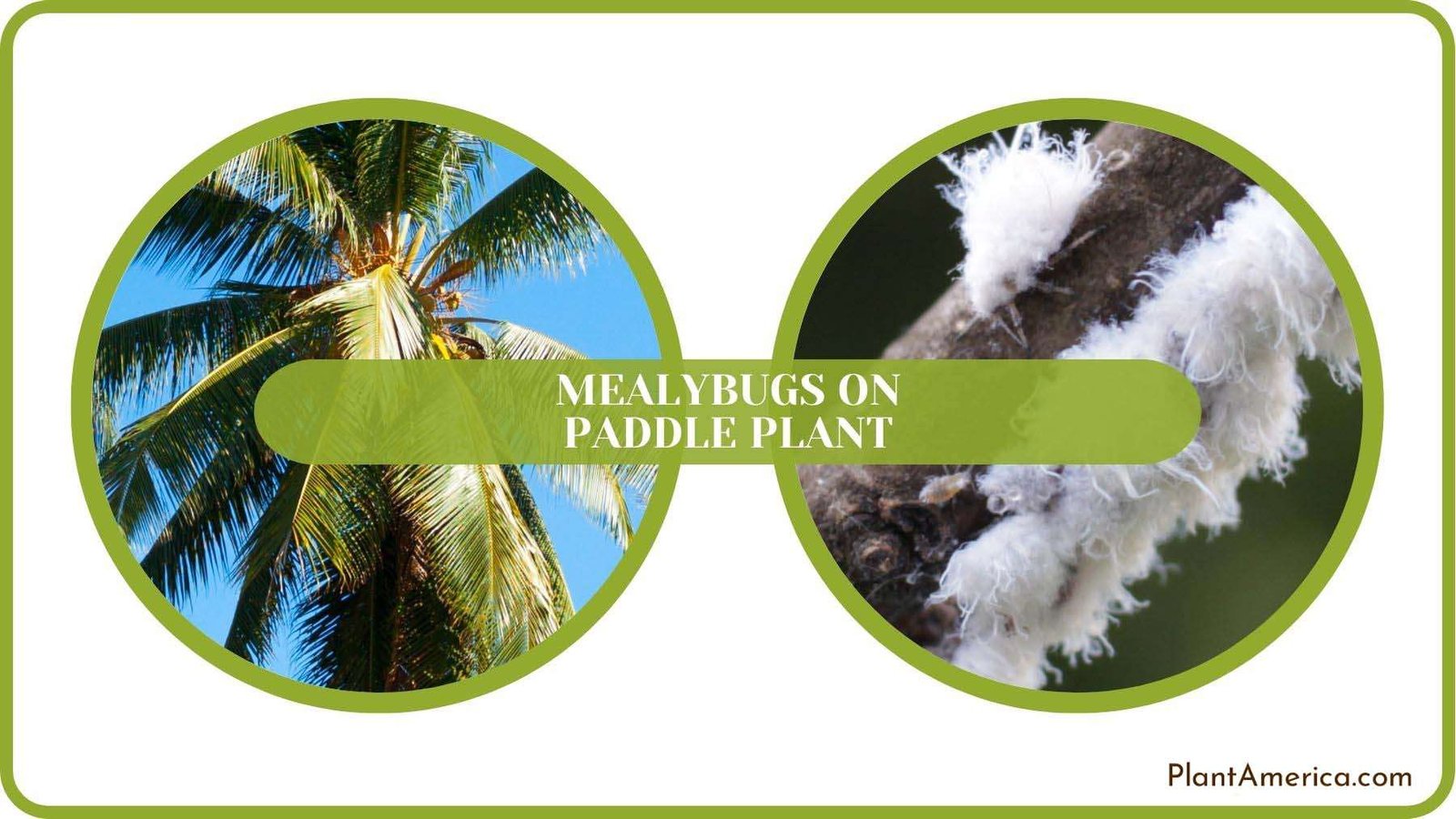
- White Masses, often clustering together in hidden spots like leaf joints.
- Sticky Residue.
- Yellow or pale leaves are a clear signal of trouble.
- If your paddle plant stops growing or appears weak, mealybugs might be the cause.
– Brush Off White Cottony Mealybugs
If you’ve spotted those cottony masses on your paddle plant, don’t panic. Follow this step-by-step guide to physically removing them:
- Identify the Infestation: First and foremost, confirm that the cottony substance is mealybugs. They typically cluster around the base of leaves or stems.
- Get the Right Tools: You’ll need a soft brush, such as a toothbrush.
- Brush Gently: Lightly brush the mealybugs off the infected areas. Be gentle; you don’t want to harm the plant itself.
- Clean the Surroundings: Mealybugs can fall into the soil or other areas of the plant. Ensure you clean these up to prevent re-infestation.
This manual removal is a straightforward, chemical-free way to get started, but sometimes it’s not enough, especially if the infestation has spread to other plants, like a string of pearls.

– Give Alcohol Bath
When the infestation is stubborn, it’s time to bring stronger tools. An alcohol bath can be a very effective way to combat mealybugs.
Here’s a thorough explanation of this method:
- Choose the Right Alcohol: Isopropyl alcohol/rubbing alcohol is suitable for this purpose. Make sure you select a variety with a 70% or higher concentration.
- Prepare the Solution: Mix the alcohol with water, usually in a 1:1 ratio. Doing this will dilute it enough to be effective without harming the plant.
- Apply Carefully: Apply the solution to the infested areas using a spray bottle or a Q-tip. Be gentle and precise.
- Monitor the Plant: Keep a close eye on your paddle plant afterward. You want to ensure the mealybugs are gone without causing stress to the plant.
- Consider Other Plants: If you’re wondering how to get rid of mealybugs on a string of pearls or other succulents, this method is generally applicable but always proceed with caution.
Note that the “Alcohol bath” method requires careful handling. It’s stronger than brushing and suitable for more stubborn or widespread infestations.
– Introduce Beneficial Insects: Get Insects to Kill Insects
Have you ever wondered “what causes mealybugs on succulents?” Well, one of the leading reasons is the lack of natural predators in your garden. So, in the battle against mealybugs, one solution might be introducing beneficial predatory insects that prey on them.
Some insects, like ladybugs and lacewings, are known to feast on mealybugs. You can purchase these insects from reputable garden centers. Then, release the insects near the infested areas. They’ll get to work hunting down and consuming the mealybugs.
– Soapy Water: Apply Bubbles To Deter Pests
Soapy water has proven to be an effective remedy against mealybugs. We’ve also found it to be effective against other common pests, which are:
- Fungus gnats
- Scale insects
- Spider mites.
Therefore, every gardener should know how to make a soap spray.
- Understand the Effectiveness: Soapy water breaks down the protective waxy coating on the bugs, leading to dehydration and death.
- Choose the Right Soap: Both dish soap and insecticidal soap can be used for this method. Insecticidal soap is specially formulated for plants, but a mild liquid soap will also do the trick.
- Blend: Mix 3-4 drops of soap with water. The exact ratio may vary, but a teaspoon of soap per gallon of water is usually a good start.
Before spraying the entire plant, testing on a small area is better to ensure it doesn’t harm the plant. Then, do these steps:
- Using a spray bottle, apply the soapy water to all infested areas.
- After letting the solution sit for a few hours, rinse the plant with clean water to remove any soap residue.
– Vacuuming: An Unconventional Approach
When you spot mealybugs on plants, you can also try vacuuming them. It can be an effective way to rid your beautiful succulents of these nuisances. Let’s break down the process:
- Choose the Right Vacuum: A handheld vacuum or one with a small nozzle attachment works best for this method.
- Inspect the Infestation: Before you start, thoroughly inspect your plants to identify the areas infested with succulent pests.
- Use Gentle Suction: Set the vacuum to a gentle suction setting if available, or hold the nozzle slightly away from the plant to avoid harm.
- Carefully Vacuum the Bugs: Carefully guide the vacuum over the infested areas, picking up the mealybugs without harming the plant.
- Dispose of Them Properly: Empty the vacuum bag or container into a sealed bag and dispose of it in the trash. You don’t want those bugs finding their way back!
- Monitor and Repeat if Needed: Keep an eye on your plants in the following days and repeat the process if you notice more mealybugs.
– Try Vinegar Solution
A vinegar solution can be a quick and cost-effective method for taking control of a mealybug problem.
Here’s how to do it:
- Create the Solution: Mix equal parts of water and white vinegar. If properly diluted, the vinegar’s acidity will work against the mealybugs without harming the plants.
- Test on a Small Area: As with any new solution, it’s wise to first test it on a small, hidden part of the plant.
- Spray the Infested Areas: Using a spray bottle, generously spray the vinegar solution onto the infested areas, reaching all the nooks and crannies where mealybugs may hide.
- Allow it to Sit: Let the solution sit for a few hours to give the vinegar time to work its magic.
- Rinse Thoroughly: Rinse the plant with clean water to wash away the vinegar and any dead mealybugs.
– Garlic Spray: Get Help From Your Kitchen
If you’re wondering how to get rid of mealy bugs on succulents, a garlic spray may be the answer.
Here’s a step-by-step guide:
- Start by crushing or mincing about five garlic cloves.
- Next, mix the crushed garlic in a quart of boiling water.
- After this, let it steep for at least an hour. It will ensure the water infuses with garlic’s natural compounds.
- Once cooled, it is better to strain the solution.
- Then, combine a teaspoon (4 grams) of liquid dish soap with the garlic water. It helps the solution stick to the plants.
- Use a spray bottle to apply the garlic solution to the areas where mealybugs are present. Be thorough in covering all infested parts.
Bugs will find the garlic scent irritating and quickly move out of your garden (which we want).
– Apply Neem Seed Oil: Suitable Approach For Many Plants
Seasoned gardeners also try neem oil for mealy bugs, which is understandable. This oil can be a game-changer in maintaining the health and beauty of your paddle plants. Moreover, it’s also for you if you are wondering, “How to get rid of mealybugs on string of pearls?” Let’s discuss how to make a neem seed oil spray:
- Create the Neem Seed Oil Spray: Mix 2 tablespoons of neem seed oil with a gallon of water. Add 2-4 drops of liquid soap to help emulsify the oil in the water.
- Test a Small Area First: Always test the neem spray on a small, hidden part of the plant first to ensure no adverse reaction.
- Spray the Infested Plants: Thoroughly spray the plants, leaving no area wet.
- Allow the Oil to Work: Let the neem oil stay on the plant for several hours or overnight.
- Rinse if Necessary: If you notice any residue or if the plant appears stressed, gently rinse it with water.
- Monitor and Repeat: Keep an eye on your plants and repeat the treatment if needed. It may take a couple of applications to eradicate the mealybugs.
There’s a bonus of using Neem seed oil. It can also deter mealybugs from returning to your garden, which means it will provide long-lasting protection.
– Create Petroleum Jelly Barrier
Preventing mealybugs from reaching your plants in the first place can save you time and stress. Have you ever wondered how to prevent mealybugs on succulents? Creating a petroleum jelly barrier might be a solution you’ve not yet considered.
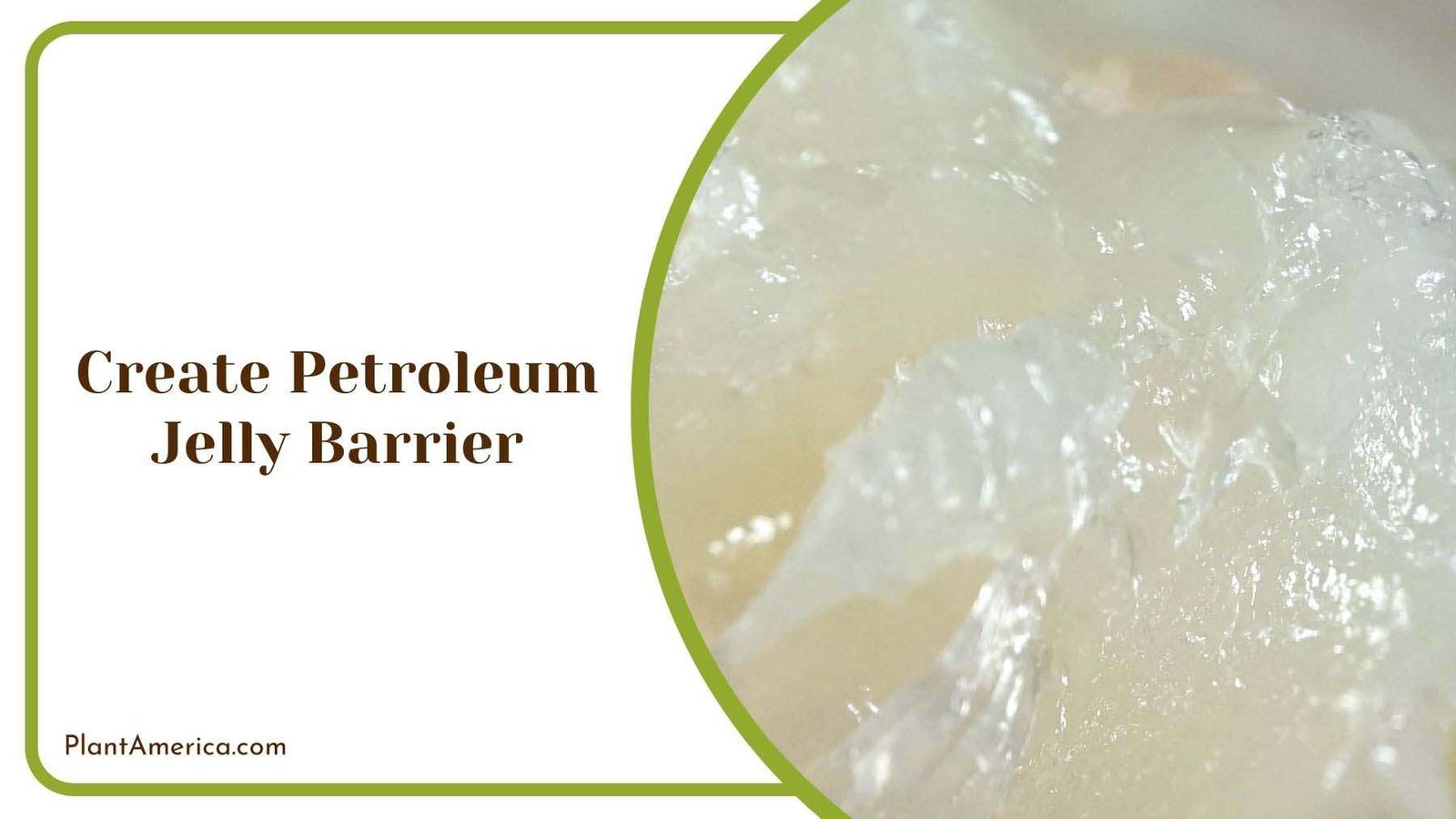
Here’s how to put this method into practice:
- Gather Supplies: You’ll need petroleum jelly and diatomaceous earth (DE), a non-toxic powder deadly to tiny insects.
- Prepare the Area: Clean the stems and lower parts of the plant where you plan to apply the barrier.
- Create the Barrier: Mix the petroleum jelly with diatoms (DE) to form a thick paste.
- Apply the Paste: Using gloves or a small brush, apply the paste around the base of the plant or on the stem where mealybugs might crawl up.
- Monitor the Barrier: Check the barrier regularly to ensure it stays intact. Reapply as needed, especially after rain or watering.
- Watch for Results: Enjoy the peace of mind of knowing mealybugs can’t reach your beloved plants.
This barrier acts like a moat, making it nearly impossible for mealybugs to cross without getting stuck or injured by the diatom earth.
– Chemical Control For Severe Infestations
Sometimes, despite our best efforts, a mealybug infestation might become so severe that traditional methods fall short. In such cases, turning to chemical control might be necessary. Here’s how to approach this challenging situation with plant care in mind:
- Choose the Right Insecticide: Select a systemic insecticide explicitly designed for mealybugs.
- Consider Hand Sanitizer: Oddly enough, some gardeners swear by the question, can hand sanitizer kill mealybugs? The alcohol content in hand sanitizers can be an alternative to traditional insecticides.
- Apply with Care: Using insecticide or hand sanitizer, apply the product carefully and directly to the infested areas.
- Monitor the Situation: Keep a close eye on your plants to ensure the chemical treatment is working and not causing additional harm.
Remember that chemical control should always be a last resort, as it can sometimes harm predatory insects and the environment.
Conclusion
All in all, dealing with mealybugs on paddle plants can be a challenge. However, it is manageable with the right strategies and attention to detail. We recommend you always consider these steps whenever your paddle plant gets attacked by mealybugs:
- Don’t Panic, Just Act: Found some mealybugs? You’ve got this with methods like brushing off or using neem oil!
- Mix It Up a Little: Apply different methods, from vinegar to chemical insecticides, and see what works best for your plants.
- Prevention is Key: Techniques like petroleum jelly barriers can be your garden’s best friend.
- Monitor Daily: Regular inspection and prompt action can save your plants from further damage and stress.
So, grab your gardening gloves, and let’s make those paddle plants the happiest they’ve ever been. These simple strategies can help you have a mealy-bug-free garden in a few days.