
Mealybugs on maple trees are an alarming sight that every gardener hates to see. It’s understandable, too, as these tiny pests can turn stunning maple trees into unhealthy ones in a few days.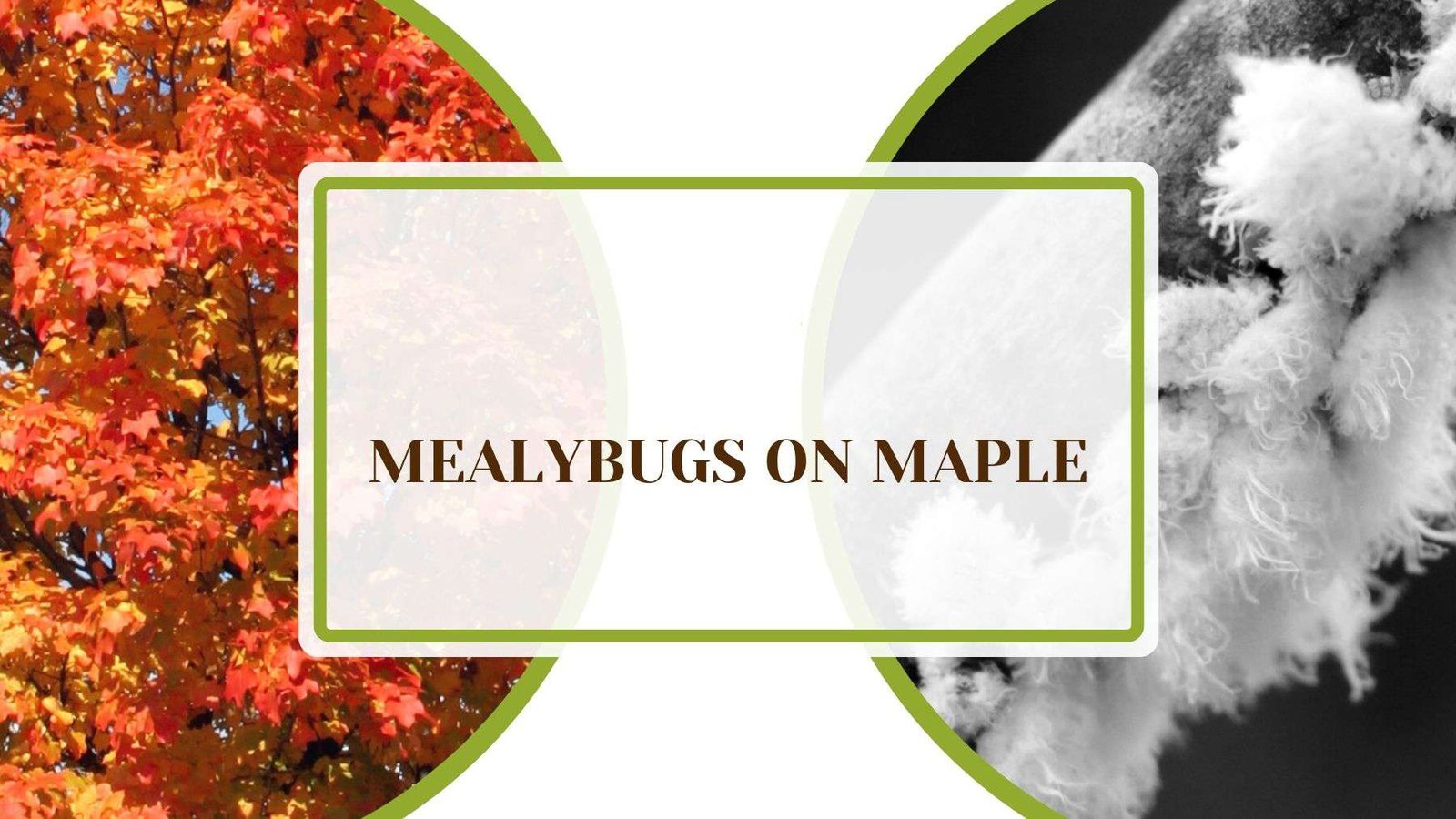 Well, worry no more; we’re here with some practical solutions to this prevalent problem. So, buckle up and join us on this important journey towards a mealybug-free garden.
Why Are There Mealybugs on Maple? All You Need To Know
There are mealybugs on maple due to multiple factors, but the most common one is lack of ideal environmental conditions. In addition, overwatering, and a lack of natural predators allow these pests to flourish. Additionally, introducing infested plants into a maple’s vicinity can spread the infestation.
– Environmental Conditions Play a Pivotal Role
Mealybugs, like many pests, have optimal conditions in which they thrive. When the environmental parameters shift in their favor, their populations can explode. For example, high humidity is particularly favorable for mealybugs.
The increased moisture offers a conducive environment for their reproduction. The humidity ensures these egg masses remain moist, increasing the chances of the eggs hatching successfully.
Similarly, temperature plays a role. While maple trees can be found in various climates, mealybugs will flourish more in regions where temperatures are moderately warm, allowing for faster life cycles and quicker population growth. Cold temperatures, on the other hand, can slow them down but won’t necessarily eradicate them.
– The Perils of Overwatering
Water is essential for all living organisms. However, for maple trees, the line between adequate watering and overwatering is thin. When crossed, it can inadvertently benefit pests like mealybugs.
Overwatering does not directly cause mealybugs, but it creates conditions that are favorable for them. Consistently damp soil can lead to a higher ambient humidity around the plant.
As mentioned earlier, mealybugs thrive in humid conditions. So, they get attracted to damp soil and cause an infestation there.
– The Absence of Natural Predators
In a balanced ecosystem, mealybug populations are kept in check by their natural enemies, such as ladybugs, lacewings, and parasitic wasps. These predators feed on mealybugs, ensuring their numbers remain controlled.
However, when there’s a decline or absence of these natural predators, there’s nothing to stop mealybugs from multiplying unchecked. Factors like the use of broad-spectrum insecticides can kill these beneficial insects.
– Introducing Infested Plants: An Unseen Threat
This might seem obvious, but one of the most common ways mealybugs spread is through the introduction of infested plants. A gardener might purchase a new plant for their garden, not noticing the tiny white pests hiding on it.
Once planted near a maple tree or in the same garden, it’s only a matter of time before the mealybugs find their way to the tree and start an infestation.
Infested tools can also be culprits. Using a pruner on an infested plant and then on a maple tree without cleaning it can easily transfer mealybugs or their eggs (leading to a massive infestation).
What To Do When You Spot Mealybugs on Maple? 8 Methods
When you spot mealybugs on maple, use rubbing alcohol or a homemade spray of garlic and onion. You can also introduce beneficial insects or place pheromone-baited sticky traps strategically. It is better to use commercial insecticides as a last resort.
– Use Rubbing Alcohol: First Step Toward Mealybug-Free Garden
An excellent remedy to begin your war against mealybugs is using isopropyl alcohol, commonly known as rubbing alcohol.
The first step in the battle against mealybugs using rubbing alcohol involves thoroughly examining your tree. Please pay close attention to the Japanese maple leaves, a common target for mealybugs. Look out for tell-tale signs such as a white, cotton-like substance (eggs), yellowing, wilting, curling leaves, or sticky honeydew.
Next, get rubbing alcohol to prepare the “Bug-ridding” solution. A mixture of rubbing alcohol and water (in 1:1) is recommended. Undiluted alcohol could be too harsh and potentially damage the plant tissues.
Spray the alcohol solution directly onto the affected areas early or late in the evening. These times are optimal as they minimize rapid evaporation and increase the duration of contact between the alcohol and the mealybugs.
– Sprinkle Diatomaceous Earth To Kill the Bugs
Another formidable weapon in your arsenal against mealybugs is Diatomaceous Earth (DE). This naturally occurring substance is a pet-safe and eco-friendly option that can be part of an effective cottony maple scale treatment.
The cell walls of these Diatomaceous Earth (DE) are composed of silica, a component that is sharp and lethal to minor bugs like mealybugs but harmless to larger organisms. When mealybugs come into contact with DE, the sharp particles cut through their waxy outer layer, causing them to dehydrate and die.
Before you begin, ensure you’re using food-grade DE, as it’s safer for your garden. Here’s how you can use it:
Dry the Area: Diatomaceous Earth works best in dry conditions. If you’ve recently watered your tree or if it’s rained, wait for the tree and the surrounding area to dry before application.
Sprinkle DE: Wear a dust mask to avoid inhaling DE particles. Then, sprinkle the DE around the tree’s base, trunk, and branches, focusing on areas where you see mealybug activity.
DE loses its effectiveness when wet. After rainfall:
- Ensure to reapply DE to maintain its protective barrier against mealybugs.
- Remember, while DE is non-toxic to humans and pets, it can kill beneficial insects too. So, use it judiciously.
– Washing Away Mealybugs: A Simple Solution for Your Plants
Using a water stream to dislodge and remove these bugs is natural, easy, and highly effective. First, find a garden hose with an adjustable nozzle or fill a spray bottle with water. The key here is to create a forceful enough stream to dislodge the bugs without damaging the delicate leaves of the plant.
Focus the spray on the infested parts of the plant, especially underneath the leaves. A good spray will send them packing, so be thorough and ensure you’ve targeted all affected areas. Keep an eye on your plants over the next week. If you spot more mealybugs, simply repeat the process.
The water stream method offers a chemical-free approach to managing a mealybug problem. It’s an environmentally friendly option safe for plants and other beneficial insects in your garden. Give it a try the next time you spot those pesky mealybugs, and watch them wash away!
– Use the Power of Hydrogen Peroxide
Hydrogen peroxide, a common household item, can effectively tackle Japanese maple pests, including mealybugs. It’s also an answer to the “how to get rid of aphids on Japanese maple” question.
When sprayed on pests, the oxygen in hydrogen peroxide, H2O2, breaks down into water (H2O) and a free oxygen molecule (O), causing the pests to die from oxygen toxicity.
- Prepare the Solution: Mix equal parts of 3 percent hydrogen peroxide and water.
- Test a Small Area: Before applying the solution all over the tree, spray it on a small, inconspicuous part of your tree and wait for 24 hours. If the spot shows no damage, it’s safe to proceed.
- Spray the Solution: Spray directly onto the mealybugs, paying close attention to the undersides of leaves where these pests tend to hide.
- Repeat as Necessary: Like most natural remedies, multiple applications may be required for complete eradication.
– Give Essential Oil a Chance To Remove Bugs From Your Garden
There’s a reason horticultural or essential oils like neem oil have become staples in natural pest control. They offer a powerful, environmentally friendly way to combat common pests. From tiny black bugs on Japanese maple trees to more sizable nuisances, you can use the “essential oil spray” method to eradicate almost every kind of insect.
Essential oils block insects’ breathing pores or disrupt their hormone systems, leading to their death. Some oils also have insect-repelling properties, which means they will keep new pests from attacking your trees.
- Choose the Right Oil: Horticultural oil is highly refined petroleum oil and is generally safe to use on most plants. We suggest you get it from a reputable store/source.
- Prepare the Solution: Dilute the oil with water according to the product instructions. Adding dish soap is often recommended to help the oil mix better with the water.
- Apply the Solution: Spray the diluted oil all over your tree, paying particular attention to the underside of leaves and other hiding spots for pests. Be sure to cover spider mites, Japanese beetles, ambrosia beetles, caterpillars, and scale insects if present.
- Reapply as Needed: Repeat the application every week until the pests are under control.
– Release Beneficial Insects in Your Garden
Several species of insects feed on mealybugs, turning your pest problem into their buffet. Insects like ladybugs, lacewings, and parasitic wasps, are natural predators of mealybugs. Here’s how to attract and introduce beneficial insects into your garden:
- Purchase Beneficial Insects: You can buy these beneficial insects online from garden centers. Make sure to research which types will be most effective in your region and for the specific pests you’re dealing with.
- Release in the Evening: Most beneficial insects do not fly at night. Therefore, releasing them in the evening increases the likelihood that they’ll stick around your garden.
- Provide a Food Source: Besides pests, beneficial insects also need nectar, pollen, and water. Planting various flowering plants can provide these necessities. Moreover, doing this will also make your garden more appealing.
– Try Pheromone-Baited Sticky Traps
Pheromone-baited sticky traps can be a smart part of your insect control strategy, especially when dealing with mealy bugs on Japanese maples. These traps use insect sex pheromones to lure male mealybugs. This prevents them from finding females, which ultimately reduces the pests’ reproduction rate. In addition, the sticky surface of the traps can also capture the bugs.
- Purchase Traps: Pheromone-baited sticky traps are available in most garden centers or online.
- Placement: Place the traps close to your Japanese maples, but position them so they won’t accidentally trap beneficial insects.
- Check Regularly: Monitor the traps every few days to gauge the level of infestation and replace them when they’re full.
– Make a DIY Spray With Garlic and Onion
If you’re a fan of homemade solutions, a DIY spray with garlic and onion can be an effective measure against mealybugs infesting your common Japanese maple.
Here’s how you can prepare this homemade spray:
- Prepare the Ingredients: Chop up one medium-sized onion and two garlic cloves.
- Make a Puree: Blend the chopped onion and garlic in a blender.
- Strain the Mixture: Use a cheesecloth or a fine strainer to strain the mixture. This is your concentrated solution.
- Prepare the Spray: Add one part of the concentrated solution to four parts of water in a spray bottle.
- Apply: Spray your Japanese maple with this solution, covering the leaves, stems, and sides.
This spray can deter mealybugs and other pests, but remember to reapply it every few days and after rain for best results. It’s always essential to first test any new spray on a small plant portion to ensure it won’t cause damage.
– Go for Commercial Insecticides
If you’re wondering how to get rid of bugs on Japanese maple immediately, commercial insecticides could be the answer. Commercial insecticides contain active ingredients that kill pests on contact or when ingested. They’re typically more potent than natural solutions, which means they can quickly control severe infestations.
Choose the Right Insecticide: Look for products specifically designed to control pests infesting your trees. Make sure to read and follow all label instructions.
Apply the Insecticide: It’s generally best to spray early or late evening when beneficial insects are less active. That’s all about how to get rid of maple tree bugs!
Conclusion
Mealybugs are a real threat to your maple, but you can eradicate these pests with consistent and strategic care. Let’s review the key points:
- Look for signs of mealybug damage, like stunted growth, yellowing leaves, and a sticky residue called honeydew.
- Simple solutions like rubbing alcohol, organic insecticidal soap, and homemade sprays can easily tackle light infestations.
- Diatomaceous earth or hydrogen peroxide can also help treat and prevent future infestations.
- Invite beneficial insects into your garden or deploy pheromone-baited sticky traps to control mealybug populations naturally.
- Don’t hesitate to use potent solutions like essential oils or commercial insecticides in case of severe infestation.
Following these points will protect your Japanese maple tree from mealybugs without much hassle. Before we sign off, remember, that being consistent and watchful is key to maintaining a vibrant and healthy garden.