
Senecio peregrinus of the Asteraceae family, or the String of dolphins, is a unique and attractive succulent suitable for your garden as it matures into a trailing plant that can grow up to 36 inches in length and looks perfect in hanging baskets. The stems of these Dendrophorbium genus plants are green to dark green, and a fully grown plant has a cinnamon-like smell.
The following guide will answer all your questions and help you in growing this drought-tolerant, low-maintenance plant at home.
Senecio Peregrinus Care
| Requirements | Senecio peregrinus |
| Light | Prefers bright, indirect light |
| Water | Water when soil is completely dry |
| Soil | Needs well-draining soil mixture |
| Temperature | Prefers warm weather and doesn’t tolerate frost well |
| Fertilizer | Needs an organic or synthetic form of fertilizer or plant nutrition |
Senecio peregrinus is a succulent and is naturally easy to grow. The best way to grow this lovely plant is to place it near a sunny window that gets indirect bright light. Grow it in a hanging basket so that the foliage can easily trail over and spread naturally.
The curvy foliage of this plant grows up to 6 inches tall. The plant also flowers from May to June with white flowers that form a puffball appearance, and every bloom has a red or yellow halo of filaments.
In the first year, it grows over 19 inches long. To make sure the plant has optimal growth, we must consider what it requires from us. Our care guide will tell you all you need to know to make your plant happy and healthy.
 Light Requirements
The Dolphin necklace plant prefers bright, indirect light and may get sunburn with direct exposure to light. For this reason, the best place to plant it would be close to a sunny window that gets indirect light.

Make sure that you do not put it under a shade or a poorly lit space as this will affect plant growth. When there is low light, the stems become leggy. Find a location for this plant that is brightly light for around 6 hours but doesn’t get direct exposure to light.
 Temperature Requirements
Senecio peregrinus plants prefer warm weather and don’t tolerate frost well. If you live in an area that has temperatures below 40 degrees Fahrenheit, plant it in a container. This way, you can bring the plant indoors when the temperatures dip. Be careful that you do not leave it in full sunlight or expose it to extreme heat.
 Water Requirements
Be mindful when it comes to watering the String of dolphins plant. They do not like to be overwatered and they must be able to drain water after each watering. The secret to watering it correctly is to drench it with water and then to allow it to dry completely before watering again.

Water frequently in the growing season between spring to fall. This plant doesn’t need frequent watering in winter. Remember that overwatering can cause root rot and kill the plant very quickly.
 Soil Requirements
The string of dolphins plant likes to grow in a well-draining soil mixture.
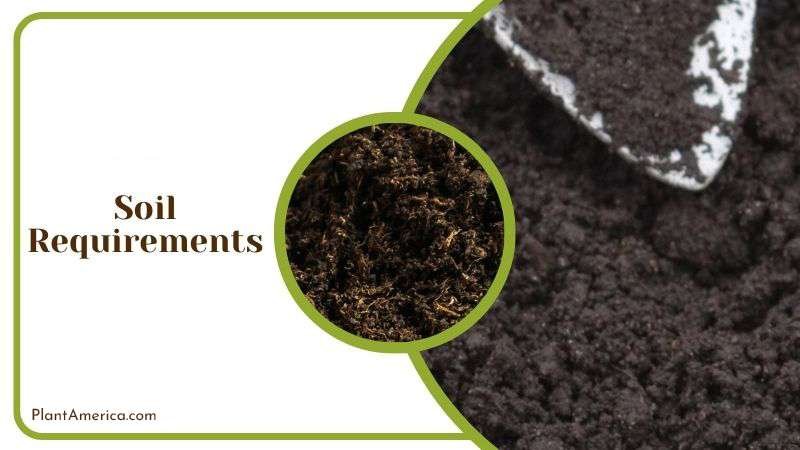
You can buy the ones suitable for cacti and succulents or make your own. The best recipe for a potting mix would be sand-based.
 Fertilizer Requirements
The plant will need an organic or synthetic form of fertilizer or plant nutrition. Compost, peat moss, vermicompost or manure will do the trick.
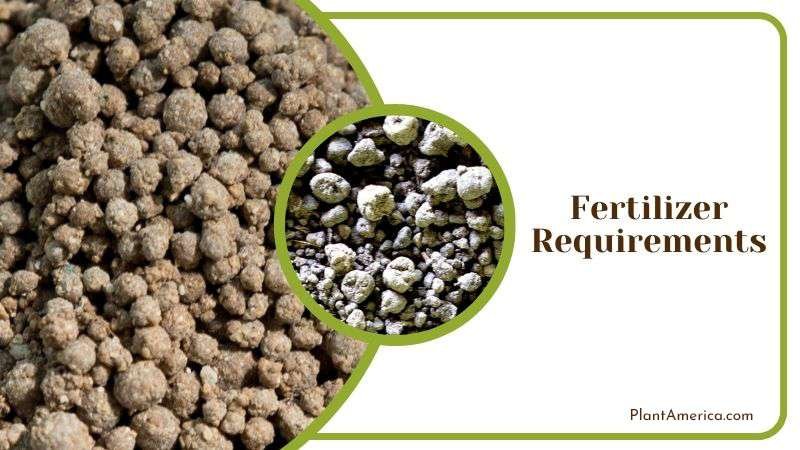
You can choose slow-release fertilizers or treat your plants with liquid plant food during the growing season.
– Repotting Senecio Peregrinus
Senecio peregrinus can be repotted during spring or summer when it is not dormant. Repot it only if needed. Make sure the pot has drainage holes and that the potting mixture is well-draining.
The size of the pot will be important too. It should be at least 1.5 inches bigger than its old pot.
Propagation
Senecio peregrinus can be propagated very easily using the leaf cutting method. You may notice that wherever the leaf touches the soil it begins to grow. It takes very little effort to do this right. With proper care, the results are always successful.
Here is a simple step-by-step guide to help you propagate String of dolphins properly.
- Cut a healthy leaf during the growing season.
- Use sterilized tools to avoid infections.
- Allow it to develop callus.
- Place the leaf in a fresh, well-draining potting mix in a separate pot.
- Take multiple leaves for the best chances of success.
- Water and cover it with plastic or glass.
- Water once the soil is about to get dry. This may take several days.
- Make sure the cuttings get enough light and are not kept in a shaded area.
- It will take a few weeks to see new growth emerge from the leaf.
- You can now remove the covering and let it grow freely.
An alternative method of propagation is by using stem cuttings.
For this method, follow these simple steps:
- Cut a stem with more than 4 nodes.
- Place it in water or allow it to form a callus.
- Place this cutting into the soil when it forms roots.
- If you want to plant it directly into the ground, put it into a potting mix and water it well after it has formed a callus.
- Do not worry if the stem drops the leaves.
We hope this guide simplified the propagation of the String of dolphins succulents for you. Now let us look at some of the problems faced by this plant.
Problems
The String of dolphins plant comes with its set of problems. These are usually not severe and are avoidable with proper care. We are here to help if they do occur. First, let us discuss the pests that may attack your plants and what remedies you can do to remedy these attacks.
– Spider-mites
These little insects are likely to form webs below the leaves.

If you see webs surrounding the foliage, bring the plant in the open air and spray it with cold water.
– Mealybugs
Cottony growth on your plants could be a sign of mealybugs. You can use a cotton swab after soaking it in rubbing alcohol to remove these.
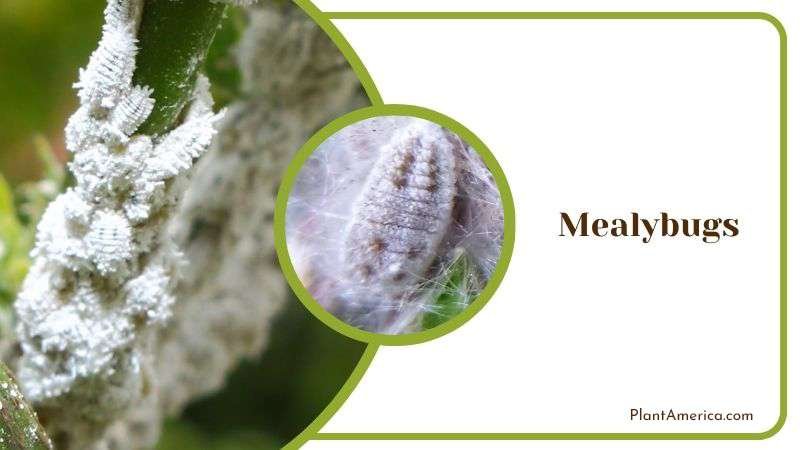
You can also use a spray of insecticidal soap to wash away these annoying bugs.
– Disease
These succulents may get affected by fungal issues, which happens when they experience a lack of care. You can easily avoid this by maintaining a watering schedule. Remember, the soil needs to drain water, so make sure you have the right kind of potting mixture.
Final Note:
Senecio peregrinus is suitable for beginner gardeners as this interesting-looking succulent plant needs less care and can adapt to small spaces. We hope that our care and propagation guide will help you make your plant happy and healthy. Check out the senecio barbertonicus variety as well.