
Mealybugs on gollum jade are nasty and unsightly buggers that are largely attracted to the new growth. This characteristic makes them prolific destroyers of your jade specimens. But there’s a way to jump to the problem — and it’s all about early detection and deploying some proven management actions. We’re here to help you out, so let’s dig in!
How To Identify Mealybugs on Jade Plants
Mealybugs are common jade plant pests. These small sap-sucking insects resemble small, cottony specks, often gathering on the stems and the undersides of leaves. They have a wax covering and sometimes even exhibit filaments or tails. They feed by piercing the plant’s tissues and extracting its juices, gradually weakening your precious jade plant over time.
On top of that, mealybugs exude honeydew, a sugary substance that attracts unsightly black sooty mold, marring the plant’s appearance. Their sap-sucking habits result in faded leaf colors and reduced plant vigor. In untreated infestations, mealybugs can ultimately deform, weaken, or even kill the plant.

These pests can prove challenging to control as they tend to hide in crevices, and their waxy coatings make them resistant to sprays. But spotting them early on isn’t that hard.
All you need is a keen eye, a vigilant approach, and a knack for sign recognition. Let’s see what the most obvious mealybug infestation signs are going to be on your crassula ovata!
– White Mass
Identifying mealybug infestations becomes apparent when you spot the telltale cottony masses. These clusters resemble small white fuzz and tend to appear in concealed parts of the plant, such as the junctions where stem segments meet or at the crossroads of roots. These hidden spots serve as ideal shelters for mealybugs as they establish themselves.
– Sticky Substance
Mealybugs leave behind a sweet byproduct known as honeydew as they feed on the plant’s sap. This residue accumulates on leaves, stems, and even flowers. Detecting its presence is quite straightforward – gently touch the plant, and if your fingers encounter a sticky or tacky sensation, it’s a clear sign of mealybug honeydew.

Honeydew can create favorable conditions for the growth of sooty mold or powdery mildew, which appears as dark patches. Infested jade plants may be marred by this mold, negatively impacting both their visual appeal and overall health.
– Ant Activity
Honeydew will often attract ant activity as it serves as a prime food source for these insects. Ants not only congregate around mealybug colonies but may also actively defend these pests from their natural predators.
– Other Plant Issues
Jade plants can also fall victim to root mealybugs (Rhizoecus spp.), which take up residence in the soil and feed on the plant’s roots. The consequences of their feeding can manifest as distorted or stunted growth, giving your jade plant an overall appearance of weakness. Infested jade plants may exhibit abnormal shapes or sizes compared to other healthy specimens.
This condition leads to yellowing leaves, stem browning, or other discolorations on the jade’s surfaces. These effects may be particularly noticeable in dropping leaves and buds due to the stress on the plant.
To safeguard the health and aesthetics of your plants, it’s crucial to promptly address infestations and prevent deformations. Let’s explore how to tackle this issue effectively!
How To Get Rid of Mealybugs From Your Gollum Jade Plant
Detecting the early indicators of a mealybug infestation in your jade plant is just the beginning — achieving effective pest control calls for a comprehensive strategy.
While it’s essential to tailor your pest management tactics to your plant’s specific needs, consider adopting a holistic approach by simultaneously experimenting with various methods. This multi-pronged approach can enhance your chances of successfully dealing with mealybugs.

– Wash Them Away
When dealing with a jade plant or any kind of heavily infested succulent, it’s a good idea to start by subjecting the pests to a vigorous shower of water. This action can dislodge not only adult mealybugs but also nymphs and potentially even their eggs from the plant.
While some succulents that shed leaves or plantlets may not tolerate such forceful treatment, those that are more resilient can benefit from it.
This step ensures that you’ve removed any mealybugs hiding in the pot and provides a fresh start for your Crassula ovata.
– Rubbing Alcohol
Both isopropyl and rubbing alcohols can effectively eliminate a mealybug and spider mites infestation, but it’s a time-consuming process. To apply this method, soak a cotton swab in alcohol and carefully lift each leaf to access the mealybugs.

For this treatment to work effectively, you’ll need to come into direct contact with each mealybug using the alcohol-soaked swab. The rubbing alcohol rapidly dissolves the protective waxy coating, effectively killing the bugs in the process.
While this approach is quite effective for newly infected plants, it’s generally ineffective against severe infestations.
– Neem Tree Oil
Neem oil is a top choice for addressing indoor plant infections due to its non-toxic nature and effectiveness. One of the notable advantages of this oil is its versatility, as it can be used both as a soil soak and a foliar spray. To prevent the development of root rot, it’s essential to allow the soil to dry out between waterings.
If your Jade Plants appear soft or discolored, it’s a sign that they may require less watering and more exposure to sunlight. Healthy gollum jades should exhibit a dark green color with firm plant leaves and stems.
For neem foliar sprays, use one teaspoon of clarified hydrophobic neem tree oil per quart of water. Apply the mixture using a spray bottle, ensuring thorough coverage of the entire plant.
While spraying can affect younger nymphs, the waxy coating on adult mealybugs may provide some protection. For best results, apply the spray every other day for at least two weeks. Combining the foliar spray with the neem soil soak enhances the effectiveness of your mealybug control efforts!
– Natural Predators
If you have a spacious sunroom or a similar setup, consider introducing beneficial insects to address your mealybug problem naturally.

One highly effective natural predator is the mealybug destroyer. These insects have a hearty appetite for mealybugs and spider mites, starting from their larval stage. Ladybugs are also proficient mealybug predators and are known to be effective hunters of the cherry fruit fly as well.
Although not as visually striking, lacewing larvae and parasitic wasps also play significant roles in controlling mealybug populations.
– Insecticidal Soap
When dealing with a significant infestation of these common pests, you have two practical choices — you can either turn to commercially available products or opt for a DIY solution using common household ingredients.
To create your homemade spray, combine a tablespoon of mild liquid soap with a quart of water and add a few drops of essential oils. This mixture forms a gentle yet highly effective insecticide specifically designed for mealybug prevention.
When applying this solution, make sure to coat all affected areas of your plants thoroughly and evenly.
– Keep Your Gollum Jade in Top Condition
A healthy jade will grow vigorously and produce new leaves regularly. This continuous growth can help push out mealybugs and make it difficult for them to establish themselves. Here are some tips to keep your Gollum jade plant healthy:

Jades thrive in bright, indirect sunlight. Ensure they receive adequate light by placing them near a sunny window or providing supplemental grow lights. Use a well-draining cactus or succulent potting mix. This prevents waterlogged roots, which can make the plant susceptible to pests and diseases.
Water your Gollum jade plant sparingly. Allow the top inch or so of soil to dry out before watering thoroughly. Overwatering can lead to rotting roots and weaken the plant.
Use a pot that allows for good drainage and provides enough space for the plant to grow. Repot when the plant becomes root-bound. Ensure adequate spacing between plants to allow for air circulation. Overcrowded plants are more prone to mealybug infestations.
– Propagating Jade
If your Gollum plant cannot be saved you can propagate it with virtually any remaining healthy part — the healthier the parent, the better chances of successful propagation.
And you can propagate gollum jade either through leaf or stem cuttings. Simply snip a healthy leaf or stem from the parent plant, making sure they are at least two inches long. Wait for the cut parts to dry and callus for a few days.
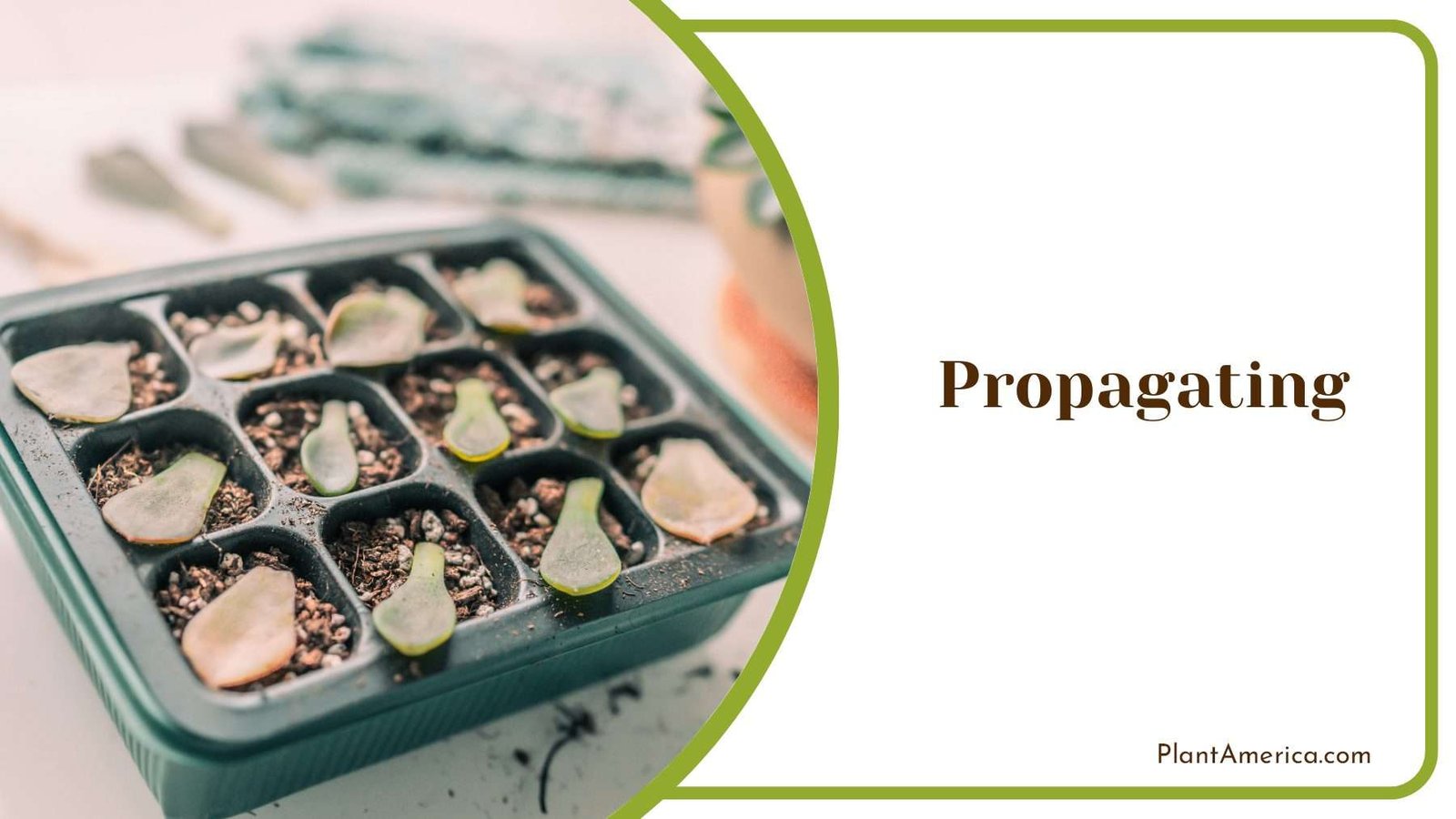
Choose a small pot or container with well-draining soil, like a cactus or succulent mix. Make a hole in the soil with a pencil or stick to insert the cutting. Place the dried cutting into the soil, burying it about an inch deep. Firmly press the soil around it to provide stability.
Place the pot in bright, indirect sunlight. Avoid direct sun, as it can scorch the cuttings. Maintain a temperature between 65 to 75 degrees Fahrenheit and water sparingly.
Once the cutting has established roots and shows new growth, you can transplant it into a larger pot with standard jade plant care. Remember that jade plants are slow growers, so be patient during the propagation process.
Conclusion
Mealybugs have a particular affinity for new growth of your succulent specimens, posing a significant threat to their well-being. However, with the right knowledge and proactive management actions, you can effectively address and mitigate mealybug infestations.
- Early detection is crucial in the battle against mealybugs. Look out for white cottony masses, sticky residues, and increased ant activity as telltale signs of infestations. Root mealy bugs can also affect your jade’s health, leading to stunted growth and discoloration.
- To effectively combat mealybugs, it’s important to adopt a comprehensive strategy that combines various methods. Start by washing the pests away with a gentle shower of water, ensuring you dislodge both adults and nymphs. For succulents like jades, this method can be effective, provided the plant can tolerate it.
- Rubbing alcohol, when applied directly to mealybugs, can dissolve their waxy coating and kill them. This method is suitable for newly infected plants but may not be as effective against severe infestations. Neem tree oil, known for its non-toxic nature and effectiveness, can be used as a soil soak and foliar spray. Natural predators like mealybug destroyers and ladybugs can also be introduced to control mealybug populations naturally, but caution is needed to avoid harming these beneficial insects.
- Regularly inspecting your plant, ensuring it receives proper light and care, and maintaining good plant hygiene can help prevent mealybug infestations and keep your jade in top condition. Plant propagation can be an option if the infestation is severe and the plant cannot be saved.
With these measures in place, you can protect your Gollum jade from these persistent pests and enjoy the thriving beauty of your succulent.