
Mealybugs on burr oak are a true nuisance for these lovely Fagaceae family trees! Although you’re more than likely dealing with a kind of lace bug, the cottony appearance and the damage won’t differ much from the regular mealybug.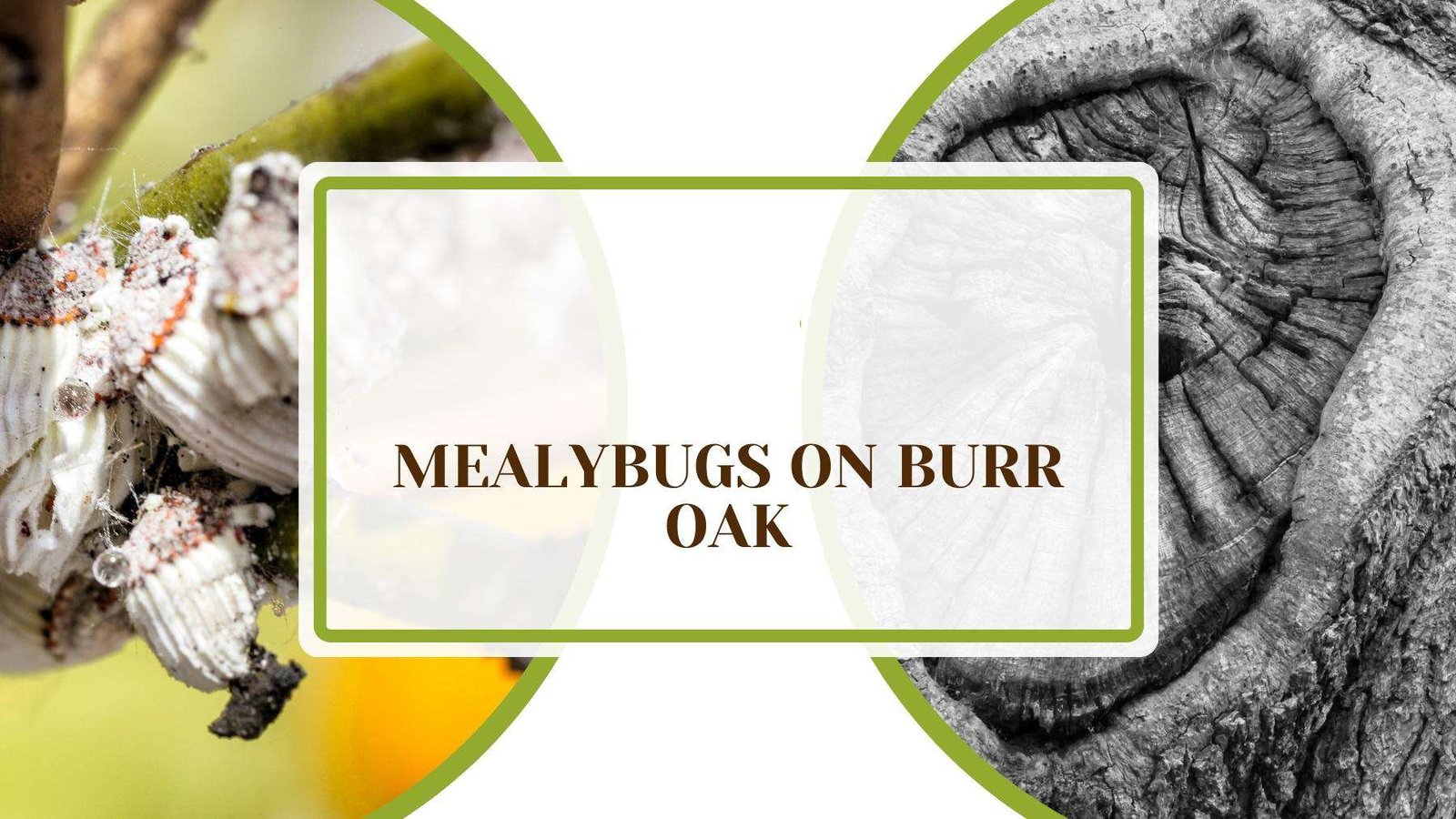
And the same goes for the treatment, which is why you’re in luck — we’re mealybug experts and have a lot to share! Let’s get right into it and see how to recognize and deal with these garden pests on bur oak.
How to Recognize Mealybugs on Burr Oaks
To recognize mealybugs on Burr Oaks, look out for cottony scales. When it comes to those white pesky bugs on your bur oak trees, you’re likely dealing with mealybugs, oak lace bugs, or cottony cushion scales!
Each of these are flat, gray-white insects that extract sap from plants. They possess delicate, intricate wings that are transparent and adorned with ornate patterns. In their nymph stage, they lack wings and have a spiny appearance. Both adults and nymphs inhabit the undersides of leaves. During their feeding process, they create tiny yellow to white marks on the leaves and leave dark, glossy waste spots on the leaf undersides.
During the winter, these lace bugs exist as eggs concealed beneath bark or within leaf debris. As spring arrives, the eggs hatch and the nymphs commence their sap-sucking activities. Throughout the growing season, multiple generations emerge. In the initial stages, their numbers are so minute that the symptoms of their feeding often go unnoticed until their population reaches its peak in late summer.
During times of abundance, their feeding can lead to an unsightly appearance of plants and may prompt leaves to drop prematurely. It’s these damage signs that will lead to early discovery and effective countermeasures, so let’s see what they are!
– Cottony Appearance
These pests frequently congregate in colonies on various parts of the oak, including leaves, branches, and even acorns. These gatherings manifest as soft, fluffy masses, resembling small patches of white or pale fluff. This cottony substance comprises waxy secretions that mealybugs generate. Its primary function is to provide a protective barrier for the insects against environmental elements and predators, all the while aiding their consumption of the oak’s sap.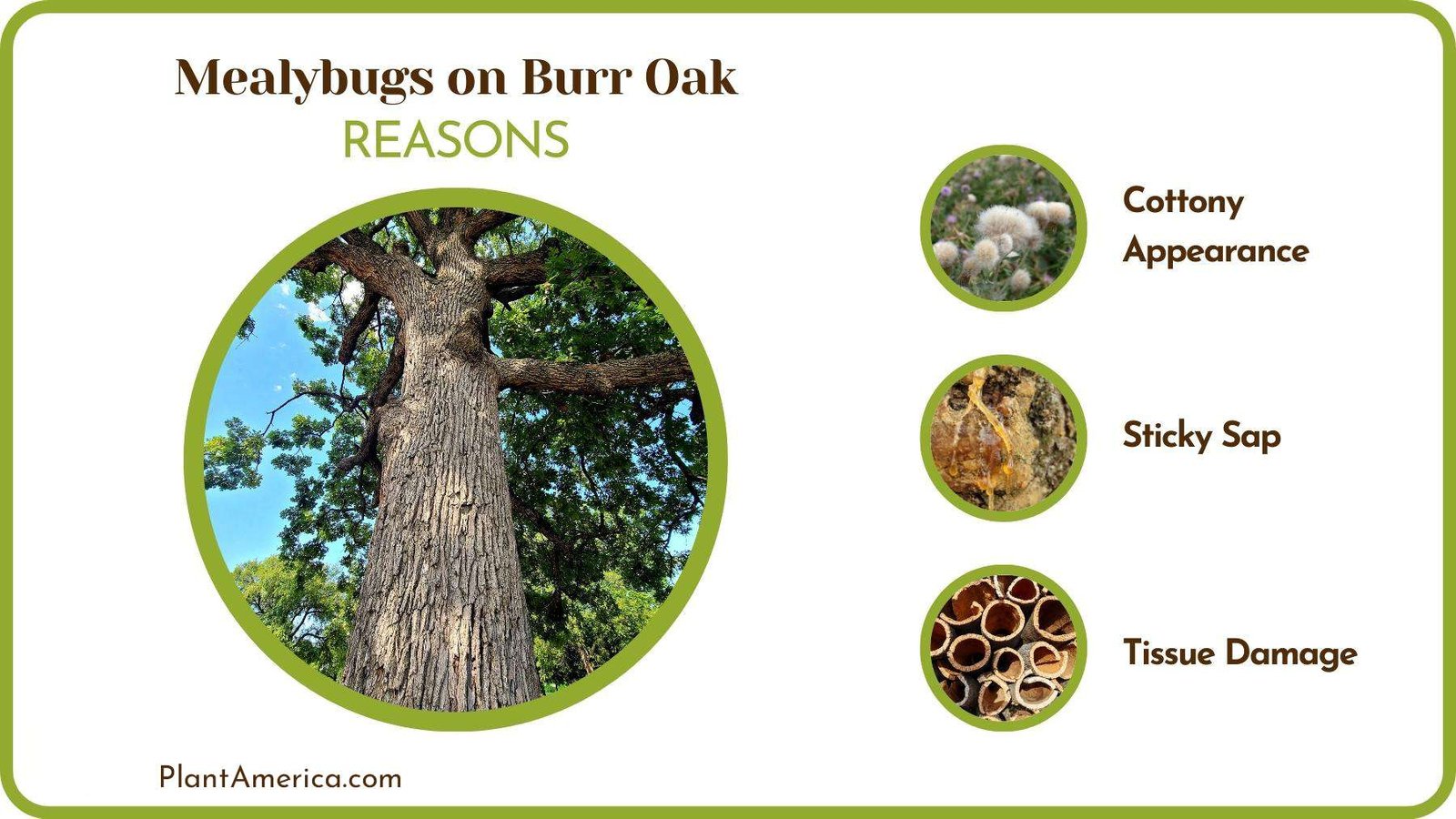
Vigilantly spotting these distinct white cottony clusters allows you to swiftly intervene and manage the infestation of mealybugs on your oaks. Often, gardeners might dismiss these clusters as just another form of mold, yet a closer inspection is imperative. Taking a closer look can reveal any telltale legs or other distinctive characteristics that differentiate these pests from mere mold growth.
– Sticky Sap
These insects emit a sugary substance known as honeydew during their feeding process. This sticky secretion envelops leaves, branches, and even acorns, imparting a polished sheen to the surfaces they infest.
The honeydew serves as a fertile substrate for the development of sooty mold. This mold manifests as a dark, powdery, or velvety layer overlaying the surfaces coated with honeydew. Its presence can result in the leaves, branches, and acorns of bur oaks taking on a blackened or tarnished appearance, similar to oak blight or hypoxylon canker.
To determine the presence of mealybugs, conduct a close examination of the leaves for any accumulation of sticky substances. Gently touch the suspected areas and observe whether your fingers gather a sugary residue upon contact.
As an additional indicator, it’s worth noting that mealybugs and ants often share a mutually beneficial relationship. Ants may be observed actively interacting with mealybugs, and if you detect ant activity around your bur oak, it might signal the presence of mealybugs.
– Tissue Damage
Although locally witnessed, mealybugs’ feeding can distort the growth of leaves, causing them to become misshapen or curled. Such abnormal growth patterns can be an early sign of infestation.
Infested leaves often exhibit signs of oak wilt disease, such as yellowing, wilting, or drooping.
Extensive mealybug infestations can lead to the gradual decline of twigs and branches. This phenomenon, known as twig dieback, is characterized by reduced foliage, stunted growth, and eventual withering.
To identify these signs early on, regularly examine the leaves for any discoloration, distortion, or abnormalities. Monitor the growth patterns of twigs and branches. If you notice any sections with reduced foliage or stunted growth, it could be indicative of mealybug infestation.
By keeping a watchful eye on your oaks and promptly addressing any signs of leaf and tissue damage, you can take proactive measures to control mealybugs. Let’s get in on some of the most effective ones!
Getting Rid of Mealybugs From Oaks
Recognizing these troublesome insect pests might appear simple, yet effectively managing their impact presents its own set of challenges, especially when it comes to bur oaks.
Various strategies are available to you, encompassing both chemical and biological approaches, including do-it-yourself solutions. Let’s delve into the diverse array of measures at your disposal to combat the considerable threat these garden pests pose to your cherished oaks.
– Rubbing Alcohol
Utilizing isopropyl alcohol, commonly referred to as rubbing alcohol, presents an effective strategy for eliminating scale insects, including the notorious citrus mealybugs that can afflict bur oaks.
Before initiating treatment, perform a patch test on a small section of the plant to ensure that no allergic or hypersensitive reactions arise. Assuming there are no adverse effects, proceed by saturating a cotton ball or swab with the alcohol and directly applying it to each of the cottony masses.
The alcohol’s desiccating properties specifically target the powdery white wax, rapidly dehydrating the mealybugs and inducing nearly instantaneous mortality. Once the treatment is complete, you can simply brush off the deceased insects from your bur oak tree.
While this approach yields positive results, it does demand a measure of both time and patience. Weekly repetition is necessary to effectively address any hatching eggs and maintain control over the infestation. For larger bur oaks, you can use it as a foliar spray too!
– Soap Solution
Using dish soap without a degreaser can also offer effectiveness. This approach is particularly advantageous during the initial phases of an infestation. Dilute the dish soap in water and transfer the mixture into a spray bottle. Proceed to thoroughly spray the entire plant with the solution.
– Neem Oil
Neem tree oil emerges as a natural and efficient remedy for tackling mealybug infestations on bur oaks. Derived from the neem tree, this oil harbors compounds renowned for their insecticidal and repellent properties, rendering it a favored selection for environmentally-friendly pest management.
The oil functions by coating insects’ bodies, impeding their respiratory system and ultimately suffocating them. To ensure both its efficacy and purity, acquire neem oil from a trusted source.
Blend this potent oil with water, adhering to the guidelines stated on the product label. Typically, a recommended concentration of one percent oil suffices for controlling mealybugs. Transfer the solution into a spray bottle and apply it meticulously to all sections of your bur oak, encompassing leaf tops and undersides, stems, and potential hiding spots for mealybugs.
To achieve optimal outcomes, administer the solution every other week or as directed on the product label. Multiple applications might be necessary to comprehensively eliminate mealybug infestations.
Thanks to its minimal impact on beneficial insects, this choice fosters a healthier ecosystem within your indoor garden.
– Insecticides
The effects of foliar sprays usually require approximately two weeks to become noticeable, introducing an added layer of complexity to their application.
Insecticidal sprays are conveniently accessible for purchase online, but crafting your own is a straightforward process. To start, emulsify a gallon of water with just a single teaspoon of pure dish soap or insecticidal soap.
You can also integrate four teaspoons of essential oil into the mixture and ensure thorough blending. Transfer the resulting solution into a spray bottle and, prior to a comprehensive treatment, carry out a small-scale test on a segment of the host plant.
The spray disperses within an hour, leaving minimal residue behind, with exceptions for instances where soap spray is used. For a span of fourteen days, reapplication every other day is recommended.
– Beneficial Insects
Numerous natural predators target sap suckers, and many are available for purchase at garden centers. However, you can also rely on naturally occurring predators if mealybugs are present.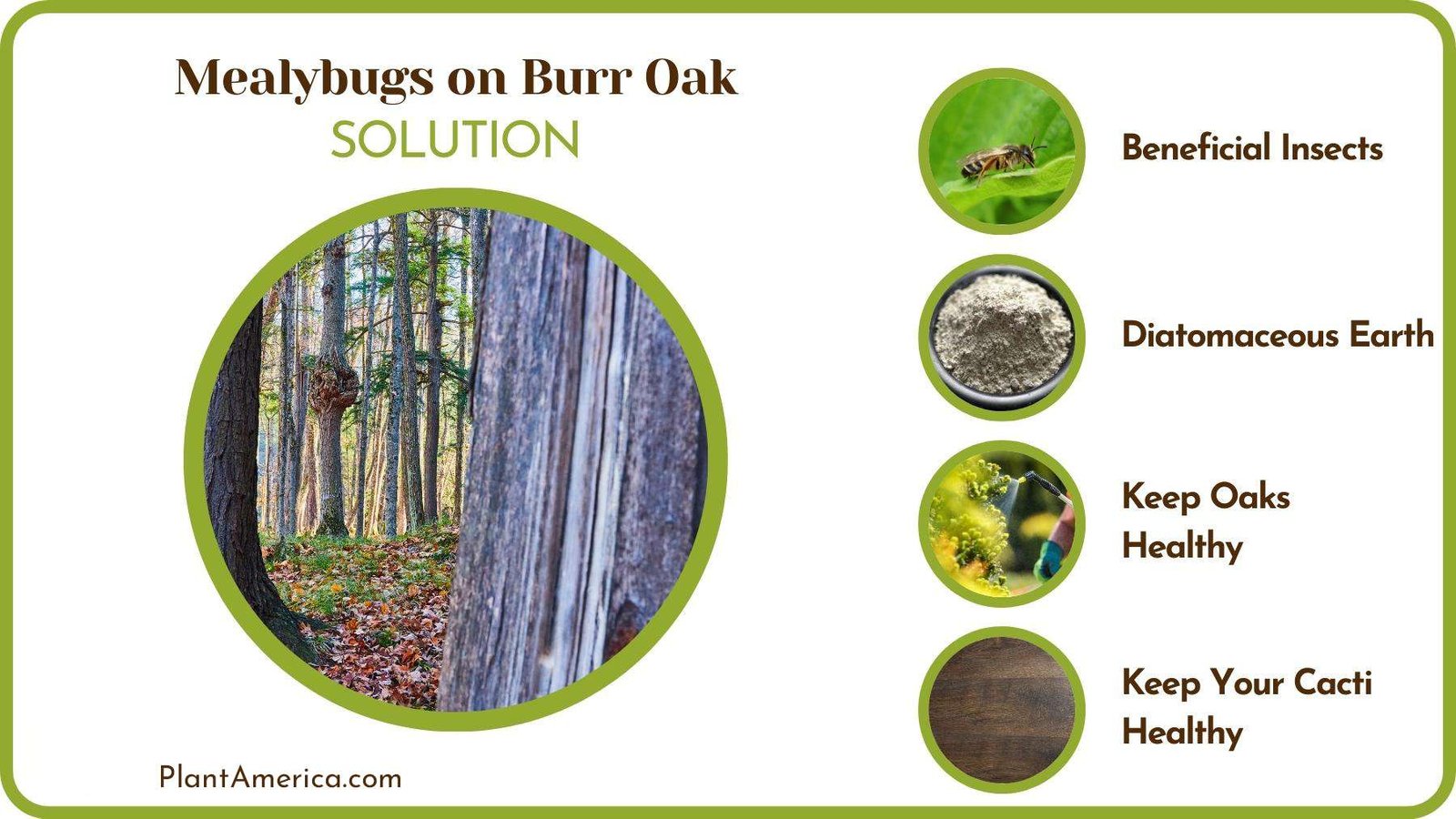
One key predator is the mealybug destroyer, resembling ladybugs in appearance with brown and black hues. In their larval phase, these beetles exhibit a strong appetite for citrus mealybugs, consuming up to 200 per week. They are particularly effective for serious infestations and can thrive in controlled environments like greenhouses.
Ladybugs, Japanese ladybeetles, lacewing larvae, and parasitic wasps also serve as effective mealybug predators. Even spiders and some small bird species contribute to control. However, using natural predators requires caution to avoid harming them with pesticides.
– Diatomaceous Earth
Diatomaceous earth, a fossilized microalgae sediment, acts as a mechanical bug killer. It inflicts physical damage and dehydration through absorption. While harmless to humans and animals, its sharp particles are lethal to mealybugs upon contact. These particles shred their exoskeletons, leading to bleeding, immobility, and dehydration.
To apply, dampen the powder to create a thin paste and then spread it over oak foliage, allowing it to dry. You can wear gloves or brush it on. Once dry, it appears as white powdery dust on the plant. Leave it for a few weeks, reapplying as necessary. You can also mix it with water and spray over the canopy.
– Keep Oaks Healthy
Maintaining the health of your bur oak trees is a proactive measure that significantly aids in preventing mealybug infestations. In general, bur oak is thriving in full sun, and demonstrates ease of cultivation in soils with average to dry or medium moisture levels, provided they are well-drained. It showcases adaptability across a diverse array of soil conditions, including a notable tolerance for drought.
Avoid overwatering your bur oaks, as excessive moisture can create an environment conducive to mealybug infestations. Water your trees deeply and infrequently, allowing the soil to dry out between waterings. Plant them in well-draining soil to prevent water accumulation around the roots. Soil that retains excess moisture can attract mealybugs and other pests.
Provide your bur oaks with the appropriate amount of sunlight they require, as proper sunlight exposure promotes healthy growth and vigor, making them less susceptible to pests.
Regularly prune your trees to remove dead or diseased branches and leaves. This not only enhances the tree’s appearance but also eliminates potential hiding spots and breeding grounds for pests.
Apply appropriate fertilizer to your burr oaks during the growing season to promote healthy growth. However, avoid over-fertilization, as excessive nutrients can attract pests.
Regularly inspect oaks for any signs of mealybugs or other pests. Early detection allows you to take swift action before an infestation becomes severe. You can also go with sticky traps to monitor any and all insects that are going about the tree.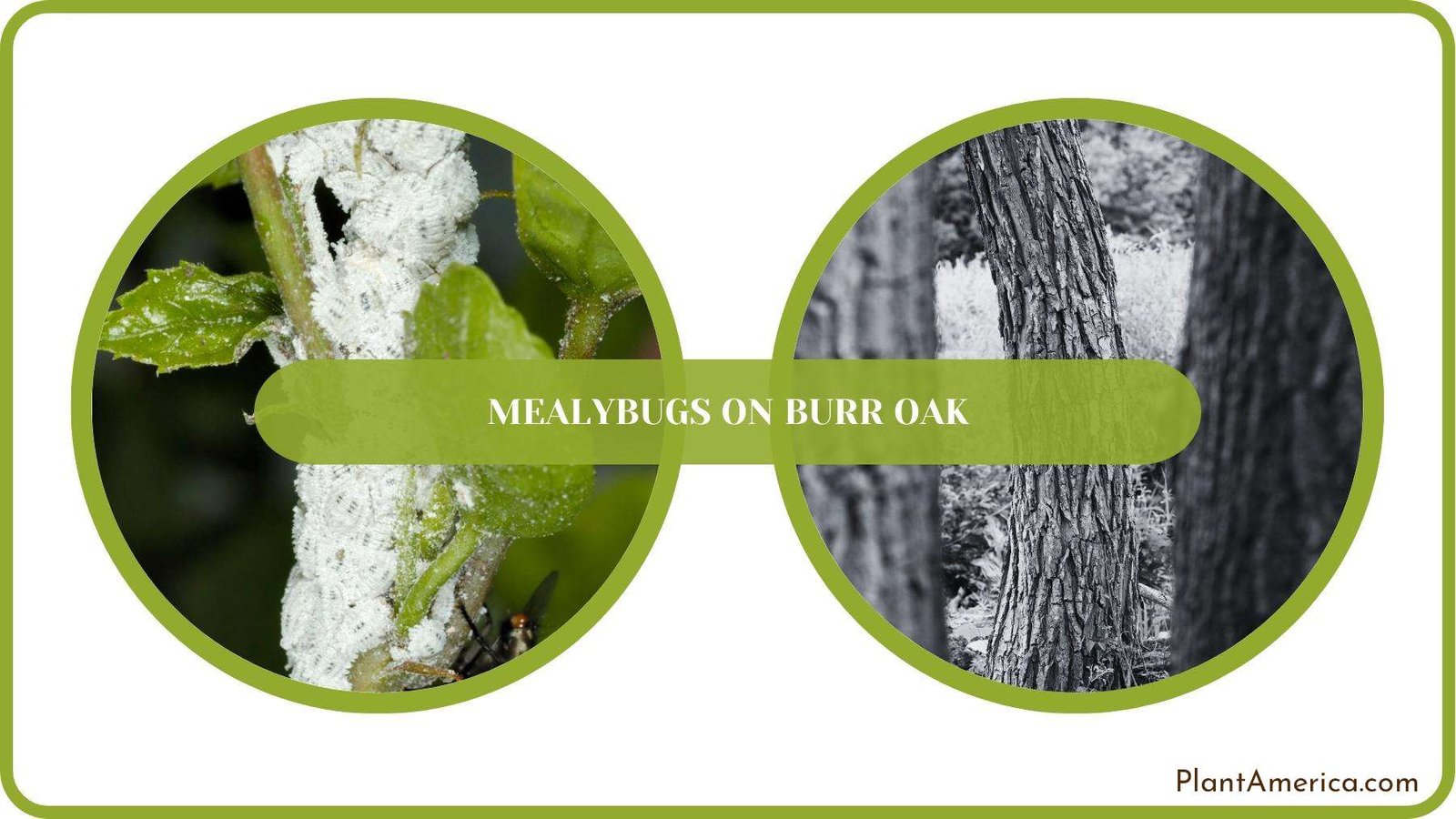
By implementing these measures, you create an environment that promotes the health and vitality of your oaks, making them less attractive to mealybugs and other pests.
Conclusion
The presence of mealybugs on bur oaks is indeed a frustrating nuisance that can compromise the beauty and health of these magnificent specimens. Whether facing true mealybugs or similar bug varieties, the damage they inflict and the treatment strategies are remarkably consistent.
- Identifying and addressing mealybug infestations on burr oaks requires vigilant observation and swift action. By recognizing the distinctive traits of these pests, such as their cottony appearance, sticky sap, and tissue damage, you can take the necessary steps to mitigate their impact.
- Multiple strategies are at your disposal, ranging from rubbing alcohol and soap solutions to neem oil and natural predators. Each approach offers its unique advantages and should be chosen based on the severity of the infestation and your preference for chemical or biological control methods.
- Maintaining the health of your burr trees plays a pivotal role in preventing and managing mealybug infestations. Adhering to proper watering practices, providing adequate sunlight, regular pruning, and appropriate fertilization all contribute to strong and resilient trees that are less susceptible to pests.
A combination of vigilance, appropriate treatments, and care will lead to successful mealybug management and thriving burr oaks in your landscape.