
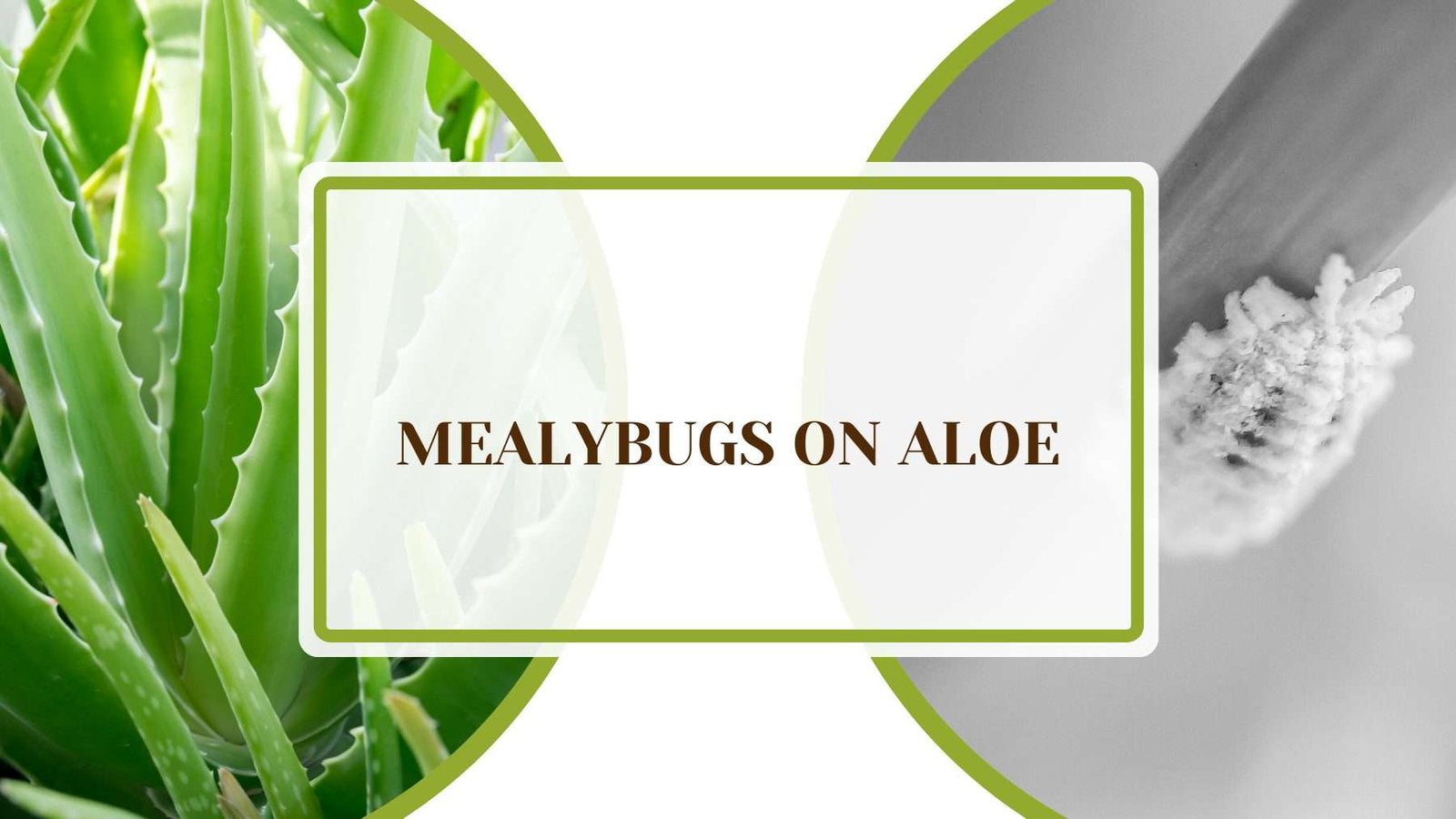
Mealybugs on aloe often result from overwatering and poor air circulation, quickly turning a robust plant into a stressed one. They are bad news because these white pests can change how your aloe looks.
Fear not; read on to know about the smart tips and tricks to deal with mealybugs.
What Primarily Causes Mealybugs on Aloe?
️⚡ Mealybugs on aloe are primarily caused due to overwatering and poor air circulation around the plant. The reason is that these white pests do well in moist places and places with no natural predators. Unsuitable soil quality can also encourage mealybugs to infest.
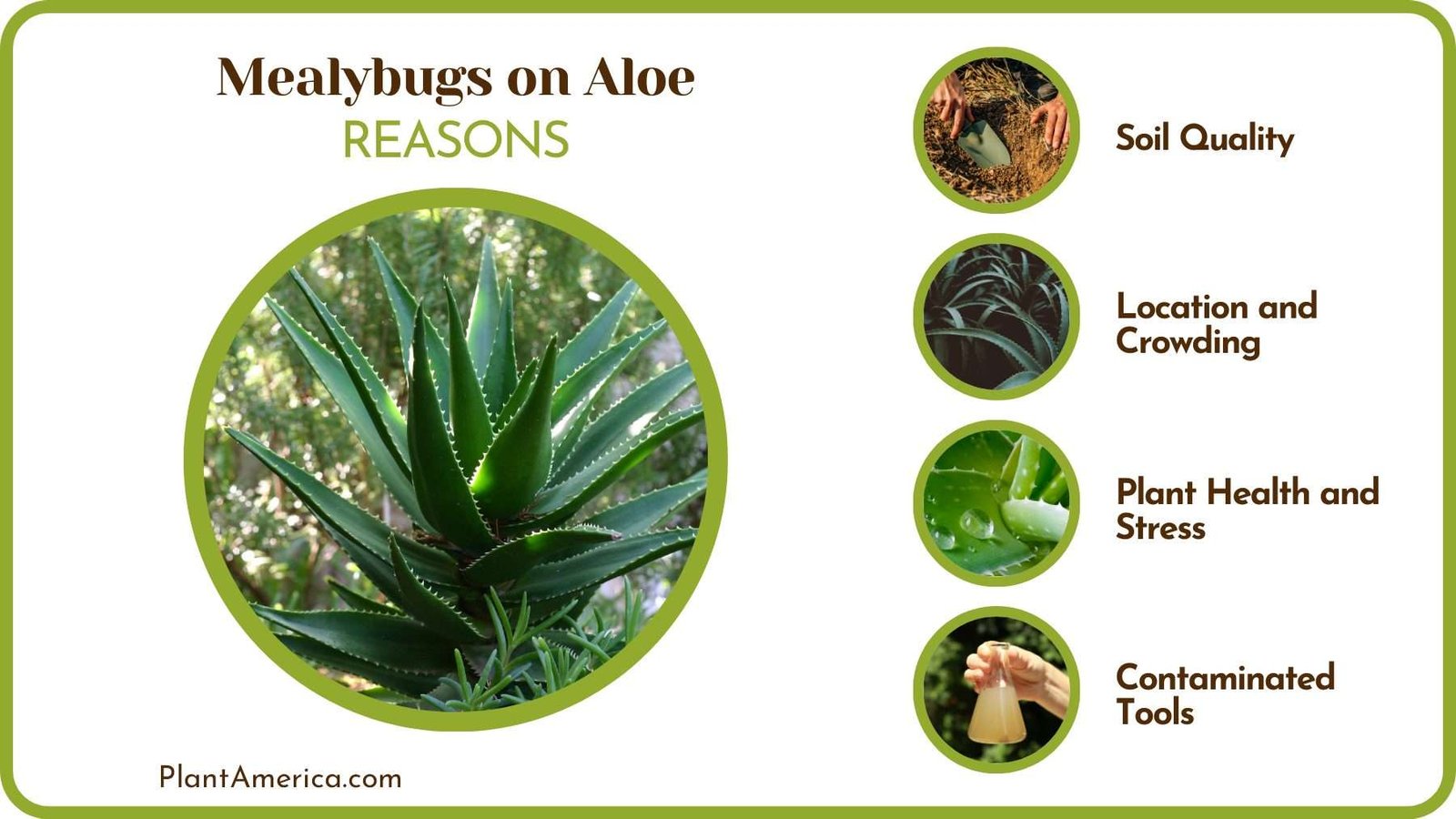
– Soil Quality and Moisture
The soil in which you plant your aloe plays a significant role in whether white cottony mealybugs will be attracted to it. Soil that retains too much moisture can be a breeding ground for these pests.
Mealybugs thrive in damp conditions, and if the soil remains wet for extended periods, it can invite them to your aloe. Always ensure that you have well-draining ground and avoid overwatering your plants.
– Location and Crowding
Where you place your aloe can also impact its vulnerability to mealybugs. Plants that are closely packed together or have minimal air circulation around them can attract these pests. Mealybugs prefer places where they can hide, and crowded plants offer them plenty of such spots. Always ensure adequate space between your aloe and other plants to reduce the risk.
– Plant Health and Stress
Healthy plants are always less susceptible to pests than stressed or weakened ones. If your aloe is under any stress due to insufficient light, over or under-watering, or lack of nutrients, it becomes a more appealing target for mealybugs. Regularly checking the health of your aloe and addressing any care issues promptly can decrease the chances of a mealybug infestation.
– Contaminated Tools or Pots
Sometimes, the problem starts not with the plant but with the tools or pots used. If you’ve previously had an issue with mealybugs in your garden or home, they could have laid eggs or left traces on your gardening tools, pots, or even the soil.
When you use these contaminated items for your aloe, you inadvertently introduce these white cotton pests to them. So, clean and sterilize your tools before using them.
– Infested New Plants
When introducing a new plant to your garden or home, there’s always a risk of bringing in pests. If the new addition is infested with mealybugs or just a few, they can quickly migrate to your aloe.
It’s a good practice to quarantine new plants for a few weeks before placing them close to your established plants. During this period, observe the newcomer for signs of mealybugs or other pests.
– Natural Predators’ Absence
Every pest has its natural predators; for mealybugs, it’s ladybugs and lacewings. If your garden lacks these beneficial insects, mealybugs can grow in numbers without biological control. Getting these predators to hang around can keep the whole system in check. So, that’s everything about what causes mealybugs on succulents (including aloe).
How To Get Rid of Mealybugs from Aloe
To get rid of mealybugs from aloe, wipe them off with a cloth or apply natural remedies like onion and garlic spray. Hydrogen peroxide solution, essential oil drenching, and cold treatments can also work. After this, regular checks and immediate action can ensure mealybug-free aloes.
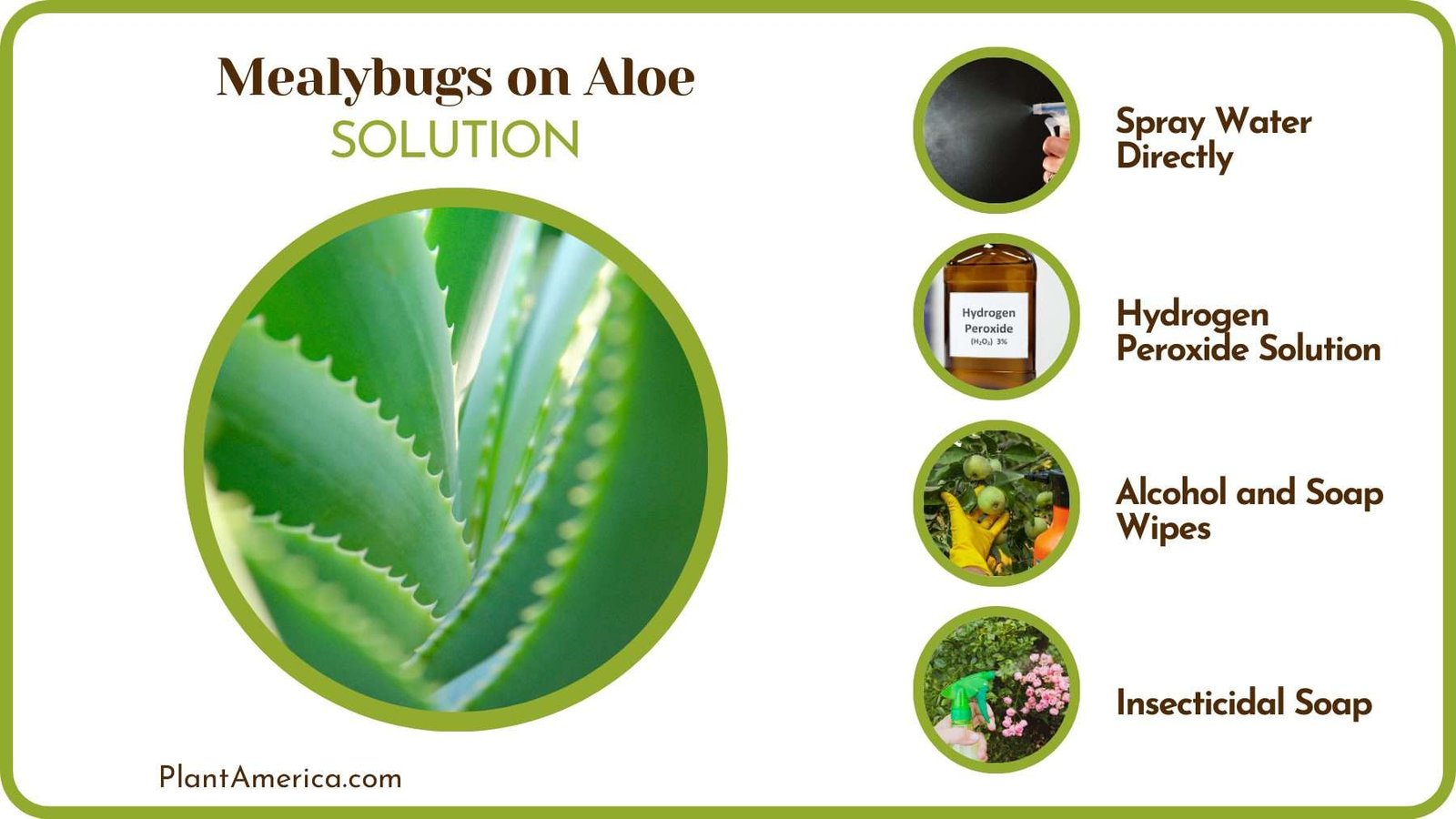
– Spray Water Directly To Dismantle Bugs
If you notice white, cotton-like spots on your aloe, these are signs of mealybugs on succulents. Mealybugs “drink” the sap of the plant, and as they do, they produce a sticky substance. It shows up as black patches on the plant. If you’re growing aloe or other outdoor plants, spraying water on them is an easy trick to kick out mealybugs. This washes off the bugs and makes their crew smaller.
A strong stream of water breaks up the groups of bugs, making it harder for them to regroup. It’s a simple yet effective way to reduce the number of mealybugs on your aloe.
– Hydrogen Peroxide Solution
A hydrogen peroxide solution is another method you can use as a mealybug treatment. It’s very safe (as it does not involve chemicals).
To use this method:
- Mix a solution containing one part hydrogen peroxide and four parts water.
- Fill this solution in a bottle and mist it directly onto the mealybugs on your aloe plant.
The mix of hydrogen peroxide does something cool – it breaks down the waxy shield that keeps the bugs safe. This makes them weaker and can cut down their team. Once you spray, give it a few minutes and give your plant a light water rinse.
This way works well on mealybugs and gives your plant a health boost. The extra oxygen from the peroxide solution can help the plant’s roots breathe nicer. However, always test a small part of the plant before doing a full spray to ensure no adverse reaction.
– Release Commercially Available Beneficial Insects
Insects like ladybugs, lacewings, and predatory beetles feed on mealybugs, reducing their numbers without using chemicals. You can buy these predators from lots of garden shops or online. Once you let them loose, they’ll naturally go after and eat the mealybugs.
– Alcohol and Soap Wipes
A simple and effective method to remove mealybugs from your aloe is using a solution made from rubbing alcohol or isopropyl alcohol. These liquids mess up the waxy shield of the mealybugs and dry them out.
To make your mix, just put the same amount of water and rubbing alcohol into a bowl. Add 3-4 drops of dish soap to this mix; the soap helps stick to the mealybugs and enhances the effectiveness of the alcohol.
Now, dip a cloth or cotton swab into the solution and gently wipe the affected areas of your aloe plant. In this way, the mealybugs touch the alcohol, which cuts down their crew.
One common question is, can hand sanitizer kill mealybugs? The answer is yes; most hand sanitizers contain a high percentage of alcohol, making them effective against mealybugs. But it’s super important to ensure the sanitizer has no other stuff that could hurt the plant.
– Insecticidal Soap and Essential Oil Drench
Many people like to use safe ways to get rid of bugs in plants. One way is using a mix of soap and special oils.
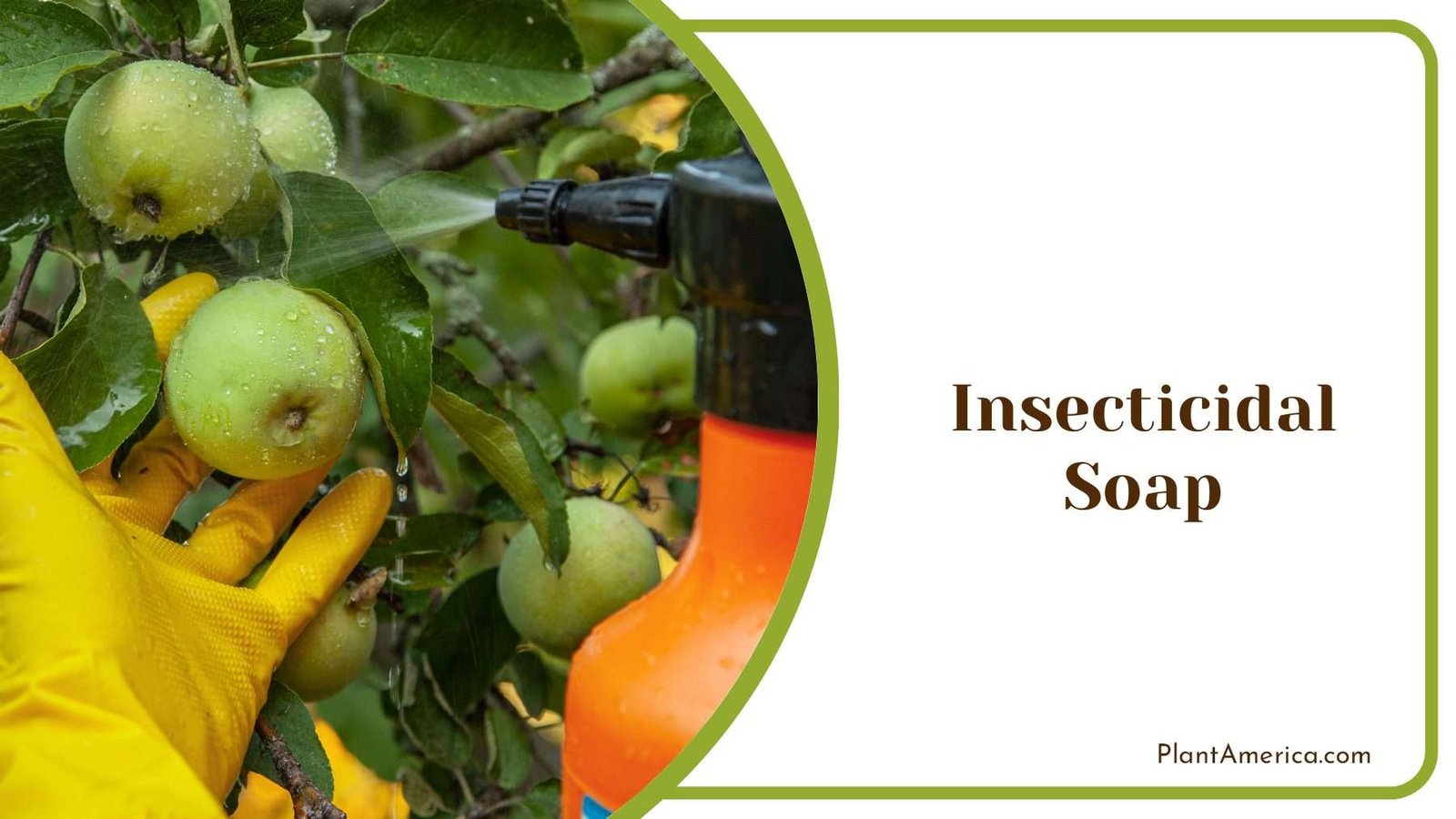
Dish soap is the main thing we use as it kills bugs by taking away their protection. When bugs lose their defense, they can’t survive. Neem oil is also super effective, but only if you use the top-quality one. We recommend the following:
- Safer neem oil.
- Monterey lg6128 70% neem oil concentrate.
- Southern ag triple action neem oil
- Bonide ready to use neem oil
- Bonide neem oil concentrate
How to make the mixture:
- Combine a few tablespoons of dish soap with a gallon of water.
- Add a tablespoon of neem oil to the solution.
- Mix thoroughly until the solution becomes a little foamy.
Before applying, water your aloe plant to prevent shock. After that, pour the solution into the soil around your plant, making sure it goes down deep to zap bugs hiding under the surface.
The advantage of using this drench is twofold. First, it directly targets problems, and second, it offers residual protection, discouraging future infestations.
– Sticky Banding: Highly Effective Against All Common Pests
Sticky banding is a non-toxic method that employs a simple principle: pests get trapped on a damp surface, making it impossible to move or reproduce.
Here’s how you can use sticky banding for your aloe:
- Materials Required: Get a roll of sticky paper or tape explicitly designed for pest control. These are typically available at garden centers.
- Preparation: Clean the lower part of the aloe’s stem, ensuring it’s free from dust or debris.
- Application: Wrap the sticky band around the base of the aloe plant. Make sure it’s snug but not constricting the stem. The sticky side should face out.
- Monitoring: Over time, you’ll notice pests getting stuck to the band as they try to climb up or down the plant.
- Maintenance: Regularly check the band for trapped pests. When it becomes too crowded or loses its stickiness, replace it with a new band.
– Cold Treatment: Easy Mealybugs Treatment
Mealybugs, like many pests, don’t handle extreme temperatures well. If you’re thinking about how to treat mealybugs on succulents, using cold might be a good option.
Let’s explore this method:
- Preparation: Before starting, ensure your succulent is healthy enough to handle the cold treatment. A weak plant might get damaged. Regularly check your succulents for signs of stress or disease like root rot as part of plant care.
- The Cold Treatment: Place your infested succulent in a cold space, such as a garage or a basement, for 24-48 hours. Ensure the temperature is above freezing but still cold enough to be uncomfortable for the bugs.
- Aftercare: After the treatment, move the plant back to its usual spot. You should repeat the process if they persist.
Remember, while the cold can be effective against bugs, prolonged exposure might harm the plant. Constantly monitor closely to ensure the plant’s well-being.
– Onion and Garlic Spray To Stop Mealybug Life Cycle
Onions and garlic aren’t only tasty in food – they’re also a smart solution if you’re wondering how to stop mealybugs from bothering your plants. The pungent smell and compounds in these kitchen staples deter mealybugs.
Making the Spray:
- Chop one medium-sized onion and two garlic cloves.
- Please put them in a bowl and add a quart of water.
- Now, let the mixture stay for 24 hours, then strain the mixture/solution and fill a spray bottle.
Application:
- Spray your succulent thoroughly. Remember the underside of the leaves, where mealybugs often hide.
- Pay extra attention if you’re dealing with a particular issue like mealy bugs on string of pearls. Many wonder how to get rid of mealybugs on a string of pearls since this plant has tiny spaces where bugs can hide. Ensure you cover every part of the plant with the spray.
However, always test a small part first. You can continue spraying if the plant seems fine after a day.
– Botanical Insecticides
Botanical insecticides are derived from garden plants to provide protection against bugs.
Here’s how to use them:
- You can buy these insecticides from garden shops or online.
- Read the label on the bottle. It will tell you how much to use and how often.
- Spray your succulent with the insecticide. Make sure you get all parts of the plant.
But remember, some people or pets might be allergic. So, do these things:
- Always keep insecticides, even natural ones, away from kids and pets.
- Use gloves when you spray, and wash your hands after.
If you see more bugs, you might need to spray again.