
Masculine flowers are not just for women. Discover blooms perfect for any man’s garden. We’ll explore varieties of tough, elegant flowers that add seasonal color and interest without smelling overly floral.
From cotton-like poppies to hexagonal-patterned starflowers, each bloom maintains a natural charm paired with low-fuss care.
Masculine Flowers Varieties Worth Growing for Any Garden
1. Poppies
- Growing Season: Spring, Summer
- Leaf Shape: Broad smooth leaves, Basal tufts of foliage
- Specific Needs: Well-drained soil, Moderate watering
- Common Pests: Aphids, Leaf miners
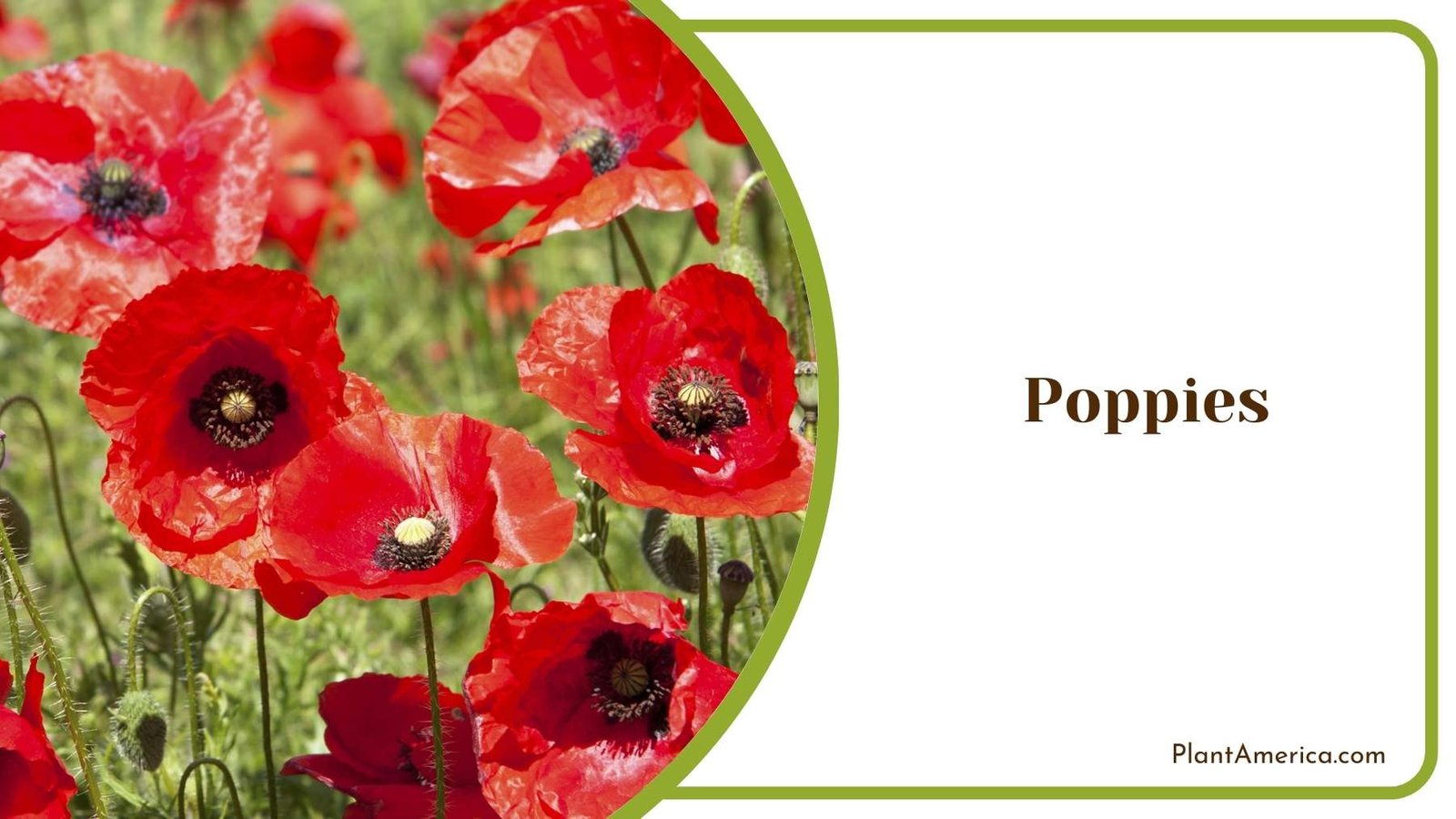
Poppies are one of the most beloved spring annuals. Their cheerful blooms emerge in colors that are as varied as their species—from the classic red to oranges, yellows, and even whites.
No matter the hue, all poppies have a certain charm about them that draws the eye. They pop up everywhere in early gardens, adding a bright splash of color that announces the arrival of warmer weather.
While their flowers may only last for a short time, often fading as quickly as they bloomed, poppies more than repay the gardener for their brief existence. They self-sow readily if conditions are right, ensuring a reappearance each spring without any effort from green thumbs.
All poppies need is a spot with warm sun and soil that drains well. They’ll handle less than perfect conditions otherwise. A few seeds scattered almost carelessly among other starters will reward patios and garden beds with randomized pops of vibrant blooms.
Poppies have a natural appeal that’s hard to deny. Their loose and airy flower form floats above the foliage, begging for a closer look or photo. It’s easy to see why they’ve captured imaginations for centuries.
Whether planting a bed of them or allowing them to fill in on their own, poppies are a sure way to add short-season charm and unplanned whimsy to any garden space.
2. Marigolds
- Growing Season: Summer, Fall
- Leaf Shape: Dark green leaves, Foliage ranges from finely divided to broad and smooth
- Specific Needs: Moist, well-draining soil, Full sun exposure
- Common Pests: Aphids, Spider mites
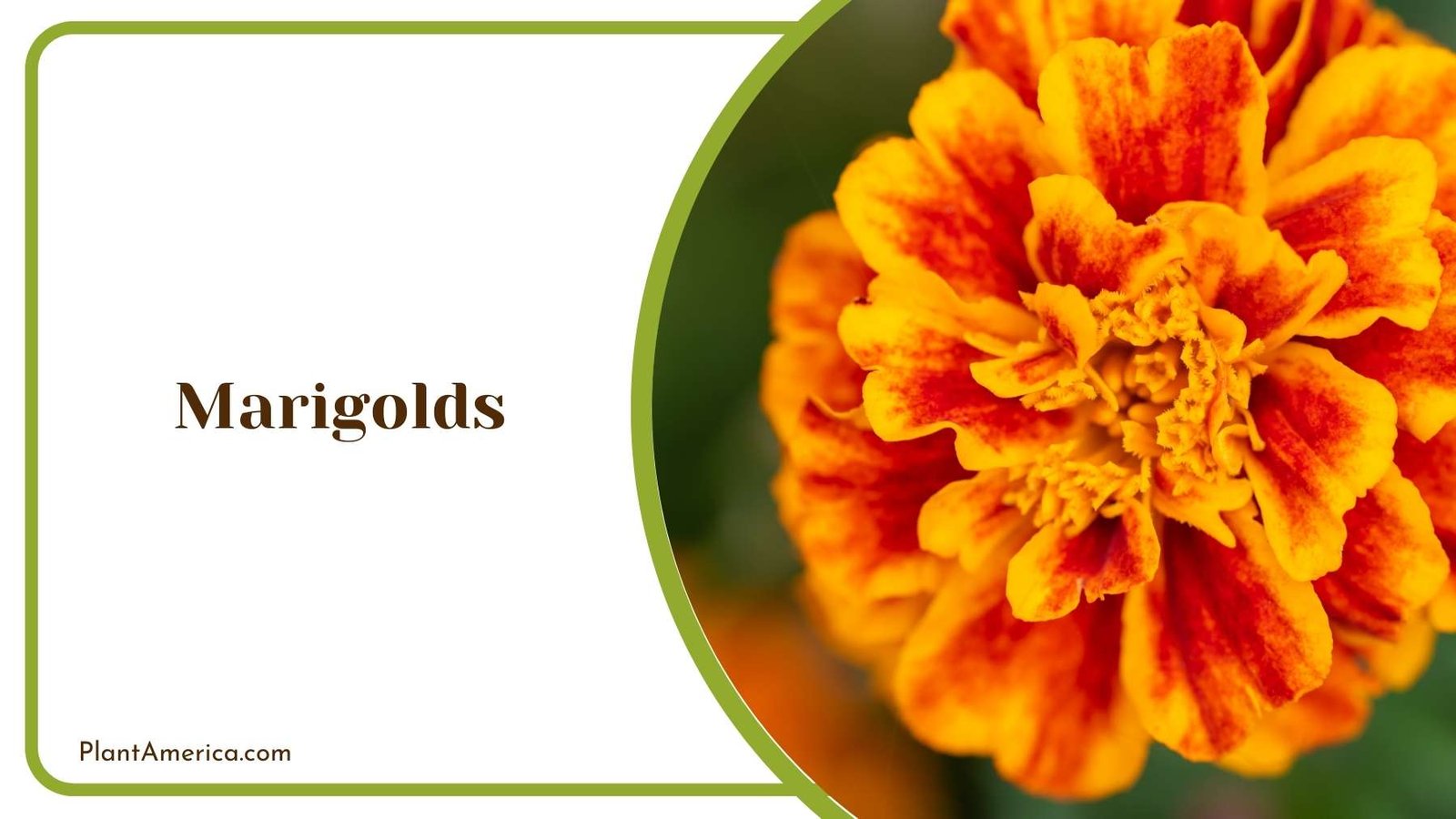
Marigolds are a gardener’s best defense against pests. Not only do their bright blooms add color to borders and beds, but their strong scent keeps unwanted insects at bay. Coming in colors from orange to gold to lemon, marigolds mix nicely with other flowers or stand boldly on their own.
Hardy and low-maintenance, marigolds thrive in full sun and average, well-draining soil. They’ll spread and reseed to return year after year with little work from the gardener. Both the French and African varieties boast peppery flowers above lush foliage. Though some prefer one type over the other, together they provide months of cheerful color.
Beginning in spring, masses of marigolds bloom non-stop until fall frosts arrive. Their petals may dull or discolor in heavy rain but quickly perk back up when skies clear.
Attempting to deadhead or shear them is hardly necessary unless wanting to prolong blooms later in the season. Elsewhere, garden pests grumble and depart for easier hunting grounds free of marigolds’ protection.
Whether nestled amongst other flowers or lining a walkway on their own, marigolds should have a place in every garden. Not only do they beautify spaces with every imaginable yellow and orange shade, but their pennies-worth of pelleted seeds or starter transplants do the work of expensive pest repellents as well. Their toughness and resilience earns them a spot time and again in gardens across the world.
3. Snapdragons
- Growing Season: Spring, Summer
- Leaf Shape: Opposite, lance-shaped leaves, Grayish green color
- Specific Needs: Well-draining soil, Full sun
- Common Pests: Leafhoppers, Aphids
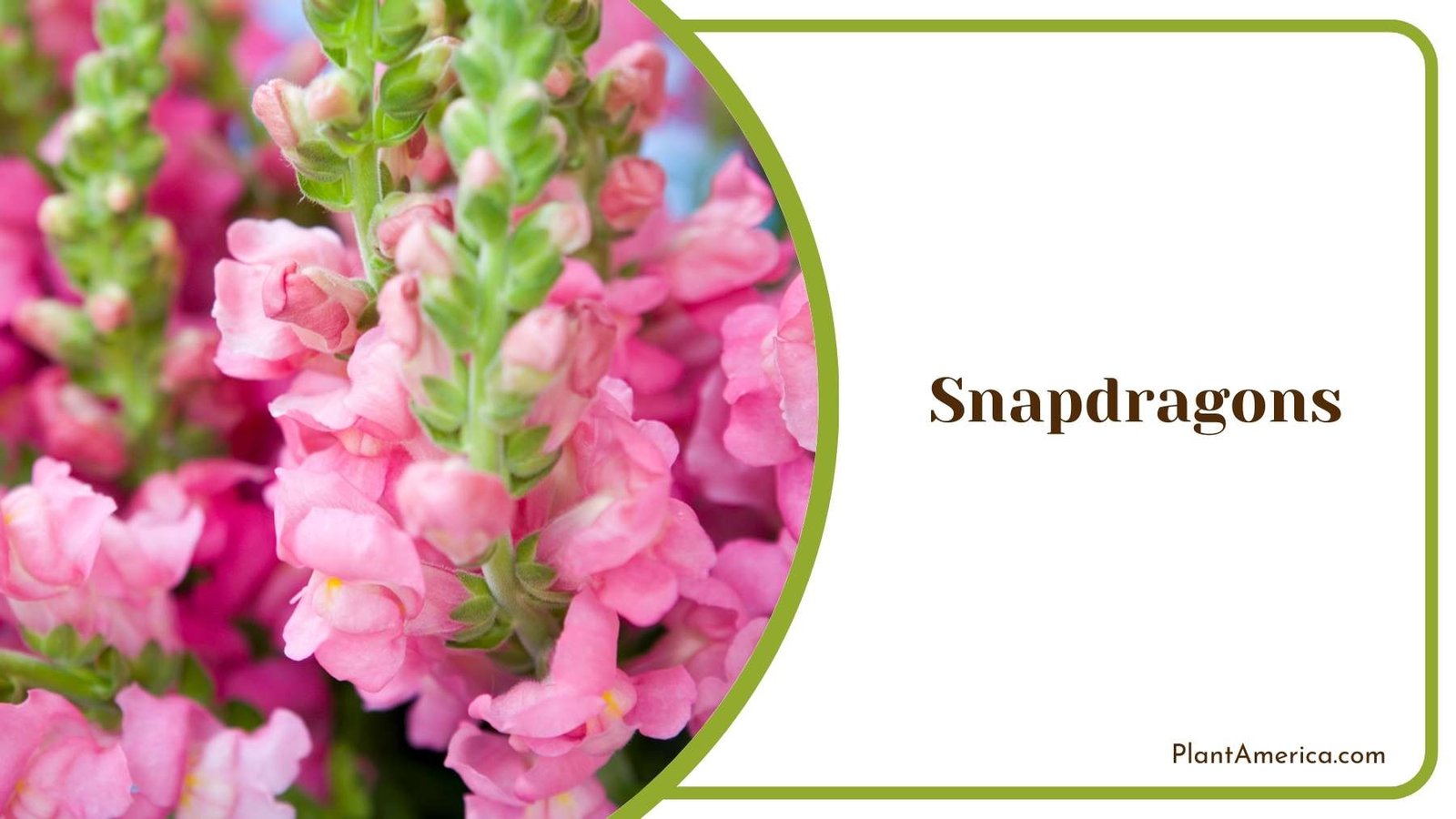
Snapdragons are one of the most unique flowers in the garden. Not only do their blooms resemble the mouths of dragons, but those blooms can actually be “snapped” open and closed. This quirky quality makes them a favorite among kids and adults alike.
Come spring, Snapdragons begin sending up tall spires covered in irregular buttons that soon bloom into colorful ruffled faces. Varieties come in nearly every hue—from warm oranges and reds to cooler pinks, corals, and even lavenders and whites. Taller types provide an excellent backdrop or focal point in beds, while more compact varieties mix well in borders.
As long as sunlight and average soil are provided, Snapdragons require little else to thrive. They may appreciate a light sprinkle of fertilizer to maintain longer blooms throughout summer.
Deadheading spent flowers encourages rebloom right until fall frosts arrive. A patch of Snapdragons adds whimsy and textures to gardens with their fun faces that are just begging to be opened and closed by passersby.
4. Sunflowers
- Growing Season: Summer, Fall
- Leaf Shape: Large, broad leaved, Alternate, rough-textured leaves
- Specific Needs: Moist, rich, well-draining soil, Full sun exposure
- Common Pests: Aphids, Sunflower moths
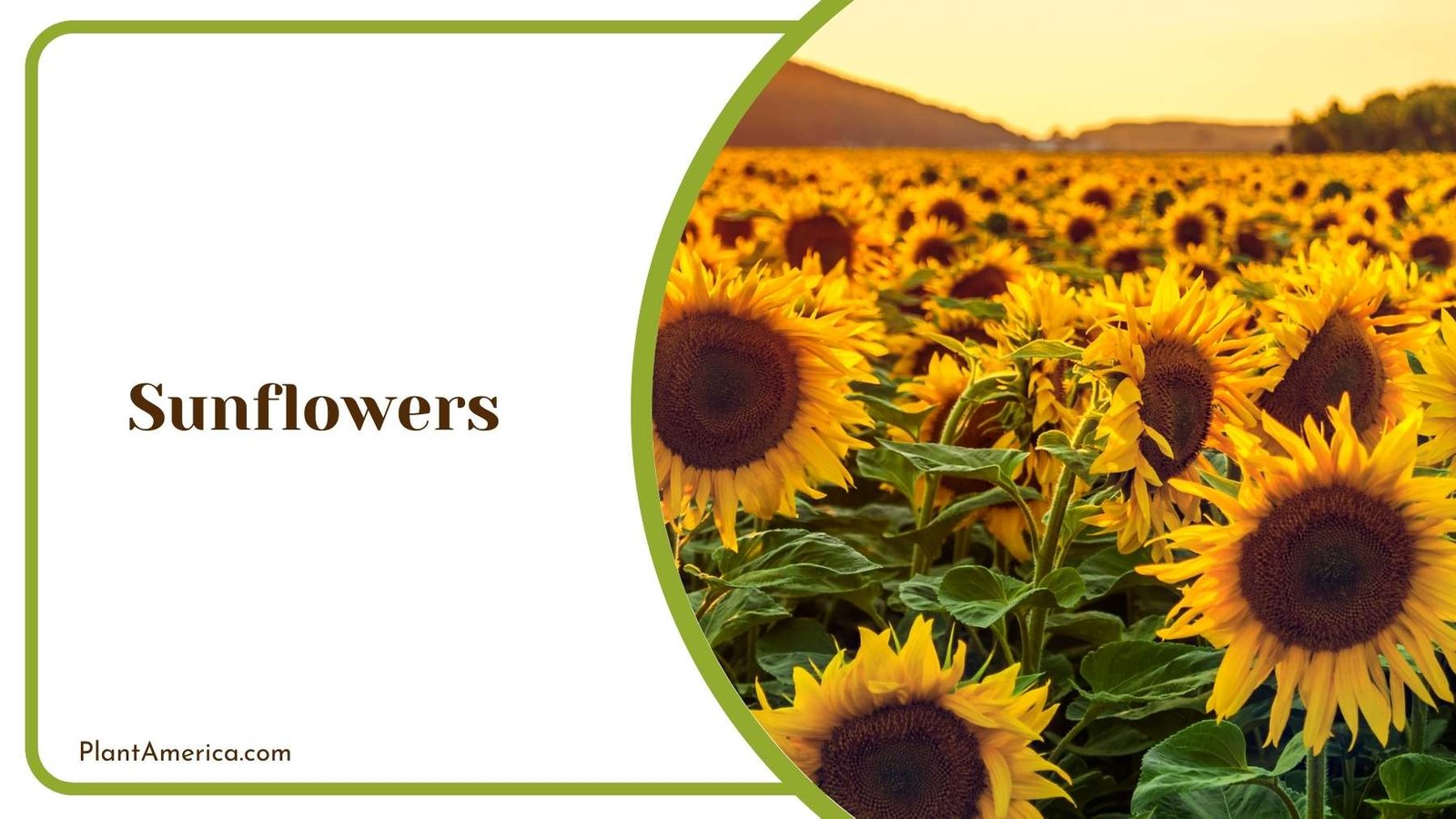
Standing proudly tall above all other flowers in the patch, sunflowers have a bold, cheerful presence that brightens up any space.
As their name implies, these giants thrive in full sun and provide bundles of energy for busy pollinators. Come mid-summer, broad leaves and strong stems give way to bright faces up to a foot wide.
Sunflowers come in a dazzling variety of colors aside from the ubiquitous yellow—whites, oranges, bronzes, and even black varieties put on a visual show. Some stay compact while others tower towards the sky. No matter the type, these flowers make instant decadent bouquets that last for over a week when cut.
All sunflowers ask of the gardener is a spot with at least six hours of direct sun and soil that drains well. Other than a bit of fertilizer at planting, they require little else to delight with their stately charm throughout late summer. No other flower impacts and uplifts a space quite like sunflowers.
5. Lavender
- Growing Season: Summer, Late Spring, Early fall
- Leaf Shape: Aromatic, gray-green foliage, Narrow, elliptical leaves
- Specific Needs: Well-drained soil, Full sun
- Common Pests: Aphids, Spider mites
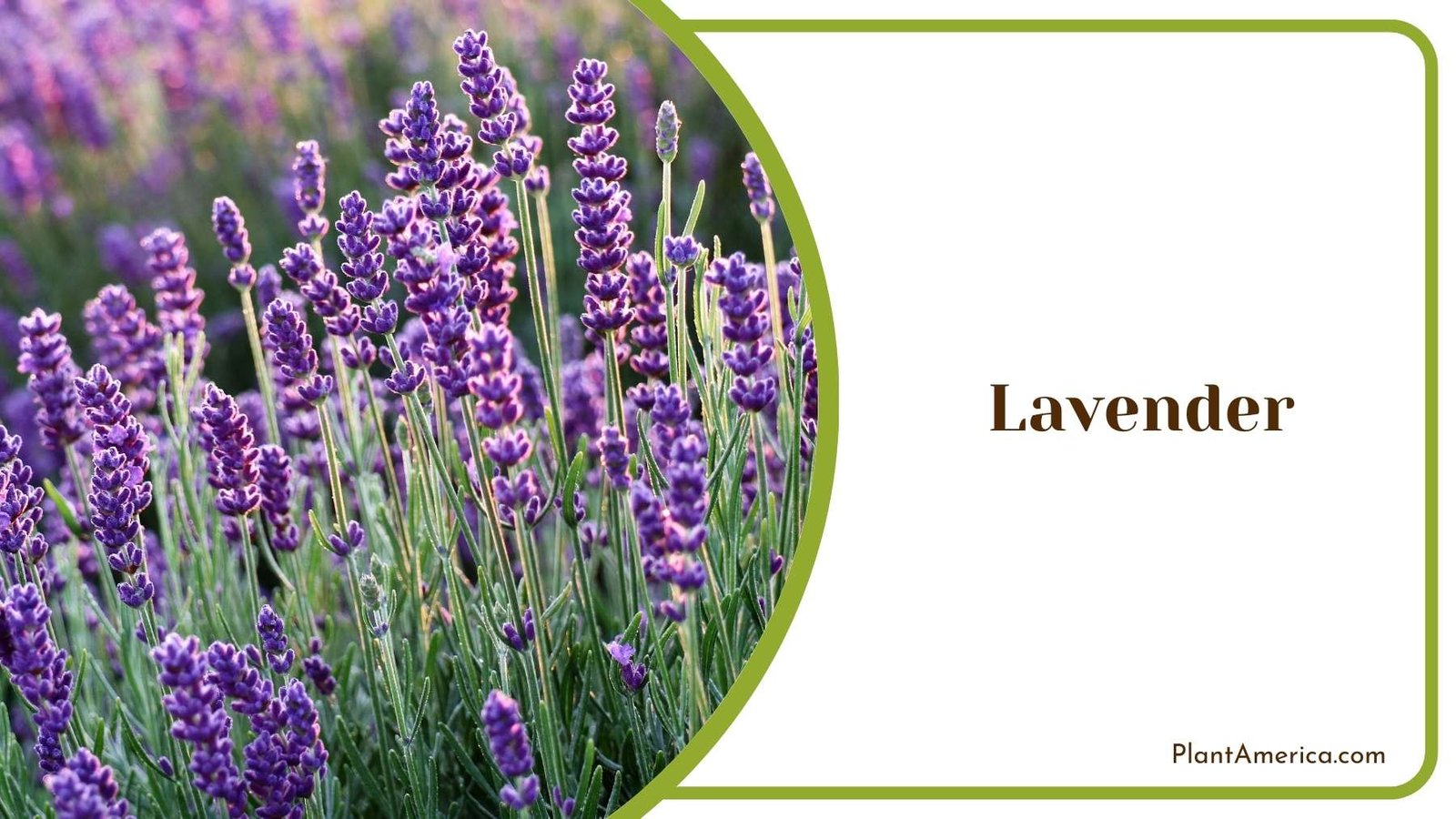
Lavender is a versatile herb beloved by gardeners and cooks alike. Its delicate gray-green foliage releases an unmistakable fragrance that is calming and uplifting. Come summer, airy spikes of purple blooms nod atop the bushes, perfumeing entire gardens from dawn till dusk.
There are many varieties of lavender suited to various hardiness zones, but English lavender tends to thrive nearly anywhere with good drainage and at least 6 hours of direct sun. Shearing back spent flowering stems promotes continued blooming throughout summer. Come fall, lavender’s fuzzy leaves and stems add texture and interest to dried arrangements.
The aromatic properties of lavender also make it a natural insect repellent. Placed near entries or among vulnerable plants, its scent keeps pests at bay. Indoors, sachets of dried lavender flowers tucked among stored fabrics will keep moths and mildew away.
Come spring, lavender can be trimmed into hedges, topiaries or allowed to spill gracefully over walls—either way adding calm beauty to outdoor spaces.
6. Carnations

- Growing Season: Spring, Summer
- Leaf Shape: Opposite, simple leaves, Ovate to lance-shaped leaves
- Specific Needs: Well-draining soil, Full sun
- Common Pests: Aphids, Mites
Carnations are durable flowers that add long-lasting color to flower beds and bouquets. Their ruffled blooms come in a wide palette including reds, pinks, whites, and peach tones. In the garden, carnations flourish in full sun and average, well-draining soil. Maintaining moist soil and trimming spent flowers encourages continuous bloom from summer into fall.
Carnations come in tall varieties suited for backgrounds and borders or more compact types suitable for edging walkways. Their petite, dark green leaves remain pest-free below the flowers. Come frost, some varieties may reseed themselves or can be root-divided in spring like hardened perennials.
Indoors, carnation bouquets brighten up kitchens and entryways for over a week. Just remove any foliage from below water levels and place stems in freshwater. To extend vase life further, change water every few days and cut one inch from the stems.
Whether planting blocks of color into beds or gifting hand picked posies, carnations spread long-lasting cheer.
7. Hydrangeas
- Growing Season: Summer, Fall
- Leaf Shape: Opposite, heart-shaped leaves; Often serrated; Saw-toothed margins
- Specific Needs: Moist, well-draining soil; Partial shade to full sun
- Common Pests: Scale insects, Leaf spots
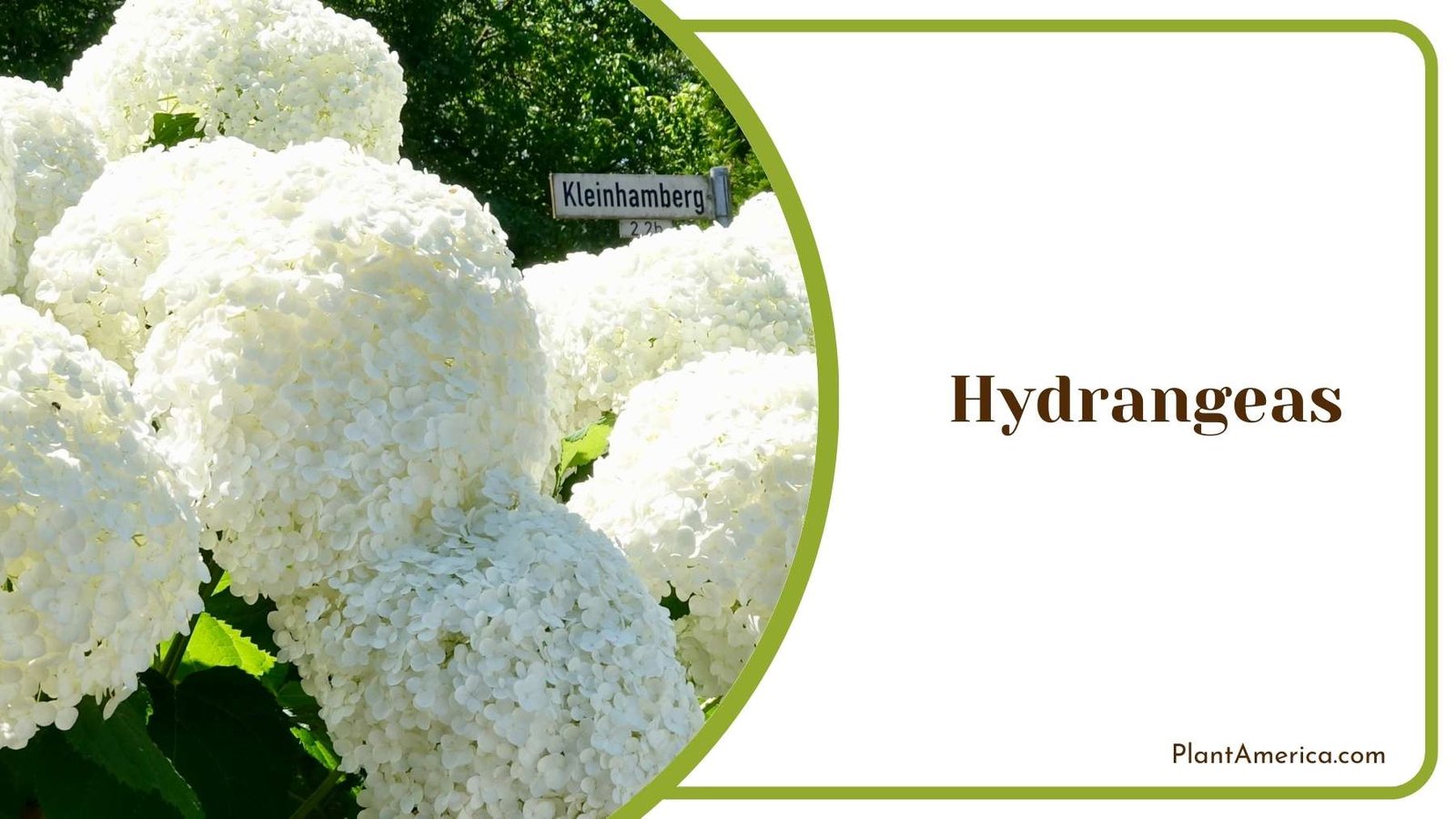
With their bold blooms that come in an array of blues, pinks, and purples, hydrangeas have become a garden staple. Taller shrubs offer privacy screening while compact mopheads mix well among other flowers.
What’s unique about hydrangeas is that soil pH determines their hue—acidic soil produces blues while alkaline yields pinks and reds.
Aside from amending soil, hydrangeas want little aside from partial shade and consistent moisture. Come summer, thick clusters of flowers drape elegantly, sometimes changing pigment throughout the season. As blooms fade, interesting seed heads provide texture into fall and winter. Many varieties hold their florist-quality blooms even after cutting.
Hydrangeas offer not only carefree seasonal color to beds and borders, but also welcoming blooms for arrangements. With their ability to transform hues based on placement, hydrangeas add complexity and interest to any landscape. A staple flowering shrub appreciated as much for their striking blooms as their resilience.
8. Allium
- Growing Season: Summer, Fall
- Leaf Shape: Tubular, Hollow round leaves, Leaf bases may remain intact after no flowering
- Specific Needs: Well-draining soil, Full sun
- Common Pests: Onion thrips, Leaf miners
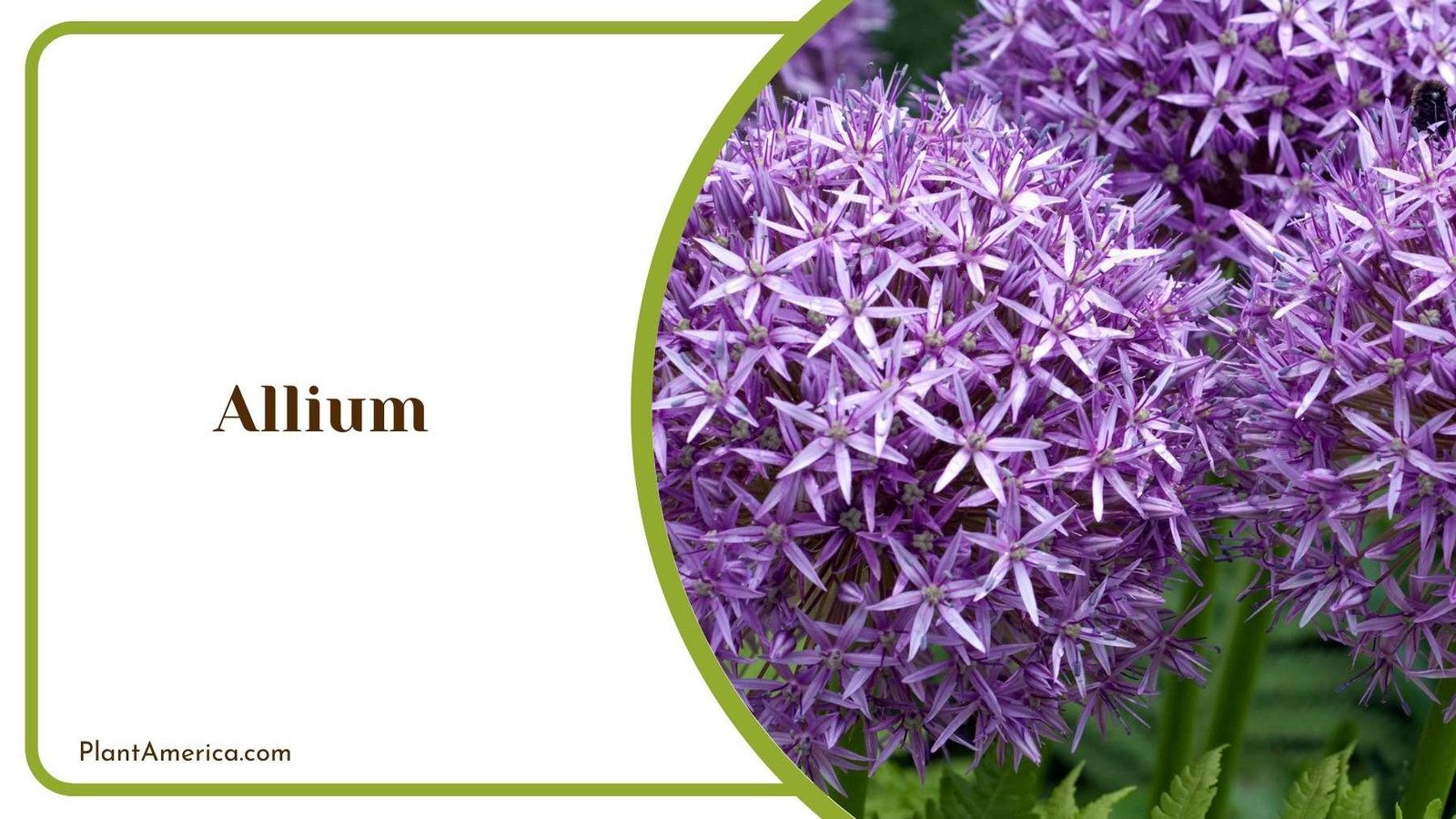
With its charismatic round blooms clustered atop towering stems, allium is a unique flower that commands attention in the garden. Native to Iran and Central Asia, alliums were prized by the Romans and remain a favorite ornamental plant today.
Come mid-summer, allium sends up globe-shaped flower heads in hues ranging from deep purple to pink, white, and bright blue. Taller types reach well over a foot, perfect for backing shorter plants. More compact varieties integrate well into mixed borders.
Allium thrives with minimal care—a site with full sun and average, well-draining soil. Once established, these beauties return reliably every spring. Showstoppers on their own, alliums also add dramatic texture when scattered among other blooms.
Their round floral spheres attract pollinators while adding whimsy to any space. Once the flowers fade, ornamental allium seed heads provide further interest through fall.
9. Lilies
- Growing Season: Summer,
- Leaf Shape: Long narrow leaves usually clustering at base, Strap-like or broadly oval,
- Specific Needs: Well-draining soil, Full sun to partial shade,
- Common Pests: Slugs, Snails, Lily leaf beetles
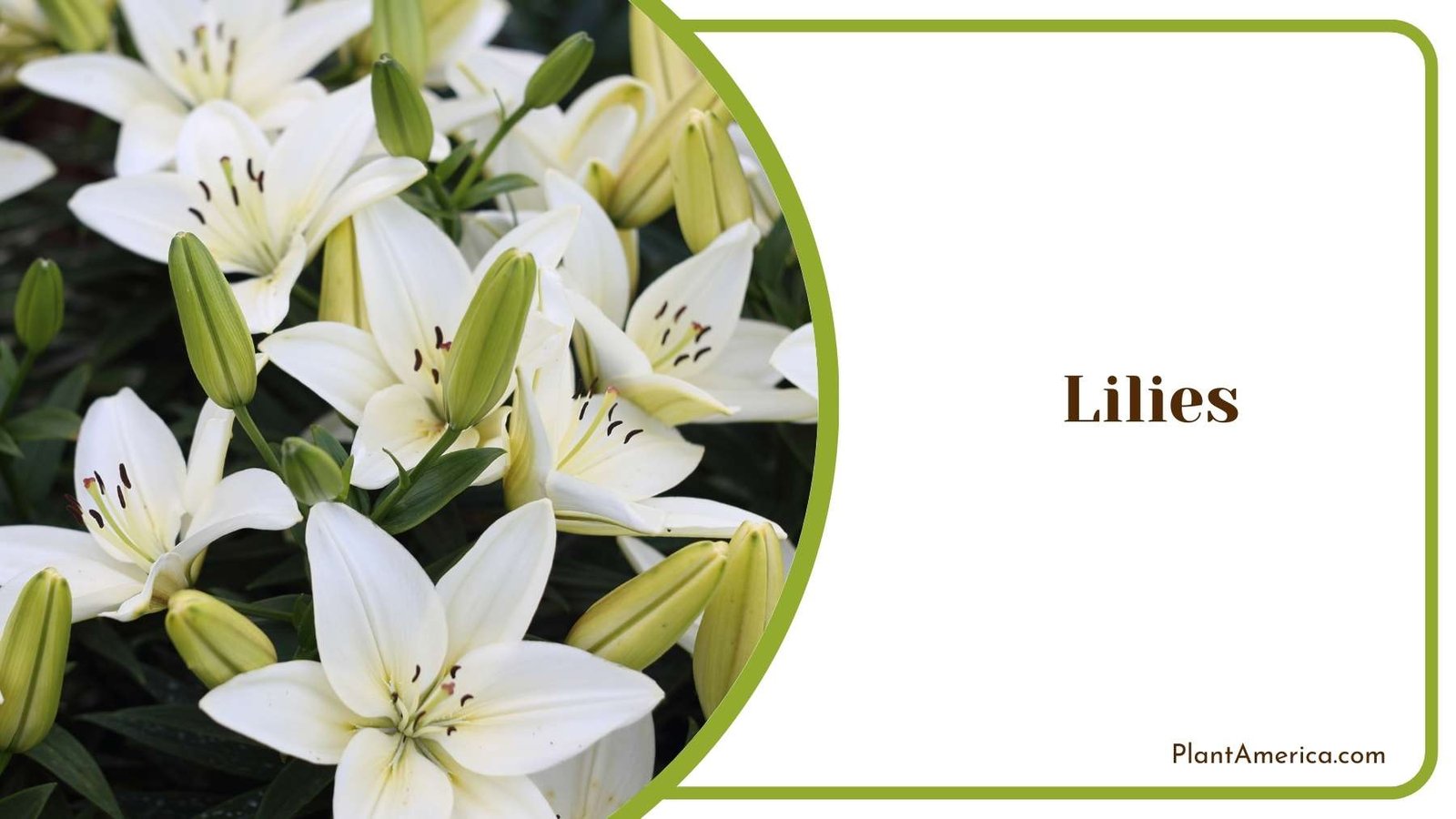
Lilies epitomize grace and natural elegance in the garden. Each spring and summer, these delicate beauties emerge bearing blooms of exquisite detail in countless colors. Whether in solitude or gathered en masse, lilies impart a sense of quiet wonder.
Asiatic lilies stand strongly above grass-like foliage, bearing outward-facing blooms. Oriental lilies cascade hanging blossoms among broad, arching leaves. Other types delight with unique floret formations. All prefer full sun and rich, well-draining soil amended with compost.
Lily blooms may be solid or speckled hues, even beautifully banded or flushed. Varieties adapt to temperate or tropical zones. Throughout summer their heavenly fragrance drifts, attracting hummingbirds and butterflies. Fully spent blooms make way for interesting seed heads until autumn.
Groupings of lilies impart an air of romance and renewal to beds and borders. Their chaste blooms suit cut arrangements as well as any florist flower. A perennial favorite beloved as much for their delicate charm as their low-maintenance resilience in gardens.
10. Roses
- Growing Season: Summer, Fall
- Leaf Shape: Compound leaves, Leaflets in pairs, Thorny stems
- Specific Needs: Well-draining soil, Full sun
- Common Pests: Aphids, Japanese beetles
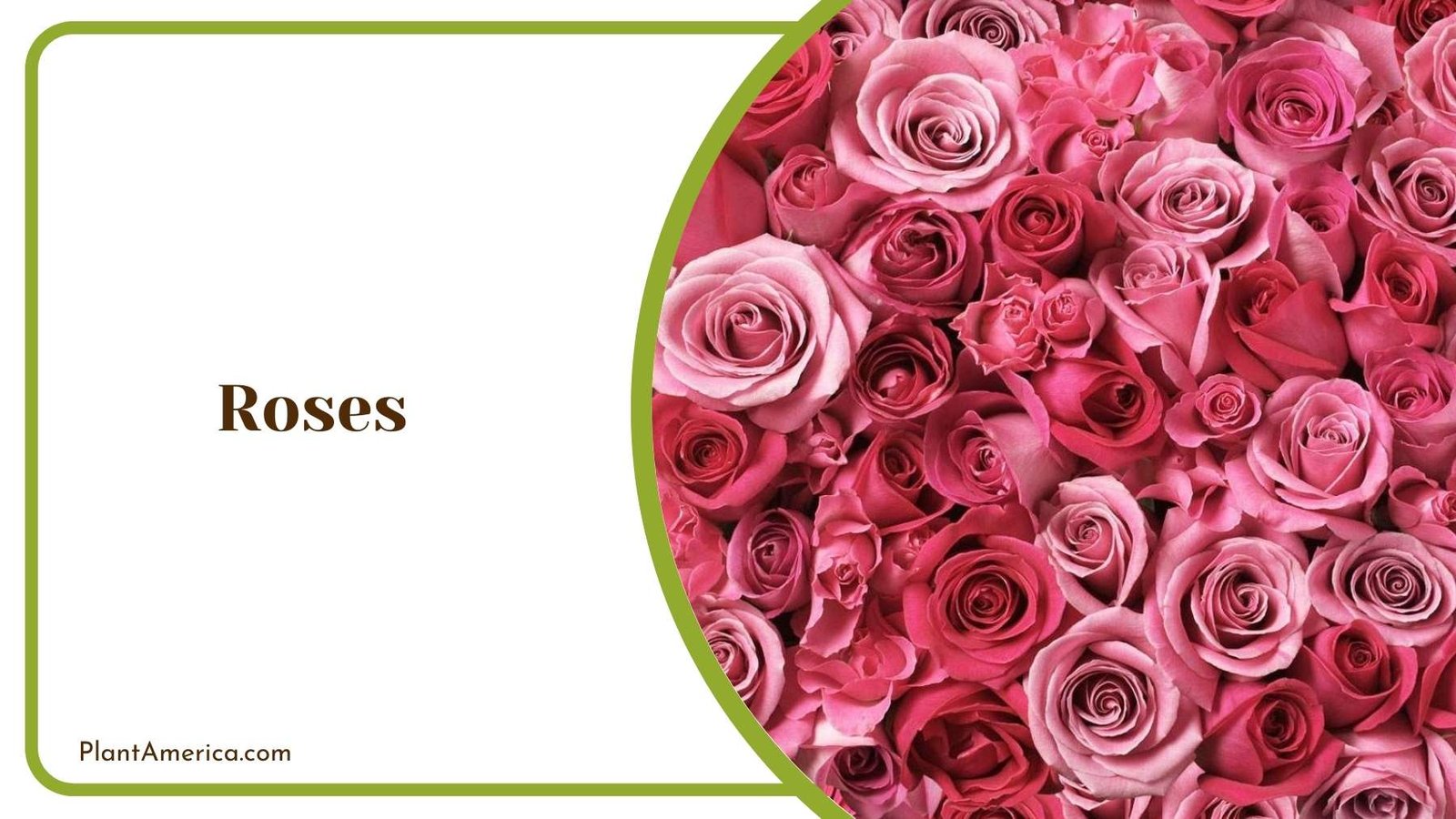
With their spiraling blooms drifting in shades of vibrant reds, blushing pinks and pristine whites, roses are the iconic romance of any garden. Whether in classic tea roses or bold floribundas, nothing compares to the radiant beauty of a burst of rose petals.
While certainly more demanding than hardier flowers, a spot with full sun and rich, well-draining soil helps sustain roses once established. Their thorny canes require no staking but deadheading spent blooms throughout the growing season refreshes blooms.
When fall arrives, protecting new canes from frost ensures more spectacular displays next year.
Few other flowers impart such intense feelings evoked by their complex perfumes. Hybrid teas boast bonnet-shaped blooms while grandifloras send out giant clustered blooms. Ground hugging carpet roses suit tight spaces or sprawl gracefully over walls.
With care and nurturing, roses reward gardeners for generations with breathtaking seasonal color. For elegance, luxury and timeless beauty, nothing compares to the queen of flowers, roses.
11. Dahlias
- Growing Season: Summer, Fall
- Leaf Shape: Palmately, Deeply lobed leaves, Serrated or toothed edges
- Specific Needs: Well-draining soil, Full sun
- Common Pests: Slugs and snails, Dahlias borers
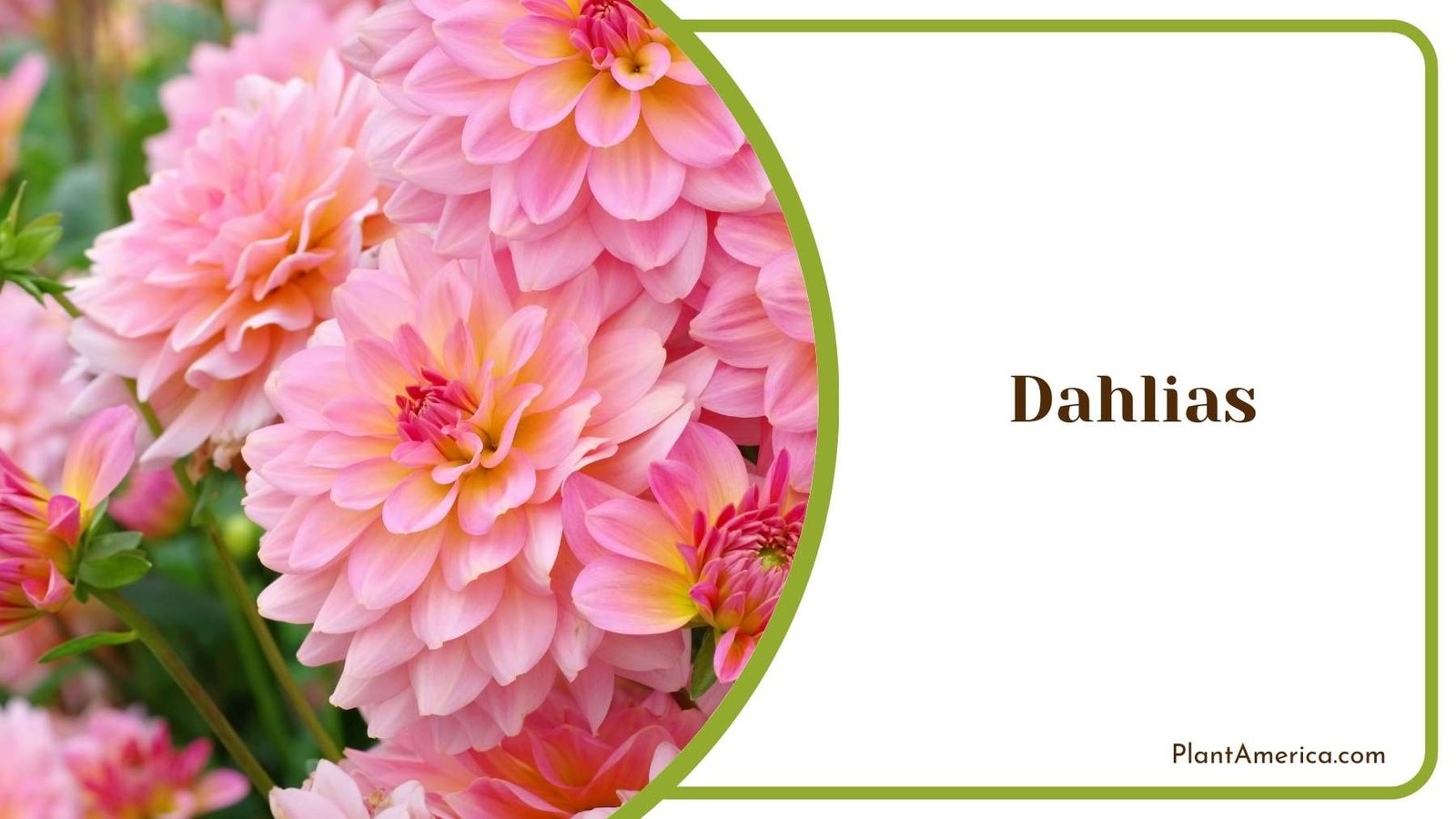
Dahlias add captivating splashes of color to late-summer gardens with their cheerful blooms in vivid hues. Ranging from compact pom-poms to dinner plate-sized creations, varieties offer blooms in nearly every color imaginable on sturdy stalks above mounds of deep green foliage.
A sunny spot and soil rich with compost or manure brings out dahlias’ best. Staking taller varieties prevents flopping in rain. Deadheading spent flowers promotes continued re-bloom until frost. With just occasional watering, dahlias flourish from July through September.
Nothing compares to the breathtaking array of breeding that exists within dahlias. Blossoms may resemble cactus spines, stars, or fruit in addition to more common shapes. Some boast solid pigments while others swirl with contrasting eyes.
Cut stems thrive indoors for over a week, brightening any room. Dahlias add unparalleled beauty, diversity and hurricane resilience to late summer gardens.
12. Tulips
- Growing Season: Spring
- Leaf Shape: Narrow, Strap-like leaves, Green or developed variegated stripes
- Specific Needs: Well-draining soil, Full sun
- Common Pests: Aphids, Nematodes
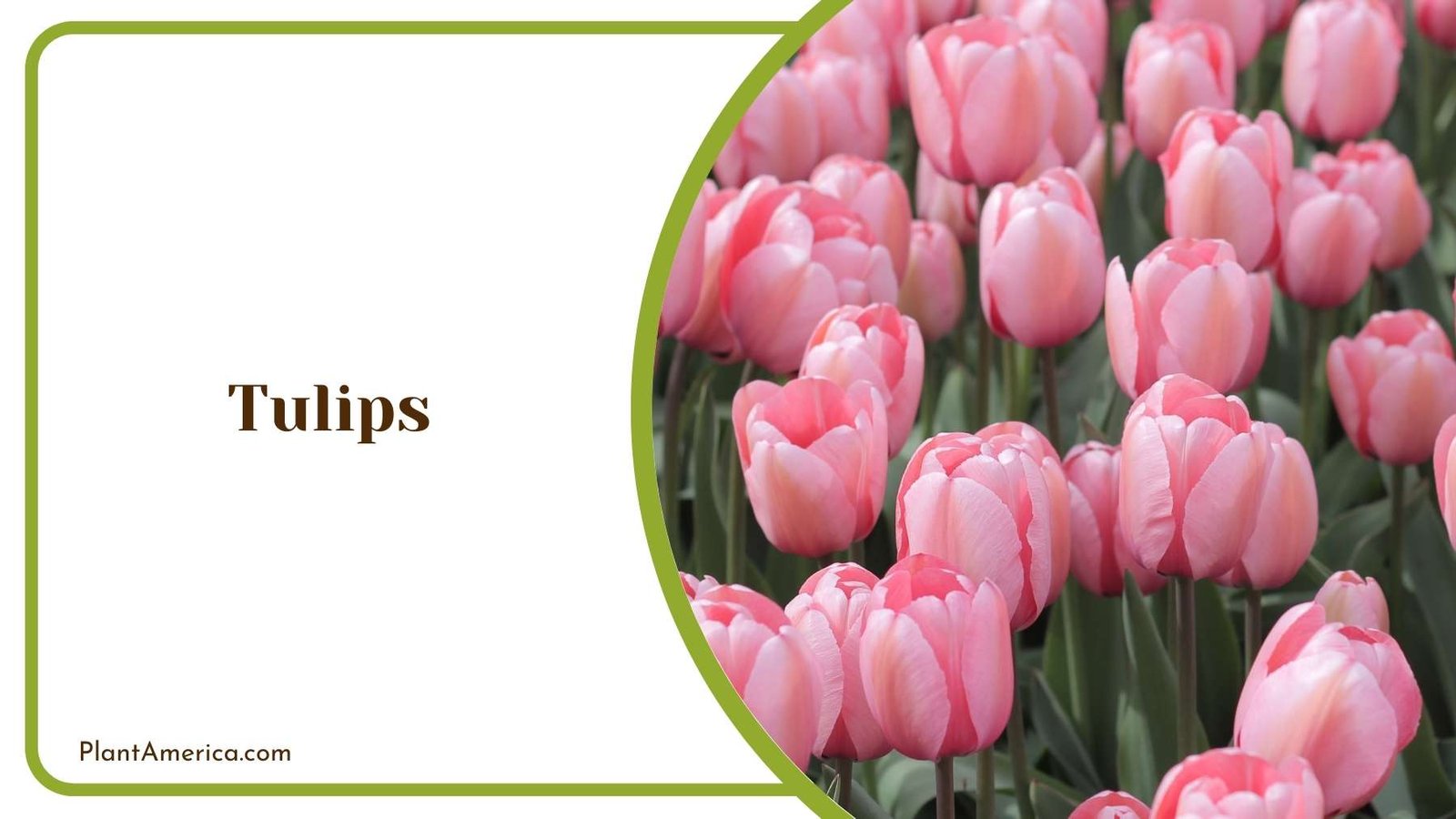
Harbingers of spring optimism, tulips emerge each April bearing cheerful blooms in vibrant colors that instantly lift spirits. Their waxy petals come pointed, ruffled or wide like peonies on strong stems arising from simple green foliage.
Whether bold or subtle, no other bulb blooms quite like tulips. Ranges from red singles to flaming parrots, calming lilacs to dazzling peaches—there is a tulip for every garden preference. Planting bulbs in fall provides months of anticipation culminating in their showy display come first thaw.
Tulips thrive in full sun wherever soil drains well after rain. They naturalize prolifically each subsequent season, massing brighter and denser without further effort. Though their blooms are short lived, legions bud for an extended floral display.
Come summer, tulips retreat into dormancy, nourishing bulbs for an encore. The heralds of spring promise new beginnings each year anew.
13. Peonies
- Growing Season: Late Spring, Early summer
- Leaf Shape: Compound leaves with three leaflets, Leathery texture
- Specific Needs: Well-draining soil, Full sun
- Common Pests: Peony borers, Leaf spots
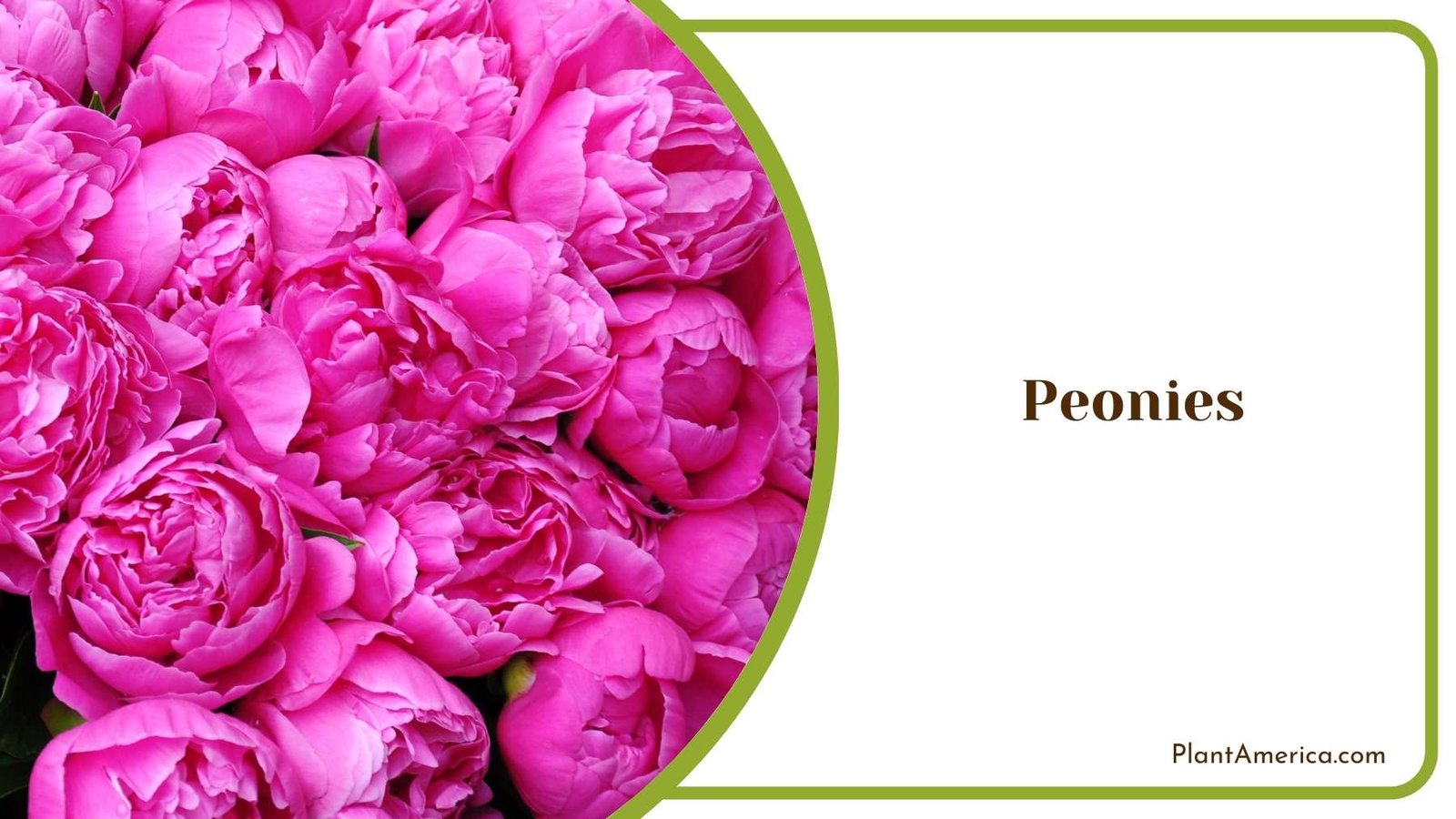
Peonies are a quintessential symbol of romance in the garden, bearing abundant ruffled blooms in vivacious hues. True to their name derived from Paeonia, the flower of rebirth in Greek mythology, peonies impart a sense of renewal each season.
Come late spring, strong stems thrust up bearing either soft-petaled double blooms or single ruffled varieties. Shades include pristine whites, blushing pinks, sunset oranges and rich reds. As the largest bloom of any herbaceous perennial, one peony can easily resemble a small tree hanging with petals.
Preferring full sun, peonies thrive wherever soil holds moisture well like most perennials. Little else is needed to maintain these garden stalwarts that continue anchoring borders for decades.
Their lush greenery remains attractive even after blooms fade, providing cover for birds and pollinators. Come fall, peonies die back gracefully leaving appreciation for reliable natural charms they offer each year.
14. Gerbera Daisies
- Growing Season: Summer, Fall
- Leaf Shape: Fleshy, Grayish leaves, Often notched or toothed margins
- Specific Needs: Well-draining soil, Full sun
- Common Pests: Powdery mildew, Spider mites
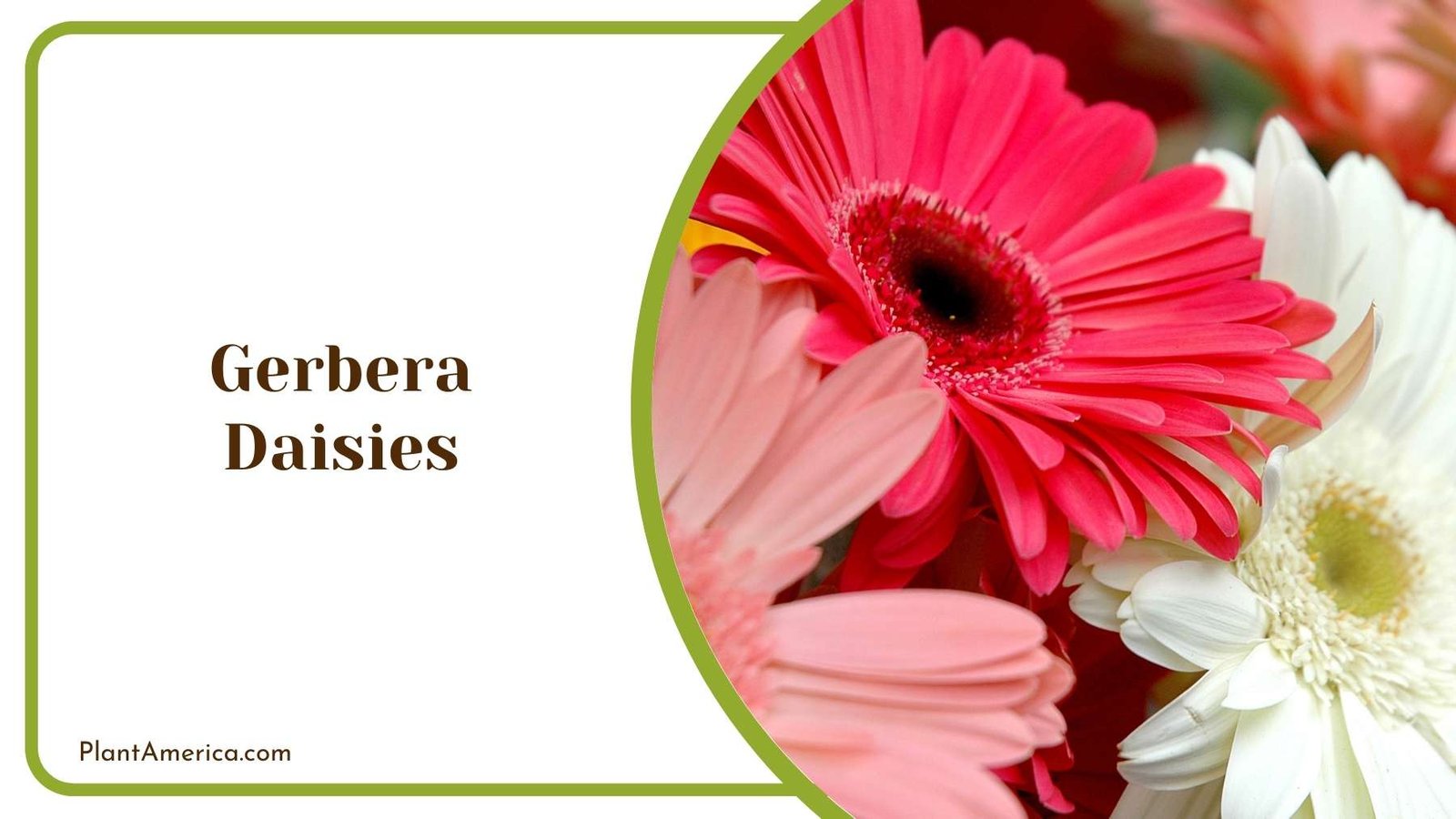
No other flower channels barefoot summers like vibrant Gerbera daisies. Originating from South Africa, these cheerful blooms resemble oversized cousins to common daisies but arrive in a kaleidoscope of colors. Bright oranges, corals, reds, yellows, pinks, and peaches erupt above thick, dark foliage anytime from spring through fall.
Low-maintenance Gerberas want little more than partial shade and consistent moisture to flourish. Choose compact varieties for borders or taller types as accents. Cut stems readily re-root in water or soil, making them ideal for aspiring florists or windowsill gardens.
Wherever planted, Gerberas lift spirits with their carefree appeal. Families picnic among them, artists draw inspiration, and garden visitors are greeted like old friends. These barometer flowers’ closed petals signal rain ahead, providing both charm and forecast. However dark the skies, Gerbera’s vivid hues shine as beacons of summer’s optimism and fun.
15. Irises

- Growing Season: Late Spring, Early summer
- Leaf Shape: Long, Sword-like leaves, Often in fan-shaped clumps
- Specific Needs: Well-draining soil, Full sun
- Common Pests: Iris borer, Leaf streak
While often seen as a more delicate flower, irises have a rugged charm that makes them a great choice for any man’s garden. In early spring they thrust towering sword-like blooms above strapping foliage with a fierceness that demands attention.
Their bold colors like deep purples, blues and buttery yellows have an elemental strength echoed in other masculine interests. Iris variants also include more unconventional patterns appealing to adventurous tastes.
No deadheading or fussing is needed once established. Thick rhizomes spread vigorously ensuring a colorful display returns year after year with minimal effort. Perfect for the busy homeowner with other priorities.
An added benefit is how irises attract hummingbirds to the garden. Their energetic acrobatics provide entertainment, a welcome dose of nature even for those less invested in floral fragility. While some see irises as delicate, their rugged resilience and tough constitution earn their place.
For gardens seeking low-maintenance, high-impact color, irises deliver without fuss. Their seasonal show of natural strength marks them as more than just a feminine frill, but plants with virtues suited to any backdrop.
Conclusion
These masculine flower varieties explored provide options for any gardener’s plot
- Poppies produce cheerful blooms in a variety of colors with satiny flowers on bare stems above a rosette of leaves
- Gerbera daisies are perfect flowers for beginner gardeners as they have few specific needs beyond well-draining soil and full sun
- Tulips are one of the earliest blooming bulbs, cheerfully popping up their cups, feathers and fringed blooms in vibrant hues after a long winter.
Whether preferring the subtle charm of popped irises or sunflowers’ unabashed exuberance, exploring these flowers connects one to nature’s rhythms through patiently nurturing life from soil. Taking time to cultivate flowers that ask little yet repay in spirit-lifting beauty reminds us that pleasures need not be flashy to delight.