
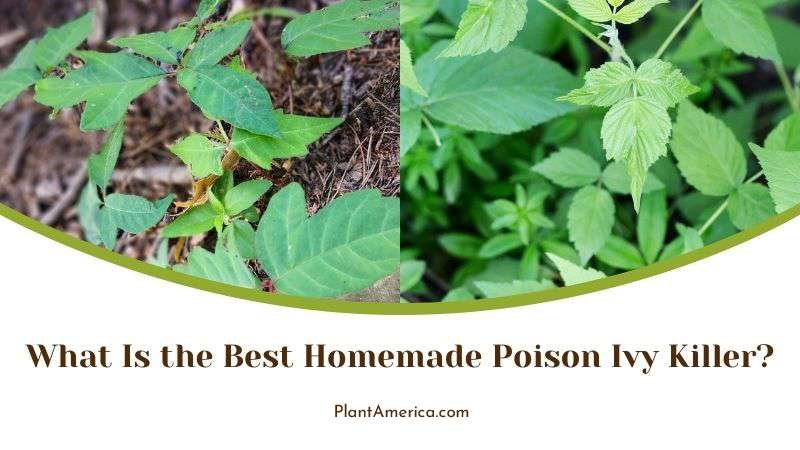
How to get rid of poison ivy plants with bleach is a way to free them from your home garden because these plants are not safe to have around. Poison ivy of the Anacardiaceae family is a dangerous plant to have in your garden as it can cause a very irritating rash.
 Fortunately, they can be removed with the correct use of simple ingredients from the house.
In this article, we will take you through a simple three-stepped process for removing poison ivy plants with the help of bleach.
How To Get Rid of Poison Ivy Plants With Bleach?
🔥 You can get rid of the poison ivy plants with bleach by preparing a spray bottle full of bleach and spraying it on the plants while wearing protective gear. You should then repeat the process till you kill the plant deeply.
Bleach is the most commonly available remedy to get rid of poison ivy. People use it because it is cheap and works very well even after the first round of spray. For a small poison ivy plant, two cups of bleach should be enough. You can whatever amount of bleach you think is required on the basis of the number and size of your poison ivy plants.
– Wear Protective Gear
The first step in removing poison ivy or any plant for that matter is to wear protective gear. This may include a full-body suit, gloves, and an eye cover. This is so that the bleach won’t come in contact with your skin and also that the thorns if there are any, will not pierce your skin. You can work without the gear but just to be on the safe side, do not forget to cover yourself.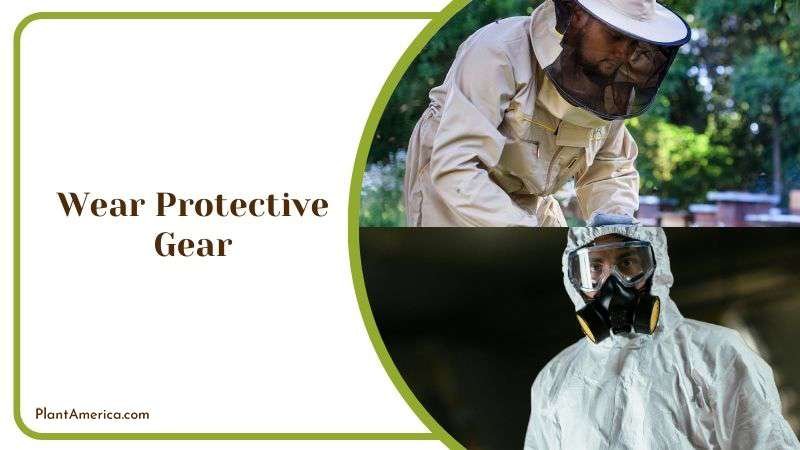
Even though bleach works well for killing and removing poison ivy, it can have the same effect on other plants as well. So if you are spraying the bleach, make sure to spray it very selectively as the other plants, whichever they might be, will also be killed and once they get the effect of the bleach, there is no going back.
The reason you must cover your skin is that bleach is very damaging to the skin, whether it’s your fingers, your arms, or anywhere else. It can cause painful pustules when it comes in contact with it which can last for days resulting in a rash and can also be very damaging if it comes in contact with an open wound or an open eye. To treat poison ivy rash, you can opt for an oatmeal bath or rub baking soda on the affected areas.
– Prepare Bleach
The next step is to prepare the bleach, and even though you can use the bleach right from the bottle, it is better to put it in a spray bottle for an even spray.
You can use any random spray bottle but make sure that it is properly cleaned and does not have droplets of water in it. You can also store the bleach in the spray bottle for a long time because this way it will last longer.
– Spray Away
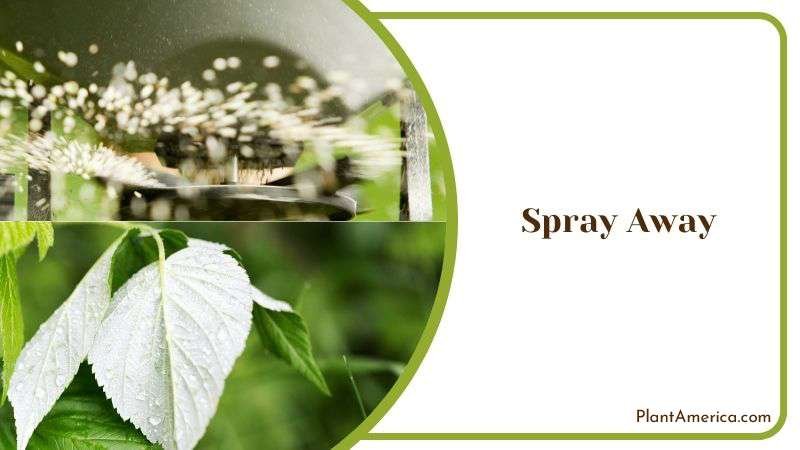
The last step is to spray the bleach as you like. Just make sure you cover the entire plant and also choose a day on which the sun is out. The heat will help the bleach kill the plant quickly.
Remember to be careful while spraying, because this chemical can increase the soil’s salt content, damaging the entire plant population in the garden. Once this chemical is absorbed into the soil and the salt content has increased, there is nothing that you can do that will bring back the original pH of the soil easily. It can be very shocking for the plants and can also potentially kill them.
However, make sure that you would do this properly and fully because a poison ivy plant can grow back after you remove using any chemical only if the plant is very mature and has an extensive root system that was not successfully pulled out as a whole. So the poison ivy will grow back from the left behind root fragments, or else they will grow back, which is why you should repeat this process.
This is very common when the cleaning is not done properly. The fragment of roots that are left behind can be very potent, and they start growing themselves into new plants. They will not be visible right away, but they will show up soon. So after you remove the poison ivy plants, make sure to thoroughly check for any roots that might have been hiding under the soil, and spray again, with protection, of course. Also, make sure not to spray other plants or your grass with bleach because it will cause issues to them as well.
Final note:
Here we come to the end of the article. We hope this was an informative article for you and now you can successfully make your garden poison ivy-free. You will feel safe and secure in your clean garden. Make sure to be able to identify other poisonous plants in your garden to use the same process and remove them.