
Lucky plants have brought good fortune and prosperity into homes and living spaces for centuries. If you want to attract positive vibes and good luck into your life, houseplants are a simple and effective way to do so.

Whether you have a small windowsill, a wooden stump, or an entire patio, a lucky plant here will suit your space and taste. If you’re looking to improve your vibe and invite good vibes in, read on to discover the botanical beings that can help make that happen for you in a simple yet profound way.
Lucky Plants Your Garden Space Definitely Needs
1. Money Plant

- Growing season: Spring, Summer, Fall
- Leaf shape: Thick, Oval, Succulent leaves
- Specific needs: Bright light, Well Drained soil
- Common pest: Aphids, Mealybugs
The money plant of the Epipremnum genus, also referred to as the jade plant due to its resemblance to the precious green stone, is renowned for holding symbolic meanings across various cultures around the world when placed in visible, high-traffic areas of the home or office. With its iconic coin-shaped leaves in a vibrant shade of green, this low maintenance succulent plant’s presence is believed to attract abundance, wealth and overall prosperity.
The thick, waxy leaves of the money plant form dense clusters at the ends of the woody stems as the plant matures. Its bright green foliage provides a symbolic pop of color meant to draw positive energy related to finances and good fortune inward. Even distantly placed from incomes or business dealings, a flourishing money plant is thought to emanate positive vibes supporting prosperity.
Requiring minimal care compared to other houseplants, money plants thrive on infrequent watering that mimics their arid native habitat. Allowing the potting soil to dry fully between waterings prevents root rot while sustaining the leaves’ thick succulent textures. During dormancy in winter when growth slows, watering needs to be reduced further.
Low light conditions suffice for money plants, which display a high tolerance for gloomy indoor settings near windows without direct sun exposure. Their natural hardiness and drought resistance give money plants the reputation as one of easiest indoor plants to care for around the home. With little more than sparse waterings, these symbolic houseplants thrive handsomely without fuss.
Perhaps due to its storied cultural symbolism, the tough-as-nails money plant earns its place as a favorite pick for interior plant enthusiasts and shamans of wealth alike.
2. Snake Plant

- Growing season: Spring, Summer, Fall
- Leaf shape: Long, Stiff, Sword-like leaves
- Specific needs: Low water, Bright light
- Common pest: Mealybugs, Scale
The snake plant, also commonly called mother-in-law’s tongue, is renowned as one of the toughest and most low-maintenance houseplants for improving indoor air quality. Its upright, narrow swords of thick foliage resemble snakeskin patterns or tongues, giving this botanical air purifier an eye-catching yet subtle presence in any home or office environment.
Snake plants owe their reputation for air purification abilities to specialized biological functions within their leaves. Studies have shown these humble houseplants are adept at absorbing toxins such as formaldehyde, benzene, and other volatile organic compounds produced by building materials, furnishings and household cleaners through natural processes.
By efficiently photosynthesizing harmful gasses, snake plants can significantly reduce concentrations of indoor air pollutants over time. Some experiments indicate that a few scattered snake plants are capable of decreasing overall VOC levels by 60 percent or more within a contained space, contributing to a healthier lived-in environment for inhabitants.
Moreover, snake plants require very low light and infrequent watering to thrive. Their waxy leaves allow them to survive long periods between waterings even with sparse sunlight. This resilience lends them perfectly to neglectful care regimens. Snake plants can persist for months during owner vacations or periods of forgetfulness without water.
All together, these low-maintenance attributes make snake plants an attractive choice for any modern home, classroom, or office wishing to incorporate a touch of greenery that passively improves indoor air quality through natural means. Their undemanding culture allows carefree enjoyment of their air cleansing functions anywhere live or work. The snake plant’s aesthetic and practical merits surely contribute to its enduring popularity as a household companion.
3. Peace Lily

- Growing season: Spring, Summer, Fall
- Leaf shape: Long, Glossy green leaves
- Specific needs: Medium water, Bright indirect light
- Common pest: Aphids, Spider Mites
The peace lily, known botanically as Spathiphyllum, derives its gentle common name from the symbolic white flowers or spathes that emerge from its central stalk, resembling a bouquet of purity. This botanical houseplant holds deep meanings related to harmony, inner peace, and good luck for the home.
Beyond its auspicious symbolism, the peace lily also passively improves indoor air quality through natural chemical processes within its waxy leaves and stems. It absorbs toxins like benzene, formaldehyde, and volatile organic compounds produced indoors, releasing cleaned oxygen back into the air. This makes it an ideal addition to any living space seeking to raise positive energy and promote wellness through simple plant life.
During peak growing periods of spring and summer when the peace lily is actively photosynthesizing and producing blooms, allow the potting soil to dry partially between thorough waterings from the bottom up. Overwatering causes the most frequent plant stress issues like stunted growth and yellow declined leaves. Peace lilies especially dislike having constantly wet feet.
With ideal light and moderate moisture levels sustained through its active season, the peace lily thrives handsomely as a staple lucky plant indoors. Fast drainage is critical to prevent root rot in its moist tropical nature. Decoratively landscaped alongside other botanical-based houseplants that similarly cleanse indoor environments, peace lilies radiate their symbolism of tranquility and hope through lush petaled stalks.
Their purity of appearance and function make peace lilies enduringly popular household companions to spark renewed optimism and sustainable wellness in modern living areas through natural passive means.
4. Rubber Plant

- Growing season: Spring, Summer, Fall
- Leaf shape: Large, Glossy, Deep green leaves
- Specific needs: Medium water, Bright light
- Common pest: Aphids, Spider Mites
The rubber plant, also known as a good luck plant, naturally purifies indoor air and raises energy levels within a space due to its ability to absorb toxins and produce oxygen. Its sturdy tropical appearance with thick glossy leaves and tall upright form helps attract prosperity and good fortune when placed in high foot traffic areas like living rooms and entryways.
During the rubber plant’s active growing season from spring to fall, dry out between waterings. Overwatering causes root rot and leaf drop, stunting the plant’s growth.
5. Bamboo Plant
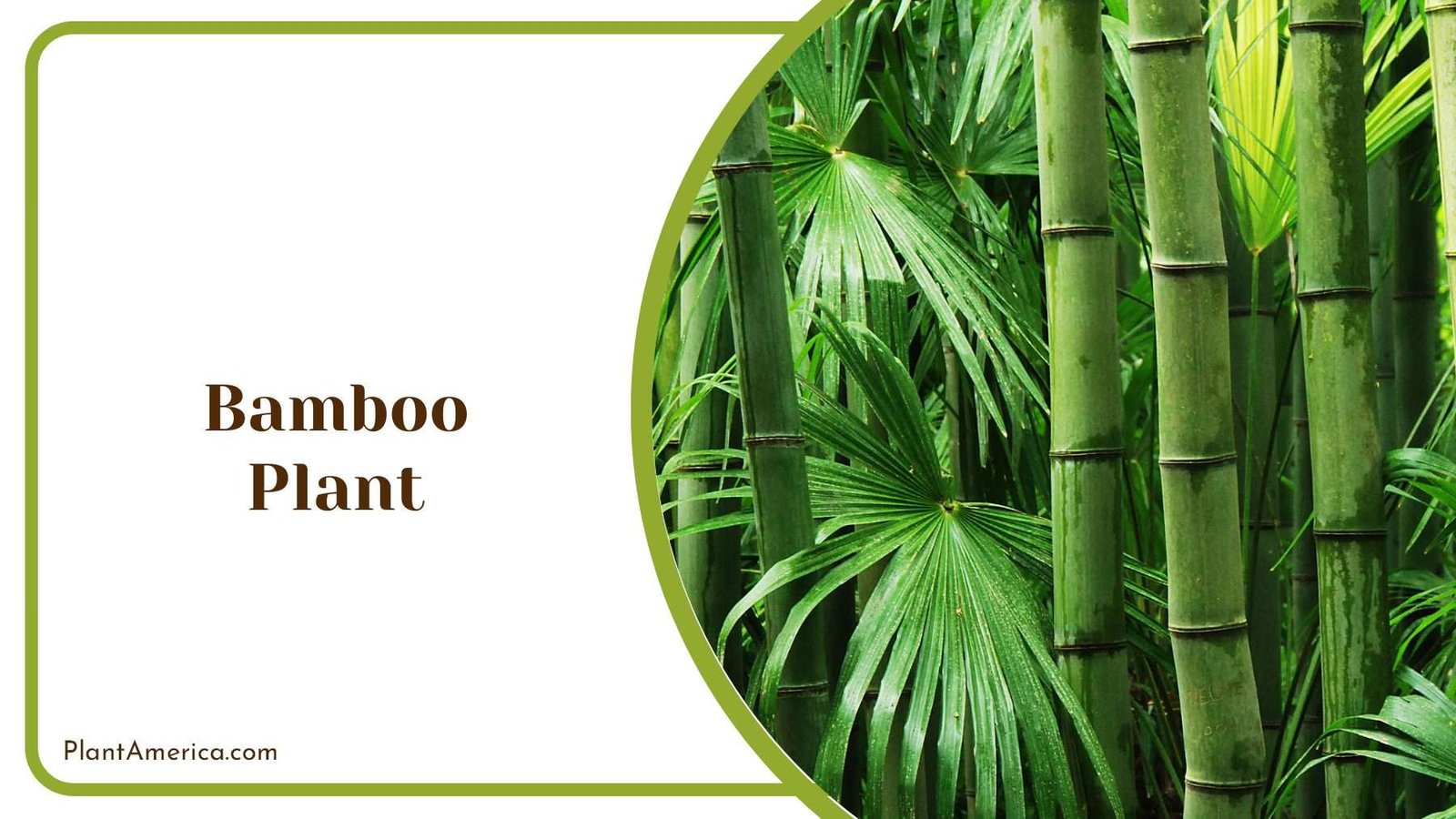
- Growing season: Spring through Fall
- Leaf shape: Narrow, Grass-like leaves
- Specific needs: Medium water, Bright light
- Common pest: Aphids, Spider Mites
Bamboo plants are well known for adding energy, good vibes, and positivity to any indoor or outdoor space. Their fast growth rate and distinctive architectural shape of thin vertical canes make them a potent symbol of abundance, prosperity, and good fortune.
Placing bamboo plants around entrances or in other high-traffic areas of the home can attract maximum fortune and amplify their lucky qualities. Bamboo’s hollow stems channel flowing chi or life force energy that invigorates the surrounding environment.
They emit negative ions through their leaves, promoting happiness, clarity, and well-being. To encourage continued rapid growth, water bamboo plants when soil becomes dry. Make sure to keep them in a bright location away from direct sunlight. Trim yellow or brown leaves as needed to maintain an attractive appearance.
6. Ficus Benjamina
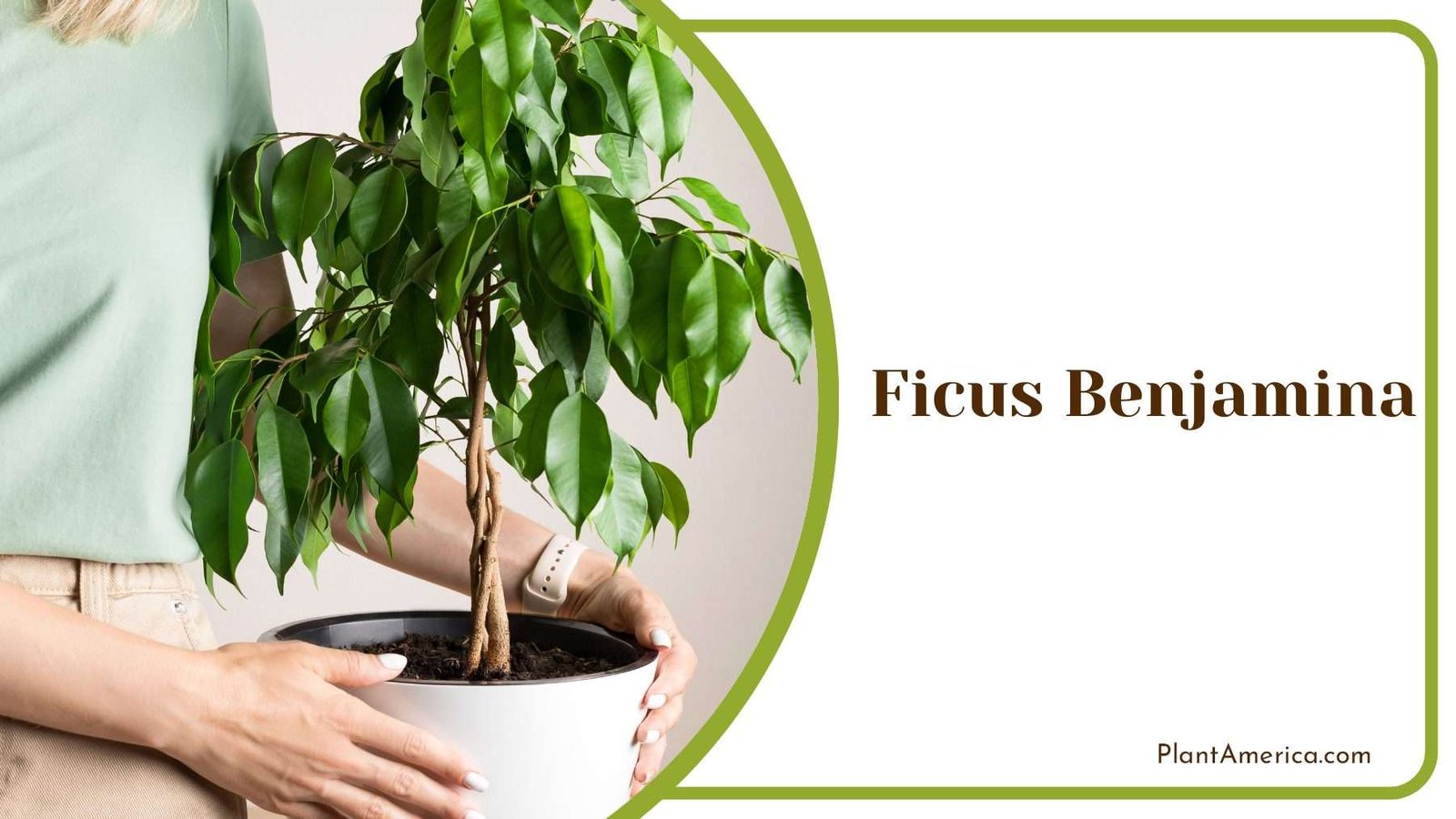
- Growing season: Spring, Summer, Fall
- Leaf shape: Glossy, Oval leaves
- Specific needs: Medium water, Bright light
- Common pest: Aphids, Mealybugs
The Ficus benjamina, commonly called the weeping fig or Benjamin fig, is a popular indoor tree renowned for improving mood, attracting fortune, and filling living spaces with positive energy and good vibes. Its lush green foliage consisting of oval-shaped leaves on long arching stems gives it a graceful weeping form that elevates the atmosphere.
The weeping fig’s ability to naturally purify indoor air by absorbing toxins through its leaves and producing oxygen through photosynthesis makes it an excellent plant for maintaining good vibrational frequencies within the home. To keep a weeping fig tree healthy, water when soil becomes dry. Place the plant in bright, indirect light and mist its leaves occasionally to increase humidity.
7. Aloe Vera

- Growing season: Spring, Summer, Fall, Year-round
- Leaf shape: Thick, Fleshy, Gray-green leaves
- Specific needs: Bright light, Well Draining Soil
- Common pest: Aphids, Mealybugs
Aloe vera is an iconic succulent plant well known for its air-purifying, health-boosting properties and ability to soothe minor burns and irritation. Its thick triangular leaves filled with a gel-like substance quickly relieve burns, cuts, and skin inflammation. Beyond its practical uses, aloe vera brings healing energy when placed in high-traffic areas of the home, like the living room or entryway. It efficiently absorbs toxic chemicals, making it a natural indoor air purifier.
The plant also produces oxygen at night, aiding respiratory health. Its thick leaves allow it to store water, enabling aloe vera to thrive with infrequent watering. Water your aloe vera plant once the soil is dry and place it in indirect bright light to keep your aloe vera plant healthy. Aloe plants do best in porous soil with good drainage.
8. Bonsai Trees

- Growing season: Spring, Summer, Fall
- Leaf shape: Large, Depends on variety
- Specific needs: Well Draining Soil, Regular watering
- Common pest: Aphids, Mealybugs
Bonsai trees are miniature trees cultivated through horticultural techniques for their aesthetic value and ability to add tranquility, good energy, and positive vibes to any indoor setting. Their small yet perfect form makes bonsai trees an ideal house plant for attracting good fortune and prosperous chi.
Bonsai trees should be pruned at least once a year during their dormancy period in winter. Depending on the species and desired shape, additional pruning may be needed throughout the growing season. Proper watering and fertilizing are also important to keep bonsai trees in optimal condition. They require frequent watering during the spring and summer growing seasons but less frequent watering during fall and winter.
Occasional applications of diluted liquid fertilizer can help boost growth and leaf density. The ancient Japanese art of bonsai involves cultivating miniature trees that symbolize balance, perseverance, and tranquility through their miniature yet perfect forms.
9. Citrus Tree

- Growing season: Spring through Fall
- Leaf shape: Glossy, Oval leaves
- Specific needs: Medium water, Bright light
- Common pest: Aphids, Mealybugs
Citrus trees are more than just decorative plants; they carry immense positive energy. Limes, lemons, oranges and other citrus fruits signify abundance and year-round bounty, which uplifts the mood and enhances well-being for those who interact with these trees.
The cheerful citrusy aroma emitted by citrus trees has been shown to boost optimism and energy levels in people. Studies have found that the scent of lemon in particular can improve cognitive performance and memory recall. Citrus essential oils are often used in aromatherapy for their mood-elevating and stress-reducing benefits.
When placed in high-traffic areas of the home, citrus trees work to attract prosperity and good fortune through their symbolic fruit and purifying leaves. Their glossy green leaves naturally absorb toxins from the air, purifying the indoor environment. The leaves trap particles and contaminants that pass by, keeping the surrounding space clean and fresh.
Beyond their aesthetic and aromatic appeal, citrus trees in the living room or near the front door elevate the vibrational frequency of any indoor setting. Their bright colorful fruits signify abundance and year-round bounty, boosting optimism and enhancing well-being for the occupants of that space. The positive chi emanating from these plants can permeate an entire home, filling it with invigorating energy.
10. Dracaena Marginata
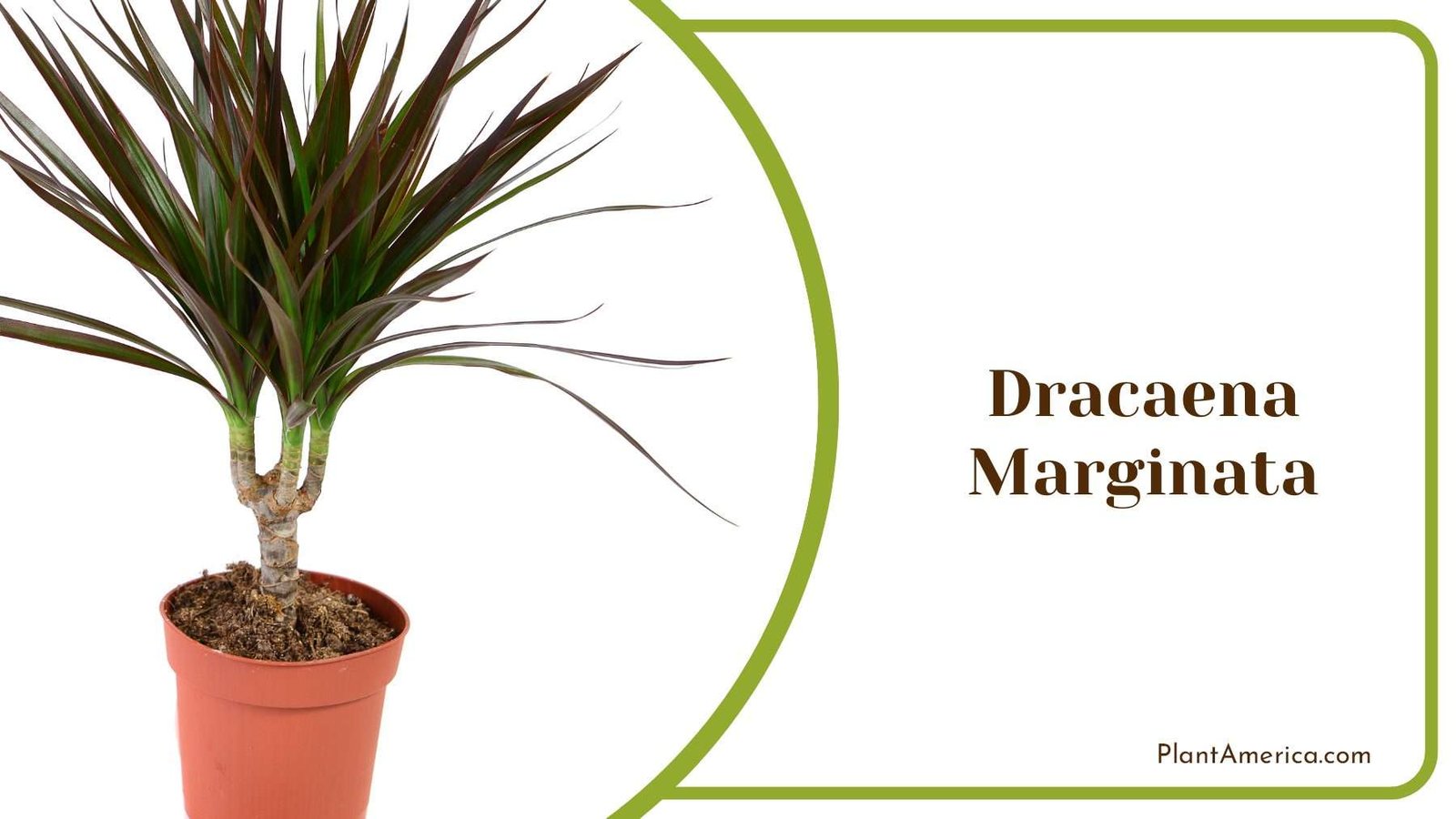
- Growing season: Year-round
- Leaf shape: Long, Narrow leaves
- Specific needs: Medium water, Bright light
- Common pest: Aphids, Mealybugs
The Dracaena marginata, commonly called the Madagascar dragon tree or Madagascar palm, is renowned for its ability to absorb toxins, enhance good energy and elevate mood within living spaces. Its tall, slender trunk resembling a palm tree and sword-like green leaves give this plant a mystical, exotic appearance, making it a beautiful addition to any indoor environment seeking to attract positive vibes and good fortune.
The Madagascar dragon tree naturally purifies indoor air through its leaves, absorbing harmful chemicals while releasing oxygen through photosynthesis. Its tall upright form maximizes the leaves’ surface area, cleaning more air per square foot.
Regular dusting of the leaves helps them perform optimally as natural air purifiers. With proper care, Madagascar dragon trees can continue improving indoor air quality, elevating positive energy, and bringing mystical vibes to living spaces for many years through their stunning sword-like leaves, columnar trunks, and ability to absorb environmental impurities. Their simple leafy presence works wonders for absorbing indoor toxins and enhancing good vibes.
11. Epiphyllum Oxypetalum

- Growing season: Spring through Fall
- Leaf shape: Broad, Flat leaves
- Specific needs: Well Drained Soil, Bright Light
- Common pest: Aphids, Mealybugs
The Epiphyllum oxypetalum, commonly known as the orchid cactus or night-blooming cereus, emits positive energy, good vibes, and high vibrational frequencies. Its stunning dinner plate-sized flowers that bloom only at night symbolize good fortune, prosperity, and abundance.
When placed in a prominent location within a home, like an entryway or living room, the orchid cactus actively attracts luck, wealth, and abundance through its symbolic blooms and purifying leaves. During the orchid cactus’s spring and summer growing season, water regularly to help encourage maximum bloom production.
Over time, the plant will develop several stems that will produce even more stunning night-blooming flowers, elevating positive chi within the environment thanks to their symbolic associations with prosperity and abundance.
With proper care, including adequate light, correct fertilizing, and regular watering during its growing season, orchid cactus plants can continue attracting luck, wealth, and all kinds of good fortune to a home for years through the vibrant energies emitted by their remarkable night-blooming flowers that glow as bright as the promise of upcoming prosperity.
12. English Ivy

- Growing season: Year-round
- Leaf shape: Glossy, Dark green, Oval leaves
- Specific needs: Medium water, Bright light
- Common pest: Aphids, Spider mites
English ivy is renowned for naturally cleaning indoor air and absorbing negative ions. It is a perfect lucky plant for inviting wealth, good fortune, and positive energy into the home. The glossy green leaves that turn bronzy-red in low light look beautiful, spilling over plant pots, hanging baskets, or trailing up walls and columns.
When hung in a high-traffic area like an entryway, English ivy actively attracts abundance and prosperity through its air-purifying functions. The long trailing stems allow English ivy to maximize its surface area, filtering more indoor air per square foot than most common houseplants.
Regular dusting of the leaves helps them perform optimally as natural air purifiers. During its active growing season, water English Ivy when the top inch of soil dries. In winter, reduce watering frequency and allow the plant to go slightly drier between waterings.
Conclusion
Adding the right lucky plants to your home is a simple way to attract good fortune and prosperity.
- Jade plants or money plants are among the easiest plants to care for since they only require little maintenance once established.
- Bamboo plants purify indoor air while elevating energy and mood.
- Dracaena plants add aesthetic appeal while releasing positive ions into the environment.
Positive changes often start with simple steps. You nourish the good energy they bring by nurturing these botanical beings with kindness.