
“Is hair good for plants?” is a question a lot of plant owners ask frequently. Hair is an organic and biodegradable substance, and humans tend to shed much of it throughout their lives.

Why not collect hair from your pets and yourself and use it to grow healthy, lush-green plants? This article will dig deeper into the numerous benefits of using hair in gardening and plant care.
Is Hair Good for Plants as a Fertilizer?
Yes, hair is good for plants as a fertilizer, whether added directly to the soil or composted in a bin. All hair, whether from humans or animals, is made of proteins. Over time, hair breaks down and provides nitrogen to the growing plants.
– Hair Makes a Good Fertilizer
Hair is composed of 90 percent keratin which is a protein. As this protein breaks down over time, it releases vital nutrients into the soil. The most vital of these nutrients is calcium and nitrogen, which plants need in large quantities for their health and growth and avoid getting stunted. Hair provides as much nitrogen as indoor plant food spikes miracle-gro feeds available in the market these days.
Nitrogen helps the plants grow and produce food for themselves. It is a crucial constituent of chlorophyll and several other important plant parts. Hair acts as a very concentrated nitrogen-rich fertilizer for plants. It decomposes slowly and releases nitrogen steadily so it does not cause chemical burns to the roots and leaves.
– Use Hair With Compost
You can add hair directly to the soil as plant food instead of expensive feeds like miracle gro indoor plant food. However, it takes almost one to two years for hair to break down in the soil under normal conditions. That is why using it in compost or mulch form is better if you want rapid results.

The decomposition of hair can be accelerated by cutting it into smaller pieces. Even when hair is added to the compost pile, it must be cut into pieces smaller than one inch long. Keeping the compost pile warm, moist, and regularly turning it helps break hair down faster. Hair works best with plants with a longer growth cycle because of its slow decomposition rate.
– Use Hair With Mulch
Animal or human hair can also be put as mulch over the plants. It is compatible with other common mulches like newspapers, straws, and leaves. As mulch, you can cut hair into shorter pieces or use them as is. Longer hair makes better mulch because it keeps leaves and grass pieces together and does not disintegrate so quickly.
What Are the Advantages of Using Hair for Plants?
Significant advantages of using hair for plants are that they fertilize the soil and help plants grow. During raking, adding a coat of hair to the soil helps loosen the soil and introduce oxygen. It does not decompose fast enough to allow weeds to grow and aids in weed control.
– Produces Juicier Vegetables
Most people spend money on expensive plant foods like osmocote, plus indoor & outdoor plant food, to fertilize their vegetable gardens. Hair, especially when composted, is a much cheaper and richer nitrogen source than artificial foods. Just add one to two fistfuls of hair into the growth medium of the plant along with compost or a balanced feed.
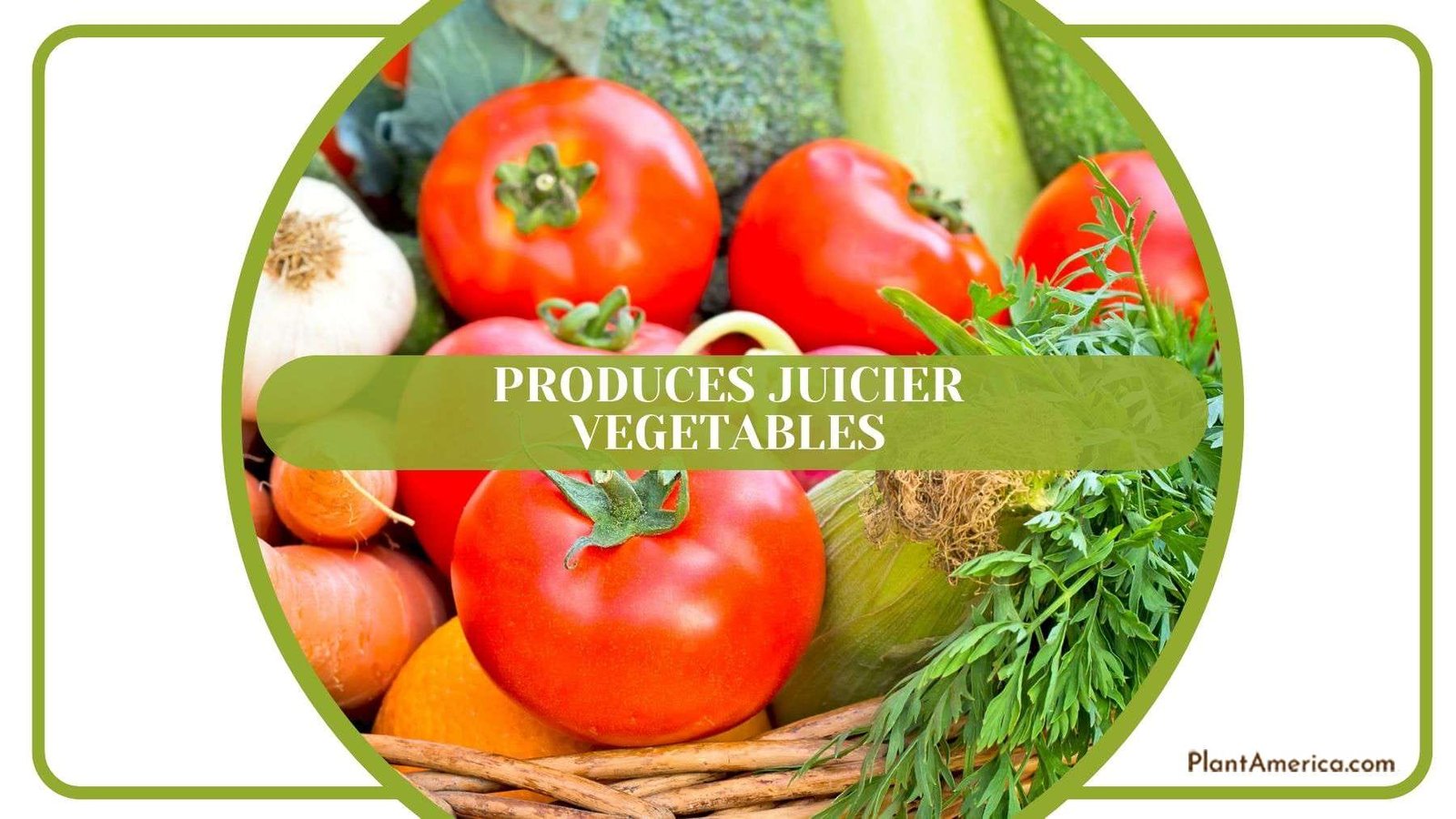
It provides nitrogen which is especially important when growing home vegetables like tomatoes. The keratin in hair gives strength to the tomato plant roots. This results in the roots absorbing the nutrients better and also growing faster. Other vegetables that respond favorably to hair are bell peppers, eggplant, and broccoli.
– It Helps Loosen the Soil
If the soil around your plants is too compact, the roots will have difficulty getting water and food. Hair can help solve this problem when raked in with the top two to three inches of the soil. As a result, the soil becomes loose, but hair gives the roots proper structural support.
Moreover, hair breaks down and introduces oxygen, hydrogen, carbon, sulfur, and other essential elements into the newly loosened soil.
– Helps Control Weeds
It is quite a surprising finding that hair is a pretty good weed eradicator. Of course, it cannot be used independently for weed control and elimination. Although some studies have found that strands of hair around the plants help keep weeds from sprouting.
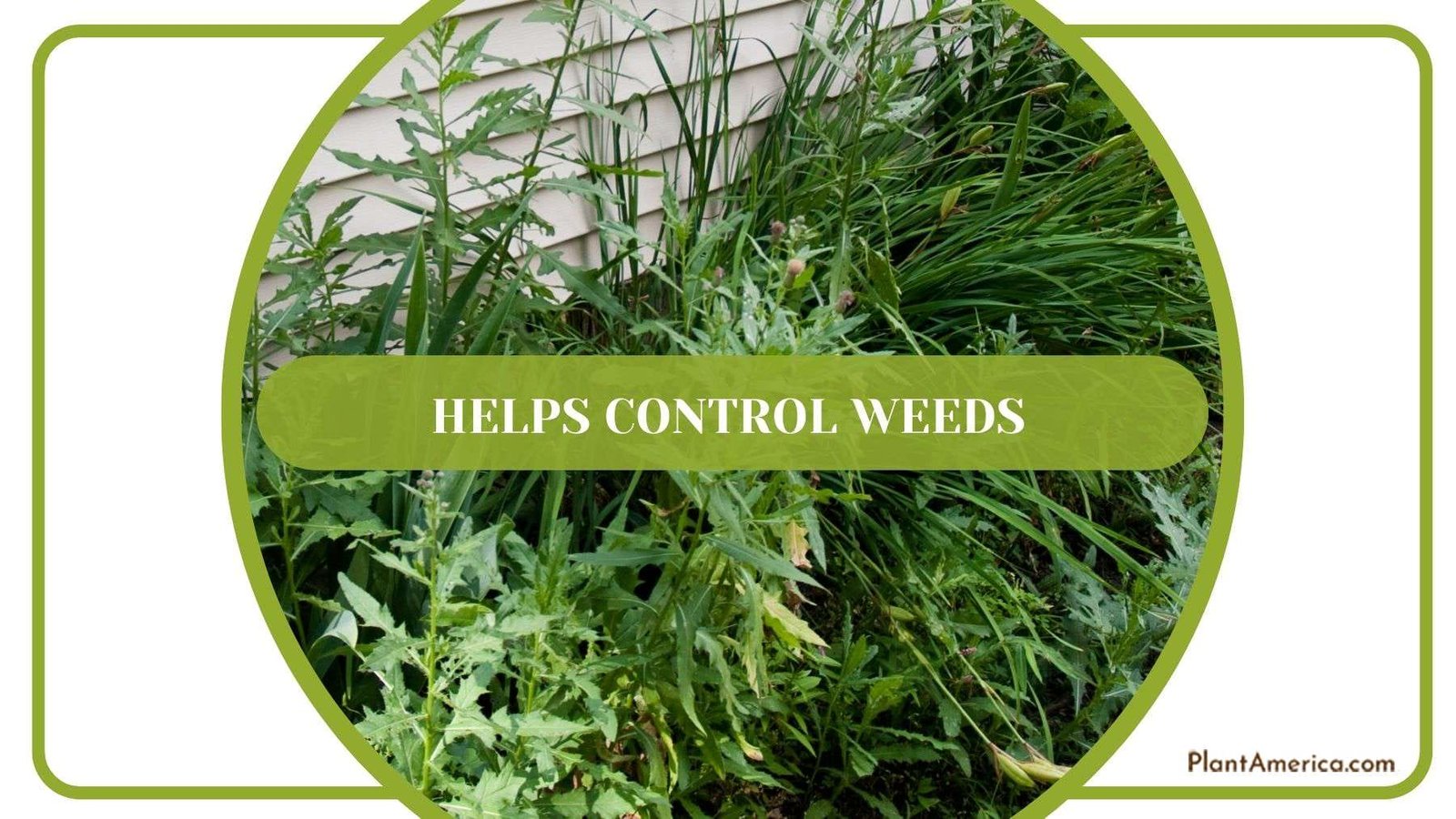
A better way is to add hair to your layer of mulch, and it will help prevent the weeds from growing and invading it. It also gives substance to mulch if it is light and quickly dispersed. Because hair takes forever to decompose naturally, it does not provide weeds nutrients over time like other organic mulch constituents.
Is Hair Good at Keeping Animals Away From Plants?
Yes, hair is good at keeping certain animals away from plants. Not all animals can be repelled using hair, but you can get rid of snails and rabbits quickly. Even some larger animals, like deer, are repulsed by the hair and will not come near it.
– Hair Is a Deer Repellant
For some reason, deer hate hair and will keep it away from them. These animals cannot tolerate the sight or the smell of hai. Collect a lot of hair in a transparent bag and hang it where you think deer can see it.
You can also make a giant hairball, secure it with wool or hair, and hang it somewhere along the boundary of your lawn. Another reason deer always stay away from hair is an innate fear of choking on it.
– It Keeps Snails Away
Hair, be it from animals or humans, can be used to keep snails away from plants. These slimy creatures mainly affect outdoor plants and vegetables and leave a muddy trail behind. Their constant presence destroys plants because they chew large pieces of leaves off.
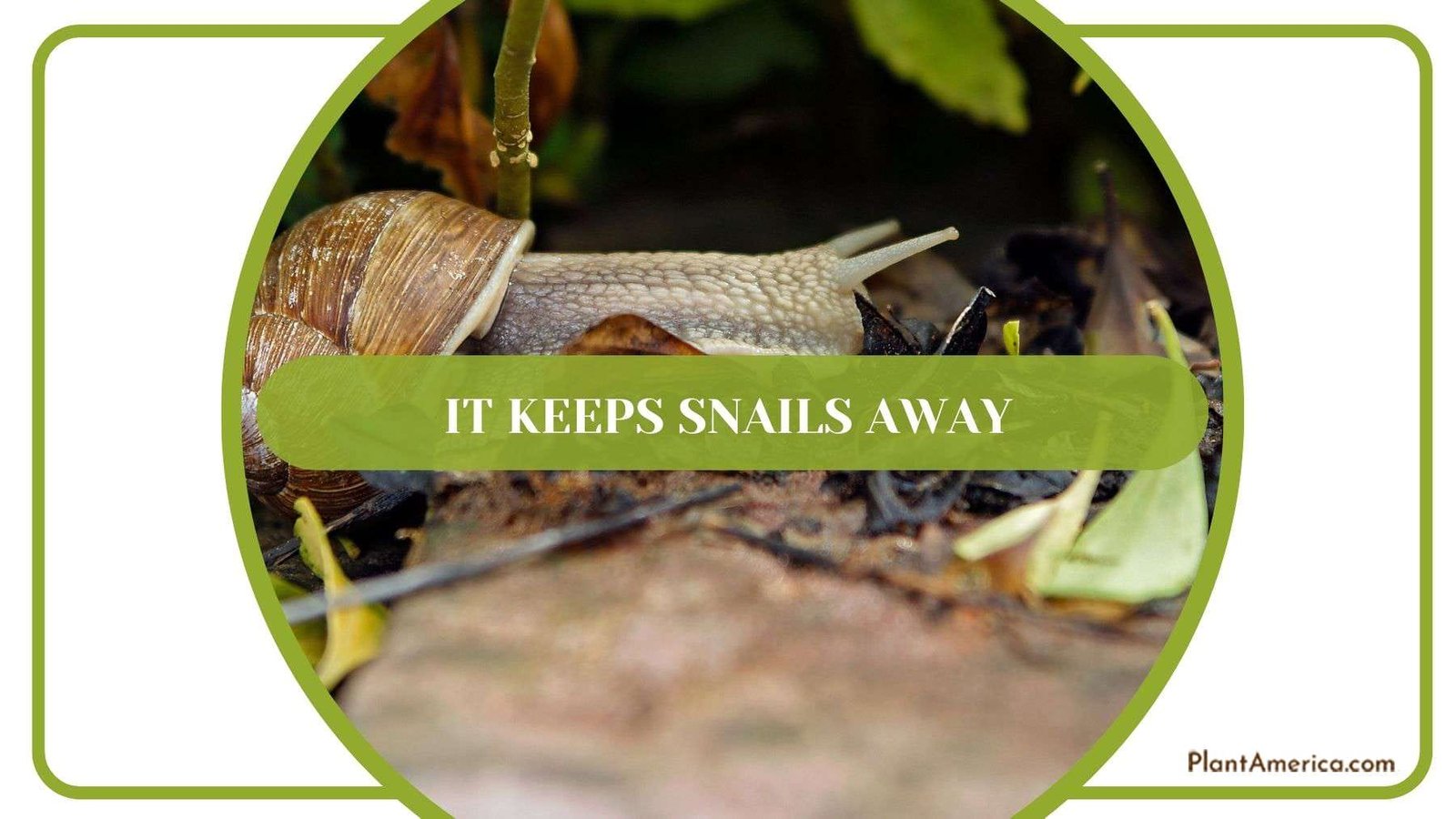
Make both tiny and giant balls of hair and leave them around the affected plant’s base. You can also make these balls to put hair in a potted plant. The more giant balls of hair will entangle and trap the snails, whereas the smaller ones will get stuck in their digestive tract and kill them.
– It Repels Rabbits
Hair is a very effective yet innocent way of keeping bunnies like rabbits and hares from eating your plants. All you can do is to build several medium-sized balls made of hair. Put these balls all over the lawn, especially near plants that attract rabbits the most. These are the plants with their leaves chewed off more than others.
Most of the natural predators of rabbits are large, furry animals, and rabbits will be tricked into thinking that these animals are nearby. Hair from humans can be technically used, but you will achieve a greater prospect of success with pet fur and hair.