
How to transplant mango tree is an important skill to learn, especially when you’re looking to grow one as a fruiting or even an ornamental addition to your garden.
 We have your back if you’ve always wanted to learn the basic and essential steps!
How to Transplant a Mango Tree
To transplant a mango tree, scientifically known as Mangifera indica, into the ground, ensure you time it right and prepare the site and your tree. Once you have pruned and dug up the tree, you can move it to its new home, where you provide it with support and care.
1. Time It Right
Relocating a mango tree requires careful planning for optimal growth, whether from a mango seed or seedling. It’s essential to choose the right time for transplantation. The best time to move the tree is when it’s taking a rest, usually from late fall to early spring. At this time, the tree isn’t putting much energy into growing leaves.
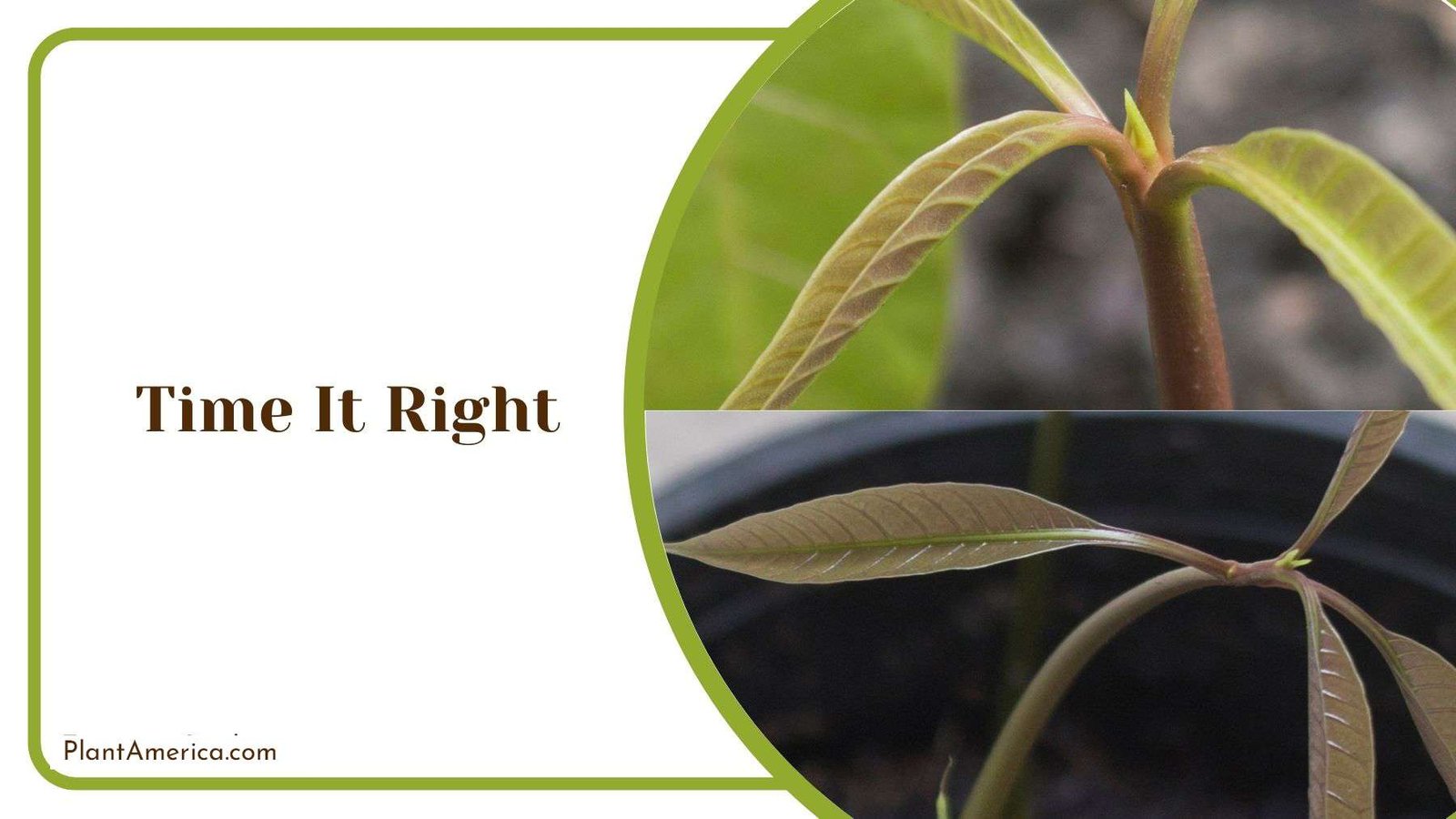
Instead, the focus is on growing new roots in its new home. The tree experiences reduced stress while acclimating to its unfamiliar surroundings. By selecting the perfect timing, you significantly enhance the mango tree’s prospects of thriving successfully.
2. Prepare the New Site
When you’re finding just the right spot for your new fruit tree, go for a place where water can flow away without a hitch. Also, look for a spot that gets loads of sunlight! The soil should be comfy and airy, packed with good stuff, and feel a bit like crumbly chocolate cake.
It’s best if the soil is a little bit acidic. Ideally, it should have a pH level that’s not too high or too low, somewhere between 6.0 and 7.0. Having proper drainage is extremely important. It prevents excessive water from accumulating close to the roots, which could potentially damage them.
Equally vital is sunlight, as it plays a crucial role in photosynthesis. If you remember, this is an essential plant process for creating food and maintaining strength. Prior to transferring your plant into the soil, take the time to dig a hole. Ensure the hole is broad and deep, approximately twice the size of the roots.
This generous space provides ample room for the roots to expand. This significantly contributes to the healthy growth of your tree. To sidestep any potential issues, strive to align the depth of the hole with the plant’s previous planting depth. This adjustment aids your plant in acclimating more smoothly.
3. Prune the Mango Tree
Let’s trim the tree, reducing its size by around thirty percent. This will boost the tree and ensure an excellent harmony between its roots and shoots. Take care to cut away branches that aren’t doing well anymore due to death or illness. This way, we’ll improve its overall health and make it more manageable for transplantation in the future.

4. Dig up the Tree
Prepare the tree by watering it well a couple of days before the big move. This helps maintain root health during the transfer. To lift the tree, begin digging around the area beneath the outer branches, where the tree’s dripline extends. The aim is to reveal numerous roots.
The primary objective is to avoid disturbing the root cluster and minimize potential harm. When the roots become visible, delicately raise the tree from the soil. Be cautious not to excessively worry about the roots. To safeguard the sensitive root system, retain some soil around the root ball while lifting the tree.
5. Transplant the Tree
Once you’ve taken care to dig up the tree, gently lift it from the ground, ensuring the roots stay intact. The seeds are delicate, so you need to handle them carefully. And don’t forget, gently cradle the root ball to offer support and keep those precious roots safe from harm.

We recommend using a wheelbarrow to keep those roots safe and sound. And guess what? Moving the tree becomes much easier when you do it this way. Just be careful. Those roots don’t like sudden bumps or shakes, so be gentle!
6. Plant the Mango Tree
After gently lifting the tree from where it originally grew, carefully place it into the hole you’ve prepared for planting. Make sure it sits at the same level it was before. To plant mango and give it a better footing, ensure the top of the root ball aligns with the ground around it.
Press down the soil in the hole. This will help get rid of any air pockets, making the soil more solid. Just don’t plant the tree too deep or have its roots exposed. Once the hole is all filled up, water the tree. This will help settle the soil and hydrate the newly-moved roots.
7. Mulch the Soil
After planting the tree in the prepared hole, apply a layer of organic mulch. We recommend wood chips or straw mulch. The mulch should extend a few inches from the trunk but not directly touch it. If you let it touch the trunk it may experience trunk rot. Now, the layer of mulch has multiple benefits.

First, it helps soil retain moisture. Next, it regulates soil temperature. This means the ground cools during hot times and keeps warm during cold seasons. Organic mulch breaks down over time, releasing nutrients that the mango needs. To keep it well-mulched, simply replenish the layer as it decomposes.
8. Water the Tree
During the first few weeks after moving the tree, make sure to water it thoroughly and deeply. The goal is to keep the soil consistently moist but not overly saturated. The perfect moment to water your plants is in the morning. This helps extra moisture disappear as the day goes on and stops any fungal diseases from forming.
When you water, be thorough. This will make the roots want to dive deeper into the soil. When you spot fresh growth on the tree, start watering less. But always keep the soil a little damp. However, don’t forget to watch the weather. If it gets scorching and dry, you might need to water more often to keep the tree happy.
9. Stake as Necessary
If you have a mango tree that’s a bit heavy on top or lives in a windy area, using stakes for support can be really helpful. This lets the tree focus on growing its roots. First, find wooden solid or bamboo sticks. They should be about two-thirds the tree’s height.
Plant your tree into the soil and make sure that there’s a gap between the stakes and the tree trunk. Keep the gap about the width of the branches. Secure the tree trunk using ties or cloth. Don’t tie them too tight to give the tree room to move wildly when swaying too much in the wind.
10. Provide Care and Maintenance
After transplanting the mango tree, consistent and attentive maintenance is crucial for its successful establishment. Maintain a regular watering schedule, ensuring that the soil around the tree remains consistently moist but not soggy.

Put the tree into the dirt, making sure there’s a bit of space between the stakes and the tree. The space should be around as wide as the branches. Then, gently attach the tree’s trunk to the sticks using soft ties or little pieces of cloth. These will work well for the task.
We recommend watering your mango in the morning. This means there are reduced risks of fungal infections as water isn’t allowed to accumulate during the day’s heat. Choose a way to water your fruit tree deeply and slowly.
As the tree adapts and shows signs of healthy growth, gradually reintroduce a mild fertilizer regimen. Observing the tree for any signs of stress, such as wilting leaves or slowed growth, and promptly addressing them will contribute to a successful transplant and the overall well-being of the mango tree.
11. Ensure Pest and Disease Management
Once you’ve relocated the mango tree to its new spot, it’s crucial to stay vigilant for any potential pests or illnesses that might disturb it. Growing mango trees requires some work, but the outcomes are gratifying. You’ll just have to put in some effort to get those rewards.
You can do this by regularly examining the leaves, branches, and main stem of the tree to spot any indications of bugs or diseases. Common pests that can affect mango trees include aphids, mealybugs, and fruit flies. If you notice these pests, consider using insecticidal soap or neem oil as natural remedies
Also, mango trees can get sick with things like powdery mildew, anthracnose, and bacterial canker. Don’t water the leaves from above to stop these diseases from spreading. Wet leaves can worsen the problem and lead to multiple issues instead of just one.
FAQs
– How Long Does It Take for a Transplanted Mango Tree to Produce Fruit?
Transplanted mango trees may take a few years to resume mango fruit production. Your tree needs time to recover and develop strong roots in its new place. Simply by providing it with care, such as nourishment and attention, you can help it heal faster and return to producing fruit sooner.
– Is It Necessary to Use Root Hormone When Transplanting Mango Trees?
No, it is not necessary to use root hormones when transplanting mangoes. Root hormones can aid root growth in some plants. However, mangoes typically grow roots naturally. They often don’t require root hormones. Good soil prep, watering, and care can promote robust root growth.
– Can You Transplant an Already Grown Mango Tree?
No, transplanting an established mango tree that’s been in the same spot for decades is risky due to its mature root system. The smartest choice is often to steer clear of moving these trees. Unlike younger trees, they might not handle stress well and could struggle to bounce back.
This could impact their recovery after transplantation.
Conclusion
The steps for planting mango were pretty simple, so let’s recap everything, shall we?
- Transplant during dormancy, typically late winter or early spring.
- Prepare a proper root ball and make it twice the size of the canopy.
- Maintain planting depth and keep the tree at the same level as before.
- Pre-water, trim roots, post-water, mulch, and support to reduce mango tree transplant shock.
- Be patient and give time for recovery and fruiting, as consistent care is vital.
With these techniques and tips, we’re pretty sure you’ll be the next magical mango tree master, even if you grew them from mango seeds!