
Lickety split of the Araceae family is a beautiful and easy-to-grow philodendron that can adorn any garden space with its lush foliage. In this article, our experts list out what it takes to care for this plant.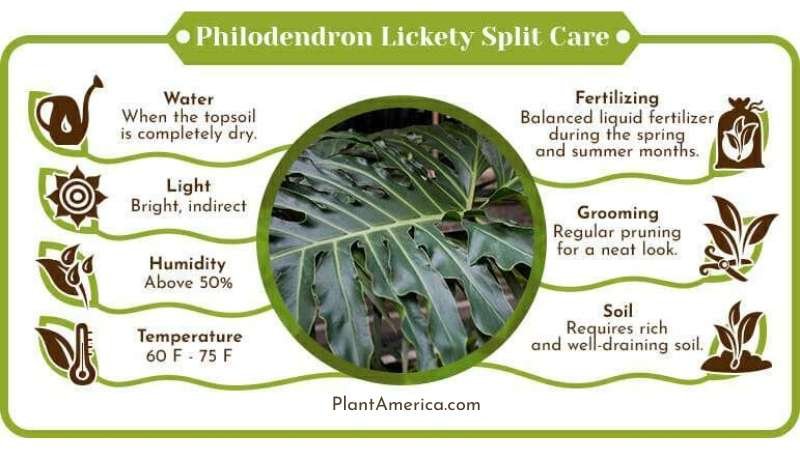
You will learn to grow, and propagate it successfully as well as tackle the most commonly faced issues of this Philodendron genus plant. Read on to know more about it.
What is a Philodendron Lickety Split?
A Philodendron lickety split is a type of philodendron characterized by glossy leaves and clumpy growth. Native to South America, this plant is a favorite of many gardeners and hobbyists due to its durability, ease of growth, and good looks.
We list below its notable and distinct features that will surely make you want this plant for your garden.
Philodendron Lickety Split Care
As mentioned in the above section, the lickety split plant is stress-free and a durable plant to grow. You just need to take care of some basic requirements to see it thrive well and grow to its fullest. Here is what you need to provide the plant with.
 Water Requirements
The plant requires just a mild level of saturation so water it only when the topsoil is completely dry. Do a simple test to judge the level of moisture by pushing your finger two inches into the soil.

The ideal frequency is to water the plant once every seven days to take care of its health and well-being.
Remember to scale down in colder temperatures.
 Light Requirements
The plants are hardy and can grow in a range of light conditions. However, to get the best out of it, grow them in bright to medium sunlight away from direct heat. Direct sunlight is the only thing that can harm the plant by causing leaf burns.

Low light conditions will not necessarily harm it but could result in slower growth. If you are growing the plant indoors, place them near an east-facing window to make the most of the warm indirect morning sunlight.
 Soil Requirements
The plant requires rich and well-draining soil. Use an aroid mix with good aeration, or a peat moss-based mix. Philodendrons thrive well in slightly acidic soil, so keep the pH between 5.0 to 6.0.

 Temperature Requirements
As tropical plants, the philodendron lickety split requires warm temperatures to thrive well. Thus the ideal range for them to grow is between 60 degrees Fahrenheit to 75 degrees Fahrenheit.
The plant will not survive in extreme frost conditions or for that matter in any temperature below 50 degrees Fahrenheit. At the same time, excessive dry heat conditions can be a disaster for the plant as well.
 Humidity Requirements
This philodendron prefers high humidity of above 50 percent. In case of dry weather such as hot summers or cold winters, mist the plant to bring in some moisture to the air around it. Practice misting in the morning hours to add in the humidity as well as to keep the leaves dust-free.
 Fertilizer Requirements
Feed the plant with a balanced liquid fertilizer. The ideal time to fertilize your philodendron lickety split is during the spring and summer months.
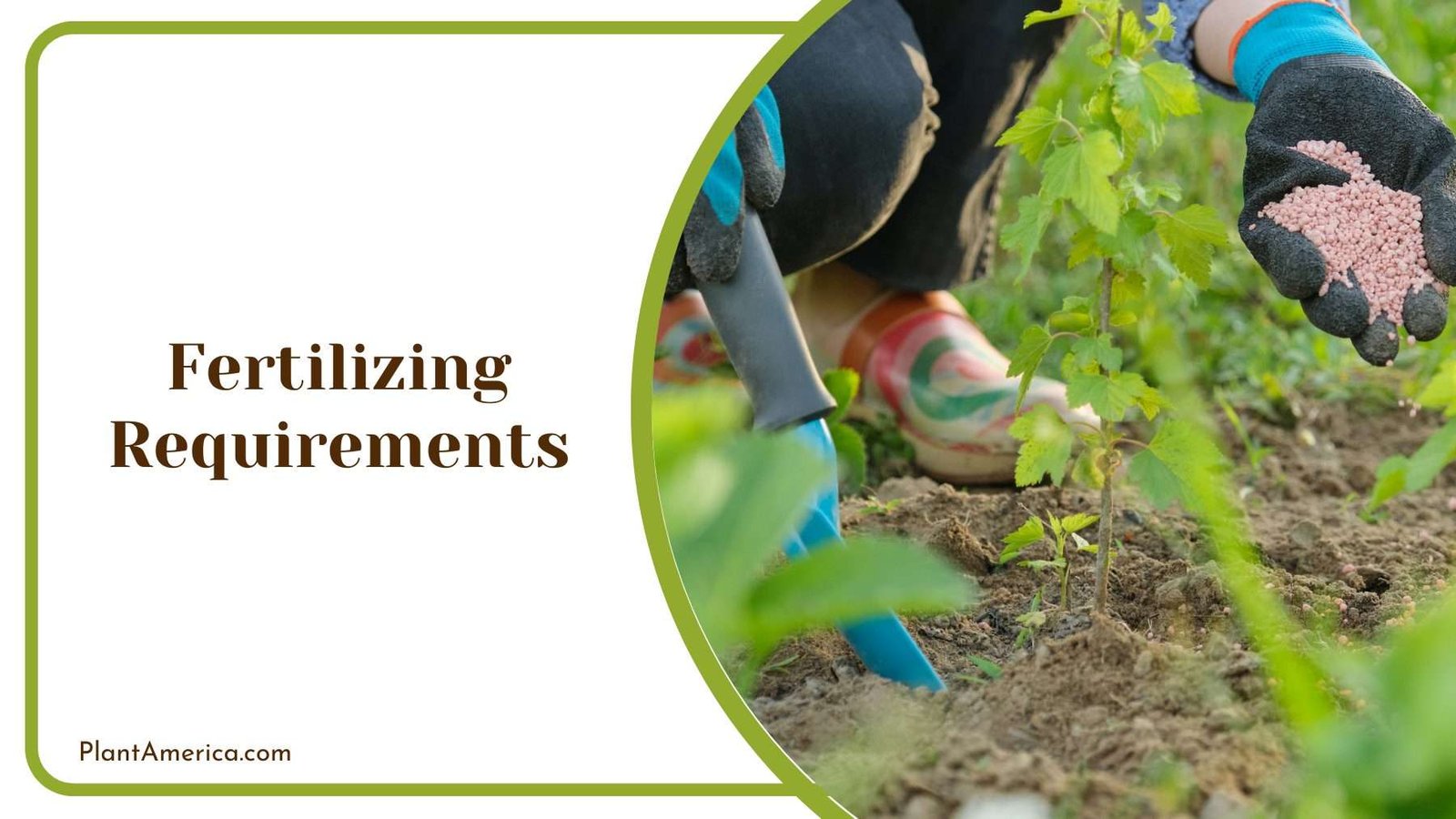
This is typically the plant’s growing season and fertilizing at this stage ensures they actively grow. Cut back during the winter months when the plant stays dormant.
– Repotting
The roots of the plant grow into a dense mesh. Thus, repot in fresh soil after every one or two years to prevent root-bound.
 Pruning
The plant requires regular pruning to keep the foliage under control and to give it a neat and clean look. Cut older leaves below the node with sharp sterile scissors to encourage new growth
– Rotate the Plant
Philodendrons often tend to tilt towards sunlight. Rotate the container or pot once in a way to give it equal exposure to light and sun.
– Toxicity
The lickety split plant is toxic if ingested. Thus keep them away from pets and children.
Propagation
You can propagate philodendron lickety split in a fashion similar to other philodendrons through stem cuttings and air layering. Let us take a closer look at each of these methods.
– Stem Cuttings
Want to propagate and grow a healthy lickety split? Follow these simple steps with the help of stem cuttings.
- Choose spring or early summer to get started. This will give the new plant enough warm days to thrive and grow well.
- Pick a healthy section of the stem of length four to seven inches. Ensure it has at least two or three leaves intact.
- Place the stem cutting in water or soil to the root. You can always transplant it once it has rooted. Rooting in water is generally faster in comparison to soil.
- Place this in warm yet indirect sunlight. Cover the stem with a sheet to provide it with humidity.
- In about fifteen days you will find tiny roots sprouting. If you have kept the stem in a container of water, this is the time to transplant it to the soil.
- In a week, the plant will resist tugs and the roots will begin to establish themselves deeper.
– Air Layering
Air layering is as easy as propagating through stem cuttings. The only factor to pay heed is to retain humidity around the plant. Here are the steps you need to follow
- Cut and wedge the stem at an angle just below a node and sprinkle rooting powder.
- Wrap some moist sphagnum moss into this cut, covering it with a plastic sheet and securing it with tape.
- Place this plant in the indirect sun until roots begin to appear.
- In fifteen days you will notice tiny roots appear at the cut. Cut the top section at this stage and transplant it into a pot.
Problems
Growing philodendron lickety split comes with its share of problems. But fear not, these issues can easily be tackled. Here are the most common issues and the solutions for the same.
– Yellowing Leaves
Find the leaves of your philodendron lickety split turning yellow. Check your watering schedule. Overly moist or soggy soil can result in this condition.
Water only when the soil has completely dried out. Also, ensure your soil is aerated and the pot is well-draining. The holes of your container must flow out the excess water easily.
– Pests and Diseases
Pests such as mites, mealybugs, and aphids can infect the plant causing them to droop. These pests suck the sap of the plant stem giving them a wilted appearance. It can even lead to the death of the plant. Prevent pest infestation by wiping leaves with a moist cloth and ensuring they are dust-free.
If your plant does get infected, isolate them to prevent their spread. Treat them with an organic soapy insecticide. To prevent fungal diseases, ensure there is no water logging at the base of the plant that can lead to root rot.
– Droopy Leaves
You may occasionally find the plant droopy and wilted. Several factors can lead to this condition however the most common of them all is incorrect watering and exposure to harsh light and heat. Follow our care tips as mentioned in the above section and you can see them slowly limp back to life.
– Plant Not Growing
If you find that your finger leaf philodendron isn’t growing enough, the probable cause could be inadequate light. Too much shade in combination with low levels of water and root-bound pots, results in restricted growth. Much as these plants generally do well in low light conditions, a complete absence of it slows their growth considerably.
– Curling Leaves
Yet again an outcome of underwatering of the philodendron is curling leaves. Maintain a steady and consistent watering schedule taking care not to completely dry out the soil as well as not keeping it soggy.
– Leaves Turning Brown
Your plant leaves may be turning brown due to low humidity or harsh sunlight. Ensure the temperatures are above 50 degrees Fahrenheit. Retain humidity by misting the plant when the air is dry. This coupled with the right soil moisture should set the plant back in order.
Repotting
Repotting becomes quite necessary for the fast-growing Philodendron Lickety Split. The roots grow into a dense mesh and can get root-bound, limiting the growth of the plant. Here is how you need to tackle it.
- Schedule repotting once every two years.
- Observe your plant for growth spurts. If there is a considerable slowing, then it is an indication that it is time for it to move to a pot once size larger.
- Choose early spring to summer to repot the plant as this will give it enough warmth of the season to gain health.
- Do not move to a very large pot but choose a container that is just two inches larger in diameter in comparison to the previous one. A very large pot increases the risk of over-watering.
6 Tips To Save a Dying Plant
Save a dying philodendron lickety split easily before it is too late by following these six tips.

- If your plant is indoors, place it near an east-facing or north-facing window to keep the plant happy. Avoid the south and west sides to keep it away from harsh heat and light.
- To tackle drooping, wilting and limp plants caused due to overwatering, scale back on the water immediately. Allow the soil to drain completely before you get on to a watering schedule.
- Inspect for root rot by gently removing the plant from the soil. Snip away any brown or blackened root sections with the help of sterile pruners and replant them into fresh soil.
- Use an aerated soil mix that drains well. Potting soil with one part perlite should improve drainage, keeping the soil porous enough.
- If you have saucers and trays below the pots empty the excess water regularly. Collected water can cause a water pool at the base of the plants, leading to root rot and fungal diseases.
- Clean leaves with a damp cloth to remove dust, mites and debris that may be clogging its pores. Very often this can be a reason for wilting as the leaves are unable to absorb adequate sunlight.