
How to transplant tea roses is something that you should learn so that your plants can be safe throughout the transplanting process. You surely would love to grow the roses in their new spots stress-free.
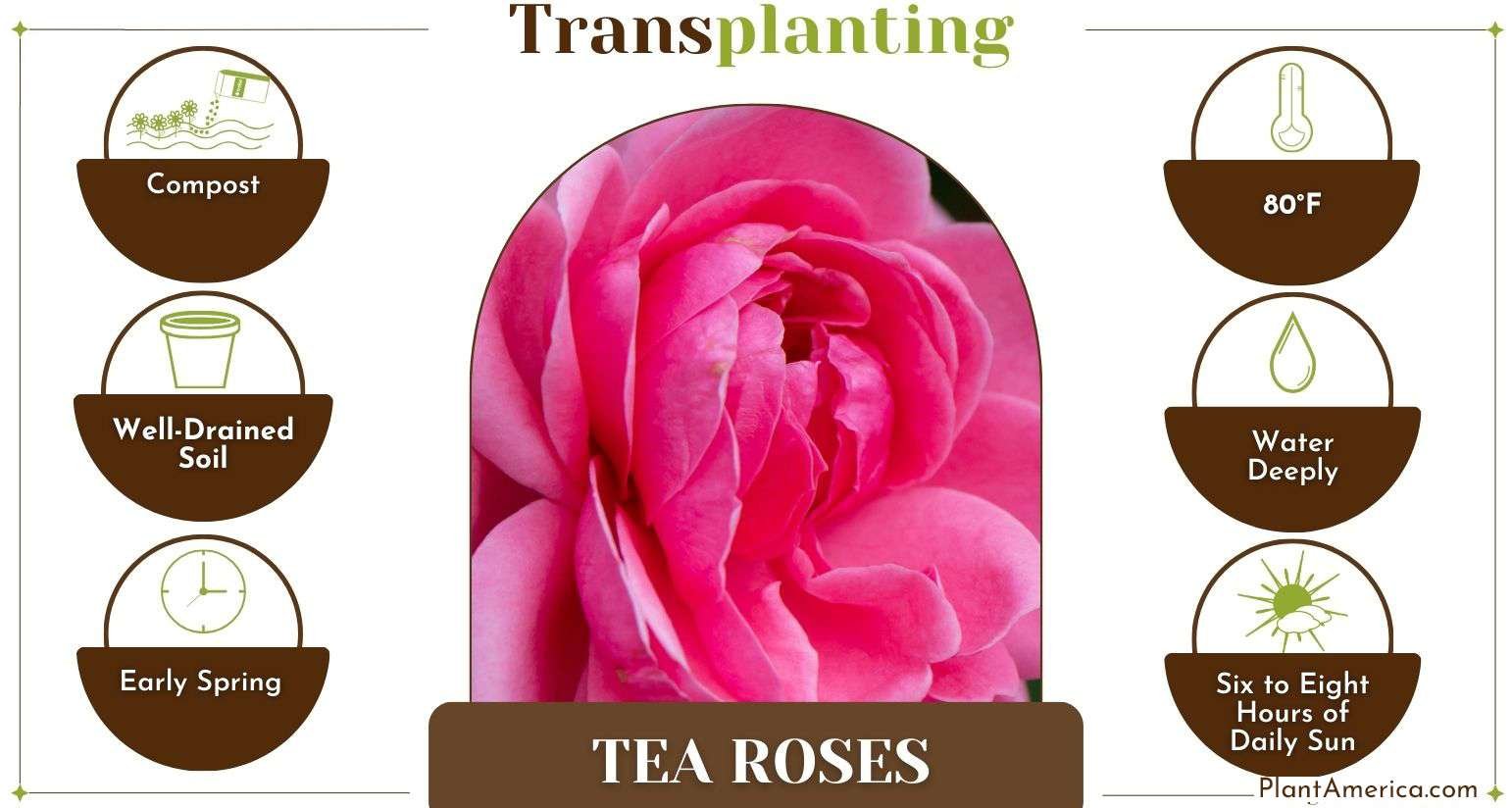
Thankfully, it is easy to transplant teas so long as you stick to the instructions in this article. Read this article to learn the easy steps to transplant your tea roses.
How to Transplant Tea Roses
To transplant tea roses, wait until early spring and then start preparing their new location by amending it and digging some holes. Water and prune your roses and then dig them out of their current places. After planting them, water, fertilize, and continue caring for them.
1. Wait for the Best Time to Transplant Your Roses
The best time to transplant tea roses is in early spring or a few days to up to two weeks before the commencement of the growing season. When you transplant the roses in that dormant season, their roots will get settled and they will be growing slowly until their active season of growth starts. By then, they must’ve already adapted to the stress of transplanting.

When you decide the best day to transplant your roses, you also have to select the best time to do so. Transplanting the roses when the hot sun is out or when the ambient temperature is high can stress the roses so much. Therefore, only transplant them early in the morning or late in the evening.
2. Gather All Your Needed Items
To successfully transplant a rose bush, you need a few items. Some items that you need are:
- Gloves: to protect your hands from getting hurt by the rose thorns or your tools, wear gloves.
- Shovels: you need shovels, spades, or any hand-held tool to dig holes and uproot the roses.
- Compost: if the soil in the new location needs amendment, adding compost to it is a great idea.
- Potting mix or soil: you need soil for roses growing in the ground and potting mix for potted roses.
- Disinfectant: disinfect your tools before you use them for your roses.
- Water: rose plants need water before and after transplanting.
- Fertilizer: the plants will benefit richly from organic fertilizing.
So long as you have the listed items, your transplanting process will go just fine.
3. Consider the Temperature Requirement of Your Roses
Before you transplant roses to a new place, there are certain things that you must consider. One of the first things to consider is the temperature in the new place. Can your roses grow successfully in the new location throughout the year? If so, you can proceed to transplant the roses.

Roses need around 80 degrees Fahrenheit to grow successfully. If the new spot has temperatures that are significantly higher or lower than the rose required range during the active season of growth, your plants might have stunted growth. Therefore, ensure that the new spot is suitable for your roses before you start thinking of transplanting the roses.
4. Consider the Light Exposure Requirement of Your Roses
Another thing worth considering before you transplant rose bushes is the exposure to light in the new location. Roses need six to eight hours of daily sun, so if you want to transplant them, dig their holes only in spots with the needed light exposure. If there isn’t enough light reaching your yard, try to remove all the shades blocking the light.
One lighting tip for your roses is to plant them exactly the way they were in their old spot. To do so, mark their most right-facing and left-facing leaves or branches. When transplanting them, plant them so that the marked leaves or branches will continue facing the same direction they were facing in the old spot. With this method, your roses will adapt quickly to their new location.
5. Prepare the New Location for Your Roses
It is almost time to transplant the rose bush. However, you need to be sure that the new location is ready before you bring the roses. To do so, amend the soil to make it well-drained and nutritious. You can mix it with compost if you have compost. For potted roses, ensure that the pots are perforated and the potting mix is ready.
You also have to dig the holes for your roses. Dig as many holes as you need according to the number of your roses. After digging the holes, water the soil or potting mix deeply a few hours before you bring the roses so that you will not be planting your roses in a dry growing medium.
6. Prune and Water Your Roses
You also have to prepare your roses for transplanting before you transplant them. To do so, print out excess leaves and branches from the roses. Remove all the dead or dying leaves from the plants to keep the plants clean and healthy. Remember to wear gloves to protect your hands.

After pruning your roses, water them deeply. Watering them will ensure that they are hydrated while you transplant them. It will also soften the soil around the roots so that you can easily dig it and remove the roses. Pour water directly on the base of your roses and keep watering them until you are satisfied.
7. Remove the Roses From Their Current Spots
It is time to remove your roses from their current spots. To do so, you need your shovels or any hand-held tool. When the soil is soft (after watering the roses), dig out the bare root. Please be extra gentle with the roots so that you do not harm any. The more roots you remove successfully, the quicker your roses will adapt to their new spots.
If you are not ready to plant the roses, cover the roots using a burlap. You can add soil if you want. This will help the roots to stay hydrated until you are ready to plant them in their new spots. Also, don’t expose the unplanted roses to harsh weather conditions so that they don’t get shocked.
8. Collect Some Rose Cuttings for Propagation
Before transplanting roses completely, consider propagating them. To propagate roses is easy; you just need their cuttings. So long as you have pruning shears or a plant-safe knife, collect as many cuttings as you want from your large roses. Each cutting must be at least 6 inches in length so they can grow fine.
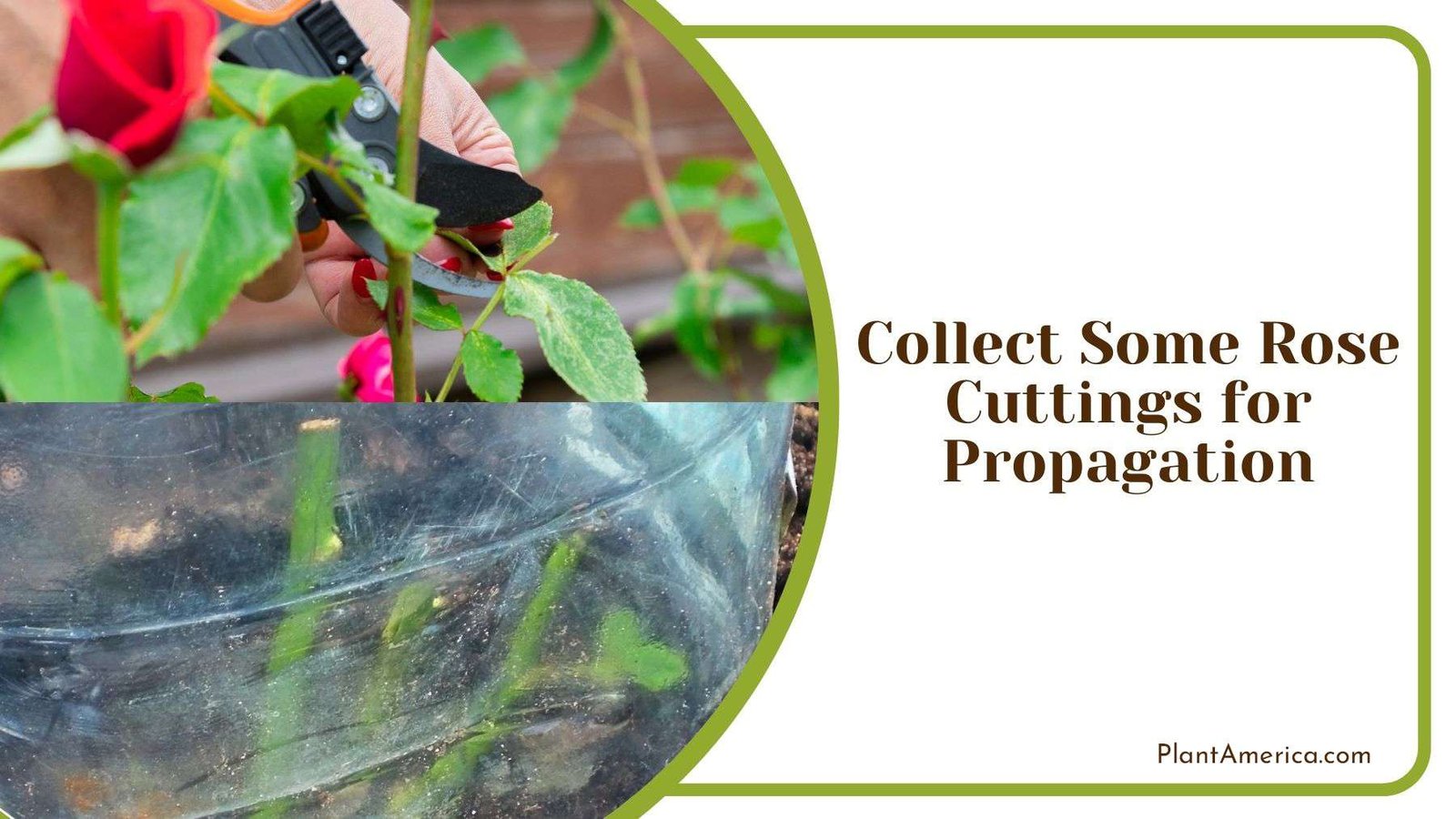
If the cuttings have a lot of leaves, remove the leaves growing near the base of the cutting, as that is the point you will be planting in the ground. After collecting cuttings, disinfect the fresh cuts of your roses with a plant-safe disinfectant so that the roses will not get attacked by harmful microbes. You are ready to plant the roses.
9. Plant Your Roses
Plant all your roses in the holes that you dug earlier. Design your yard with your hybrid tea roses by planting them in strategic locations. Compare the size of the holes to the roots of your roses. Are the holes big enough to accommodate the roots? If so, place the plants in the holes and start filling them with soil. If not, widen and deepen the holes first.
When filling the holes with soil, try to reduce the number of air pockets present. To do this, you have to be gentle when adding soil. You can also pat the soil with your hands to remove the air pockets. Continue covering the rose roots until they are completely covered in soil. Ensure that the roses are standing upright.
10. Water the Roses
To prevent transplant shock as well as keep your roses healthily growing, water them after transplanting them. Water them deeply so that their deepest roots will get water. You can also water their leaves and branches if you transplant them in the morning. Just ensure that your roses are well-hydrated.
Don’t stop watering your roses even if you don’t see any sign of growth. It can take weeks to months before you will see new leaves growing, so continue watering the roses until then. Never wait until the growing medium is dry before you water your roses.
11. Fertilize the Roses
Rose plants will grow very beautifully when you fertilize them occasionally. First of all, ensure that you are growing them in a nutrient-rich substrate. You can use compost or any type of fertilizer for the roses, just ensure that the nutrients are readily available for the plants.

If you’d love to use organic fertilizer for your roses, fertilize the soil a few weeks before you transplant the roses so that the nutrients will become available by the time you plant the roses. Also, ensure that the manure—if you are using manure—is well-rotted so that it does not burn the roots of your roses.
12. Mulch and Care for Your Roses
Congratulations, as you have successfully transplanted your roses. However, remember that this is the beginning of a new journey and not the end of one. Therefore, now is the time to start caring for your roses. One important care tip is to mulch your roses, as mulching them helps protect their roots from weeds, pests, and fluctuating temperatures.
Another way to care for your roses is by clipping them to a stake if they aren’t standing upright. You can also care for the plants by pruning them when you see that they need pruning. No matter what, remember to water and feed the plants when they need water or nutrients.
Frequently Asked Questions
– Can You Transplant Tea Roses Whenever You Want?
Although you can transplant tea roses whenever you want, the best time to do so is before their active season of growth starts. Growing them mid-season or near the end of the active season of growth can be stressful for them and they will find it difficult to adapt to their new environment.
– How Can You Prevent the Shock of Transplanting Your Roses?
You can prevent the shock of transplanting your roses by transplanting them in their dormant season, watering them deeply before transplanting them, ensuring that they have their needed light exposure, and not exposing their roots to the dry air for a considerably long time.
– What Transplanting Mistakes Should You Avoid?
Some transplanting mistakes you should avoid are transplanting your roses with dirty and unsterilized tools, transplanting your roses when the ambient temperature is very high, not watering your plants after transplanting them, and not paying attention to the plants to ensure that are safe.
– How Do You Care For Your Transplanted Roses?
You can care for your transplanted roses by watering them often, fertilizing them occasionally, mulching them, ensuring that they are standing upright, getting rid of weeds and pests, and paying close attention to the roses to know what they need as soon as they need it.
Conclusion
Congratulations, as you are ready to transplant your roses. However, remember these points before you get started:
- Transplant your rose bushes in their dormant season so that they won’t feel the stress of transplanting too much.
- Ensure that you water the plants some hours before you transplant them so that they can be properly hydrated.
- Remember to wear gloves to protect your hands from getting hurt.
- Water and fertilize your roses after transplanting them so that they can grow stress-free.
- Ensure that you continue caring for your roses. Pay attention to their needs.
What are you waiting for? Go transplant the roses right away.