
Learning how to transplant Spanish moss is important so that whenever you want to do it, you can always do it by yourself. Though moss of the Bryophytes division is easy to transplant, you need to learn the steps.

For example, you should learn the best time to transplant the mosses as well as consider a few things. For a complete guide on translating Spanish mosses, read this article.
How to Transplant Spanish Moss
To transplant Spanish moss, wait until the best time to do so then consider if the new location is suitable for your mosses. If the place is suitable, collect the mosses and then attach them to their new substrate. Continue watering them so that they will grow just fine.
1. Wait for the Right Time
Though Spanish mosses are generally hardy and you can transplant them whenever you wish, the best time to do so is in late summer to mid-fall. The spring to summer months are the active growing season of mosses, so transplanting mosses by then can be very stressful for the mosses. If you wait until late fall before you transplant your mosses, you will expose the plants that are yet to adapt to the harsh temperatures of winter.

This means that if you want to be fully certain that your mosses will survive and grow successfully after you transplant them, you have to do it at the right time. You also have to select the best time of the day. Transplant your mosses as early or late as possible in the day. Don’t transplant them when the sun is out or at midday.
2. Gather Your Needed Items
You need a few items to successfully transplant your mosses. Ensure you gather these items:
- Gloves: to keep your hands clean and safe.
- Pruning shears or scissors: you will use this tool to split the moss into two or more parts.
- Tree or substrate: mosses do not grow in regular soil. They need a hard substrate such as tree bark.
- String: just to hold the mosses after you transplant them.
- Spray bottle: water your mosses before and after you transplant them.
- Disinfectant: ensure you sterilize all your tools before working on your mosses with them.
The things that you need are surely easy to find and gather. After gathering all that you need, proceed to consider a few growing conditions for the mosses.
3. Consider the Spanish Moss Optimal Temperature Range
Though moss is quite a very hardy plant, you can help it grow optimally when you grow it in optimal conditions. Temperature is one of the first and most important growing conditions to consider. This is because temperature influences all the processes of growth in plants and other organisms. Therefore, the temperature of an environment—during the growing condition—must be suitable for your growing mosses.
Spanish mosses grow optimally at 65-95 degrees Fahrenheit. Therefore, ensure that during the growing season, the place you choose has that range of temperature. If the place is unsuitable, consider growing your mosses in a controlled environment so that you can grow them at the right temperature.
4. Consider the Spanish Moss Optimal Light Range
Besides temperature, one very important factor to consider is the light exposure of your mosses. Remember that moss plants undergo photosynthesis just like other plants. Therefore, mosses need light like other plants. Mosses grow optimally when they receive around six hours of daily sunlight. Ensure they get that amount of light.

Thankfully, mosses can grow optimally with the aid of grow light if you don’t have enough natural light exposure in your yard. Also, the plants can grow just fine with indirect light if direct sunlight is not available. Therefore, you don’t have much to worry about regarding your mosses and their lighting needs.
5. Prepare the New Substrate
Before you bring your Spanish moss to a new place, you have to ensure that the new substrate is ready. What do you want to place your mosses on? People usually keep the mosses on trees, walls, and other objects. It’s up to you to decide.
You can use whatever you want. You can even go to a gardening store and buy a suitable substrate made out of tree bark or any material for the mosses. Please note that mosses do not attack trees nor collect their nutrients, as they only anchor on the trees. Therefore, don’t be worried when using your trees as the anchor for your mosses.
When you decide the substrate to use, ensure it is ready. If you are using your trees, scrub them to make them clean before bringing the moss.
6. Prepare the Spanish Moss
You also have to prepare the mosses for transplanting. Don’t worry, this is a very easy step. If the moss looks dry, water it so that it is fresh again. This will help ensure that it stays hydrated while you transplant it. Watering your moss will also help soften it so that it will be easy to pull off from the old substrate.

If some parts or edges of the moss look dead or weak, prune them off. When transplanting moss, you should only transplant the fresh and living parts. Dispose of every other part so that your garden will look beautiful after you transplant the mosses.
7. Collect Spanish Moss
It is time to collect your mosses. You can use a knife, scissors, or pruning shears to scrape the moss off the substrate. If you want to collect a lot of moss at a time, collect them as a large clump of moss. This means that if possible, collect all the mosses you need at once and don’t continue collecting more clumps of moss afterward.
When you get your large clump of moss, you can use your tools to divide the clump into smaller parts. These smaller parts are what you will be transplanting to different places or substrates. Please remember to use only sterilized tools when working on your moss to keep the moss safe.
8. Attach the Moss to the New Substrate
It is time to attach the moss to its new substrate. To do so, you have to drape the cut end to the new substrate. You can drape all the edges or just concentrate on a particular part. Just ensure that the moss sticks to the substrate. You can also use a string to help hold the moss, especially on a vertical substrate.
Whichever method you choose, just ensure that the moss sticks to its substrate. Also, ensure that there’s very little to no space between any part of the moss and the substrate. Therefore, ensure that you are extra careful when draping the moss to its substrate. If you want to transplant your moss onto rocks we have a more detailed guide.
9. Water the Moss
One of the most popular tips to successfully grow mosses is to increase the humidity in the room or environment. High humidity helps ensure that your moss grows speedily. Therefore, you have to water the mosses just after transplanting them. The best way to do so is to spray or mist water on the moss using your spray bottle. Ensure that you water every part of the moss.

So long as your mosses are falling gracefully from their substrate, you can water them as deeply as you can. The extra water will simply drain off. As for short mosses or those laying horizontally or flat, be careful while watering them. Don’t overwater those mosses. Stop watering them before excess water starts gathering above them.
10. Fertilize the Moss
Note that fertilizing mosses is not important, as the air plants collect moisture and nutrients from the air. This means that whether you fertilize your mosses or not, they will grow just fine. However, if you want very beautiful mosses that look fresh and healthy, occasionally fertilize them using a fertilizer rich in nitrogen.
Go to a gardening store and search for any fertilizer for moss or algae. Using the instructions on the label, dilute the product so that it is not too nutritious for the mosses. The occasional application of fertilizer on mosses will make the mosses more beautiful than others without fertilizer.
11. Get Rid of Pests
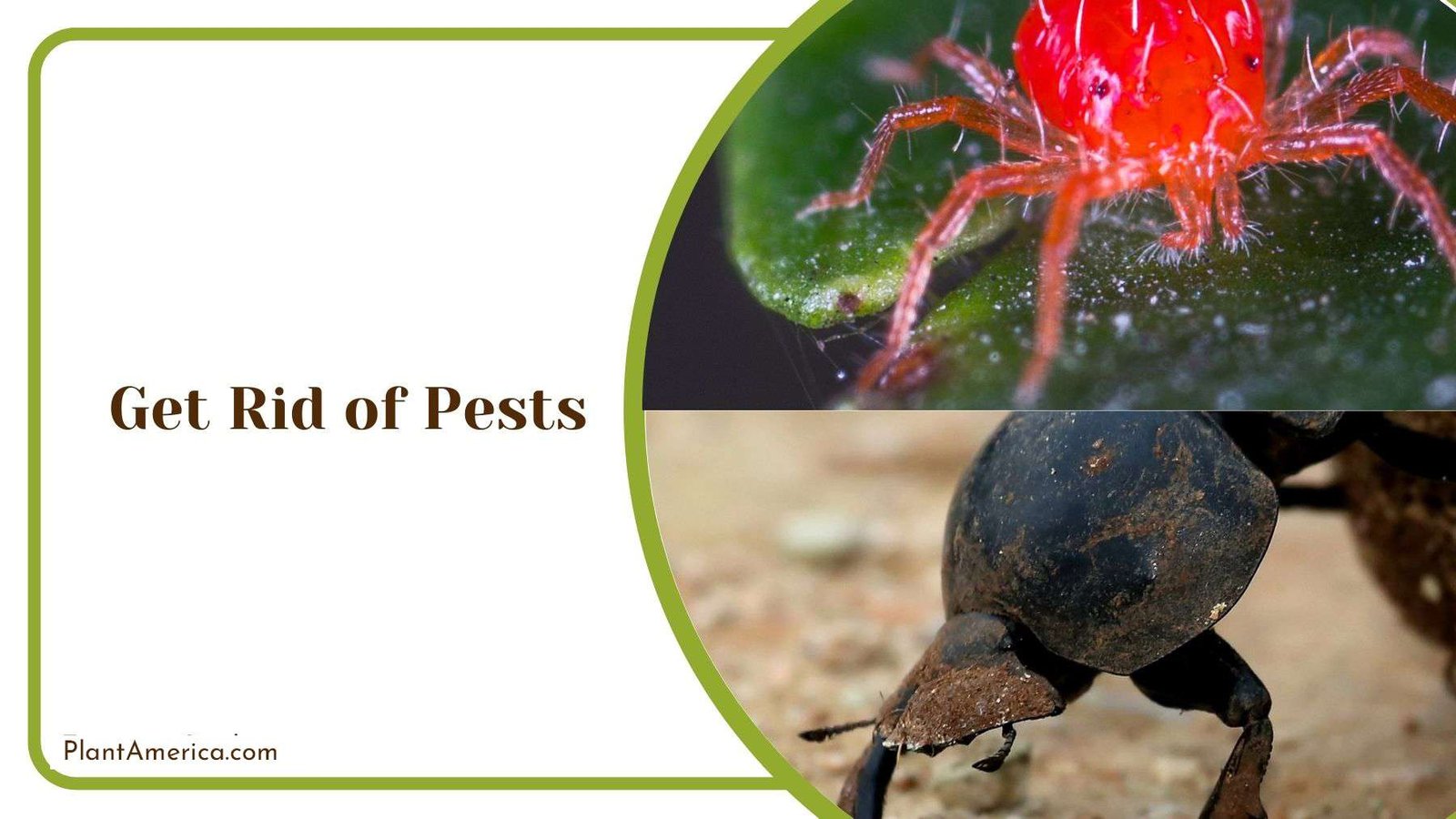
To grow Spanish moss successfully, you have to get rid of pests. Some pests such as boll beetles and spider mites sometimes attack mosses. If you see such pests, repel them quickly so that they don’t spoil the look of your garden as well as harm the mosses. You can use pesticides to repel the moss pests.
You also have to watch out for some fungal diseases. For example, powdery mildew can attack the mosses. The best way to prevent this is to keep the mosses healthy and well-watered but never overwatered. Don’t overwater your mosses, as overwatering them can attract fungi and other microbes to the mosses.
12. Watch and Wait
After transplanting your mosses, you may not see significant growth in the plants immediately. You just have to continue watering them and ensuring that they are growing in the right conditions. When the growing season starts, you will see significant growth in the mosses and be glad that you were consistent in caring for the mosses.
Before the growing season starts, however, don’t stop caring for the plants. Don’t give up. Just stay patient and in time, you will get the result that you have been looking for.
Frequently Asked Questions
– What Should You Consider Before Transplanting Spanish Moss?
Before transplanting Spanish moss, you should consider the season, as transplanting the mosses during the growing season can be bad for them. Also, consider growing conditions such as temperature and light and only transplant your mosses to a place that is suitable for them.
– What Transplanting Mistakes Should You Avoid?
Some transplanting mistakes you should avoid are using unsterilized tools for your mosses as these tools can expose the mosses to harmful microbes, not watering your mosses especially after transplanting them, and transplanting the mosses to an unsuitable place. These mistakes can lead to the loss of the mosses.
– What Challenges Can You Face When Transplanting Spanish Moss?
Some challenges you can face when transplanting Spanish moss are the moss not attaching itself properly to the substrate and the attack on the moss by microbes such as fungi. Using a string to hold the moss and applying fungicide occasionally can solve these problems.
– How Can You Tell That Your Spanish Mosses Are Adapting?
You can tell that your Spanish Mosses are adapting when the moss starts growing. You will notice the strings becoming longer and in time, your moss will cover the entire substrate. Before then, you can tell that the moss is growing when it easily attaches itself to a vertical substrate.
Conclusion
Surely, it is easy to transplant mosses. Here are some reminders from this article for you:
- Transplant mosses from late summer to mid-fall.
- You can use a string to keep the moss attached to the new substrate, especially if the substrate is vertical.
- To help your mosses grow optimally, mist them often to increase the humidity.
- Fertilizing mosses is not necessary but will encourage the speedy growth of your mosses
- Keep your moss garden clean and free from pests.
Transplanting and growing Spanish moss are now super easy for you. Just remember to stick to the tips listed in this article.