
How to transplant bamboo is a necessary skill for anyone who wishes to properly cultivate bamboo. Bamboo is a special kind of plant of the Poaceae family that expands quickly and it serves several functions including building, making fabrics, and even as food.

Bamboo is eco-friendly because it creates more oxygen, absorbs carbon dioxide, and protects the soil from erosion with its deep root structure. This article will walk you through the processes of transplanting bamboo.
What Factors Should You Consider When Transplanting Bamboo?
Factors you should consider when transplanting bamboo plants are the plant’s age, soil fertility, season, water availability, sunshine exposure, and availability of relevant tools. The soil in the new location should have good drainage, with pH levels that are slightly acidic.
– Natural Light Exposure and Migrating Season
The best seasons for planting bamboo are in early spring or the end of autumn, during which the bamboo is inactive. When a plant is transplanted in the middle of summer or during winter, it may experience stress, which exposes it to a lower chance of surviving.
Bamboo plants grow best under full sun, but they can tolerate partial shade. If the plant was previously located in a shady space, it is important to gradually increase the amount of sunlight that it receives after transplanting. Sudden exposure to higher light intensity may negatively affect your plant.
– Temperature
Choose a site that best meets the demands of the type of bamboo you are transplanting, considering that different bamboo types require varying temperatures and sunshine levels. Avoid transplanting your bamboo while it’s hot because it can wilt and eventually die.

Please note that the ideal temperature range for transplanting your bamboo plants is between 60 degrees Fahrenheit and 70 degrees Fahrenheit.
– Water and Soil Requirements
It’s crucial to keep the soil surrounding the bamboo plant wet but not soggy. Bamboo stems are extremely sensitive to sitting in water such that they can easily rot. Submerging might lead to the bamboo drying out and dying. Excessive watering might cause root rot.
A nutrient-rich soil with good drainage is necessary for proper growth of your bamboo. The soil should be loose enough to allow free movement of the air and water to the roots. The soil’s pH should also range from 6.0 to 6.5, which is slightly acidic.
– Tools Needed for the Transplanting Procedure
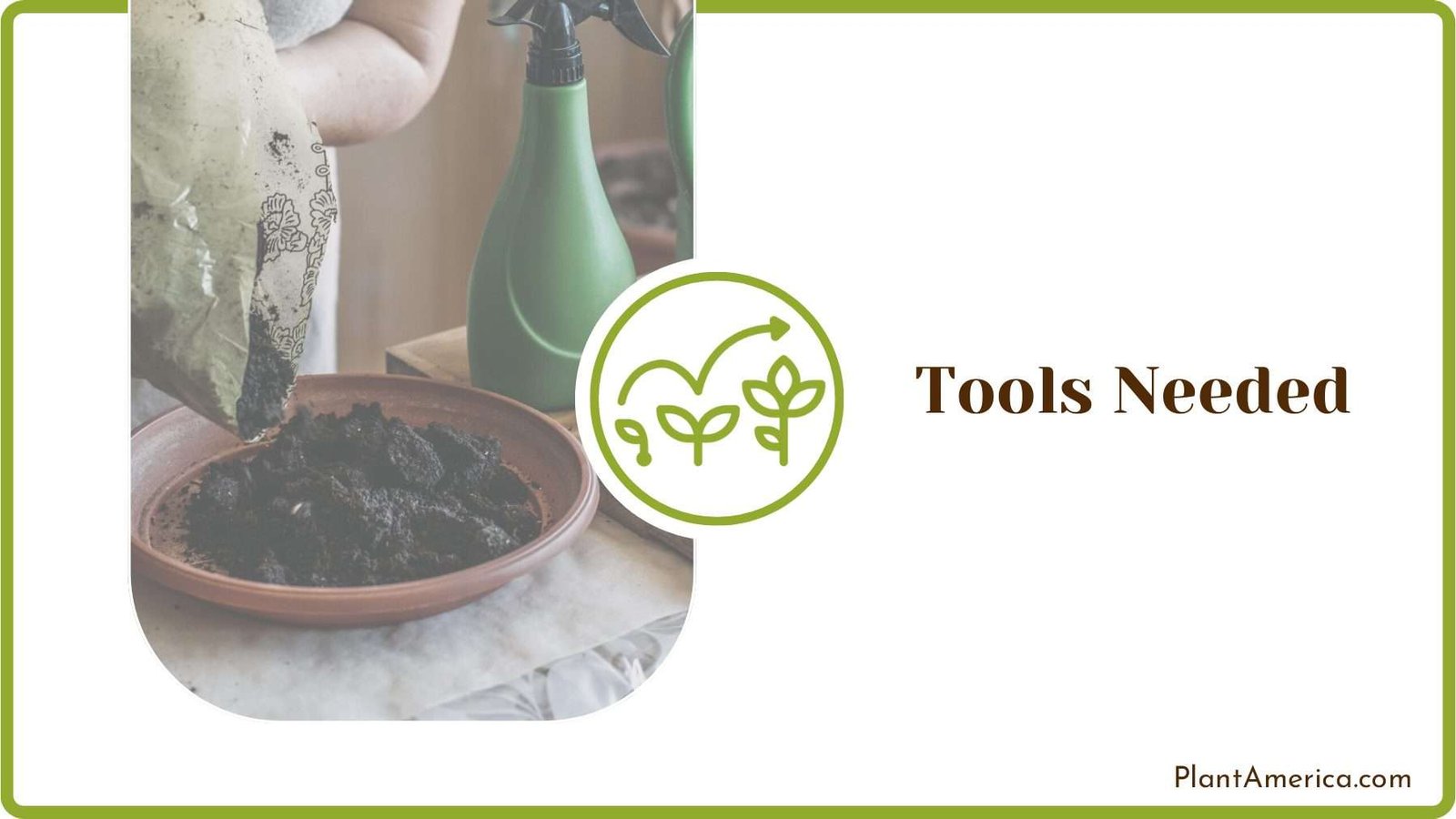
The tools needed when transplanting bamboo plants while maintaining the integrity of the root system are a sharp shovel, pruning shears, a wheelbarrow, a plant cart, gardening gloves, and safety glasses.
What are the Crucial Stages Involved When Transplanting Bamboo Plants?
The crucial stages involved when transplanting bamboo plants include preparing the site with appropriate soil, sunlight, and wind protection properties. Its development is dependent on proper aftercare, which includes watering, fertilizing, and pest control (For aphids and mealybugs on bamboo). If mites and mealybugs attack bamboo, treat neem oil or insecticidal soap.
1. New Site Preparations
Getting the new site ready provides your bamboo plant with an environment where it can grow well. Pick a location that receives lots of natural light. The soil that drains well is recommended as it allows for proper aeration of the roots. Well-draining soils prevent waterlogging conditions, which may cause root rot to your bamboo plant.
Make sure the site is safe from strong winds. Use a shovel, and prepare a hole that is twice to three times the size of the bamboo plant’s root ball. Clear the hole of any pebbles, trash, or plants. To improve the texture and nutrient content of the soil in the new location, incorporate organic materials.
2. Prepare the Plant
Before you dig out the bamboo plant, ensure that it is ready. Water the plant two days before implantation. To reduce bamboo transplant shock, you should trim any stems that are weak or broken.

You can minimize damage by gently digging around the bamboo plant’s root ball before removing it from its current place.
3. Digging out the Bamboo
Dig out a trench that is 1.5 to 2 feet deep around your bamboo plant, depending on how big the clump is. After this, pull the roots out of the soil gently. You might need to separate bamboo clumps before transplanting. To do this, you should carefully divide the clump into smaller portions, making sure that each section has an entire root ball.
Dividing the clump will lessen the chance of harm and make it simpler to transfer the bamboo. To transfer the bamboo to the new planting location, you can use a wheelbarrow or any other type of vehicle.
4. Planting the Bamboo
This process starts with inserting the bamboo in the hole that you already dug. The root ball’s top ought to be parallel to the surface of the earth. Refill the soil-compost mixture into the hole, carefully compacting it around the bamboo’s base. Ensure that the bamboo is standing straight and firm. Put a layer of mulch at the base of your newly transplanted bamboo and give it a good drink. By doing this, the roots will stay cold and retain moisture.

To protect your hands and eyes from any sharp leaves or stems when transplanting your bamboo plants, ensure that you wear gardening gloves and safety glasses. Proper safety precautions and care when transplanting bamboo can enhance the plant’s long-term health and increase the attractiveness of your garden.
5. Before and After Watering
It is necessary to water the bamboo to enhance adaptability to the new location. Probe the soil with your finger to determine the moisture content before watering. Only water the bamboo when the soil is dry. To minimize evaporation on hot days, it’s better to water the plant in the morning.
Avoid drenching your plant when watering the bamboo as doing this might cause root rot. Fungal infections such as root rot comprise your plant’s ability to survive transplant shock.

After watering, wait until the soil has completely dried out before replanting. Reduce the frequency of watering throughout winter and refrain from watering on cold days to avoid creating waterlogging conditions. You should water your bamboo plant properly for it to remain strong and healthy for the duration of its life.
6. Bamboo Aftercare
Apply fertilizer frequently to develop your bamboo plant since it needs a lot of nutrients. Use a fertilizer that is well-balanced in potassium, phosphorus, and nitrogen. Apply the fertilizer using a rake across the plant’s base, then work it into the soil. water the bamboo at least twice a week and trim it frequently to help it keep its height and form.

Pests like mites, scale insects, and mealybugs like to attack bamboo. Neem oil or insecticidal soap is effective in preventing and managing these pests if they attack your bamboo. The bamboo is one of the most resilient plants that can survive adverse weather conditions. However, it’s important to shield it from abrasive weather conditions like raging winds and copious amounts of precipitation.
Tie the bamboo to a post so that it doesn’t tip over when exposed to windy conditions. The soil should be well-drained during periods of high rainfall. After transplanting your plant, keep an eye on its progress. Observing the overall growth of your bamboo plant helps to reveal any issues that may require attention, such as yellowing leaves, delayed growth, or discoloration.
Conclusion
The procedures listed in this article will help you to transplant your bamboo plant the right way, thereby ensuring its health and survival. Before you begin applying these nuggets, bear the following in mind:
- Bamboo plants can be transplanted by digging up the root ball and planting it in a new location.
- Consider the plant’s age, soil quality, season, exposure to water, sunlight, and temperature before transplanting.
- Some of the important aspects of transplanting bamboo include careful scheduling and soil preparation, as well as using the appropriate digging and trimming equipment.
- It’s crucial to select a soil combination that drains properly when transplanting bamboo into pots.
- For the plant to grow and flourish at its best after transplanting it, careful maintenance is essential.
Although it might be a hard process, growing bamboo is worthwhile. You may now enjoy lovely bamboo that gives your landscape an exotic feel with the proper atmosphere, care, and upkeep.