
How to transplant redwood trees is an intricate undertaking due to their massive size, intricate root systems, and sensitivity to changes.

We’ve made the process simpler without leaving out the details. Intrigued? Let’s begin!
How to Transplant Redwood Trees
To transplant redwood trees requires checking the tree, finding the right time, getting the needed permits, and picking the location. After that, it’s all about prepping the new site, transporting the tree, and providing care. If it’s too much, we suggest checking in with the professionals.
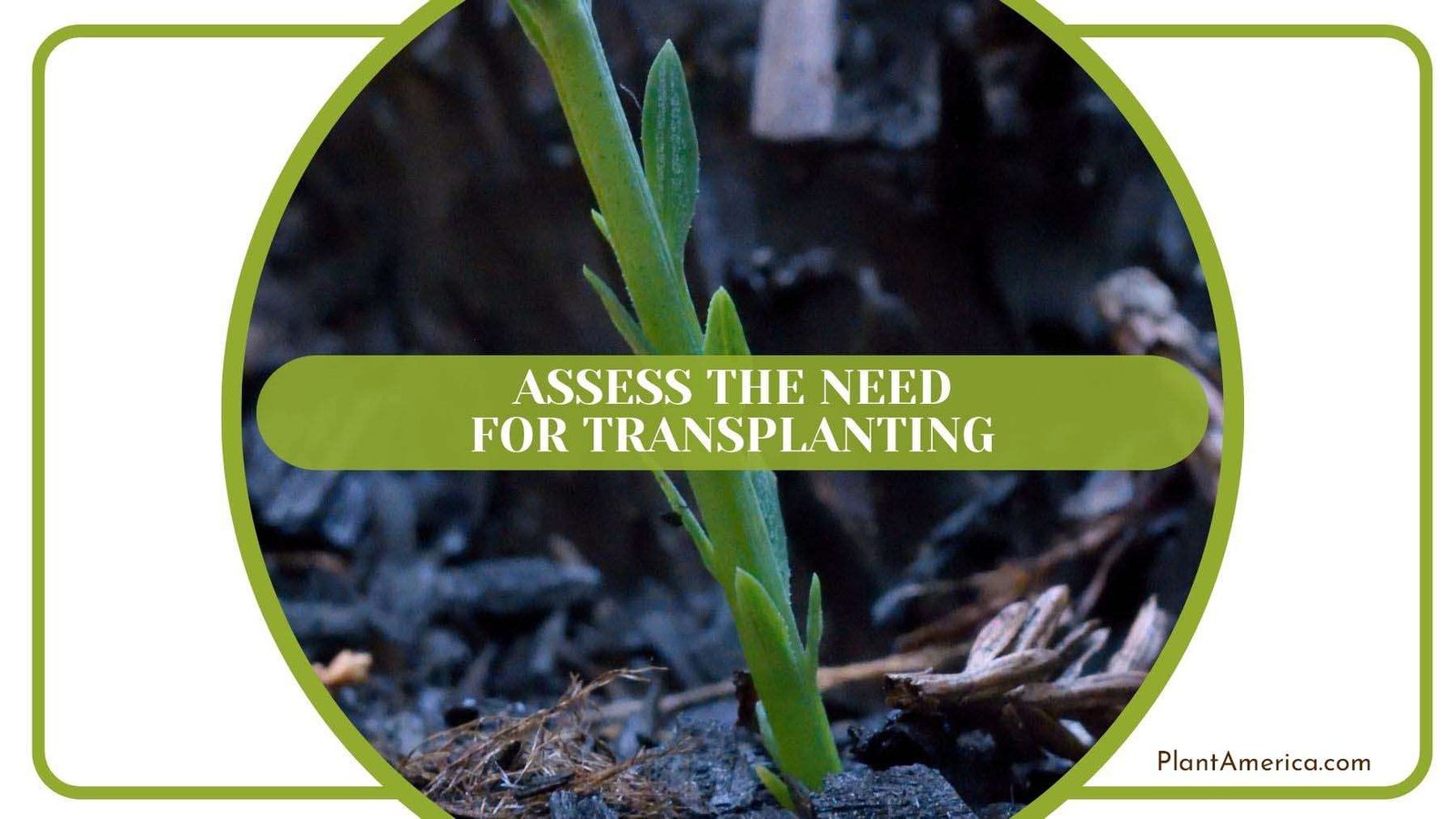
1. Assess the Need for Transplanting
When considering tree transplanting, ponder the reasons: construction, development, and preservation. Is moving it the best option, or could you build around it? Check tree health too. For healthy redwoods, avoid disturbing them. Also, think about the impact on the environment. Redwoods are vital for ecosystems, offering homes and support for organisms.
2. Pick the Perfect Time
The best time for transplanting is when the tree is dormant. This is usually from late fall to early spring. During this time, the tree isn’t growing much. Transplanting during dormancy is less stressful for the tree. It helps the tree focus on growing new roots instead of leaves.
The tree’s metabolism slows down during dormancy, making it better at handling the shock of being transplanted, similar to spruce transplant shock. Transplanting when the tree is dormant also means it needs less water, which reduces the chance of moisture-related stress. This is a good choice to keep the tree healthy during transplanting.
3. Obtain Necessary Permits
The permits you need might change based on where you are, tree size, and environmental impact, such as those for the dawn redwood. You usually have to get in touch with your city or county officials who handle tree permits.
When considering the relocation of a tree, it’s essential to furnish detailed information about the tree itself. This includes its type, size, health, and the rationale for the move. The local authorities will carefully examine how moving the tree could impact its surroundings, encompassing ecosystems, water elements, and the local community.
This evaluation might lead to the establishment of specific regulations for the relocation process. These rules could involve precautions to safeguard the tree’s root system and the utilization of environmentally conscious methods during the move.
Acquiring the necessary permits isn’t merely a legal obligation; it signifies your genuine concern for the environment and the responsible management of tree relocations. By diligently navigating this procedure, you showcase your dedication to environmentally sustainable practices and the proper execution of tree transfers.
4. Choose a New Location
Redwoods, such as the dawn redwood, love cool, coastal climates. They do well in places with humidity and good soil drainage. When picking a new spot, think about how much sunlight it gets, how the wind blows, and how close other trees are.
Redwoods like sunlight, so choose a place that gets plenty of it all day. Avoid places with strong, drying winds, as the redwood tree is sensitive to drying out. The soil should drain well and be a bit acidic, like where they naturally grow.
Sandy or loamy soil with organic matter is great for nutrients and keeping moisture. Make sure to think about how big the tree can get. Redwoods can grow really tall and wide. The space you choose needs to be big enough for the tree’s branches and roots without being blocked by buildings or obstacles.
5. Prepare the New Site
When choosing a new site for transplanting a redwood tree, it’s important to prepare the site carefully to ensure successful growth. Find an area that closely resembles the tree’s natural habitat, preferably with cool coastal climates and good soil drainage.
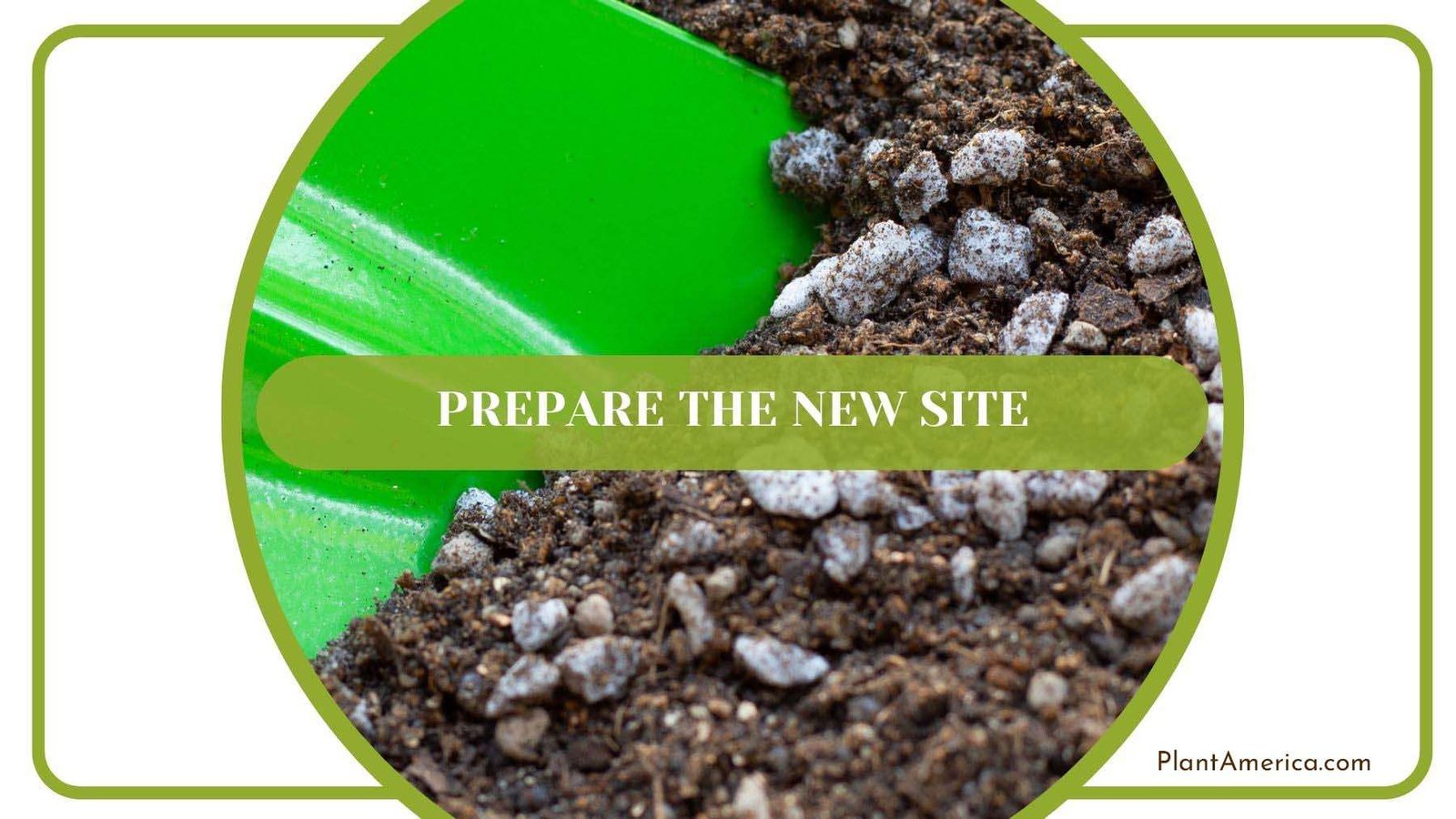
After identifying the right spot, dig a hole that’s twice as wide as the tree’s root ball but not deeper. This way, the tree will be at the same level as before, minimizing stress during transplantation. This proper positioning is crucial for the tree’s successful establishment.
6. Prune and Prepare the Tree
It’s best to do this a few weeks before transplanting. During this process, you carefully trim the tree’s branches. The aim is to make the tree’s canopy smaller. This way, when you transplant it, there’s less stress since the tree needs less water and nutrients.
Remove any dead, sick, or damaged branches gently. Also, thin out dense growth so air can move better. This helps the tree put more energy into growing roots and lowers the risk of branches breaking during the move.
When deciding how much to prune, the tree’s health and the balance between its leaves and roots are considered. The timing, precision, and ability of this pruning to make the tree healthier are all critical for successfully transplanting the redwood.
7. Prepare Root Ball
When transplanting a redwood, the key lies in the root ball preparation. Redwoods boast intricate root systems, making this step critical. Begin by using a sharp shovel to dig around the tree’s base. Your aim? Craft a cohesive root ball encompassing most roots.
Remember, the root ball size should match the tree’s dimensions, preserving a significant part of its root network. Precision is vital when cutting to avoid root harm. Gently lift the tree with its protected root ball. Wrap it in burlap or employ a tree spade to foster soil-root adhesion, shielding roots from damage and ensuring their well-being during transplantation.
8. Transplant the Tree
When dealing with trees, safeguarding their roots is key. Use a robust burlap-covered root ball or a tree spade method. Position the spade away from the trunk, insert it at an angle, circling to sever the roots and loosen them from the soil.
Once the roots are free, lift the tree gradually, ensuring someone holds the base. Keep the burlap or spade secure for an intact root ball. Lift the tree with caution to minimize stress, aiming to maintain root naturalness during lifting.
9. Transport the Tree
When moving a redwood tree, treat it gently to prevent root damage. Lift it with the root ball securely, using burlap or a tree spade. Move slowly to protect roots and soil. Choose a spacious vehicle, if needed, and shield the tree from extreme conditions.
10. Plant the Tree
Let’s place the redwood in the hole we’ve prepared, making sure it’s level and centered. Gently spread the roots and position the tree well. Mix some native soil with compost and fill the hole around the roots. Pat the soil occasionally to remove air and aid root-soil connection. Avoid compacting too much to prevent water blockage.
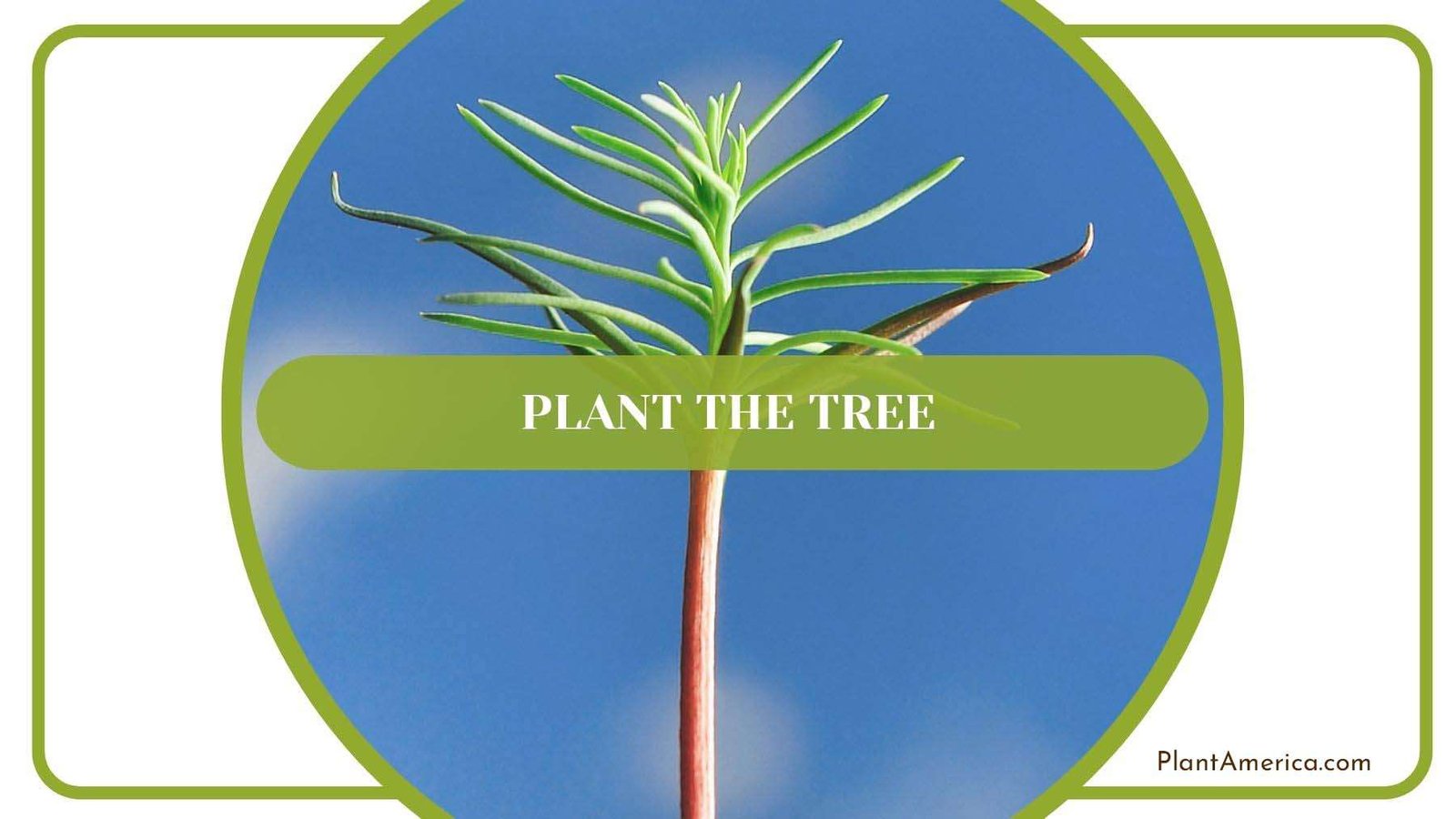
Next, sprinkle water while backfilling to settle the soil and prevent gaps. The tree should stand upright, its root ball top level with the ground. Avoid planting too deeply to protect the roots. Ensure the tree is steady and straight. Water the redwood thoroughly to help it adjust to its new home!
11. Water the Tree
Water your newly planted tree well to settle the soil and remove air pockets. Ensure even watering by letting the water flow slowly. During the first year, keep moisture consistent, especially in heat or dry spells, but avoid overwatering to prevent root rot.
Check the soil near the tree’s base to know when to water. Stick your finger about an inch or two deep. If it’s dry, your tree needs water. It’s that simple!
12. Mulch the Ground
Mulching benefits young trees by aiding safe growth. Opt for organic mulch, so try wood chips. Spread it in a circle, avoiding the trunk. This prevents excess water and decay. Maintain a two- to four-inch depth for steady moisture and temperature.
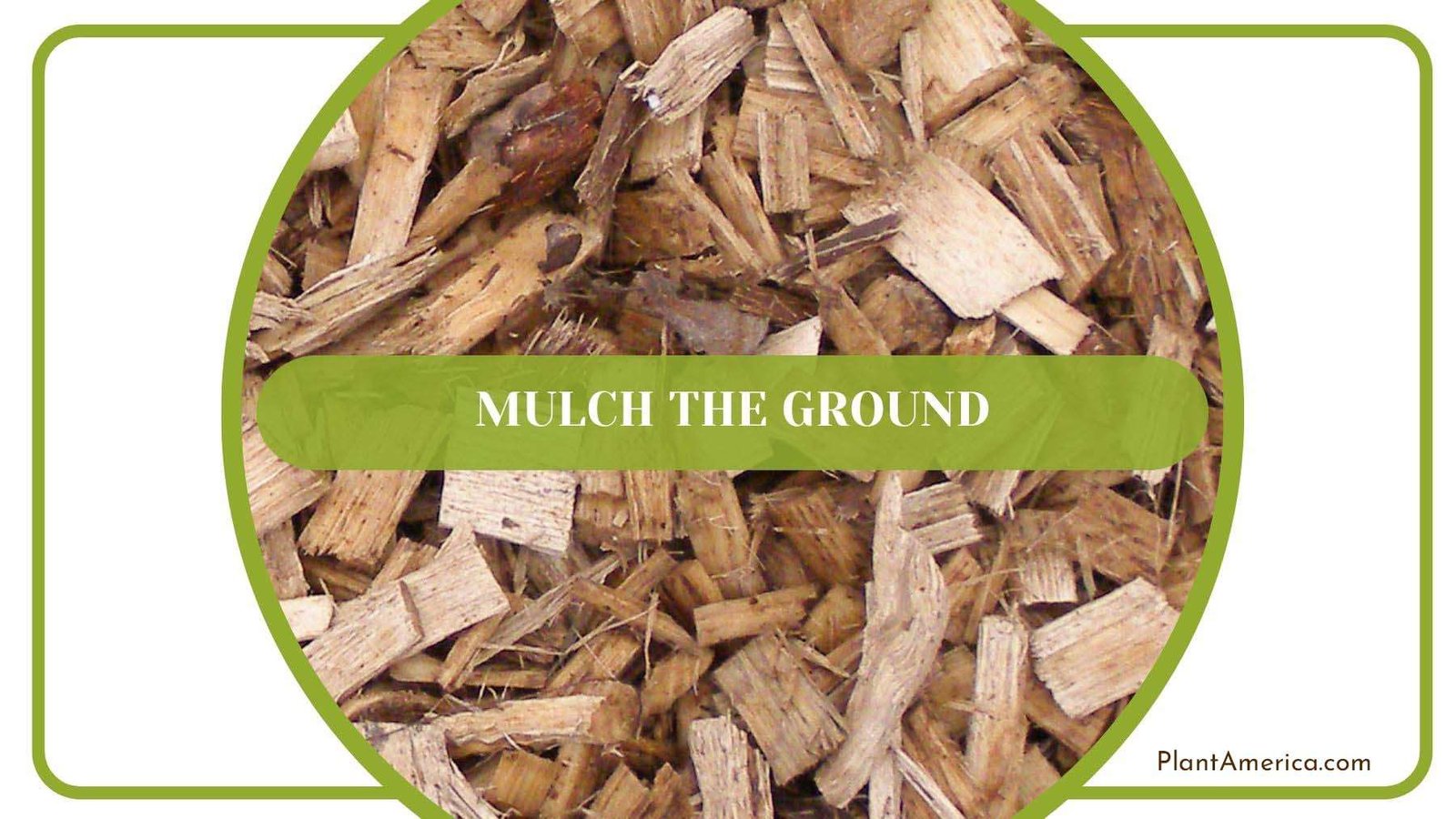
Mulch naturally decomposes, enriching the soil with nutrients. Soil quality improves. Check and add mulch as needed. Effective mulching aids young redwoods post-planting, enhancing roots and health.
13. Provide Care and Monitor
After transplanting the redwood tree, taking good care of it is vital for its success. Be attentive and watch it closely. Ensuring proper water levels is crucial. Keep the soil damp, especially in the first year. Avoid overwatering, as redwood trees can get root rot. Water deeply but less often. Let the soil slightly dry between waterings.
Check moisture by inserting your finger a few inches down. If the soil feels pretty dry, then you know that it’s the perfect time to water. Using organic mulch around the tree helps. Keep it a bit from the trunk.
Mulch maintains soil moisture, regulates temperature, and prevents weeds. Sunlight matters too. Redwoods prefer moderate sunlight. Offer shade, if possible, especially during the hottest times. Use a cloth or create shade temporarily.
In the initial year, limit tree pruning. Allow the tree to focus on root growth and adjusting to its new home. Check the tree often. Watch for drooping leaves, odd colors, or growth. If issues arise, consult a redwood expert. They can identify problems and suggest fixes. Remember, recovery from transplantation might take years. Be patient and let it regain health.
14. Seek Professional Help as Necessary
Transplanting mature redwoods is complex. It requires an understanding of the species and special techniques. Consider hiring a certified arborist for help. They’ll assess the tree’s health and choose a suitable new spot.
Arborists use tools like tree spades to dig up the tree with its roots, minimizing harm. They excel at proper planting too, boosting post-move growth. Arborists also offer ongoing care, setting up watering and monitoring for problems. Involving experts maintains the tree’s beauty and prevents mistakes.
FAQ
– Can Redwoods Be Successfully Transplanted at Any Age?
Yes, redwoods can be successfully transplanted at any age. However, transplanting success rates tend to be higher with younger redwoods due to their smaller size and more adaptable root systems. Mature redwoods have extensive roots that are challenging to transplant without causing significant stress and potential damage.
– How Should the New Location Be the Same as the Original Site?
The new location should closely match the original site in terms of climate, soil type, and moisture levels to make sure that they grow properly. Redwoods have specific habitat requirements, and finding a similar site increases the chances of successful transplantation.
– What To Do if the Transplanted Redwood Tree Shows Signs of Stress?
If your transplanted redwood tree exhibits signs of stress, such as wilting leaves, browning needles, or slowed growth, it’s important to act promptly. Ensure proper watering, avoid over-fertilizing, and consider consulting a certified arborist to assess the tree’s health and recommend appropriate remedies.
Conclusion
Just in case you forgot some important points, we’ve listed them for you:
- Transplanting redwood trees is a complex process that demands careful planning and execution.
- Timing, proper root ball preparation, matching the new environment, and ongoing care are critical for the tree’s survival post-transplantation.
- Redwoods have sensitive root systems and specific habitat requirements, making successful transplantation challenging.
- Younger redwoods are more adaptable to transplantation than mature ones due to their size and root systems.
- Professional help, ideally from certified arborists, is recommended for assessing, planning, and executing redwood transplantation.
And now that you know what it takes, we’re pretty sure you got your plans all mapped out!