
Seasonal flowers are blooming across gardens nationwide, bringing bright pops of color after a long winter. In this post, we’ll explore flowering varieties you can plant starting this month to enjoy spring’s natural show.

From familiar old favorites like tulips and daffodils to surprises you may not have tried before, this list highlights options for every budget, soil, and sun exposure. Whether you want to landscape your yard or add floral accents to your patio containers, we hope you find several new seasonal flowers to lift your spirits as the weather warms.
Seasonal Flowers that Lighten Up Outdoor Spaces In Spring
1. Tulips
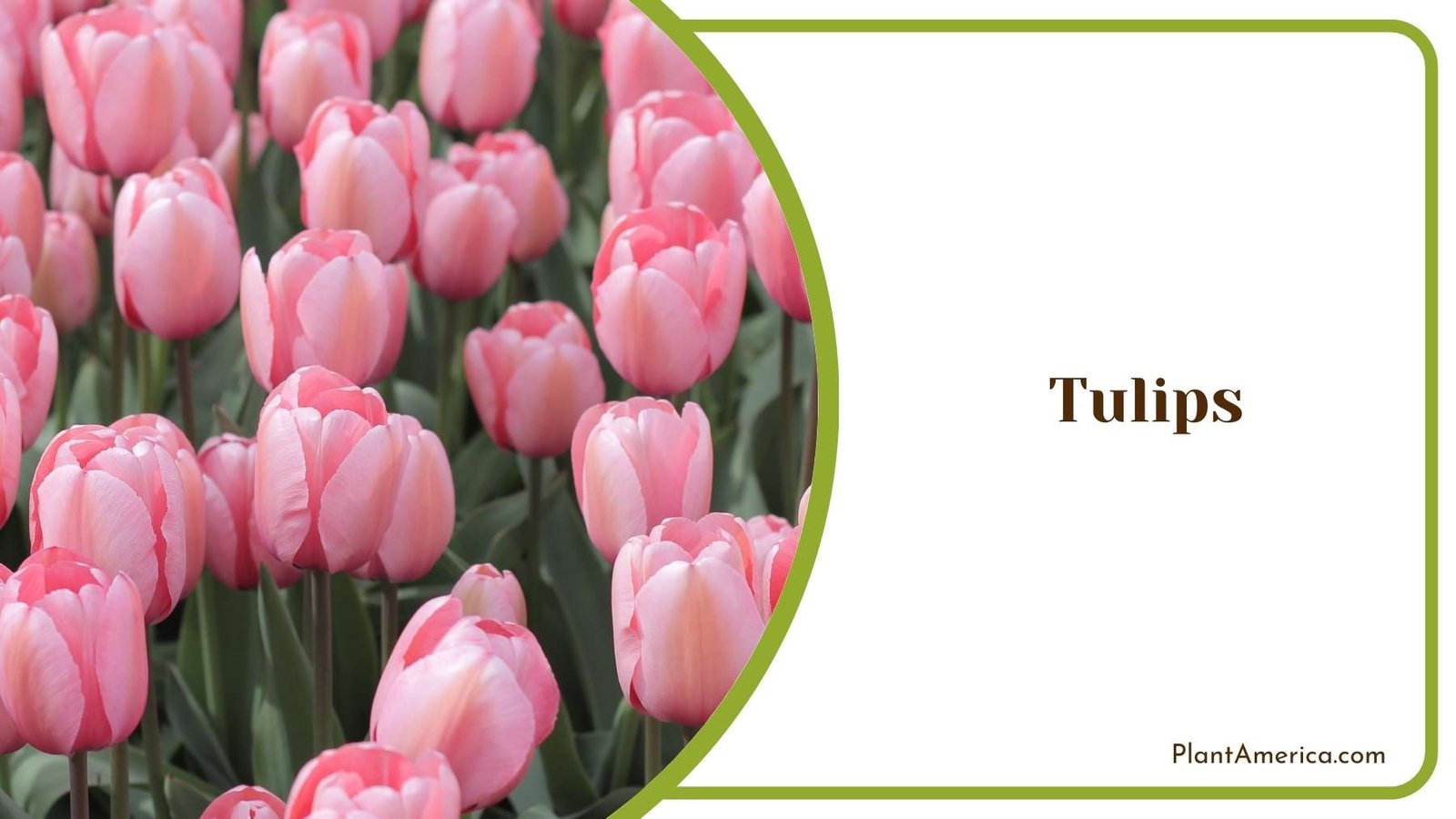
- Growing Season: Late frost to early summer
- Leaf Shape: Long green shades, Narrow green shades
- Specific Needs: Full sun, Well-drained soil
- Common pests: Aphids, Botrytis fungus
Tulips are among the most popular spring-blooming flowers. Their brightly colored cups come in red, yellow, pink, and purple shades. A garden filled with different varieties of tulips creates a lovely patchwork of colors during their short blooming season in late spring.
While tulips thrive with full sun and well-drained soil, their unique leaf shape and structure allow these perennial bulbs to pop up year after year, bringing a burst of cheer.
Like many spring blooms, tulips can be prone to pests such as aphids, which sap the plant’s juices, and Botrytis fungus, which causes bud rot. With a little TLC and pest prevention, tulips are a carefree addition to any spring garden.
2. Hyacinths

- Growing Season: Late winter, Early spring, Prefers cool temperatures to bloom
- Leaf Shape: Long and thin, Grass-like, Deep green in color
- Specific Needs: Full sun to partial shade, Moist, well-draining soil
- Common pests: Bulb mites, Fungal rots
Hyacinths are a favorite early spring flower known for their sweet fragrance and clusters of vibrantly colored bells. Ideal for naturalizing in woodlands or edging garden beds, hyacinths come in a beautiful rainbow of pinks, purples, white, and blues.
While low maintenance, hyacinths do best with conditions that mimic their Mediterranean homeland—partial shade and soil that offers proper drainage to prevent root rot during winter rains.
In addition to fungal rots, hyacinth bulbs can sometimes fall prey to microscopic bulb mites that feed inside the bulb. However, hyacinths reliably return year after year, perfuming the garden air with their intoxicating aroma as a sign of warmer days.
3. Crocuses
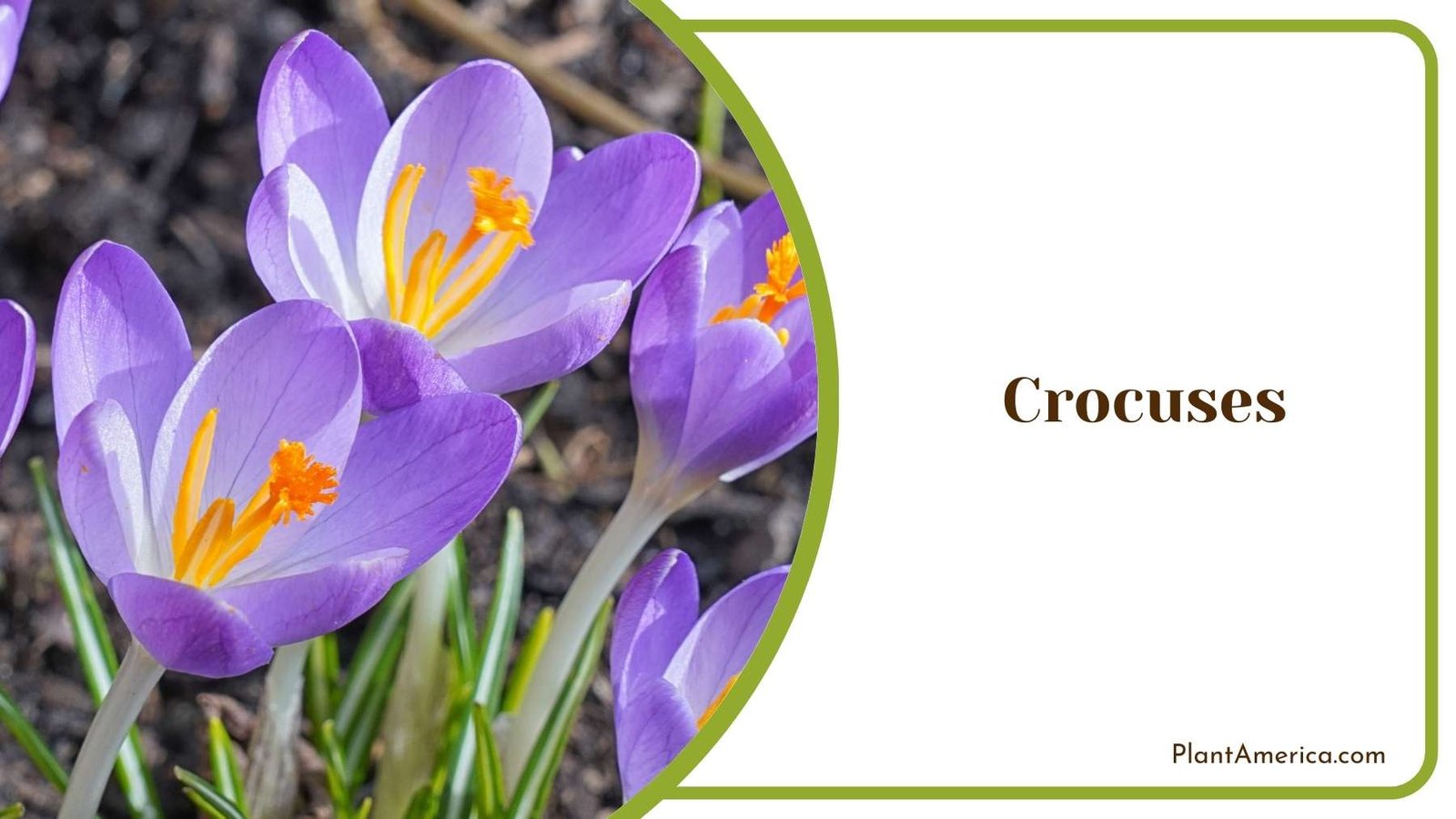
- Growing Season: Late winter to early spring, First to bloom after snow melts
- Leaf Shape: Long and narrow blades, Deep green in color
- Specific Needs: Full sun, Well-drained soil
- Common pests: Crocus weevils and moths, Crocus nematodes and rust
The first harbingers of spring, crocuses, pop up in colorful tufts, signaling that winter’s hold is loosening its grip. Found carpeting lawns or naturalizing under trees, crocuses come in lavender, white, yellow, and purple shades.
Lifting spirits with their merry faces, crocuses thrive even in shady spots and require little care besides protection from pests such as weevils and moths. Providing a sprinkling of assorted colors weeks before other bulbs wake, crocuses have long been welcomed as nature’s cheerful promise that warmer days are yet to come.
4. Iris

- Growing Season: Late spring to early summer
- Leaf Shape: Long and sword-like, Blue-green in color
- Specific Needs: Full sun, Well-draining soil
- Common pests: Iris borers, Rust diseases
Regal and refined irises come in a kaleidoscope of colors, from deep purples and blues to sunny yellows and oranges. Standing tall amidst other spring and summer blooms, irises catch the eye with their unique sword-shaped leaves and floral beauty.
While some varieties thrive in wetter bog gardens, bearded irises prefer well-draining soil and sunshine. Highly adaptable, irises are easy to grow yet add undeniable grace to any garden space.
By staking up flower spikes and removing diseased foliage, gardeners can prevent rot and pests like borers from lurking within the fan-shaped blooms of these lovely perennial staples.
5. Peonies

- Growing Season: Late spring to early summer, Prefers warm temperatures to bloom
- Leaf Shape: Compound, Fern-like foliage, Deep green color
- Specific Needs: Full sun to partial shade, Well-drained, fertile soil
- Common pests: Peony beetles and borers, Leaf spot and rust fungus
Grand and elegant, peonies have long been prized for their lush, intoxicating blooms. Peaking in late spring through early summer, peonies come in an array of double-petaled flowers spanning from coral-reds and shocking pinks to cream and white blushes.
Whether grown as sculptural solitary specimens or naturalized in drifts, peonies impart a romantic feel long after their endless petals have faded. While generally carefree once established, peonies will benefit from staking, mulching, and protection from beetles and borers that target them.
With their full, frilly blooms remaining favorites generation after generation, peonies are a classic perennial addition for any garden hoping to channel pastoral charm.
6. Lilies

- Growing Season: Summer, Blooms throughout warmer months
- Leaf Shape: Long, narrow leaves in tufts, Green to blue-green hues
- Specific Needs: Full sun to partial shade, Moist, well-drained soil
- Common pests: Lily beetles, Caterpillars, Fungal diseases like leaf spot
Luminous lilies bloom throughout summer evenings, glowing like flickering candles. Defined by their trumpet-shaped flowers in shades of orange, yellow, pink, and red, lilies add a touch of whimsy and romance to beds and bouquets.
Thriving in slightly acidic soil with regular water, lilies spread with underground stolons to quickly naturalize an area with enough space.
Deadheading spent flowers and vigilant pest prevention can keep lilies displaying flowering for months in shady nooks or open gardens.
With care, lilies become perennial favorites forgotten by few who witness their mystical midnight garden magic.
7. Pansies

- Growing Season: Late winter through spring, Extends bloom time in fall
- Leaf Shape: Rounded, scalloped foliage, Deep green leaves
- Specific Needs: Partial sun to shade, Moist, well-draining soil
- Common pests: Aphids, Slugs, Powdery mildew fungus
Energetic and spirited, pansies with cheerful faces populate borders and containers from late winter through spring. Blanketing beds in shades of yellow, blue, purple, and white, pansies blossom through cool temperatures, rain or shine.
Resembling faces with three main petals, a happy pansy is always welcome, no matter the season or climate. While favoring shade, pansies thrive with regular moisture and protection from pests that feed on their lush greenery.
Long-lasting and maintaining perkiness through variable conditions, pansies instill good cheer whenever and wherever they are grown.
8. Violets

- Growing Season: Spring, Blooms through early summer
- Leaf Shape: Heart-shaped leaves, Deep green
- Specific Needs: Partial shade to full shade, Rich, moist, well-draining soil
- Common pests: Spider mites, Various fungal leaf spots
Nestled low to the ground, violets spread via runners, sending up delicate flowers in shades of white, yellow, and deep purple. Lovingly referred to as “heartsease” for their cupped blossoms, violets thrive in woodland gardens for shady borders and containers with reliable moisture.
While generally carefree in ideal shade conditions, violets may see damage from spider mites and fungal problems in times of drought. However, violets’ sweet fragrance and cheerful color have made them perennial favorites, bringing intimate beauty to the garden edge year after year.
9. Poppies

- Growing Season: Late spring to early summer, Blooms through warmer weather
- Leaf Shape: Fern-like, feathery foliage, Blue-green shade
- Specific Needs: Full sun, Well-drained soil
- Common pests: Caterpillars, Weevils, Powdery mildew fungus
The garden beds are filled with beautiful effervescent poppies during the summer months. Their crumpled pedals would open wide like sunny cups, displaying vibrant colors. The poppies brought lively charm to any space they dotted, ranging from wild oranges and bright scarlets to frilly whites and delicate pastels.
Whether gracing borders alone or spread out across meadows en masse, the poppies delighted pollinators with their nectar-rich blooms. Self-seeding freely each year, the poppies ensured their cheerful presence would return as they gracefully filled any area provided. Their loose blooms attracted many hummingbirds and butterflies who sought the ample nectar.
Though their individual life was short-lived above ground, the poppies collectively produced a lively effect that perfectly complemented cutting arrangements indoors.
Their bright blooms and feathery foliage added movement and energy to any table or mantle displayed.
Requiring minimal care beyond full sun exposure, the poppies adapted easily and thrived with little other maintenance. Their hardiness allowed them to be incorporated wherever additional pops of color were desired without fuss.
Proper drainage and a location protected from leaf-munching pests and potential fungal diseases ensured the poppies enjoyed the warmth of each season to the fullest. With just a bit of luck, the delightful blooms would return year after year to remind all who saw them of summer’s bright beauty.
10. Lilacs
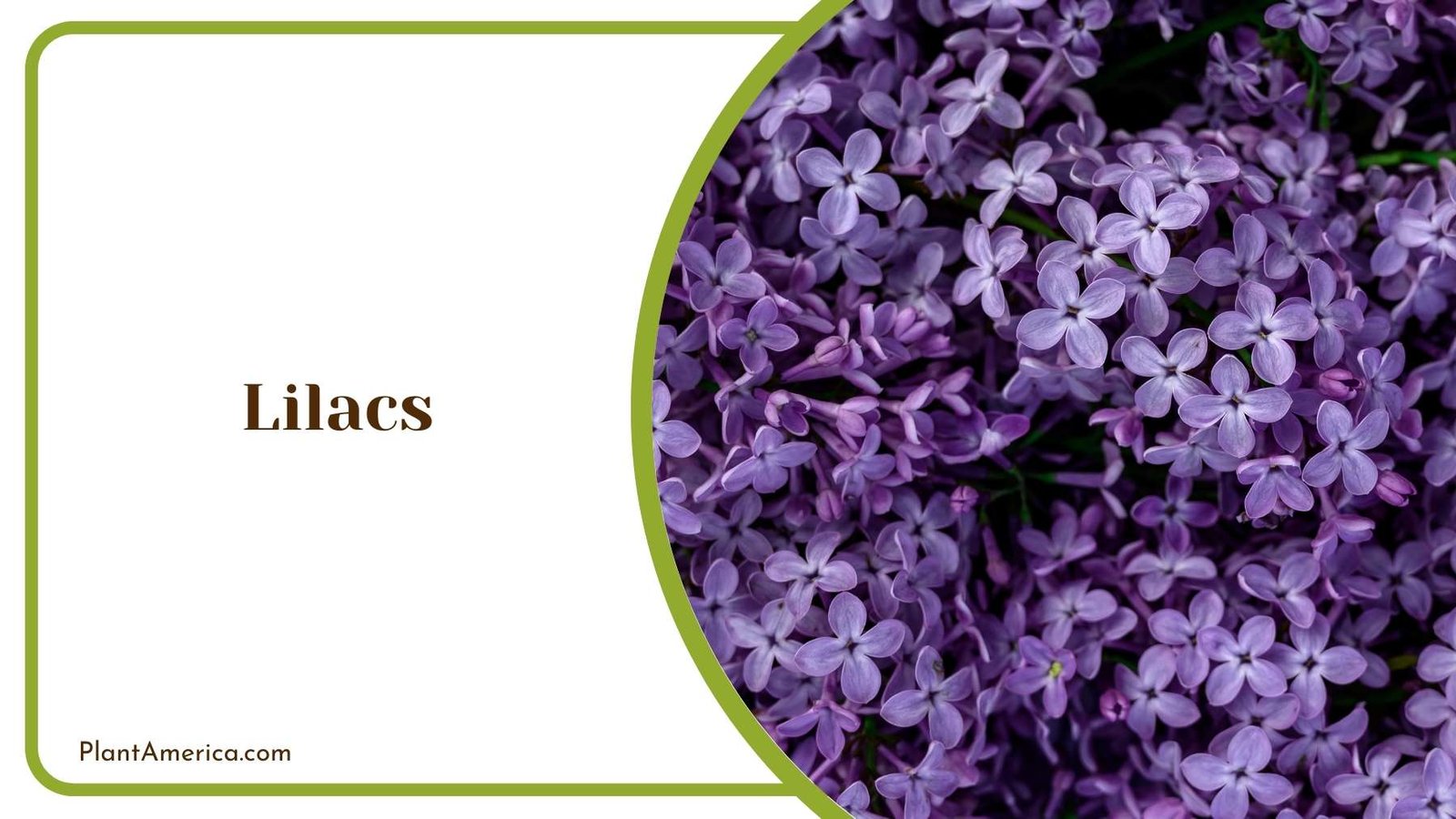
- Growing Season: Late spring, Blooms before leaves emerge
- Leaf Shape: Elliptic to ovate leaves, Glossy dark green
- Specific Needs: Full sun, Well-draining soil
- Common pests: Lilac borers, Beetles, Powdery mildew fungus
As a sure sign that spring has arrived, lilacs intoxicate the senses with towering spires of purple and white blooms. They are often planted as foundation shrubs en masse along gardens and homes. As the first true spring flower, lilacs generously fill the entire landscape with their sweet, heady perfume.
Before their evergreen foliage emerges from bare branches again, profuse clusters of trumpet-shaped blooms proudly show off delicate colors. In moist, humid summers, the lilacs are susceptible to pests like boring insects that burrow into bark and potential powdery mildew on their leaves if conditions are right.
To thrive each season, lilacs require full sun all day to dry out leaves quickly after rains or dews.
With good air circulation, too, they avoid many issues that could cut their beauty short. An easy addition requiring little care beyond their natural charms, lilacs attract joyous bees and butterflies with abundant pollen and nectar.
Long before other flowers dare show their faces in the chilly spring weather, lilacs paint the landscapes a gentle lavender or soft white hue. Their classic, intoxicating blooms impart an innate romance to any garden, hoping for an effortless haze of color and perfume.
Through their reliability, lilacs promise that spring will once more sprinkle her magic over the land as blossoms float on the breeze.
11. Azaleas
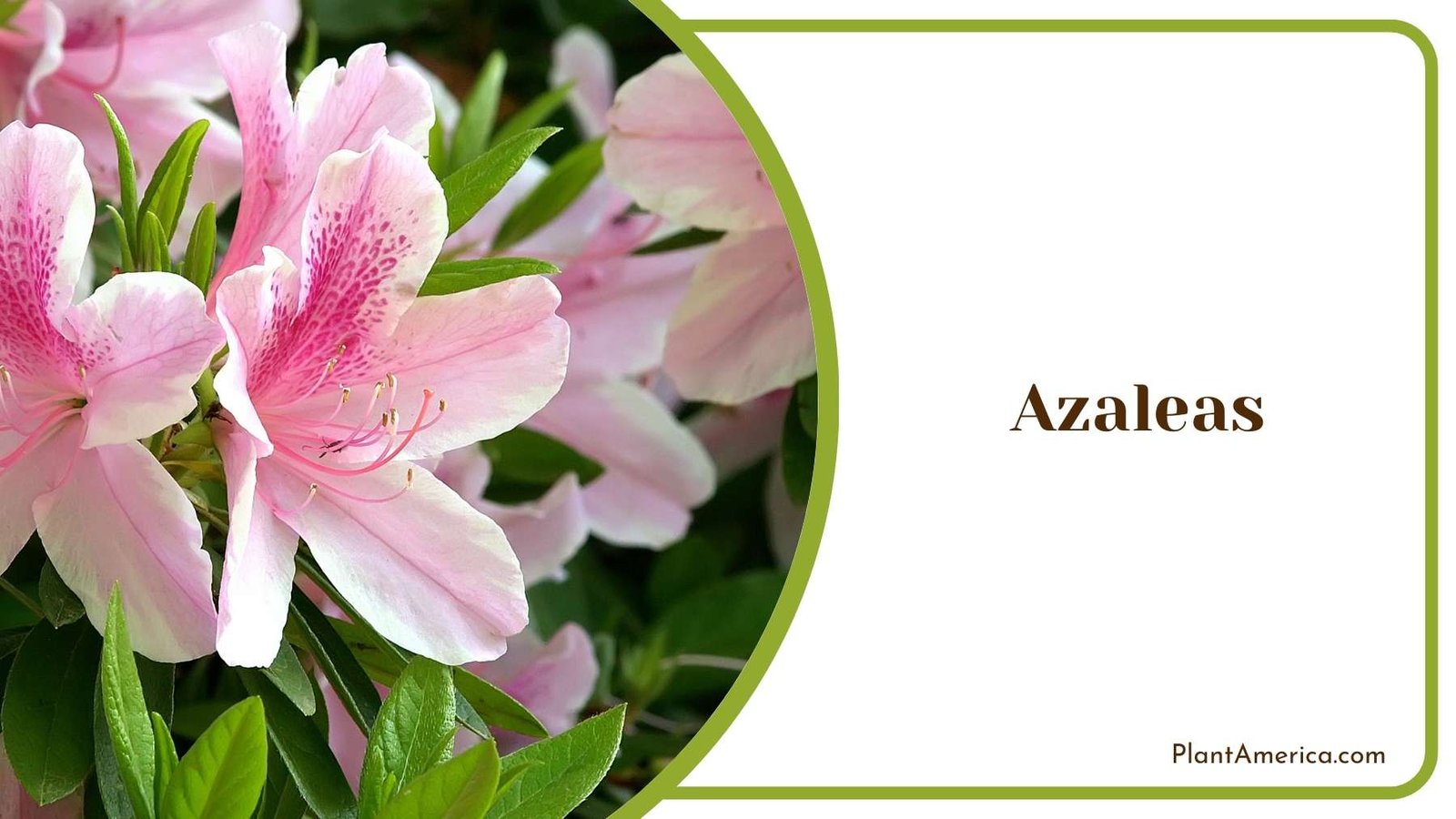
- Growing Season: Spring, Blooms before leaves emerge
- Leaf Shape: Elliptic to oval leaves, Dark green shades
- Specific Needs: Partial shade to full sun, Acidic, well-drained soil
- Common pests: Azalea lace bugs, Powdery mildew fungus
Dramatic azaleas light up gardens with fuchsia, coral, orange, and white flashes in early spring: shrub varieties or groundcovers blanket beds with blooms ahead of leaves. While requiring acidic conditions similar to blueberries, azaleas produce abundant nectar-rich flowers beloved by pollinators.
Some maintenance like pruning after bloom and azaleas contribute carefree color for dozens of years. Protection from sucking insects like lace bugs and powdery mildew keeps azaleas healthy through wet seasons.
A staple for woodland gardens or foundation plantings, azaleas elevate the landscape with their vibrant foliage and prolific blooms each spring.
12. Rhododendrons

- Growing Season: Late spring, Blooms simultaneously with azaleas
- Leaf Shape: Elliptic to oblong leaves, Leathery texture, Dark green
- Specific Needs: Partial shade to full sun, Acidic, moist, well-draining soil
- Common pests: Various scale insect, Botrytis blight fungus
Majestic rhododendrons resemble bouquets composed of red, pink, and purple blooms. Evergreen shrubs come in dwarfed versions or rise as small trees with leathery leaves. Requiring acidic conditions found under oak trees, rhododendrons benefit from organic mulch and occasional pruning.
Insect pests drawn to sap emerge as a scale that mars foliage if left untreated. Deadheading spent flowers prevents fungal blight from taking hold and encourages rebloom.
Drama reigns in spring and summer gardens graced with mammoth rhododendron blossoms loved by hummingbirds and butterfly larvae.
13. Magnolias

- Growing Season: Late spring to early summer, Blooms before or with leaves
- Leaf Shape: Simple, alternate leaves, Green to bronze shades
- Specific Needs: Partial sun to shade, Moist, acidic soil
- Common pests: Twig girdlers, Leaf blights
Magnificent magnolias stand tall as garden botanical beacons, boasting exquisite goblet-shaped blooms displaying delicate colors. Their blooms come in pristine shades of white, soft pinks, and sunny yellows that encourage spring’s first pollinators and herbivores.
Before their fuzzy new leaves begin to unfurl from branches, magnolias fill the surrounding air with their deeply heady perfume. Acting as both stately understory trees and more compact shrub varieties, magnolias add an exotic charm and appeal to any landscape.
Their grand blooms have a way of inspiring awe and lifting spirits as warmer days return. Minimal care is required beyond occasional pruning to inspire continued bloom power and airy canopies that shade tranquil garden spaces.
On rare occasions, twig-curling pests cause stunted new growth that warrants removal to prevent worsening. Some varieties face potential powdery mildew forming on upper leaf surfaces or non-fatal leaf blights in unseasonably wet springs.
However, once established in a spot with rich, well-draining soil and ample sunlight, magnolias can thrive for decades with little intervention. Their seasonal display awakens all the senses as a sure sign that nature’s rebirth is fully underway. Graceful blooms float on the breeze, filling the air with romance before leaves obscure their bright splendor until the next year.
14. Roses
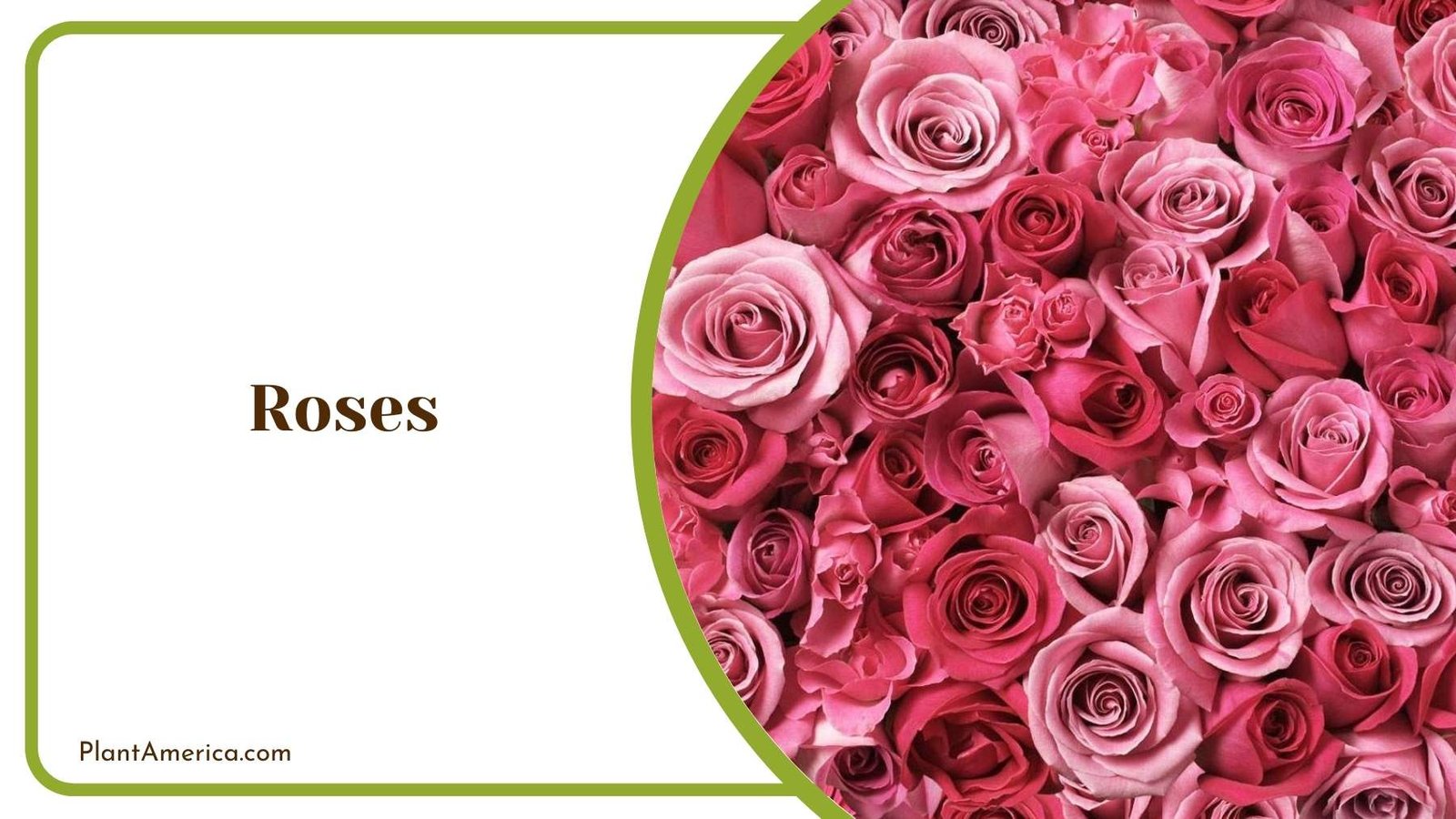
- Growing Season: Late spring to early fall, Blooms consistently with care
- Leaf Shape: Compound leaves with sharp prickles, Glossy dark green
- Specific Needs: Full sun, Well-draining, nutrient-rich soil
- Common pests: Japanese beetles and aphids, Black spot and powdery mildew
For centuries, roses have been revered in gardens thanks to their ability to conjure romance with voluptuous blooms and delicate perfume. As summer arrived each year, bountiful hybrid tea rose bushes proudly displayed cascades of soft petals in a vibrantly colorful array.
Vining climbing rose varieties gracefully accented arbors and fences with dramatic blooms. While young rose bushes required more attentive care, established specimens thrived with some key maintenance. Regular pruning kept plant forms tidy and encouraged continued bloom production.
Supplementary fertilizer supported vigorous growth and large flowers. Preventative pesticides guarded delicate blooms from harm if monitoring revealed issues arose.
Some exquisite heirloom roses produced heavenly fragrance steadily throughout warm seasons with minimal effort.
Whether adding charm to classic cottage gardens or providing bounties for cutting arrangements, roses remained endlessly popular additions. Their incomparable beauty kept honeybees, butterflies, and admirers returning year after year to savor the rose season.
Cottages and formal gardens celebrated roses as embodiments of nature’s finest artwork. With centuries of breeding behind popular varieties, roses fulfilled every color under the sun.
Their ability to conjure feelings of romance was unmatched amongst all flowering shrubs. Around the world, rose admirers are bound by the lush blooms and heady perfume permeating the air each summer with memories of past seasons and dreams of those yet to come.
15. Snapdragon

- Growing Season: Late spring through fall, Blooms throughout warmer months
- Leaf Shape: Lance-shaped leaves, Green foliage
- Specific Needs: Full sun, Well-draining soil
- Common pests: Aphids, Slugs, Powdery mildew fungus
Cherry snapdragons light up beds with whimsical throats open wide as smiling faces. Blooms span colors from sunny oranges to violet blues. Whether planted in drifts or as cut flowers, snapdragons reward repeated deadheading with bountiful rebloom through fall frosts.
Resembling vegetation from a Dr. Seuss classic, snapdragons impart delight alongside hardier perennials needing less meticulous care. Some irrigation and protection from sap-sucking pests keep snapdragons blooming carefree from spring through summer fun times in the garden.
16. Zinnias
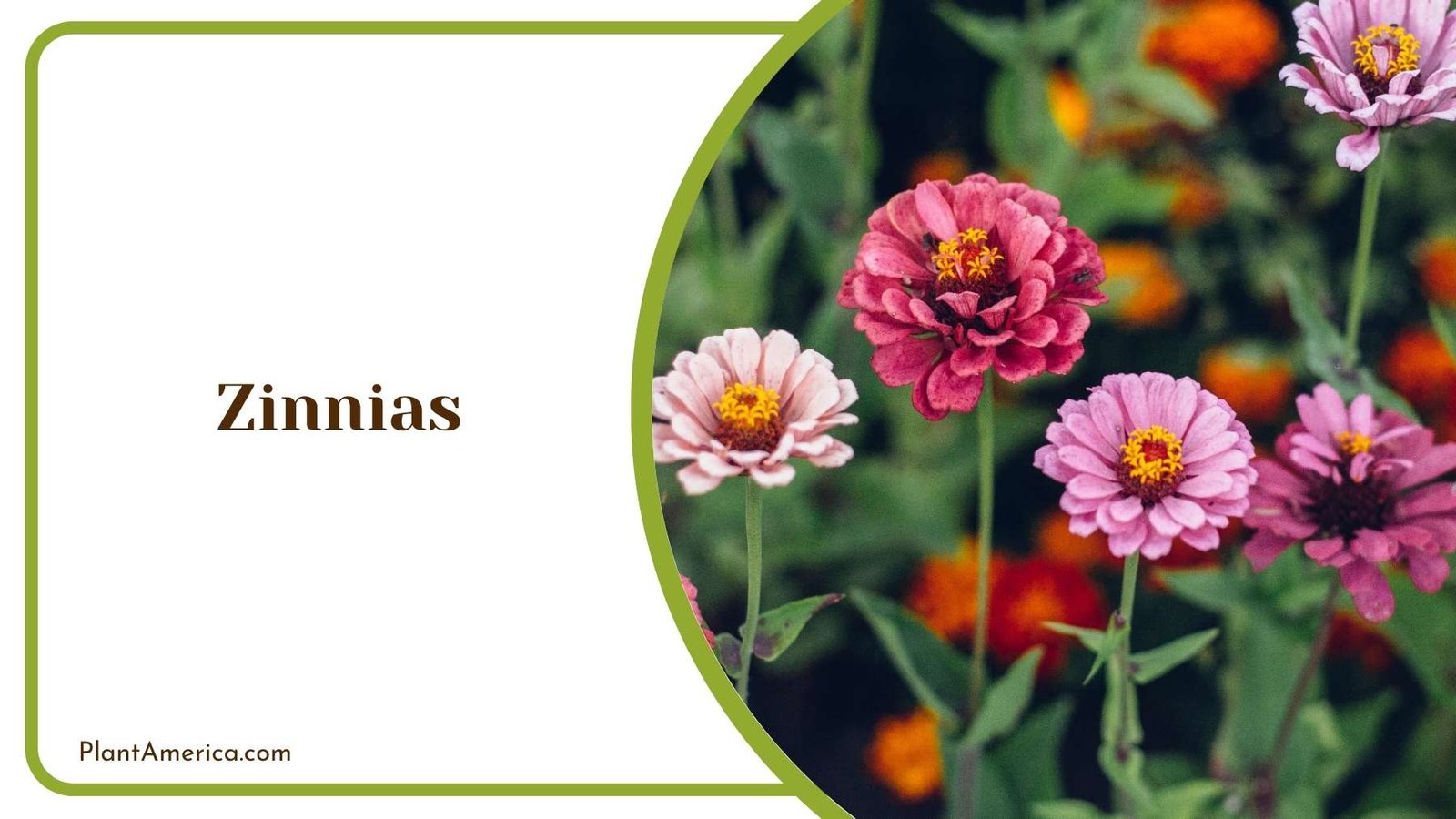
- Growing Season: Summer, Blooms until first fall frost
- Leaf Shape: Simple, ovate leaves, Grayish-green foliage
- Specific Needs: Full sun, Well-draining soil
- Common pests: Aphids, Thrips, Powdery mildew fungus
Zinnias add carefree, colorful exuberance to garden borders from summer deep into the sunny days of fall. Ablaze with skies of oranges, soft pinks, vibrant yellows, and warm reds, their rounded blooms dance on sturdy stems perfect for long-lasting cut bouquets.
Trailing zinnia varieties tumble gracefully over low garden walls and ledges, cascading color wherever placed. More bushier typed zinnia cultivars punctuate planting beds with their rounded shapes and eye-catching hues.
These plants spent blooms promptly through the warm months and extend their continuous bloom, rewarding gardeners with an even longer show. As easy annuals needing little beyond average fertile soil and full sun, zinnias flourish as a peaceful summertime oasis for all pollinators.
Bees, butterflies, and hummingbirds flock to their nectar-rich blooms for sustenance and nectar. Amongst other flowers and plants filling cottage gardens, zinnias act as a cheerful beauty, furthering the carefree atmosphere with their charming exuberance.
Visitors and passersby find themselves pausing to admire the mounds of colorful stars lighting up borders. Come autumn; zinnias remain to bolster other perennials still blooming until frosts finally usher in a well-earned dormant period for the season.
Their reliable charm ensures zinnias will have an honored place in gardens, seeking summertime smiles and pollinator appeal for years to come.
17. Marigolds
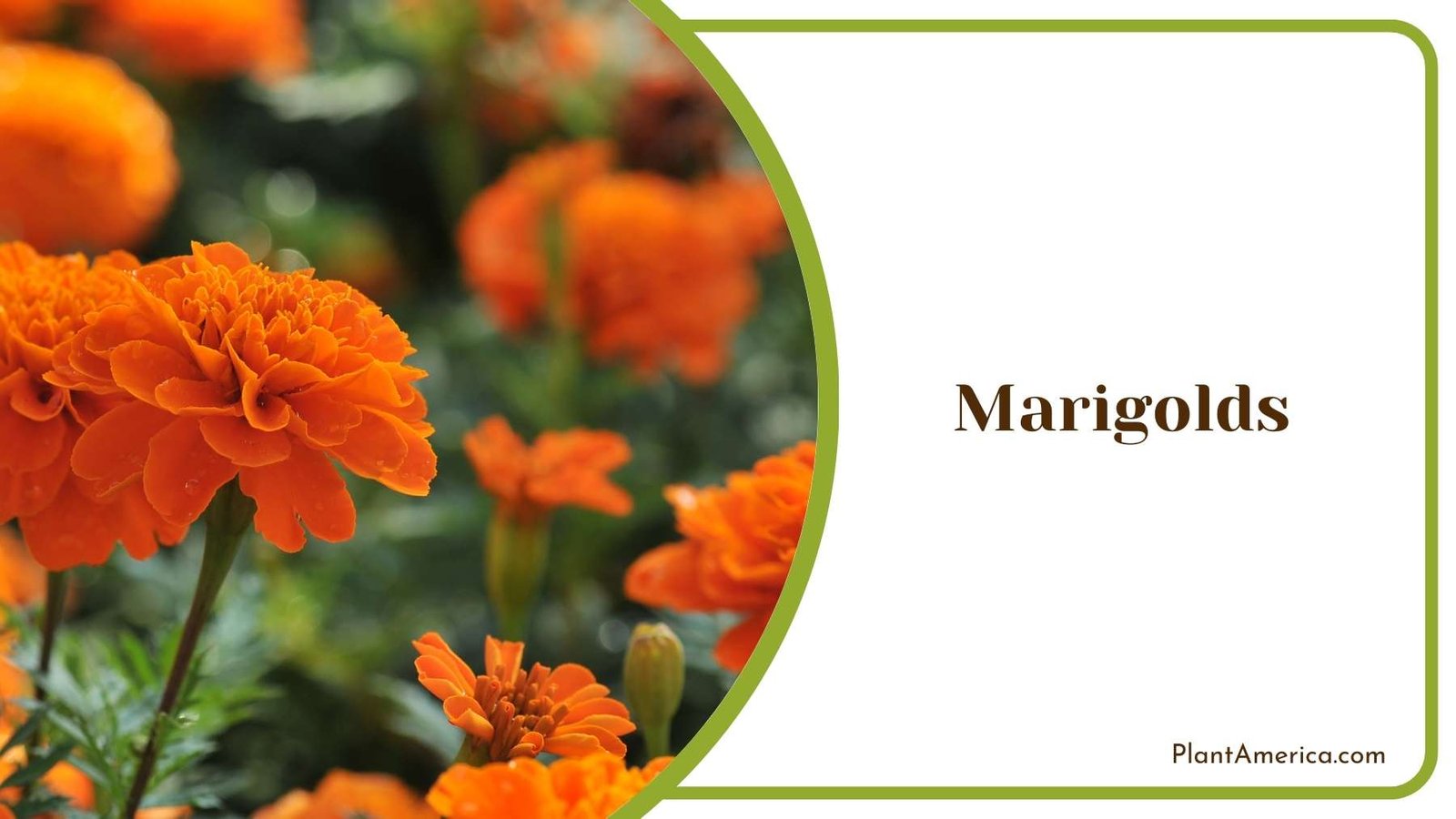
- Growing Season: Summer, Blooms until first fall frost
- Leaf Shape: Scattered leaves along stems, Dark green foliage
- Specific Needs: Full sun, Well-draining soil
- Common pests: Aphids, Spider mites, Powdery mildew on leaves
Bright faces of marigolds generously populate garden borders and containers from the warm summer days deep into the colorful fall season. Represented by delicate single blooms and lush, full French varieties, their rounded flowers span cheerful hues across the color wheel, from sunny yellows to vibrant oranges and warm golds.
Marigolds act as invaluable companion plants, giving gardeners weeks of delight with their non-stop cascades of color. Their presence helps repel damaging pest insects from nearby crops while attracting valuable pollinators and beneficial insect allies.
Ever well-suited to hot, arid climates and conditions, hardy marigolds withstand extreme heat and drought remarkably with minimal resources or care. Their reliability allows marigolds to thrive even in the most challenging spots where other less durable blooms may fail.
Simple deadheading of spent blooms helps further elongate each variety’s blooming cycles, rewarding dedicated gardeners with an even longer lovely show.
As easy, dependable annuals that only enhance landscapes and gardens graced by their presence, marigolds cast a warm, cheery glow wherever they take root that lifts spirits on even the hottest days. Their determination ensures that marigolds will maintain protected roles in cottage gardens for future seasons.
18. Cosmos
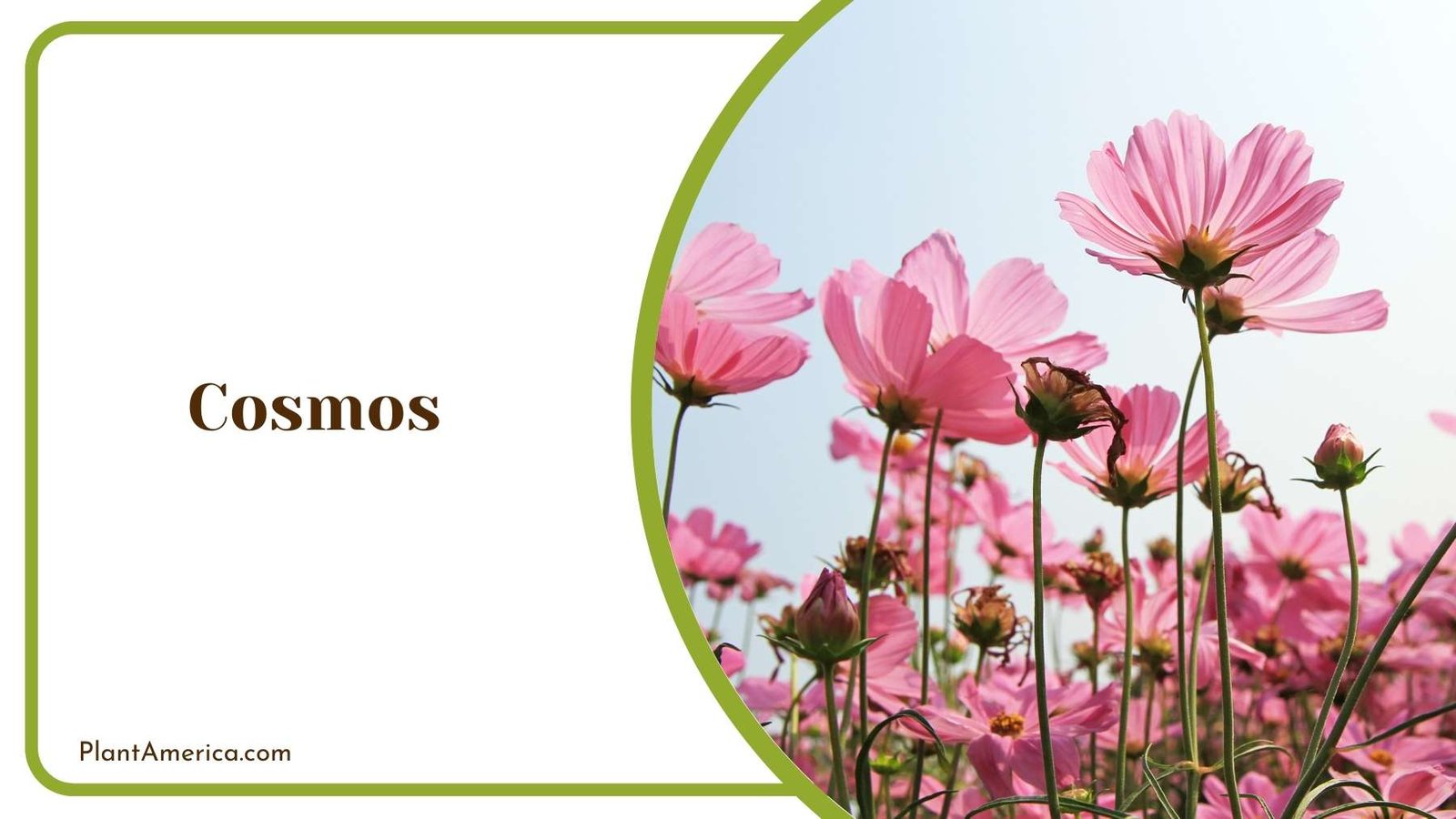
- Growing Season: Summer, Blooms until the first fall frost
- Leaf Shape: Ferny, Bi-pinnate leaves, Green foliage
- Specific Needs: Full sun to partial shade, Moist, well-drained soil
- Common pests: Aphids, Spider mites, Powdery mildew fungus
Effervescent cosmos wave bright blossoms on airy, delicate stems through gardens during the lively summer days. Their blooms reached from soft floating pinks out to stark whites, dancing on the breeze and lightening any space.
As essential to bountiful cutting displays as the wildflower meadow, prolific cosmos continued rewarding gardeners with new blooms far longer than many other annuals until the first chill of autumn arrived.
Requiring little care beyond preparation of average fertile soil with adequate drainage, hardy cosmos thrived with minimal fuss. Occasional protection from rare sucking pests like aphids or potential powdery mildew ensured continued prolific blooming through warmer months.
Ideal for filling spacious gaps left between winding perennials, cosmos allowed naturalizing in open areas with their carefree spirit.
Butterflies and pollinators were drawn to sip nectar from countless blooms, mercifully providing sustenance. Cosmos happily self-sowed patches each summer wherever conditions permitted, indulging the whimsical free spirit nature intended without intervention.
Come fall, their lax stems dotted meadows and beds with seeds for next year’s generation until falling away with nighttime frosts.
Through minimal maintenance, gardens overflowed with light, airy cosmos waves dancing on the breeze. Their prolonged magic blooming cycle indulged summer’s carefree soul with natural pastoral beauty needing little more than soil, sun, and water’s blessings.
19. Sunflowers

- Growing Season: Summer, Blooms until the first fall frost
- Leaf Shape: Alternate, lance-shaped leaves, Grayish-green foliage
- Specific Needs: Full sun, Well-draining, nutrient-rich soil
- Common pests: Bird and rodent damage, Powdery mildew, Rust and blights
Bright sunflowers stand proudly among summer’s tallest blooms, smiling down from towering heights. Gardeners have various options, including diminutive potted varieties perfect for patios up to huge giants meant for cutting bounties or casting their golden glow across backyards.
Freely self-seeding each year happily in scattered meadowlike patches, sunflowers attract browsing wildlife with their seeds and diligently working bees and pollinators seeking nectar.
Once firmly established in fertile soil with nothing more than average weekly waterings, hardy sunflowers demonstrate resilience to withstand the hottest summer temperatures and sporadic dry spells.
Remaining susceptible to few potential pests like birds or pests seeking seeds, sunflowers reward dedicated growers with vibrant sunny faces turning to track daylight from early summer until autumn’s chilled breeze whispers hints of the coming change in seasons.
Acting as proud botanical beacons for yards each year with their towering growth, sunflowers embody the spirited, carefree days of summer for all to enjoy.
Their golden blooms of different sizes lift moods and add an instant nostalgia for warmer months past to any garden lucky enough to host their generous natural show. Long after blooms fade, ornamental seed scales and foliage entertain birds through migration seasons before returning nutrients to the earth come spring.
Countless sunflower fans ensure these symbols of summer sunshine will remain welcome companions in gardens everywhere.
20. Lavender
- Growing Season: Late spring to early summer, Blooms consistently with care
- Leaf Shape: Aromatic, gray-green leaves, Tight clusters
- Specific Needs: Full sun, Well-draining, alkaline soil
- Common pests: Aphids, Spider mites, Powdery mildew fungus
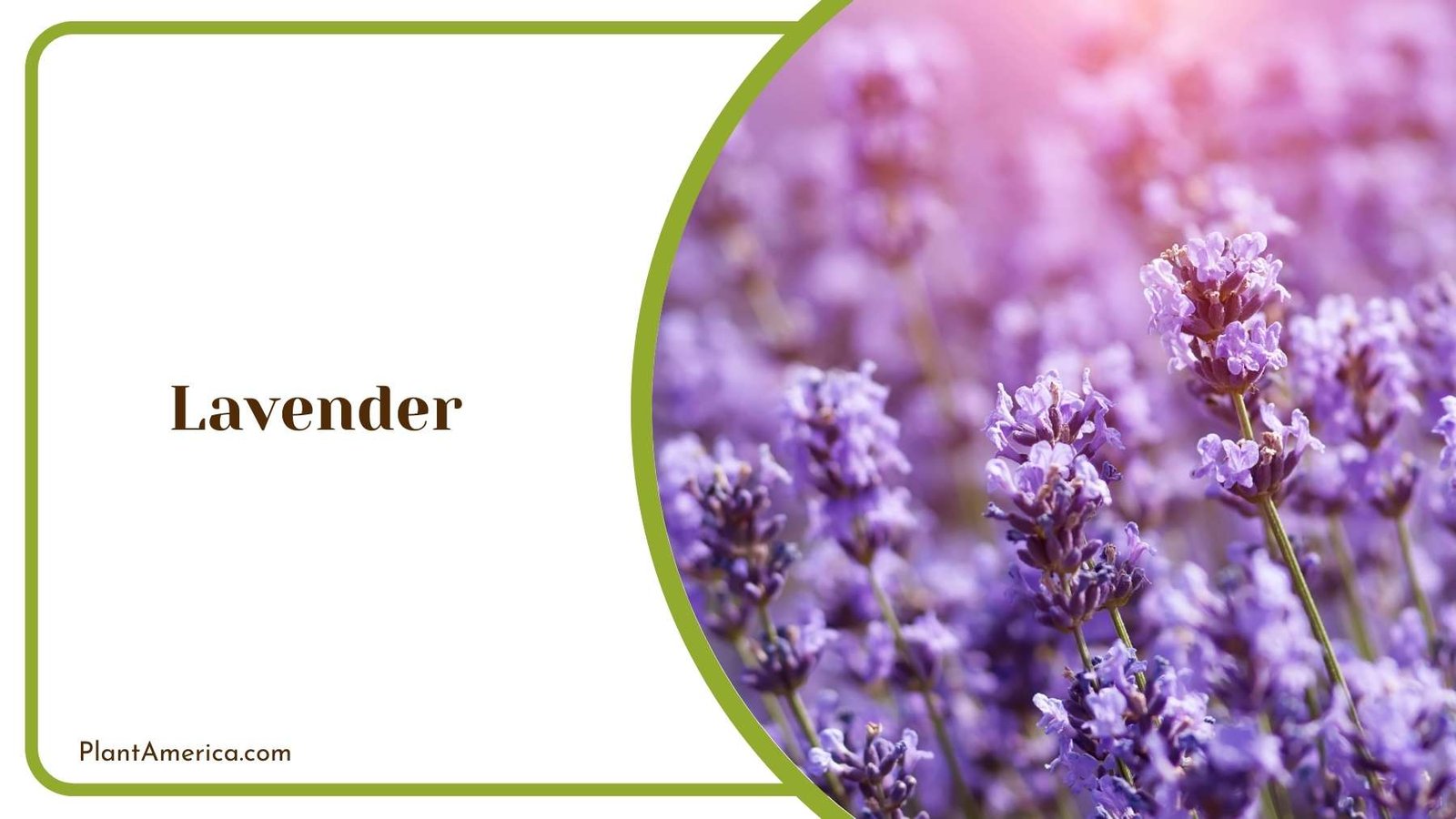
Lavender graces gardens with calming purple, pink, and white hues while emanating a wonderfully intoxicating fragrance. Evergreen bush varieties accumulate over time to form handsome low hedges and groundcovers resembling rosemary that waft soothing scents along pathways.
Thriving in lean, infertile soils with its hardy nature, lavender stands stoically against summer’s dry spells and heat, equipped with aromatic oils to repel a few potential insect pests and browsing fauna.
With judicious pruning of spent blooms before monsoonal downpours arrive, prolific lavender produces abundant flowers well into late summer and early fall.
The blooms can be harvested for various culinary uses, from teas to jams or pressed into fragrant sachets.
Crafters also delight in weaving lavender buds and spikes into potpourris, soaps, and dozens of other botanical creations that spread its calming signature. Throughout warm seasons, lavender attracts swarms of busy pollinators like bees and butterflies, providing important nectar and pollen to support thriving hives.
Come early autumn, distillation of the fragrant spikes’ essential oils using steam extracts the purified essence, offering additional wellness benefits.
The resulting lavender oil can then be diffused for tranquility, used to soothe sore muscles, or added to cleaners as a non-toxic alternative, infusing any space with its relaxing ambiance.
With such a low-maintenance nature, versatile uses, and feelings of serenity evoked, lavender remains a staple plant for any garden.
21. Petunias
- Growing Season: Summer, Blooms consistently all season
- Leaf Shape: Simple, oppositely arranged leaves, Greenish-gray foliage
- Specific Needs: Full sun to partial shade, Well-draining, moist soil
- Common pests: Petunia blight disease, Mites, Aphids
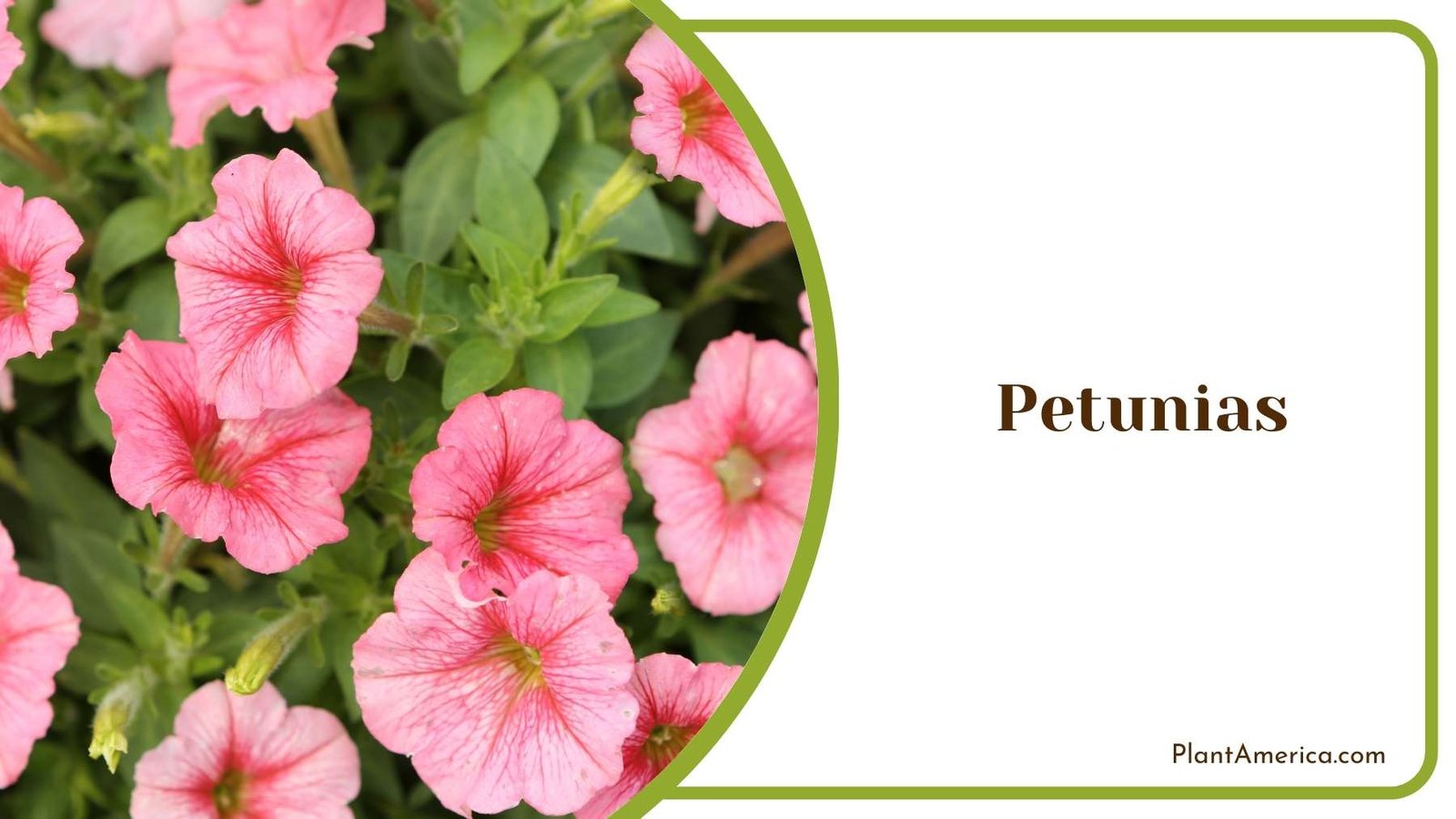
Dramatic petunias fill containers, hanging baskets, and garden beds with lively splashes of spirited color from early summer until fall. Boasting both delicate, ruffled single blooms as well as cascades of voluptuous doubles, their trumpet-shaped flowers appear in a wide palette ranging from soft floating pinks to rich, deep purples, crisp whites, and vibrant, eye-catching reds.
Whether trailing vines ideal for overflows or more upright varieties held bushy, petunias reward dedicated gardeners with prolific non-stop reblooming continuously through regular deadheading of spent flowers.
The process eliminates seed formation and directs energy back to additional blooms, keeping displays full and vibrant all season with minimal fuss.
Easy to grow from seed or transplants yet always presenting show-stopping floral arrangements, hummingbirds and butterflies alike are drawn to sip copious nectar from petunias’ trumpet corollas. Their attractions extend colorful blooms’ beauty beyond gardens to delight neighborhood onlookers.
Petunias thrive brilliantly with only occasional pruning to maintain shape and protection from sap-sucking pests like leafhoppers or spider mites. Even novice green thumbs succeed with these carefree annuals that impose few demands beyond average fertility and drainage.
Gracing patio containers and garden beds alike with joy, petunias epitomize effortless seasonal color. Their exuberance sees gardens and hanging baskets alike dripping with vibrant smiles through warm days blessed by sunshine and songbirds to come.
22. Forget-Me-Nots
- Growing Season: Spring, Blooms earliest in cool weather
- Leaf Shape: Opposite, oval leaves, Medium green
- Specific Needs: Partial shade to full shade, Moist, well-draining soil
- Common pests: Slugs, Aphids, Snails
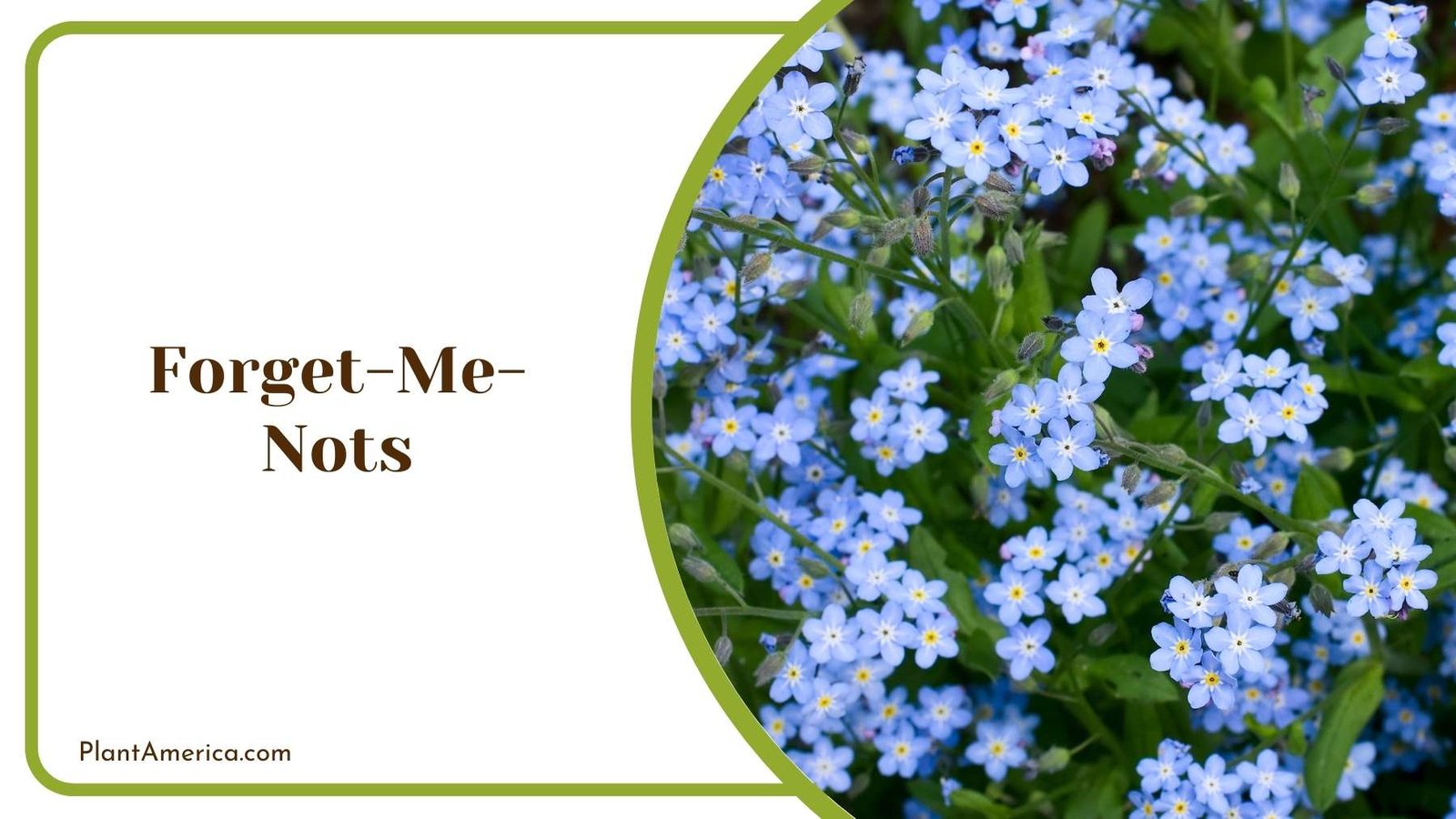
Delicate forget-me-nots carpet damp nooks with azure blooms evoking memory and loyalty. Self-sowing for many springs to come, forget-me-nots emerge briefly before foliage forms to attract bees and Lepidoptera with ample pollen and nectar.
A humble ephemeral flower bringing change and hope, forget-me-nots naturalize comfortably under trees as ground cover, minimizing core requirements to occasional weeding.
Come every early spring, these resilient harbingers reward woodland walks and shaded gardens with fuzzy faces reminding joy found in simplicity and nature’s renewal throughout all seasons.
23. Lily of the Valley

- Growing Season: Late spring, Blooms early alongside leaves
- Leaf Shape: Linear leaves in dense clumps, Dark green foliage
- Specific Needs: Partial shade to full shade, Moist, rich, well-draining soil
- Common pests: Slugs, Scale insects
Delicate lily of the valley charms woodland edges each spring with dangling bells of true white. Emerging briefly as ground cover before foliage forms, lilies of the valley naturalize, forming dense patches while attracting myriad pollinators.
Content in shady retreats with consistent moisture, lily of the valley perfume the senses, and light-dappled spaces with feathery blooms. Once established, this ephemeral harbinger of warmer days ahead demands little care beyond yearly division and spreading segments with runners under leaf litter.
Lily of the Valley demonstrates natural wonders found through patience alongside modest garden companions.
24. Morning Glories

- Growing Season: Summer, Blooms most profusely in the morning
- Leaf Shape: Heart-shaped leaves, Scalloped margins
- Specific Needs: Full sun, Moist, well-draining soil
- Common pests: Aphids, Caterpillars
Romantic morning glories awaken summer gardens with spiraling blooms of blue, purple, pink, and white peeking open at dawn’s first light. Climbing vines soften arbors, fences, and trellises, lending whimsy and East Asian artistic charm.
Self-seeding readily for many summers’ entertainment, morning glories demand little aside from average soil and room to run.
Letting vines scramble freely inspires delight in their fleeting summer ballet witnessed each new day through carefree blooms. Thoughtful gardening allows morning glories to spread natural beauty and wonder without restraint.
25. Geraniums
- Growing Season: Spring through fall, Tolerates temperature extremes
- Leaf Shape: Palmately lobed leaves, Grayish-green leaves
- Specific Needs: Partial sun to full shade, Well-draining soil
- Common pests: Whiteflies, Spider mites
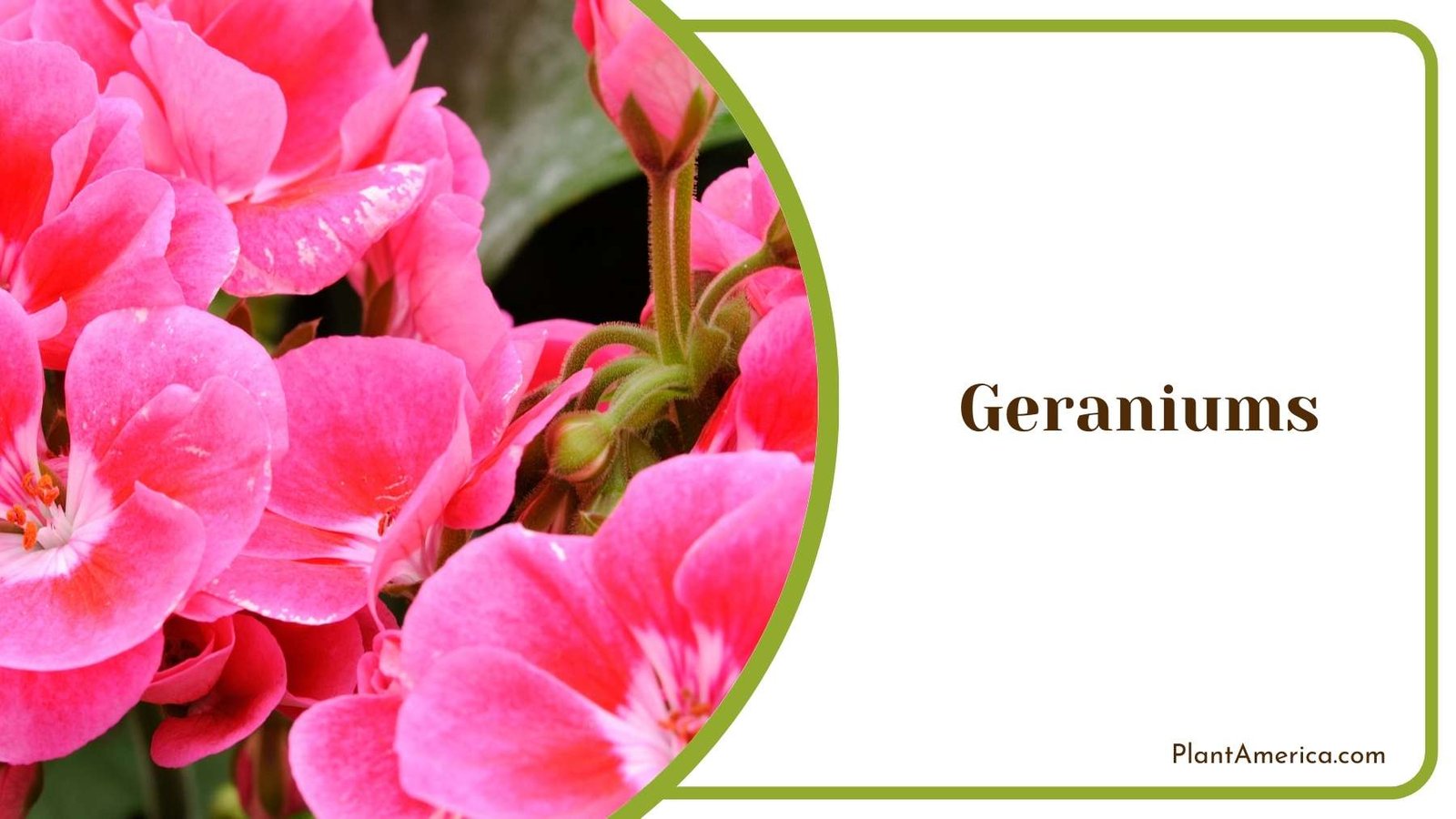
Showy geraniums pep up patios and beds dressed in ruffled blooms through myriad temperatures. From trailing ivy types spilling over walls to upright zonal overflowing baskets, geraniums come in a rainbow of reds, pinks, whites, and purples.
Zones and regrowth give way to new, colorful growth, whether deadheaded or spent. Drought resistant and requiring only average drainage for prolific rebloom, geraniums contribute carefree beauty, flawlessly matching urban or rural gardens, braving heat and cold alike with aplomb.
Versatile geraniums hold steadfast charm through fickle seasons, delighting all who pause to admire.
26. Astilbes

- Growing Season: Late spring to early summer, Blooms alongside emerging foliage
- Leaf Shape: Fern-like, lobed leaves, Glossy, green foliage
- Specific Needs: Partial shade to full shade, Rich, consistently moist soil
- Common pests: Thrips, Leaf miners
Feathery plumes of astilbes arise in shades of pink, white, and red, creating an ethereal layered effect beneath trees and among lush foliage. Evergreen leaves maintain interest year-round, while late fluffy blooms attract lingering pollinators with abundant nectar.
Neither fussy nor bothered much by pests, astilbes thrive naturally in damp woodland gardens with soil rich in organic matter.
Forming shapely clumps requiring little more than occasional division, graceful astilbes lend feminine beauty and texture alongside other shade perennials, bringing valued color through peaceful settings each new season.
27. Hostas

- Growing Season: Summer, Remains green throughout the season
- Leaf Shape: Oval, pointed or heart-shaped leaves, Vibrant shades of green
- Specific Needs: Partial shade to full shade, Rich, consistently moist soil
- Common pests: Slugs, Snails
Decorative hostas dress shaded corners in leaves from apple green to silvery blue year-round. Come summer, hostas delight with lavender spires of bells evoking woodland quiet. Requiring little attention past occasional division to share, hostas thrive easily with minimal upkeep, admirably filling space under trees.
From dramatic cultivars to classic green species, diverse hosta varieties lend beauty, adapting harmoniously among other shade companions needing consistent moisture as the sun decreases.
Hostas’ foliage drama provides enduring interest to woodsy nooks with peers.
28. Dahlias

- Growing Season: Summer, Blooms until first fall frost
- Leaf Shape: Palmate leaves in clusters, Grayish-green hues
- Specific Needs: Full sun, Rich, consistently moist soil
- Common pests: Aphids, Thrips, Rare mildew
Show-stopping dahlias dazzle borders with eye-catching blooms resembling pom-poms, cactus blooms, and more in vibrant hues along vibrant foliage. Tubers dug and stored indoors overwinter to produce successive seasons of beauty, adapting to countless garden styles.
Pollinators benefit hugely from extended flowers attracting bees, butterflies, and hummingbirds. Requiring minimal care beyond staking taller cultivars and occasional division, reliably resurrecting dahlias light up each summer anew along meager companions.
Profuse rebloom on these hassle-free beauties continues cheering onlookers until touched by the first autumn chill.
29. Camellias

- Growing Season: Winter and early spring, Blooms alongside evergreen foliage
- Leaf Shape: Oval to oblong leaves green, Leathery foliage
- Specific Needs: Partial shade to full shade, Acidic, moist, well-draining soil
- Common pests: Aphids, Tee scale
Handy camellias relieve winter doldrums with vibrant blooms spanning from single to peony-like doubles in shades of pink, red, and white. Evergreen shrubs contribute year-round interest, with thick foliage ideal for foundation plantings.
Once established in acidic soil and consistently moist beneath trees, camellias require little more than occasional pruning. Withstanding drought and cold successfully, camellias thrive steadily, giving migratory songbirds winter berries to eat.
Minimal upkeep rewards with seasonal cheer, delighting anyone fortunate enough to glimpse camellias’ tenacious beauty through colder months.
30. Daffodils

- Growing Season: Early spring, Blooms ahead of emerging foliage
- Leaf Shape: Long, narrow, tubular leaves, Medium green
- Specific Needs: Partial shade to full sun, Well-draining soil
- Common pests: Thrips, Leaf scorch
Harbingers of spring renewal, daffodils spread cheer with nodding golden bells in one true shade. Naturalizing freely as grasslike bulbs, daffodils return consistently for many seasons without replanting.
Whether massed along walkways, creeping among perennials, or dotting meadow fringes, daffodils cast a warm glow before greenery emerges.
Requiring no more than average drainage, daffodils spread selflessly, giving all onlookers a bright reminder of nature’s cycle in full swing once again each new spring. Minimal care grants everlasting joy to these resilient beauties.
31. Carnations
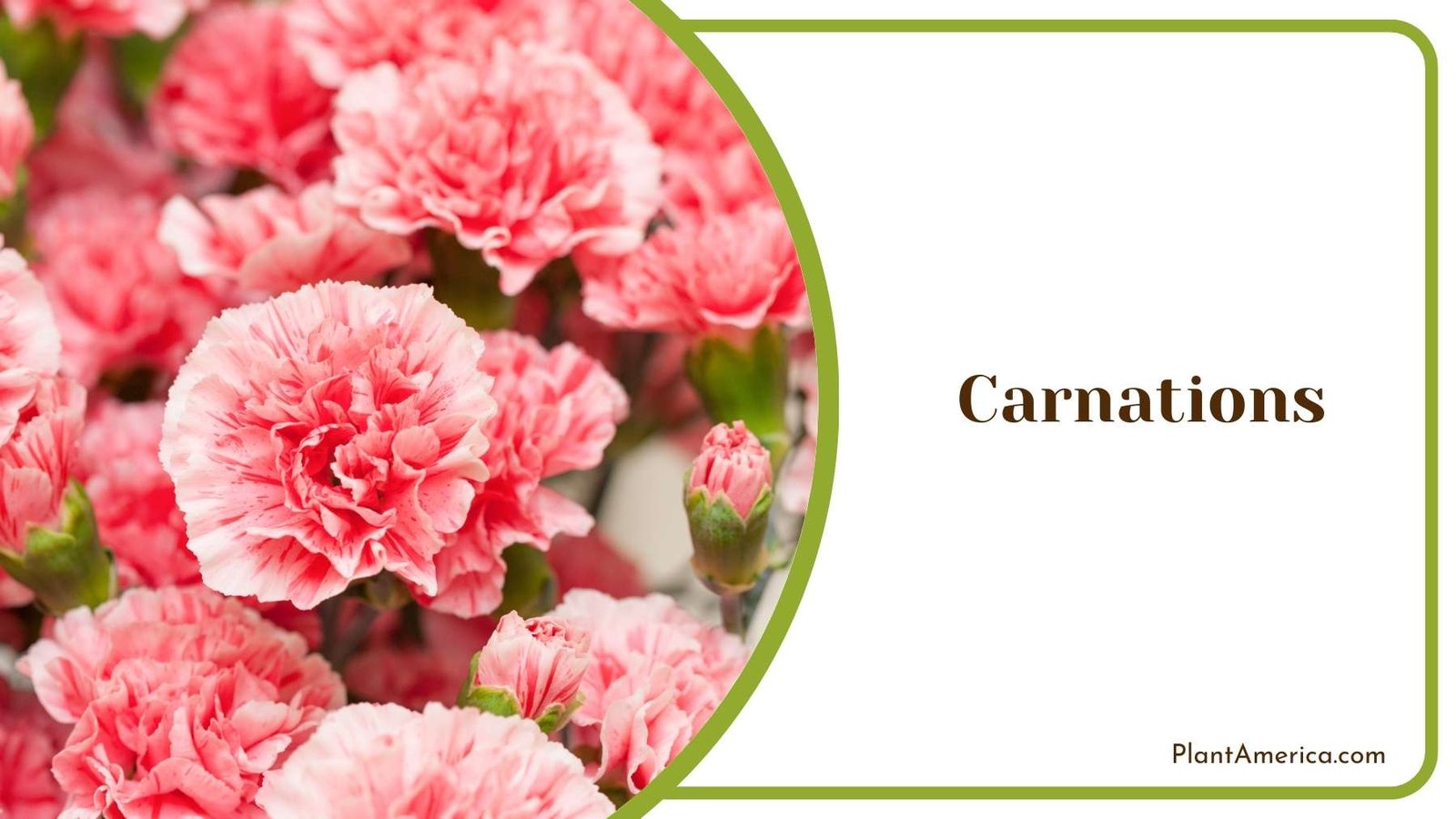
- Growing Season: Late spring through early fall, Blooms consistently with care
- Leaf Shape: Alternate, lance-shaped leaves, Green foliage
- Specific Needs: Full sun, Well-draining, moderately fertile soil
- Common pests: Aphids, Powdery mildew
Fragrant carnations light gardens with cheerful blooms resembling puffs of color in reds, pinks, and whites through late spring and summer. Both annual and perennial varieties provide Pollinators snack on sturdy stems perfect for cutting.
Deadheading faithfully prolongs carnations’ display while encouraging rebloom all season.
Though often overlooked, carnations thrive with consistent sun and soil drainage, needing minimal attention.
On each new day, carnations’ animated faces lift spirits, reminding us to slow down and enjoy the simple beauty of nature’s tranquil colors.
32. Orchids

- Growing Season: Year-round bloom for some species profusely at different times
- Leaf Shape: Thick, fleshy leaves, Flat foliage with vibrant shades of green
- Specific Needs: Indoor: bright light, warmth, Outdoor: well-drained soil mix
- Common pests: Scale, Mealybugs, Fungi rarely
Graceful orchids add exotic lushness to any space. Vibrant blooms occur in unexpected patterns, attracting pollinators and admirers alike with unique beauty. Greenhouses foster perfect conditions for classics from phalaenopsis to cymbidium orchids to bloom consistently.
Heartier orchid varieties thrive outdoors in rich mixes with afternoon shade and seasonal division after dormancy. Intricate blooms inspire wonder from window sills to conservatories through year-round bloom rotations happening naturally with care in specialized environments precisely tailored to each orchid’s likes.
Conclusion
Here, we have a good list of beautiful seasonal flowers to brighten gardens with vibrant colors this spring.
- Lavender graces gardens with calming purple, pink, and white hues while emanating a wonderfully intoxicating fragrance.
- Effervescent cosmos wave bright blossoms on airy, delicate stems through gardens during the lively summer days.
- Magnificent magnolias stood tall as garden botanical beacons, boasting exquisite goblet-shaped blooms displaying delicate colors.
With such a diverse mix of spring ephemerals, annuals, bulbs, and perennials highlighted, any garden can be brought alive with seasonal color by simply selecting a few flowers to suit personal preferences and landscape needs.