
How to transplant Lily of the Valley plants is a technique that most gardeners would love to have. If you’re one of them, then our guide is right up your alley!
How To Transplant the Lily of the Valley
To transplant the Lily of the Valley, start with picking the right time, preparing the site, digging it up, dividing it as needed, and replanting it in the new area. After being rehomed, you can then water, mulch, and provide the proper plant care to your Lily of the Valley.
Let’s get into the details.
1. Choosing the Right Time
We suggest doing the transplanting of your Lily of the Valley plant during the dormant periods of the year. This usually falls during late fall or early spring. Dormant periods like these mean that the plant is not actively growing. Under this condition, there is a lesser risk of transplant shock.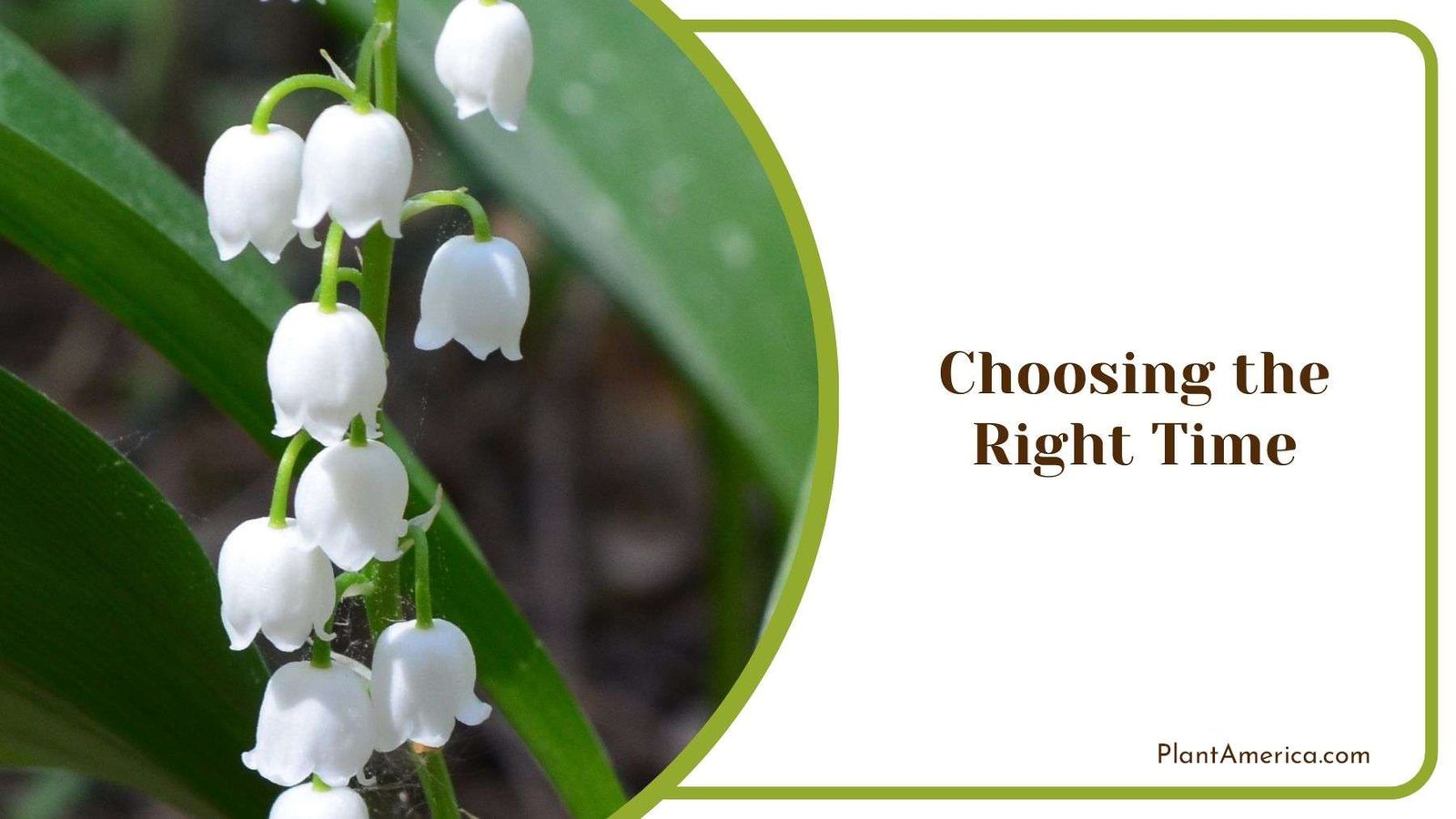
Transplant shock often happens when a plant is uprooted and relocated. The process can stress out the plant, leading to wilting leaves, stems, and even eventual death of the plant. By selecting the right time to transplant, you prevent your Lily of the Valley from experiencing this unwanted condition, allowing a smoother transition that promotes healthier plant growth.
2. Preparing the New Site
Not only does picking the right time matter, but selecting a suitable site is also important. Look for a spot that receives partial to full shade. This shaded protection can help your Lily of the Valley avoid harsh sunlight. Harsh sunlight can easily stress out relocated plants, and the Lily of the Valley is no exception.
On top of that, make sure the spot has well-draining soil, preferably high in organic content. If there are weeds, rocks, or debris, clear them away prior to transplanting. If you notice that the soil is particularly high in clay, add compost and dried manure to make the drainage better. Remember, it’s better to keep damp soil over waterlogged soil to avoid root rot.
3. Digging up the Lily of the Valley
Now it’s time to dig up your precious plant. When digging up the Lily of the Valley plant, you should be careful as it can be a delicate specimen. Insert a garden fork or shovel gently into the soil. Make sure that it’s around the base of the plant, about several inches from the plant stems.
This way, you avoid potentially damaging the roots under the plant. Work your way around the perimeter of the plant. Try to keep as close to the root ball as possible without damaging it with your digging instrument. Once you’ve circled around the plant, gently shake it loose. If you shake it roughly, you might damage the roots, which can be sensitive and delicate.
Now, lift up the entire Lily of the Valley clump. You want to keep the root ball as intact as possible at this point. As you lift the clump off the ground, gently shake the excess soil. This will help you check the root system better before proceeding with the transplant.
4. Dividing the Clumps
Here, you have the option of keeping the Lily of the Valley clumps as is, or you can divide them. Most of the time, Lily of the Valley plants can get pretty densely clustered as they mature. Your transplant presents a wonderful opportunity for you to divide these clumps into smaller individual plants. This way, you ensure that each division will have its own set of healthy roots and leaves.
Now, how to divide Lily of the Valley, you might ask? You can start by separating the clump that you just dug out. You can use a garden fork, a sharp knife, or other tools, but to make the whole process gentler, we suggest using your hands.
You can pull them apart and they’ll naturally break off into individual rhizomes. Some clumps can get a bit tougher to separate, so you can use gentle pressure for them. Make sure that each clump has at least a set of roots and leaves intact.
Dividing the Lily of the Valley actually benefits them. When they grow in large clumps, growth can become constrained. Under this condition, the plants can end up with fewer flowers and decreased health. By dividing them, you encourage growth plus you end up with more plants.
5. Replanting in the New Location
Now that you have your clumps ready, you can begin to dig holes in your preferred spot for your new Lily of the Valley plants to grow. When digging the holes, make sure that they’re slightly larger than the root systems of the divided clumps. Make sure that each hole is about six to twelve inches apart to allow enough room for the plants to grow and spread.
Place each division gently into each hole, positioning them at the same depth that they were originally grown. By planting them at similar depths, you increase the chances of helping them establish themselves faster. As each division is planted, carefully pat down the soil to eliminate any air pockets.
6. Mulching the Plants
Once the soil around the plants has been watered thoroughly, you can add some mulch around your plants. Mulch plays several important roles in keeping your Lily of the Valley plants healthy during this phase.
First, it retains moisture in the soil and prevents water from evaporating too quickly. This means you get to water your plant less. Second, it works as a natural barrier against weeds. Weeds can quickly take over the space, competing with your Lily of the Valley plants for water, light, and nutrients.
Finally, mulch keeps the soil temperature consistent. Meaning, it’ll help keep the soil warm during colder seasons and cool during blazing summer days. This way, your plants get to enjoy a more stable and nurturing environment that will eventually encourage them to thrive and bloom.
7. Maintenance and Care
Once your plants find their new home, you must keep an eye on their moisture levels. Make sure the soil stays moist but not overly soaked since these plants prefer a touch of dampness. During the growing season, think about giving them a good, deep watering to help those roots grow strong.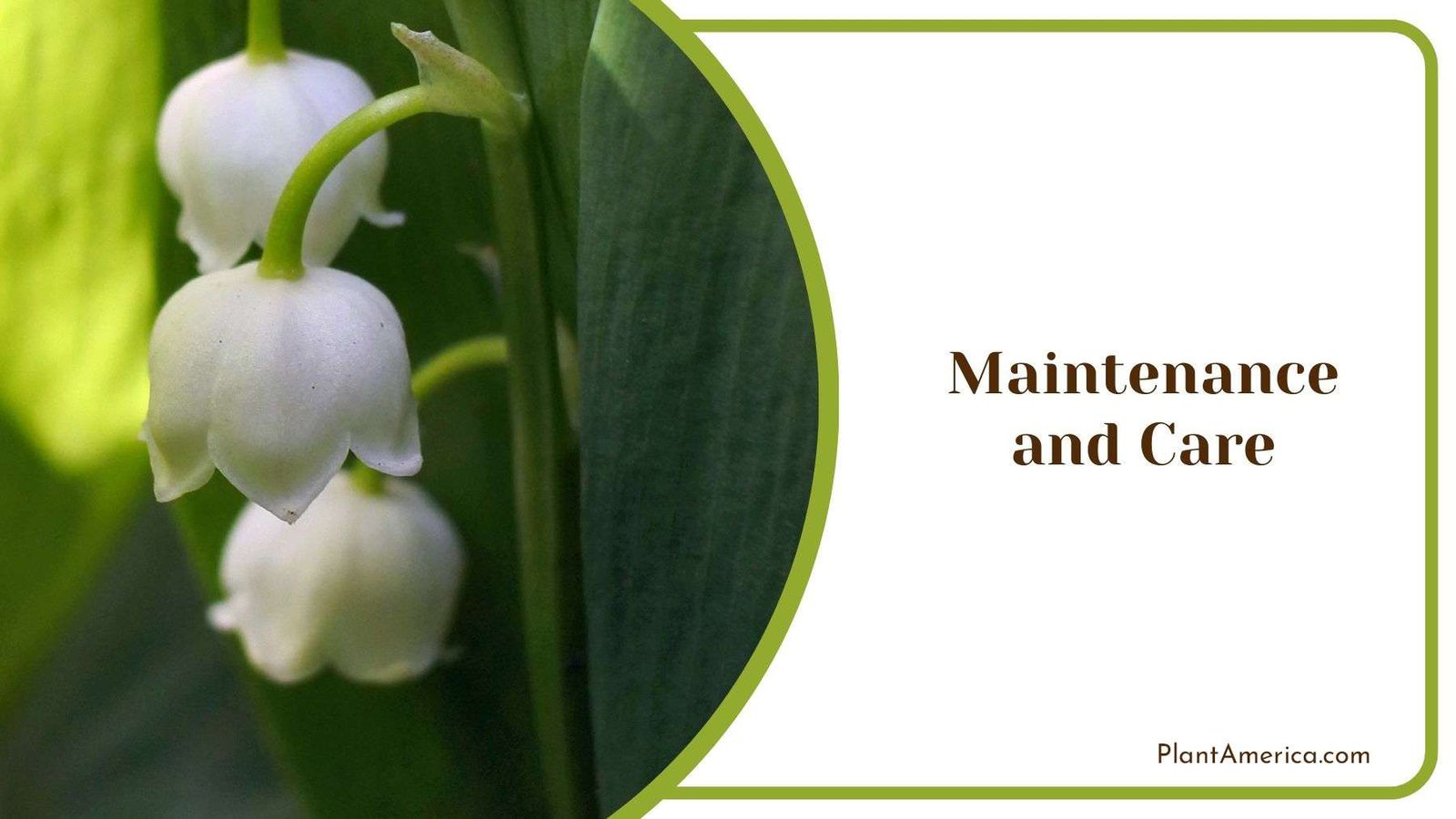
Fertilization is a big deal when it comes to keeping your Lily of the Valley thriving. When spring arrives, and those new shoots start to pop up, give them a boost with a balanced, all-purpose fertilizer. Follow the instructions on the label to get the application just right.
While your plants keep growing, stay vigilant for any signs of trouble like pests or diseases. Look closely at the leaves and stems for odd spots, color changes, or hints of pesky critters. Catching issues early and treating them promptly can save your plants from bigger problems down the road.
Lastly, when the seasons shift, it’s a good idea to keep your garden tidy. Get rid of those spent flowers and any leaves that have turned yellow or brown. This not only keeps things looking neat but also helps stop potential diseases from taking hold.
Factors to Consider for Transplantation of Lily of the Valley
Relocating this plant involves several factors such as timing, soil, watering, temperature, and light. Let’s look at each factor in detail.
– Best Time to Transplant
Transplanting lily of the valley in spring or fall is best when the plant is not actively flowering. Transplanting during these periods allows the plant to establish itself before the stress of summer heat or winter cold.
– Soil and Fertilization
Lily of the valley prefers well-draining, humus-rich soil. Prepare the new planting site with compost or organic matter to improve soil quality.
– Watering (Before and After Transplanting)
Water deeply a day or two before moving it. After transplanting, keep the soil consistently moist for the first few weeks to help the plant establish its roots.
– Temperature Requirements
Lily of the valley prefers cool to moderate temperatures. Avoid transplanting during extreme heat or cold spells. Mild, overcast days are ideal for minimizing stress on the plant during the transplantation process.
– Proper Pot (Potting Medium) or Ideal Spot
If you’re transplanting lily of the valley into a pot with drainage holes, use a well-draining mix with compost. For outdoor transplantation, choose a shady or partially shaded spot with protection from harsh afternoon sun.
– Light Requirements
Lily of the valley thrives in dappled or partial shade. Too much direct sunlight can scorch the leaves and stress the plant, leading to a failed transplant.
Conclusion
The process to transplant Lily of the Valley is actually pretty simple and easy if you think about it. Let’s go over some of the most important takeaways from this guide, shall we?
- Lily of the Valley transplanting is best done during dormancy, around late fall or early spring.
- Choose a new site with partial to full shade and well-draining soil.
- Divide clumps for propagation and rejuvenation during transplanting.
- Water thoroughly after transplanting and maintain consistent moisture.
- Fertilize in spring, inspect for pests, and practice good garden hygiene for healthy growth.
With these instructions in your hands, you’re bound to grow more of these delightful plants, filling your garden with their lovely and delicate fragrances once their flowers show up!