
“How to transplant canna lilies” is a common question among gardeners and plant lovers alike. To successfully transplant these lilies, select the right time and temperature, prepare the hole, and plant the lily.
In this guide, we will share some expert insights on transplanting these beautiful lilies step-by-step like a pro.
Factors To Keep In Mind While Transplanting Canna Lilies
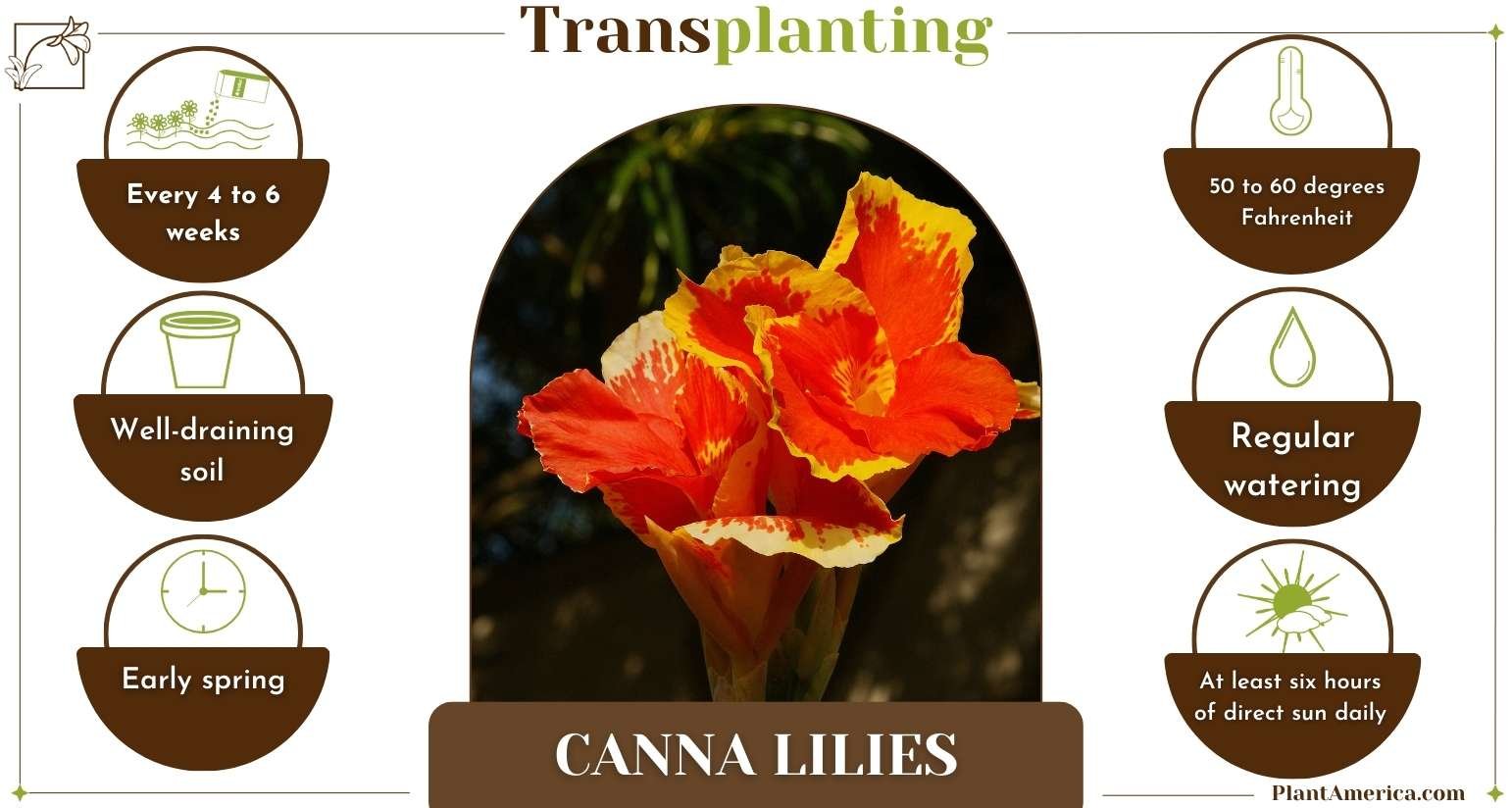
When transplanting the canna lilies, consider factors such as light and temperature requirements, potting medium, and fertilization. Also, make sure to consider watering, fertilization, and the best time to transplant. All these factors collectively decide the success of the transplantation process.
– Light Requirements
For any plant, sunlight is one of the most essential components. It is not like an ordinary source of light. It is their secret to growing and blooming.
Lilies are sun-loving plants that need much daily sunlight to survive. Ideally, they should receive at least six hours of direct sun daily. This exposure is crucial for their growth and flower production.
If you plant them in a shady area, they may grow but produce fewer flowers. Thus, for transplanting, choose a sunny location in your garden where they can get ample sunlight throughout the day.
– Temperature Requirements
Another vital factor to consider is temperature. Like human beings, plants also need an ideal temperature range to survive. With perfect temperature, plants can live and grow happily, while they may stop growing in case of any fluctuation.
Canna Lilies are tropical plants, and they love warm temperatures. They thrive in temperatures between 50 to 60 degrees Fahrenheit. They can tolerate temperatures in a low-temperature range, but it can badly affect the plant’s growth.
Therefore, ensure the outdoor temperature is within this range during the transplantation process. If you live in colder regions, it is best to transplant lilies indoors or provide them with some form of protection during the colder months. It will help them grow well even during cold weather.
– Potting Medium
The soil or potting medium plays an essential role in successfully transplanting lilies. They prefer well-draining soil, which should also be rich in organic matter. A mixture of garden soil, compost, and perlite is often considered the best.
The soil should also be acidic to neutral, and its pH should range from 6.5 to 7.0. When transplanting, dig a hole twice the width of the root ball and equally profound. It will allow the roots enough room to spread and grow.
People usually ask, “How to transplant canna lilies in pots?” To transplant lilies in pots, first, choose a pot that should be large enough to accommodate the root ball and have good drainage.
Now, fill the medium with a well-draining potting mix rich in organic matter. Place the lily in the pot so that the top of the root ball is level with the soil surface. Then, fill in around it with more potting mix. Lastly, water the plant thoroughly after transplanting.
– Fertilization
Proper fertilization is crucial for the growth and flowering of lilies. They are heavy feeders and benefit from regular applications of a balanced fertilizer. You can use a slow-release granular fertilizer.

Apply it according to the package instructions. It is usually best to fertilize the plants at the beginning of the growing season and then every 4 to 6 weeks after that. However, avoid over-fertilization as it can lead to lush foliage but few flowers.
You might wonder, “How to transplant canna lilies in the ground?” First, prepare a sunny location with well-draining soil to transplant lilies in the ground. Then, make a hole twice as wide and deep as the root ball.
Place the plant in the hole and ensure that the top of the root ball is level with the ground. Now, backfill with soil and water thoroughly.
– Watering
Watering is another crucial factor in the care of lilies. These plants love water and thrive in moist soil. They need regular watering, especially during dry spells.
However, while they enjoy moist soil, they do not like soggy conditions. So make sure the soil drains well. After transplanting, water the plants thoroughly and maintain a proper watering schedule to keep the soil deep and moist but not soggy.
– Best Time to Transplant
The best time to transplant lilies is in early spring (after the last frost period) when the soil has warmed. It will give the plants enough time to establish themselves before the hot summer.

Living in a region with mild winters, you can also transplant lilies in the fall. However, ensure you provide the plants with some form of frost protection during the colder months. Remember, lilies are tropical plants, and cold temperatures can harm them.
A frequently asked question is, “Can I transplant cannas in summer?” Transplanting lilies in the summer is possible, but there are better times than this one.
The heat can stress the plant, making it harder to establish in its new location. When the temperature is more suitable, it is best to transplant lilies in mid-spring or early fall.
How Do You Transplant a Canna Lily in Easy-To-Follow Steps?
To transplant a canna lily, start by preparing and choosing the right location. Then, dig up the lily and prepare the planting site. After that, place the lily inside the hole and make sure to provide proper water and post-transplant care.
1. Prepare for Transplantation
Before you start the transplanting process, prepare for it. To prepare, gather all the necessary tools. You will need a digging spade or fork, a trowel, gardening gloves, and a bucket or wheelbarrow to transport the plant.
Wait until the last frost has passed in your area, typically in the spring, before transplanting your canna lily. Warmer soil temperatures will promote better root establishment. For dividing canna lilies in spring, you will need a sharp knife.
Have you ever thought, “Can you transplant cannas in the spring?” Yes, you can transplant lilies in the spring. Spring is ideal for transplanting these plants after the last frost date when the soil has warmed. This season gives them enough time to establish before the hot summer months arrive.
2. Choose the Right Location
The next step to transplanting the lilies is selecting the correct location. The location will be like the new Lilly home. So, make sure to choose the right home so that lillies can live happily.

They thrive in sunny spots with well-draining soil. So, select a location in your garden with at least six hours of direct sunlight daily. The soil should be rich in organic matter and slightly acidic to neutral.
3. Dig Up the Lily
After choosing the right location, it’s time to dig up the lily. Digging up canna lilies requires proper care and gentleness. So, dig around the lily carefully, ensuring you do not damage the roots.
You should start digging about a foot away from the base of the plant to avoid cutting into the roots. Once you have loosened the soil, use your hands or a trowel to lift the plant from the ground gently.
4. Divide the Lily
If your lily has grown into a large clump, you should divide it before transplanting. It not only helps to control the size of the plant but also promotes healthier growth. If your lily has become overcrowded and is not flowering well, you can divide it to create new plants.
This is best done every two to three years. To divide the plant, you should use a sharp, clean knife to cut through the rhizomes (underground stems), ensuring each piece has at least one eye or growth point.
5. Prepare the New Planting Site
Prepare the new planting site for Lilly by digging a double hole in size compared to the root ball of the lily. If the soil is poor, make sure to enrich it with compost or well-rotted manure. It will provide the plant with essential nutrients and improve soil structure and drainage.
6. Place Lily in the Hole
After preparing the site, it’s finally time to place the lilly in the hole. Place the lily in the planting hole with the proper care and gentleness. Ensure the top of the root ball is level with the soil surface.
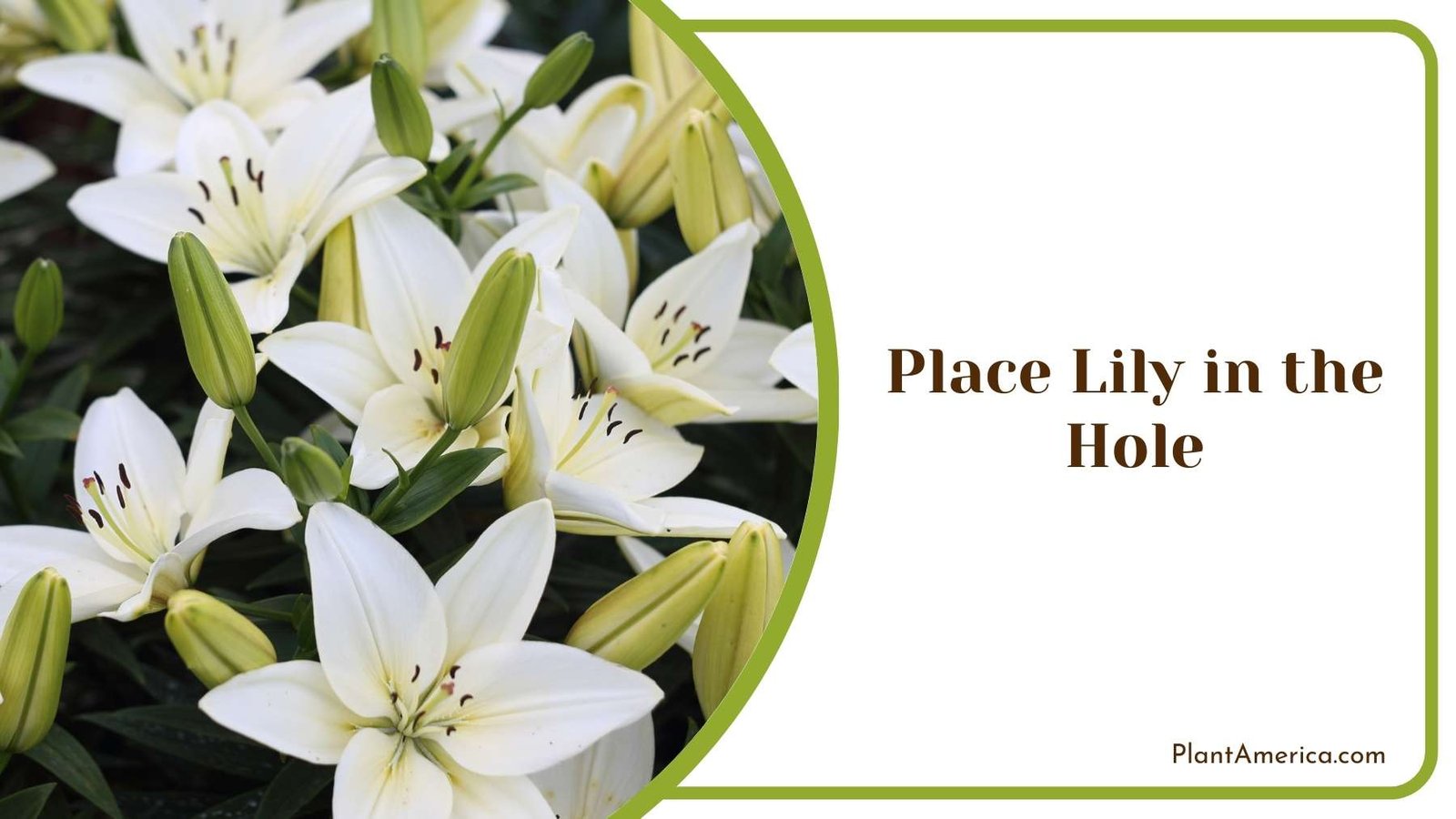
Once you have placed the lilly in the hole, backfill the hole with soil. Then, firm it gently around the base of the plant. Make sure the plant is upright and not leaning.
If you are transplanting a potted canna lily, gently remove the plant from the pot, being careful not to damage the roots. If you are transplanting a canna lily from your garden, carefully dig up the entire plant, not damaging the roots or rhizome.
7. Provide Post-transplant Care
Like all other plants, lilies also require proper post-transplantation care. After transplanting, water the lily thoroughly to settle the soil around the roots. It will help you to eliminate air pockets that could cause the roots to dry out.
8. Regular Watering and Fertilization
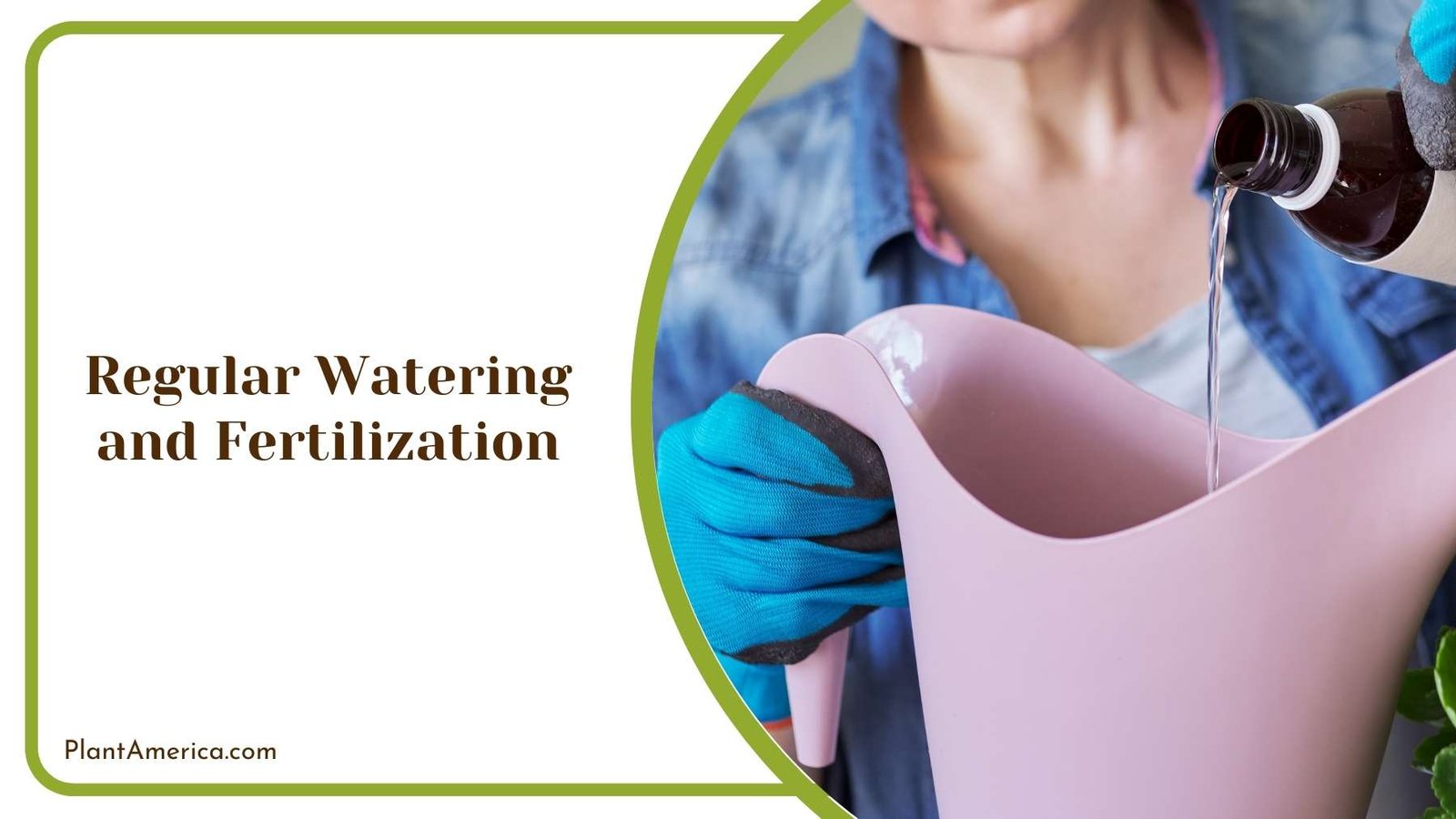
After transplantation, lilies need a good amount of water. They need water to grow their roots and absorb nutrients from the ground. So, you must provide them with a good amount of water. But, make sure to keep the balance as any fluctuation can lead to canna lily transplant shock.
Also, keep a close eye on the transplanted lily for the first few months. Check out for signs of stress, such as wilting or yellowing leaves. If the plant looks unhealthy, it may be due to incorrect watering, inadequate sunlight, or poor soil conditions. In such cases, make necessary adjustments as required.
Your transplanted canna lilies should thrive with proper care and attention and provide you with beautiful blooms throughout the growing season.
Conclusion
In conclusion, transplanting a Lily requires some preparation and care, but you can successfully move your plant to a new location with patience and attention. Let’s have a quick peek at the key takeaways of our guide:
- Choose a sunny area with well-draining soil to grow canna.
- Carefully dig up your lily, ensuring you do not damage the roots or canna bulbs.
- If necessary, divide your big and tall canna lily before transplanting.
- Prepare the new planting site adequately for best results.
- Regular watering and fertilization are crucial for your transplanted lily’s growth.
With our detailed guide now, you are ready to start the new journey of lily transplantation. Enjoy your happy lily garden!