
How to transplant kumquat tree is an important skill that can give you a healthy and fruitful tree that provides you with delicious, tangy kumquats season after season.

Fortunately, we’ve compiled our best plant care practices to help you achieve your gardening goal!
Factors to Consider for Transplantation of Kumquat
Growing kumquat requires careful consideration of various factors, such as timing and watering, among others. Let’s view each one.
– Best Time to Transplant
The best time to transplant a kumquat is during the late winter. You can also go with early spring, preferably before the active growing season begins.
– Soil and Fertilization
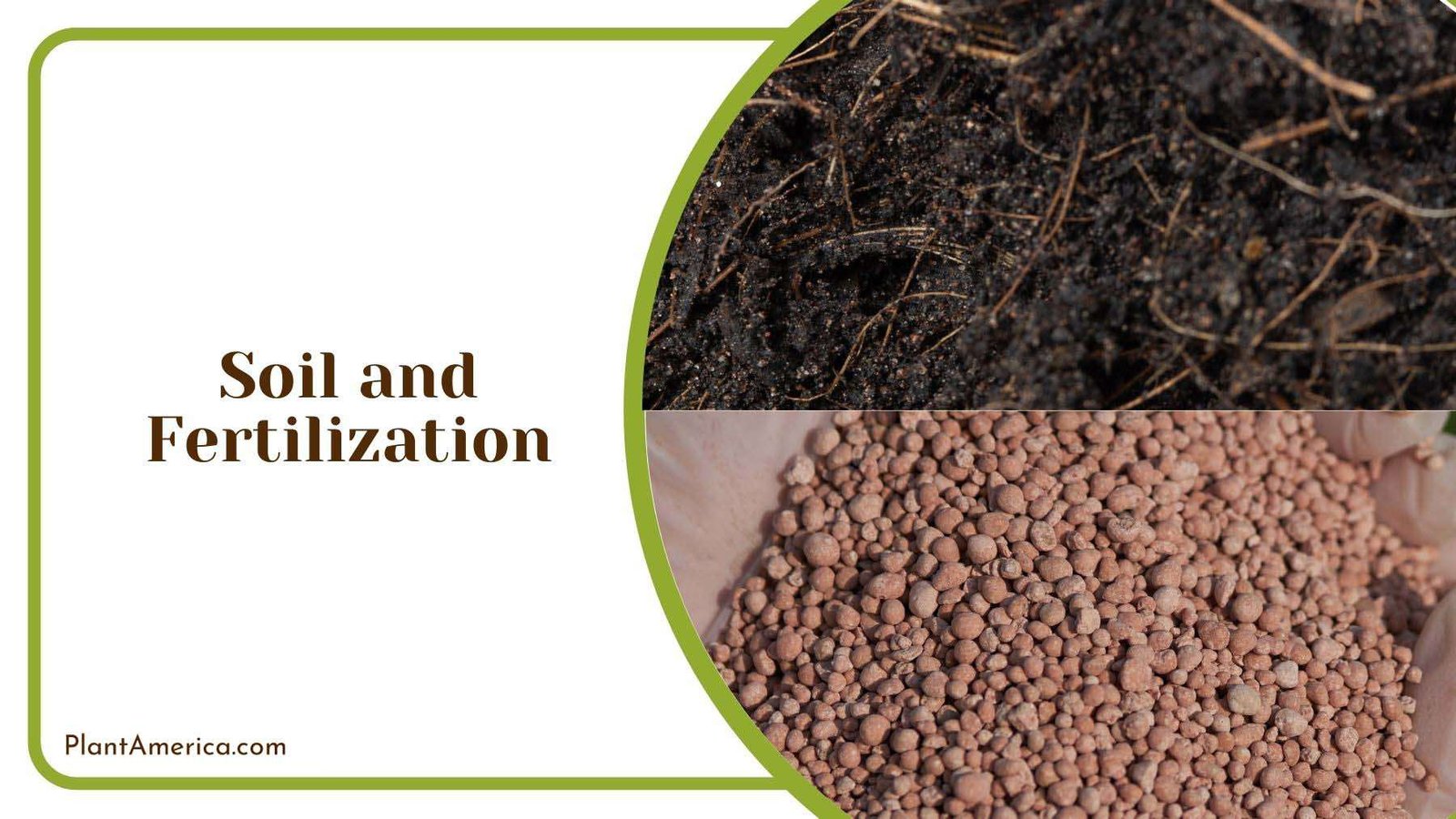
Choose well-draining soil with a slightly acidic to neutral pH, around 6.0 to 7.0. Kumquats prefer soil rich in organic matter.
– Watering (Before and After Transplanting)
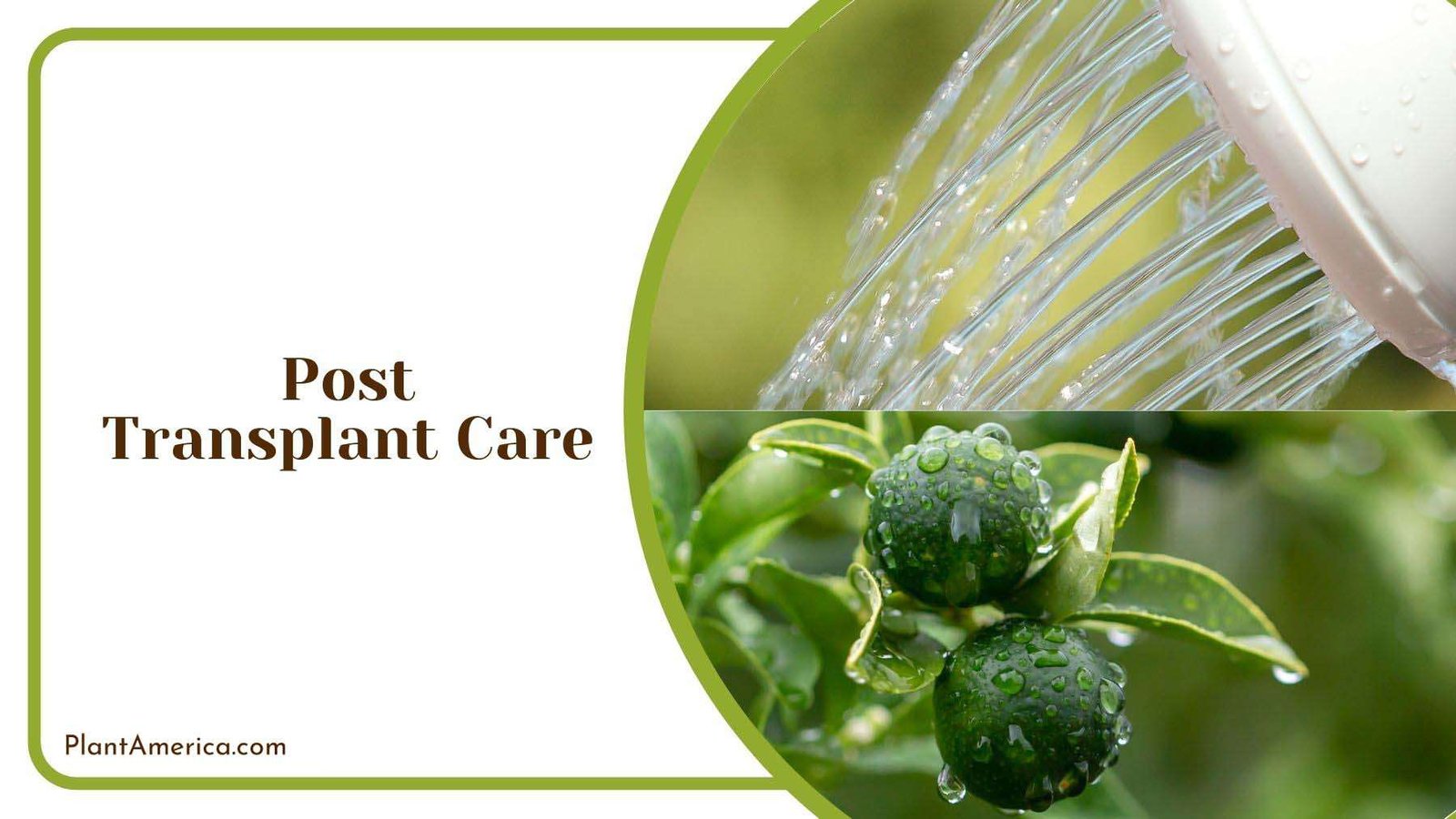
Prior to transplanting, water the kumquat thoroughly to hydrate the roots and make the extraction process easier.
After transplanting, water deeply but infrequently to encourage the development of deep roots.
– Temperature Requirements
Kumquats thrive in a Mediterranean climate with warm summers and mild winters. They are sensitive to frost and freezing temperatures, so choose a location with protection from cold winds and frost.
– Proper Pot (Potting Medium) or Ideal Spot
If transplanting into a pot, choose a container with good drainage holes and use a well-draining potting mix suitable for citrus trees. When transplanting in the ground, select a spot with good air circulation.
– Light Requirements
Place the tree in full sun to ensure it receives the necessary light. Inadequate light can result in a failed transplant, as the tree may struggle to adapt and thrive.
How to Transplant the Kumquat Tree
To transplant the kumquat tree to grow kumquats, all you need to do is do it during the right time while getting your tools, tree, and the site ready. Once they’re prepared, you can start removing the tree, transplanting it, and providing it with water, mulch, and post-transplant care.
1. Gathering Supplies
First, get yourself a strong spade or shovel. It’ll be your primary tool for digging up the tree and creating a good hole at the new spot. Make sure it’s sharp and in tip-top condition to make your work easier.
Next, set up a sizable burlap or plastic sheet. This will be your designated workspace for moving the tree. Once you’ve successfully removed it from its original location, place it on this surface.
This prevents soil from spreading and makes it easier to transport.
A wheelbarrow is your best bet for carrying heavy soil and safely moving the tree to its new spot. This not only spares your back from strain but also ensures gentle treatment of the tree’s roots. Also, keep a sturdy bucket on hand. It’ll be useful for transferring compost or organic materials to the new planting hole.
Lastly, make sure there’s a water source nearby. This will be helpful for giving your tree a thorough watering immediately after transplanting. Doing so helps settle the soil and ensures the roots remain happy as they adjust to their new environment.
2. Tree Pruning
Pruning is important to make your tree ready for transplanting. It’s all about reducing its size and shape to make the move easier. First, find any dead or sick branches and get rid of them. They drain energy and could harm the tree in its new home.
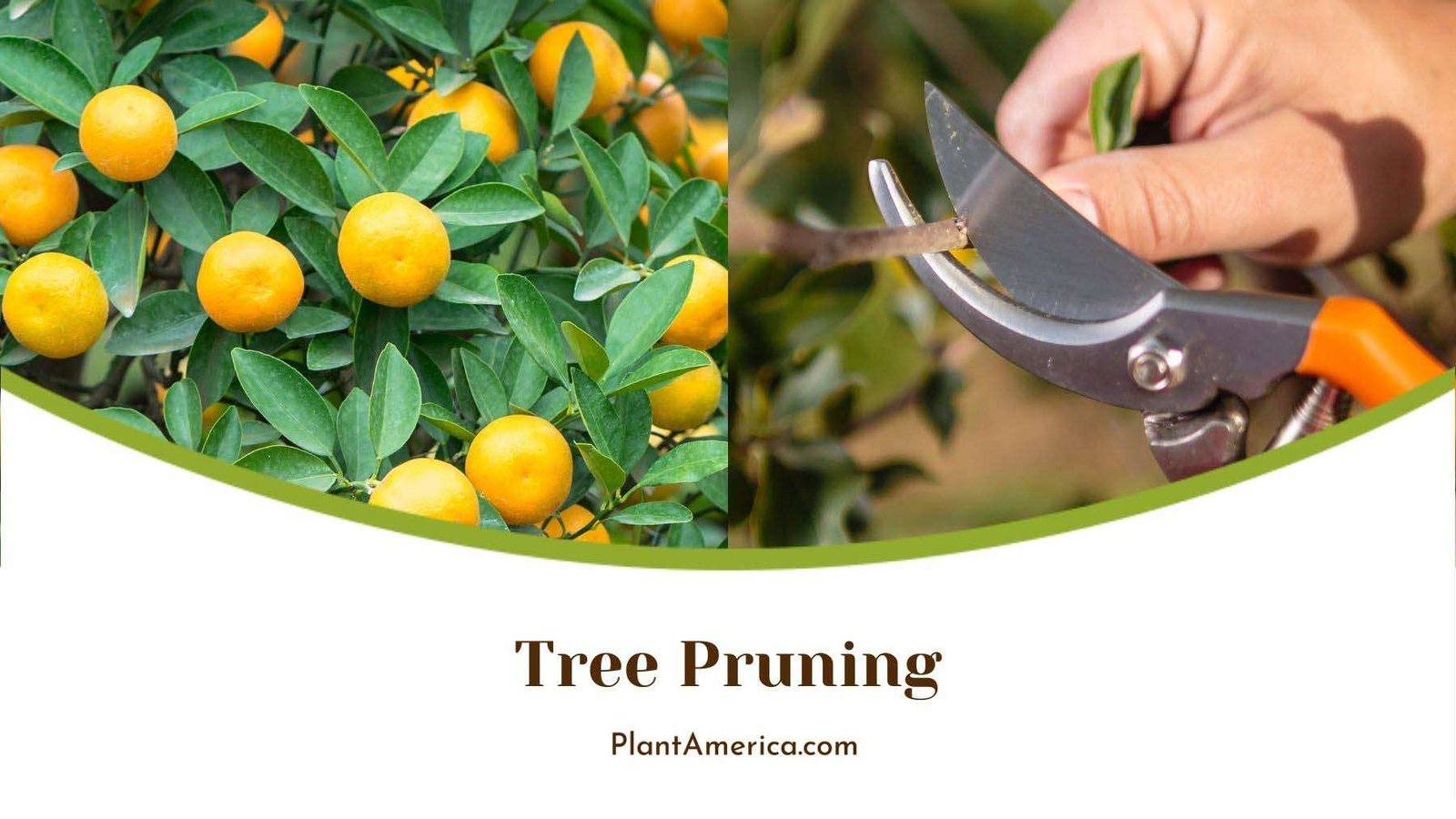
To make your tree healthier and more appealing while yielding more fruit, use selective pruning to shape it. But be mindful not to overdo it, as excessive trimming can stress the tree. Aim for a gradual and moderate reduction in size instead.
3. Digging the New Hole
The size of the hole matters here. It should be a bit bigger and deeper than your kumquat tree’s root ball. Give those roots some room to stretch out and get cozy in their new home.
Focus on the depth, ensuring it’s sufficient to accommodate the entire root system without them getting bent or crowded.
Begin digging around the tree’s base, maintaining a distance of about 12 to 18 inches from the trunk. Your goal is to uncover those roots gently, without causing any harm. Take your time and be cautious, protecting the tree’s valuable roots from harm.
While you’re at it, take into account the tree’s size and shape as you excavate around its root ball.
Depending on how long it has been here, the root system might be extensive. Be prepared for some digging to reveal as much of the root ball as possible, all while ensuring its safety.
4. Remove the Tree
Once you’ve ensured that the root ball is all set and ready for removal, it’s time to gently lift the tree from the ground. Please, pay close attention not to damage the roots because any harm done now can seriously affect its growth when you relocate it.

Put the kumquat tree on the tarp or plastic you’ve set up for transportation, making sure to keep the root ball intact. Since this can be physically demanding, it’s a good idea to have someone help you lift and transport the tree.
5. Transplanting
After uprooting the tree while keeping the root ball intact, place it carefully in the newly dug hole. Ensure the top of the root ball lines up with the surrounding soil surface. This supports good root growth and stability.
While you fill the hole with the soil you excavated earlier, firmly but gently pack the soil around the tree’s roots.
Avoid excessive compaction, as it can interfere with water penetration to both the soil and the tree’s roots. The primary goal here is to eliminate any trapped air pockets around the root system.
6. Mulching
Remember to mulch your kumquat tree after transplanting. Opt for organic mulch like wood chips or shredded bark. Spread it around the base of the tree, making sure to leave a small gap near the trunk to prevent root rot. Aim for a layer that’s between two to four inches thick.
Mulch serves multiple purposes. It retains soil moisture, reducing the need for frequent watering and preventing the soil from drying out too quickly. Additionally, mulch acts as an effective insulator, safeguarding the tree’s roots from extreme temperature changes.
Furthermore, mulch aids in controlling weed growth, which can compete with your kumquat tree for essential nutrients and water. Weeds can also create hiding spots for pests that may harm your tree, so mulching supports the overall health of your tree.
7. Post-Transplant Care
After the transplant, watch the tree closely. Keep giving it water regularly, but don’t let the soil get too wet. Don’t use too much fertilizer right away. Let the tree concentrate on growing its roots in the new spot.
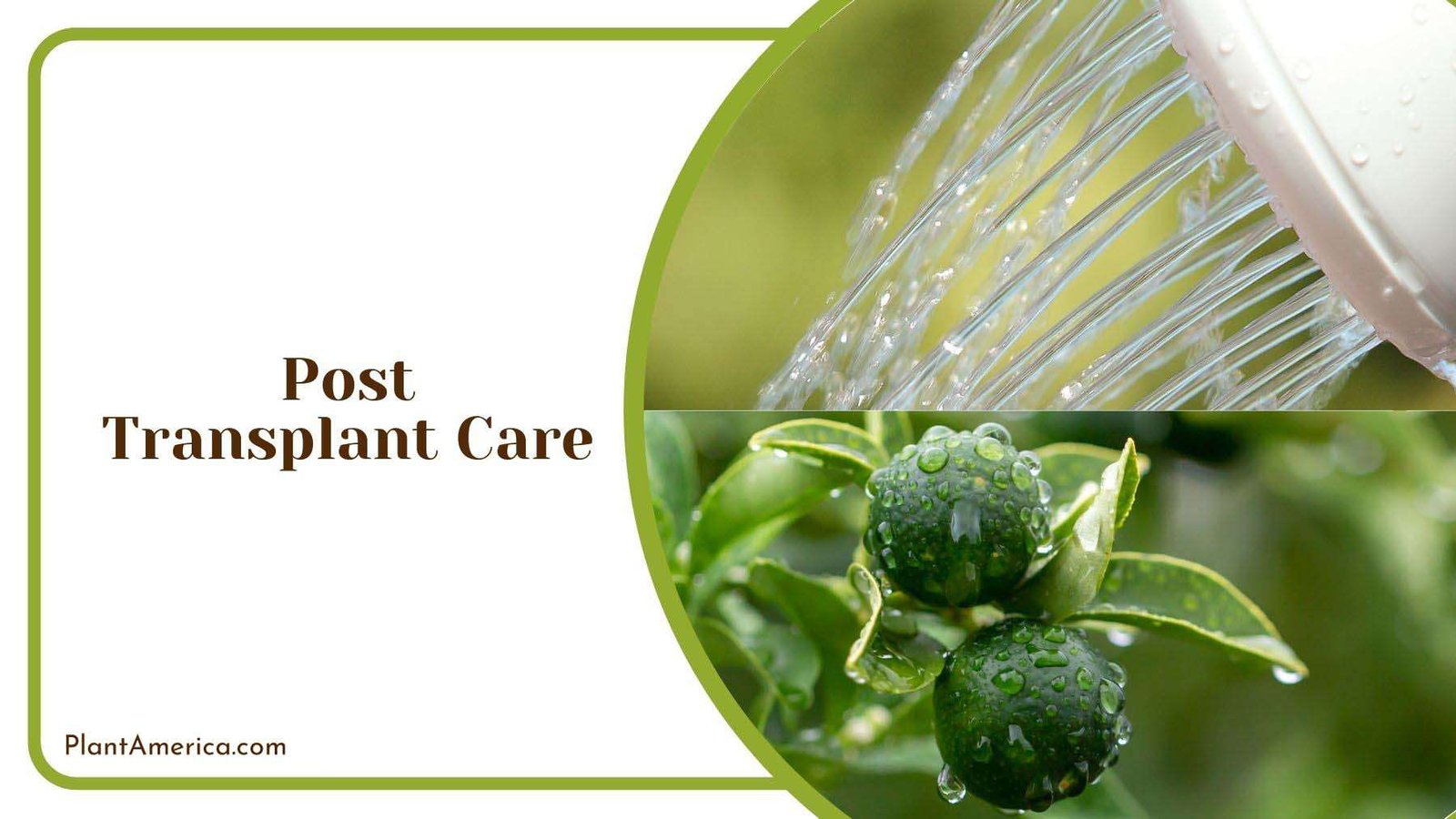
You can start with regular fertilizing after the first growing season post-transplant. Look for a balanced fertilizer ideal for citrus trees if you want to use one. Transplanted trees are often more prone to stress, making them more vulnerable to pests or diseases.
Make it a habit to frequently check the tree’s leaves and branches for any warning signs like yellowing leaves, strange spots, or unwelcome insect visitors. Should you spot any problems, take prompt action with suitable remedies to stop them from getting worse and harming the tree’s well-being.
8. Staking as Needed
This is an optional step, but one that you should consider when planting kumquat. When determining whether staking is needed, check the kumquat tree’s structure and the local environmental conditions. If the tree appears unstable or leans significantly, staking is a prudent choice.
Choose a pair of robust stakes that are taller than the tree itself and have a diameter of at least one inch. Position these stakes just outside the root ball, ensuring they’re close enough to provide reliable support for the tree’s central trunk.
Use soft ties, like rubber or cloth, to secure the tree to the stakes. Be cautious not to fasten them too tightly, as this can hinder growth or cause harm.
The ties should allow for some flexibility to promote the natural development and strength of the tree’s trunk.
Regularly check both the staked tree and the ties. As the tree continues to grow and get stronger, you may need to adjust the ties or even remove the stakes if the tree can stand on its own. Remember, staking is a temporary solution meant to assist the tree in adapting to its new surroundings.
9. Pruning and Maintenance
Regular pruning helps shape the tree and promotes air circulation, reducing the risk of disease. Begin by removing any dead or diseased branches as soon as you notice them. Also, thin out crowded areas to allow sunlight to penetrate the canopy, which encourages kumquat fruit production.
To properly care for your kumquat tree, provide it with the proper nutrients. During the spring and early summer, apply a well-balanced, slow-release fertilizer.
Provide adequate watering, particularly during dry periods, but don’t overwater. Maintain the soil at a consistently moist level, avoiding making it overly wet.
Regularly inspect your kumquat tree for signs of pests or plant diseases. Aphids, scale insects, and citrus leaf miners are common pests that can affect kumquats. Early detection and treatment with appropriate pesticides or natural remedies can help protect your tree’s health.
Don’t forget, even though kumquats can handle some cold, you might need to shield them when winters get really harsh. If your place often sees frost or freezing weather, think about using a frost blanket or extra insulation to keep your tree safe from the cold.
FAQs
– How Can a Kumquat Tree Be Grown in Pots?
Growing kumquats in pots is relatively easy. Just start repotting kumquat by selecting a pot that is one size larger than the current one. Carefully lift the tree out of its current pot, making sure not to harm the roots.
Put it into the new pot, ensuring the root ball’s upper surface aligns with the pot’s edge. Fill the pot with new potting soil. Give it a good watering, and be sure to maintain the tree well, providing it with adequate sunlight and regular watering.
– Can a Kumquat Tree Be Transplanted During the Summer Months?
Yes, the kumquat tree can be transplanted during the summer months although the chances of survival are not as high. Transplanting during the summer can be stressful for the tree, so it’s advisable to avoid it unless absolutely necessary. It’s best to transplant it during late winter or early spring.
– Can a Mature Kumquat Tree Still Be Transplanted?
Yes, a mature kumquat tree can still be transplanted. Transplanting trees can be a bit tougher when dealing with bigger, more intricate root systems. On the flip side, it tends to be simpler when you’re working with younger trees. Young trees adjust better when moved to a new spot.
Conclusion
We’ve thoroughly covered everything, and now it’s time to wrap things up with a quick recap:
- Transplant kumquats during late winter or early spring while they are dormant for the best results.
- Select a pot one size larger than the current one when transplanting kumquats into containers.
- Be gentle when removing the tree from its old pot to avoid root damage.
- Use quality potting soil and water thoroughly after transplanting, ensuring consistent moisture levels.
- Continue to provide sunlight, regular watering, and periodic pruning to maintain a healthy potted kumquat tree.
With these tree care guidelines, we’re sure you’re going to be enjoying your kumquats for years to come!