
You need to know how to transplant thorn bushes, irrespective of whether you are a garden expert or a beginner. Transplanting Indian hawthorn trees can help create an optimal environment that provides sufficient sunlight, and space, and attracts birds.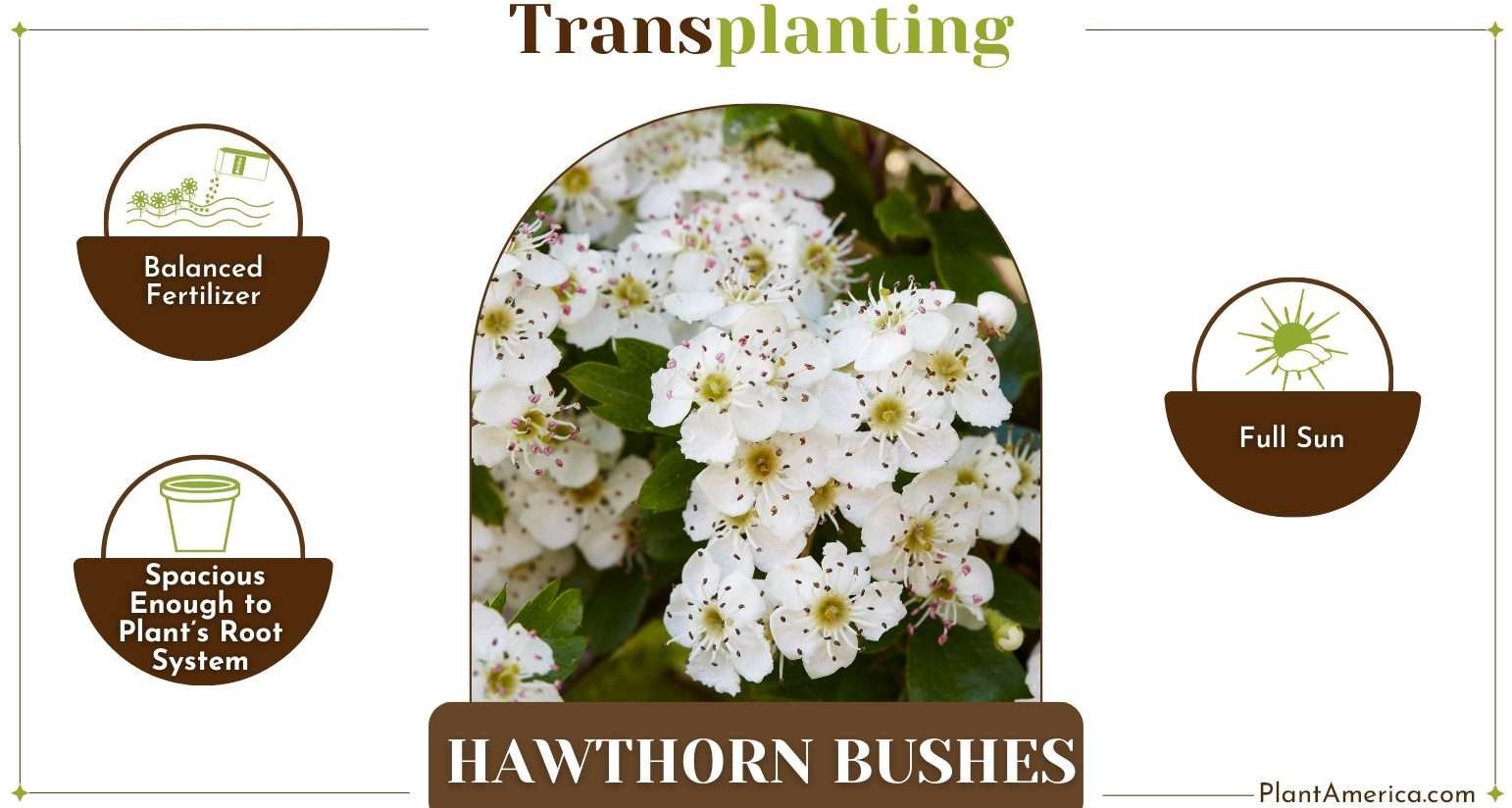
Our guide offers steps to help you successfully transplanting your Indian hawthorn. Let us help you ensure a successful and beneficial transplanting process through this article.
What are the Factors to Consider When Transplanting Hawthorn Bushes?
The factors to take note of when transplanting hawthorn trees are the size and age of the hawthorn plant. You should also keep in mind drainage if you are transplanting into pots. Transplant shock, fertilizer, and sunlight requirements are other important factors to remember.
– Size and Age of the Plant
Transplanting hawthorn trees involves considering their age and size. A young hawthorn is generally easier to transplant because it has a smaller root system. It is also more adaptable to new environments. On the other hand, older hawthorn plants with larger root systems may require more careful handling during the transplanting procedure to prevent root damage.
– Pot Size and Drainage
Transplanting hawthorn bushes requires you to select a pot that is spacious enough to accommodate the plant’s root system comfortably. For hawthorn bushes that have extensive root systems, you should provide enough room for them to grow and spread out. for a pot that is big enough to accommodate the root clump to grow the Indian bush. This will give the roots ample space to develop and prevent them from becoming overcrowded. In addition to size, proper drainage is essential for container-grown hawthorn bushes.
Ensure that your pots have sufficient drainage holes at the bottom to allow excess water to escape. If your chosen pots don’t have drainage holes, you can create them yourself by drilling or punching holes at the bottom.
– Transplant Shock
Transplant shock is the stress and temporary setback a plant may experience when it is moved from its original location to a new spot. This shock can occur due to various factors, like the disturbance to the plant’s root system during transplanting.
To minimize transplant shock, there are a few steps you can take. You should handle the plant and its roots with care. Try to minimize any damage to the roots and keep the root ball intact as much as possible.
Providing enough moisture and hawthorn care after the transplanting procedure is crucial. Be sure to properly water the plant and provide the necessary nutrients.
– Sunlight and Fertilizer Requirements
Hawthorn bushes thrive well in full sun or at least partial shade. These plants are at their best when they enjoy around six to eight hours of direct sunlight per day. So, when you’re transplanting a hawthorn tree, choose a new spot where it can receive adequate sunlight. Ideally, look for a spot that gets plenty of sunshine throughout the day.
After transplanting the Rhaphiolepis indica, you should give it a little boost with some fertilizer. Look for a balanced fertilizer that is specifically formulated for shrubs or trees. You can find these at your local gardening store. Refer to the fertilizer package instructions for precise guidance on the amount and frequency of application.
Applying the fertilizer according to the recommended guidelines will help provide the hawthorn bush with the necessary nutrients to support its post-transplant recovery and encourage healthy growth.
– Transplanting Equipment
Transplanting the Indian hawthorn requires you to get the right equipment. A sturdy shovel is essential for digging around the bush and loosening the soil. Look for one with a sharp edge and a comfortable handle so that it’s easier for you to dig and maneuver through the soil.
Another handy tool is a spade, which appears like a smaller version of a shovel. A spade can be great for more precise digging. It is especially useful if you’re transplanting smaller Indian hawthorn plants. The same applies if you need to work in tight spaces where a regular shovel might be too big.
Remember the pruning shears! These are important for trimming any overgrown or damaged branches on the Indian hawthorn. Before or during the transplant, give the common hawthorn a little haircut to make it more manageable and encourage healthier growth in its new spot.
How to Transplant Hawthorn Bushes Effortlessly?
To transplant hawthorn Indian bushes effortlessly, you need to begin by carrying out the procedure at the right time. You also need to do pruning before transplanting, prepare the new spot, dig the hawthorn bush, and replant it. Providing water and aftercare is crucial for your transplant to thrive well.
1. Proper Timing
It is best to transplant your bushes when they reach the dormant phase of their life cycle, which occurs when autumn ends and at the beginning of spring. During the dormant season, the plants will be in a state of rest, focusing their energy on maintaining their root system rather than above-ground growth. If you take advantage of this period, you provide the bush with an optimal opportunity to acclimate to its new surroundings.
Late fall and early spring are favorable times for transplantation due to the milder temperatures and moist soil conditions. These seasons mark the best time to plant hawthorn. The cooler weather reduces stress on the plant, and the moist soil provides the necessary moisture for root development.
2. Pruning
Before transplanting your bushes, you have to prune them first. Pruning comes with some benefits. It allows you to remove any diseased or damaged Indian hawthorn leaves and branches, which improves the overall health of the bush. Again, pruning reduces the size of the bush, making it easier to handle during the transplanting process.
Pruning also allows you to shape the bush by selectively trimming branches for a more balanced and pleasing appearance. To get started, carefully inspect the bush and prune away any signs of disease or damage a few days prior to transplanting. You should trim back long branches to make the bush more manageable for transplanting.
Be careful not to remove more than one-third of the foliage to avoid exposing your plant to too much stress. You can consider doing the pruning when you see that your bushes are in their dormant phase. This allows the plant to recover and focus its energy on developing new shoots and roots. Remember to use sharp pruning tools for clean cuts and dispose of the pruned branches according to local guidelines.
3. Prepare the New Area
When preparing the new area for your Indian hawthorn, be sure to select a suitable spot in your garden that receives adequate sunlight. This helps to ensure optimal growth and flowering producing pink blooms.
Opt for a location with well-draining Indian hawthorn soil that doesn’t retain excessive water. If the natural drainage of your garden soil is inadequate, you can enhance it by incorporating compost to improve the drainage properties. After selecting the right spot, dig a hole that can accommodate the hawthorn bush’s root ball.
When you dig the holes, they should comfortably provide ample room for the roots without overcrowding your trees. You should dig a hole that’s about twice as spacious as the root ball’s diameter and at a depth that ensures the bush will be planted the way it was grown before. This will help prevent any stress or damage to the roots during the transplanting process.
4. Dig Up the Hawthorn Bush
You should water the hawthorn bush a day or two before transplanting it. This ensures that the soil around the roots is adequately moist, making it easier to dig up the bush without causing unnecessary stress to the plant. When you’re ready to dig, approach the bush with care. Begin by digging around the perimeter of the bush, keeping a safe distance from the trunk.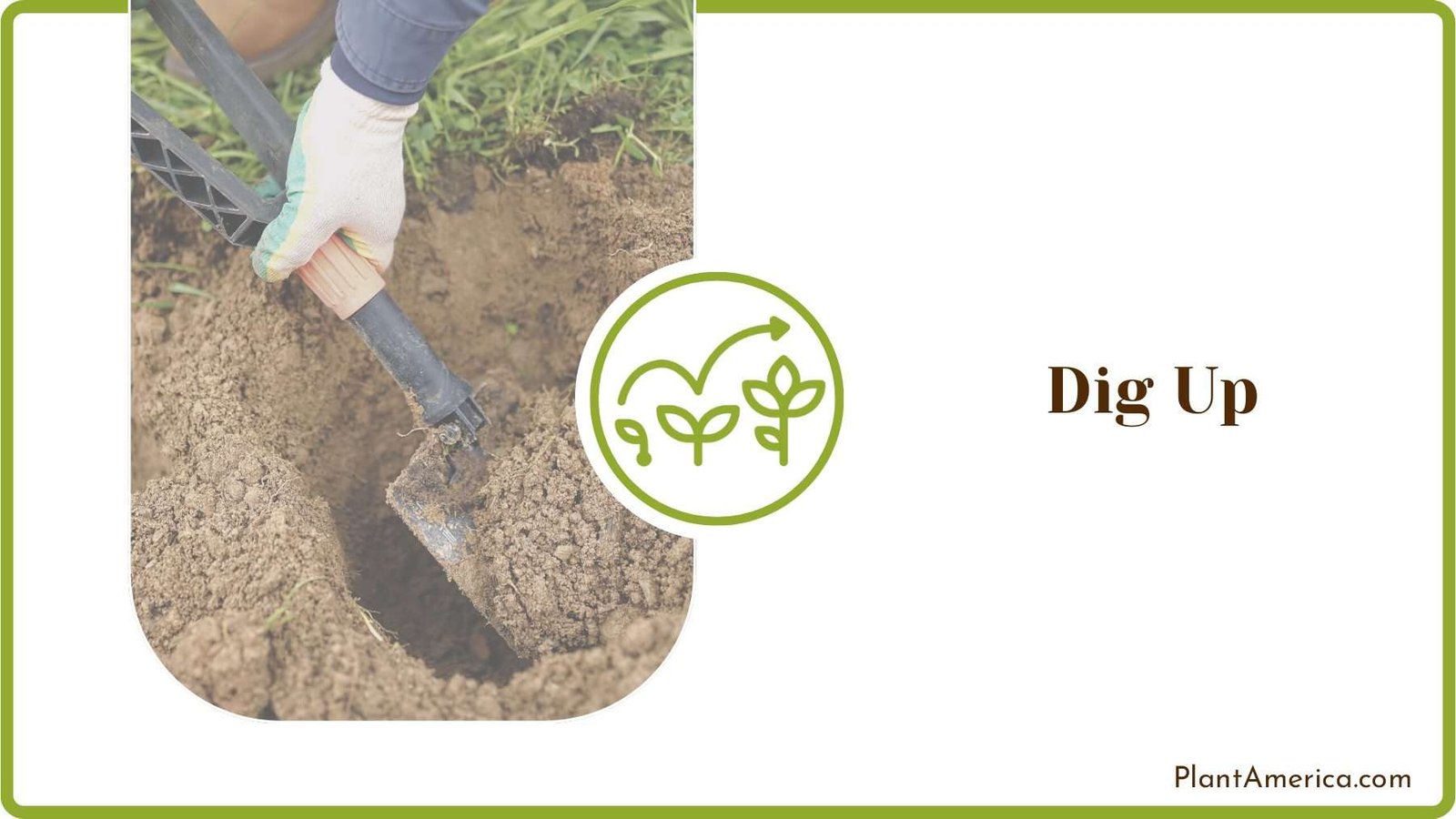
For you to prevent any harm to the fragile root system, take it easy and proceed slowly. Use a shovel with sharp edges to delicately loosen the soil surrounding the roots, being careful not to cause any damage. Once the soil is loosened, carefully remove it from the ground. Gently lift the hawthorn bush, making sure that the root ball stays intact.
To protect the root ball during transportation, you can place the bush on a tarp or burlap, which will help keep it secure and prevent damage. By giving the hawthorn bush a good watering beforehand and taking care not to disrupt the clump of roots, you can guarantee that the plant’s fragile root system stays unharmed throughout the transplanting procedure.
5. Transplant the Bush
Begin by lowering the bush down, being careful to position it at the same depth it was at in its old spot. You want the soil line on the trunk of the bush to be nice and level with the ground around it. If it’s not quite perfect, just tweak the position until it looks just right.
Grab some soil and gently scoop it near the sideways of the root clump, gradually filling up the hole. Be extra careful not to harm those precious roots or pack the soil too tightly. As you go, lightly pat down the soil around the roots, making sure there aren’t any big air pockets. This helps the roots to stay stable with the soil.
Once the hole is filled and the soil is gently firmed, you should give the hawthorn bush a thorough watering. This aids in the soil’s consolidation around the roots and ensures the plant receives sufficient hydration during this pivotal establishment phase. Employ a watering can or hose to uniformly disperse moisture around the base of the bush. Undertake comprehensive drenching to make sure that the water reaches all the roots.
6. Provide Aftercare
You should give your bushes some water, especially in the first weeks after you have transplanted them. Keep the soil nice and moist to help them settle into their new home. Monitor the moisture level by checking the soil and adjusting your watering accordingly. Pay attention to weather conditions, as hot and dry periods may require more frequent watering.
Mulching the beds or area of transplants is another important step when caring for your transplanted plant. The mulch helps retain moisture in the soil by preventing excessive evaporation. It also reduces the growth of weeds. Apply a mulch that is about 3 inches thick in the area where you decide to grow Indian hawthorn, being careful to leave a space around the trunk to avoid moisture from building up against the bark.
Regularly monitor the hawthorn bush to determine the existence of disease and pests. Be sure to watch out for wilting leaves, discoloration, or any other unusual symptoms. If you notice any issues, take appropriate action. This may involve adjusting your watering practices, addressing pest problems, or seeking guidance from a gardening professional.
Conclusion
Transplanting hawthorn bushes is an opportunity to beautify your landscape. Let’s review the key points for success once more!
- Consider the age of the hawthorn bush for easier transplanting.
- Use the right equipment, such as a sturdy shovel, spade, and pruning shears.
- Prepare the new area with well-draining soil and dig a suitable hole.
- You should plant hawthorn at the same level as before to avoid root stress.
Ready to replant your bushes? You can confidently follow these tips for a smooth and successful process starting now!
References
- https://www.academia.edu/38348250/Under_the_hawthorn_tree_a_newly_discovered_summit_cairn_overlooking_the_Boyne_Valley
- https://www.researchgate.net/publication/283987220_Mediterranean_Hawthorn_Fruit_Crataegus_Species_and_Potential_Usage
- https://www.academia.edu/34449865/Woodland_Management
- https://jcoagri.uobaghdad.edu.iq/index.php/intro/article/view/674