
How to transplant irises is a skill that enables you to properly time the procedure and carry it out properly. When the flowers begin to show signs of reduced blooming, it is usually the time to transplant iris plants.
Iris rhizomes start producing fewer flowers when they become lumped together in groups. Continue reading here as we share the subsequent transplantation steps in this article.
How Do You Transplant Irises?
You transplant irises by first digging beneath the rhizomes of the plants. Use a big fork to lift all the rhizomes out of the ground as they will be clumped together, forming a huge underground mass. Divide iris rhizomes into smaller pieces before transplanting them.
1. Brush the Uprooted Irises Rhizomes
Brush away all the clumps of soil that may be stuck around the rhizomes. This makes it easier for you to identify any deformities and diseased parts. Be sure to ascertain that the hairs from the roots are clear of dirt.
As you brush the roots, do not allow them to snap. To avoid snapping the roots, hold the rhizome in a downward orientation and gently shake it. Afterward, use your hands to remove the small soil clumps that remain attached to the roots.
2. Cut the Iris Rhizomes Into Equal Parts
The ideal size after dividing iris rhizomes is about four inches for each piece. Be sure to keep the roots on the rhizomes as you carry out the separation procedure. The roots allow the iris to adjust quicker to the new conditions at a relatively quicker rate when it is replanted. Also, make sure that each cut piece has a group of small fan leaves.
Afterward, group the rhizomes according to their firmness. The ones that feel limp and bend easily are not fit for transplanting. Discard all such rhizomes. Also, discard the ones that appear diseased, together with those that do not have a group of fan leaves.
3. Prepare the Soil
Loosen and mix the soil using a garden fork to about 18 inches deep. Add a top layer of compost to the soil and mix again. The compost also helps to improve the structure of the soil, together with its nutritional value.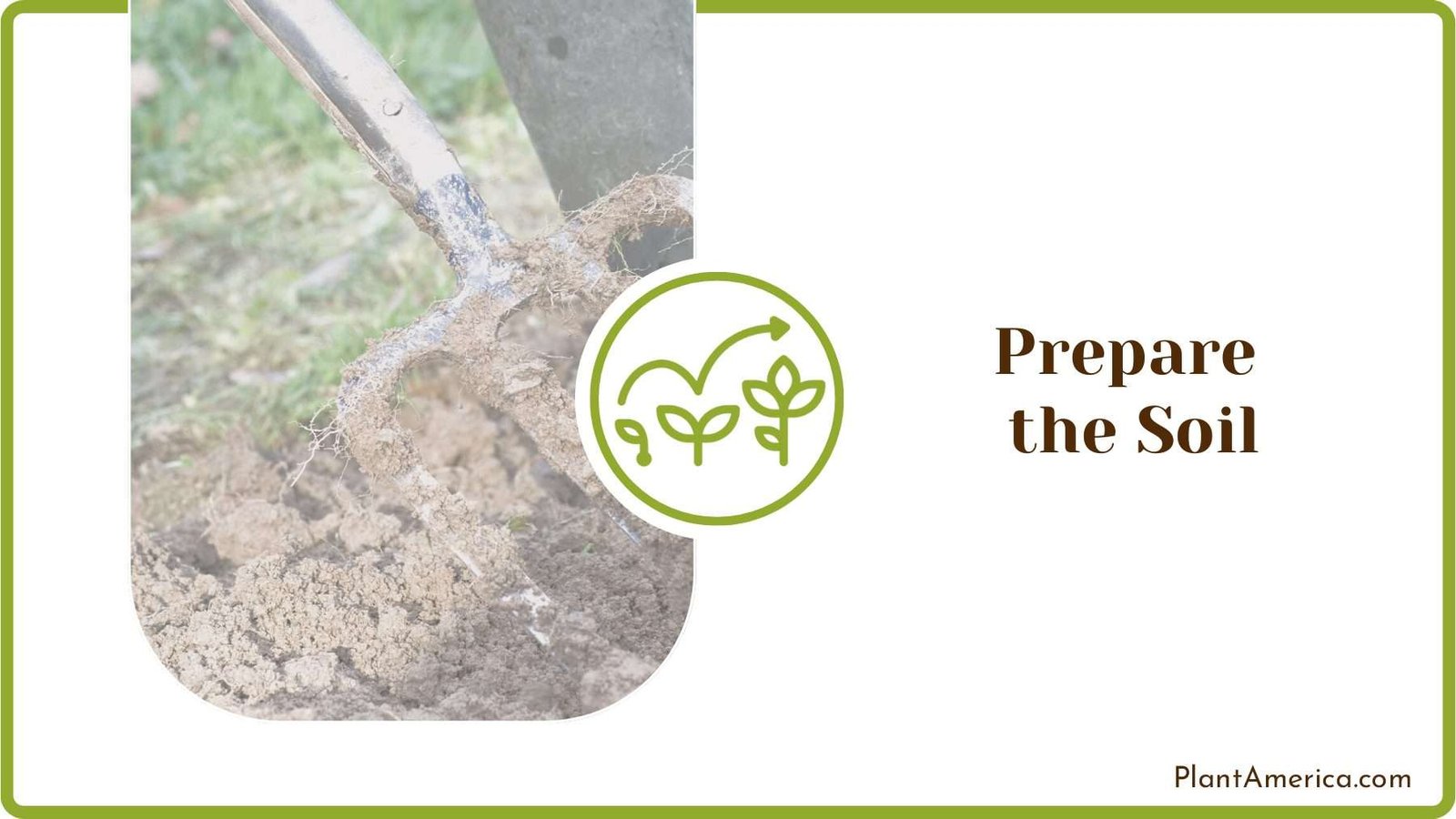
To improve the drainage, add half a bucket of pea gravel or landscape sand to the soil. Well-draining soils prevent water from accumulating around the perimeter of your plant’s roots. Irises are susceptible to fungal infections when they sit in water for extended periods.
To improve the soil nutrients, consider adding some bone meal fertilizer. Rake the soil to make it uniform and water it down to close some air bubbles. Finish this step by compressing the soil.
4. Plant the Rhizome Cuttings
First, ensure that the rhizome does not have too much foliage to support it once it is planted. Too much foliage makes the plant more susceptible to transplant shock. The roots need to adapt first to the new environment, and then grow bigger before they can support more foliage on the same plant. As such, cut back the size of the leaf fans to about eight inches.
Place each iris rhizome into its own planting hole in such a way that allows the roots of the cuttings to spread around its nodule without getting in the way of the next. To achieve this, leave a space of about 20 inches between neighboring rhizomes. Ensure that the depth of each hole allows the iris roots to get just below the ground surface by not more than an inch.
5. Water Your Newly Transplanted Rhizomes
Shower some water into the soil soon after transplanting your rhizomes. Newly transplanted irises require constant moisture for good root establishment. When the roots are still developing, try as much as you can to water the plants deeply. Do this preferably once in a while, rather than shallowly watering them every now and then.
Irises thrive better with less water but they can negatively respond to overwatering. Once the roots are established, we recommend you to only water the irises whenever the top few inches of the soil becomes dry to a depth that matches the length of your index finger.
Also, you can consider the plant leaves as a sign to check if the iris needs watering. Once the thick, sturdy leaves appear limp and less vibrant, then you certainly need to water your iris plant. You can even assess your plant’s water needs by dipping a stick into the topsoil. If the stick comes out moist, your iris plant doesn’t need to be watered.
6. Keep Your Irises Free From Pests and Diseases
Some of the common pests that attack irises are borers, mites, aphids, snails, and earwigs. To control these pests, use chemical sprays such as Pyrethrin. Also, regularly spray your plants with a high-force water stream coming from a hose to remove pests from plant surfaces. In some cases, where the pests invade the plant’s inner tissue, the effective solution would be to cut and burn the affected parts.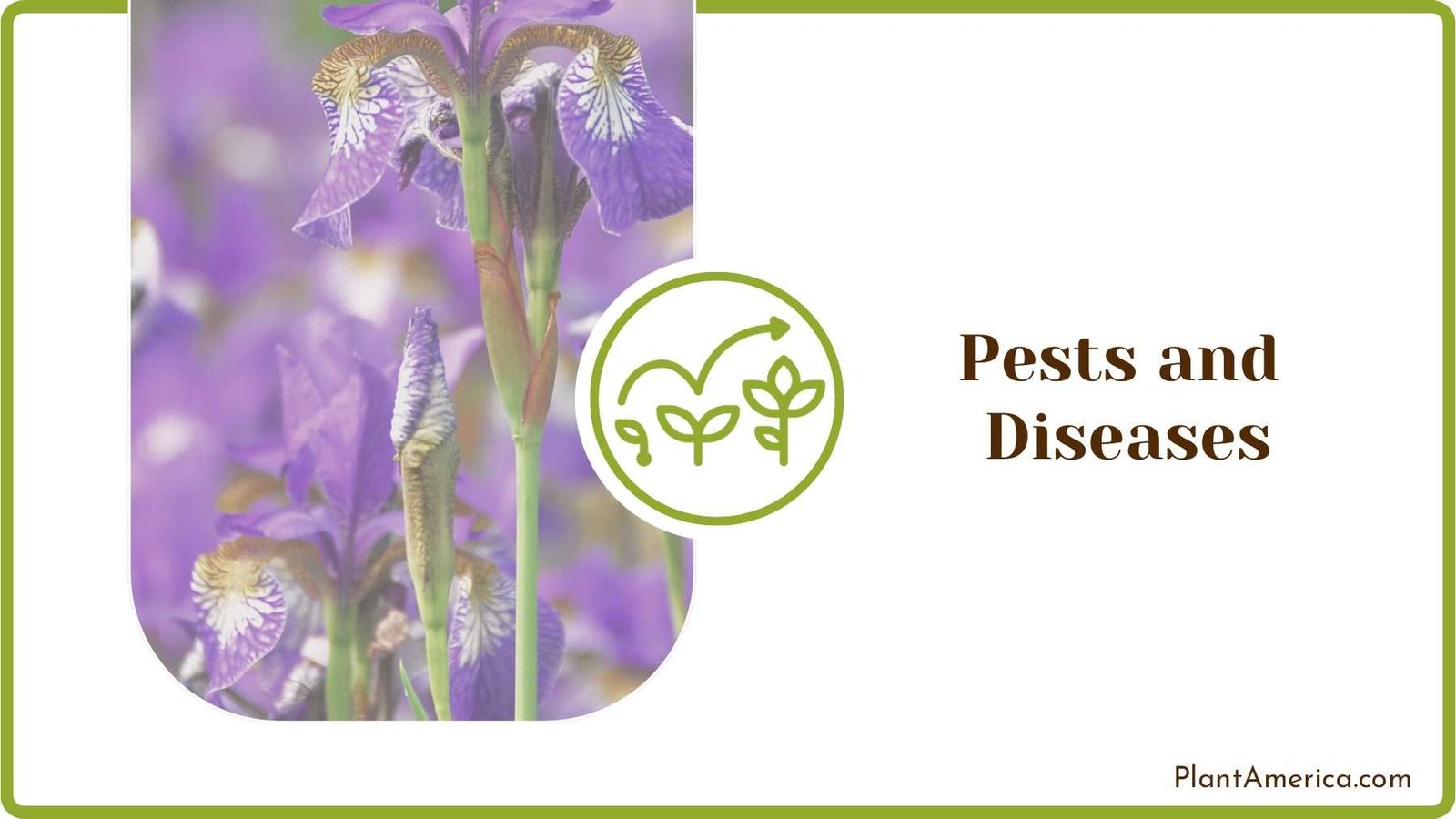
The diseases commonly affecting irises are bacterial soft and crown rot, leaf spots, botrytis blight, virus attacks, and rust. To control these conditions, the most effective way is to carefully scrutinize your cuttings before planting them to remove the affected ones.
Also, some conditions like blight infect the rhizomes through external damage on the plant surfaces. As such, handling the plant with care before transplanting it is very important to avoid damaging it.
Also, avoid planting overcrowded irises, as doing so often leads to the proliferation of most of the unfavorable conditions that we mentioned earlier. It is also favorable for you to provide good aeration to irises and ensure that your foliage is dry most of the time.
What are Favorable Conditions to Successfully Transplant Irises?
The favorable conditions to successfully transplant irises are plenty of space, well-draining soils, full sunlight during the initial growing stages, and more shade once the plants begin to mature. Nutrient-enriched soils are also good for irises. Maintaining constant temperature is important in ensuring good plant development.
– Soil Requirements
The soil that grows irises works better when it is raised into a bed. A raised organic garden bed for irises has an aesthetic appeal, while also creating a convenient working platform, especially if you have issues with bending your back or moving your limbs. Irises thrive best in near-neutral pH soils, with the range of 6 to 7 being the most ideal.
The bearded iris does not grow well in damp conditions with still water, so a growing medium that is well-draining offers a good environment. If your soils are mixed, ensure that you have less clay than sand in the mixture to prevent creating rigid ground in relatively dry conditions.
The bearded irises are happier when grown in natural organic manure, or a no-nitrogen-based fertilizer. Apply about an ounce of fertilizer to every two square feet of the ground. To ensure sufficient mixing of the soil, fertilizer, and compost, we recommend rototilling your iris garden bed about three weeks prior to planting your flowers.
– Sunlight Requirements
Varieties like the Siberian iris are very sensitive to the sunlight that they receive, especially prior to blooming. They require full daily sunlight exposure of between six to eight hours. In shaded locations, irises will not produce vibrant flower colors, even though they are able to tolerate partial sunlight. Ensure that you grow your irises on a raised garden bed so that they can receive much sunlight without running the risk of being obstructed by other plants.
Hardiness zones six to nine provide the ideal sunlight conditions for irises. Iris varieties respond differently to sunlight in various seasons. Abundant springtime sunlight allows dwarf irises to bloom much quicker, while Dutch varieties require dappled sunlight during the same period to produce a similar effect.
Inadequate sunlight makes irises easily susceptible to diseases. The foliage of the iris plant, especially the leaves, tends to develop brown spots when they are exposed to inadequate sunlight. The ability of some irises to bloom even with inadequate sunlight is often accompanied by the production of much smaller flowers. This highlights the importance of sunlight to these plants.
– Water Requirements
Irises require moderate but frequent watering when they are still young, especially before the root network becomes established. Once the roots are firmly entrenched in the soil, the plants can go for weeks without water, until their topsoil becomes visibly dry.
Carefully adjust your moisture provisions to the plant during the rainy season. Hot, dry summers often require you to regularly water irises, which might not be the case during the rainy seasons. In rainy periods, you may need to adjust the garden bed’s edges to ensure better drainage.
Conclusion
Congratulations, you are now among the people who have expert knowledge on transplanting irises. Remembering these practical points will help you to hold on to your new-found skill:
- Irises grow better when they are planted on an elevated garden bed that provides effective drainage.
- Cut iris rhizomes to a length of about four inches, and ensure that each cutting has a group of fan leaves and some roots before transplanting it.
- Prior to blooming, expose irises to up to eight hours of full sunlight.
- You only need to water your irises just a few weeks after growing them, and then allow their soil to lose moisture until the dryness of the topsoil reaches a depth equal to your index finger.
- Irises can survive for up to 20 years but will need to be replanted when the rhizomes start protruding from the ground.
Build up your confidence in nurturing iris flowers by propagating them in your home garden for a start. It won’t be long before you become a specialist, especially if you start now!
References
- https://www.extension.iastate.edu/news/yard-and-garden-bearded-iris-faqs https://news.okstate.edu/articles/agriculture/2015/dividing-and-replanting-iris-will-enhance-flower-production.html
- https://www.canr.msu.edu/uploads/234/42615/May_2016_.pdf
- https://extension.missouri.edu/news/time-to-transplant-irises-5714
- https://extension.psu.edu/dividing-irises