
Trees with dark red leaves are ones that have a unique ability to brighten spaces with their fall foliage. The fall color of these plants is a great advantage when using them for landscaping, as they give dark red hues in predominantly green spaces.

Note that there are some trees with green leaves that turn red. This article will make it easy for you to get your best pick of trees with red foliage by giving information on each plant’s characteristics, care requirements, uses, and benefits.
List of Trees With Dark Red Leaves
1. Japanese Maple Tree
| Benefits |
|
| Uses |
|
| Distinguished characteristics |
|
| Care |
|
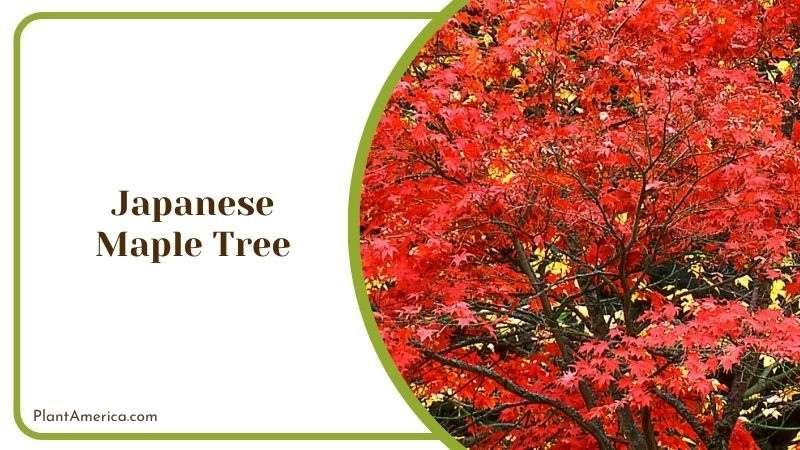
The Japanese maple tree of the Sapindaceae family is often associated with peace, patience, blessings, survival, and beauty. This plant is also referred to as the red maple tree. Japanese maples do perfectly well when grown under the shade, though some of them can tolerate certain amounts of sunlight.
However, exposure to excessive direct sunlight can cause sunburn on the delicate leaves of these trees. Please note that one of the common cultivars of the red maple is the crimson queen. This is the type of tree that would thrive to its utmost potential when the weather is quite cold, and the maximum cold it would handle would be an average of -10 degrees Fahrenheit. There are plenty types of Maple trees but not all of them have dark red leaves.
2. European Beech

| Benefits |
|
| Uses |
|
| Distinguishing characteristics |
|
| Care |
|
The European beech tree is a member of the Fagaceae family of plants, which is also called the beech family. Generally, different beech trees are known to exist for at least 15 decades, depending on the species, and in short, this means that the European beech can survive for 150 years or more.
The tree would grow up to become 100 to 130 feet tall over its lifetime, and the trunk would become as thick as three to five feet in its diameter.
There is a mutation of the European beech which is called the copper beech or Fagus sylvatica purpurea, so don’t confuse the two. The European one has beautiful dark red foliage which would add a significant vibrancy to the area they have been planted in.
3. American Sweetgum
| Benefits |
|
| Uses |
|
| Distinguishing characteristics |
|
| Care |
|
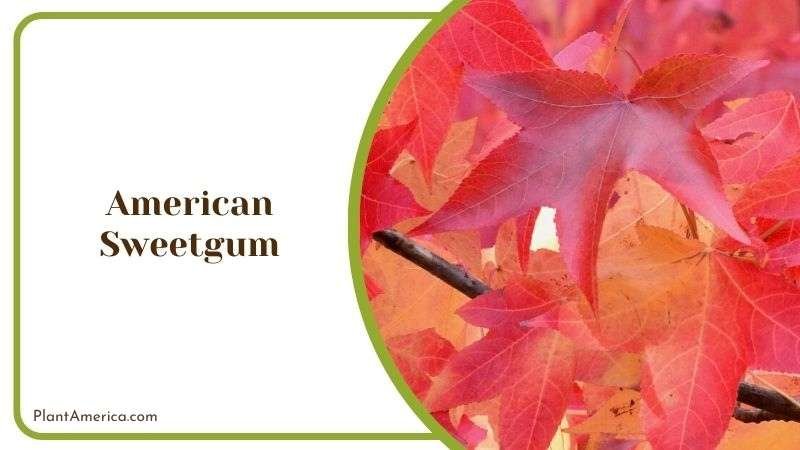
The American sweetgum tends to produce a gum, which hardens to form a chewing gum. This partly explains the origins of the name of the plant. Interestingly, this sweet-gum plant is home to many animals like chipmunks, deer, squirrels, and doves.
The plant is happy when provided with partial or full sun, though the direct morning sun is best, and you will see its growth. Most often, this plant is also regarded as representative of hope, and this is because the tree would thrive just with a couple of minimal requirements. The leaves are glossy and consist of five to seven star-shaped lobes.
4. Crab Apple Tree
| Benefits |
|
| Uses |
|
| Distinguishing characteristics |
|
| Care |
|
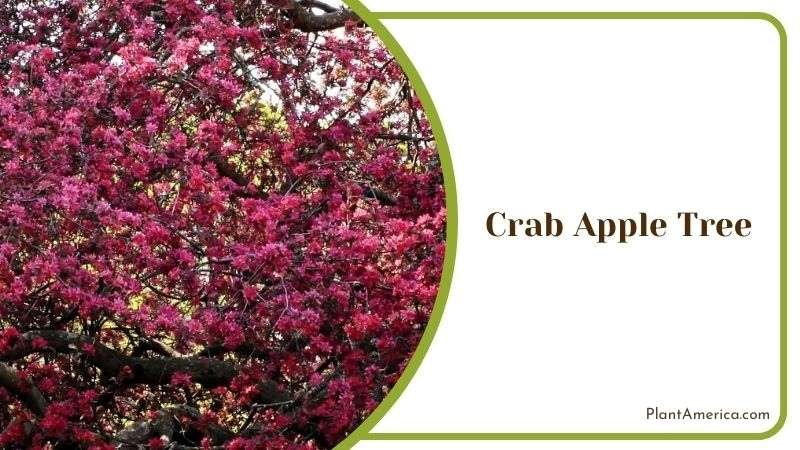
This is the type of tree that has a great height of 40 feet, and it requires full sun to thrive and to grow so tall. Moreover, you should water it once a week, and make sure to plant it in a well-draining soil that is also organic.
The crab apple tree, which is one that would look very dark in its foliage has a vivid red color. It is used for different reasons, one of which is because it has edible properties that would not intoxicate a person. The jam that is produced using crab apple fruits is characterized by a jiggly texture. This is mainly because the fruits contain high amounts of a compound called pectin. Check Apple’s tree leaves for mealybug infestation regularly.
5. Japanese Rowan
| Benefits |
|
| Uses |
|
| Distinguishing characteristics |
|
| Care |
|
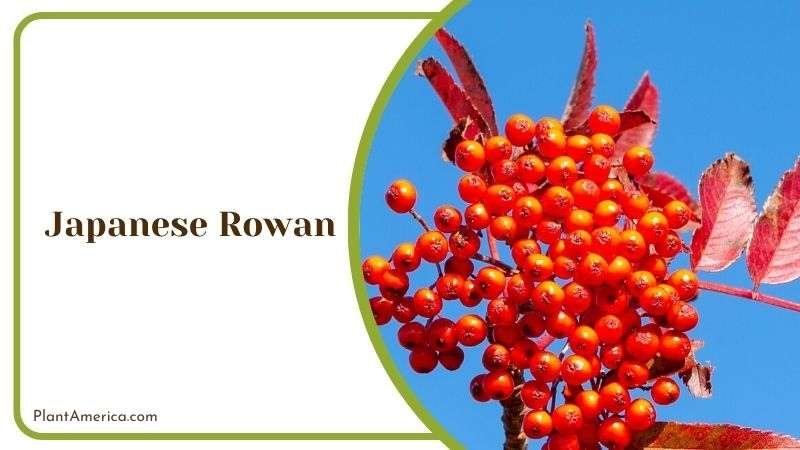
It might interest you to know that the Japanese rowan can survive for about 200 years, and produces fruit as well. The fruits of this tree are eaten by birds, which then disperse the seeds.
On the other hand, the wood of this plant presents great strength and resilience, which is why it is used for carving. However, to grow this plant in a sufficient way, you should make sure that the soil is between acidic and neutral in its pH, and that the soil is also left moist, as it is located in a place where it will receive bright and direct sunlight.
6. Prunus Cerasifera

| Benefits |
|
| Uses |
|
| Distinguishing characteristics |
|
| Care |
|
No specific information has been reported about the toxicity of the Prunus cerasifera species. However, this plant is a member of the genus where most of the plants produce hydrogen cyanide. As a matter of fact, hydrogen cyanide is poisonous, and it’s mainly found in seeds and leaves.
What you must note is that when you are growing this tree, the soil should not be overwatered, because it would increase the development of fungi and different diseases which would decrease the lifespan of the tree.
On the other hand, it requires a location of partial shades and indirect sunlight, so that it would thrive and grow up to 30 feet tall, with its beautiful and dark crimson red five-lobed leaves.