
Long blooming perennials are garden wonders that provide continuous color from early spring right up until fall freezes. In this guide, we’ll cover the best long-blooming perennials for overjoying your garden throughout the full growing season.

Whether you’re looking for easy-care perennial flowers, drought-resistant options, or low-maintenance bloomers, we’ve got you covered with recommendations like Russian sage, Shasta daisies, Black-eyed Susans, and more. So if you want to transform your garden space into a show-stopping kaleidoscope that keeps blossoming for months on end, then read on!
Long Blooming Perennials That Can Make a Vibrant Garden
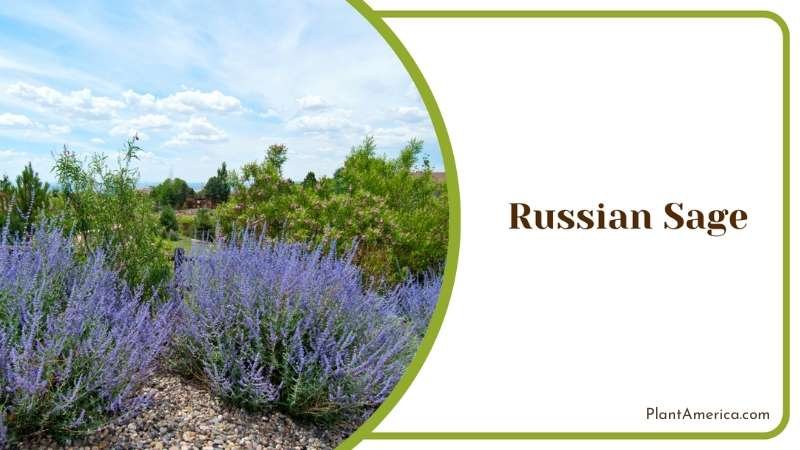
1. Russian Sage
- Growing season: Spring to fall
- Leaf shape: Long blooming stems, Finely Textured
- Specific needs: Well Drained Soil, Full sun, Dry soil
- Common pest: Aphids, Spider mites
Russian sage belongs to the mint family and features fragrant silver foliage and beautiful spires of pale purple flowers in late summer. The fuzzy grayish leaves and long blooming stems make it an eye-catching long blooming perennial for the border.
Plant Russian sage in full sun for the healthiest growth, and take note that shearing the stems after flowering encourages bushier regrowth next season. Russian sage requires little care once established, only occasional pruning and deadheading to prolong the blooming period.
2. Shasta Daisy

- Growing season: Spring to fall, Winter
- Leaf shape: Simply shaped, Finely Textured
- Specific needs: Well Drained Soil, Full sun to part shade
- Common pest: No significant pests
The shasta daisy (echinacea purpurea) is a classic perennial flower choice with large bright white flowers speckled with yellow in the center. These flowering perennials bloom continuously from early summer through fall and are excellent for drying and arranging.
Deadheading regularly prolongs the bloom time and dividing every three to four years in spring creates dense clumps. The Shasta daisy’s simple care requirements and prolonged blooming make it a popular choice for home gardens.
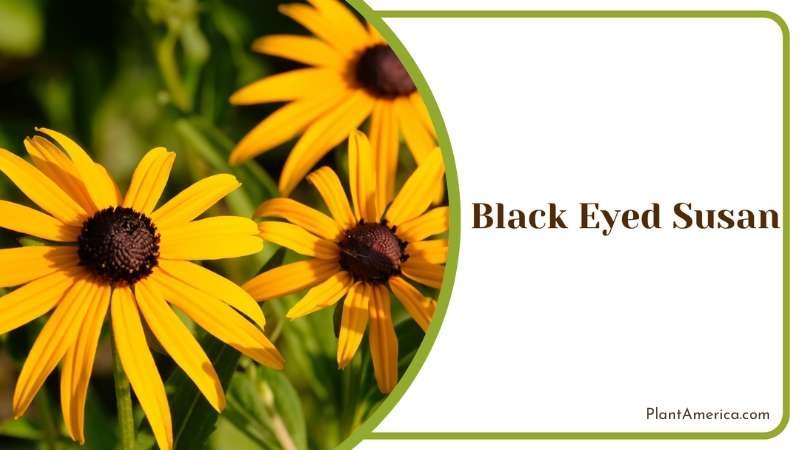
3. Black-Eyed Susan
- Growing season: Spring to fall, Winter
- Leaf shape: Bold shaped, Finely Textured
- Specific needs: Full sun, Well-Drained Soil
- Common pest: No significant pests
The black-eyed Susan is a quintessential long-blooming perennial, lighting up borders with two to three-inch golden yellow blooms with dark centers from summer into fall. The clump-forming habit and drought tolerance make it an ideal choice for mass planting.
This blooming perennial requires infrequent watering once established and handles cold temperatures well. Deadheading spent flowers regularly throughout summer and fall ensures continuous blooms on the black-eyed susans for months.
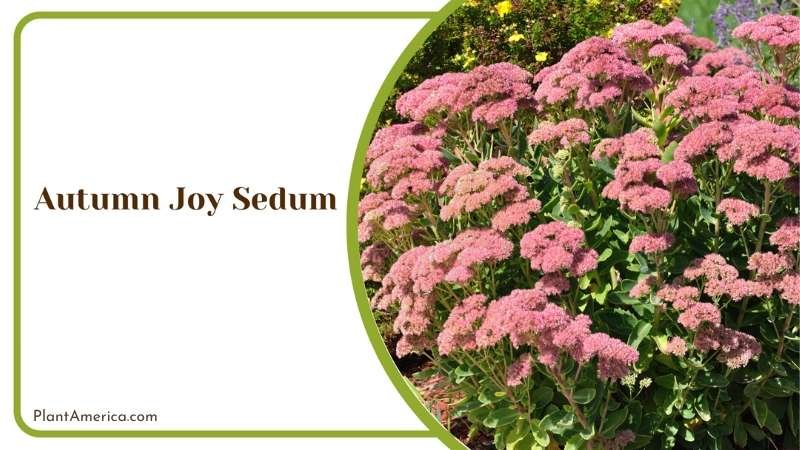
4. Autumn Joy Sedum
- Growing season: Spring to fall, Winter
- Leaf shape: Simply shaped
- Specific needs: Full sun, Dry to average soil
- Common pest: Leaf Miners, Japanese beetles
The autumn joy sedum is prized for its stunning color display in late summer and fall when the fleshy pink stemmed branches burst into clusters of intense raspberry-pink flowers. This long-blooming perennial is also valued for its thick evergreen foliage, which takes on burgundy hues in cold weather.
Autumn joy sedum requires little care once established and is extremely drought tolerant. The flat-topped clusters of flowers provide an attractive display in the landscape for several weeks in autumn.
After flowering, the dead stems can be cut back to tidy the plant and encourage branching and larger clumps the following season. The thick foliage and succulent leaves enable the autumn joy sedum to withstand periods of drought without watering once it is established, making it a very low-maintenance choice for perennial gardens.
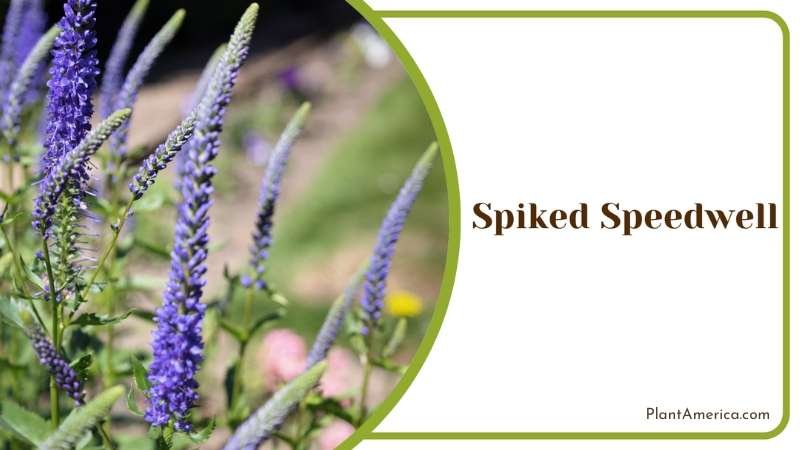
5. Spiked Speedwell
- Growing season: Spring to fall, Winter
- Leaf shape: Narrow, Linear
- Specific needs: Partial shade, Moist, well-drained soil
- Common pest: No significant pests
The spiked speedwell produces bright blue spires of star-shaped flowers atop thin stems from early summer until frost. A blanket flower in beds and borders, this long-blooming plant features fine textured foliage that remains attractive all season. The spiked speedwell thrives in partial shade and rich, moist but well-drained soil.
Shearing the stems back after bloom enhances blooming throughout the summer months. The slender stems carrying tiny blue blooms rise above the delicate foliage, adding an airy element to perennial borders and wildflower gardens.
Regular pruning throughout the growing season can help promote additional flowering on the spiked speedwell throughout summer and fall. With minimal care requirements once established, the spiked speedwell remains an attractive foliage plant even when not in bloom, making it a reliable and low-maintenance perennial addition.
6. Bleeding Heart

- Growing season: Spring to fall, Winter
- Leaf shape: Heart-shaped, Ferny gray-green foliage
- Specific needs: Partial Shade to Full shade, Moist, well-drained soil
- Common pest: No significant pests
The bleeding heart (Dicentra formosa) is valued for its unique heart-shaped pink blooms that dangle from arching stems in spring. Its ferny gray-green foliage provides attractive texture throughout the growing season.
A member of the long-blooming perennials, the bleeding heart will sometimes flower again in summer if deadheaded afterward. Grow this shade-loving plant in areas with rich, evenly moist but well-drained soil and mulch generously in winter.
The arching stems carry pendulous blooms that resemble upside-down hearts, giving this flower its common name. The fine-textured foliage remains attractive all season, providing a backdrop for the unique blooms.
Regular deadheading after the first bloom period enhances rebloom in the summer months. In winter, a thick layer of mulch helps protect the rhizomes from heaving in freezing and thawing soil, ensuring a good spring display of heart-shaped blooms the following year.
7. Garden Phlox
- Growing season: Spring to fall, Winter, Powdery mildew
- Leaf shape: Simply shaped, Showy upright flower clusters
- Specific needs: Average soil, Full sun – part shade
- Common pest: Japanese beetles, Spider mites
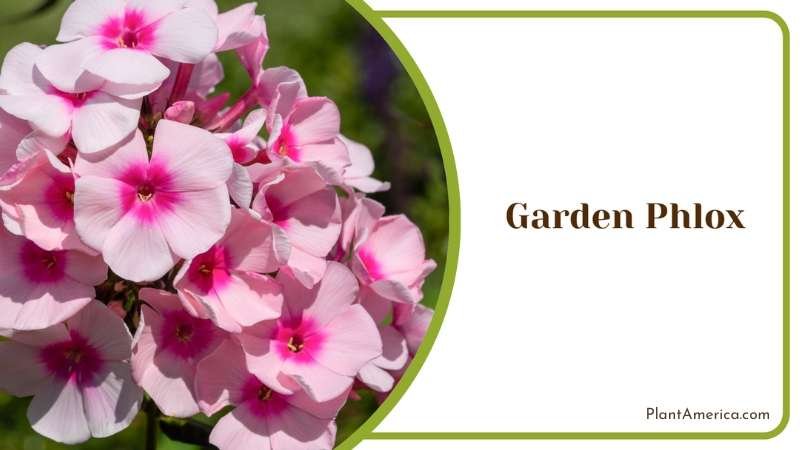
The reliable garden phlox belongs to the long-blooming perennials, producing showy upright flower clusters in various colors from summer into fall. The thick foliage provides a backdrop for the blooms and emerges purple in spring. This tough yet graceful plant thrives in average to moist soil and benefits from pruning after flowering to encourage rebloom. The rounded clusters of fragrant flowers appear on tall stems rising above the foliage.
Many cultivars offer different flower colors including pinks, purples, whites, and reds. After the initial bloom period in summer, deadheading spent flower clusters and cutting the stems back to below a set of healthy leaves can result in a second flush of flowers later in the season.
Divide garden phlox plants every three to four years in early spring to keep them vigorous and blooming profusely. Proper moisture through the growing season helps to ensure a bountiful display of flowers on this long-blooming perennial.
8. Perennial Geranium

- Growing season: Spring to fall, Winter
- Leaf shape: Long blooming stems, Palmate lobed
- Specific needs: Partial shade – Full sun, Average soil
- Common pest: No significant pests
The perennial geranium features clustered blooms in light to dark shades of pink, magenta, purple, and white. Flowering from early summer through fall, it is a longer blooming alternative to the zonal geraniums.
The deep green divided leaves provide a backdrop for the upward-facing flowers. This long-blooming perennial thrives in partial shade and average, evenly moist soil. Deadhead regularly to maintain plant neatness and prolong bloom.
The rounded clusters of flowers appear above the ferny foliage throughout the growing season. Multiple cultivars offer different flower colors and habits, from compact mounds to trailing varieties. Regular deadheading of spent flowers throughout summer and into fall will eliminate seed sets and encourage additional blooms on the perennial geranium. Dividing the clumps every three to four years helps rejuvenate the plants and keep them flowering prolifically.
9. Lavender
- Growing season: Spring to fall, Winter
- Leaf shape: Needle-like
- Specific needs: Well-Drained Alkaline Soil, Full sun
- Common pest: Aphids, Spider mites
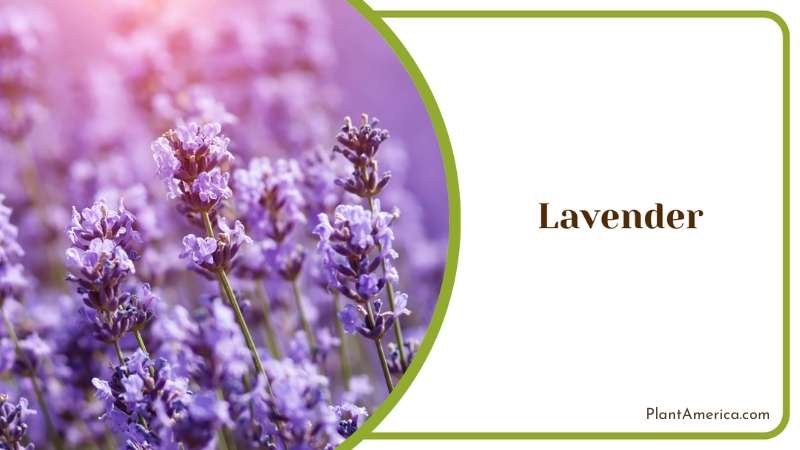
Lavender is a classic long blooming perennial renowned for its fragrant grayish foliage and spikes of purple flowers humming with honey bees from early summer through fall. Deadheading after each bloom encourages reblooming throughout the growing season. Lavender thrives in hot, dry conditions and well-drained alkaline soil with a pH between 6.1 and 8.4. Provide winter mulch to insulate the roots from extreme cold.
The narrow leaves are aromatic when crushed and release their signature fragrance when the spikes of lavender flowers are in bloom. Many cultivars offer variations in hardiness, flower color, and size. The woody stems and foliage are semi-evergreen in mild winter climates, providing winter interest and releasing fragrance when breezes pass through.
Frequent deadheading and severe pruning in late winter help maintain a compact shape and boost rebloom throughout the long growing season. Proper winter mulching is crucial in colder areas to protect the overwintering crown from heaving and frost damage.
10. Purple Coneflower
- Growing season: Spring to fall, Winter
- Leaf shape: Simple
- Specific needs: Average soil, Full sun
- Common pest: Japanese beetles,None otherwise
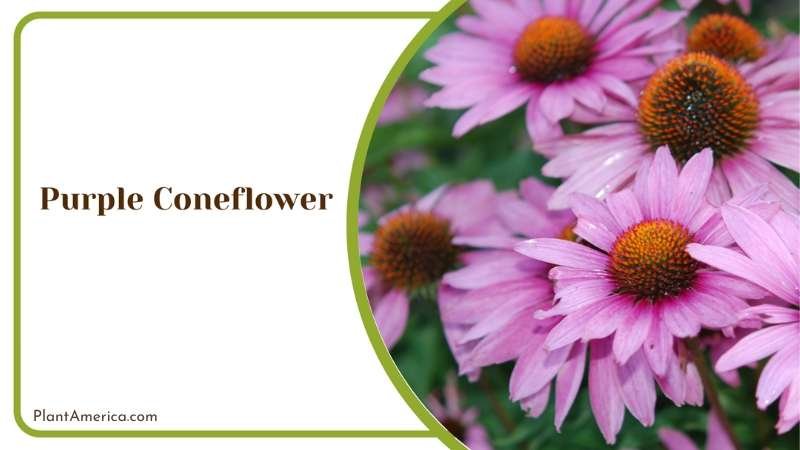
The purple coneflower or echinacea purpurea is a hardy perennial that produces daisy-like flowers in vivid hues of purple, pink, and white. The vivid blooms attract butterflies and reside atop gray-green foliage with a papery texture. This easy-to-grow long blooming perennial tolerates many soil types and requires little maintenance once established. Deadhead regularly to extend the bloom period into fall.
The cone-shaped centers rise above the flat petals, giving this flower its common name. Multiple cultivars offer different blooming times, flower sizes, and colors. After the initial bloom period in summer, deadheading of spent flowers will often produce a second flush of blooms later in the season.
The tall stems and coarse foliage are attractive even when not in bloom. Purple coneflower is adaptable, thriving in full sun and average, evenly moist soil, and minimal care is needed beyond an occasional division every three to four years to maintain vigorous growth and abundant blooms year after year.
11. Ice Plant
- Growing season: Spring to summer, Fall to winter
- Leaf shape: Succulent
- Specific needs: Well-Drained Soil, Full sun
- Common pest: Less susceptible
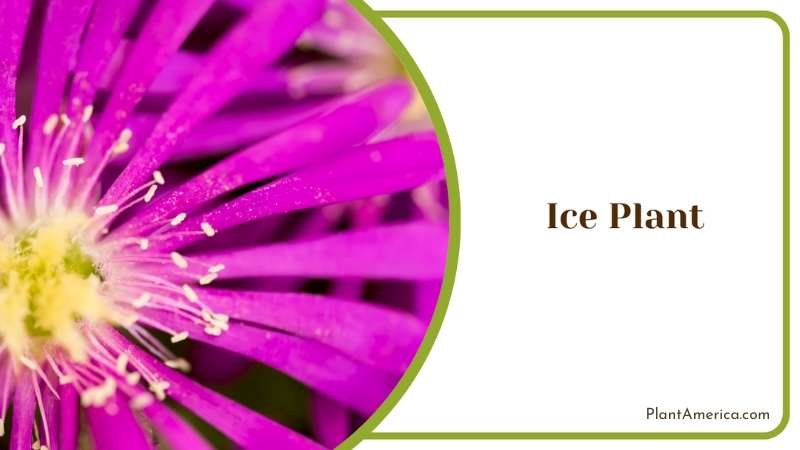
The ice plant features clusters of pink, white, purple, or magenta bowl-shaped flowers in spring and summer atop a dense mat of succulent foliage. The thick leaves and waxy coating make this long-blooming perennial drought-tolerant once established. Various cultivars offer different sizes, from sprawling groundcovers to compact mounds. Ice plants thrive in hot, dry conditions with full sun and well-drained soil.
Late winter to early spring is the ideal time to divide existing plants or start new ones from cuttings to ensure a vibrant display. The fleshy leaves form a thick mat that covers the ground, choking out weeds and conserving moisture. A profusion of frilly petaled blooms smother the foliage in a wave of colorful flowers for months. The fleshy stems and thick leaves allow the ice plant to survive long periods with little water once established.
Most cultivars are evergreen in mild winter climates, providing winter interest and quick spring bloom. Pruning after flowering helps reinvigorate the plant and promotes a new flush of blooms the following season.
12. Ball Moss

- Growing season: All year, Evergreen
- Leaf shape: Scaly, Finely Textured
- Specific needs: Partial sun-shade, Evenly Moist Soil
- Common pest: No significant pests
Ball moss is an evergreen epiphyte that forms fuzzy clumps referred to as “balls” made up of branching stems on tree branches located in shaded areas. Lacking true leaves, ball moss absorbs water and nutrients from the atmosphere and bark of the host tree.
These peculiar evergreen perennials produce small white cone-shaped flowers in early spring. The fuzzy clumps consist of many branching stems that are covered in tiny brown scales instead of leaves.
These stems allow the ball moss to photosynthesize and absorb moisture and nutrients directly from the air and bark of its host tree. In early spring, the ball moss produces tiny white flowers within the foliage clumps, which remain throughout the year. Though it can grow on a variety of tree species, ball moss tends to favor shade and humid environments to thrive. The branching stems absorb water and nutrients from the host tree’s bark and surrounding air.
Once established, the moss requires no care or maintenance other than the occasional pruning of overgrown clumps. The brown scales covering the stems serve the purpose of leaves by performing photosynthesis using sunlight that penetrates the foliage.
Throughout spring and summer, the ball moss produces cone-shaped flowers that are less than an inch long and contain both male and female parts. These have a wax coating to prevent water loss in their humid environment. Though considered by some to be an unsightly parasite, the ball moss poses no real threat to the health of its host trees.
13. Lenten Rose

- Growing season: Spring to fall, Winter
- Leaf shape: Simple, Finely Textured
- Specific needs: Moist Well-Drained Soil, Partial Sun to Shade
- Common pest: No significant pests
The hellebore, also known as the lenten rose, flowers early, blooming throughout spring and into summer, delighting gardeners with color during the dreary days of winter. The foliage of this tough long blooming perennial develops maroon tints as it matures, complementing the nodding cups of white, pink, or purple flowers. Lenten roses thrive in partially shaded zones where the soil is consistently moist but well-drained.
The nodding flowers hang from upright stems above a rosette of thick evergreen foliage. Individual blooms last for weeks before fading. Deadheading spent blooms helps extend the flowering period well into summer. Multiple cultivars offer variations in flower color, including white, pink, purple, red, and bi-colors.
The thick leathery leaves take on bronze or maroon tints as they age, providing ornamental interest year-round, and consistent moisture and mild temperatures bring out the best bloom display on these early perennials. The dark maroon and green foliage remains attractive even when the plant is not in bloom.
When grown in partly shaded areas with rich, consistently moist yet well-drained soil, the nodding cups of bell-shaped flowers bloom heavy and fragrant from late winter until early summer.
Each bell-shaped flower with its radial pattern of veins contains both male and female parts and emerges directly from the flowering stem above the foliage. Proper care including consistent moisture and pruning of spent blooms ensures optimum flowering and ornamental value from these sturdy flowering perennials that provide welcome color at the beginning of spring.
14. Spike Gayfeather
- Growing season: Spring to summer, Winter
- Leaf shape: Linear, Zigzag
- Specific needs: Full sun, Average – Moist soil
- Common pest: No significant pests
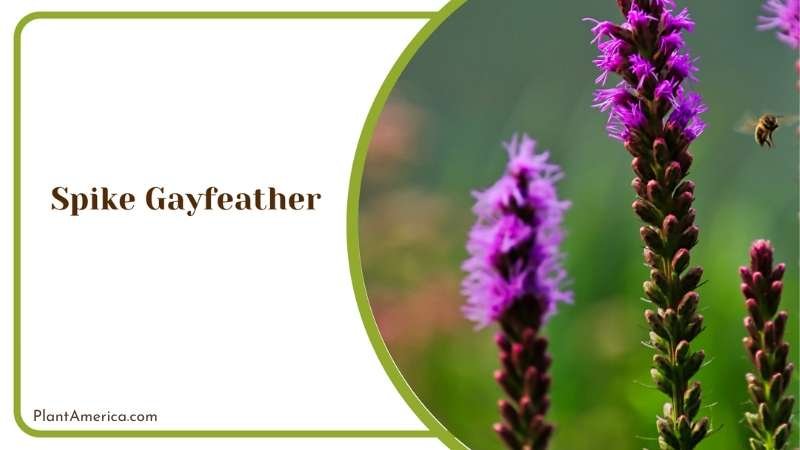
The spike gayfeather produces upright spikes of tiny blue or pink flowers in summer. The slender stems carry narrow leaves and rise above delicate foliage, making an airy addition to borders and wildflower gardens. This long-blooming perennial self-seeds freely and requires little care once established. Grow spike gayfeather in full sun and average to moist, well-drained soil for best growth.
Cutting stems back after blooming encourages bushier regrowth the following season. The spike-like flower clusters rise above the thin, grass-like foliage, creating an airy, ethereal effect in the garden. The delightfully delicate blooms appear in shades of blue, lavender, or pink depending on the cultivar.
Once established, the spike gayfeather is very low maintenance, requiring only an annual shearing of old stems after blooming to promote fresh new growth the next year and the self-seeding habit allows spiked gayfeather to fill in gaps quickly and naturalize nicely in meadows and prairie gardens with ample space. However, deadheading spent flower spikes can help limit excessive reseeding.
15. Sea Holly
- Growing season: Spring to fall, Winter
- Leaf shape: Spiny, Sword-shaped leaves
- Specific needs: Full sun, Sandy well-drained soil
- Common pest: No significant pests
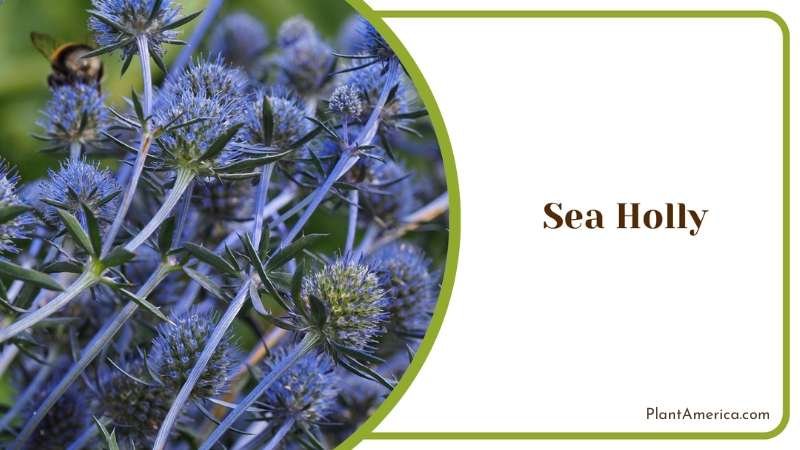
The sea holly (Eryngium) features silver-blue spiny foliage and spiny globes of blue flowers from mid to late summer. The flower stems arise above prickly rosettes of sword-shaped leaves that remain attractive throughout the long blooming perennial’s growing season. The architectural mounds of foliage and flowers make an eye-catching addition to cottage gardens and xeriscapes.
Provide sandy, well-drained soil and infrequent watering once established to mimic its native seaside habitat. The spiny leaves and stems provide a textural element to borders and containers. Seed heads persist through winter, providing additional structure. Multiple species offer a range of flower colors, including blue, white, pink, and purple. These plants thrive in hot, dry conditions once established and benefit from winter dormancy.
Cutting stems back after the first bloom helps promote thicker growth and larger flower displays the following season. The prickly but interesting foliage remains attractive all year in mild winter climates. However, cold-sensitive species may die back in colder areas. Regular deadheading prolongs the sea holly’s blooming period through fall.
16. Lamb’s Ears
- Growing season: Spring to fall, Winter
- Leaf shape: Simple, Wooly heart-shaped leaves
- Specific needs: Well Drained Soil, Full sun to part shade
- Common pest: No significant pests
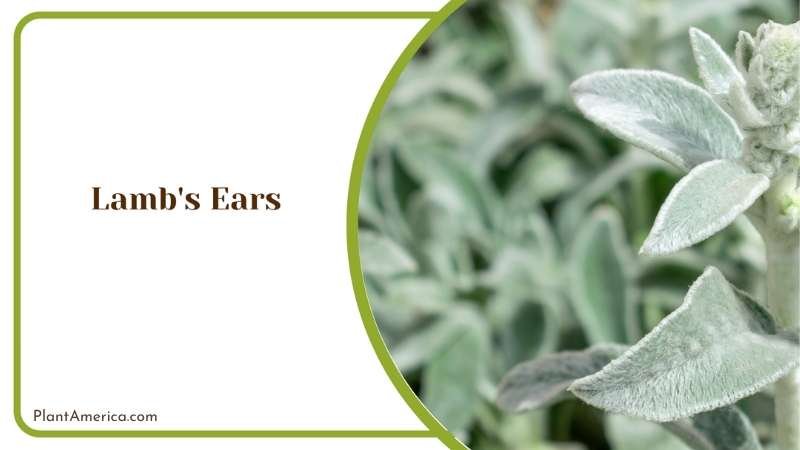
The soft, silvery foliage of lamb’s ear is the defining characteristic of this evergreen perennial. From spring through fall, dense rosettes of wooly heart-shaped leaves form a delicate low mounding ground cover. While lamb’s ears do not produce showy flowers, the fuzzy foliage makes an eye-catching addition to borders. Provide well-drained soil and moderate watering, allowing the soil to dry slightly between waterings.
The mounding habit makes lamb’s ears an ideal long blooming perennial for the front of borders and between stepping stones. The velvety, soft leaves have a silvery gray hue and form dense mats that choke out weeds. Infrequent watering once established, along with minimal fertilizing, helps promote the densest growth. Some cultivars produce pale pink flowers in summer, though the foliage remains the main attraction.
The wooly leaves help protect the plant from moisture loss, enabling lamb’s ears to thrive in hot, dry conditions with little need for supplemental water. The evergreen foliage persists through winter, providing ground cover appeal when other plants have died back.
Conclusion
There are many wonderful long-blooming perennials you can grow to overjoy your garden with continuous color throughout the season:
- The hellebore or lenten rose flowers early, blooming throughout spring and even into summer, delighting gardeners with color during the dreary days of winter.
- Ball moss is an evergreen epiphyte that forms fuzzy clumps or “balls” of foliage on branches of trees in shaded locations.
- The bleeding heart (Dicentra formosa) is valued for its unique heart-shaped pink blooms that dangle from arching stems in spring.
While each has its own unique needs and growing requirements, all share the ability to make your garden smile from spring until the first frost. So get out there and start planning which of these gorgeous perennial flowers will bring you the most joy in the months ahead!