
Mealybugs on bamboo are visually irritating, destroying the lush green foliage with their white cottony appearance. Why are they there?

How can we get rid of them? Today, we’ll discover everything that we need to know about mealybugs on our bamboo leaves and trees of the Poaceae family!
Why Are There Mealybugs on Your Bamboo Plant?
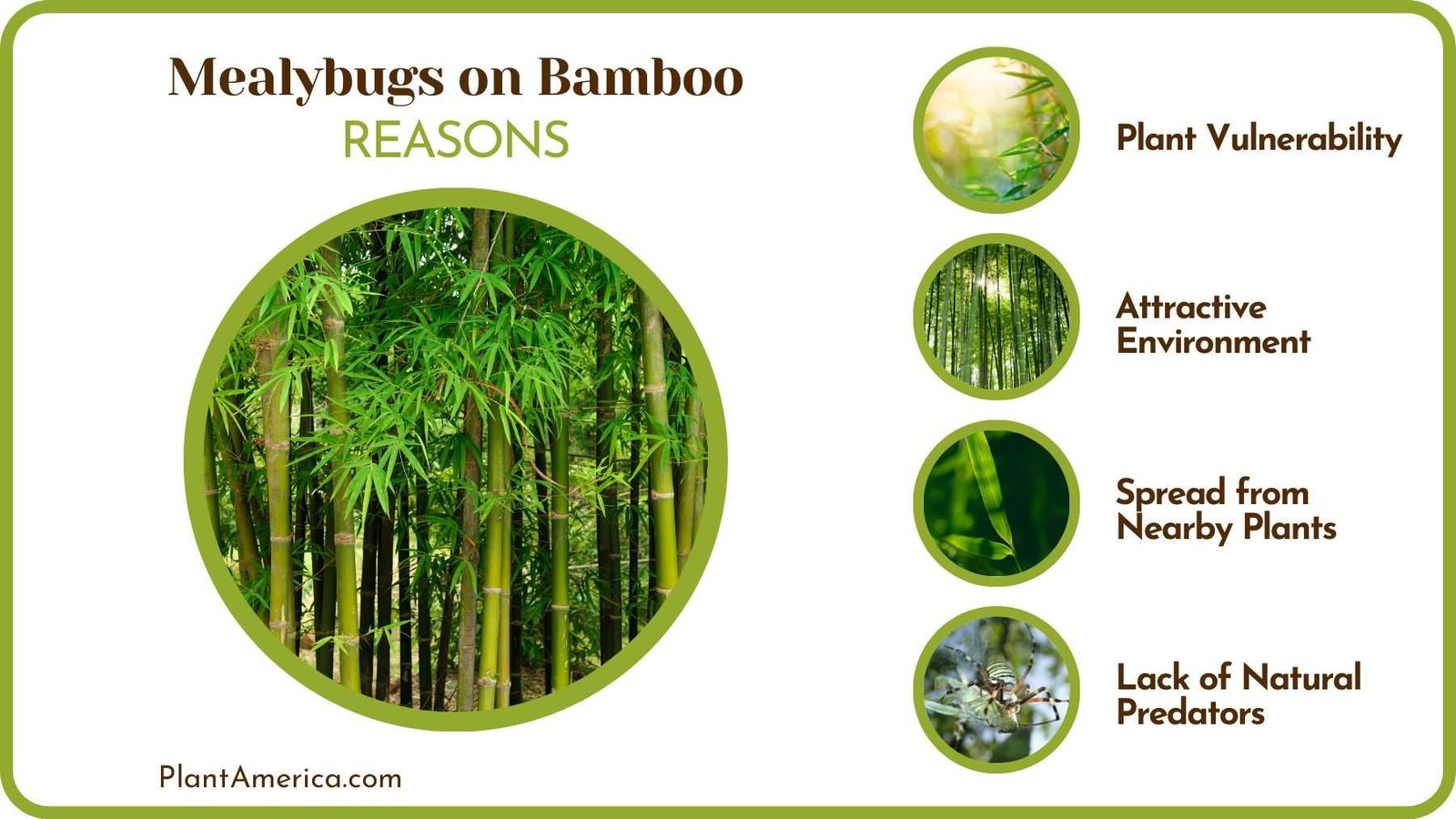
There are mealybugs on your bamboo plant because of favorable conditions that attract them. Mealybugs infest bamboo due to the plant’s stress and weakened state, attracted by its succulent growth. Inadequate care, lack of natural predators, and proximity to infested plants contribute to their presence.
– Plant Vulnerability
When bamboos experience stress or weakening due to factors, such as inadequate nutrition, poor growing conditions, or environmental changes, they become more susceptible to bamboo insect infestation by pests like mealybugs.
Bamboo plants under stress can struggle to protect themselves from pests and may show signs of weakness that attract mealybugs. These insects prefer plants that aren’t thriving, as these provide a cozy environment for them to feed and reproduce. When a plant is in this condition, mealybugs can easily infest bamboo leaves, using unique mouthparts to suck the plant sap.
– Attractive Environment
Mealybugs are drawn to plants that provide them with favorable conditions for feeding and reproduction. An attractive environment for mealybugs includes lush growth, succulent stems, and a relatively high concentration of plant sap. Mealybugs on bamboo indoors are typical since indoor environments tend to produce more conducive breeding grounds.
These insects have a strong preference for plants with dense foliage and crevices that offer shelter from harsh weather and predators. When plants are crowded or in poor health, they become more vulnerable to mealybug infestations. Additionally, factors like inadequate airflow and excessive moisture create an appealing environment for mealybugs to inhabit.
– Spread from Nearby Plants
Mealybugs can migrate from nearby plants due to their mobile nature and the availability of suitable hosts. They move by crawling, wind currents, or being carried by animals. When mealybugs spot nearby infested plants, they can quickly discover fresh sources of nourishment.

– Lack of Natural Predators
Mealybugs on bamboo leaves increase when the natural predators that typically keep their population in check are absent from the environment. In ecosystems where these predators, such as ladybugs, lacewings, and parasitic wasps, are not present, mealybugs can reproduce unchecked. The absence of predators lets mealybugs increase quickly, causing infestations.
– Poor Plant Care Practices
This refers to a range of factors that can compromise the health and resilience of bamboo. These conditions can make bamboo more susceptible to mealybug infestations. These actions involve not watering enough, using the wrong fertilizers, forgetting to prune, letting plants get too close, and leaving them in harsh weather.
How To Perform Treatment of Mealybugs on Bamboo
To perform mealybugs on bamboo treatment, regularly prune and remove affected parts, introduce natural predators, isolate infested plants, use neem sprays or insecticidal soap, apply diatomaceous earth, consider systemic insecticides, and maintain optimal growing conditions. You can also combine these treatments for better results.
– Pruning and Removing Infested Parts
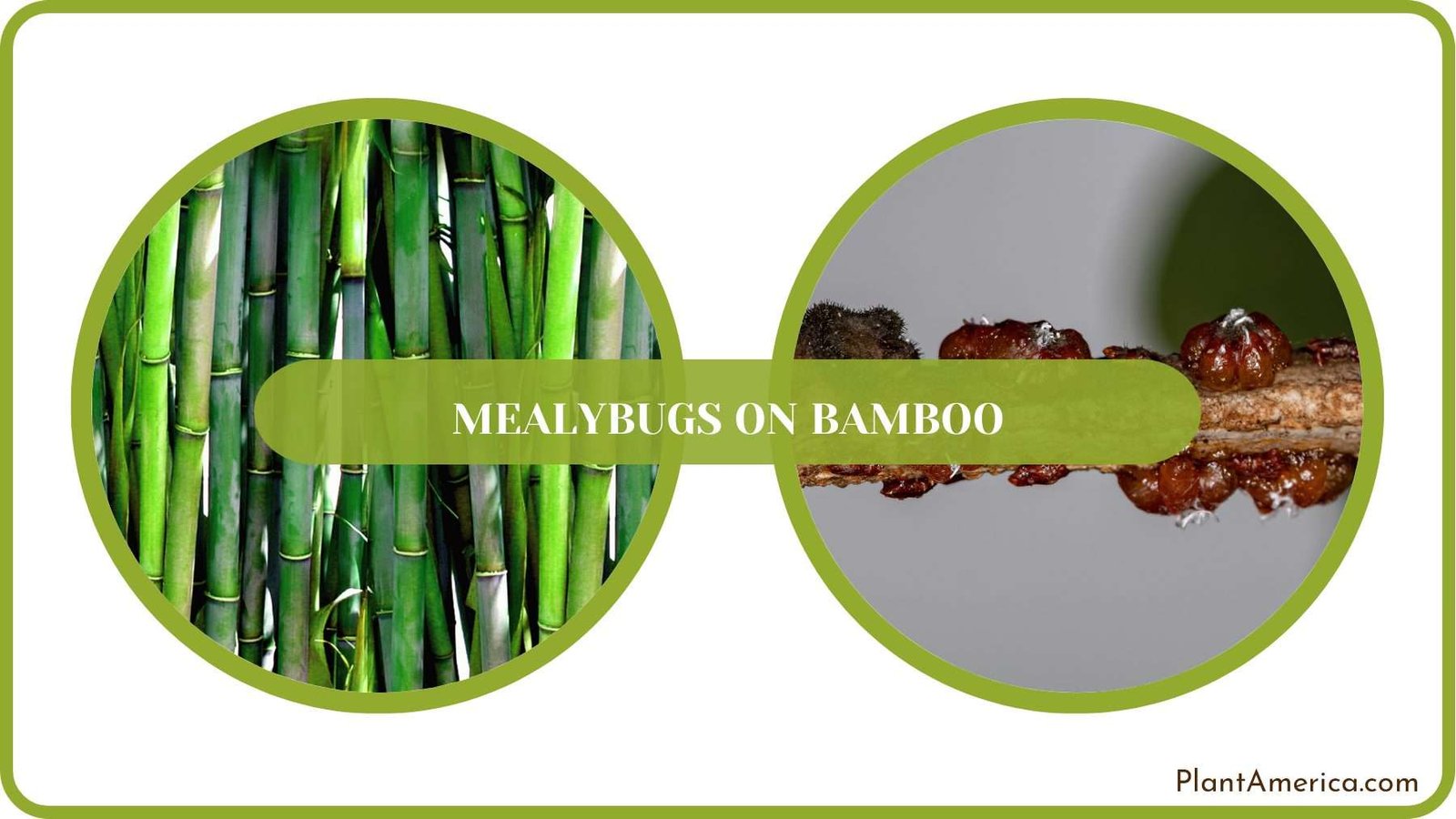
Regularly inspect the bamboo plant for signs of mealybug presence, such as the cottony white clusters they create on stems and leaves. Once you identify infested areas, use clean and sharp pruning shears to carefully cut away the affected parts. Be sure to toss away the trimmed pieces far from your healthy plants.
This helps stop mealybugs from spreading. While doing this, remember to put on gloves. They’ll shield you from coming into direct touch with these bamboo pests that include aphids too. By cutting out parts that are badly infested, you lower the number of mealybugs.
This also restricts their reach to the plant’s nourishment. Plus, it boosts airflow and lets more light through. These factors together make it less likely for more infestations to happen. And, they encourage your bamboo to grow stronger.
– Natural Predators
Natural predators are beneficial insects that can help control mealybug populations on bamboo. Ladybugs, lacewings, and parasitic wasps are examples of these predators. Ladybugs just love to feast on those pesky mealybugs throughout their life cycle. If you’re keen on having these helpful insects in your garden, all you need to do is plant some flowers rich in pollen and nectar.

Lacewings are another ally in the fight against mealybugs, chowing down on them both when they’re larvae and full-grown adults. If you have bamboo struggling with mealybugs, consider releasing lacewing larvae during the evening, when they are at their prime time.
Then there are these tiny parasitic wasps that lay their eggs inside mealybugs, which basically spells doom for the mealybugs. These wasps are so small that they often fly under the radar, but if you want to make them feel at home, get some diverse plants that can provide cozy hideouts and sweet nectar.
– Manual Removal
Manual removal involves physically removing mealybugs from bamboo by using a soft brush or cloth. To do this, inspect your bamboo regularly and identify areas where mealybugs are present, often seen as clusters of white, cottony material on stems and leaves.
Gently brush away or wipe off the areas where you see the mealybugs. You can also dampen a cloth with a mild soap and water solution and gently wipe off the bugs. Be careful not to harm the plant as you do this. Put the collected mealybugs far from your plants.
– Isolation
Isolating an infested bamboo involves physically separating it from other nearby plants to prevent the mealybugs from spreading. To tackle this issue, gently relocate the bamboo that’s been affected to an area separate from other plants, ensuring a comfortable gap between them.

If the bamboo is potted, consider moving it to an isolated spot or, weather permitting, keeping it indoors for a while. For bamboo planted in the ground, you can create a makeshift barrier around its base using materials like plastic sheeting. This helps prevent mealybugs from making their way onto nearby plants.
– Neem Sprays
Neem oil is a natural and organic insecticide derived from the neem tree. It contains compounds that disrupt the feeding, growth, and reproduction of various pests, including mealybugs. To deal with mealybugs affecting your bamboo, go for neem products. Follow the instructions from the manufacturer. Usually, it’s around one to two tablespoons for each gallon of water.
Give the mix a good stir or shake. Before using it all over, test a bit on a small part of the bamboo to make sure it won’t cause any harm. Spray the neem solution onto the bamboo, especially on the problem spots and the undersides of leaves, where those sneaky mealybugs like to hide. Do this every seven to ten days or for a couple of weeks.
This routine will tackle the newly hatching mealybugs and break their life cycle. When you apply, skip the hottest parts of the day and avoid times when the plant is stressed out. Neem sprays can leave a residue, so opt for evenings or when the plant isn’t soaking in direct sunlight.
– Insecticidal Soap
Insecticidal soap is a safe and effective solution for combating mealybugs on bamboo. It’s a specially formulated soap that disrupts the cellular membranes of insects, leading to their dehydration and eventual elimination. To effectively use insecticidal soap, follow the manufacturer’s guidelines for dilution.
Typically, you’ll want to mix one to two tablespoons of the soap with a gallon of water. Pour this diluted solution into a spray bottle, and then evenly apply it to the bamboo, making sure to cover all the areas where mealybugs are present, including their hiding spots. Pay special attention to the undersides of the leaves and any nooks where these pests might be lurking.
Leave the soap solution on the plant for a few hours, and then wash it off using plain water. For lasting results, repeat this process every seven to ten days until the mealybug problem is resolved.
Remember, since the insecticidal soap’s effectiveness hinges on direct contact, thorough application is vital. Always test a small portion of the plant before using the solution more broadly, just to ensure it won’t harm the bamboo.
– Diatomaceous Earth
Diatomaceous earth is a natural and non-toxic powder made from the fossilized remains of microscopic aquatic plants known as diatoms. It’s an effective solution for combating mealybugs on bamboo. It works by physically damaging the exoskeleton of insects, causing them to dehydrate and die.
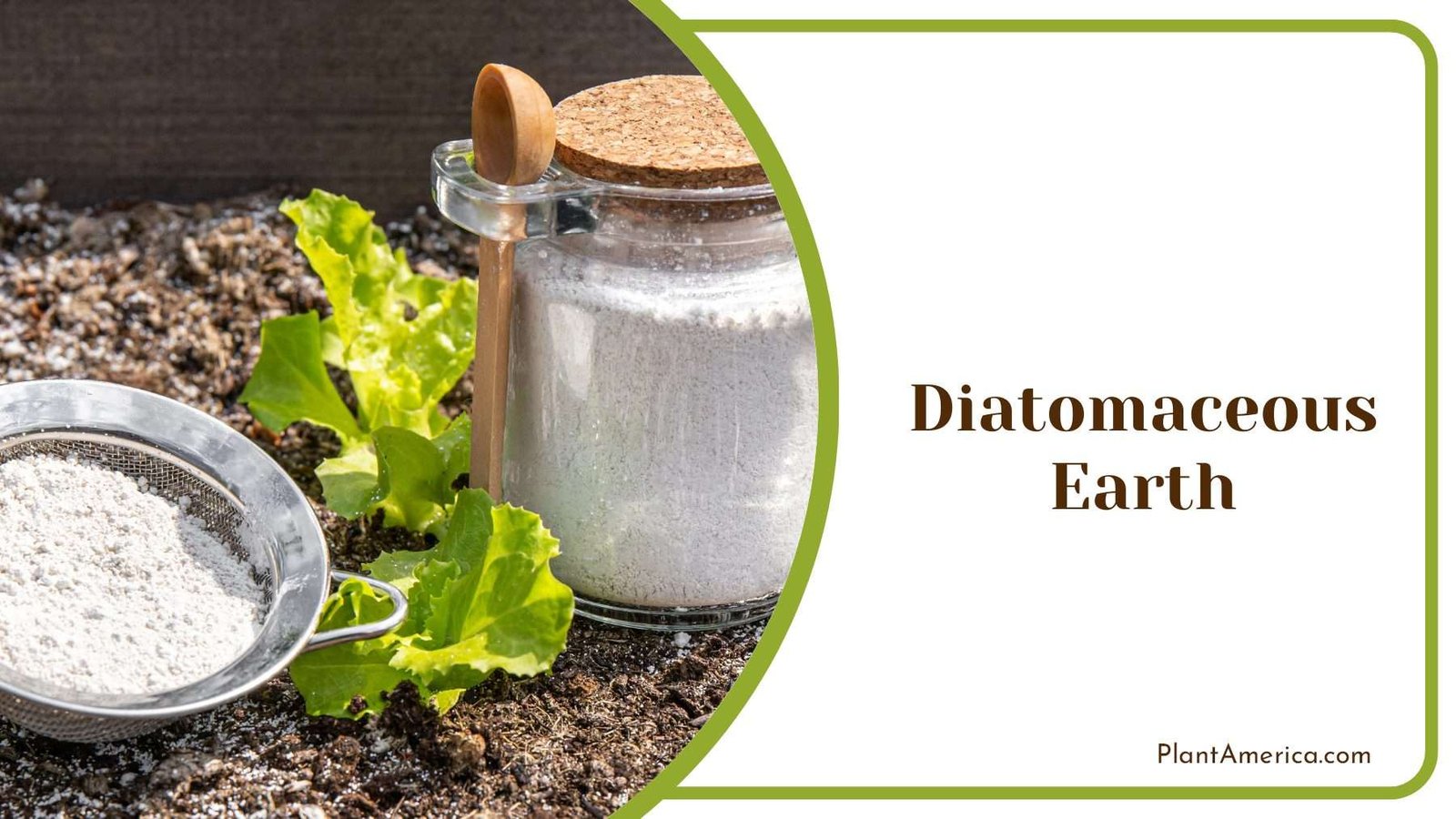
Make sure you’ve got food-grade diatomaceous earth on hand before you begin. Gently sprinkle a thin layer of the diatomaceous earth onto the affected areas of your bamboo. Be sure to focus on spots where you spot those pesky mealybugs. After rain or watering, you might need to apply it again.
Remember to put on protective gear like gloves and a dust mask to avoid inhaling the dust. Keep in mind that diatomaceous earth works better when it’s dry, as moisture can lessen its impact. You might need to keep a close watch and apply it a few times to keep those critters in check over time.
– Systemic Insecticides
Systemic insecticides are a type of pesticide that is absorbed by a plant’s vascular system, allowing the chemical to circulate throughout the plant. When mealybugs feed on the treated plant, they ingest the insecticide and are subsequently affected. This approach comes with several benefits.
It helps you tackle pests that like to hide in tough-to-reach spots, and it keeps your protection lasting longer. If you want to use systemic insecticides on your bamboo that’s got those pesky mealybugs, here’s what you do. First off, pick a systemic insecticide that’s meant for bamboo and mealybugs.
Take a good look at the instructions on the product label and make sure you stick to them. Different products might need different ways of applying. Usually, you’ll be mixing the insecticide with water, following the ratios they tell you. Sprinkle this mix in the soil around the bottom of your bamboo. Spread it out nice and even.
The plant’s roots will take up the insecticide and move it all through the plant. Now, don’t go overboard with this stuff. Too much can end up doing harm to the helpful bugs and our environment. Systemic insecticides can get the job done, but it’s up to us to use them the right way.
FAQs
– Can Mealybug Infestations Spread to Other Plants in the Garden?
Yes, mealybug infestations can spread to other plants in the garden. They can crawl or be carried by wind, pets, or humans to other plants. It’s essential to isolate infested plants and take preventive measures to avoid the spread of these pests.
– Can Mealybugs Transmit Diseases to Bamboo Trees?
No, mealybugs do not transmit diseases to bamboo trees. Mealybugs themselves are not known for transmitting diseases to bamboo directly. However, their feeding activity can weaken the plant, making it more susceptible to secondary infections or diseases that might take advantage of the plant’s compromised state.
Conclusion
We’ve covered a lot about bamboo mealybug issues by making it simple, so let’s make it even simpler with a quick recap!
- Mealybugs target bamboo due to plant stress and vulnerability.
- Regular inspection and pruning can control infestations.
- Natural predators and biological control aid in managing mealybugs.
- Maintaining healthy bamboo conditions deters mealybug attraction.
- Mealybug infestations can lead to sooty mold and affect plant health.
With this knowledge in your hands, your bamboos will no longer have mealybugs as unwanted visitors!