
“How to transplant a bonsai tree” is a question every Bonsai owner asks sooner or later. Bonsai is the Japanese art of growing usually larger-sized trees in smaller containers.

Even though their roots are conserved within small pots, bonsai of the Sapindaceae family must be transplanted once every two to five years. This article will discuss everything you need to know to report a Bonsai at home.
Factors to Look Out for While Transplanting a Bonsai Tree
Factors to look out for while transplanting a bonsai tree are transplanting the plant in early spring, choosing a soil mix that is made of the majority of inorganic matter, and keeping it at 75 to 85 degrees Fahrenheit. Water Bonsai right after transplanting it to keep it growing.
– Best Time to Transplant Bonsai
The best time to transplant a bonsai is when its roots begin to get choked in their old pot. It is only natural for the roots to grow large enough that they outgrow their old pot. The soil can no longer sustain the roots in terms of nutrients, water, and air. What’s worse, the roots might get twisted and die within the congested old pot.
The best time of the year to transplant a bonsai is early to mid-spring time. This is when the plant is just coming out of a long dormancy period, and its growth potential is at its peak. The second best time is during early fall, right after the hot summer period is over. The weather conditions during this time closely mimic that of early mimics.
– Fertilization
The best type of soil for bonsai is inorganic because it does not break down quickly like organic soil. Inorganic soils hold their structures for a long time as compared to organic ones like peat or compost. They also have a reasonably good water-retaining ability as well as the ability to drain the extra water off.

Akadama is the current hot favorite among all bonsai experts and is also known as the Japanese clay soil. It is readily available in Japan but is very expensive to procure elsewhere. It takes a good one to two years before it breaks down and should be replaced.
The best and most fertile bonsai soil is made of a mixture of academia, pumice, lava rock, fine gravel, and compost. Compost helps provide proper nutrients, whereas gravel helps with drainage. Lava rock is ideal for giving the mix the right structure and water retention.
– Watering Bonsai Before and After Transplanting
Watering bonsai trees every four to seven days is essential for survival. The soil and bonsai roots should not be allowed to dry out completely as it can prove to be fatal for them. A bonsai must be watered thoroughly a day before it is due to be transplanted.
The first watering that happens right after bonsai transplantation is essential. Take almost as much water as twice the volume of the new pot. Water the soil thoroughly until it comes out of the drainage holes at the bonsai pot’s bottom. Initially, dirty water will come, and you must keep watering until clean water starts draining.
– Temperature Requirements of Bonsai
75 to 85 degrees Fahrenheit is the standard temperature range between which most Bonsai varieties thrive. Maintaining this temperature is even more critical when it comes during transplantation. That is why the spring and fall periods are the most suitable for carrying out bonsai transplantation.
Bonsai do not take kindly to being kept in very hot temperatures soon after being transplanted. This is when these trees are most vulnerable to going into transplant shocks. If you must transplant a bonsai during summertime, bring it indoors to prevent overheating. A temperature difference of seven to 14 degrees Fahrenheit from day to night makes bonsai grow the healthiest, especially when repotting bonsai in winter.
– Proper Pot for Bonsai
Technically, any container can be used for repotting Bonsai trees as long as they fulfill specific requirements. It is okay to go for pots that are made of ceramic, terracotta, concrete, plastic, and certain metals that are safe for plants. The best material traditionally used for bonsai is the stoneware burned ceramic or porcelain pot.

Any pot that is to be used for bonsai should have the right number and size of drainage holes at its bottom. There should also be extra holes for using wires to hold Bonsai trees to the pot. The height of the pot needs to be one-third to one-half the size of the tree above the roots. Choose a pot that suits their personality well, depending on whether your tree is masculine or feminine.
– Light Requirements
Bonsai needs four to six hours of bright, indirect sunlight daily before and after transplantation. They can be kept outdoors during mildly warm months when the sun does not shine on them too brightly. It is unsafe to place them under direct light, especially right after transplantation.
Sunlight is not too strong for bonsai during the colder and shorter winter days. When transplanting this tree in the fall, it is okay to place them in a window where it receives direct light all day long.
What Are the Six Easy Steps to Transplanting a Bonsai Tree?
The six easy steps to transplanting a bonsai tree are getting the tools ready, removing the tree from the old pot, and washing the soil off its roots. Then, prepare the new bonsai pot with the new soil and place the tree in it after pruning its roots.
– Get the Tools Ready
Having the right tools makes a ton of difference when it comes to repotting bonsai. Here are all the tools to help you re-pot a bonsai conveniently and quickly.
- No transplanting of bonsai is possible without a good pair of pruning shears. Make sure that the shears you use are sharp and durable enough for pruning, cutting, and shortening the thick bonsai roots and stems. Before use, rub alcohol or any other disinfectant on the cutting surfaces to make them safe for use.
- Pruning shears can be used for carrying out most cutting and pruning tasks that are required during transplantation. Still, owning a sharp pair of root scissors will make your job much easier. They help cut the roots effortlessly, which is better for their healing.
- Having a wire cutter and pliers is a must because these roots also need to be tied in with wires.
- A small root rake will help detangle the root ball of the Bonsai trees after they are taken out of their old pot.

– Remove the Bonsai From Its Old Pot
Since there is always a wire holding the roots to the bonsai pot, use a wire cutter to cut it first. A root hook or a garden knife will help loosen the soil around the periphery of the pot. Watering the soil a day before this can help reduce it faster.
Do not use either instrument in the center of the pot because there is a risk of damaging the tree’s roots. Once the soil has been loosened, gently lift the plant from its old container and lay it down on a newspaper.
– Wash the Old Soil From the Roots
The next step is removing the old soil clumping around the interconnected bonsai roots system. A small-sized rake can help detangle this old soil mix easily without damaging the roots. Another tool that can be used instead is the good old root hook.
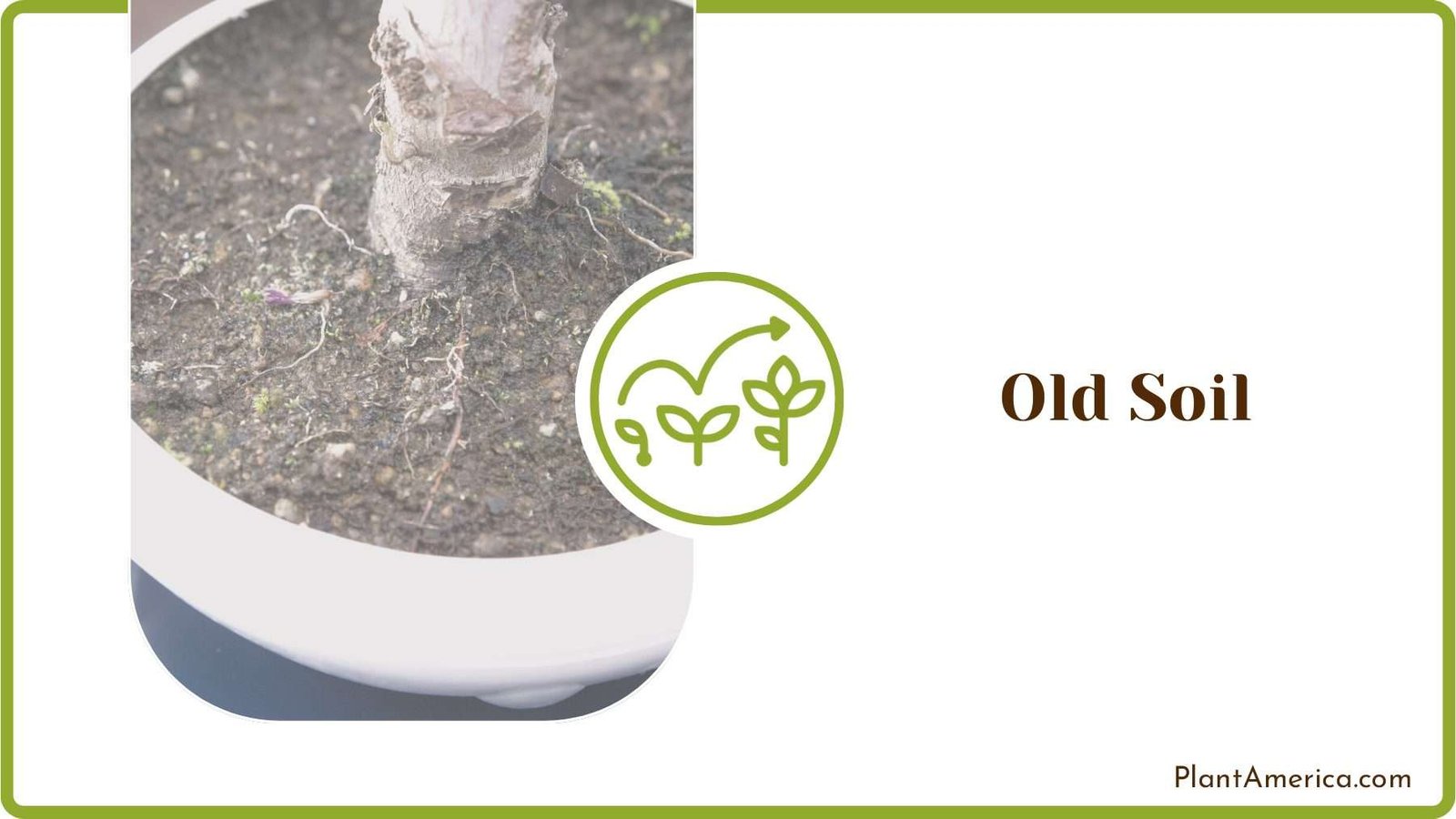
During this step, be careful and take your time to avoid stressing the roots. Then, take a hose with medium water pressure and wash off the remaining soil in the end. The roots will now be readily visible, and you can see if they need any pruning.
– Carry Out Any Necessary Pruning
Root pruning is the next step that must be carried out soon after taking a bonsai out of its old pot and soil. It is only natural that old and damaged roots will need to be removed before repotting. Older roots that have grown too long will have to be pruned short.
Don’t worry about cutting older roots off, as they will grow back just as well. Damaged, dead, or diseased bonsai roots will also have to be cut off. Use sharp pruning tools to prevent damaging the roots during this pruning. Before transplantation, only 30 to 35 percent of the roots can be pruned off; otherwise, the tree will go into stress mode.
– Prepare the New Pot
Before you put the bonsai in its new pot, carefully inspect the drainage holes at the bottom. They must be large enough to allow thorough water drainage from the soil. Take a wire mesh and cut it into pieces that are slightly bigger in size than the drainage holes. Placing wire mesh pieces over the drainage holes keeps the bonsai soil from falling out along with water.
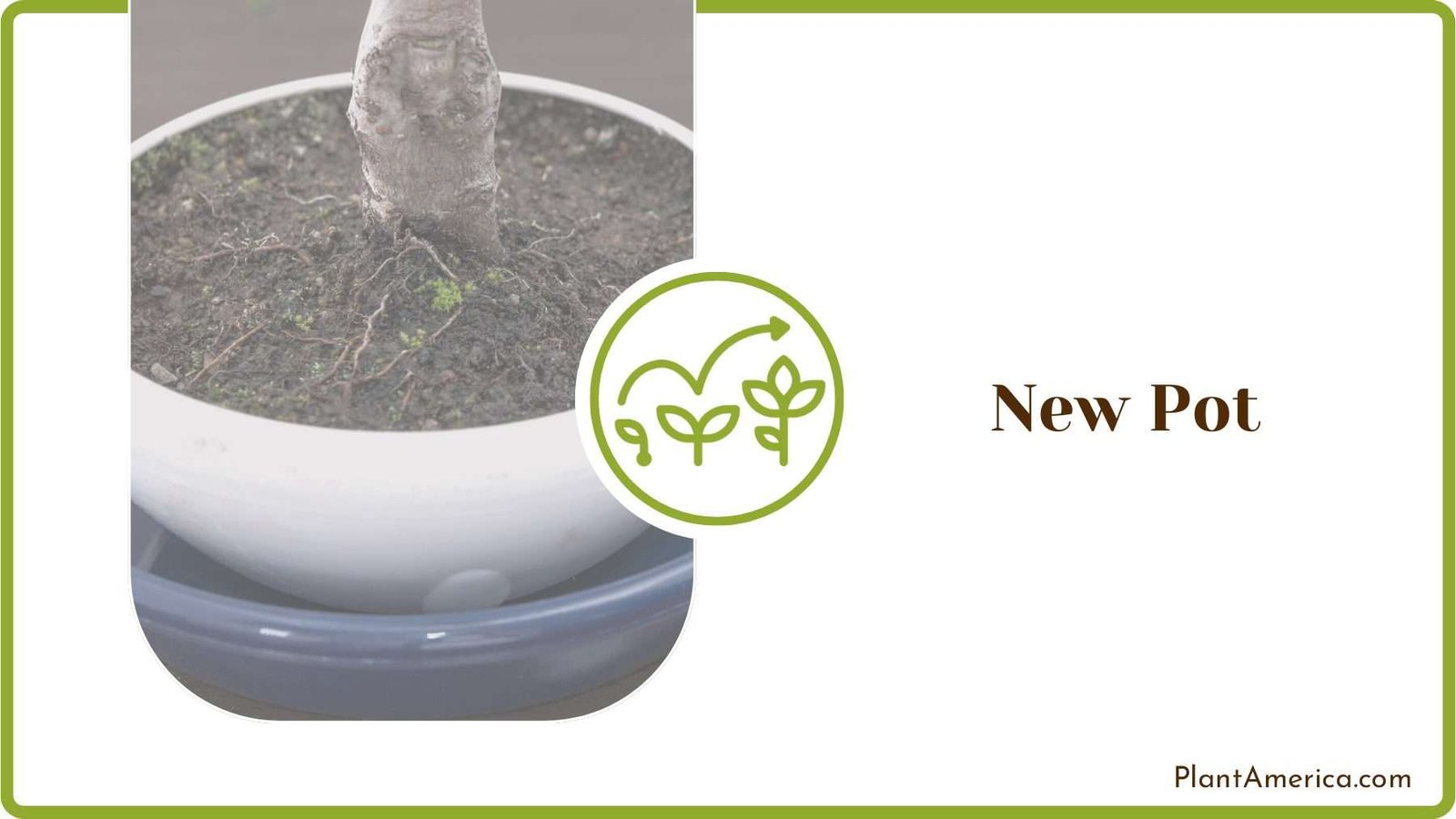
One way to keep these wire mesh pieces on top of drainage holes is by securing them with six to seven inches of wire loops. It is not absolutely necessary, but it helps to use a terracotta pot that has been sterilized and is free of all potential plant infections.
– Replant the Bonsai in Its New Pot
Fill the bottom of the pot with a thin layer of gravel and then two inches of fresh soil. Afterward, gently lower the entire bonsai into the pot and refill the rest of it with more soil. The new soil is made of a typical Bonsai repotting mix containing academia, gravel, compost, etc. Using a rake, gently mix the soil in with the roots to eliminate empty air pockets.
If you want to learn how to repot a bonsai for beginners, there is no easier way than this. Water the tree first after repotting, as the roots will be under a lot of stress by this time. Some species, like juniper and wisteria, do well when kept outdoors after a transplant. Keeping them indoors is a better option when repotting a bonsai ficus or Chinese elm.
Conclusion
Let’s go through a brief recap on how to transplant a bonsai tree for beginners all by themselves:
- These trees should ideally be transplanted in early spring or fall. Repotting bonsai in summer or winter is possible if the roots are becoming too cramped.
- When repotting bonsai in fall, ensure the temperature stays within 65 to 75 degrees Fahrenheit.
- Watering is essential for bonsai and should be the first thing you do after transplantation.
In this article, you learned how and when to repot bonsai yourself. Use the information given in this article to grow the best bonsai ever.