
It is important to store potting soil correctly by following a set of simple steps. Our experts have laid down different techniques to store unused potting soil.
From proper tight storage to recycling potting soil, here is everything you need to know about storing and recycling soil for later use.
How To Store Potting Soil
Thorough preparation and suitable containers are essential for proper storage of potting soil. Whether you want to store used potting soil or unused potting soil, the method for proper storage is the same.
Here is what you need to do to ensure you have suitable potting soil ready when you need it.
– Prepare for Storage
Fall is an ideal time to organize your gardening stock and supplies. Collect all of your unused potting soil in one bag. You will find leftover bags around the garden or in your basement. Put them in and get your inventory organized.
– Inspect the Bags
Where some bags may be open, others will be in a sealed condition and intact. Keeping a stock of them will help you understand your stock and whether you need to purchase more. Inspect the bags before you get started on storing them.
Look for contamination of the soil due to visible fungus. Also, check for the printed expiration date on the bags. Sift through the bags and check for eggs, mold, grub and insects.
Such soil may not necessarily be toxic, but it may not be worth storing for the next season either. Use these contaminated soils right away or discard them.
– Choose a Cool Dry Area
Store the soil bag in a cool and dry area. If you are placing them in your garage or basement, ensure they will be away from direct sunlight. Make sure there is no contact with moisture, as the soil needs to remain dry to last long.
– Make Sure the Soil Is Dry
Before storing potting soil, ensure that it is dry. Moisture trapped within soil can cause mold and mildew issues. Let the moisture escape by drying it out in the sun.
Spread it out evenly in the sun for a few days before you store them. Give them a nice shake to air them out before sealing them in storage bags.
– Get the Original Packaging Out
The best way to store soil is to put them back into its original packaging. The advantage of storing them in original containers and bags is that you will have the details of the ingredients and expiry date on the label.
The resealable zipper of these bags will keep the soil fresh and intact. If the zipper gets damaged, you can seal it with packaging tape. You can also transfer them to a similar bag and seal them tight.
– Use Airtight Zip Lock Bags
Potting soil storage is best in an airtight zip lock bag. Place the soil directly into this bag, or you can also choose to have the zip lock bag placed over the original packaging.
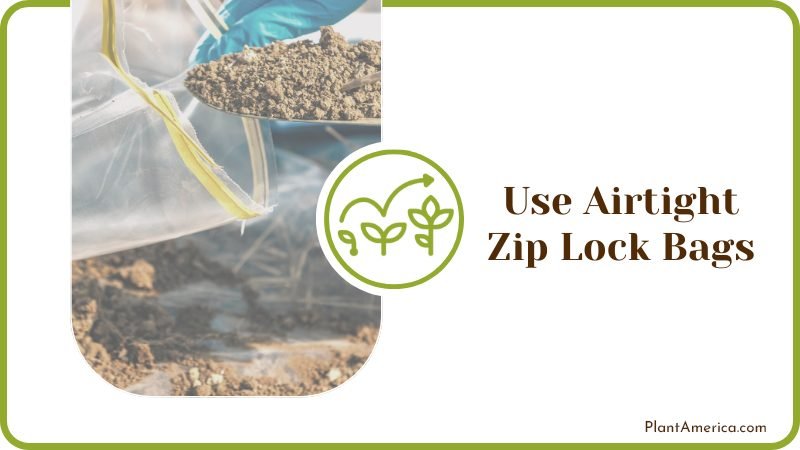
Keeping the potting soil in an airtight bag will make it last longer.
– Use Storage Tubs
You can also use a solid-colored Rubbermaid to store potting soil. Clean and remove all debris in the tub then transfer the potting soil to the bin and close it tight. Label it from the outside with important details.
– Keep a Close Watch
You can peep into the storage bags once or twice a month. This is to ensure no mold is growing on the surface of the soil and that moisture hasn’t found its way through.
How Long Can You Store Potting Soil?
You can store potting soil for one to two years if kept in airtight tubs or bags. If you have ensured proper storage, you can definitely reuse potting soil.
If the potting soil wasn’t stored well, you will see mold, bugs or fungi growing in it. In this case, toss it into your compost. If you still want to use the soil, use it for outdoor container plants rather than indoor plants.
How To Reuse Potting Soil
You can recycle potting soil to reuse them for fresh plants. Here is how you can go about it.
– Check for Disease
Make sure that whatever was growing in the soil before you store it was not diseased. Some plant diseases leach into the soil, and this may hamper the growth of your new plant.
– Do Not Reuse Soil From a Diseased Plant
The plant may be dead and gone, but the pathogens and other pests in the soil will remain. This makes it very likely for the next plant in the soil to also get sick and die.
– Sterilize the Soil
Remove roots, debris, grub or pests that you may spot in the soil. You will then need to sterilize it through the process of solarizing.

-
Sun
Put potting soil in a five-gallon bucket and cover it with a lid. Surround it with black plastic bags and leave it in the sun for 4 to 6 weeks. Heat will build up inside the buckets and kill any pathogens or bugs.
-
Oven
Potting soil can also be sterilized in an oven. Use an oven-safe pan, cover the soil with foil, and bake the soil at 180 degrees Fahrenheit for thirty minutes. Avoid higher temperatures as this could make it release toxins. Once done, take the soil out and let it cool naturally.
-
Microwave
A microwave can also sterilize soil if you don’t have an oven. Put the soil in a microwavable container and cover it with a lid that has a ventilation hole. This will allow steam to escape. Heat for ninety seconds for every two pounds of soil then remove to allow the soil to cool.
– Replenish Soil With Nutrients
After sterilizing the soil, you will need to replenish it with nutrients. Use slow-release fertilizer pellets along with new soil. Mix in some compost. Add this mixture to the soil that you are reusing.
– Rejuvenate Soil
You can also add more potting soil to the used one to rejuvenate it. Mix old potting soil with new along with 4 parts peat moss, some vermiculite, and some perlite to potting soil. This will rejuvenate the soil, making it healthy and usable again.
Where Can You Reuse Potting Soil?
If you have been able to replenish your potting soil, you can reuse it in your garden, compost pile and worm bins. Let’s take a closer look at the ways you can recycle your old potting soil.
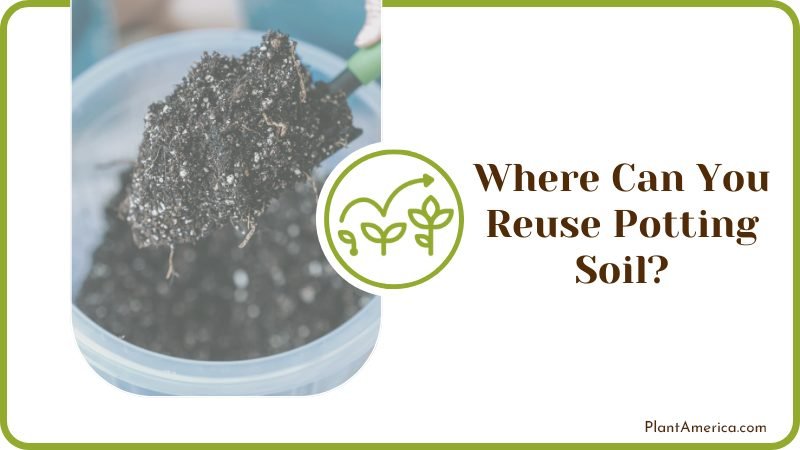
1. Garden
Add old potting soil to flowerpots, garden beds, vegetable gardens and compost piles. Keep the soil moist. You can also include mulch along with this reused potting soil.
2. Compost Pile
If your old potting soil is unusable for potting again, you can add it to your compost pile. It is organic matter and will break down along with your compost pile. You can use the compost later to strengthen your garden.
3. Worm Bin
For extra organic matter for your plants, toss the old soil into your worm bin. You don’t have to remove any debris such as leaves, roots or twigs.
Store Potting Soil Over Winter
Winter months aren’t really bad for potting soil. The freezing temperatures will make it difficult for insects and other pests to seep into the soil or lay eggs. However, it is always good to store them properly to make them available for use during the right season.
– Storing Potting Soil Indoors During Winter
You can always use potting soil for indoor plants that you have during the winter months. You can keep a stash of potting soil stored indoors. The best way to store potting soil is in its original bag. If the original potting soil bag is not resealable, you can use packaging tape to seal them well.

Small totes with lids will also make it easy to place them under shelves, cabinets or stairways. Avoid storing them under kitchen sinks or damp basements as these are locations with probable humidity.
– Storing Potting Soil Outdoors During Winter
You can also store potting soil outdoors over the winter. Being outdoors will not hamper the quality of the soil in any way, but take note that the bags might degrade.
Extreme temperatures can cause tears and cracks in the storage bags, which can lead to water or dew seeping in. Thus, if you are looking at keeping your potting soil outdoors, use a bin or container with a tight lid. You can also use clear tubs and large repurposed containers.
Seal the bag along the edges if you don’t plan to open it for months. This will keep the moisture at bay. You can also use thick plastic totes to store soil during winter.
– Remove Big Clumps of Roots
Clear the potting soil of any debris such as big clumps of roots before storing them over the winter. Let the soil dry out to prevent mildew issues.
How To Make Potting Soil in a Bag Last Longer
You can store used or unused soil in a bag for a longer time. Here is what you can do to ensure they stay fresh and ready to use.
– Maintain Organic Material
Over time, potting soil can begin to degrade. Maintain the organic matter of the potting soil by regularly adding a little peat moss, organic fertilizer and compost to keep the soil fresh.
– Keep the Texture
Potting soil can also lose its texture and become fine as they degrade. In this condition, it will not permit air to circulate. To retain the soil’s texture, add perlite or organic compost.
– Keep the Nutrients Intact
You can ensure the soil retains nutrients by adding slow-release fertilizer pellets. Add them once every few months while in storage.
– Keep It Dry
Moisture can lead to the build-up of mold and fungi, so make sure to keep the soil dry. In case you sense moisture in the soil, spread it out and allow it to air dry before sealing it again.
How To Tell if Potting Soil in the Bag Has Gone Bad
Your potting soil may have gone bad if you notice the following symptoms:
– Bad Smell
Foul-smelling soil can be due to the growth of mold, bacteria or fungi.

Spread the soil out on a tarp in the sun. After a week, you can check and reseal it again if the odor is gone.
– Pests
Pests such as gnats can lay eggs in your potting soil. These may not be harmful to the soil, but they may destroy saplings. Air out the soil on a tarp if you notice pests. You can also use a good quality fungicide to get rid of them.
– Mold
Mold tends to grow if the soil remains in a damp place. To get rid of it, expose it to heat by keeping it under the sun for a week. Turn them completely inside out to remove all mold.