
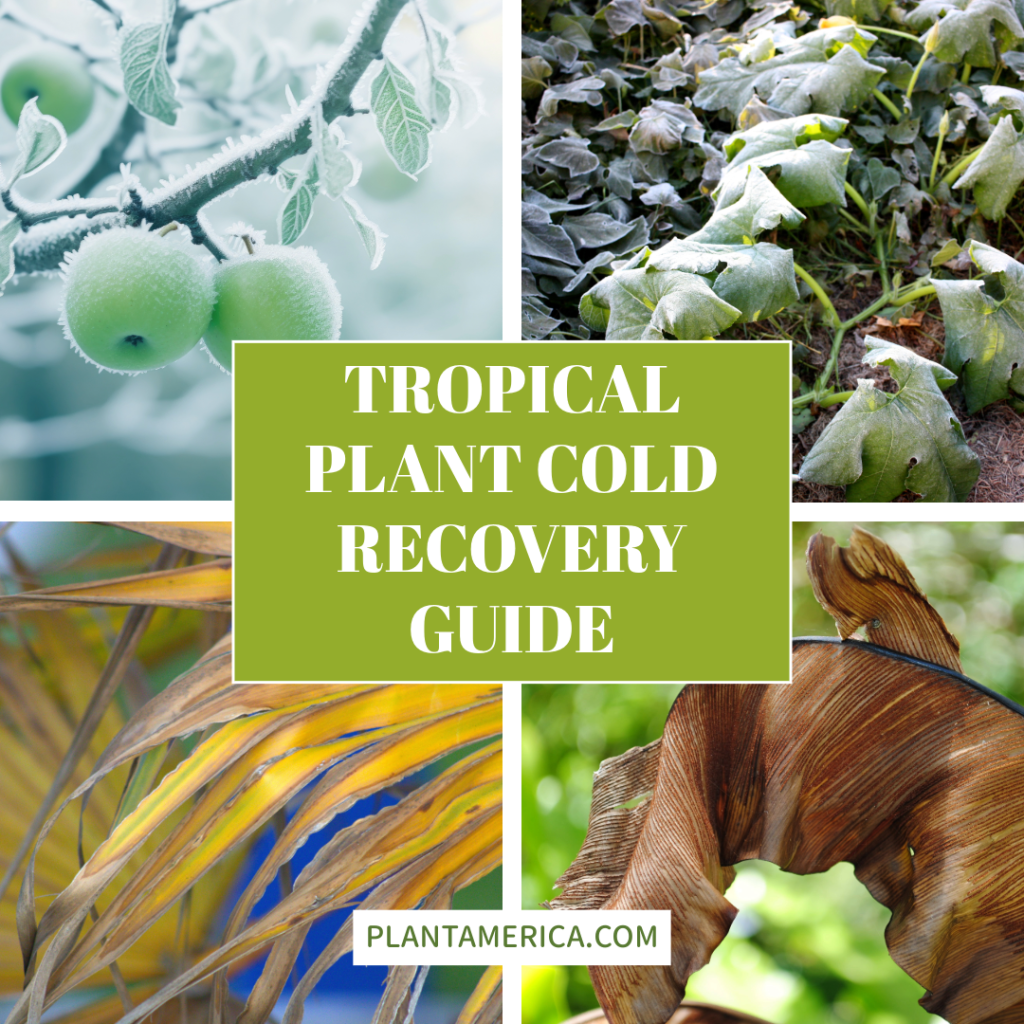
Cold weather can be shocking for tropical plants. Whether it was a surprise frost, a sudden cold snap, or several chilly nights in a row, tropical plants simply aren’t built for low temperatures. Leaves may turn brown or black, stems may soften, and once-lush plants can look completely ruined overnight.
If you’re staring at your garden wondering what went wrong — don’t panic. Many tropical plants can recover from cold damage with proper care and patience.
This complete guide explains how to revive tropical plants after frost, step by step.
Understanding Cold Damage in Tropical Plants
Before jumping into recovery, it helps to understand what cold actually does to tropical plants.
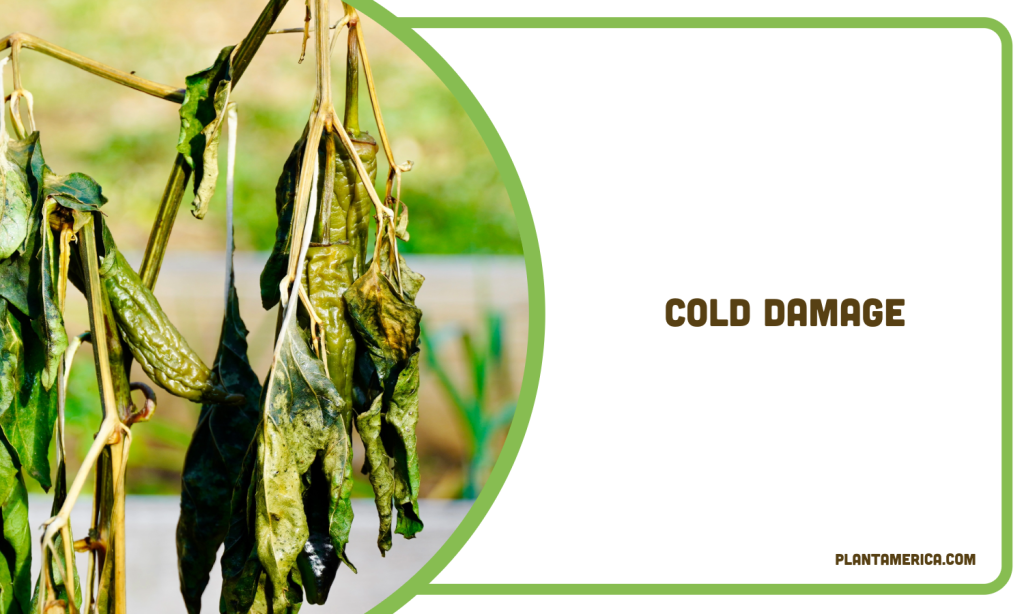
Cold temperatures damage plant cells by freezing the water inside them. This causes:
- Browning or blackening of leaves
- Wilted or limp foliage
- Mushy or brittle stems
- Leaf drop
- Stalled growth
In mild cases, only outer leaves are affected. In severe freezes, damage can reach stems and roots.
The key thing to remember: plants often look worse than they really are. Some tropical plants appear dead but regrow from the base weeks later.
Step 1: Assess the Damage (Wait Before Cutting)
One of the biggest mistakes gardeners make is pruning immediately after cold weather.
Damaged leaves may look ugly, but they actually provide insulation for the plant’s core.
What to do:
- Wait several days to two weeks before pruning
- Scratch stems lightly with your fingernail — green tissue means the plant is alive
- Look for flexible stems rather than brittle ones
- Check near the soil line for green growth
If you see green underneath the bark or tiny buds forming, your tropical plant still has life.
Step 2: Prune Only What’s Truly Dead
Once temperatures stabilize and new growth begins to show, it’s time to clean up dead material.
How to prune frost-damaged tropical plants:
- Remove blackened, mushy, or brittle stems
- Cut back to healthy green tissue
- Use clean, sharp pruning shears
- Prune gradually — you can always remove more later
Avoid aggressive pruning too early. Some plants will reshoot from lower nodes or even underground rhizomes.
Proper pruning helps prevent rot and encourages fresh growth.
Step 3: Water Carefully After Cold Damage
Cold-damaged roots don’t absorb water efficiently. Overwatering is one of the fastest ways to lose recovering tropical plants.
Best watering practices:
- Keep soil slightly moist, not soggy
- Make sure containers and garden beds drain well
- Avoid standing water around roots
- Water in the morning so excess moisture evaporates
If your area received freezing temperatures, always check soil moisture before watering.
Step 4: Don’t Fertilize Too Soon
It’s tempting to fertilize right away, but stressed roots cannot absorb nutrients properly.
When to fertilize tropical plants after frost:
- Wait until you see new growth
- Start with half-strength fertilizer
- Use a balanced or gentle organic fertilizer
- Avoid high nitrogen early on
Once your plants begin actively growing again, you can return to a normal feeding schedule.
Step 5: Mulch to Protect Roots and Retain Heat
Mulching is one of the most effective ways to help tropical plants recover after cold weather.
Benefits of mulching:
- Insulates roots from temperature swings
- Retains soil moisture
- Prevents weeds
- Improves soil health
Apply 2–3 inches of mulch such as pine bark, straw, or wood chips. Keep mulch slightly away from the main stem to prevent rot.
Step 6: Protect Plants if More Cold Is Expected
If additional cold nights are in the forecast, protect your plants while they recover.
Easy cold protection methods:
- Cover plants with frost cloth, sheets, or blankets overnight
- Use stakes to keep fabric off foliage
- Remove covers in the morning
- Move potted tropical plants indoors or to sheltered areas
- Place containers near walls for radiant heat
Even light protection can prevent further damage.
Step 7: Be Patient — Recovery Takes Time
Some tropical plants rebound in weeks. Others take months.
Signs of recovery include:
✅ New leaf buds
✅ Green shoots near the base
✅ Firm stems
✅ Gradual leaf regrowth
Don’t assume a plant is dead until warm weather returns. Many tropical plants regenerate from underground roots long after visible damage.
🌺 Plant-Specific Cold Recovery Guides
🌸 Hibiscus Recovery After Frost
Hibiscus often look completely dead after cold weather — but they’re surprisingly resilient.
How to revive hibiscus after cold damage:
- Wait 7–14 days before pruning
- Scratch stems to find green tissue
- Cut back dead branches gradually
- Keep soil lightly moist
- Add mulch around the base
- Fertilize only after new leaves appear
👉 Hibiscus frequently regrow from the lower stem or roots, so don’t give up too soon.
🍌 Banana Plant Recovery After Cold Weather
Banana plants are extremely sensitive to cold, but their underground rhizomes often survive freezes.
How to help banana plants recover:
- Cut mushy or blackened stalks down to firm tissue
- Remove damaged leaves
- Apply heavy mulch (3–4 inches) around the base
- Water sparingly
- Wait for warm weather before fertilizing
👉 New shoots usually emerge once soil temperatures rise.
🌴 Palm Tree Cold Damage Recovery
Palms recover differently than leafy tropicals because their growing point (the spear) is at the center.
Palm recovery tips:
- Do NOT remove green fronds
- Only cut fully brown leaves
- Check the center spear — if firm, the palm can recover
- Avoid fertilizer until active growth resumes
- Keep soil evenly moist
⚠️ If the spear pulls out easily, the palm may be severely damaged — but even then, some palms still rebound with warmth.
✅ Printable Tropical Plant Recovery Checklist
You can turn this into a downloadable PDF or blog graphic:
Tropical Plant Cold Damage Recovery Checklist
☐ Wait before pruning
☐ Check stems for green tissue
☐ Remove only dead material
☐ Avoid overwatering
☐ Hold fertilizer until new growth
☐ Apply 2–3 inches of mulch
☐ Protect plants from additional cold
☐ Watch for new buds or shoots
☐ Resume feeding once growth starts
☐ Be patient — recovery takes time
Preventing Future Cold Damage to Tropical Plants
Once your plants recover, take steps to protect them next time.
Prevention tips:
- Plant tropicals in sheltered locations
- Use mulch year-round
- Keep frost cloth on hand
- Group container plants together during cold weather
- Move sensitive plants indoors when possible
Preparing ahead can save thousands of dollars in plant loss.
Final Thoughts: Helping Tropical Plants Recover After Frost
Cold weather doesn’t have to mean the end of your tropical garden. With patience, careful pruning, proper watering, and root protection, many tropical plants recover beautifully after frost.
The most important things to remember:
- Don’t prune too early
- Avoid overwatering
- Wait before fertilizing
- Protect plants from additional cold
- Be patient
Supporting your plants gently — instead of forcing growth — gives them the best chance to thrive again.