
How to transplant a plum tree in a landscape or home can be easy with the right techniques. These trees are regularly the best and most vital trees that every garden owner wishes to transplant into their landscape.
The tree provides healthy food with little care and attention. This comprehensive guide gives you a fantastic idea about plum tree transplantation.
How to Transplant a Plum Tree Successfully
To transplant a plum tree successfully, you must find the ideal location for transplantation, an organic mulching layer to protect your plants from all kinds of weeds and pest attacks, and prepare an appropriate hole to maintain the plum tree’s health and productivity.
So, let’s explore one by one and shape some captive ideas to make your garden beautiful with plums.
1. Select an Ideal Location
An ideal location for your plum is essential for its growth, health, and fruit production. As mentioned, the plum loves to thrive in sunny conditions because it requires ample light and better production.
Avoid areas with excessive shade and buildings or other structures. In addition, choose a location with well-drained soil as well, and the pH level of soil should be between 6.5 and 7.5.
Always choose a location that allows good air circulation around the tree because adequate air flows prevent common plums from many diseases. So, be careful when you decide to find the location for your plant.
2. Dig a Hole for a Palm Tree
You are familiar with many things, such as temperature, timings, location, and many others. So, now it is time to dig a deeper hole for shifting the plant into his new home. The hole size should be larger than the size of the root ball.

For example, if the root ball is 12 inches, you should dig a hole 20 inches deep and wide. If you still need to perform the soil test, do it before transplanting the plant into it.
3. Remove Weeds
Remove all kinds of weeds and debris from the soil you have dug out. If the soil is heavy, you can improve its quality and make it well-drained. Mix organic material like compost or well-rotted manure to enhance the soil quality.
4. Plant the Tree Into the Hole
Keep the plant in the center of the hole, positioning it so that the top of the root ball is level with the ground surface. Ensure you have placed the tree into the center of the hole. Once you place it, fill the hole with the soil mix you prepared.
5. Mulching Layer
Apply an organic layer of Mulch around the base of the tree. The mulch layer helps retain the moisture and maintain the soil temperature. Another benefit of the mulch layer is to protect our plants from weeds and other harmful insects, such as spider mites. The tree is an edible fruit such as fig and peach, so pests can attack them to suck the fresh juice.
6. Monitoring
Monitoring of a plant is essential for health and productivity. Regular inspection will help you address any issues that may arise. Check your plant’s leaves regularly, and if you notice anything wrong, such as unusual spots or yellowing leaves, you should take serious action. Yellowing leaves may indicate nutrient deficiencies or pest problems.
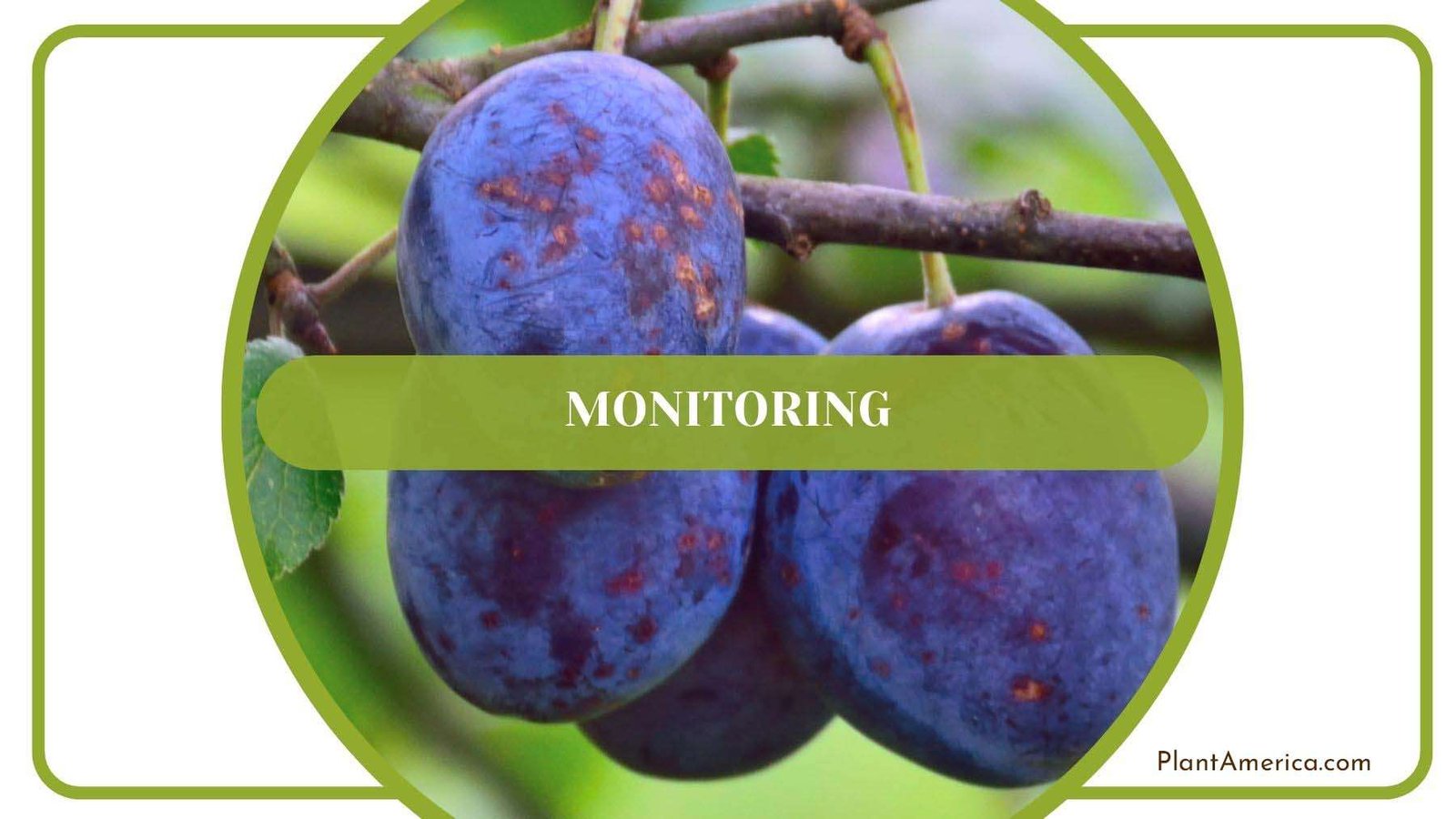
If you don’t know how to deal with these problems, you should consult a professional gardener. Remember to monitor the weather forecasting, especially in late winter or early summer, to save your plant from late frost. Cover the tree with something if necessary.
Important Factors for Transplanting a Plum Tree
The important factors for transplanting a plum tree include the best time to transplant, light and temperature requirements, proper potting techniques, and many other factors that are vital and help plum trees to establish their roots and growth as well.
1. Best Time to Transplant
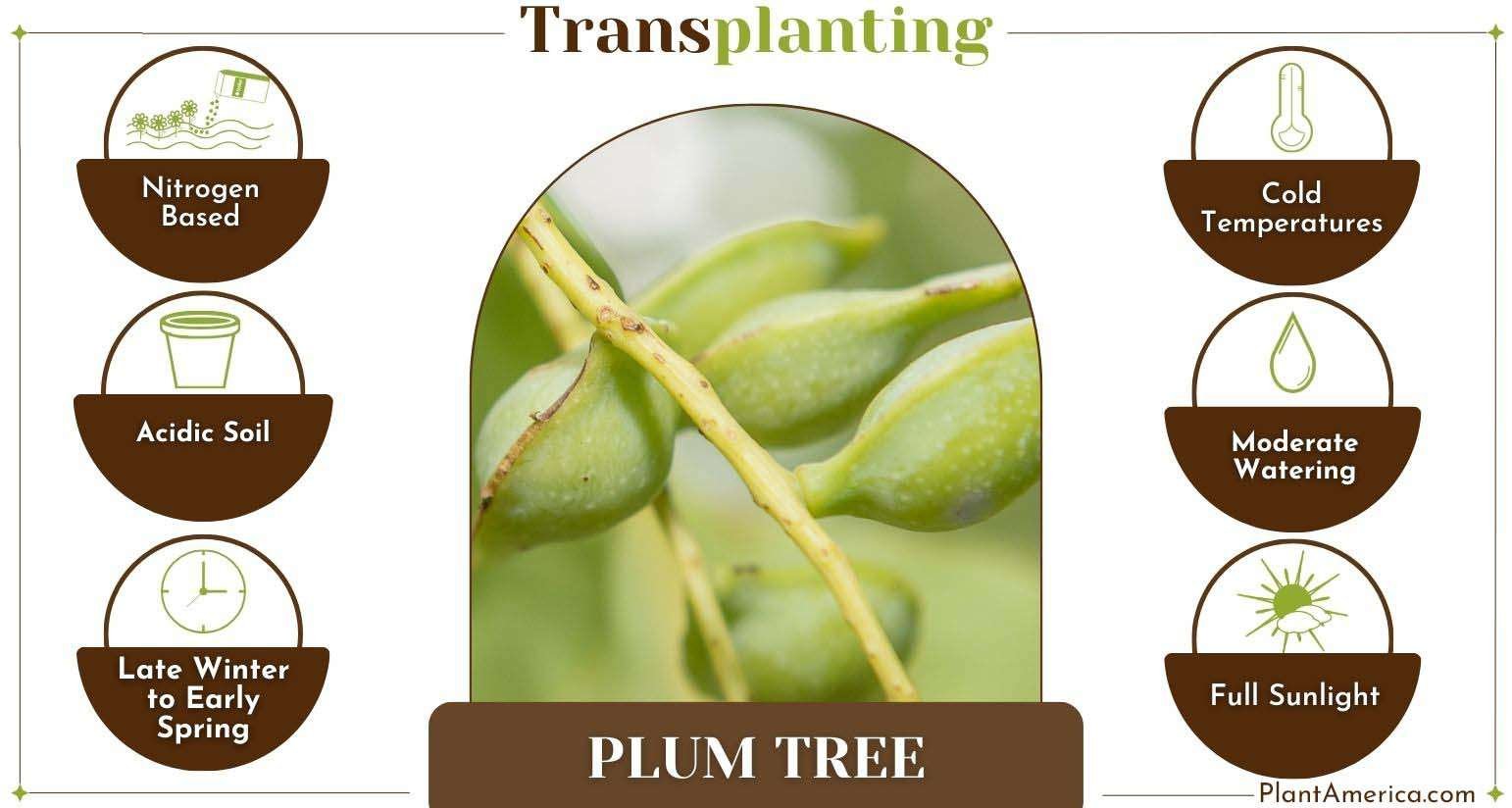
The ideal time for transplanting plums is late winter to early spring, immediately after the soil warms up. The right time allows the tree to recover more efficiently and reduce the transplant shock.
Choosing the right time ensures that you will transplant your plant successfully. After all, timing is everything. Plum transplantation was developed a hundred years ago because it was grown by the ancient Egyptians.
2. Temperature Requirements
A plum can tolerate cold temperatures but needs a few chill hours to produce fruits and properly establish its roots. Each variety of plum needs different chill hours according to their requirements.

The Japanese plums need 500 to 900 chill hours to produce plums, while the Europeans need 700 to 1,100 hours in a dormant season. The American hybrid can withstand a more extended chill season.
3. Proper Pot
If you want to grow your fancy fruits in limited space, always use a pot or a container. In addition, growing fruits in pots has more advantages than growing in the ground. It is essential to choose the right size of pot or container for your fruit plant before transplanting fruit trees from pots.
The best way to select the appropriate pot size is to find that one is 20 centimeters larger than the soil covering and root ball. The ideal pot size for many fruits is between 45-50 centimeters and 18-20 centimeters in diameter. However, plastic pots work fine due to their lighter weight. You can move them quickly.
4. Light Requirements
These trees need full sunlight to produce fresh and juicy fruit; they need a minimum of 5 to 6 hours of light. Proper light helps them in photosynthesis; that’s why, while choosing the location for transplantation, keep this in mind. Insufficient sunlight can also make them more susceptible to diseases. So, ensure that your plant receives a majority of the sunlight for growing plums for you.
5. Fertilization
The soil type and fertilization timing are important considerations when we talk about plums. These trees prefer to grow in slightly acidic soil with a pH of 6.5. But they can bear a wide range of soil. They don’t like to dry out, especially when the fruit is forming, so they like clay soil as well. They prefer acidic soil; that’s why this soil is used in fertilization to improve growth.

Fertilization is an ideal way to replenish the nutrients in your soil, especially nitrogen. Nitrogen encourages green vegetables and fruits to grow more in a recommended way. Refrain from over-fertilizing your plants because excessive nitrogen can turn leaves yellowish.
Once your plant’s leaves turn a yellowish color, then it’s too late to save the plant’s life. You can fertilize your plant twice a year and read the instructions on the label before applying fertilization to plums.
6. Watering
Water is essential for plants, so you should give them water before and after transplanting. Before transplanting, water will keep the plant hydrated, and you can remove it easily from its current location.
After transplanting, water helps roots to settle down with the soil because sometimes plants take some stress when we move them into a new house. Plums prefer moist soil, but don’t over-water your plants. By doing that, root rot disease will attack plants because it is caused by too wet soil.
Taking Care of Plum Trees After Transplantation
Taking care of plum trees after transplantation requires different techniques such as regular pruning, protection from other pests, periodic mulch renewal, edging for plant plum trees, and last but not least, patience to ensure its successful establishment and healthy growth.
1. Pruning
Pruning is vital to maintain plant health and increase productivity. The best time for pruning is in the 3rd week of July when young shoots are done. Permanently remove the dead leaves and branches because they take essential nutrients.
Please don’t cut the healthy leaves because they are essential for photosynthesis. Use the recommended tool for pruning, such as pruning shear. Once you complete the pruning, clean the area and remove the branches and debris.
Remember that every tree is essential, so prune them according to their needs. Regular annual pruning and maintenance will keep your tree healthy and productive, ensuring a bountiful harvest of delicious plums.
2. Protect From Pests
Pests attack fruit plants such as apples and cherry trees and suck the fresh juice from stems. This fresh juice carries a lot of essential nutrients that are very helpful for plants’ health. If there is a low infestation, you can remove pests manually.
But if there is a large infestation, then you should use pesticides to spray to kill aphids. Another easy way to protect your garden from pests is to invite beneficial insects such as ladybugs. These beneficial insects eat the pests and protect our garden from significant losses.
3. Regular Mulch Renewal
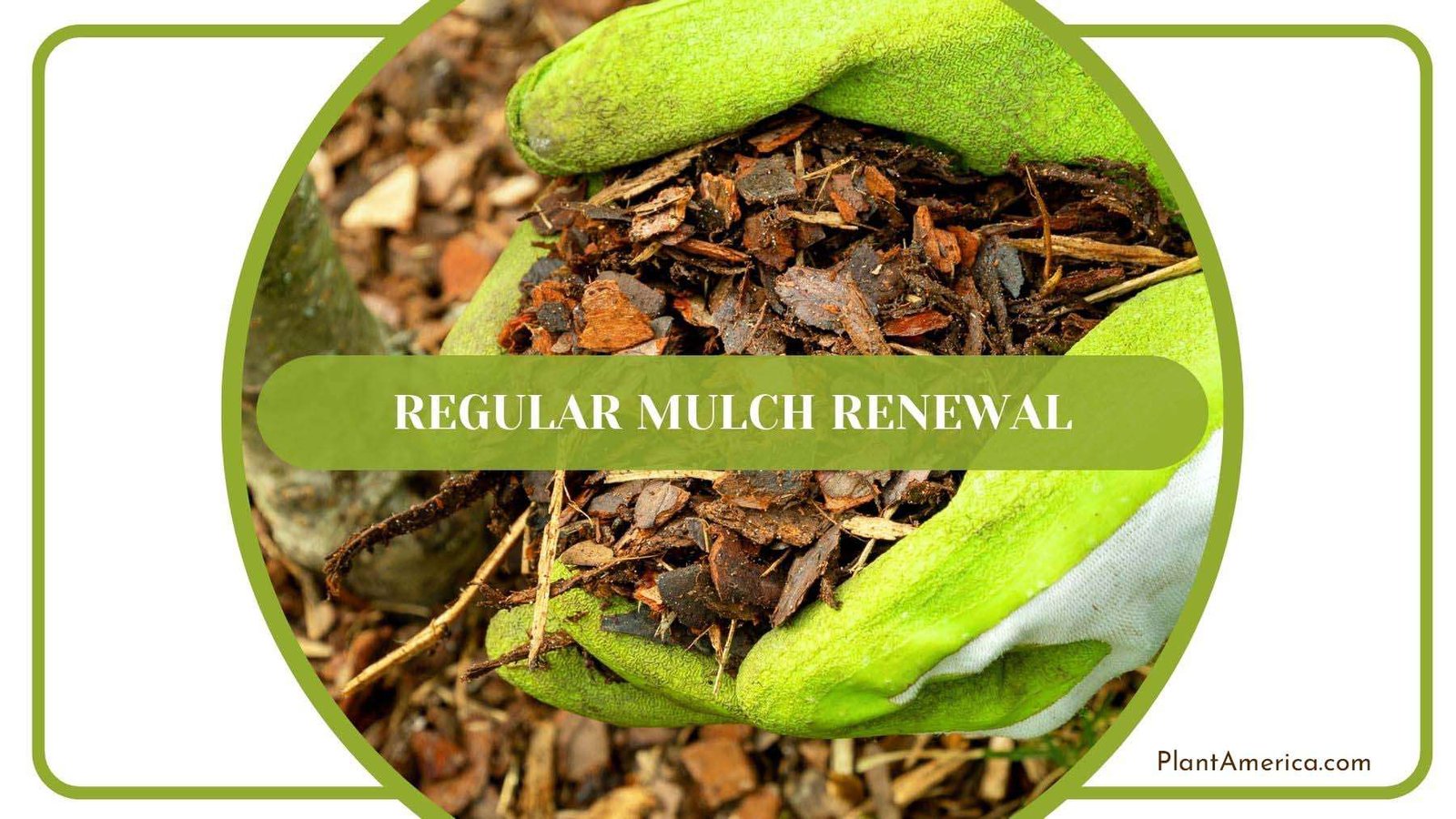
Mulch uniquely protects our plants. It also controls pest attacks. But, the mulch layer can break down over time and lose effectiveness. If you want to control weeds and pests, you should renew the mulch layer when needed. Always use a quality mulch layer instead of a cheap mulch layer.
4. Edging for a Plum Tree
Edging can be the best option to protect your tree from weeds and grass. Proper edging increases the appearance of the plants and makes them easier to maintain. Choose a suitable edging material according to your needs and preferences.In addition, it also simplifies maintenance tasks and helps protect the tree from mower or trimmer damage.
5. Patience
Last but not least, patience is essential for exciting results. You cannot grow your plant overnight; once you transplant it successfully, you must wait for some time. If everything goes well, your plant will start growing, and you can enjoy delectable fruits. Again, patience is essential. Give some time to your trees.
Conclusion
The plum tree is one of the most famous plants with a delectable taste. That’s why every garden owner wants to grow plums.
- The transplantation process is straightforward: if you are growing in your garden, you don’t need any external help.
- Find the ideal location, dig a hole, place the plant nicely, and fill it when it’s done. Plant this tree in a sunny location.
- The plum tree thrives with regular maintenance and care and gives us fresh and juicy fruits. We must take care of them.
That’s all for today! We have cleared all your doubts, and you can now transplant this beautiful plant without any delay.