
Low-growing perennials are a gardener’s dream come true, providing colorful flair season after season with barely a fuss from you! This guide will introduce 29 varieties that flourish even with limited care.
Each pick delivers an outstanding bang for your buck, from delicate groundcovers and robust perennials perfect for shade to colorful blooms that brighten borders. Whether you’re new to gardening or seeking low-maintenance additions, our selections will have your landscape looking lush all year.
Top Low-Maintenance Low-Growing Perennials For Continuous Color
1. Coreopsis
- Growing Season: Spring, Late Summer, Fall
- Leaf Type: Broad, lobed leaves
- Specific Needs: Sun, Well-draining soil
- Common Pests: Aphids, Spider mites
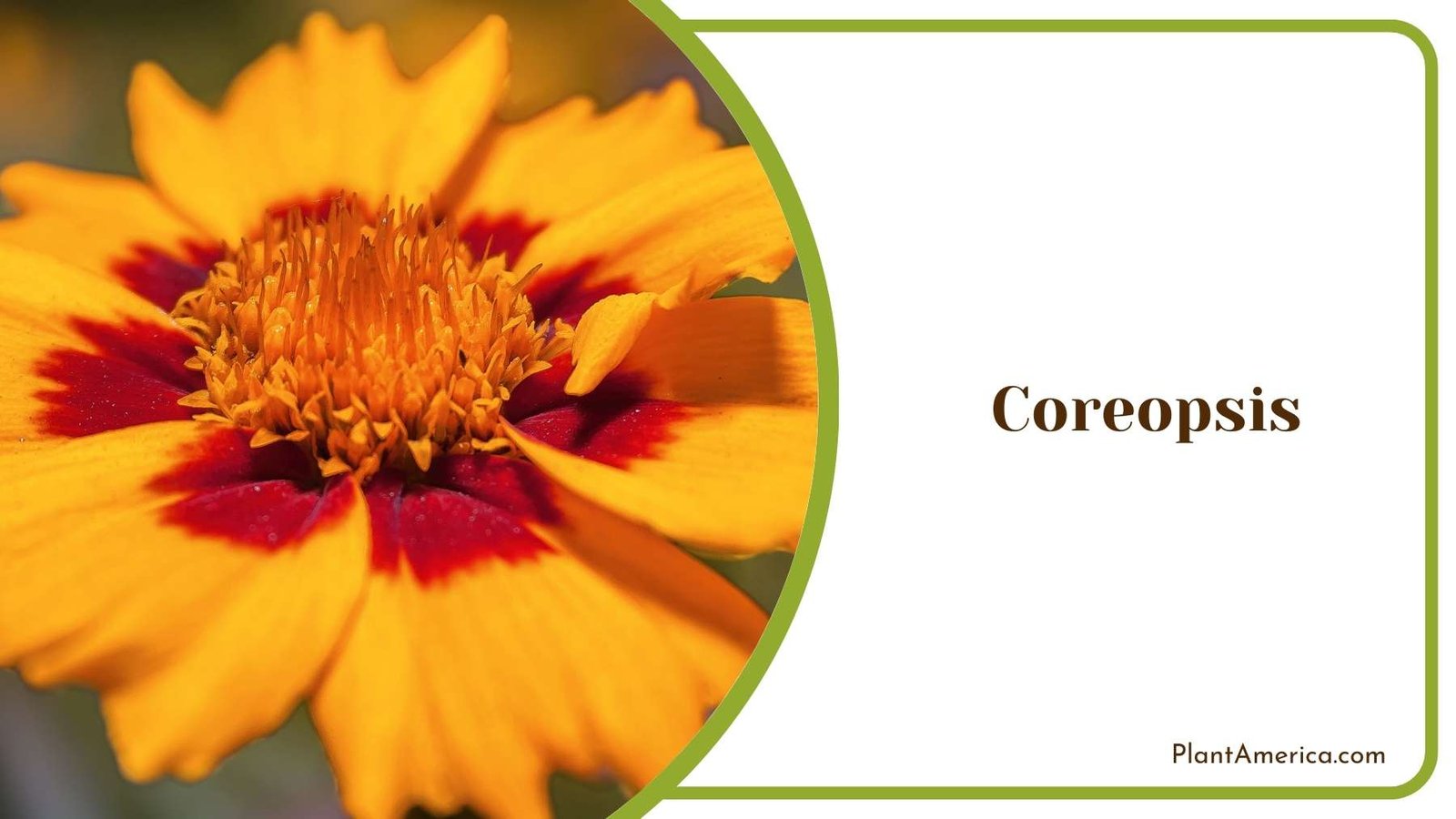
Coreopsis has delicate yellow, red, or burgundy flowers that provide pops of color from summer into fall. As one of the hardier perennials in the garden, it thrives with little more than sunshine and average soil. Coreopsis is low maintenance but delivers beautiful blooms throughout the growing season.
Once established, it comes back year after year to decorate your borders with cheerful daisy-like flowers. Best of all, Coreopsis attracts pollinators to the garden with its nectar-filled blooms. On brisk summer evenings, you enjoy watching hummingbirds and butterflies feasting on Coreopsis’s sweet reward. Its flowers may be small, but their impact is mighty.
Coreopsis is a workhorse perennial filling gaps between shrubs and larger plants. You tuck it throughout your flower beds for continuous color. Whether in the full blazing sun or a spot with afternoon shade,
Coreopsis thrives with minimum fuss. It’s the perfect choice when you want something low-growing that brings the bees but doesn’t drain your time or budget. Coreopsis is a constant in your garden and always delivers vibrancy when you need a pick-me-up.
2. Baby’s Breath
- Growing Season: Spring, Late Summer, Fall
- Leaf Type: Delicate, fern-like foliage
- Specific Needs: Sun, Well-draining soil
- Common Pests: Aphids, Spider mites
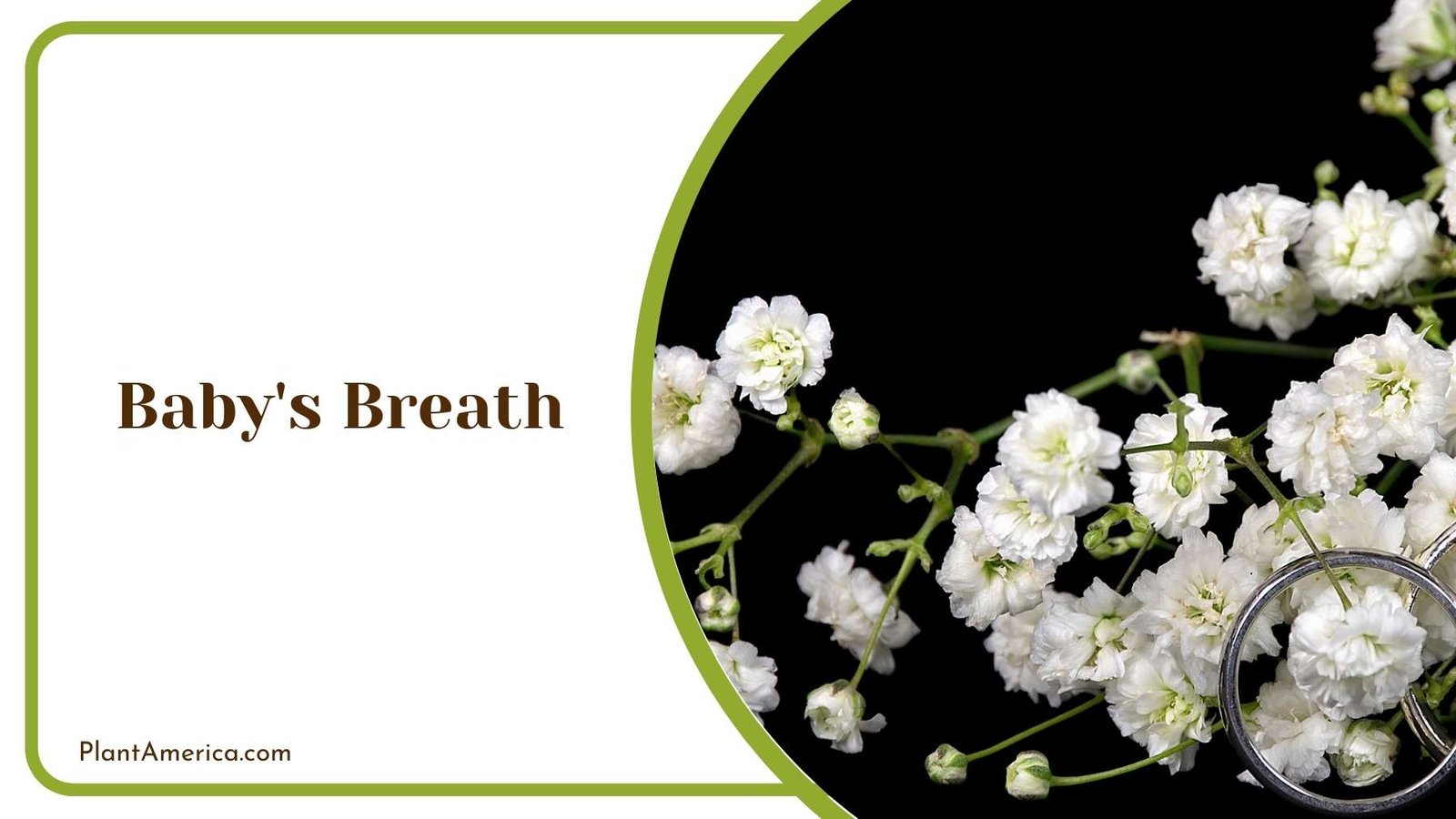
Few flowers are as ethereal and beautifully simple as Baby’s breath. Producing clouds of tiny white blooms that resemble puffs of breath in the air, Baby’s Breath is a favorite of flower arrangers looking to add texture. This hardy perennial trail or mound is 12-18 inches tall, blanketing itself in delicate blooms from summer into fall.
Ideal for beds, borders, or spilling over rock walls, Baby’s breath thrives in full sun with average to drier soil. It appreciates good air circulation and may develop powdery mildew in poor drainage or shade conditions. Over time, the Baby’s breath may spread quite readily, depending on conditions. Its charmingly delicate flowers light up borders for months, requiring little other than a sunny spot and occasional division.
3. Beach Strawberry
- Growing Season: Spring, Late Summer, Fall
- Leaf Type: Delicate trailing foliage
- Specific Needs: Sun, Well-draining soil
- Common Pests: Rabbits
A unique and carefree groundcover, Beach strawberry forms a matting texture that spreads quickly via runners. Native to coastal dunes, it thrives best in the hot sun and gritty, sharply drained substrates that mimic its natural Beach environment. Although perfectly happy where summers are hot and rain scarce, Beach Strawberry adapts to various conditions as long as drainage is excellent.
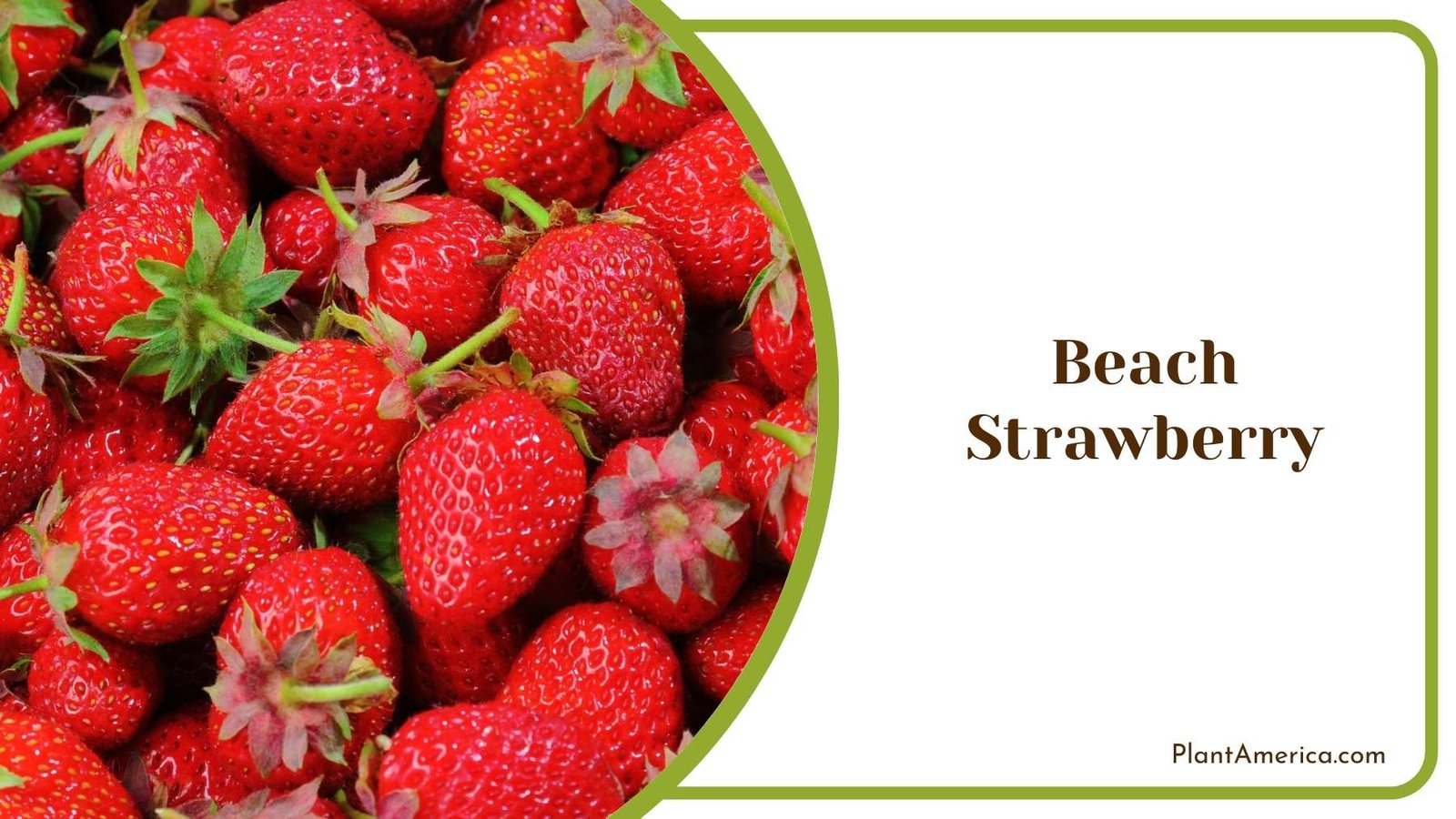
Delicate triangular leaves cast thin but effective shade underneath their low canopy. In spring, white flowers emerge like stars among the foliage. These give way to tiny red berries that, while not especially sweet, are enjoyed by birds and make an interesting addition. Because of its lax growth and tendency to cascade over retaining walls or spread entirely under tall companions, Beach strawberry presents a colorful layered effect.
4. Bishop’s Weed

- Growing Season: Spring, Late Summer, Fall
- Leaf Type: Fragrant, fibrous foliage
- Specific Needs: Sun, Well-draining soil
- Common Pests: Aphids, Spider mites
Also known as goutweed, Bishop’s weed lends a delightful citrus aroma and cheery yellow blooms to sunny gardens from spring onwards. Its lacy, fantastic leaves release a zesty scent that invigorates the senses when walked upon.
Bishop’s weed spreads moderately via short rhizomes underground, naturally filling bare spots around its crown. Though happy in average soil, it shines in well-drained locations and tolerates some drought once established. Give it room to expand where its wandering growth habit can stretch out with abandon yet remain contained.
Simple to tend, Bishop’s weed earns its keep through seasons of pleasant drying. Occasionally check for spider mite clustering on foliage in very hot, dry, or dusty areas, controlling with a rinse of water if spotted.
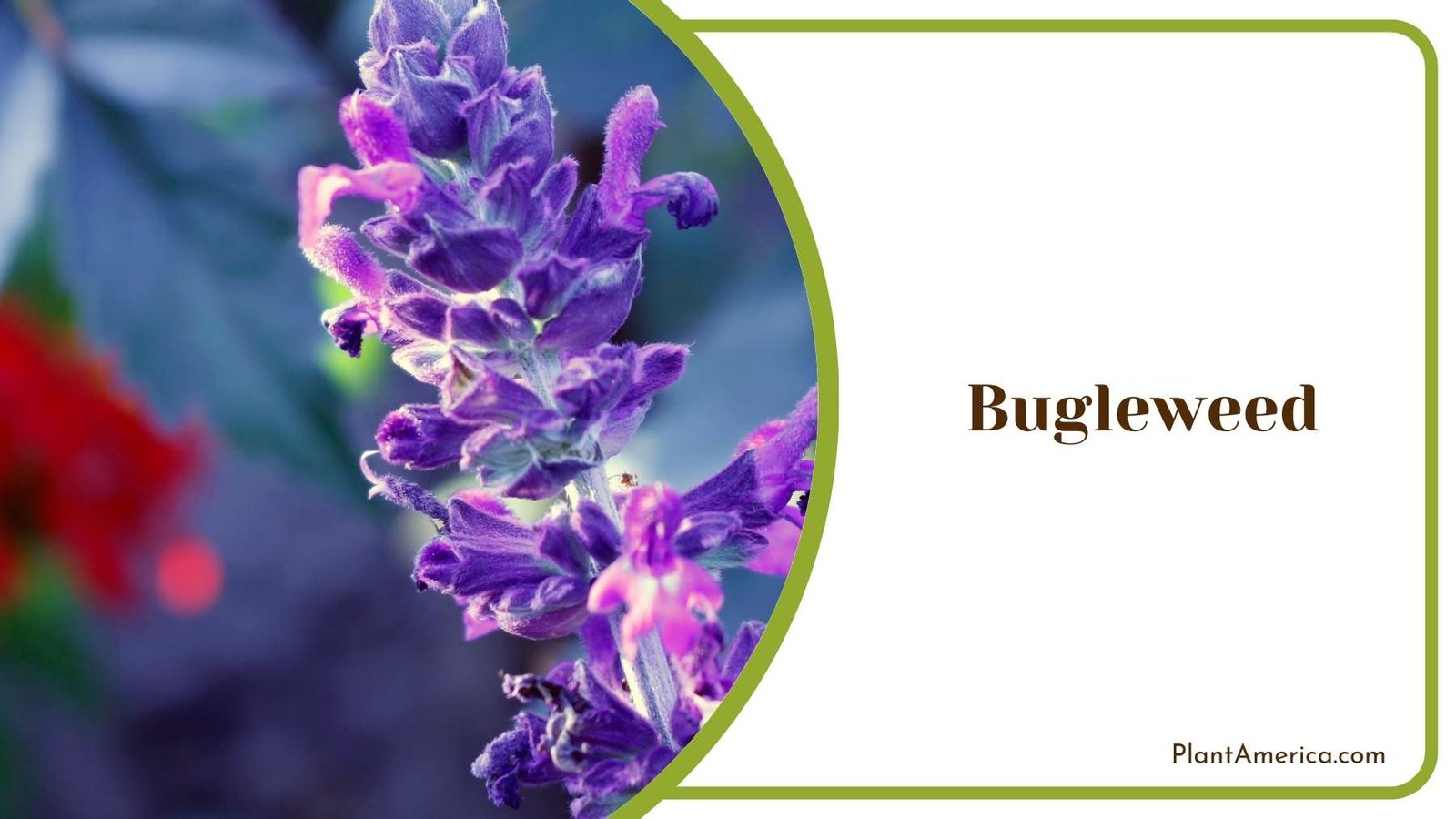
5. Bugleweed
- Growing Season: Spring, Late Summer, Fall
- Leaf Type: Glossy, heart-shaped foliage
- Specific Needs: Sun, Well-draining soil
- Common Pests: Slugs
With its soft blue blooms peeking from beneath shade-loving leaves, bugleweed makes a handsome addition to woodland gardens or areas begging for more moisture. With creeping stems taking root at nodes, it forms gentle mats or massed clumps of attractive foliage.
Though at home in the partial sun where moisture is lenient, bugleweed truly shines tucked amongst trees and shrubs, hugging the moist, dappled forest floor. Its glossy heart-shaped leaves gleam attractively even sans blooms, taking on bronze hues come fall.
Growing just 4-6 inches tall, it spreads slowly via stolons to naturalize beautifully. Rich woodsy soils suit bugleweed best, but like its lowland origins, it adapts easily. Merely protect from excess sun where soil may bake dry, or its shallow roots won’t penetrate clay soils.
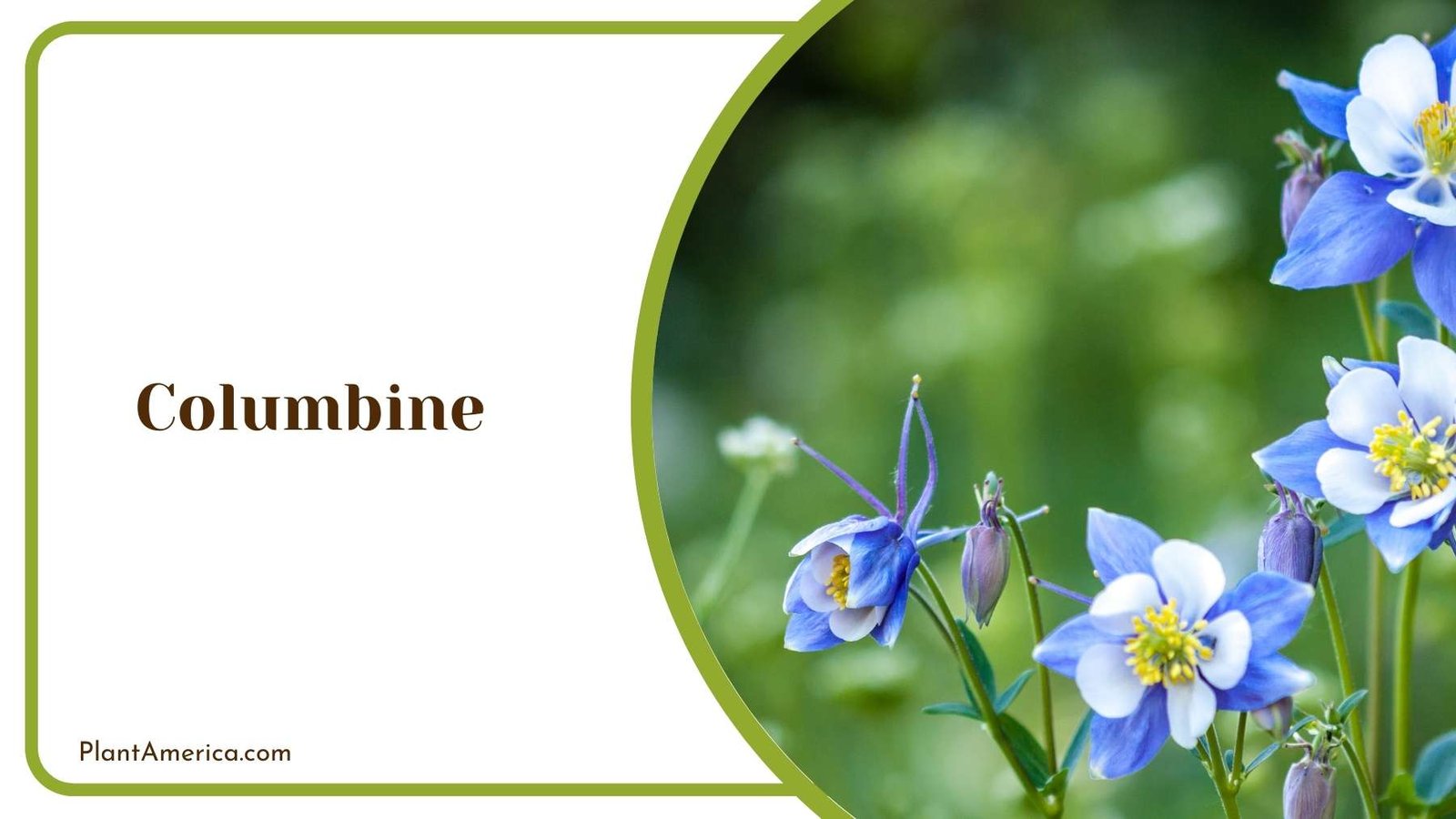
6. Columbine
- Growing Season: Spring, Late Summer, Fall
- Leaf Type: Delicate, multi-lobed leaves
- Specific Needs: Sun, Well-draining soil
- Common Pests: Aphids, Spider mites
Columbine is a beloved spring-blooming flower that offers an excellent display of colorful blossoms over a long period. While many perceive it as a short-lived spring ephemeral, many species and cultivars of columbine thrive for months, providing an underutilized source of continual color in shaded gardens.
Columbines emerge early in spring, covering themselves with dangling, spurred blooms. These come in a wide palette, from solitary to intricate colors and patterns. Shades include red, yellow, orange, pink, white and purple. Some cultivars even sport darker velveteen blooms.
Low care and maintenance, resistance to deer and drought, and ability to trail gracefully in shady spots give columbine unique merits as a continuous source of color throughout spring and summer for woodland-style gardens. Its subtle springtime flowers are sometimes overlooked but provide reliable seasonal interest.
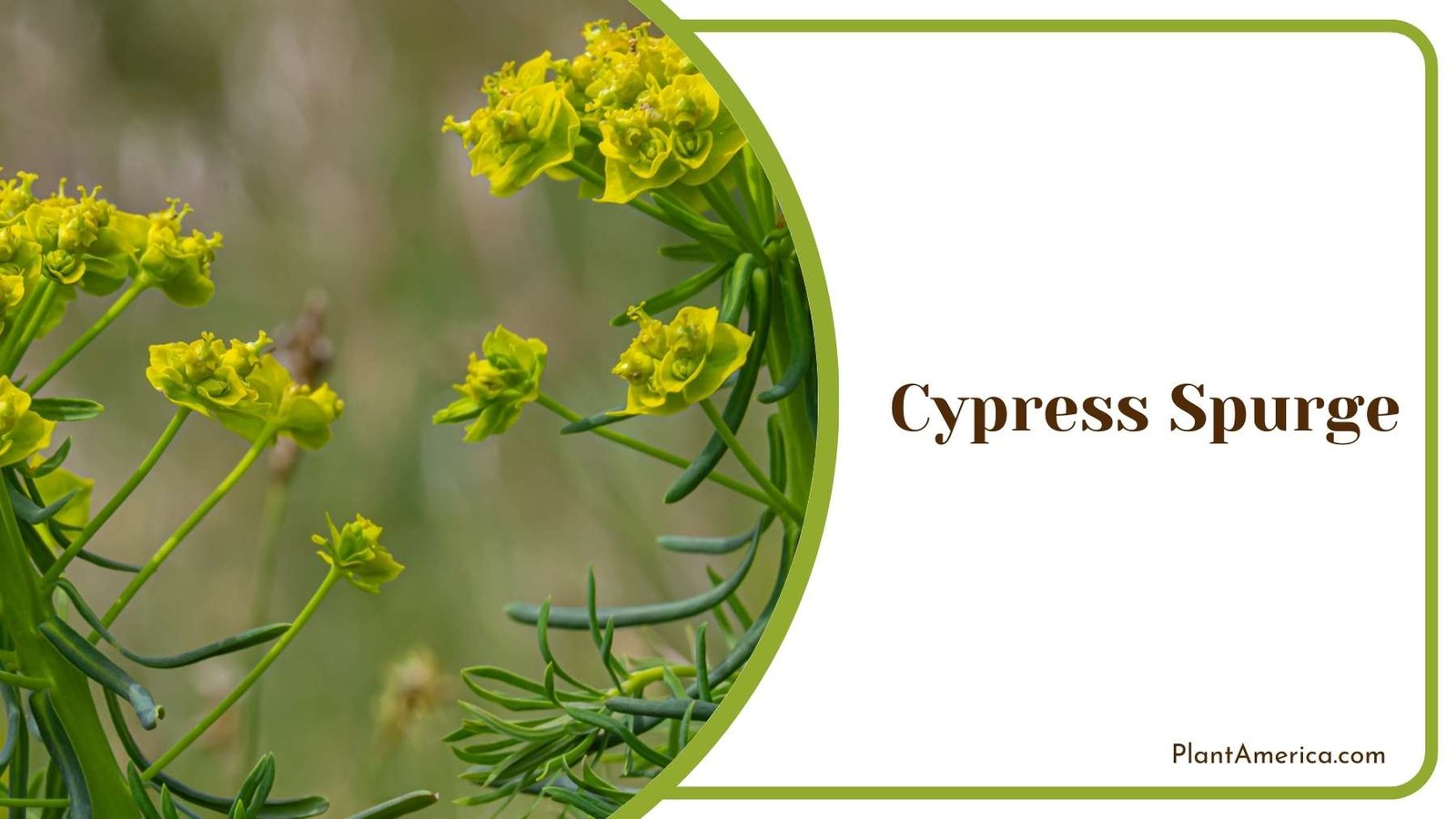
7. Cypress Spurge
- Growing Season: Spring, Late Summer, Fall
- Leaf Type: Fine, feathery blue-gray foliage
- Specific Needs: Sun, Well-draining soil
- Common Pests: Aphids, Spider mites
Cypress spurge brings beauty and texture to hot, sunny borders with its delicate blue-gray leaves resembling miniature cypress branches. Forming low clumps just 6-12 inches tall, it originates from areas receiving mere inches of rainfall yet thrives where conditions emulate its natural habitat.
Early summer brings spires of tiny pale pink or green blooms above the foliage, pleasing bees and complementing the plant’s unique form. As summer continues, its drought-tolerant nature proves invaluable in xeric gardens, requiring no supplemental water beyond seasonal rains.
Over time, Cypress spurge may expand slowly via creeping stems. This allows it to naturalize modestly while imparting year-round sculptural depth. Although rabbits occasionally shred some plants, Cypress spurge is largely deer-resistant and pest-free due to its potent natural defenses.
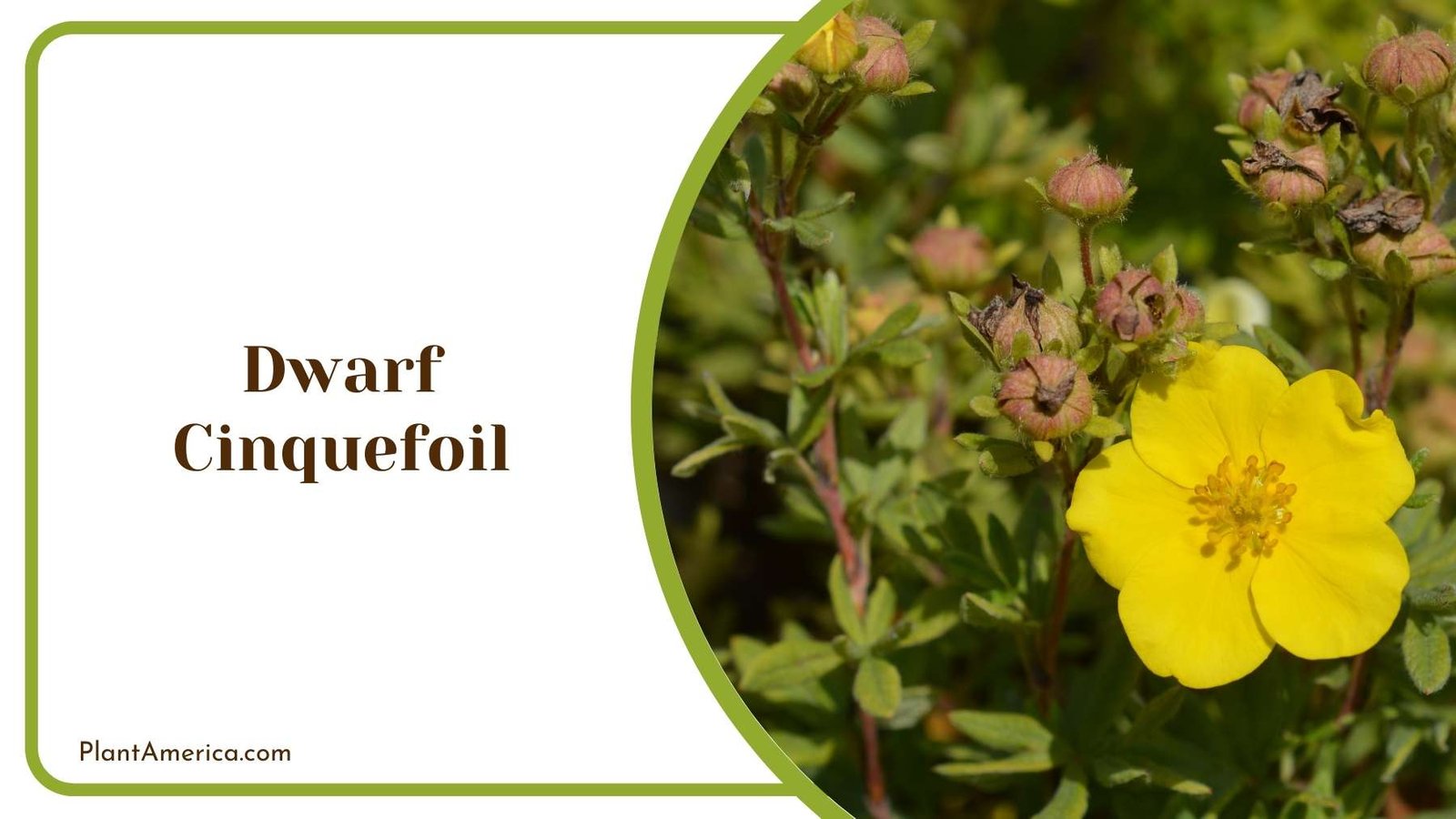
8. Dwarf Cinquefoil
- Growing Season: Spring, Late Summer, Fall
- Leaf Type: Palmate leaves with 5-7 lobes
- Specific Needs: Sun, Well-draining soil
- Common Pests: Rare issues
Dwarf cinquefoil lends sunny pops of color to borders and meadow gardens. Native to Europe and Asia, it has spread across North America as a lovely groundcover tolerant of varied conditions.
Closely resembling common cinquefoil but remaining less than 8 inches tall, dwarf cinquefoil produces small rounded clusters of flowers amidst its distinctive lobed foliage. These unusual leaves resemble hands with five to seven fingers, giving rise to its descriptive name.
Over seasons, it forms dense mats smothering weeds while blanketing itself in spring flowers. Even after blooming ends, its unique leaves persist attractively through fall. An excellent choice for xeriscapes, meadow gardens, or naturalizing on sunny banks, dwarf cinquefoil adds reliable texture and early pollinator forage.
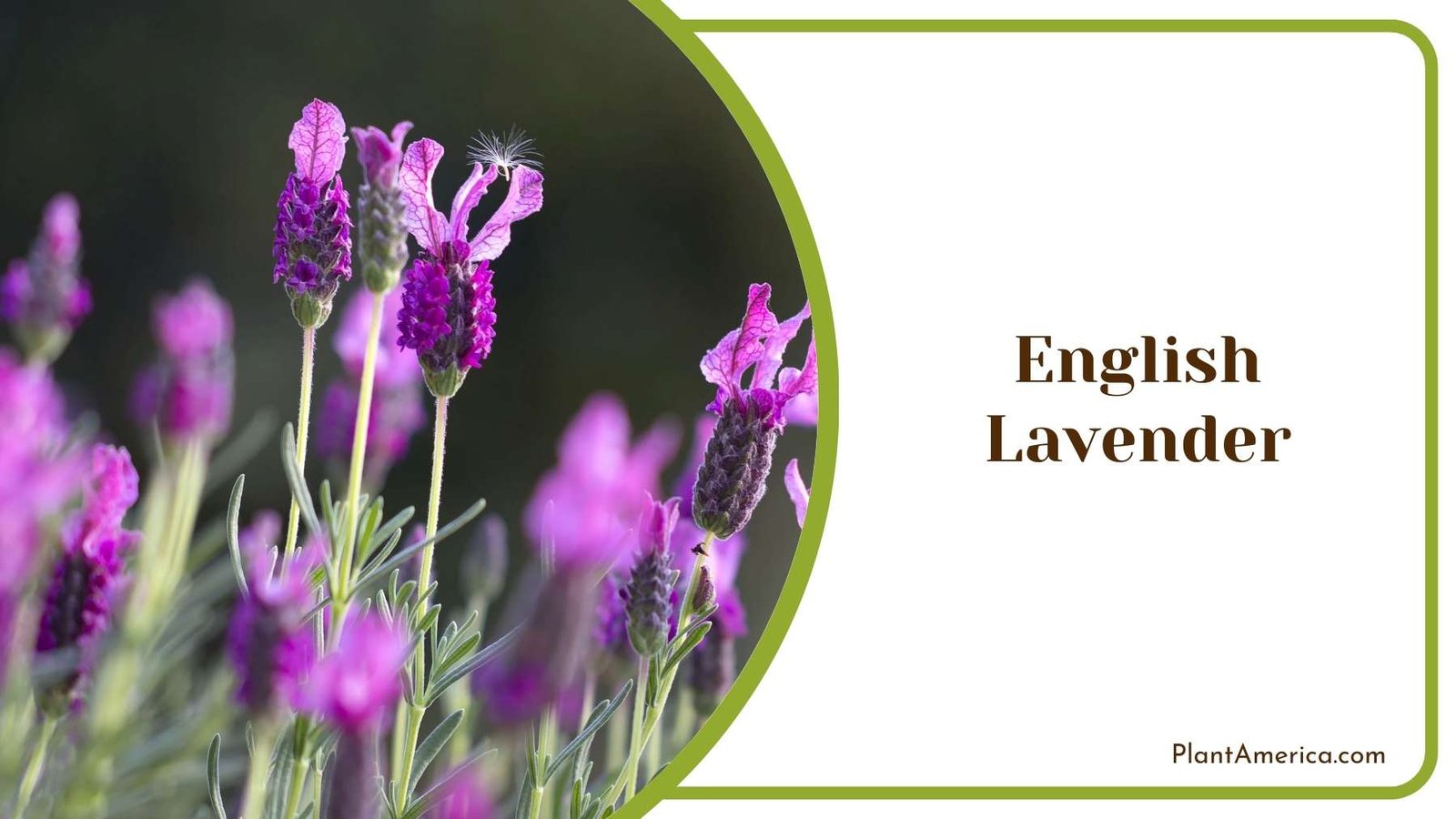
9. English Lavender
- Growing Season: Spring, Late Summer, Fall
- Leaf Type: Aromatic gray-green foliage
- Specific Needs: Sun, Well-draining soil
- Common Pests: Aphids, Spider mites
Regal and fragrant, English lavender has long been admired for the lush purple flowers topping its woody stems each summer. Originating from Mediterranean regions, it thrives in hot sun and porous soils resembling rocky hillsides where rain is scarce.
When planted in ideal conditions, English lavender forms substantial bushes up to 3 feet tall bearing beautiful spikes of lavender-hued blooms beloved by pollinators. Its aromatic gray-green foliage provides ornamental texture year-round as well.
The key to success is exceptional drainage, as English lavender evolved where soil could shed excess water readily. It suffers foliage loss or death in soggy settings over winter. Likewise, sparse watering is ideal after establishment to mimic its seasonal climate.
Overwintering English lavender requires protection to -10 degrees Fahrenheit in colder zones, where mulching plant crowns insulate. Come spring, it returns vigorously, typically living 5-10 years before benefitting from division or rejuvenation.
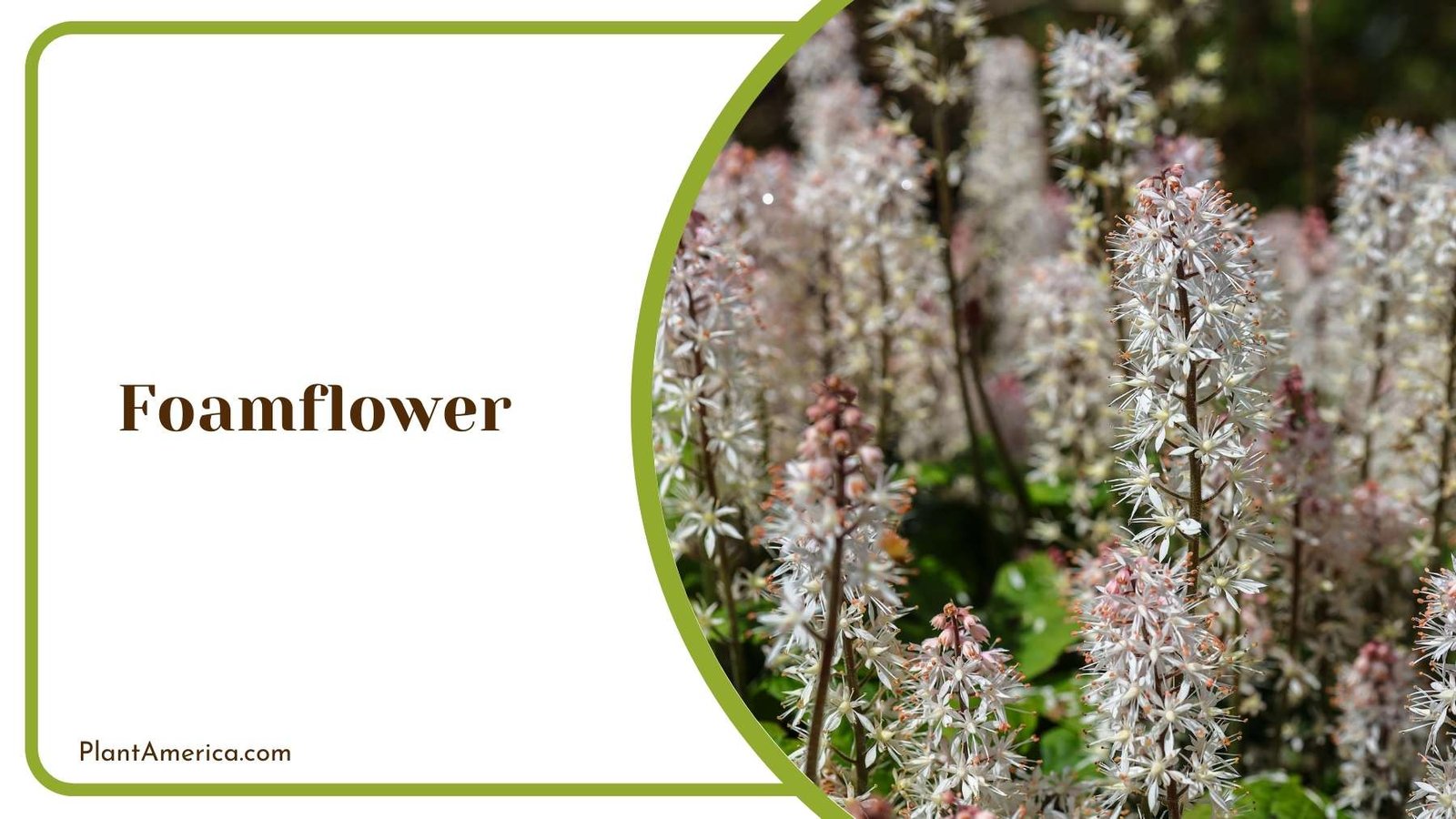
10. Foamflower
- Growing Season: Spring, Late Summer, Fall
- Leaf Type: Ferny, compound foliage
- Specific Needs: Sun, Well-draining soil
- Common Pests: Slugs
Few perennials earn their name as aptly as foamflower, bearing clouds of cottony blooms resembling billows of soapy lather across its low carpet. Native to eastern North America’s woodlands, it thrives in dappled light with consistent moisture.
Ideal habitats mimic its woodland birthplace with moist humus-rich soil and shelter from the harsh sun. Here, it naturalizes enthusiastically through creeping rhizomes holding soil and mulching leaves. Foamflower also colonizes successfully in bog gardens or streams that are periodically moist.
Beyond ethereal flowers, dissected pinnate leaves offer their fascination. Autumn transforms these into vibrant shades of cherry red and maroon before leaves drop, allowing skeletons to peek through winter snows.
Needing merely occasional trim back after bloom, foamflower proves agreeably low maintenance. Over time, it expands slowly yet reliably each year, maintaining its presence beautifully with little fuss.
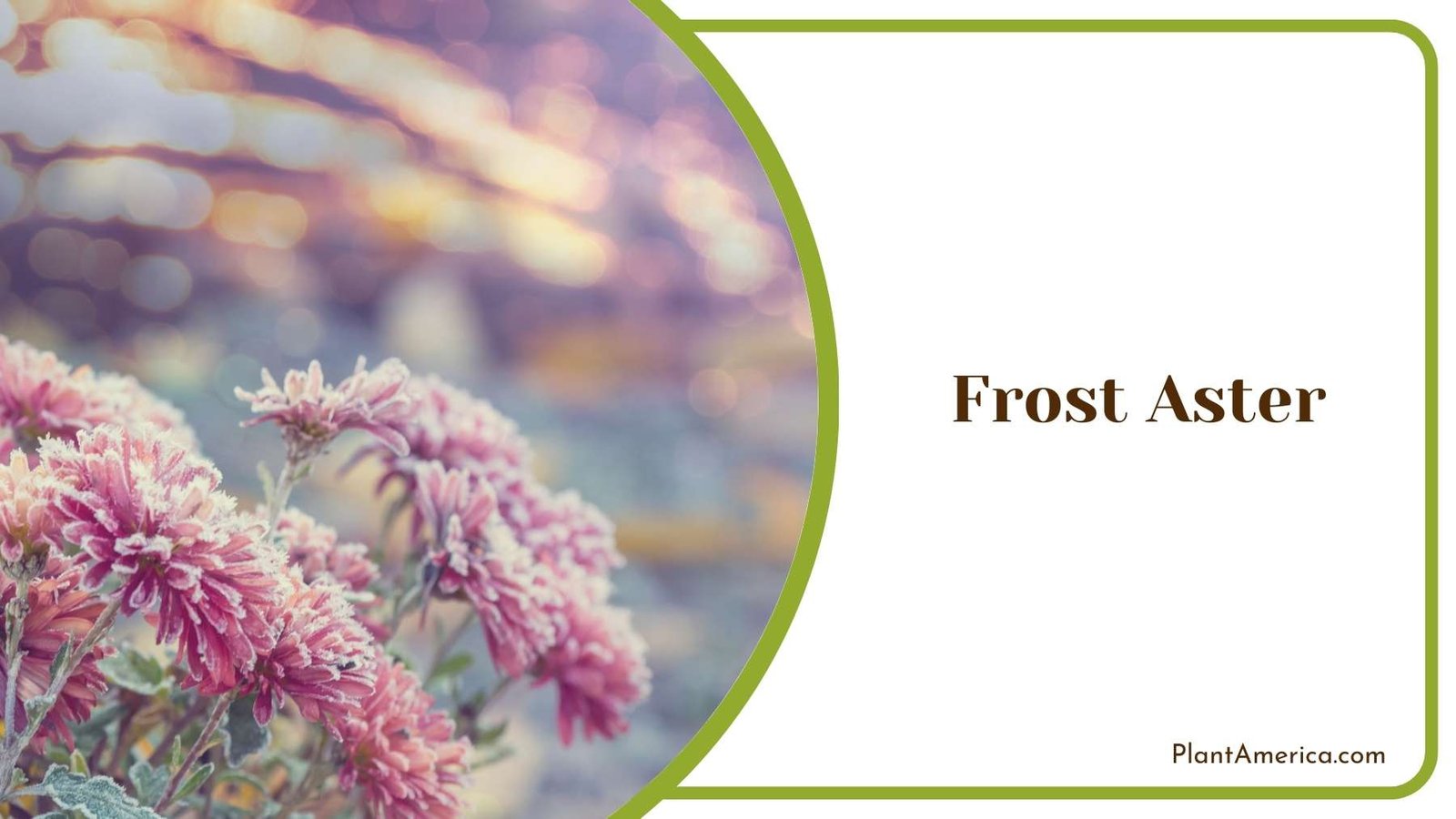
11. Frost Aster
- Growing Season: Spring, Late Summer, Fall
- Leaf Type: Ferny green foliage
- Specific Needs: Sun, Well-draining soil
- Common Pests: Rabbits
As summer slips into fall, few perennials shine as brightly as frost aster, with its vivid flowers lighting up landscapes right through first frosts. Native to eastern North America, it thrives where conditions mimic its woodland and meadow origins.
Tall stems carry pom-pom blooms in vibrant shades of lavender, blue, or white and cheerfully persist when chillier evenings arrive. Frost aster tolerates an array of soils, providing adequate drainage. Places left untended still receive its generous late-season color explosion.
Pollinators revel in frost aster’s generous nectar basins when there are fewer flowers at the end of summer. Meanwhile, it plays host to butterflies completing their final larval stages. Even after frost blackens leaves, dried seed heads maintain structure for goldfinches and juncos to consume come spring.
12. Golden Creeping Jenny

- Growing Season: Spring, Late Summer, Fall
- Leaf Type: Bright greenish-yellow, rounded leaves
- Specific Needs: Sun, Well-draining soil
- Common Pests: Slugs, Snails
A cheery variant, golden creeping Jenny livens paths and beds with its distinctive chartreuse hue. Forming mats of lustrous rounded leaves similar to ordinary creeping Jenny, it distinguishes itself through lively coloration.
Adaptable to full sun or part shade, it requires consistent moisture to thrive but withstands intermittent dryness better than some. Over time, golden creeping Jenny naturalizes enthusiastically, smothering weeds as it blankets planting beds serenely.
Autumn brings richer hues of burgundy to its textured mats before leaves drop, allowing germination of new growth next spring unhindered. Pest-free beneath its luminous glow, golden creeping Jenny demands infrequent division every few years only when expanding excessively. For centuries, reviving shaded spots with hints of sunshine, golden creeping Jenny earns its keep simply through seasons of vivid presence.
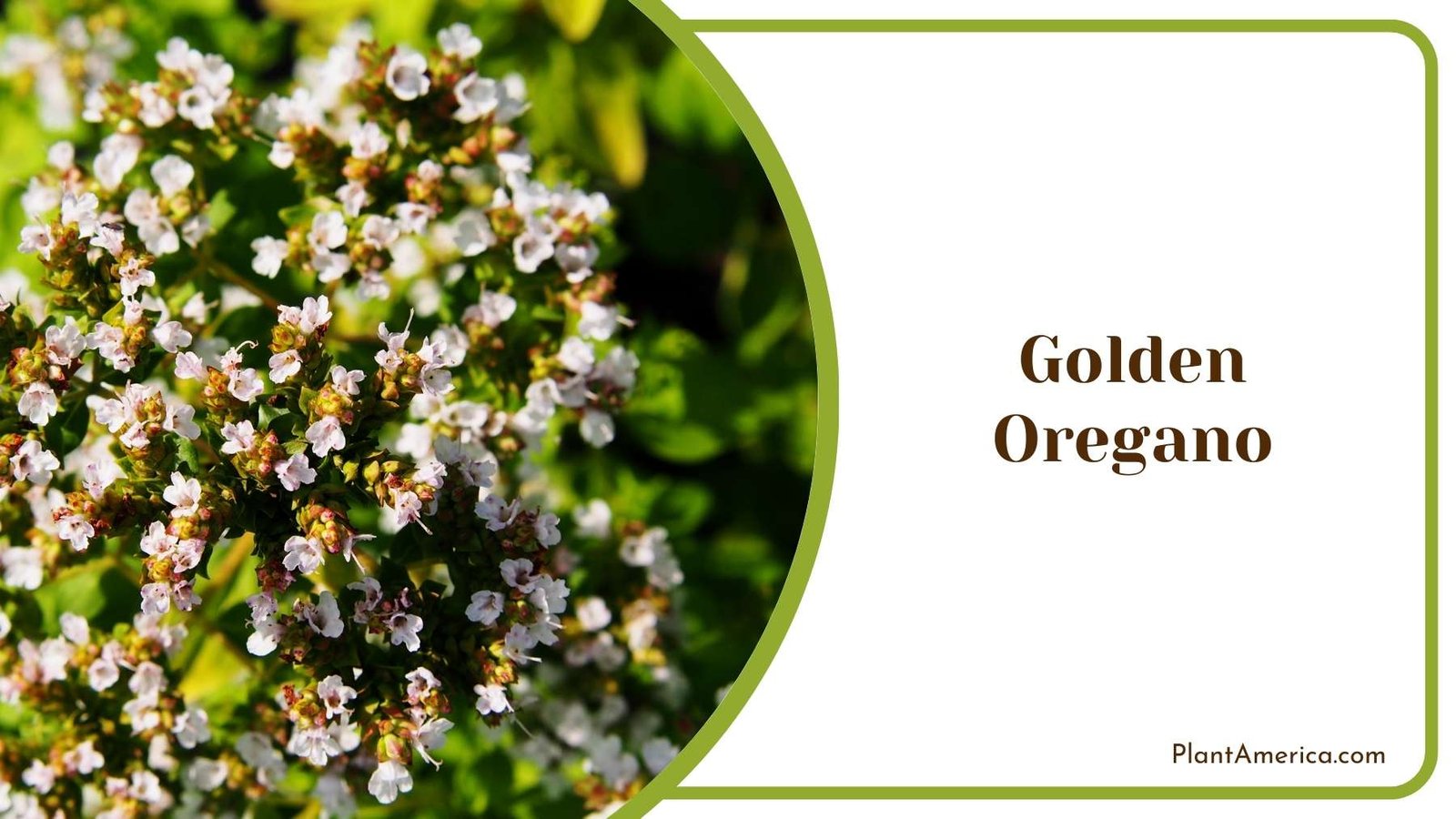
13. Golden Oregano
- Growing Season: Spring, Late Summer, Fall
- Leaf Type: Yellow-green leaves
- Specific Needs: Sun, Well-draining soil
- Common Pests: Rabbits
Golden oregano is a compact, mounding herbaceous perennial prized for its attractive golden yellow foliage. Unlike the more common green oregano varieties, golden oregano provides vivid color in gardens throughout the growing season and into fall.
In early summer, thin mats of bright golden leaves emerge, covering the bushy mounds completely. Reaching only 6-12 inches tall, the prostrate growth habit keeps it low to the ground. This, coupled with its lush, rounded form, makes golden oregano a standout groundcover plant.
Renewed lush golden foliage returns each spring, continuing the constant blanket of color. The fine texture contrasts nicely with grasses, sedums, and other late-season perennials. Golden oregano’s adaptable carpeting growth habit paired with lively yellow leaves all season makes it a unique choice for low maintenance color in sunny gardens.
14. Gooseneck Loosestrife
- Growing Season: Spring, Late Summer, Fall
- Leaf Type: Lance-shaped leaves
- Specific Needs: Sun, Well-draining soil
- Common Pests: Rabbits
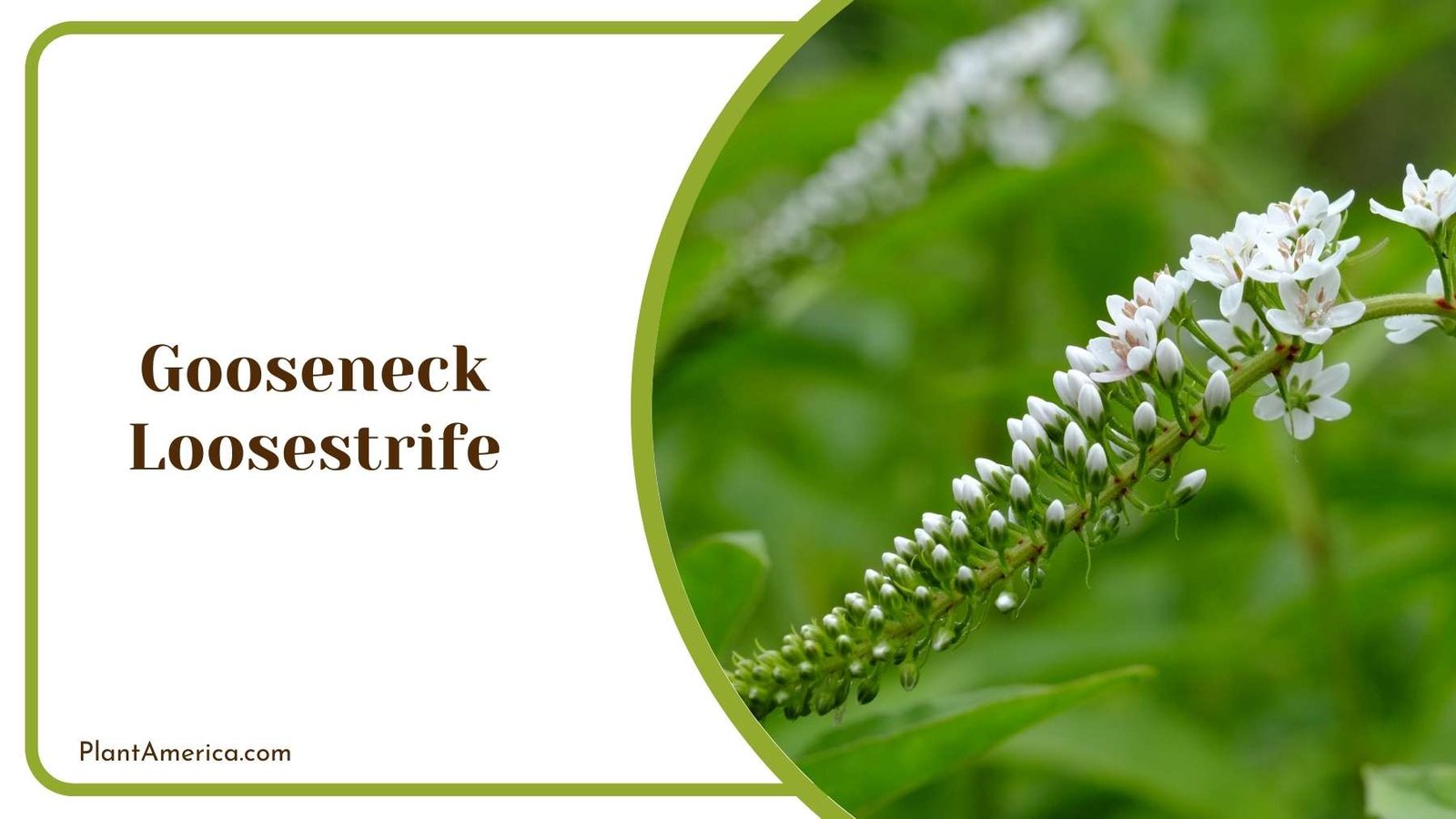
Adding whimsical charm to wetland or waterside gardens, gooseneck loosestrife earns admiration for graceful curving stems bearing cheerful pink flowers. Native to eastern North America, it naturally lines streams and ditches where constant moisture abounds all season.
By early summer, long arching stems emerge carrying staggered blooms that attract butterflies with nectar-bearing pink bells. As with phlox, individual flowers last briefly, but continuous replacement ensures vibrant color for weeks.
Undemanding once established, gooseneck loosestrife hardly requires care beyond dividing occasional thickets every few years. For lush borders alongside water features or rain gardens, few add cheerful characters as reliably or with such charming gracefulness in trying seasons. A splendid animator wherever boggy aesthetics call out sweetly.
15. Heal-All
- Growing Season: Spring, Late Summer, Fall
- Leaf Type: Oval, scalloped leaves
- Specific Needs: Sun, Well-draining soil
- Common Pests: Aphids, Spider mites
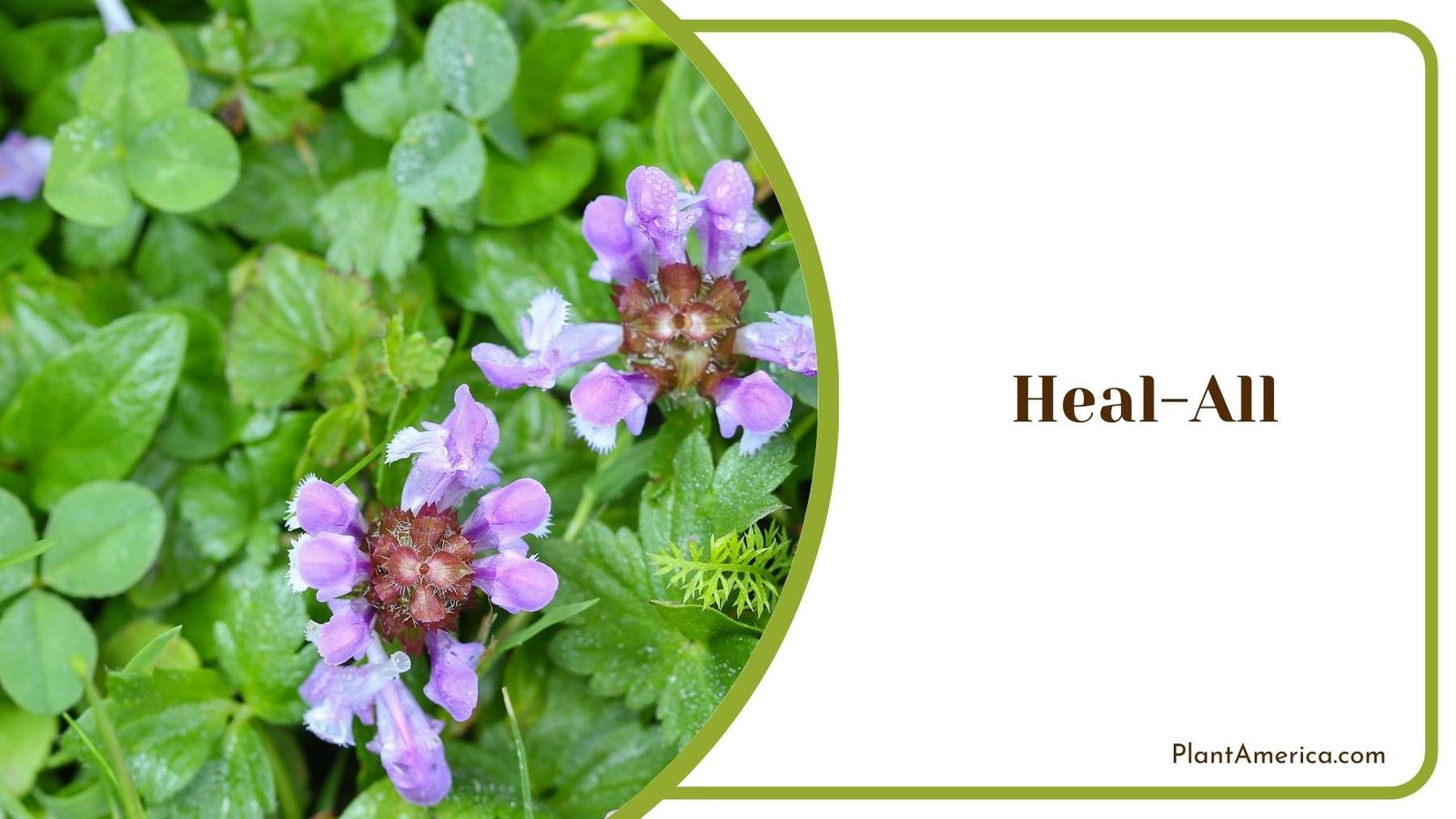
Also called self-heal, Heal-all earned its name through hardy persistence in climates across the Northern Hemisphere, thriving almost anywhere while imparting natural health to environments. Square stems emerge bearing zigzag spikes studded with blue flowers beloved by pollinators in summer.
Heal-all colonizes freely yet remains contained, an excellent choice for rain gardens, meadow edges, or naturalizing in aimless corners. It flourishes on average in moist soil where drainage remains adequate, conveniently adapting to countless spots near and far, feeling neglected or overlooked.
Over time, Heal-all spreads its modest wealth peacefully through creeping underground rhizomes, self-seeding copiously where suited yet scarcely crowding neighbors. Requiring occasional trim back to shape spreading colonies, it hardly asks more than space and patience to thrive placidly for hosts and onlookers alike.
16. Plantain Lilies

- Growing Season: Spring, Late Summer, Fall
- Leaf Type: Long, strappy leaves
- Specific Needs: Sun, Well-draining soil
- Common Pests: Aphids, Spider mites
Plantain Lilies bear elegant flower spikes topped with whorls of white or yellow bell-shaped blooms. As one of the most unique perennials in the garden, its graphically patterned leaves and stately habit make Plantain Lilies a real focal point.
You’re sure to turn heads with this showstopper of a perennial. The flowers arise on stiff stems well above the dramatic foliage, creating a stately profile that’s striking all season long. Plantain Lilies thrive in moist but well-draining soil with part shade. Their architectural structure adds an exotic flair to any garden space.
Where other perennials may struggle, Plantain Lilies tolerate humid conditions and periodic wet feet with aplomb. You can rely on these beauties to supply lush texture and layers of intrigue, even in challenging spots. As a bonus, their striking foliage remains attractive long after flowering ends. Best of all, Plantain Lilies attract a few insect pests — an oasis of peace in a garden.
17. LilyTurf
- Growing Season: Spring, Late Summer, Fall
- Leaf Type: Narrow, grass-like, Creeping habit
- Specific Needs: Sun, Well-draining soil
- Common Pests: Aphids, Spider mites
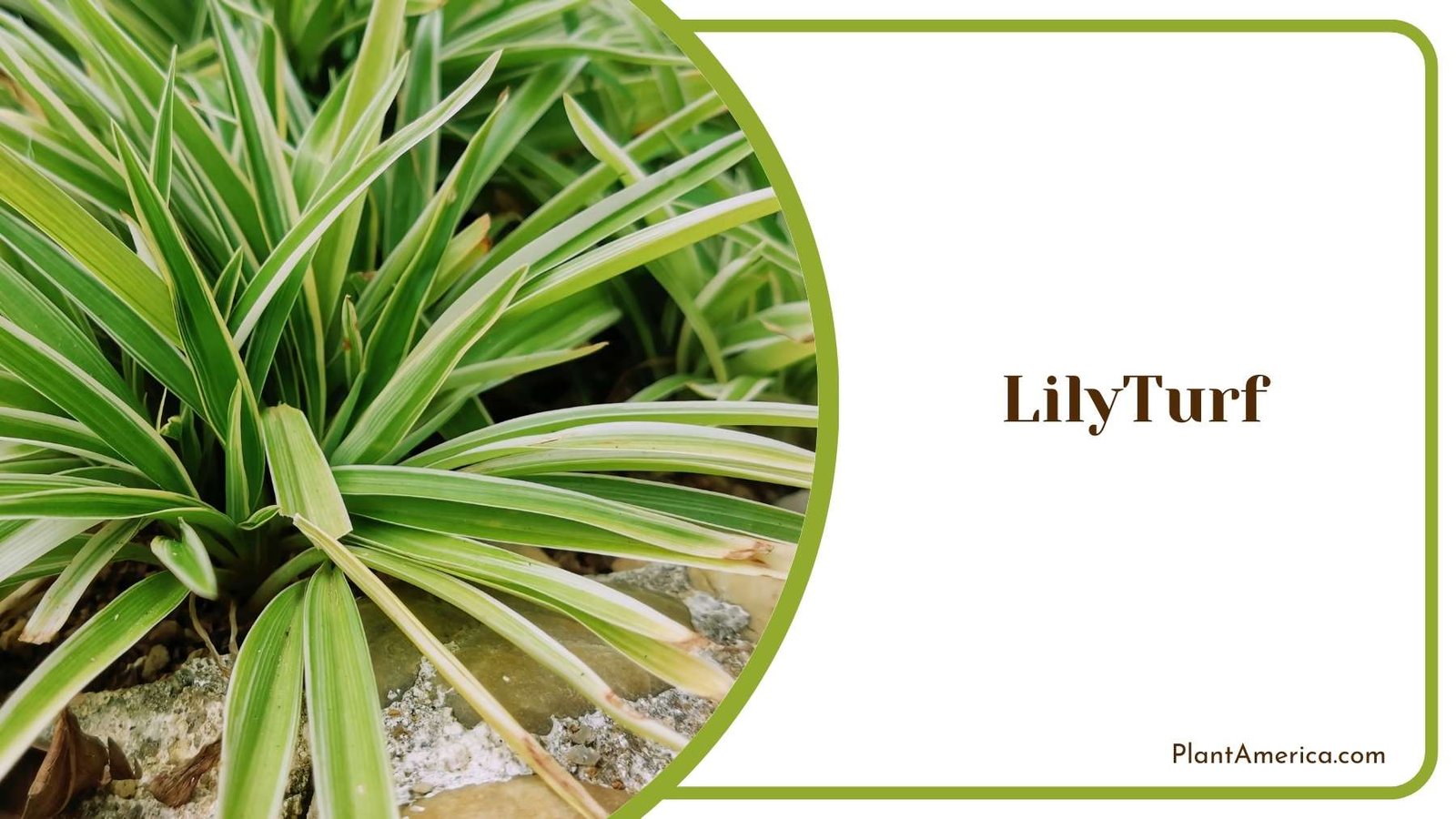
Densely tufted lilyTurf carpets shaded woodland nooks each spring with clusters of bell-like white flowers sweetly scented. Originating from eastern Asia, it fills the niche of grass-like ground cover edged with seasonal charm.
Within forests and alongside streams or bogs, lilyTurf thrives, colonizing freely yet remaining beautifully contained. Its slender leaves resemble fine green blades of grass, forming a plush texture perfect for softening wild spaces or complementing naturalized perennials.
Winter reveals lilyTurf’s delicate tracery, sheltering dormant buds safely until the following thaw recruits fresh, lush carpets without further care. Periodic division refreshes clumps, becoming overly dense in the wealthiest soils over many seasons.
With beauty steadily lent and naught asked in return, it shines strongly amongst gentle companions whose presence likewise enriches all within sight through the patience of peaceful prosperity.
18. Moneywort

- Growing Season: Spring, Late Summer, Fall
- Leaf Type: Heart-shaped leaves
- Specific Needs: Sun, Well-draining soil
- Common Pests: Aphids, Spider mites
Dense carpets of heart-shaped foliage studded with cheerful white flowers, moneywort spreads reliably throughout gardens and spills over walls each spring. Native to Europe and Asia, it naturalized rapidly as a tidy groundcover adaptable to moisture extremes.
Ideal habitats include moisture-retentive soils along streams or slopes, where moneywort stabilizes erosion through thriving sod. Yet equally, it succeeds in garden beds from wet to summer-dry, tolerating hot sun above or dappled shade below.
Autumn transforms its lush sieve shades of rust before hardening off, fully protected through colder spells. Early spring recruits plush emerald banks arising fresh to call forth another growing season’s rewards with steadfast grace.
19. Moss Phlox
- Growing Season: Spring, Late Summer, Fall
- Leaf Type: Fine, moss-like foliage
- Specific Needs: Sun, Well-draining soil
- Common Pests: Aphids, Spider mites
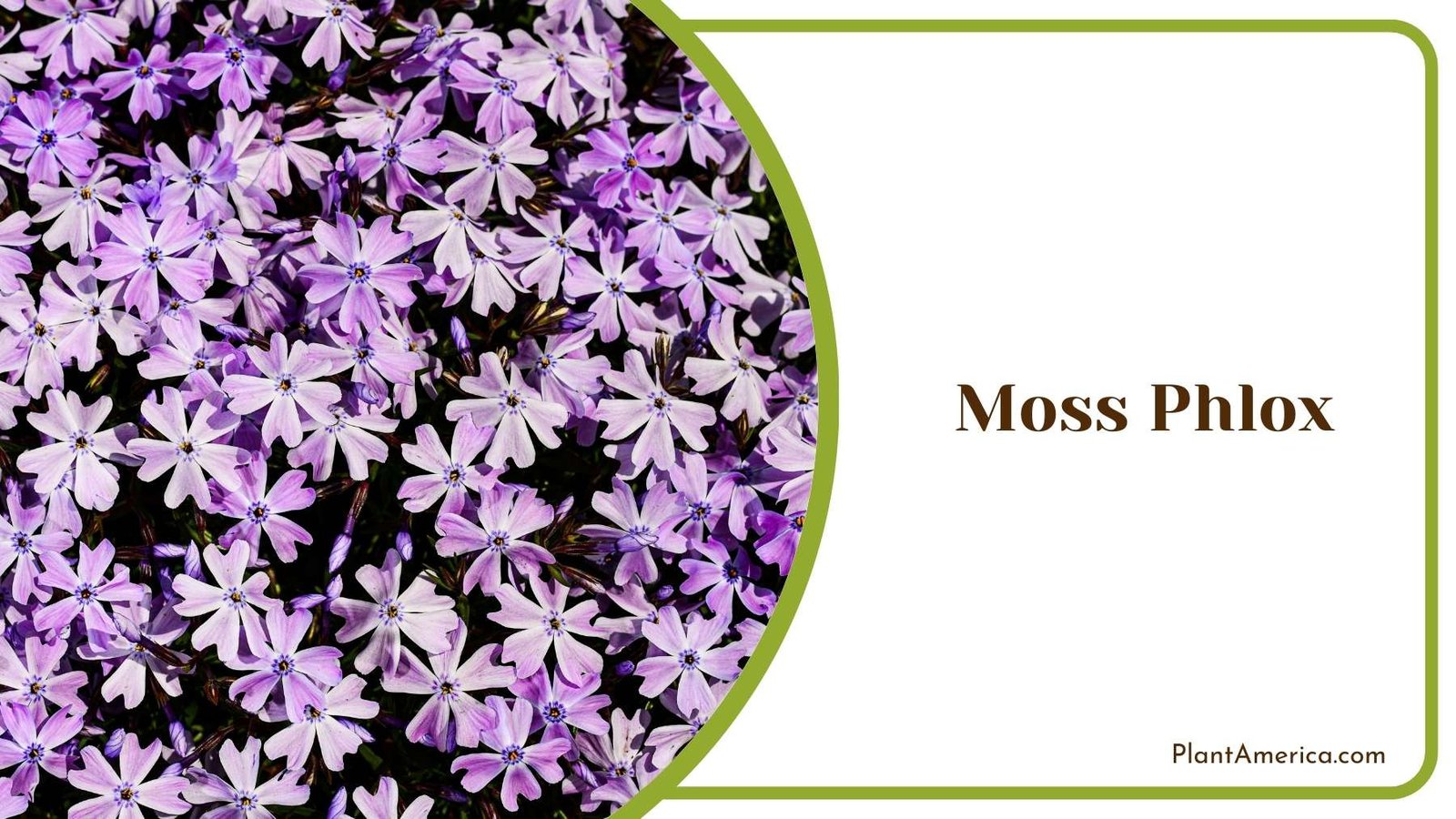
Moss phlox brings a delicate beauty and texture to shaded woodland gardens each spring. As its common name implies, its trailing stems are clad with tiny moss-like leaves resembling the lush carpets of forest floors.
In early spring, fine-stemmed flowers in hues of pink emerge above the foliage. Individual blooms are small but massed together, imparting a lovely, soft glow. Pollinators find nectar and cover amidst the fine-textured foliage.
Ideal conditions for moss phlox mimic its woodland origins with rich, moist soils and dappled light. Here, it thrives, spreading steadily yet remaining contained without aggression. Occasional division refreshes thickets, taking hold steadily over seasons. Autumn brings subtle alterations, muting foliage colors gently before moss phlox rests quietly under fallen leaves through winter.
20. Periwinkle
- Growing Season: Spring, Late Summer, Fall
- Leaf Type: Glossy green leaves
- Specific Needs: Sun, Well-draining soil
- Common Pests: Aphids, Spider mites
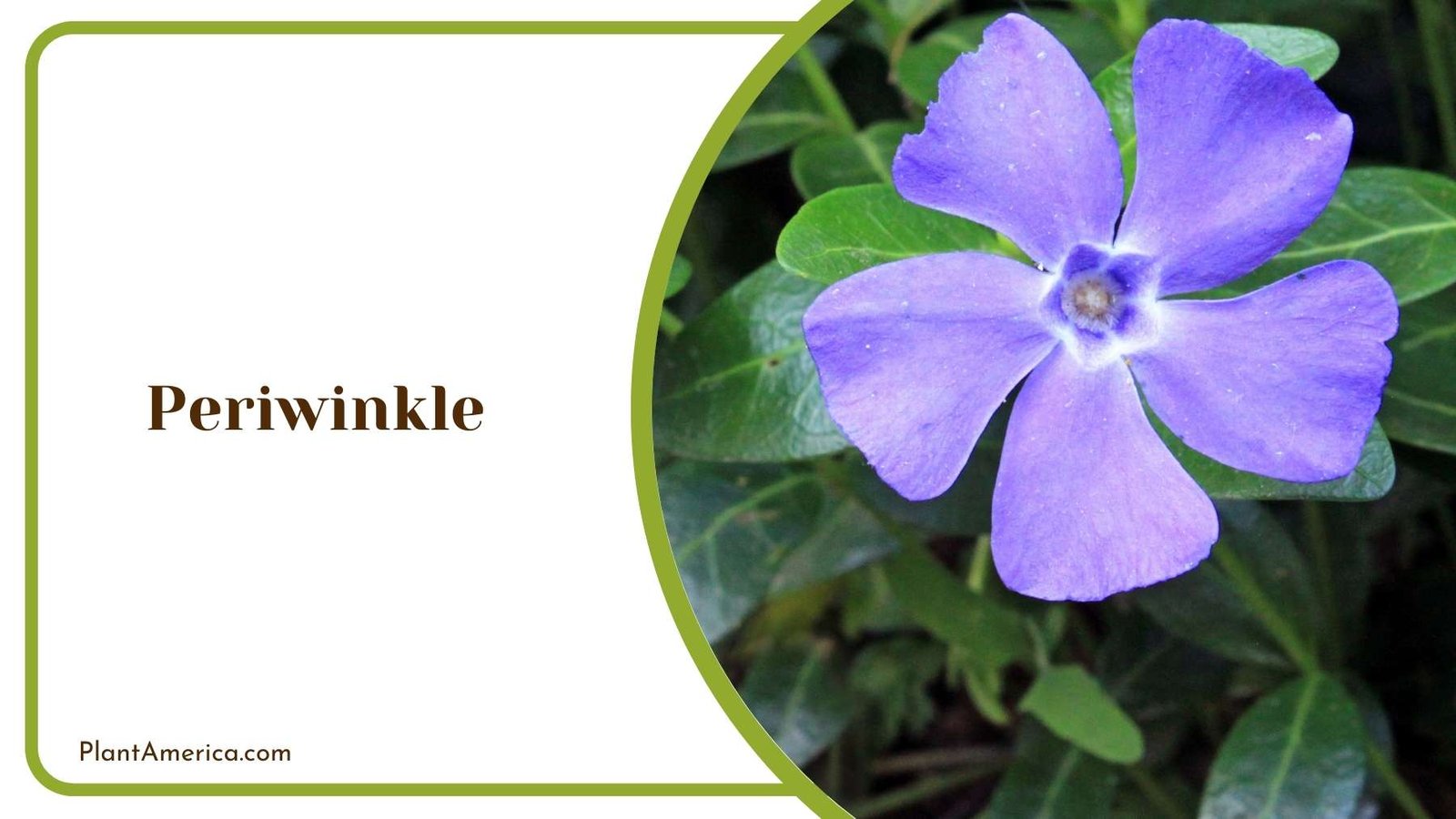
Bringing a sense of enchantment to shaded gardens, periwinkle forms dense mats covered in cheerful blooms each season. Originally native to Europe and Asia, it has naturalized widely across North America as a beloved groundcover.
Preferring woodsy conditions with humus-rich soils and dappled shade, periwinkle thrives undisturbed in such spots. It colonizes freely yet remains beautifully contained, enhancing borders or acting as a living mulch suppressing weeds.
Autumn brings deeper tones to leaves, persisting gracefully through mild winters. Evergreen foliage often continues appreciably year-round where temperature permits. Periodic division refreshes thickets; else, periwinkle remains ever-dependable with nary care beyond its woodland warmth.
For centuries of enriching gardens throughout temperate regions, periwinkle lends steadying hands through seasons of peaceable enchantment. Requiring solely patience as the creeping realm expands, it uplifts spirits naturally wherever integrity calls forth sweet refuge in leaf and bloom.
21. Pink Creeping Thyme
- Growing Season: Spring, Late Summer, Fall
- Leaf Type: Aromatic, narrow leaves
- Specific Needs: Sun, Well-draining soil
- Common Pests: Aphids, Spider mites
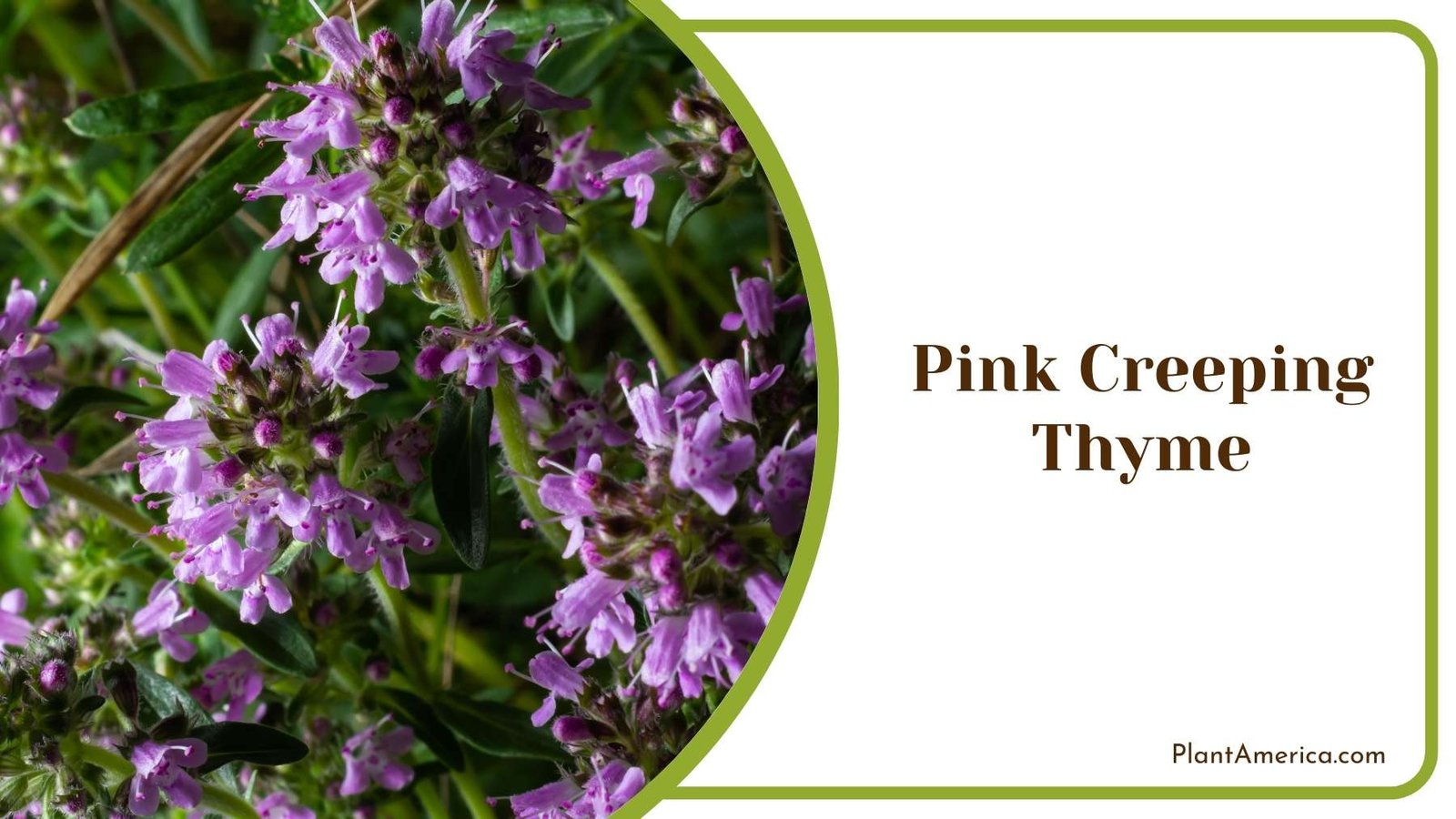
A cheerful groundcover releasing delicate fragrances underfoot, pink creeping thyme enlivens paths, walls, and stepping stones with resilient mats of petite blooms. Originally native to Eurasia, varieties with rose-pink flowers adapt widely throughout temperate zones.
Matte green leaves emerge by late spring, their aromatic oils stimulating the senses. Soon after, dainty pom-pom blooms unfurl in vivid yet delicate rose-pink shades. While individual flowers last briefly, frequent replacement provides a cheerful glow for months.
Thriving in lean, free-draining soils with ample sun, creeping thyme survives heat and drought with ease once established. Given only occasional water, it creeps persistently yet remains beautifully contained. Requiring sole patience as spreading mats gently diffuse fragrant magic, creeping thyme lends steadfast seasons of honest joy wherever footfalls call forth their pastoral peace.
22. Rock Cress
- Growing Season: Spring, Late Summer, Fall
- Leaf Type: Basal rosette of shiny green leaves, Branching stems
- Specific Needs: Sun, Well-draining soil
- Common Pests: Rabbits
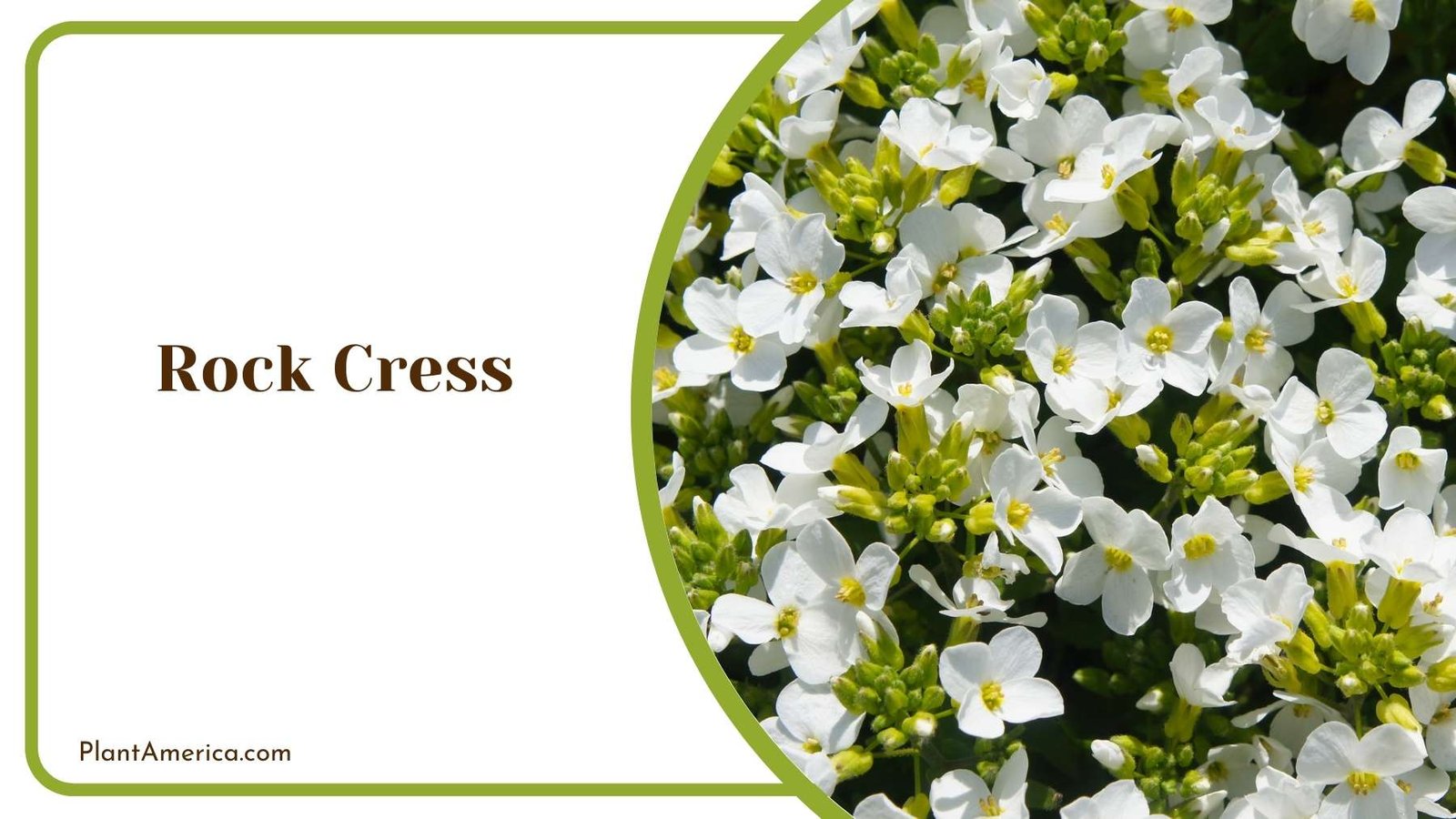
With its petite presence and cheerful white blooms, rock cress adds a delightful accent to rock gardens, walls, and other sunny dryscapes each spring. Native to Europe and Asia, it thrives in mimicry of rocky limestone cliffs where moisture is scarce.
Slender stems emerge bearing compact, four-petaled flowers just above a low rosette. While individual blooms last but days, steady flowering through April ensures gorgeous flowering snapshots. Its bright green leaves hugging stones shine with a satiny texture.
Rock cress excels in lean soils with perfect drainage and sunlight, needing little more than occasional winter rain or irrigation once established. It colonizes crevices gently yet remains amiably contained through drought periods.
Come summer, seedpods follow, providing sculptural forms persisting until autumn tones leave beautifully. Dried structures remain carved in stone through winter beside dormant rosettes, sheltering tightly until the cycle repeats again next spring.
23. Scotch Moss
- Growing Season: Spring, Late Summer, Fall
- Leaf Type: Moss-like evergreen foliage, Creeping pad, Inconspicuous flowers
- Specific Needs: Sun, Well-draining soil
- Common Pests: Aphids, Spider mites
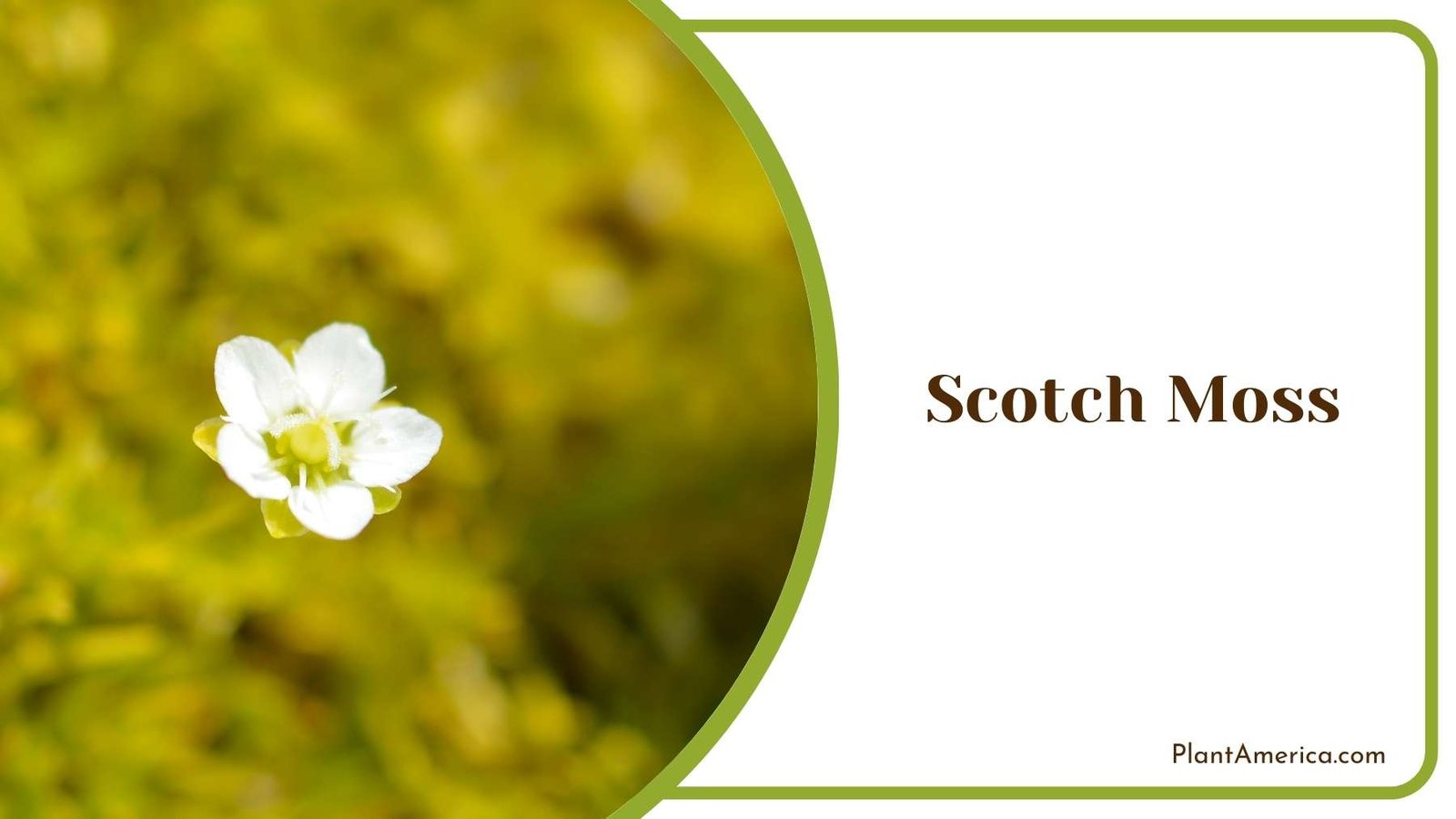
Adding soft texture to shaded nooks, Scotch moss blankets spaces gracefully with cushions of tiny evergreen leaves. Native to woodlands throughout western Europe and Asia, it fills the niche once occupied by leaf litter.
Thriving wherever soils remain evenly moist but well-draining, such as under oak canopies, Scotch moss colonizes thickly yet gracefully. Its lush weaves suppress competition naturally, requiring no soil preparation beyond the occasional trim away when dense clumps threaten to crowd.
Autumn leaves it undisturbed to shield dormancy fully until warming days revive its plush tufts seamlessly. Periodic division refreshes spreading patches from becoming overly vigorous in the richest spots.
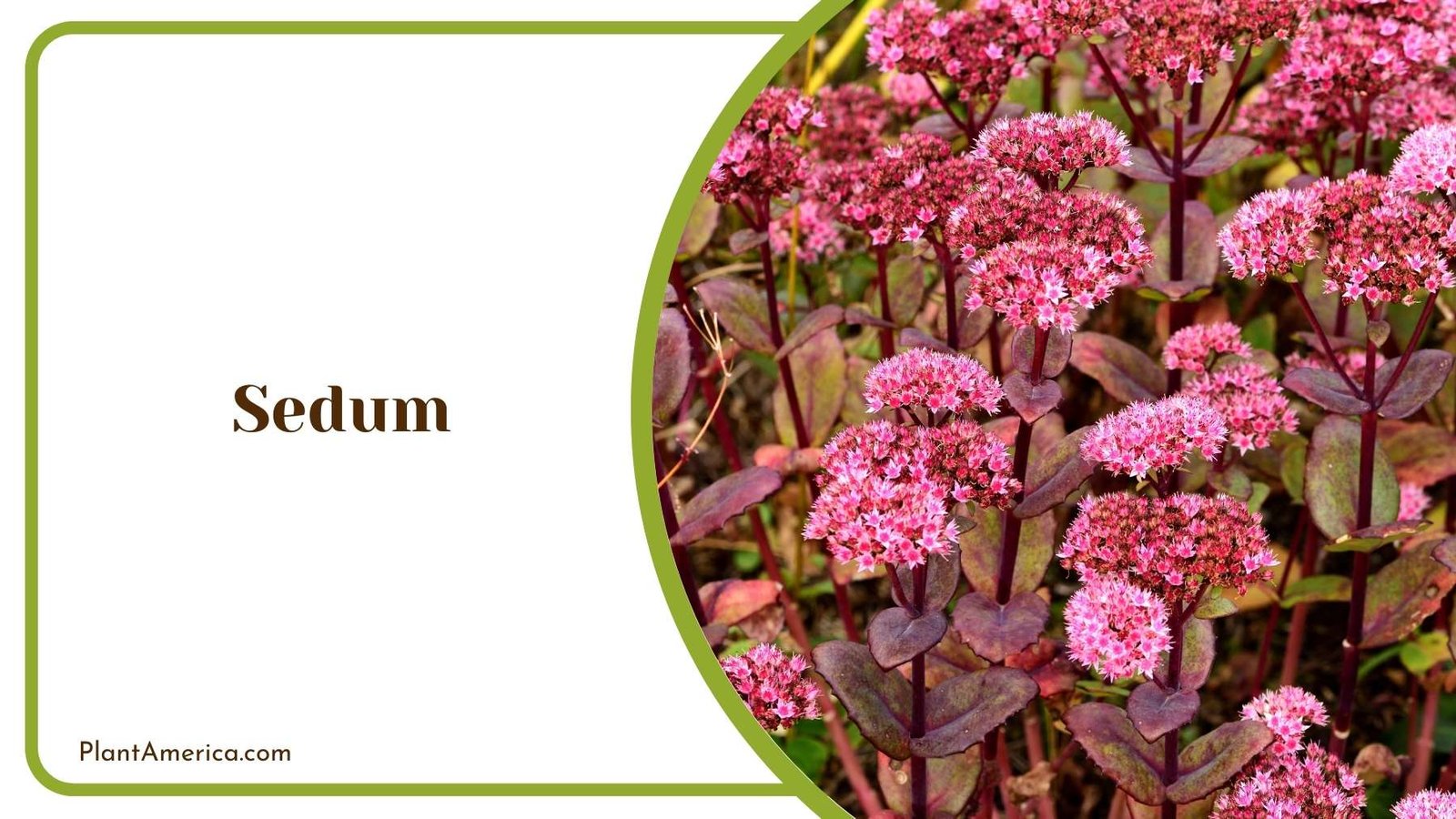
24. Sedum
- Growing Season: Spring, Late Summer, Fall
- Leaf Type: Succulent foliage, Varied habits
- Specific Needs: Sun, Well-draining soil
- Common Pests: Deer
Vibrant mats and mounds of succulent foliage studded with cheerful blooms, sedum proves indispensable for sunny, dry gardens. Numerous varieties, from carpeting spreads to erect clumps, adapt widely, spanning seasons with low-water dependability.
Thriving in soil with perfect drainage and sun exposure, sedum withstands seasonal droughts and winter freezes resiliently. Given only occasional summer water, it naturalizes reliably suppressing competition beneath.
For humble hardscaping and xeriscapes requiring minimal fuss, sedum proves a steadfast ally through consistent, dignified tenure. Its patience and prosperity uplift spirits wherever modesty and integrity are sought. It’s a portrait of peaceful pleasures gifted by earth’s thoughtful graces alone.
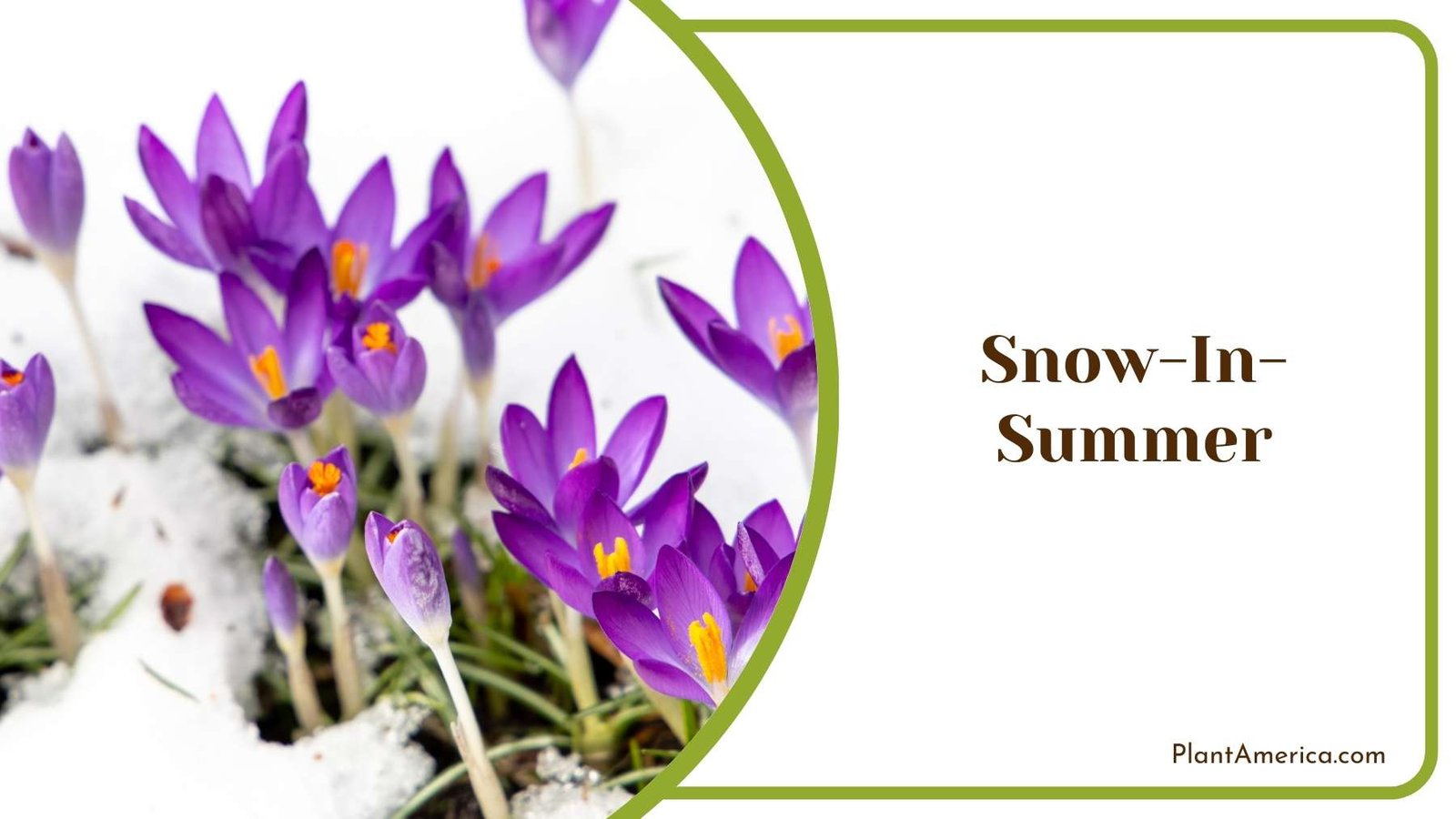
25. Snow-In-Summer
- Growing Season: Spring, Late Summer, Fall
- Leaf Type: Flat basal rosette, Fleshy leaves
- Specific Needs: Sun, Well-draining soil
- Common Pests: Rabbits
Blanketing gardens with clouds of cottony blooms, Snow-in-summer brings a sense of magic each summer. Native to Eurasia, its common name references flowers resembling scattered snow puffs.
By June, fleshy green leaves emerge in a tight basal rosette. Soon, stems carry clustered florets surrounded by plumose petals, translating to tufted fringes appearing freshly fallen from bleached skies above.
The best conditions for this plant mimic sunny, lean soils reminiscent of rocky meadows where it naturally thrives while needing minimal irrigation established. Snow-in-summer graciously accepts poor soil where others fail yet produces most prolifically in richer loam.
As blooms fade, attractive seedheads persist until fall frost blackens leaves for winter dormancy. Early spring renews lush mats, repeating dependable magic wherever sun-baked locales call sweetly.
For centuries gifting harshest climes with dreams of clouds, Snow-in-summer instills wonder through fleet visions of sublime peace. It asks only its parched realm, sharing ephemera uplifting all near in simple pleasures owning naught but innocence itself.
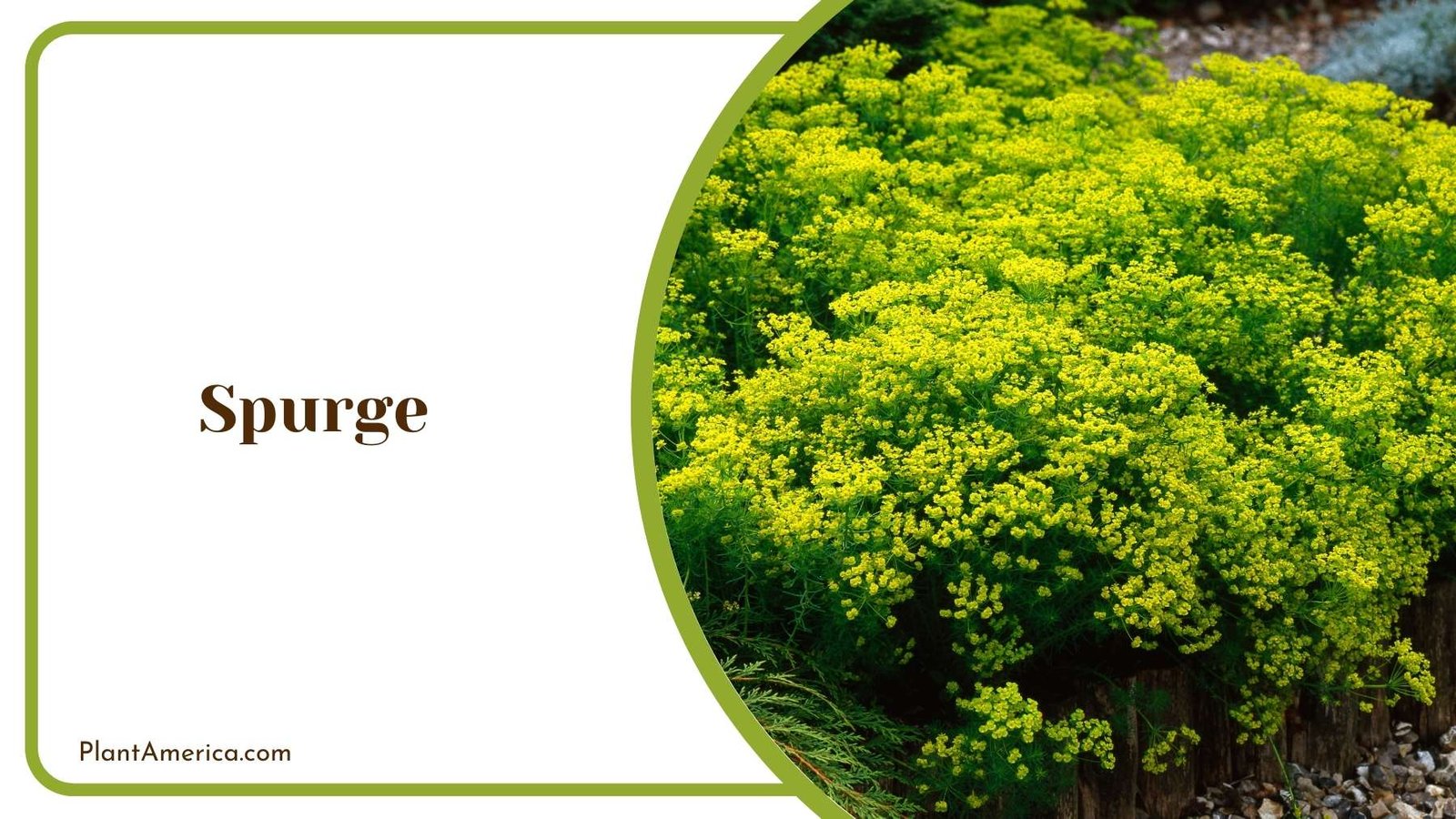
26. Spurge
- Growing Season: Spring, Late Summer, Fall
- Leaf Type: Oval to oblong leaves, Erect or creeping stems
- Specific Needs: Sun, Well-draining soil
- Common Pests: Deer
Spurge (Euphorbia) is a diverse genus of flowering plants with many species suitable for gardens. Many spurge plants grow in mounds or mats near the ground, forming attractive low-growing groundcovers. This low-spreading habit makes spurge an excellent option for the front of borders or as an edging plant.
Blooms continuously throughout the growing season from spring through fall. The small flowers tend to be greenish-yellow, greenish-white, or sometimes pink. This sustained blooming keeps the plants covered in wispy flowers for months.
The plant has very low maintenance once established, tolerates most soil types, and has good drought tolerance once rooted. It requires little watering, so it is suitable for xeriscaping or areas with less TLC.
The low habit and endless colorful display from flowers and foliage make spurge a uniquely effective perennial option for providing constant color in gardens from early spring through fall. Its resilience, long season of interest, and pollinator support make it a valuable planting choice.
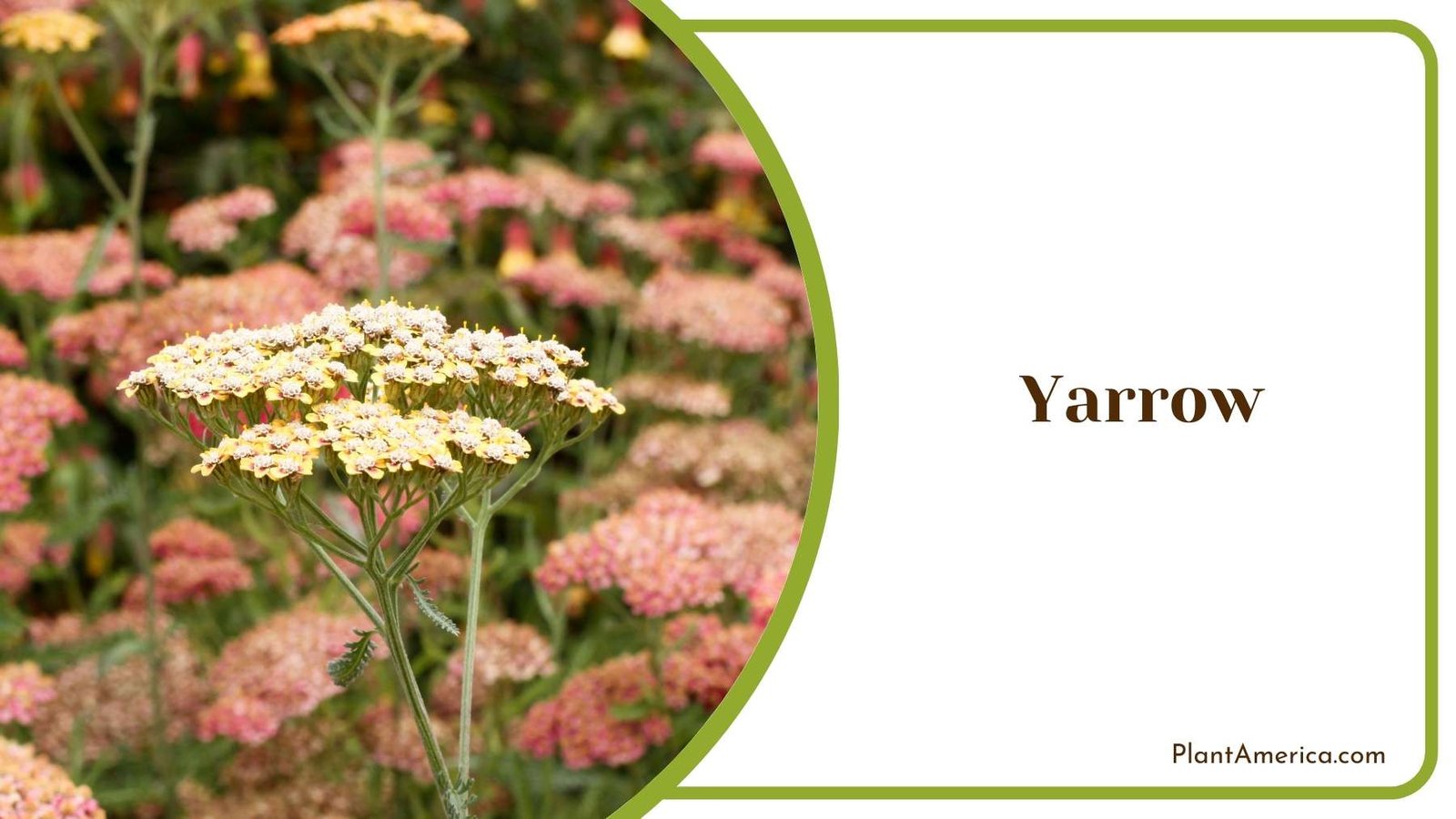
27. Yarrow
- Growing Season: Spring, Late Summer, Fall
- Leaf Type: Ferny, feather-like leaves
- Specific Needs: Sun, Well-draining soil
- Common Pests: Aphids, Spider mites
Yarrow explodes with fluffy tops of pink, red, or white flowers that cheerfully poke up from lacy grey-green foliage. Its loose, airy habit also makes Yarrow a dream for fresh-cut bouquets. You’ll get months of blooms without missing a single stem from the garden.
No matter how hot and dry the conditions, Yarrow soldiers spread color. Its resilient nature and rugged good looks make it an invaluable perennial in any landscape. With Yarrow as your garden’s backbone, you can confidently plant, knowing it will stand firm alongside more delicate blooms.
While Yarrow thrives in lean soil with abundant sunshine, it also plays nicely in garden beds by adding texture and drifts of flowers. Even minor insect pests like spider mites rarely damper Yarrow’s longer bloom time. Occasional pruning keeps it tidy and reinvigorates additional blooming cycles, too.
28. Thrift
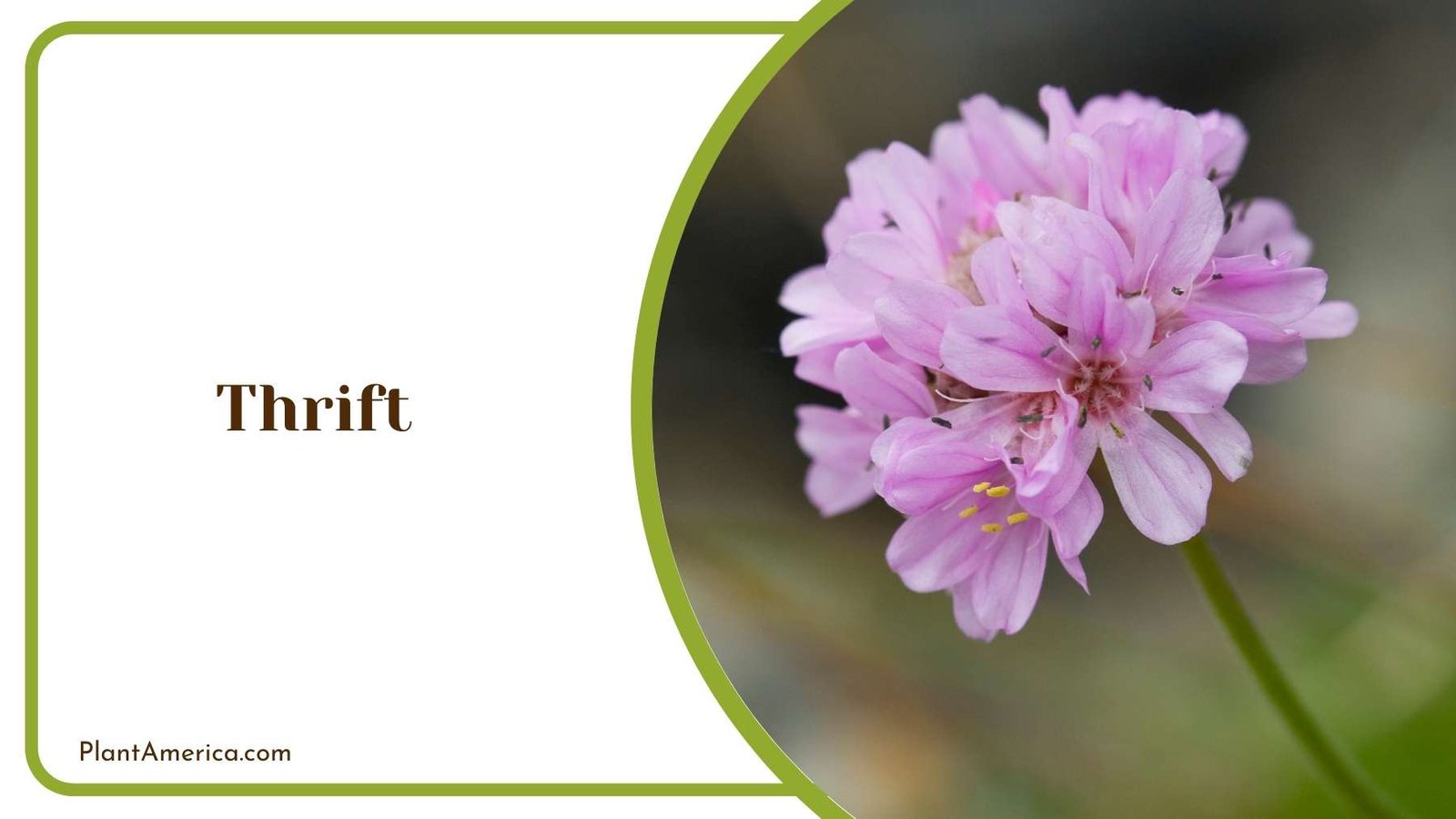
- Growing Season: Spring, Late Summer, Fall
- Leaf Type: Basal rosette, Erect stems
- Specific Needs: Sun, Well-draining soil
- Common Pests: Deer
Thrift adapts resiliently to sandy and seaside environments. Native to Europe and the Mediterranean, it stabilizes dunes naturally through a tenacious creeping habit. By spring, erect stems emerge bearing clusters of pink flowers just above a dense basal tuft of tiny emerald leaves. While individually small and starry, their massed display adds a shy vivaciousness enjoyable through months.
Thriving best where sand and sun commune tightly along strandlines, thrift spreads vigorously yet tidily. Given only occasional rain, it forms winding mats suppressing less hardy colonizers naturally needing no soil preparation or supplementary water established.
Thrift embodies steadfast resiliency through modest means. It shares hard-won peace through perseverance alone, instilling hope wherever integrity calls forth sweet solace simply by calm endurance’s means.
29. Turf Wintercreeper
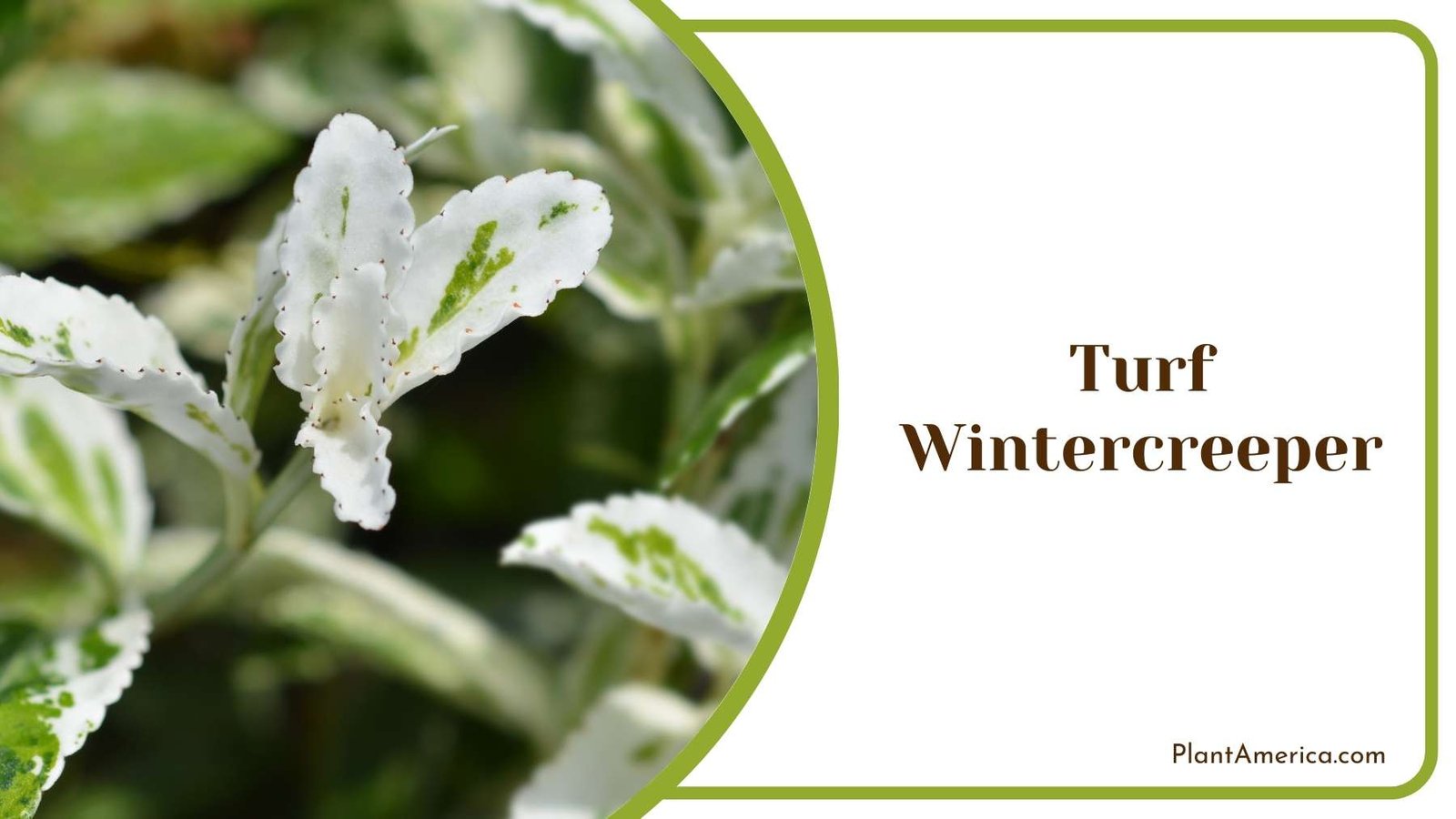
- Growing Season: Spring, Late Summer, Fall
- Leaf Type: Creeping vines, Glossy green leaves
- Specific Needs: Sun, Well-draining soil
- Common Pests: Slugs
Turf wintercreeper is an attractive, evergreen ground cover euonymus cultivar that is prized for its ability to provide lush, constant color throughout the year in garden beds and landscapes. It forms a dense, carpet-like mat that stays low to the ground at only 4-6 inches tall, eliminating the need for pruning to maintain its compact growth habit. This prostrate structure allows it to seamlessly spread across the ground where it is planted
The foliage emerges a vibrant shade of green in the springtime. As fall arrives, hints of purple, pink, and red hues appear on the leaves, providing seasonal visual interest. Unlike many other plants that go dormant for the winter months, turf wintercreeper retains its bright multicolored palette even under snow cover or in shaded spots.
It thrives well in both full sun exposures and partial shade, adapting excellently to different light conditions. It maintains its bold foliage tones even when not basking in direct sun.
Conclusion
The list provides a diverse selection of low-growing perennials well-suited to landscaping needs. Several stand out for reliable performance requiring minimal care:
- Yarrow is a tough, low-growing perennial with fluffy flowers blooming continuously from summer through fall.
- Moss phlox spreads gradually into lush green carpets dotted with pink blooms.
- Creeping thyme forms fragrant mats thriving in lean soils with sunny exposure.
All gardens deserve plant-nurturing spaces across growing seasons with steadfast prosperity. Choosing selections proven by nature ensures dependable color, where simplicity and thrift call for tranquil repose.