
“How to control mealybugs on outdoor shrubs” is one of the most asked shrub-related questions, and thankfully, the answer is simple. You can easily tackle mealybugs outdoors via pruning, neem-soap solution, sticky banding, and other methods.

The important thing is, you should do these things step-by-step for faster results. So, please read this guide to the end, follow our instructions, and make your garden mealybug-free!
How To Control Mealybugs on Outdoor Shrubs?
To control mealybugs on outdoor shrubs, inspect the plants first and trim out the heavily infested parts. Then, frequently use natural remedies like neem-soap mixture or cinnamon powder until you see no bugs. Sticky banding and de-weeding can also help keep mealybugs away.
1. First: Prune Out Foliage That’s Touching the Ground
One of the initial steps to safeguard your outdoor shrubs from mealybugs is pruning or removing any leaves or branches that touch the ground. When branches or leaves are in contact with the soil, they create a bridge for mealybugs to climb and infest your plant.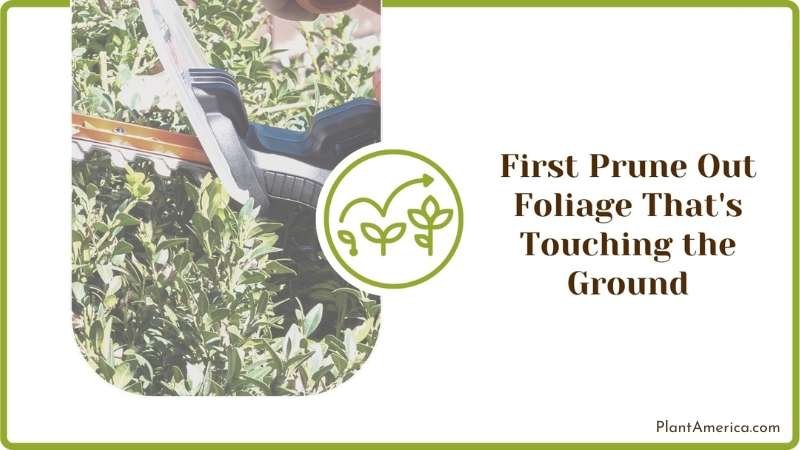
Why It’s Important: Keeping the lower branches of your shrubs off the ground makes it harder for mealybugs to reach them. These bugs often start from the soil or low-lying weeds, making their way up to your plants. By cutting off their direct path, you create a barrier that they find hard to cross.
How to do it:
- Begin by looking at your shrub.
- Identify any branches or leaves that are touching the ground.
- Cut these parts away Using a pair of garden shears or pruning scissors.
- Remember to make clean cuts, and don’t leave jagged edges, as these can stress the plant.
- After you finish pruning, collect all the cut pieces and dispose of them properly.
- Please don’t leave them lying around, as they might still attract bugs.
2. Uproot Weeds You See To Disrupt Bugs’ Life Cycle
Mealybugs can also do well in untidy gardens. So, a really important thing to do to control mealybugs is to clean your garden regularly.
Why It’s Important: Weeds can host a variety of pests, not just mealybugs. When you have weeds close to your shrubs or other plants, it’s like giving bugs an open invitation. The cleaner your garden, the fewer places these pests have to hide and breed.
- Wear gardening gloves to keep your hands safe.
- Start by walking around your garden and spotting weeds.
- When uprooting weeds, make sure you pull them out from the root. This way, they won’t grow back quickly.
- Once you’ve removed all the weeds, gather them in a bag or a bin.
Don’t Forget the Fallen Leaves: Pay attention to fallen leaves or dead plants apart from weeds. Regularly collect and dispose of dead leaves and debris. After you’ve picked up all the stuff, it’s wise to either use a compost bin or throw it away far from your garden.
Regular Checks: Even after a big cleanup, checking your garden regularly is vital. New weeds can sprout, and leaves can fall. Make it a habit to walk around your garden once a week. Taking care of your garden like this can really help stop mealybugs from coming in.
3. Choose Early Morning or Late Evening Time For Mealybug Control
Every experienced gardener knows that timing matters. When dealing with mealybugs or other garden pests, the time of day you act can make a considerable difference.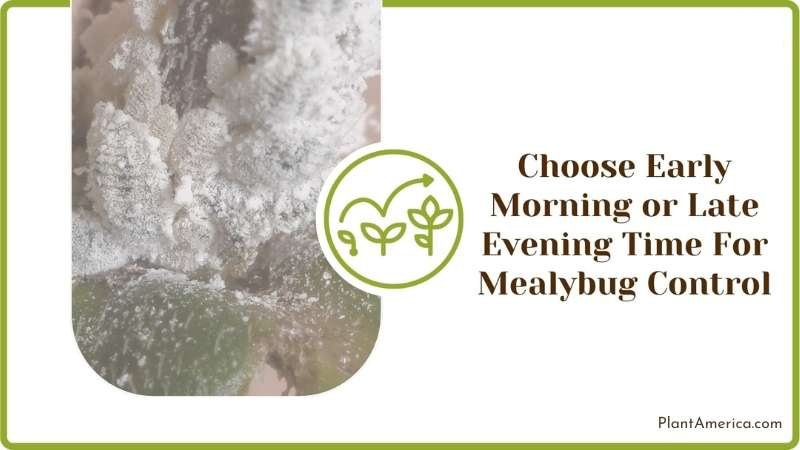
Why It’s Important: The garden is generally cooler in the early morning or late evening. Most pests, including mealybugs, are less active during these times. Additionally, many treatments, especially natural ones, can be more effective when they don’t evaporate quickly.
Treating plants during cooler parts of the day can also be less stressful for the plants themselves. Midday sun can be intense. Applying any treatment, even water, during hot times can cause the leaves to burn or get damaged.
Safety First: If you’re using any natural treatment, early morning or late evening applications reduce the chance of the product coming into contact with beneficial insects/predatory insects like bees, mantis, etc. We certainly don’t want to harm these helpful garden friends!
4. Decide the Treatment in Advance
Now, deciding on the timing is just part of the battle. You must also decide on the treatment in advance to combat mealybugs. Begin by learning about it. Gardeners have a lot of information they can find.
One question you might come across while looking up is: “Will dish soap kill mealybugs? Soap, a standard item in most households, can be a potent weapon against mealybugs when used correctly.
A diluted dish soap and water solution disrupts the waxy exterior of these pests, causing them to become dehydrated. However, just like with any treatment, it’s essential to use it correctly. Using soap excessively can hurt the plants. A teaspoon of liquid soap mixed in a quart of water should be effective without causing harm.
5. Prepare the Neem and Soap Treatment
Start by getting a pure, cold-pressed neem oil. Ensure it’s free from any additives that might harm your plants. Next, you’ll need a mild soap. Using plain, unscented soap is best to avoid introducing additional chemicals that might harm your shrubs.
To prepare the mixture:
- Take a gallon of water and add two teaspoons of neem seed oil.
- Add a teaspoon of the mild soap (or insecticidal soap if it is available).
- Stir the solution gently to ensure it’s well-mixed.
6. Apply the Solution on the Bugs- Do Both Spray and Drenching
The next step is application after preparing your neem oil and soap mixture. Here, a two-pronged approach is recommended: spraying and drenching.
To begin, fill a bottle with the mixture. On a calm day, preferably early in the morning or late in the evening when the sun isn’t too intense, gently spray the solution onto the affected parts of the shrub. Ensure you cover both the top and underside of leaves, as mealybugs often hide in these less noticeable spots. Spraying it directly aims at these pests, messing up where they live and making it challenging for them to stay alive.
While spraying is effective for the mealybugs you can see, it’s essential to remember that some might be hiding in the soil, laying eggs, or sheltering from predators. This is where drenching comes into play. To effectively kill mealybugs in soil, you’ll want to take your prepared solution and gently pour it at the base of your shrub, ensuring it reaches the roots. This way, you can ensure any mealybugs in the soil are in trouble.
But remember, drenching doesn’t mean you soak your plants. The goal is to make the soil damp enough so that the solution gets to the roots and the soil around them, where these bugs might be. Giving unnecessary water to both outdoors and indoor plants can hurt them, so finding the correct amount is essential.
7. Use Sticky Banding/Traps To Prevent Mealybugs
Sticky bands are just what they sound like—bands coated with a sticky substance. You place these around the trunks of your trees or larger shrubs. The idea behind this is simple yet effective. As mealybugs try to move up or down the tree or shrub, they get stuck to the band, preventing them from feeding or laying eggs.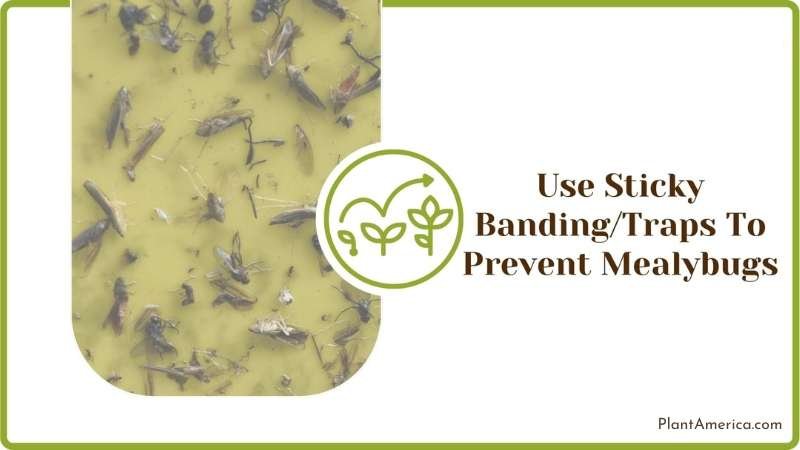
Here’s how to get rid of mealybugs on trees/shrubs with sticky bands:
- First, measure the circumference of your tree or shrub trunk.
- Cut a strip of banding material to fit around the trunk, leaving a bit of overlap.
- Wrap the band around the trunk, making sure it’s secure. Ensure the sticky side faces out.
- Check the bands regularly. Once they’re covered in bugs, it’s time to replace them.
8. Try Rubbing Alcohol and Swabbing if Some Bugs Reappear
Even with our best efforts, a few stubborn mealybugs might still linger. But don’t despair; there’s another tool in the gardener’s arsenal to tackle these persisting pests. If you’ve been seeking an answer to what kills mealybugs instantly, look no further than isopropyl alcohol, commonly known as rubbing alcohol.
Rubbing alcohol is a fast and powerful way to deal with mealybugs. And the great thing is it’s easy to find and simple to use.
For this method, you’ll need:
- Isopropyl alcohol (at least 70 percent concentration for the best results)
- Cotton swabs or a small brush
Dip the cotton swab or brush into the rubbing alcohol. Then, gently dab or brush the mealybugs you spot on your plants. The alcohol acts fast, and you’ll see the bugs turn brown or gray as it takes effect.
While rubbing alcohol is potent, it’s also essential to be careful. Alcohol can potentially harm plants if used excessively. Always test a small area of the plant before completing the application. If the plant doesn’t show any adverse reaction after a day, you can continue to treat the mealybugs.
Another point to note: while rubbing alcohol tackles visible mealybugs, remember they might still be hiding in the soil or hard-to-reach spots. So, even after using alcohol, regular monitoring of your plants is crucial.
9. Sprinkling Cinnamon Powder: One of the Best Control Methods
If you’ve noticed mealybugs on outdoor plants, it might be time to consider cinnamon as a natural remedy. The pungent smell of cinnamon can also make pests like mealybugs not want to stick around.
To use cinnamon in your garden:
- Buy pure cinnamon powder from a store. You don’t need fancy variety – the regular cooking style will do.
- Sprinkle the cinnamon powder directly onto the soil around your plants. This way works well, especially if you’ve noticed mealybugs hanging around the bottom of your plants or in the soil.
- You can also put a little cinnamon on the leaves, but make sure not to use too much. A thin layer can keep the bugs away without hurting the plant.
Also, the powder can also work against other houseplant pests, like:
- Scale insects
- Spider mites
Additionally, your garden will have a lovely, spicy aroma!
10. Keep Monitoring
Dealing with mealybugs is not a one-time task. Even after you’ve taken care of your plants, it’s crucial to keep watching and know where mealybugs might be coming from. There are various sources of mealybug infestations:
- They can come with new plants that you introduce to your garden. Always inspect new additions thoroughly before planting them.
- Sometimes, they’re just part of the natural environment and can fly into your garden.
- When you understand how to control mealybugs, you’re ready to deal with them effectively.
11. Reapply the Solution: Consistency is Crucial
You’ve taken the steps and used the solutions, and for a while, it seems like the mealybugs are gone. But then, a few pop up here and there. It can be annoying, but it’s expected. To avoid this, be prepared to reapply your chosen solution, whether it’s the neem-soap mixture, cinnamon powder, or any other method you’ve chosen.
Remember:
- When reapplying any solution, always ensure it’s diluted appropriately to avoid harming your plants.
- If using chemical solutions, rotate between different types to prevent the mealybugs from developing resistance.
- Always be gentle with your plants. They’re already stressed from the bugs, and while you intend to help, they can get further stressed with excessive treatments.
Conclusion
Mealybugs can wreak havoc on outdoor shrubs if left unchecked. Here, we explored different methods you can try step-by-step to stop these white bugs. Here are the key takeaways:
- Stay Proactive: Regularly inspect plants, especially the undersides of leaves and the base.
- Use Natural Solutions: Options like neem-soap solution, cinnamon powder, and rubbing alcohol can be effective without introducing harsh chemicals.
- Maintain Garden Cleanliness: Clear out weeds, keep plants pruned, and ensure no foliage touches the ground.
- Consistency is Key: Reapplying solutions and keeping a consistent routine will help in the long run.
- Monitor and Learn: Understand where mealybugs originate and adapt your strategies as needed.
That’s all about how to tackle the problem of mealybugs!