
“How much light do succulents need?” is a critical question when growing these home plants. These are hardy plants with little maintenance that cannot compromise their light needs. This guide below will discuss natural and artificial lights that you can use.

Find out how much each light is needed to grow the most healthy succulents possible.
How Much Light Do Succulents Need Every Day?
Succulents need about six to eight hours of bright sunlight every day in order to thrive. If the sunlight is too bright and the temperatures outside too high, most succulents tolerate light better when it is indirect or partial.
– Light Needs of High Light Succulents
Succulents are divided into two broad categories based on their light needs. High-light-loving succulents thrive under bright light and for more extended periods of time. These succulents do not get sunburned when put under direct sunlight for six to eight hours.
Such succulents include the jade plant, aloe vera, hoyas, and agaves. When kept under indirect light, these succulents need eight to 10 hours of light to make up for the lack of direct sunlight. These succulents only do well when grown inside the house if kept near a well-lit window.
– Light Needs of Low Light Succulents
Some succulents have low demands for bright, intense light. These succulents make the best indoor houseplants because they thrive well under indirect sunlight all day. Such succulents are mostly darker in color because of the need to produce more chlorophyll.
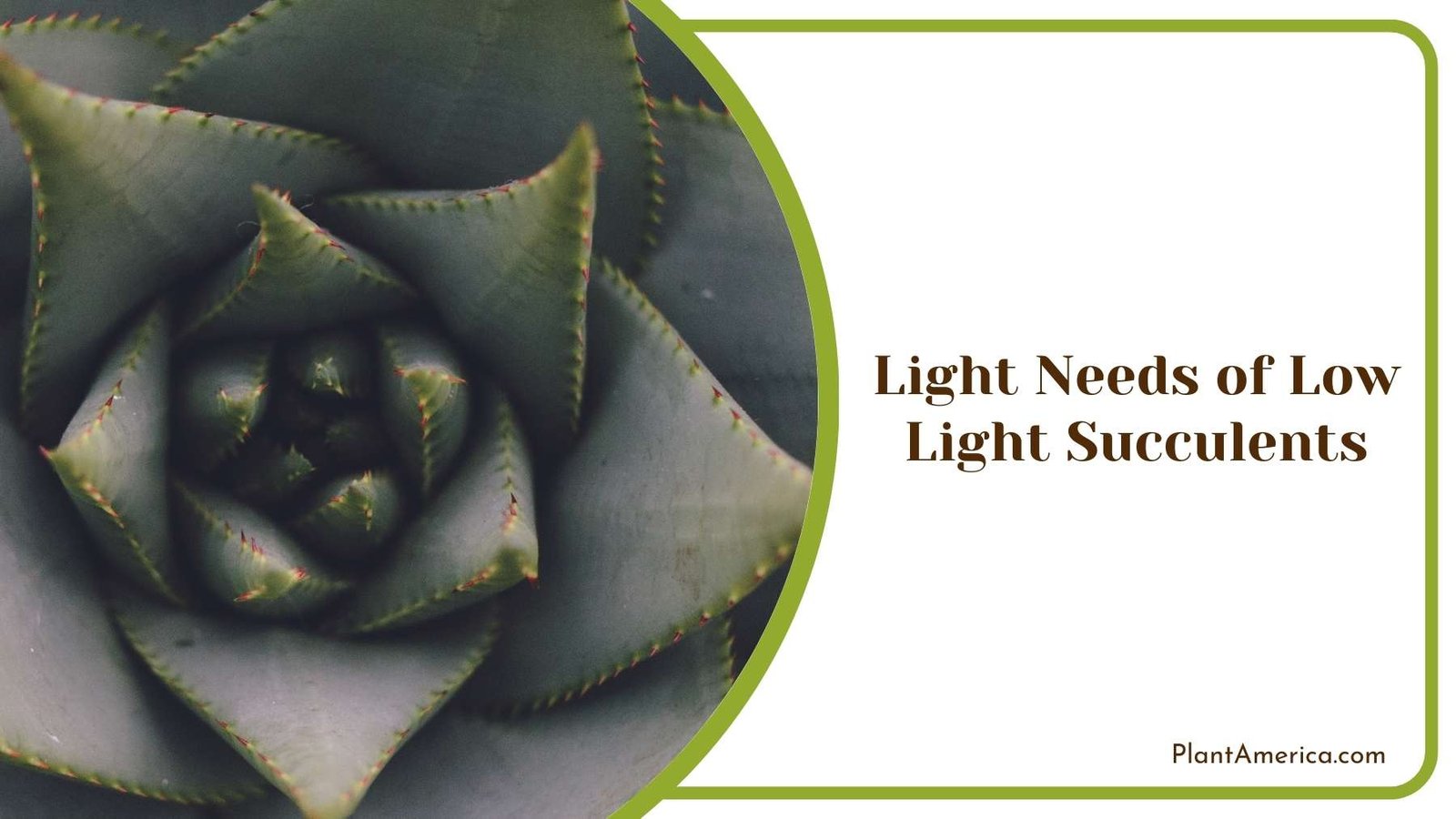
Examples of low-light-loving succulents are the snake plant, the zebra plant, and the ZZ plant.
They are less colorful than intense, light-loving succulents but possess unique textures. On average, they need three to four hours of direct sunlight and partial light for the rest of the day.
They should not be placed outside the house under the direct sun because they often get sunburnt. Look for a shady spot where they indirectly take in this bright light all day. When moving the plant from indoors to outdoors, slow acclimatization is needed.
How Much Artificial Light Do Succulents Need Every Day?
Succulents need at least 13 to 18 hours of artificial plant light daily to grow successfully. For low light-loving varieties, 13 hours of synthetic tube or bulb lights are needed. One to two hours more will be required when using LED light than when using fluorescent lights.
– Succulent Grow Lights
Artificial plant lights were created to provide energy for indoor-grown plants without adequate natural sunlight. These are supplemental lights as effective as natural light for plant growth.
Not just any LED or fluorescent light will make succulents grow. Look for a grow light that releases an intensity of about 2,000 lumens per square foot.
Go for lights that consume fewer watts of electricity because these lights will have to be turned on for 13 to 18 hours daily. The color temperature for these lights needs to be between five to seven thousand kelvins.
– Grow Light: Fluorescent or LED?
Two main varieties of these lights are currently under use by gardeners and florists: LED lights and fluorescent lights. Some types produce the full spectrum of light, like the sun, while others create the specific wavelength of light that helps succulents grow.
These lights come at various prices, ranging from reasonable to very expensive.
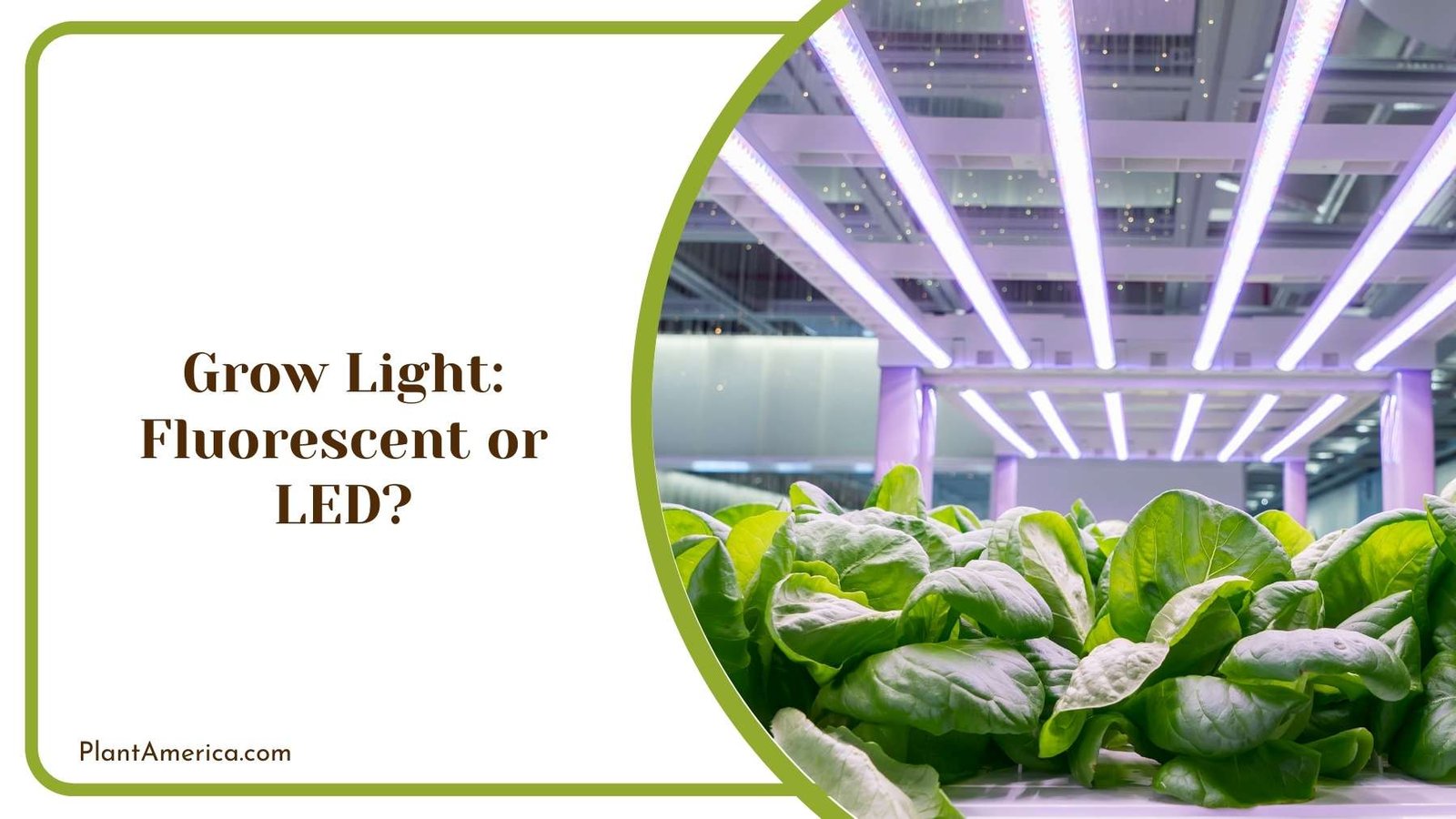
Fluorescent lights are slightly more effective at mimicking natural light and helping plants grow. They must be turned on for about one to two hours less than LED lights to produce the same effect.
On the flip side, these lights produce heat and consume more energy than the LED lights. LED lights are economical, energy-efficient, and can be used on all types of succulents for 13 to 18 hours daily.
– The Right Way to Use Artificial Lights
Growing succulents indoors is now very easy because of these artificial plant lights. If you have windows, you can keep the plant near them during the morning and use grow-type lights only for a few hours afterward. Grow lights should be kept close at a distance of three to six inches from the succulents.
Some lights come with an automatic switch and timer that turns the light on at a particular time. This switch automatically turns the lights off once the plant’s daily light requirements have been fulfilled.
What Is the Right Indoor Natural Light for Succulents?
The right indoor natural light for succulents is from the eastern and western-facing windows. They provide three to four hours of light directly and then the indirect type of light for the rest of the day. Light levels from a northern window are too low for succulents to grow correctly.
– South Facing Windows
Any window in the house that faces the south receives plenty of direct sunlight throughout the day. This window is the perfect spot to keep succulents that like natural light. Still, instead of putting them on the windowsill, place them somewhere near the window to prevent sunburn.
– North Facing Windows
A north-facing window receives practically no direct light at all during the day. The light conditions of a room with only a north-facing window are unsuitable for succulents. It would be better to install artificial grow lights to supplement the little indirect coming light that this window receives.
Keep the succulents in question as near the window as possible. For varieties like aloe veras, you must keep the lights on for six to eight hours a day. For types like the echeveria plant, the supplemental light will only have to be used for four to six hours.
– East Facing Windows
Succulent light from an eastern-facing window is usually adequate enough for all varieties. This is the window in the house that gets direct sunlight for three to four hours in the morning. Usually, this time ends before nine o’clock every day.
Afterward, this window receives light only indirectly for the rest of the day till the afternoon. The sunlight in the morning time is direct but not bright enough to harm succulents. All these reasons make the eastern windows the safest and perfect spot for keeping succulents indoors.
– West Facing Windows
Indoor succulents also grow successfully in a room with a western side window. This window is opposite to the easter side windows of the house. It receives indirect light most of the day, which is safe for succulent plants.
It receives direct and intense light for a few hours in the mid-afternoon or afternoon. This window is the best for succulents that can tolerate directly falling light. A low-light type of succulent might get its rosettes burnt. It must be placed at least two to three feet away from a western window to grow better.
What Happens if Succulents Do Not Get Enough Light Indoors?
– Fewer leaves Are Produced
When these plants do not get enough light, their growth automatically stops. Succulents and cacti are already notorious for their slow and steady growth. You might not even notice that these plants have stopped growing until months have passed.
One way to ascertain this is by looking at the growth of new leaves. Succulents grow fresh leaves from the head part of their rosettes and not anywhere else. If it has been months since a leaf sprouted from the head, the plant is starved for light.

– Their Colors Start Fading
Succulents contain many different types of varieties; some are totally green, while others are vividly patterned. Green-colored plants become darker in the absence of adequate light.
This is because they increase their chlorophyll production to compensate for the lack of light. As they turn darker, they lose the freshness and vividness they originally possessed.
– Succulents Stems Become Long and Leggy
Most succulents are compact plants with leaves growing in a rosette pattern around a single stem. They lose this pattern when they are not getting enough light and become elongated. The stem starts stretching in the direction of any light source that it can find.
The compactness of the plant is replaced by a thin and leggy appearance that is not very pretty to look at. The worst part is that once a succulent becomes leggy, it often does not return to its natural state.
FAQs
– Do Succulents Need Fertilizer?
Yes, succulents need fertilizer, but only if you want to encourage faster growth. They need to be planted in a rich nutrient media from the start for healthy growth. To fertilize succulents, purchase special succulent feeds that are safe and will not cause root burns.
– Do Succulents Need Sun and Water?
Yes, succulents need both sun and water for survival. They need approximately four to six hours of light to carry out photosynthesis. They require little and less frequent watering than most outdoor and indoor plants. Only water succulents once their entire soil becomes bone dry all the way through.
– How Much Water Do Succulents Need?
Succulents need enough water to turn their bone-dry soil moist on touch. Under moderate to dry weather conditions, they must be watered once every seven to 10 days. They will need to be watered barely once a month in winter and rainy weather.
Conclusion
To sum it all up, succulents will only thrive once they receive at least six hours of light daily. Here’s what you need to remember:
- Sunlight is the most convenient and, when given indirectly, provides steady growth.
- Artificial types of lights like LED or fluorescent have to be used for much longer than sunlight.
- Some succulent varieties naturally need more light than others and can tolerate more intense light brightness.
- If the light is not enough, succulents become long and stretchy and start to lose leaves.
After reading this guide, you will no longer have difficulty finding the perfect light for your succulents and cacti.