
Groundcovers for sun are a must-have for any low-maintenance sunny garden. If you’re looking for tough, no-fuss plants that spread beautifully across the ground while thriving in hot conditions, you’ve come to the right place.

In this article, we’ll cover some of the best groundcovers for full sun, from easy-care succulents and perennials to beautiful native wildflowers. Keep reading to find the perfect ground cover for you!
17 Groundcovers For Sun That Thrive in Gardens Without Shade
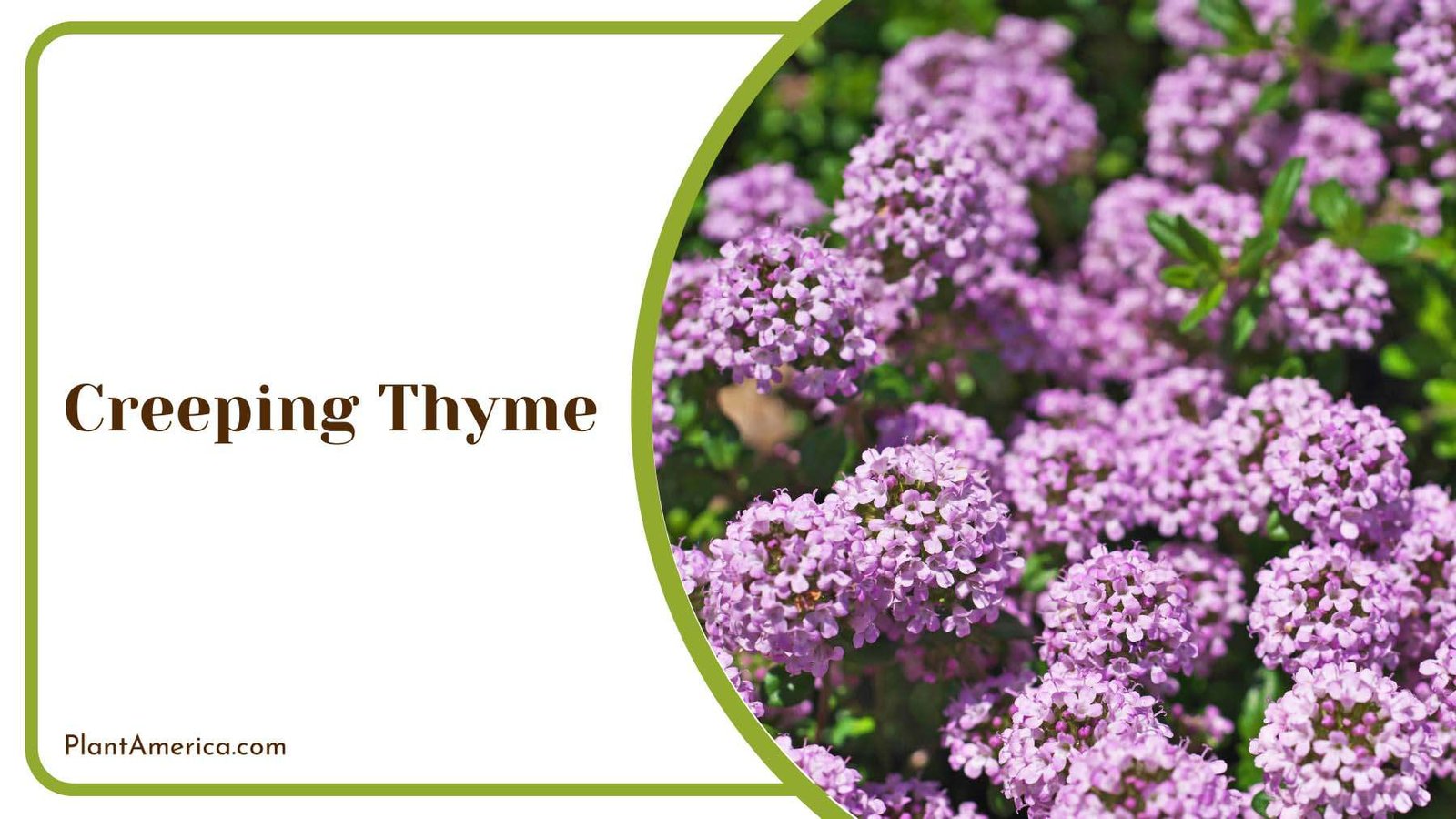
1. Creeping Thyme
- Growing Season: Spring, Summer, Fall
- Leaf Shape: Elliptical, Oval
- Specific Needs: Full sun, Average to Dry Soil
- Common Pests: None
Creeping thyme is a low-growing evergreen perennial valued for its drought tolerance, seasonal color, and hardiness. Dense mats of tiny pink, purple, or white flowers appear atop the low-growing foliage from early summer to fall. The glossy green oval leaves remain attractive all year, cascading down the sides of raised beds, walls, and containers.
Thyme requires little care once established but prefers consistently average to somewhat dry soil conditions. Amending planting beds with coarse sand or gravel will help this ground cover thrive. Infrequent watering is necessary once creeping thyme roots deeply in the soil.
Incorporate dramatic splashes of low-maintenance color into any full-sun Texas landscape with this remarkably tough evergreen groundcover. The fine texture, adaptability, and easy nature ensure creeping thyme remains a reliable sun-loving groundcover plant for years to come.
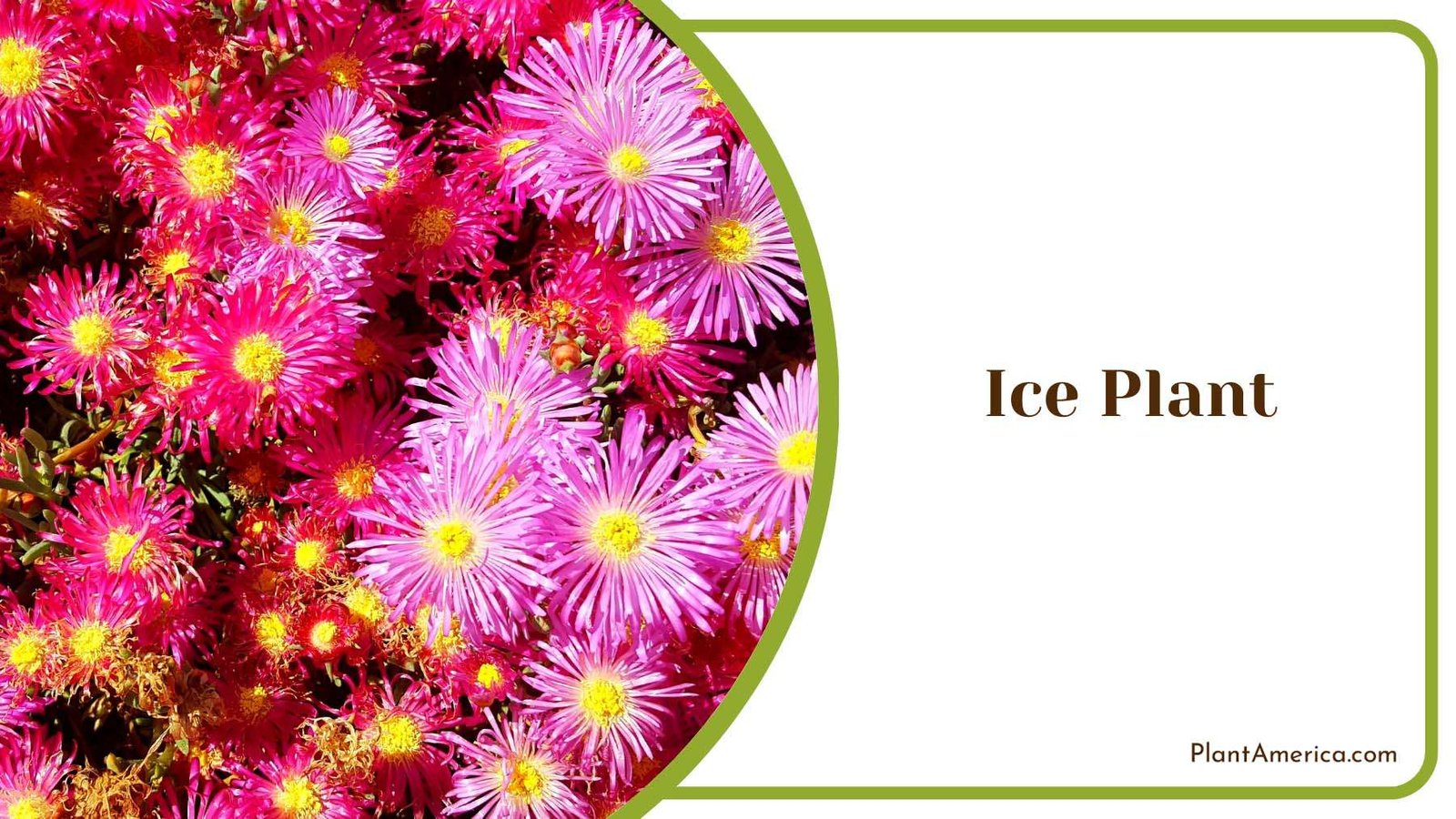
2. Ice Plant
- Growing Season: Spring, Summer, Fall
- Leaf Shape: Succulent, Thick
- Specific Needs: Full Sun, Dry Soil
- Common Pests: None
Ice plant is an evergreen succulent perennial valued for its colorful display of daisy-like blooms and ability to thrive in hot, dry conditions with little care. From spring through fall, clusters of star-shaped pink, rose, purple, or white flowers appear and gently cascade down the sides of containers and slopes. The fleshy blue-gray succulent leaves remain attractive year-round, taking on a silver hue in periods of drought.
Being a desert native, an ice plant requires extremely minimal care once established. The plant thrives in hot, dry soil conditions with infrequent water and lean conditions that mimic its native habitat. Also, you can propagate it and make it spread to more areas.
Amending the soil with coarse sand or gravel helps this groundcover tolerate temporary drought spells between waterings. Pruning off spent flower stalks in late fall helps reduce excess growth and promotes a tidier habit the following spring.
Add a welcome palette of bold, low-maintenance colors to any sunbaked Texas landscape with this remarkably carefree showstopper. The adaptability, evergreen nature, and easygoing attitude of ice plants ensure it remains a reliable choice for coverage in full sun.
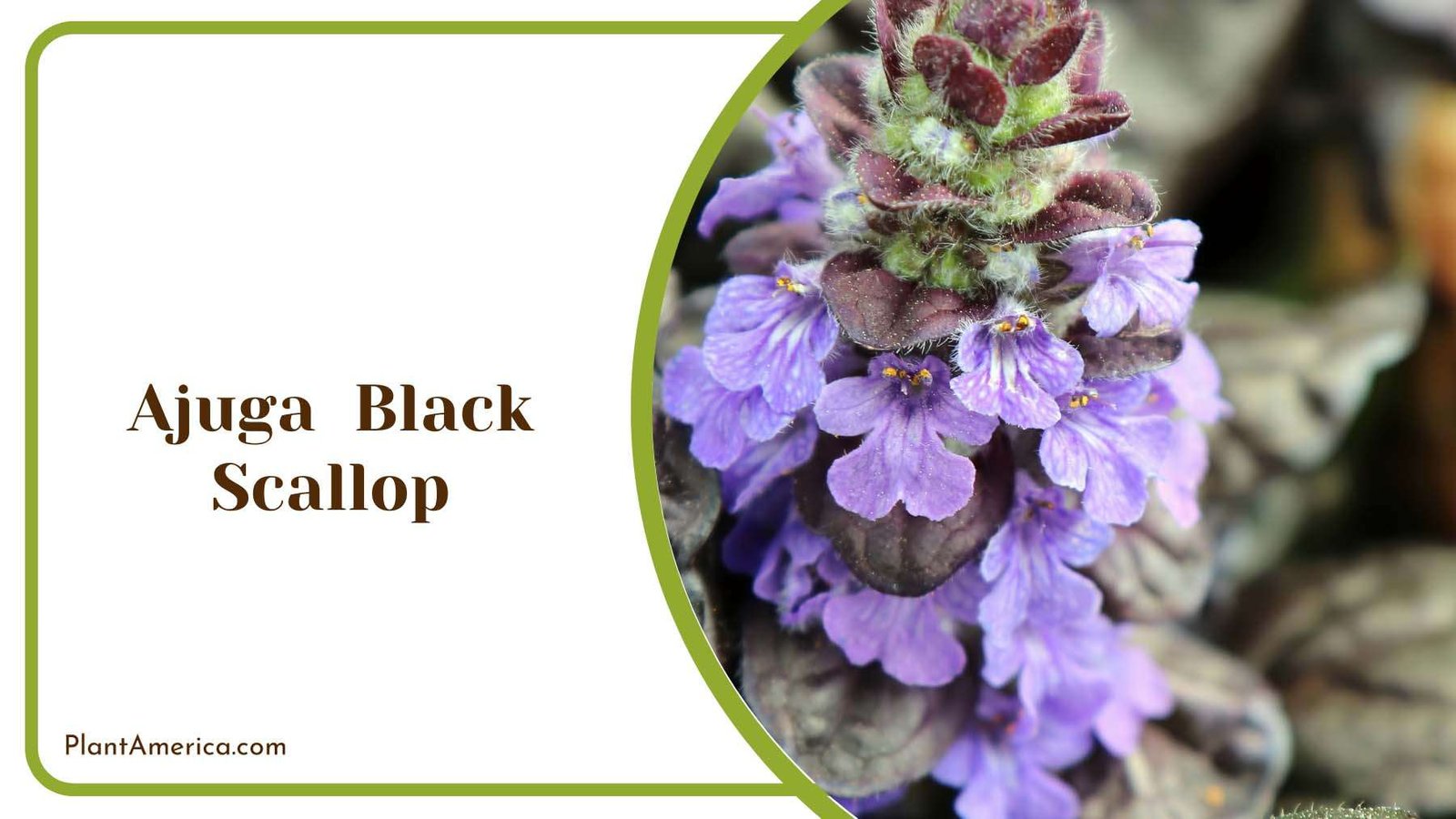
3. Ajuga ‘Black Scallop’
- Growing Season: Spring, Summer, Fall
- Leaf Shape: Oval, Round
- Specific Needs: Full Sun to Partial Shade, Moist Soil
- Common Pests: None
Ajuga ‘Black Scallop’ is a striking ground cover prized for its dark purple-black foliage and ability to thrive in hot, humid areas with minimal care. From spring through fall, erect spikes of lavender-blue flowers appear and softly cascade down the sides of retaining walls and slopes. The deep cobalt-purple rounded leaves remain attractive year-round, creating a dramatic textural backdrop.
Ajuga thrives best when provided with consistently moist, well-drained soil conditions and evenly distributed shade. Amending sandy soils with organic matter helps this groundcover conserve moisture and tolerate hot temperatures. Provide afternoon shade if grown in full sun.
Spreading underground rhizomes allow ajuga to quickly fill in large gaps and bare patches between other plants. Pruning in late winter before growth resumes helps promote a fuller, compact habit.
Adding elegant splashes of dark foliage to full sun beds and borders brings sophistication to any tough South Texas landscape. The ease of care and an impressive spread of Black Scallop ajuga ensures an eye-catching payoff that lasts for years.
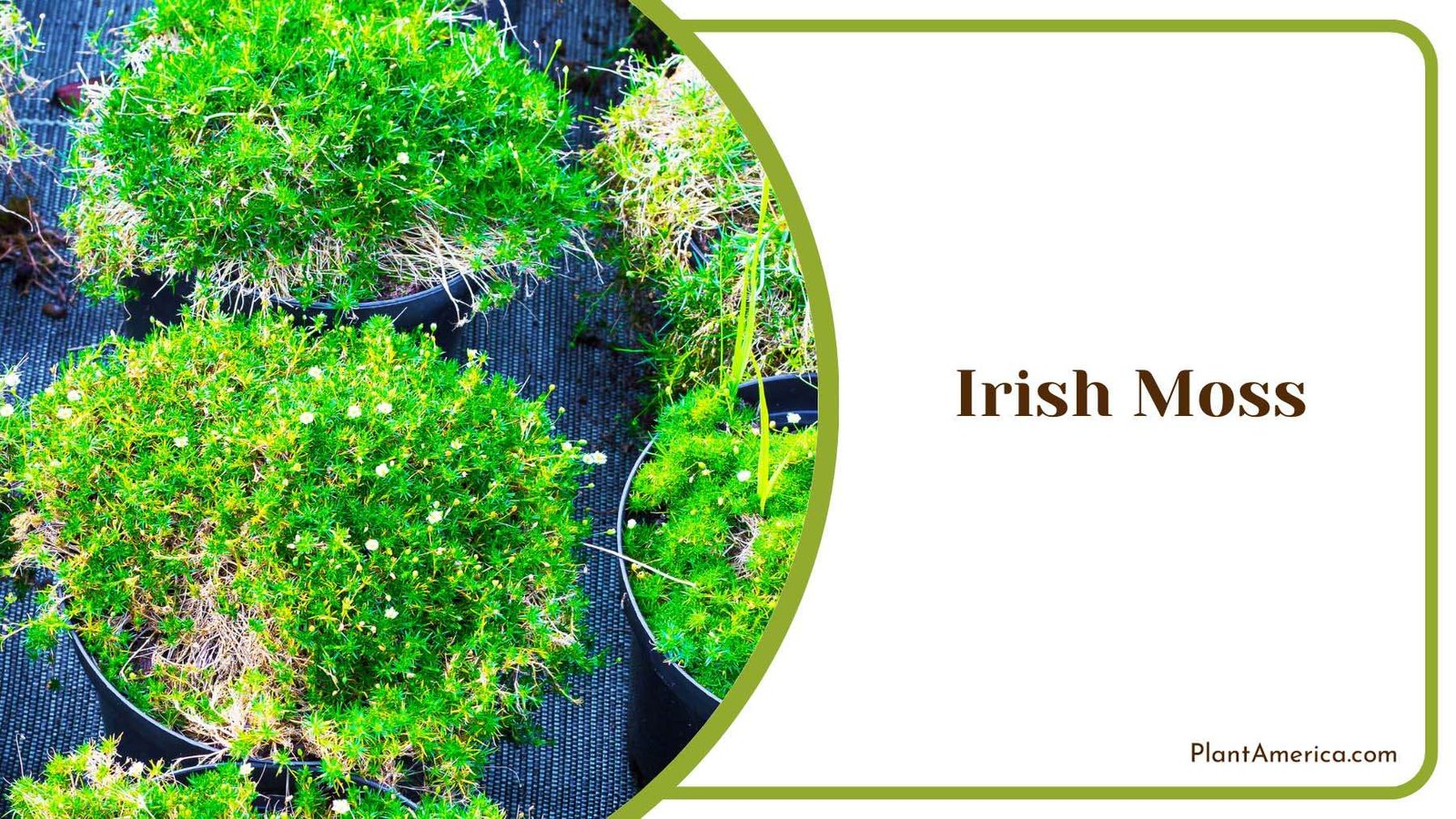
4. Irish Moss
- Growing Season: Spring, Summer, Fall
- Leaf Shape: Succulent, Fleshy
- Specific Needs: Full Sun, Dry Soil
- Common Pests: None
Irish moss, also called creeping charlie, is a succulent perennial groundcover valued for its ability to thrive in hot, dry conditions with little care. From spring through fall, clusters of tiny pink flowers gently cascade down the sides of slopes and walls. The fleshy bright green succulent leaves remain attractive year-round, taking on a red tint in periods of extreme heat and drought.
Being a desert native, Irish moss requires extremely minimal care once established. The plant thrives in hot, dry soil conditions with infrequent water and lean soil that mimics its native habitat.
Amending the planting area with coarse sand or gravel helps Irish moss tolerate temporary drought between watering. Pruning off unruly growth in late winter promotes a tidier habit the following spring and keeps this groundcover from invading nearby plantings.
Texas landscape with this remarkably carefree groundcover plant. The adaptability, evergreen nature, and easygoing attitude of Irish moss ensure it remains a reliable sun and heat-loving choice for coverage.
5. Creeping Jenny

- Growing Season: Spring, Summer, Fall
- Leaf Shape: Round, Kidney-shaped
- Specific Needs: Full Sun, Average Moisture
- Common Pests: None
Creeping Jenny is a colorful trailing ground cover valued for its ability to quickly cover large areas and thrive in hot, humid climates with minimal care. From spring to fall, dangling stems lined with small lavender, pink or white flowers cascade down walls, slopes, and over the edges of containers. The rounded green leaves remain attractive year-round, taking on a reddish hue in periods of heat and drought.
Though extremely drought tolerant once established, creeping Jenny truly puts on a colorful display with consistently moist well-drained soil and regular fertilizer. Amending sandy soils with organic matter helps this groundcover conserve moisture in extreme heat.
Allow creeping Jenny to grow naturally along the ground or gently train stems along supports using twine or ties. Pruning back leggy growth in late winter promotes a fuller, more compact habit the following spring.
Join long-lasting splashes of color to full sun Texas landscapes with this remarkably adaptable, carefree perennial groundcover. The longevity and easy nature of creeping Jenny ensure the plant remains an invaluable addition to hot, humid landscapes.
6. White Clover
- Growing Season: Spring, Summer, Fall
- Leaf Shape: Triangular, Wide
- Specific Needs: Full Sun, Average Moisture
- Common Pests: None
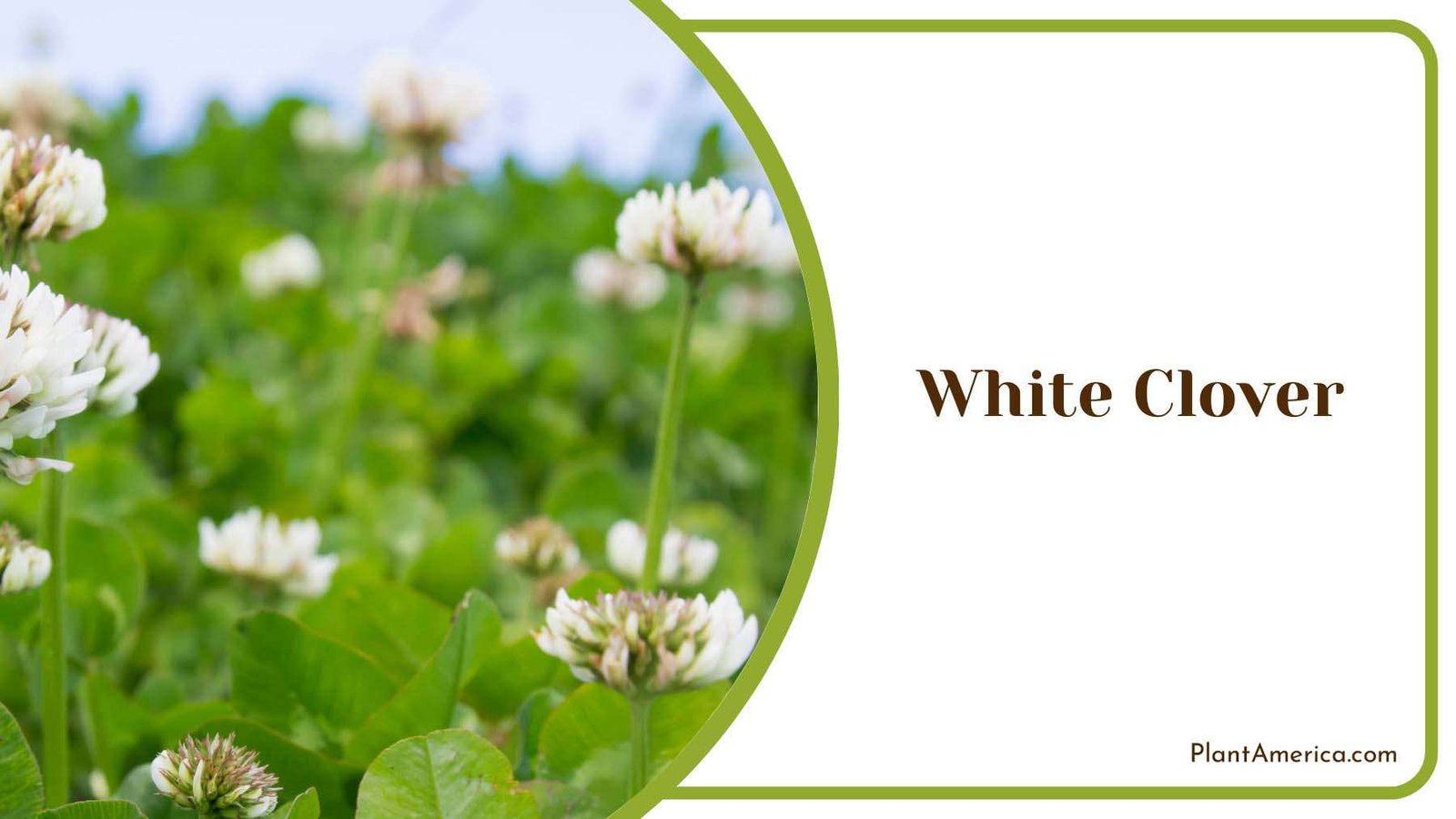
White clover is a low-growing groundcover valued for its ability to thrive in hot, humid climates with minimal care. From spring through fall, clusters of tiny white or pink flowers gently cascade down the sides of slopes and walls. The triangular bright green leaves remain attractive year-round, taking on a reddish hue in periods of extreme heat and drought.
Though extremely drought tolerant once established, this clover truly puts on a show with consistently moist, well-drained soil with regular fertilizer and irrigation during intense Texas heat. Amending soils with organic matter helps this groundcover conserve moisture.
The creeping stems of the ‘Lyalvale Perpetual’ clover spread on or just below the soil surface to quickly fill gaps and cover large bare areas. Pruning twice annually promotes a fuller, more attractive habit and prevents the invasion of other plantings.
7. Barrenwort ‘Sulphureum’
- Growing Season: Spring, Summer, Fall
- Leaf Shape: Round, Robust
- Specific Needs: Full Sun to Shade, Average Moisture
- Common Pests: None
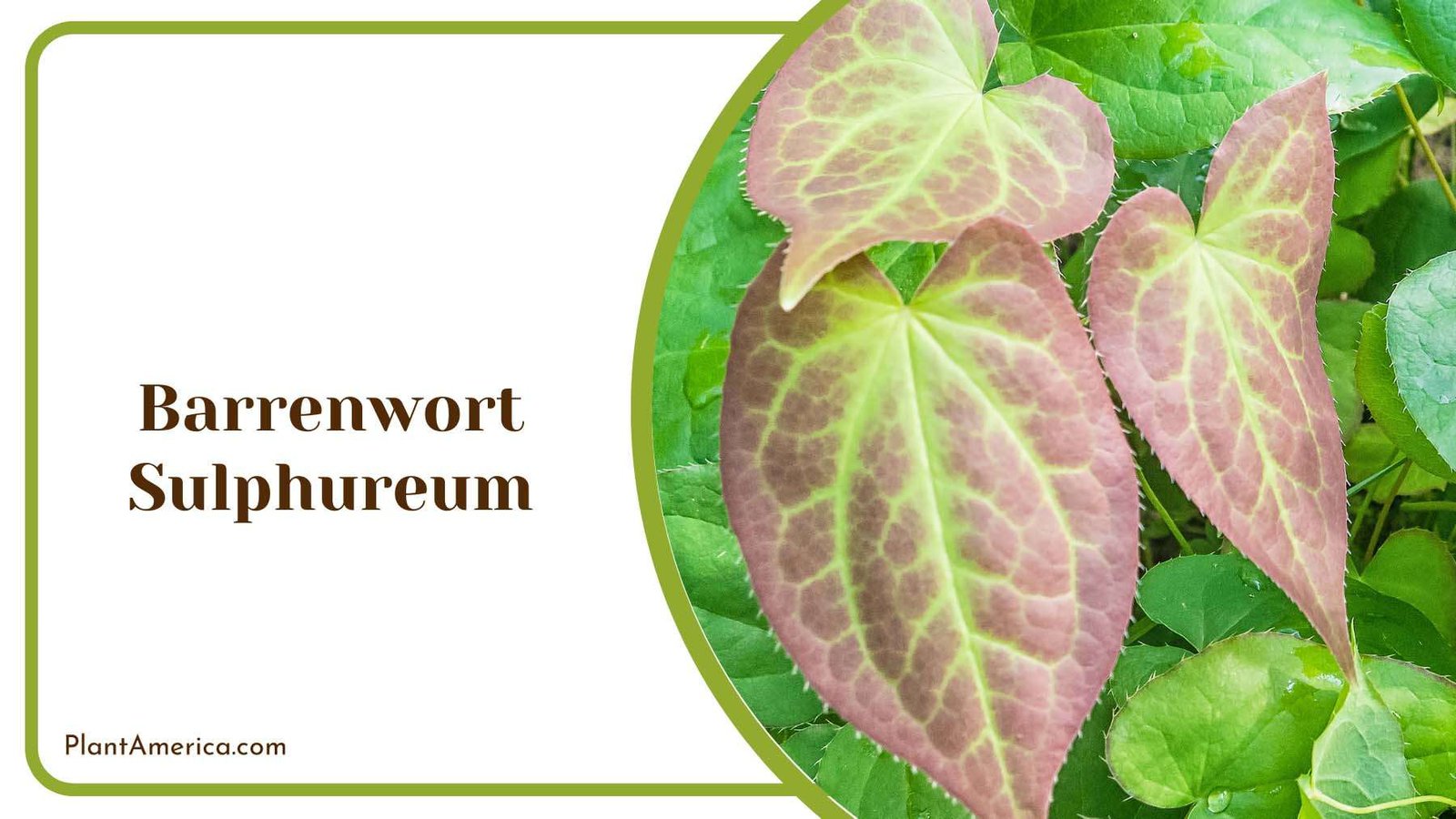
Barrenwort ‘Sulphureum’ is an herbaceous perennial grown primarily for its vivid yellow foliage. Its botanical name is Epimedium x sulphureum. As an Epimedium cultivar, it forms a low clumping habit with heart-shaped leaves carried on delicate arching stems. In spring, clusters of small white flowers with pink flecks appear, but the true show begins when new growth emerges in lush yellow-green.
Throughout the growing season, ‘Sulphureum’s leaves retain a striking seafoam yellow hue unmatched by other barrenworts. The dense foliage clumps spread slowly to 12-18 inches tall, blanketing ground spaces with a carpet of lemon yellow.
Barrenwort prefers partial shade and consistently moist, well-draining soil rich in organic matter. It thrives under trees or paired with blueish hostas, ferns and other shade perennials where its bold color adds vibrancy.
Come fall, while other foliage fades, ‘Sulphureum’ holds its bright yellow tones well into late autumn. Even after frost blackens stems, dead leaves persist through winter providing visual interest in dormancy.
8. Stonecrop Sedum ‘Angelina’
- Growing Season: Spring, Summer, Fall
- Leaf Shape: Succulent, Thick
- Specific Needs: Full Sun, Dry Soil
- Common Pests: None
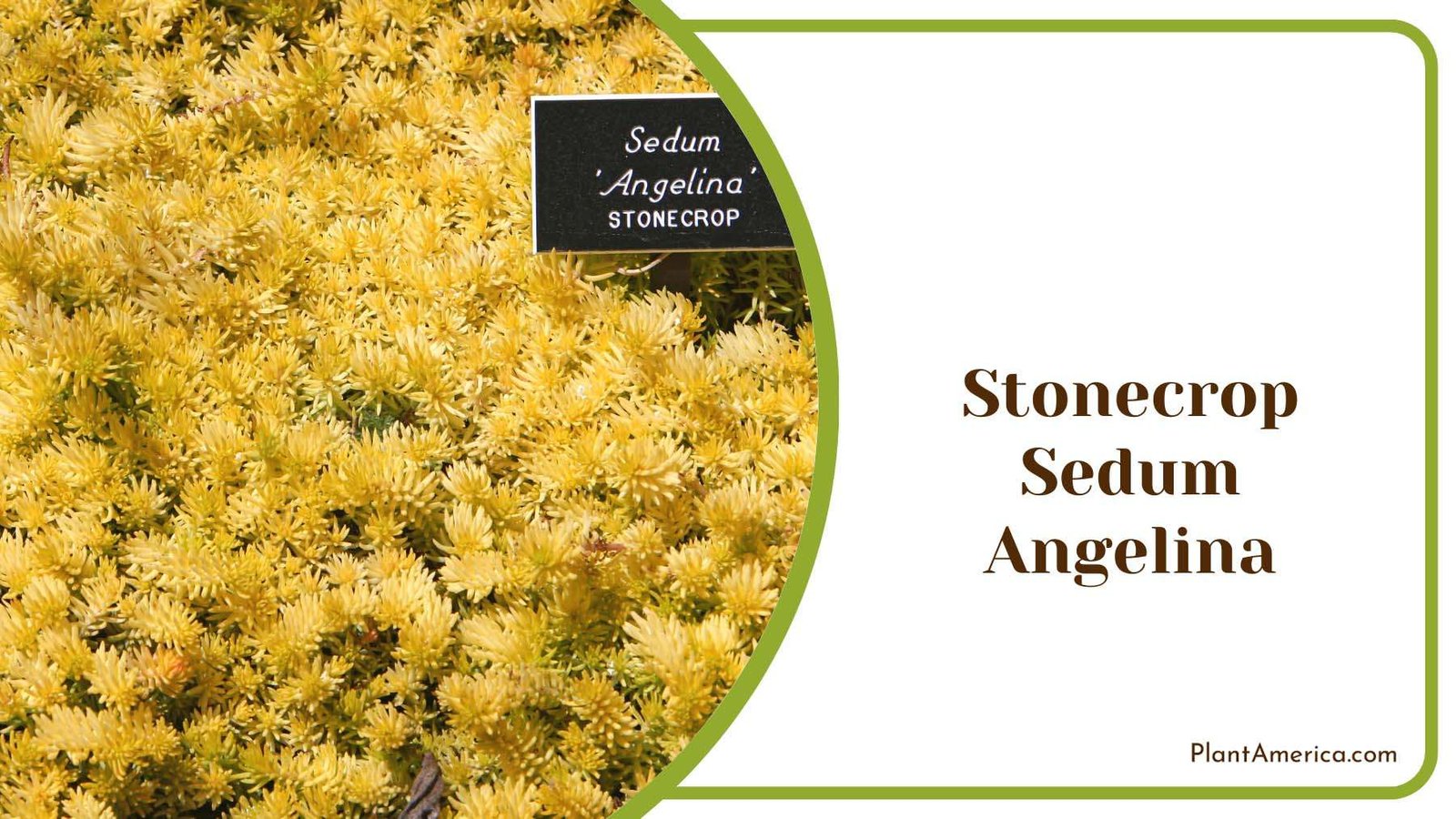
Stonecrop sedum ‘Angelina’ is a colorful succulent groundcover valued for its ability to thrive in hot, dry conditions with little care. From spring through fall, masses of star-shaped bright magenta flowers gently cascade down the sides of walls and slopes. The thick dark green succulent leaves remain attractive year-round, turning bronze-red in periods of cold and drought.
Being a drought-tolerant succulent, ‘Angelina’ stonecrop requires extremely minimal care once established. The plant thrives in hot, dry soil conditions with infrequent water and lean soil that mimics its native habitat.
Amending the soil with coarse sand helps this sedum tolerate temporary drought spells between waterings. Allow Angelina to naturally trail over pot edges or gently train stems along wires for a more sculptural display.
9. Arctic Fire Dogwood
- Growing Season: Spring, Summer, Fall
- Leaf Shape: Keep soil consistently moist; avoid soggy conditions.
- Specific Needs: Full Sun, Dry Soil
- Common Pests: None
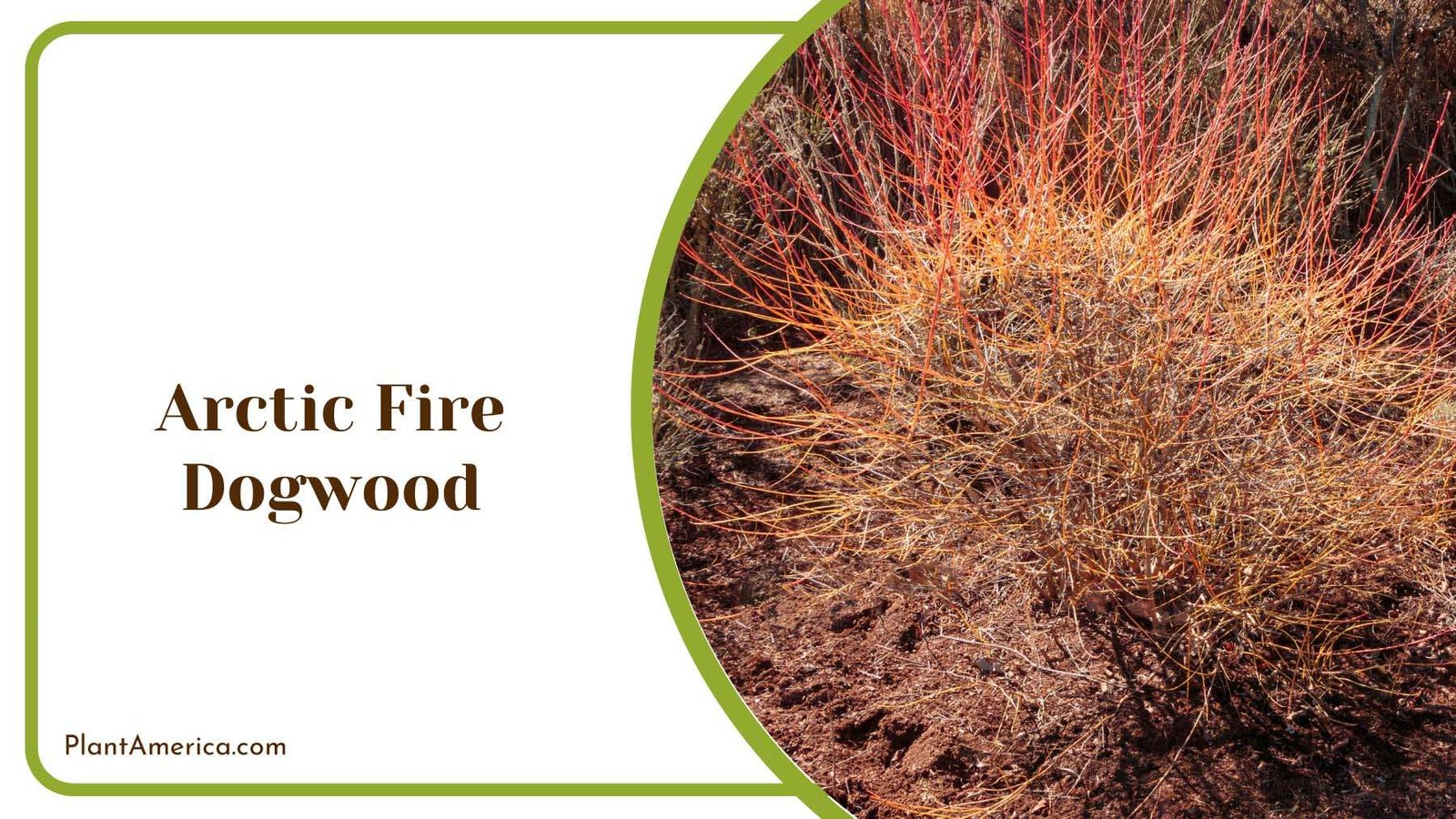
The Arctic Fire dogwood is a striking cultivar within the dogwood species Cornus alba. As its name suggests, it features vibrant red stems and branches throughout the winter season. In spring and summer, Arctic Fire produces clusters of small creamy white flowers in the shade of its foliage. The bright green leaves turn shades of deep red and purple in autumn.
But it’s the plant’s winter display that truly stands out. As temperatures cool, the dogwood’s stems transform to a brilliant, fiery red hue. From December through February, the barren branches offer vibrant winter interest in the garden landscape.
Arctic Fire grows best in full sun to partial shade. It thrives in well-draining soil with consistent moisture. Pruning is not needed except to maintain the plant’s shape and size between 6-8 feet tall and wide at maturity.
This Cornus alba cultivar has proven hardy in USDA zones four to nine. Its long-lasting show of dramatic red stems throughout the coldest months adds splendid seasonal color to home gardens, public parks, and commercial properties. Arctic Fire dogwood is a top choice for bold winter interest in the landscape.
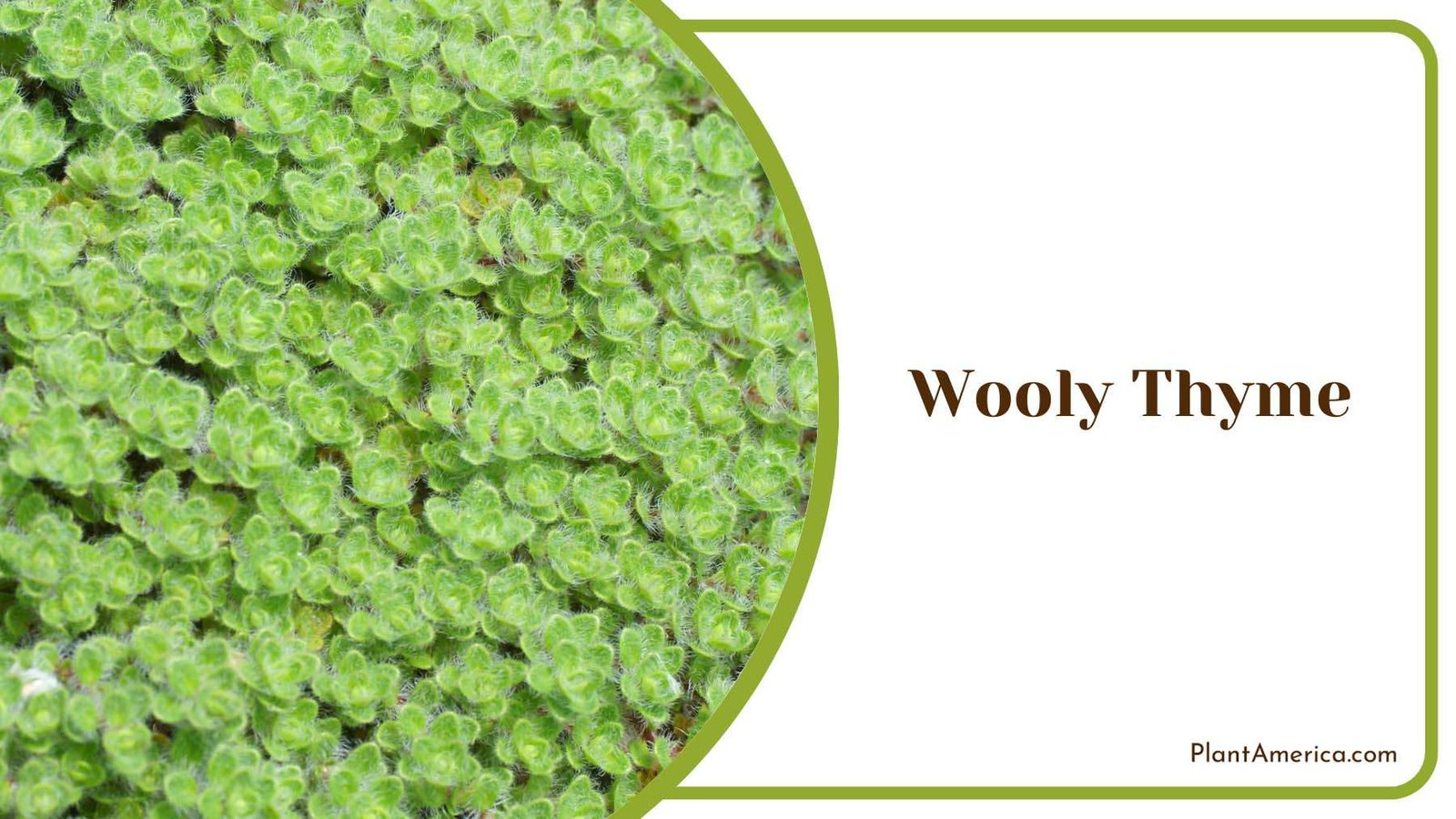
10. Wooly Thyme
- Growing Season: Spring, Summer, Fall
- Leaf Shape: Linear, Narrow
- Specific Needs: Full Sun, Dry Soil
- Common Pests: None
Wooly thyme ‘Mautrium’ is a handsome ground cover valued for its colorful foliage and ability to tolerate hot, sunny conditions with minimal care. From spring to summer, masses of tiny pink flowers gently cascade down the sides of walls and slopes. The slender linear wooly silver-gray foliage remains attractive year-round, creating a dramatic textural backdrop.
Being an extremely drought-tolerant perennial, wooly thyme requires minimal care once established. The plant thrives in hot, dry soil conditions with infrequent water and lean soil to mimic its natural habitat.
Amending the soil with coarse sand helps this groundcover tolerate occasional drought spells between watering. Pruning in late winter before growth resumes promotes a fuller, tighter habit for the following season.
Add long-lasting textural splashes of low-maintenance silver color to any hot Texas landscape with this remarkably tough, carefree perennial thyme. The easygoing nature and adaptability of ‘Mauterium’ ensure it remains a reliable choice to withstand heat.
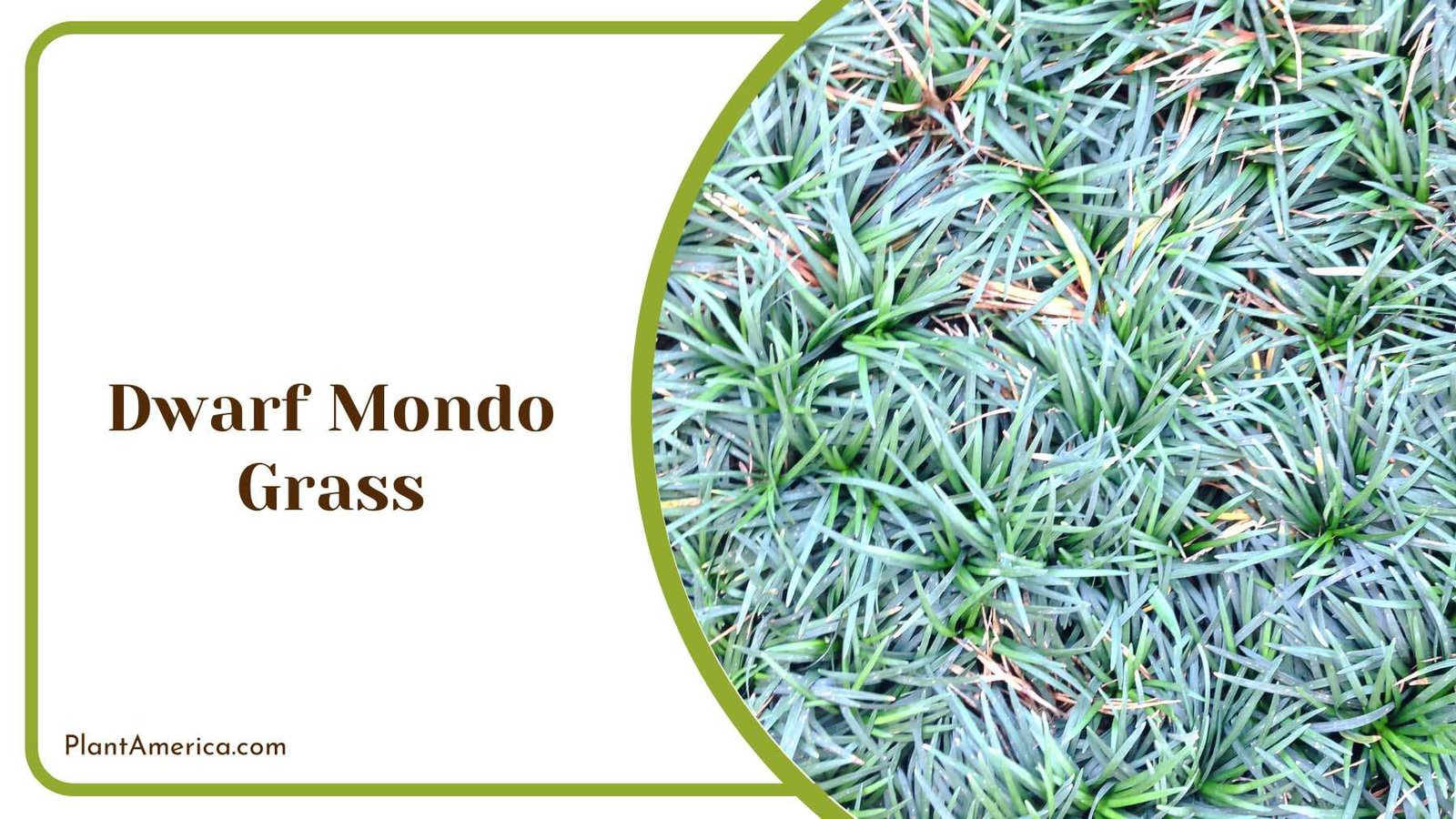
11. Dwarf Mondo Grass
- Growing Season: Spring, Summer, Fall
- Leaf Shape: Grass-like, Lobed
- Specific Needs: Full Sun, Average Moisture
- Common Pests: None
Dwarf mondo grass is a low-growing ornamental grass valued for its ability to thrive in hot, humid climates with minimal care. From spring to fall, slender arching stems lined with tiny white flowers gently cascade down slopes and walls. The grass-like blue-gray foliage remains attractive year-round, taking on bronzy hues in the winter cold.
Though extremely drought tolerant once established, dwarf mondo grass truly shines when provided with consistently moist, well-drained soil and regular fertilizer. Amending sandy soils with organic matter helps conserve moisture during hot Texas summers.
Allow dwarf mondo grass to grow naturally along the ground or train arching stems onto walls and slopes for a more sculptural effect. Pruning back any leggy growth in late winter promotes a fuller, more attractive habit the following spring.
Add long-lasting splashes of texture and motion to hot sun gardens with this remarkably adaptable, trouble-free ground cover grass. The easygoing nature and longevity of dwarf mondo grass ensure the plant remains an invaluable addition.
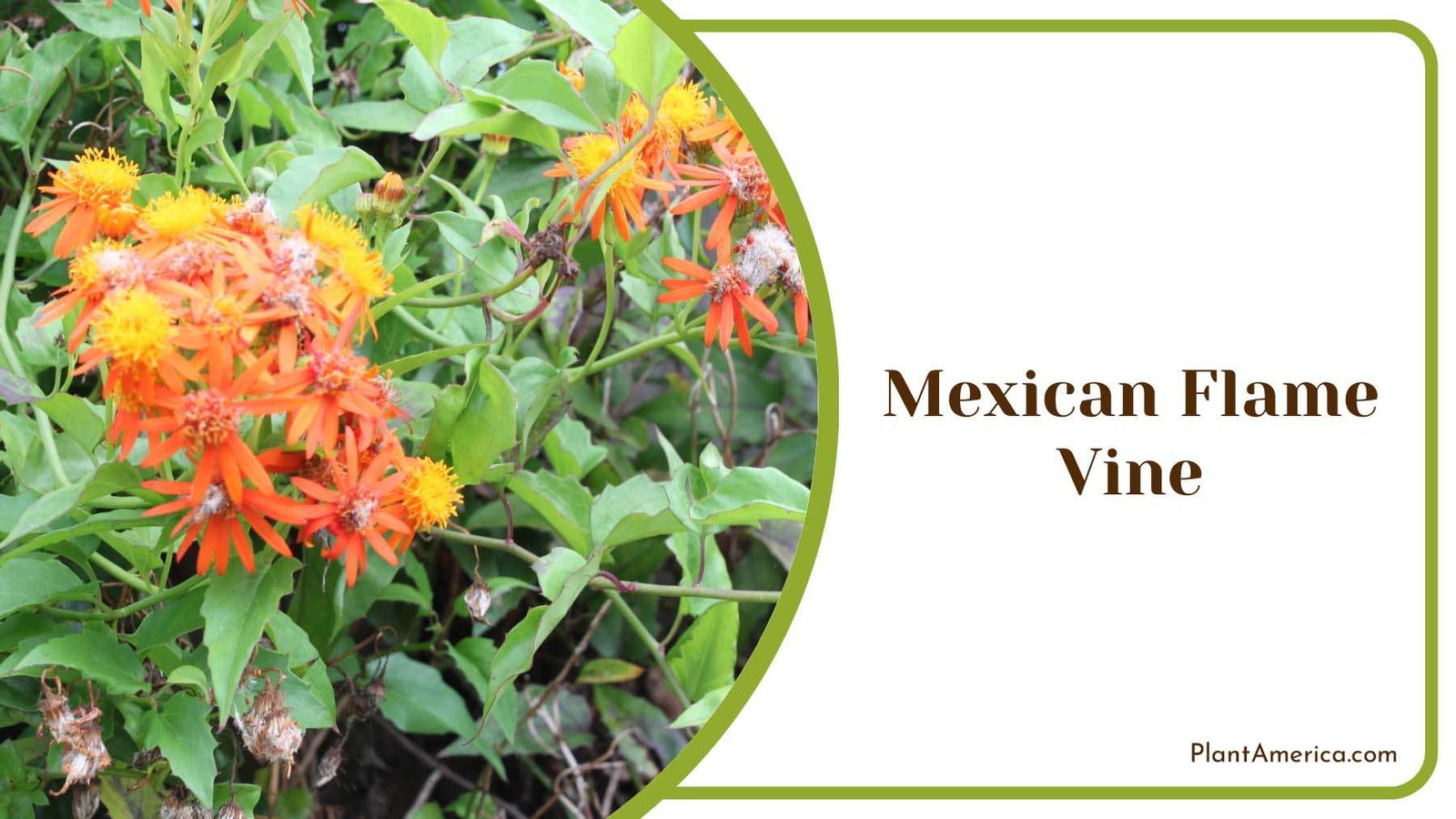
12. Mexican Flame Vine
- Growing Season: Spring, Summer, Fall
- Leaf Shape: Compound, Palmate
- Specific Needs: Full Sun, Average Moisture
- Common Pests: None
Mexican flame vine is a colorful trailing ground cover prized for its vibrant orange-red blooms and ability to thrive in hot, humid climates. From spring through fall, arching stems lined with vivid orange-red tubular flowers cascade down walls and edges of containers. The compound medium green foliage remains attractive year-round, reflecting a reddish hue in hot weather.
Though extremely drought tolerant once established, the Mexican flame vine thrives in consistently moist, well-drained soil with regular fertilizer. Amending sandy soils with organic matter helps conserve moisture during intense Texas heat.
Train the arching stems of Mexican flame vine onto supports for a more sculptural display or allow them to cascade freely. Prune back leggy or damaged growth in late winter to promote fresh new stems next spring.
Add long-lasting splashes of vibrant color and texture to full-sun Texas landscapes with this remarkably adaptable, carefree flowering vine groundcover. The longevity and trouble-free nature ensure this vine remains an invaluable addition.
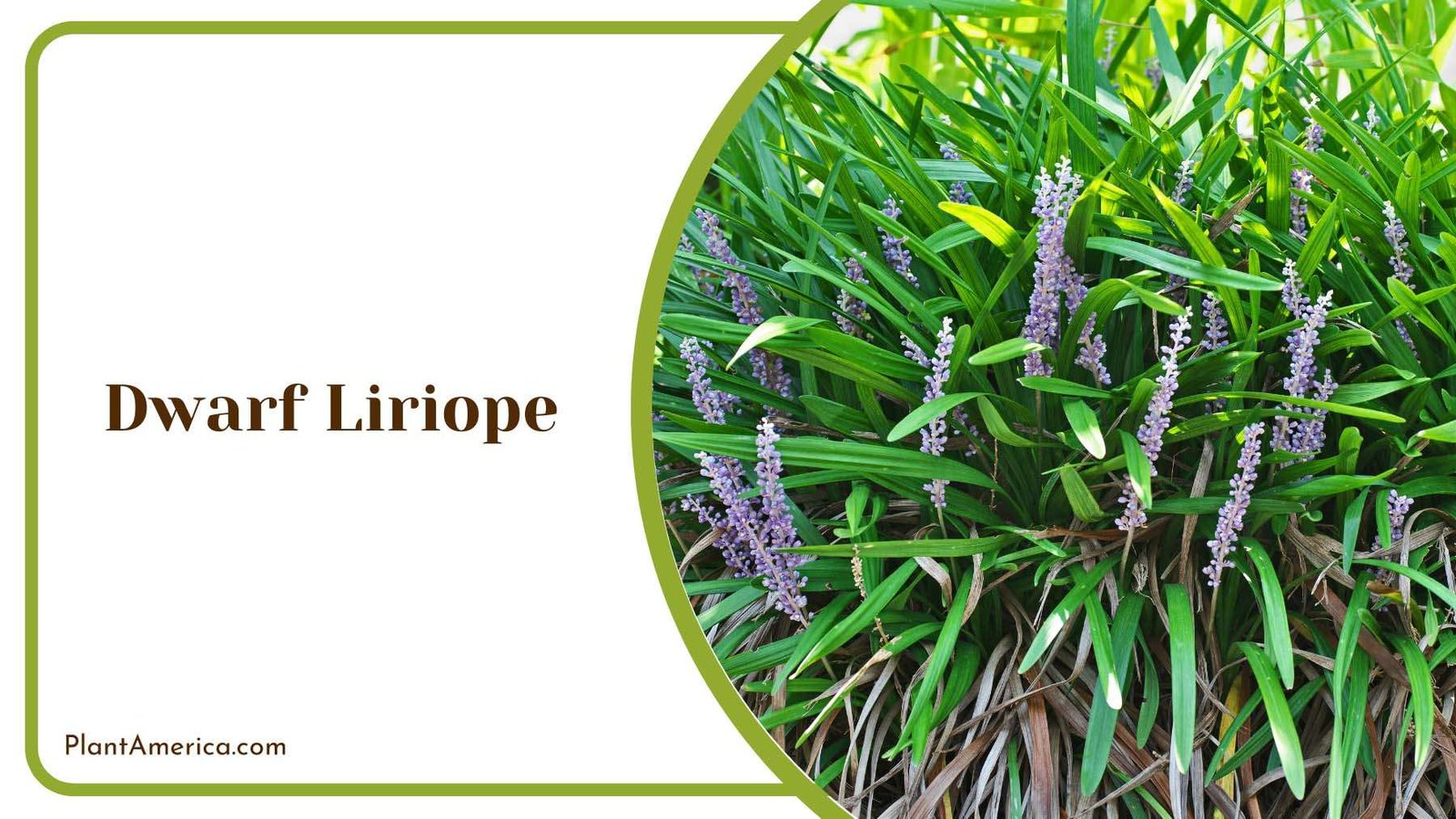
13. Dwarf Liriope
- Growing Season: Spring, Summer, Fall
- Leaf Shape: Sword-like, Narrow
- Specific Needs: Full Sun, Average Moisture
- Common Pests: None
Dwarf liriope is a beautiful ornamental grass valued for its colorful foliage and ability to thrive in hot, humid climates. From spring to fall, slender stems lined with tiny white flowers gently cascade down slopes and walls. The sword-like vase-shaped leaves remain a vivid blue-gray color year-round, taking on burgundy tints in the winter cold.
Though extremely drought tolerant once established, dwarf liriope thrives with consistently moist, well-drained soil and regular fertilizer. Amending sandy soils with organic matter helps conserve moisture during Texas summers.
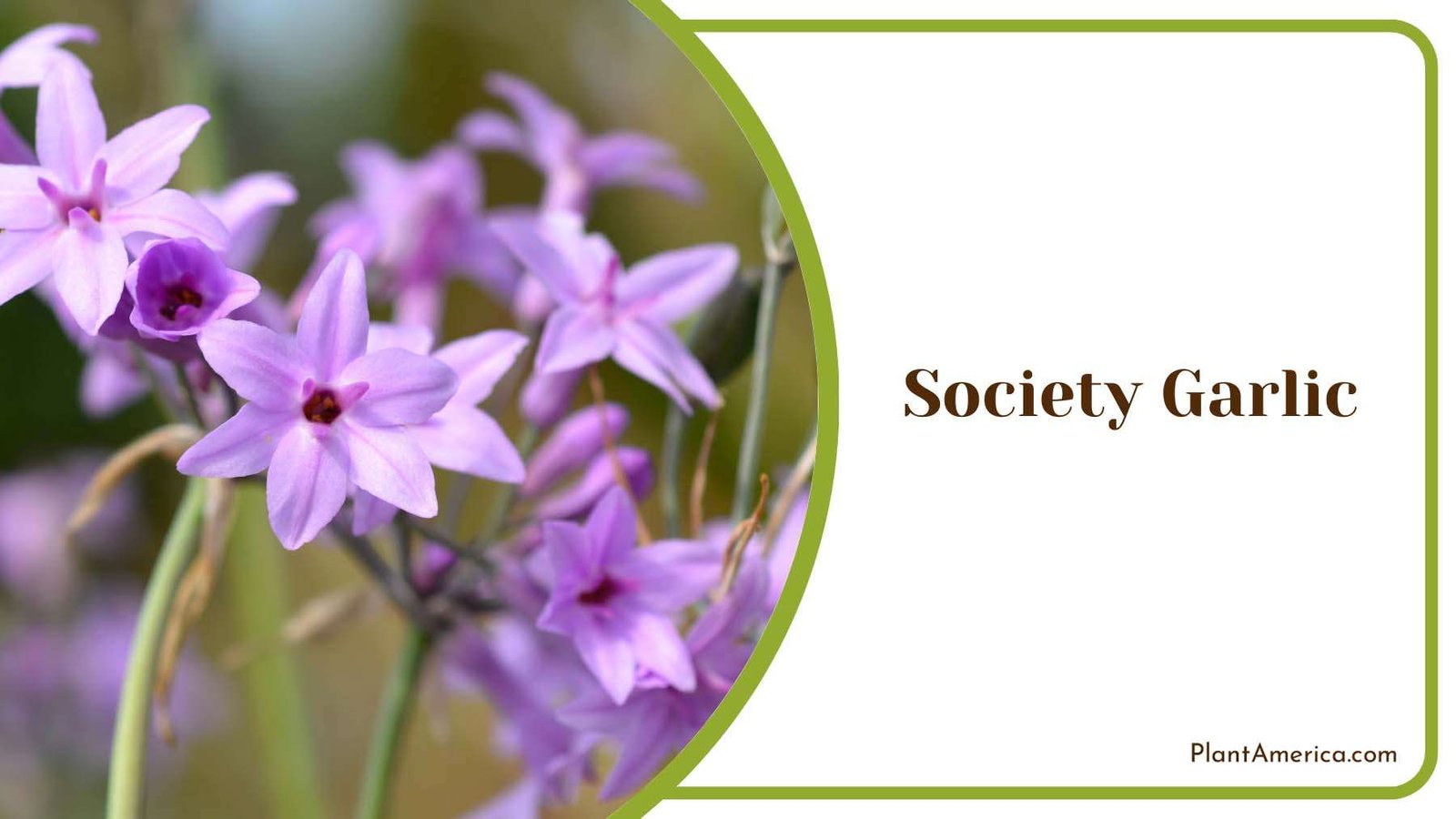
14. Society Garlic
- Growing Season: Spring, Fall
- Leaf Shape: Linear, Narrow
- Specific Needs: Full Sun, Average Moisture
- Common Pests: None
Society garlic is a bold ornamental allium valued for its colorful foliage and ability to thrive in hot, humid climates with little care. From spring through fall, lanky stems lined with umbels of tiny pink flowers gently cascade down slopes and walls. The long narrow leaves remain an intense chartreuse yellow color year-round, taking on red tints at the base in periods of extreme heat and drought.
Though extremely drought tolerant once established, Society garlic thrives with consistently moist, well-drained soil and regular fertilizer. Amending sandy soils with organic matter helps conserve moisture during Texas heat spells.
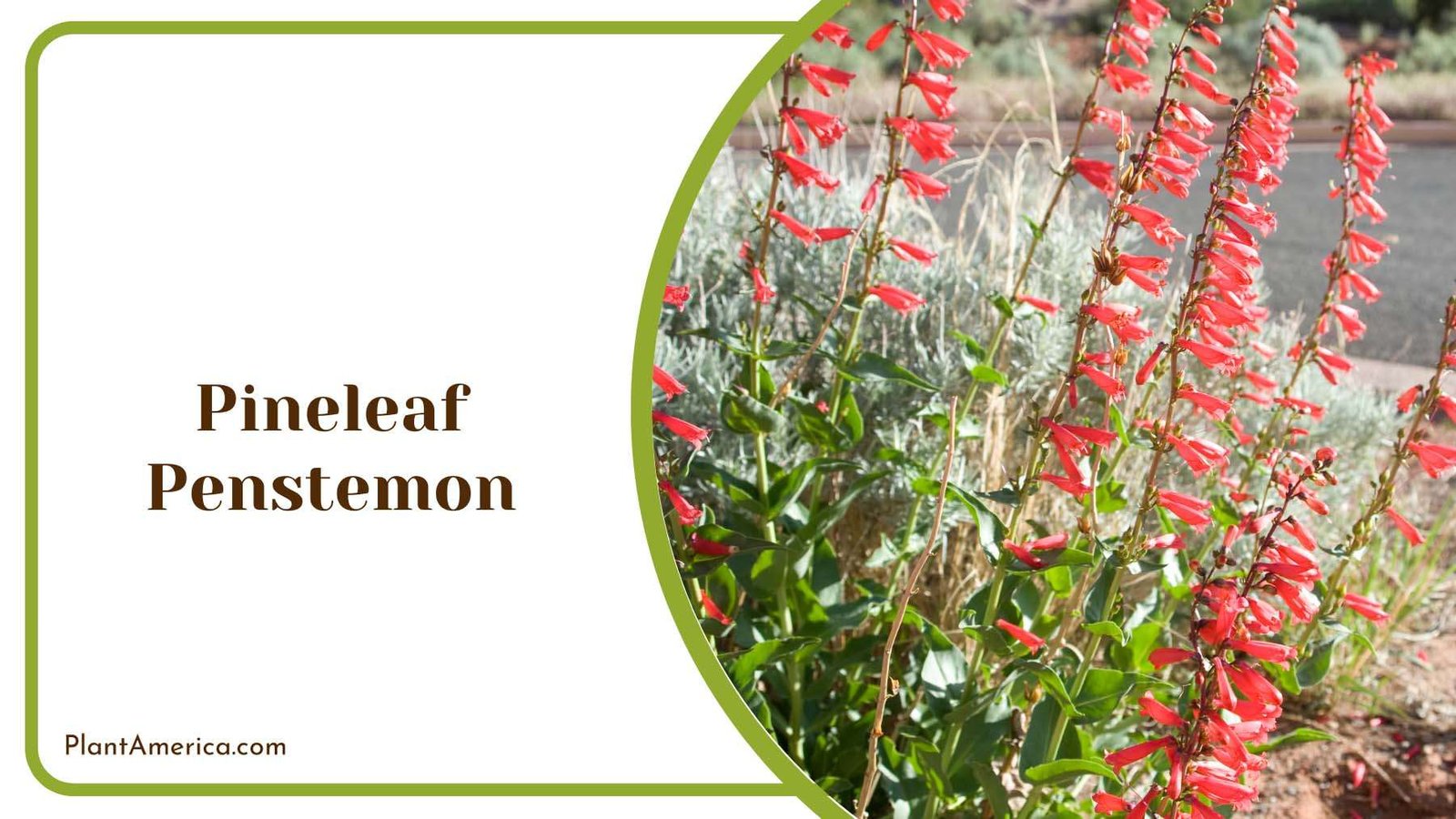
15. Pineleaf Penstemon
- Growing Season: Spring, Summer
- Leaf Shape: Narrow, Linear
- Specific Needs: Full Sun, Dry Soil
- Common Pests: None
Pineleaf penstemon is a colorful perennial groundcover valued for its thick clusters of tubular flowers and ability to thrive in hot, dry conditions with minimal care. From spring through summer, upright stems lined with tubular dark magenta flowers gently cascade down walls and slopes. The narrow needle-like blue-green foliage remains attractive year-round, creating a soft textural backdrop.
Being a desert native, Pineleaf penstemon requires extremely minimal care once established. The plant thrives in hot, dry soil conditions with infrequent watering and lean soil that mimics its natural habitat.
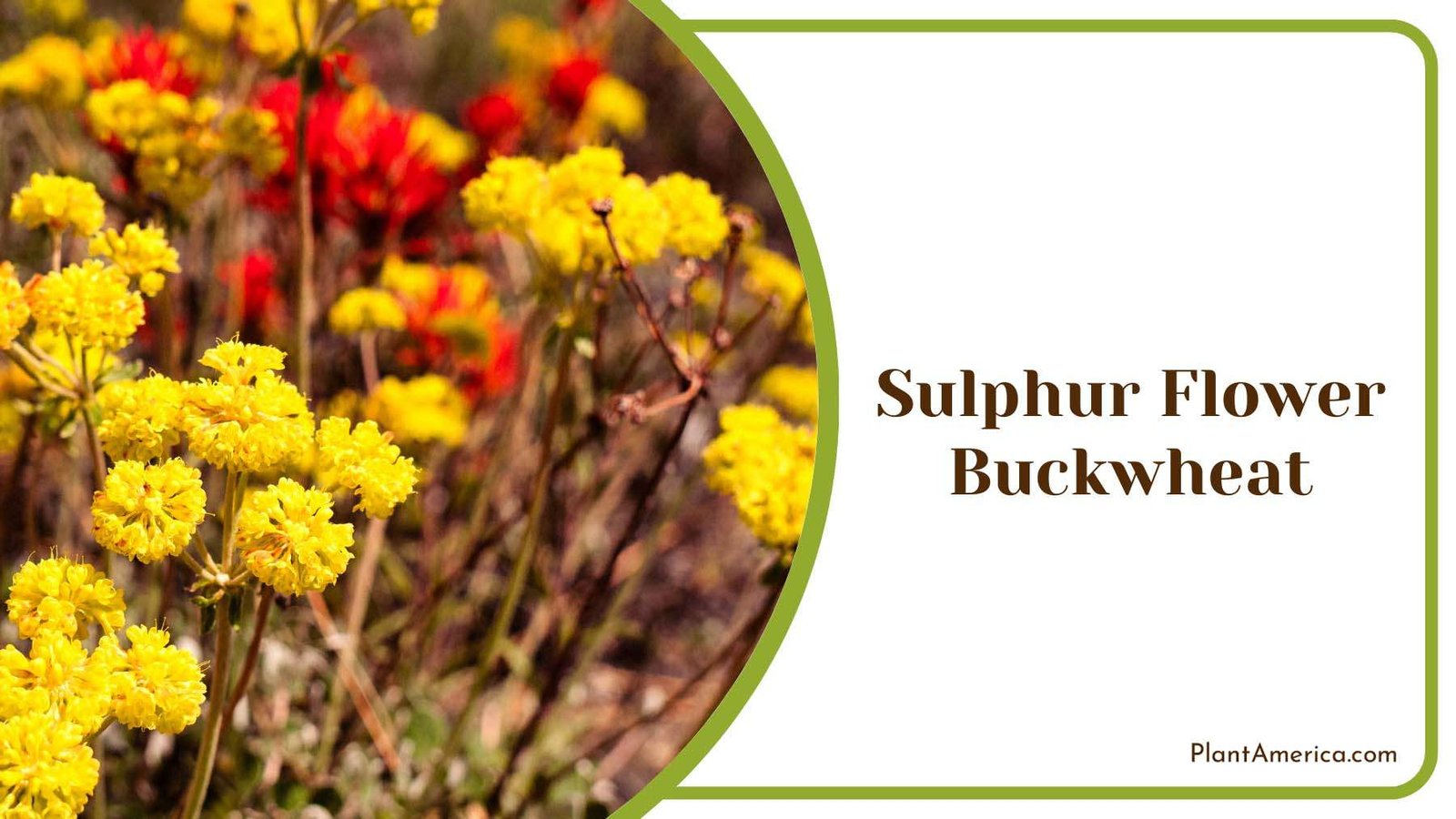
16. Sulphur Flower Buckwheat
- Growing Season: Spring, Summer
- Leaf Shape: Palmate, Compound
- Specific Needs: Full Sun, Dry Soil
- Common Pests: None
Sulphur buckwheat is a colorful perennial valued for its profuse clusters of bright yellow blooms and ability to thrive in hot, dry conditions with minimal care.
From spring through summer, upright stems are covered in sulfur-yellow daisy-like flowers that gently cascade down walls and slopes. The palmately compound green foliage remains attractive year-round, creating a soft backdrop for the vivid blossoms.
Being an extremely drought-tolerant native plant, sulfur buckwheat requires minimal care once established. The plant thrives in hot, dry soil conditions with infrequent irrigation and lean soil that mimics its natural habitat.
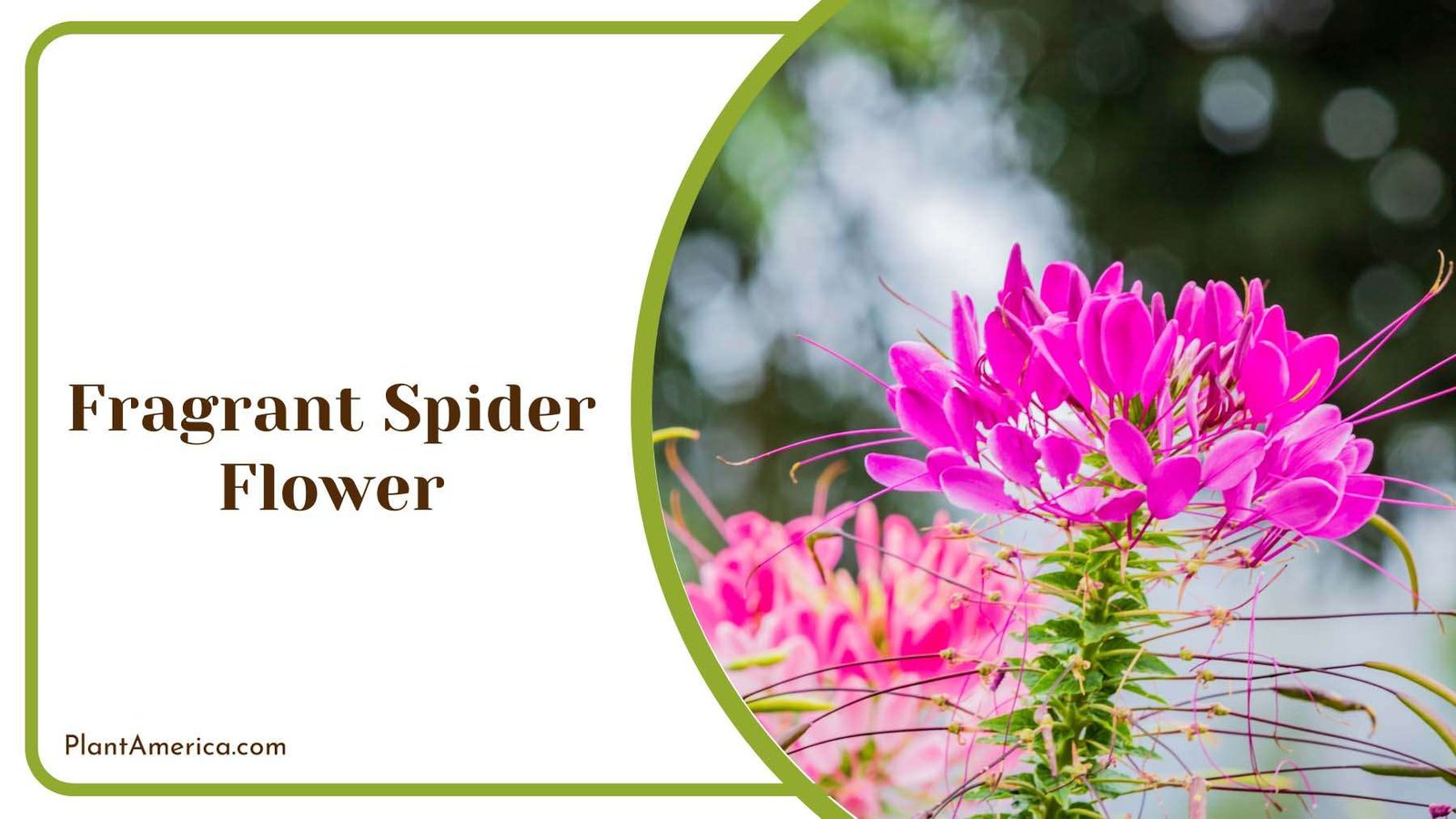
17. Fragrant Spider Flower
- Growing Season: Spring, Fall
- Leaf Shape: Compound, Palmate
- Specific Needs: Full Sun, Average Moisture
- Common Pests: None
The fragrant spider flower is a colorful perennial valued for its fragrant tubular blooms and ability to thrive in hot, humid climates with minimal care. From spring through fall, upright stems lined with fragrant tubular magenta-purple flowers gently cascade down walls and slopes. The feathery compound green foliage remains attractive year-round, taking on a bronzy hue in winter.
Though extremely drought tolerant once established, spider flower truly shines with regularly moist, well-drained soil and balanced fertilizer. Amending sandy soils with organic matter helps conserve moisture during Texas summers.
The creeping rhizomes of fragrant spider flower slowly spread to fill gaps between plantings. Prune back damaged or unruly stems in late winter before new growth emerges in spring.
Add long-lasting splashes of cheerful color, fragrance, and texture to hot Texas landscapes with this remarkably easygoing, dependable perennial wildflower. The tough-as-nails nature of fragrant spider flower ensures reliable performance year after year.
Conclusion
By learning about the different plant options, characteristics, and cultural needs, you’ll discover the perfect sunny, low-growing plants to beautifully cover problem areas in your landscape while providing seasonal color, texture, and visual appeal with minimal effort on your part.
- Moneywort Sulphureum is a decorative ground cover valued for its bright chartreuse foliage and ability to slowly spread to quickly cover large areas.
- The fragrant spider flower is a colorful perennial valued for its fragrant tubular blooms and ability to thrive in hot, humid climates with minimal care.
- Society garlic Firetail is a bold ornamental allium valued for its colorful foliage and ability to thrive in hot, humid climates with little care.
Add long-lasting splashes of cheerful color and texture to any rough-and-tumble Texas landscape with remarkably tough, carefree groundcover plants. The easygoing nature of and low maintenance ensures reliable performance year after year.