
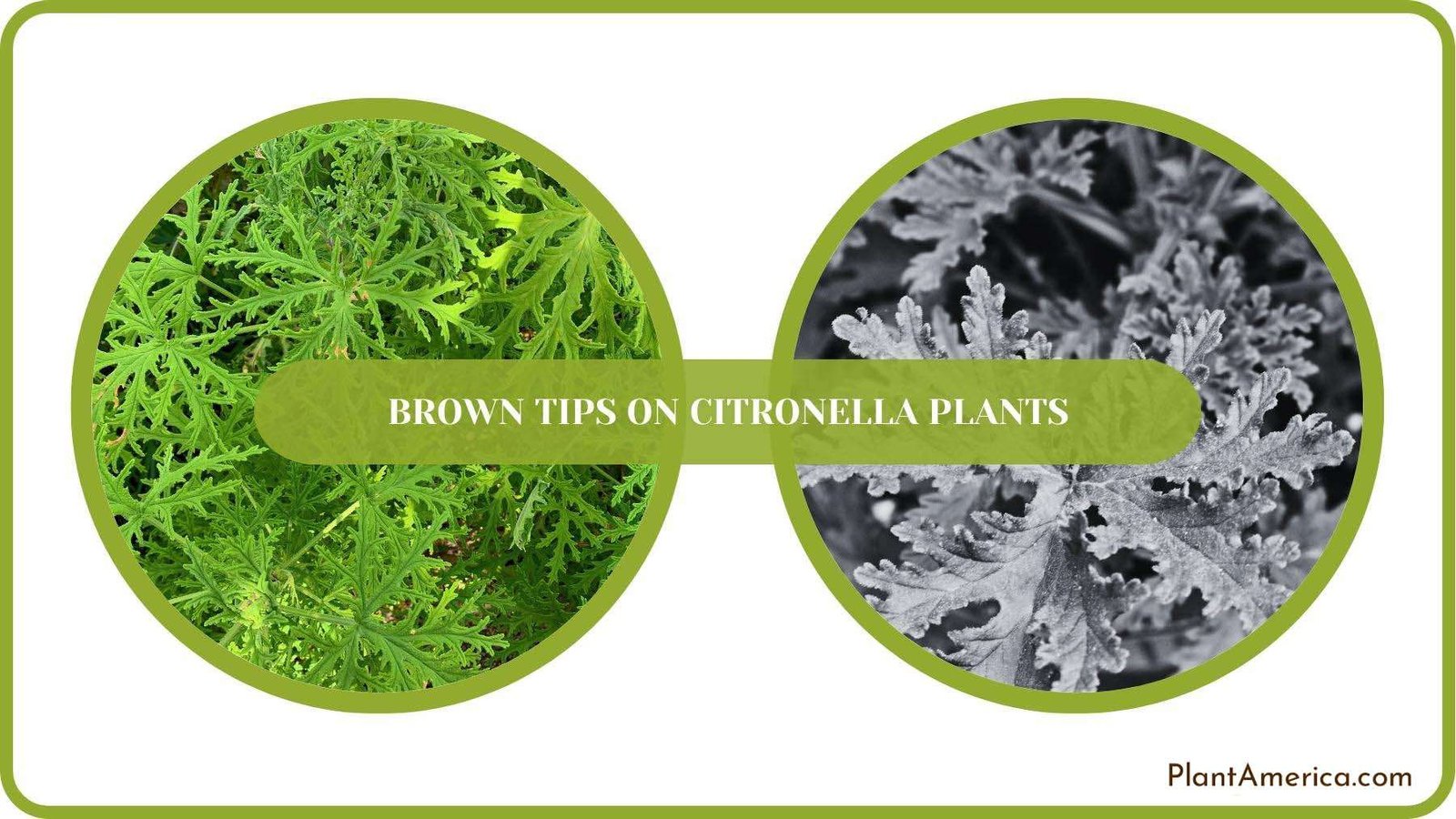
Brown tips on citronella plants are increasingly causing concern for plant enthusiasts. Various factors can contribute to this issue, and it is crucial to pinpoint the specific cause to implement effective solutions.
Understanding the root of the problem is essential for addressing and rectifying the issues affecting citronella!
Why Is Your Citronella Turning Brown
Your citronella turning brown could be due to multiple reasons, resulting in your plant appearing weak, limp, and on the verge of decline. The browning of the plant can be attributed to factors such as excessive or insufficient sunlight, poor drainage, over-watering, or becoming root-bound.
Let’s guide you through recognizing issues and revitalizing your ailing plant!
– Sunlight Issues
Citronella plants, rich in oil, exhibit leaf sensitivity to heat and sunlight. Excessive exposure to full sun can lead to drying, causing the leaves to turn brown and become crispy. Ideal conditions for these plants involve a minimum of six hours of sunlight daily, with some afternoon shade.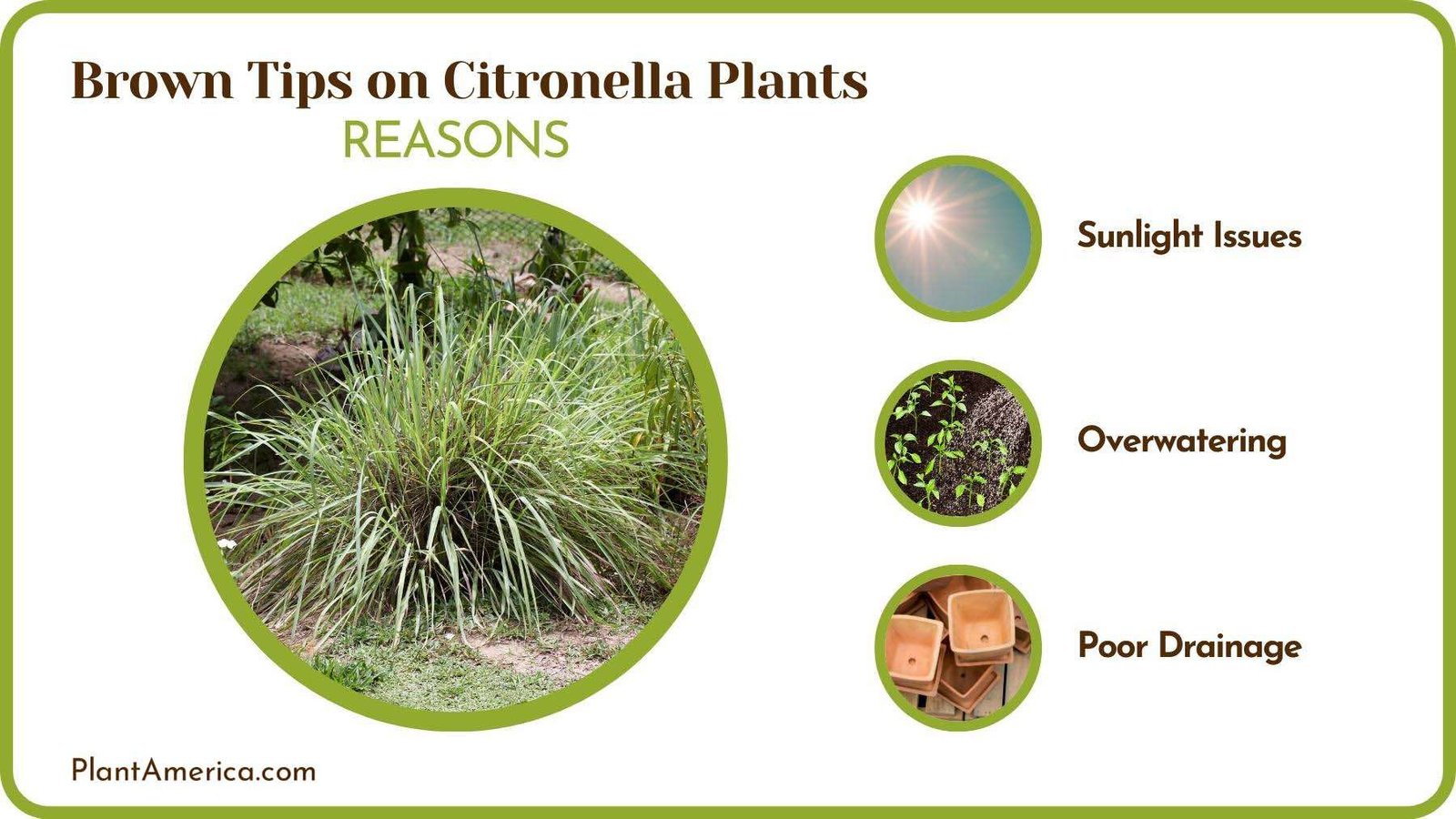
Insufficient light can also trigger browning, as the plant fails to produce adequate chlorophyll. In such cases, the leaves lose color, displaying wilting as a common symptom. Drooping leaves serve as a clear indication that the plant is not receiving enough light.
– Overwatering
Allowing citronellas to remain in waterlogged or soggy soil conditions can lead to unfavorable outcomes. The foliage may lose its vibrancy, exhibit brown spots, and eventually deteriorate. Given the water-retaining nature of citronella root systems, excessive moisture poses a risk of overwatering and can cause root rot too.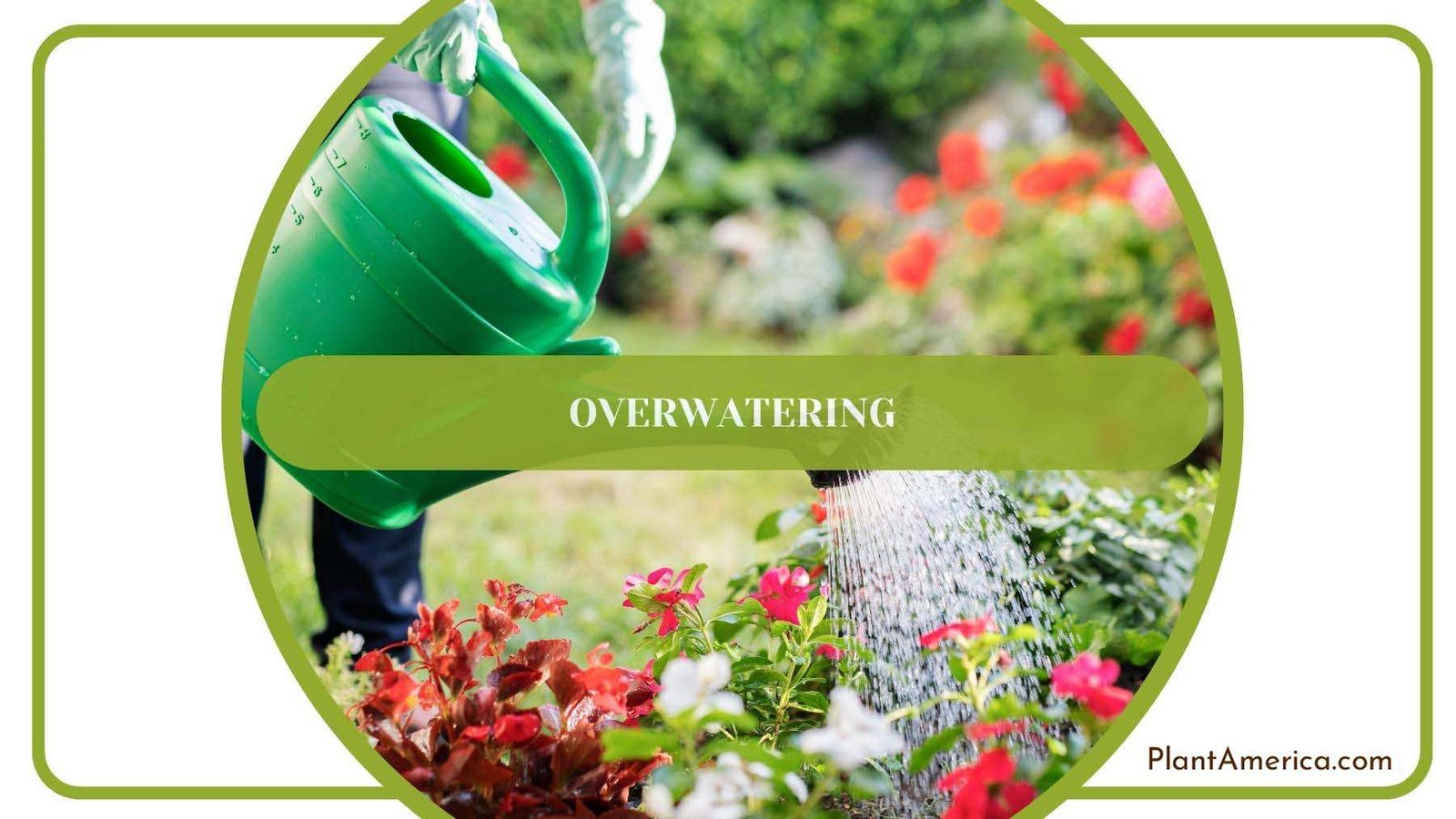
On the flip side, insufficient watering can result in browning and shriveling of the foliage. Watering sparingly or misting the soil surface may not adequately reach the root system, emphasizing the need for balanced watering practices.
– Poor Drainage
You should grow citronella in dry, well-drained soil conditions. They are sensitive to waterlogged environments, and any excess moisture is reflected in leaf discoloration. In such instances, brown and yellow spots may appear on the leaves instead of a complete browning. Given the water-retaining capacity of citronella roots, they do not require excessive watering, making it easy to inadvertently over-water them.
– Poor Soil
The quality of the soil is a crucial factor in supporting plant life, creating a foundation for a thriving ecosystem. Depleted or compacted soils lacking organic matter can lead to health issues for your plant.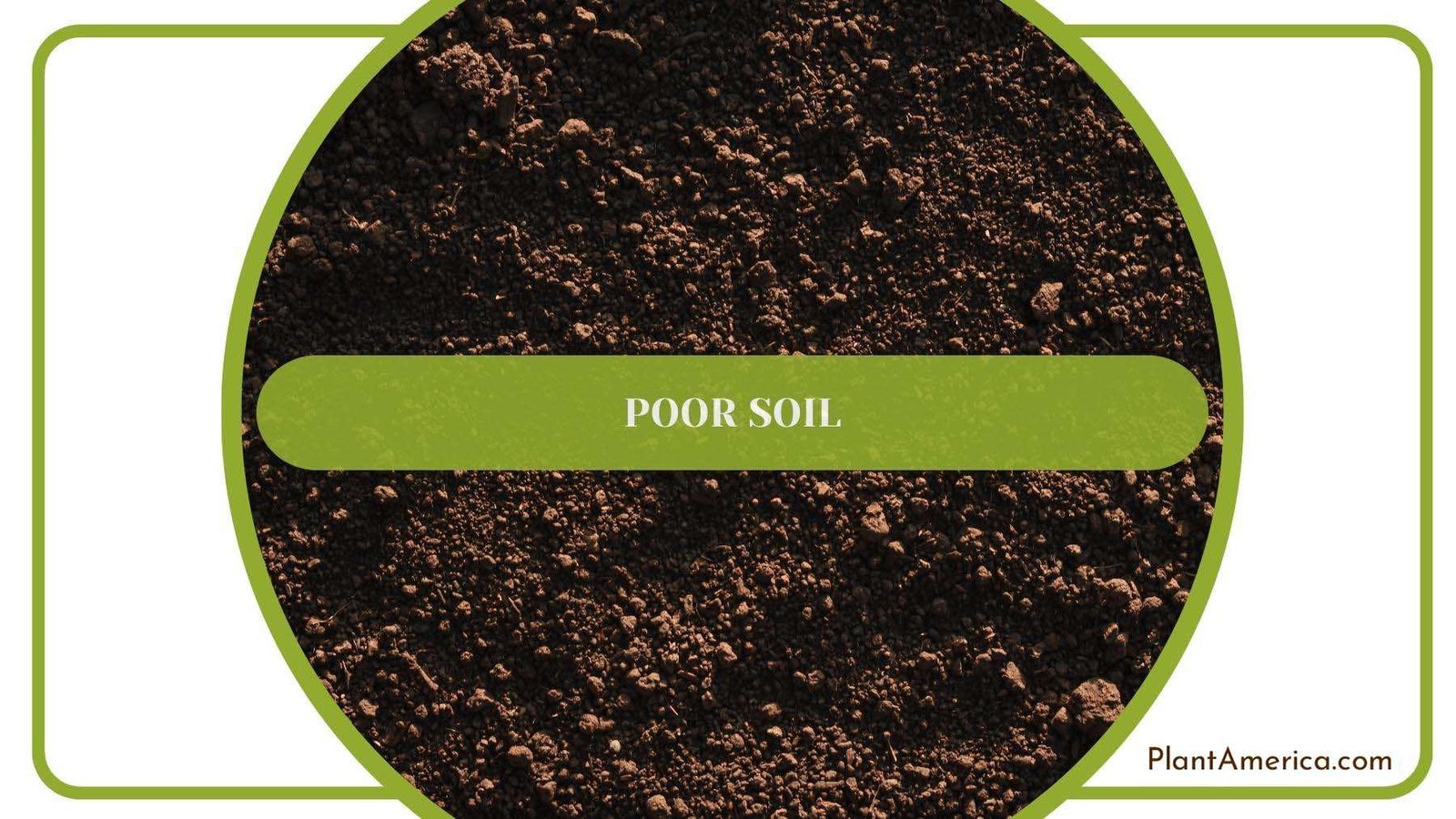 Regular soil testing for pH levels and organic matter content is advisable to ensure optimal conditions. Improve soil quality by incorporating organic matter, however, you should not overdo it as citronellas thrive in soils with a pH ranging from 5.8 to 6.3.
– Root-Bound Citronella
On occasion, citronella plants may outgrow their containers, leading to stress and potential issues such as brown leaves. This can be attributed to the confined space restricting the root system’s ability to spread.
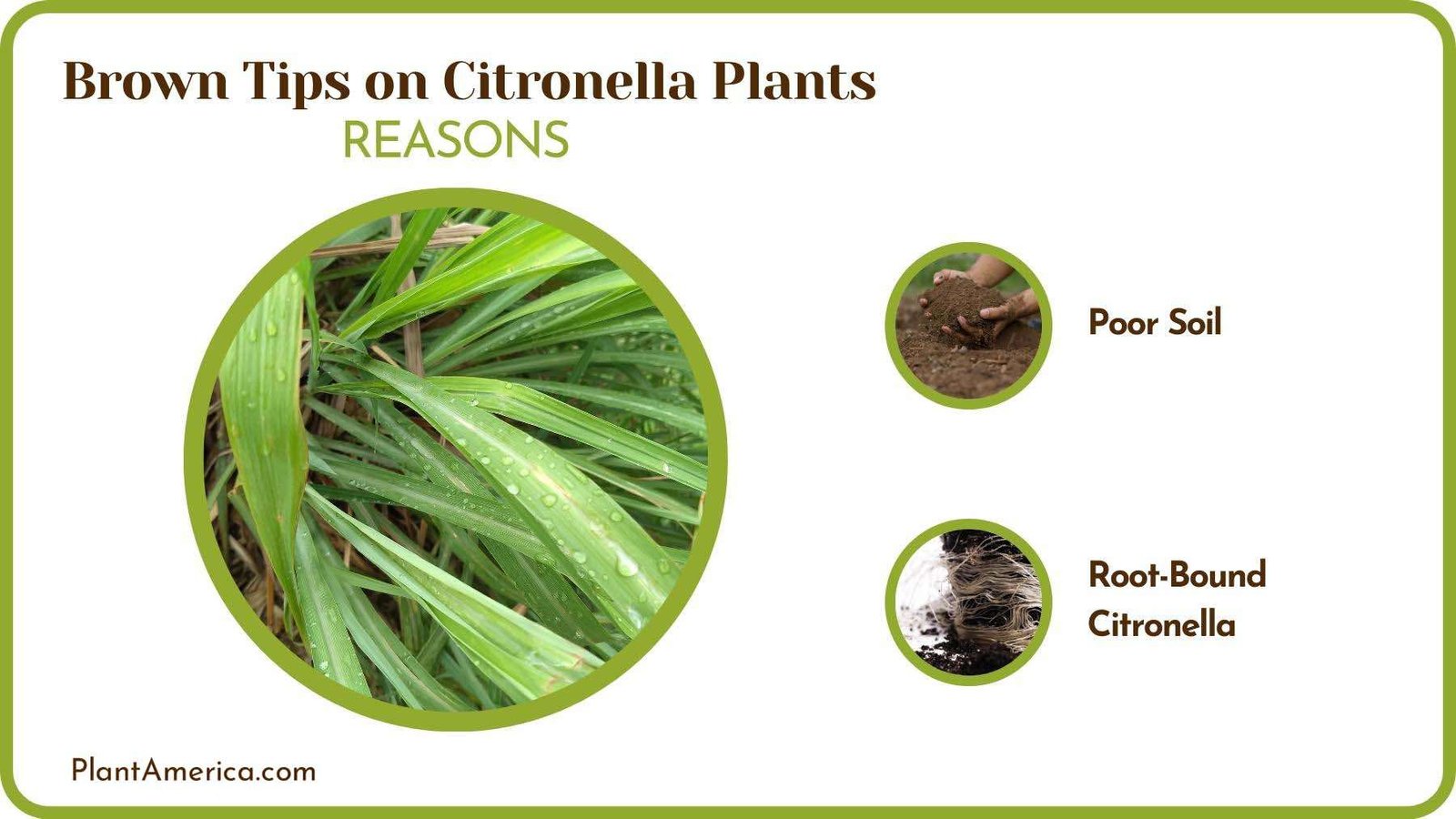
In such cases, the roots may coil and bind around each other, hindering the absorption of adequate water and nutrients.
How To Save a Brown Citronella Plant
For those of us who adore plants, the prospect of a struggling and potentially dying Citronella can be disheartening. If you find yourself in this situation, here are some steps you can take to rescue and revive your plant.
– Check for Signs of Healthy Foliage
Thoroughly inspect your Citronella plant, as there might still be a glimmer of hope for revival, regardless of its current condition. 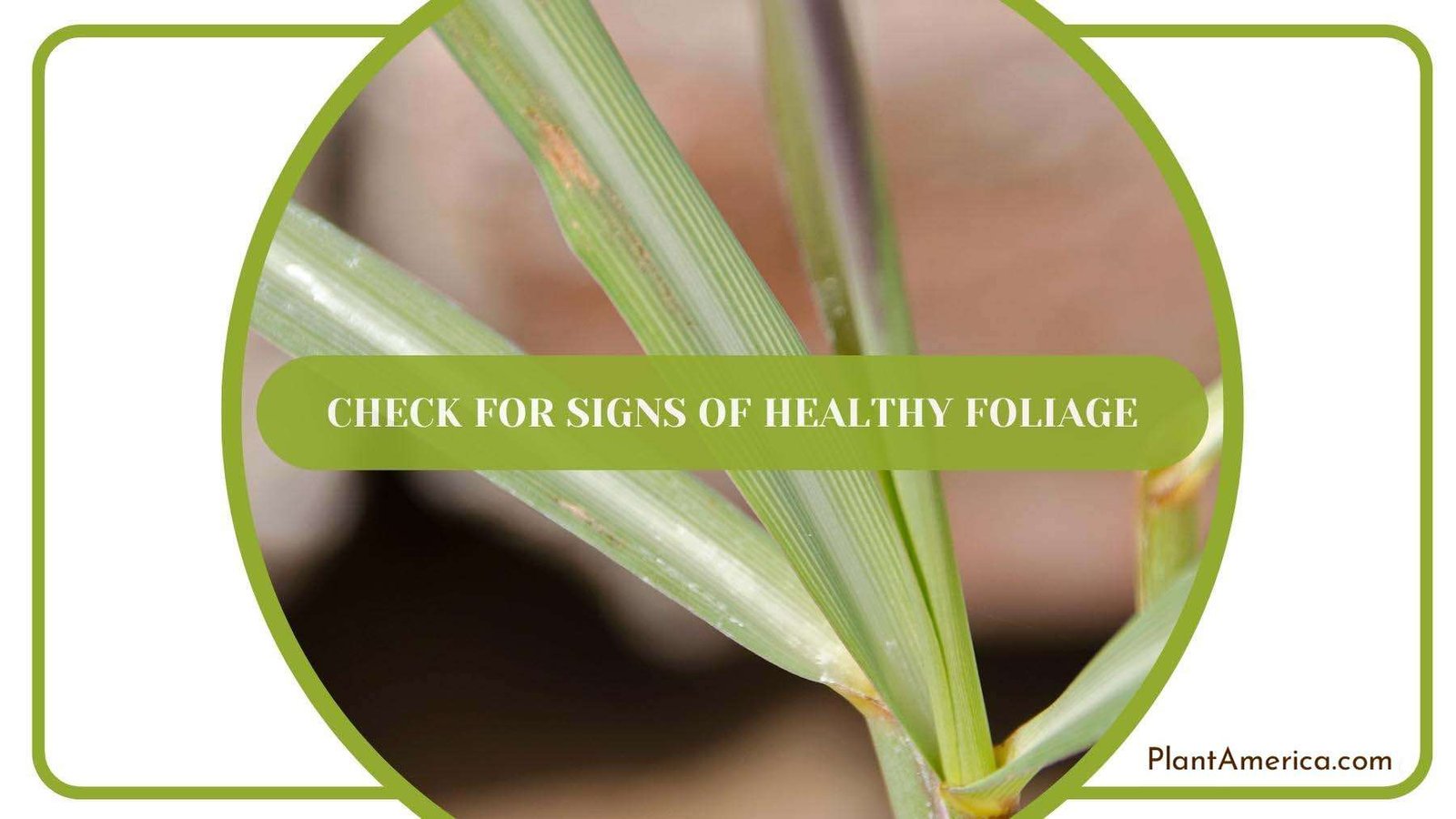 Look for any remaining green and living parts. Additionally, examine the roots — if they are still white and plump, these are positive signs that your plant may not be beyond recovery.
– Observe the Soil
If your plant is overwatered, you’ll notice yellow or brown, wilting leaves and the soil will be excessively moist with mushy brown roots. In such cases, it’s crucial to adjust your watering routine and consider changing the potting mix.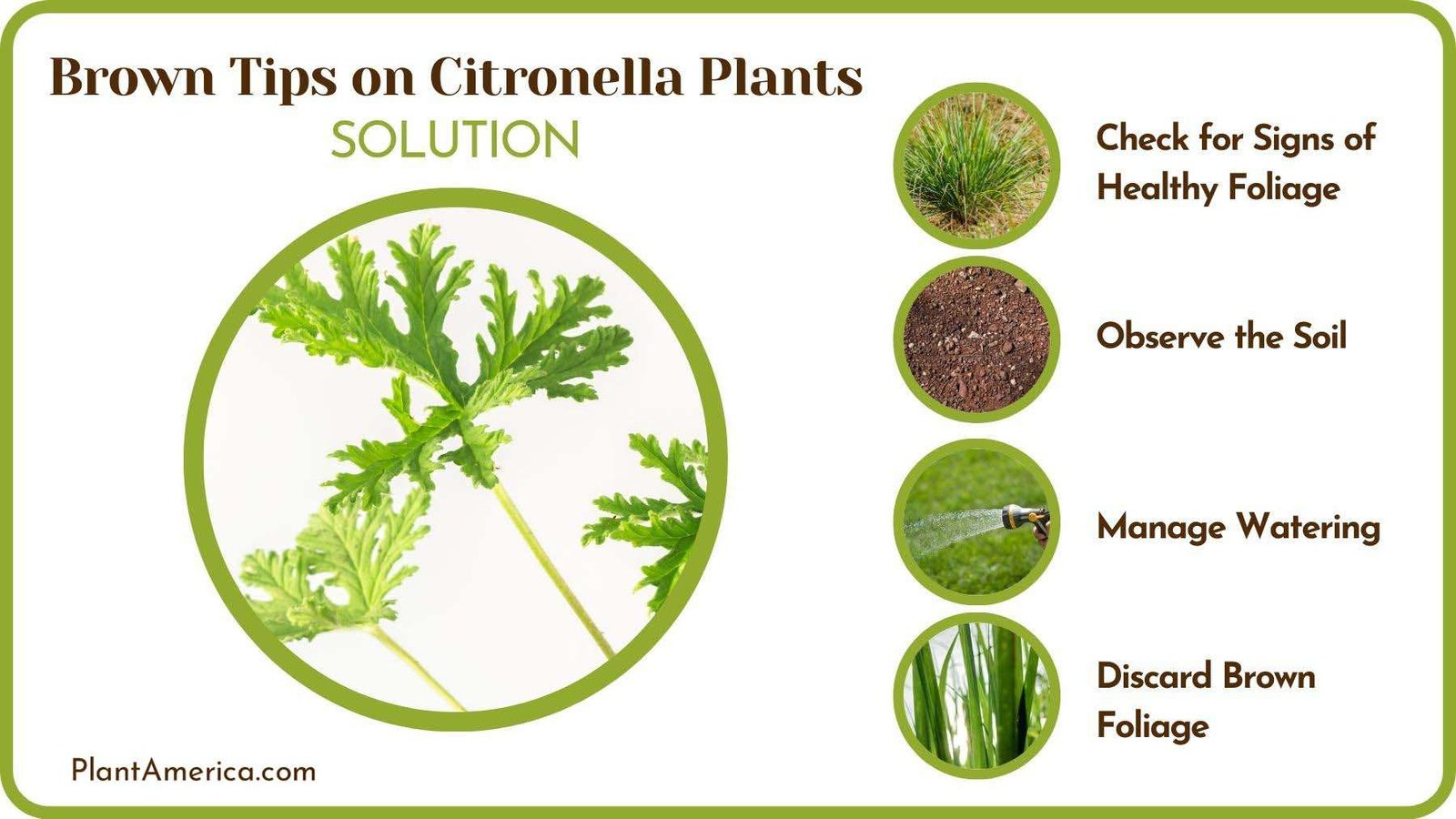
– Manage Watering
To assess moisture levels, poke the soil bed with your finger. If it feels dry, go ahead and give your plant some water. If it still retains some dampness, hold off on watering for a while.
If you’re concerned about underwatering, perform a thorough soil soak, allowing any excess water to drain from the plant’s pot. This method ensures proper water penetration to the roots. It’s a good idea to implement a watering schedule, but you should always do the finger test before giving your plants any water.
– Discard Brown Foliage
Trim away all the brown and lifeless leaves from your Citronella plant, as they no longer contribute to its well-being. Employ a sterile cutting tool, such as scissors or pruning shears, for the task. Alternatively, you can use your fingers to pinch off these leaves, if feasible.
Be sure to clean your tools and hands afterward to eliminate any potential pathogens that might have contributed to your Citronella plant’s issues. Dispose of the dead foliage properly to prevent the spread of harmful pathogens to other plants or your entire garden.
– Address The Stems
Similar to removing dead foliage, prune away any dead sections of the stems, leaving only the vibrant, green parts. Consider changing the pot and soil mix for a fresh start. Keep in mind that visible improvements may take weeks to manifest, so patience and commitment to your plant are crucial during this period.
– Dealing With Light
Insufficient exposure to proper light conditions for an extended period can lead to the demise of your plants. Without an adequate supply of light, plants may struggle to thrive.

Evaluate the current location of your plant, ensuring it receives partial shade rather than prolonged direct sunlight. Consider relocating it to a more suitable spot if necessary.
– Deal With Humidity
Inadequate humidity levels significantly below the optimal range can adversely affect your plant. If you observe wilting, shriveled, and brown foliage, the air is likely too dry.
Citronella plants thrive in moderate humidity, so consider increasing it by regularly misting your plants, particularly during the summer months. Grouping your plants together can also elevate the moisture level in the surrounding air, creating a more favorable environment for your Citronella.
– Improve Nutrition
When a plant experiences nutrient deficiencies, its essential metabolic functions are compromised, leading to malnourishment if not addressed. Signs of malnourishment include weak stems and leaf discolorations.
To revive the plant exhibiting these symptoms, provide it with a well-balanced fertilizer. Administer this twice a month during spring and summer, reducing it to once a month in winter. Additionally, consider repotting the plant with a fresh soil mix to replenish essential nutrients, as soil nutrients tend to deplete over time.
– Mend Drainage
Replant citronella into a new pot that features drainage holes and place it within a decorative pot or saucer. Even with a saucer, avoid letting the plant sit in excess water. If you prefer to use the same pot, be sure to add some holes at the bottom.
– Improving Soil and Dealing With Root-Bound Citronella Grass
Densely packed soil poses drainage challenges and hinders optimal plant growth. In such situations, water may accumulate on the soil’s surface instead of permeating through.
To address this, consider loosening the soil with a gardening tool or fork or repot your plant in fresh potting soil. Opt for a loose, sandy, loamy potting soil mix to ensure effective drainage.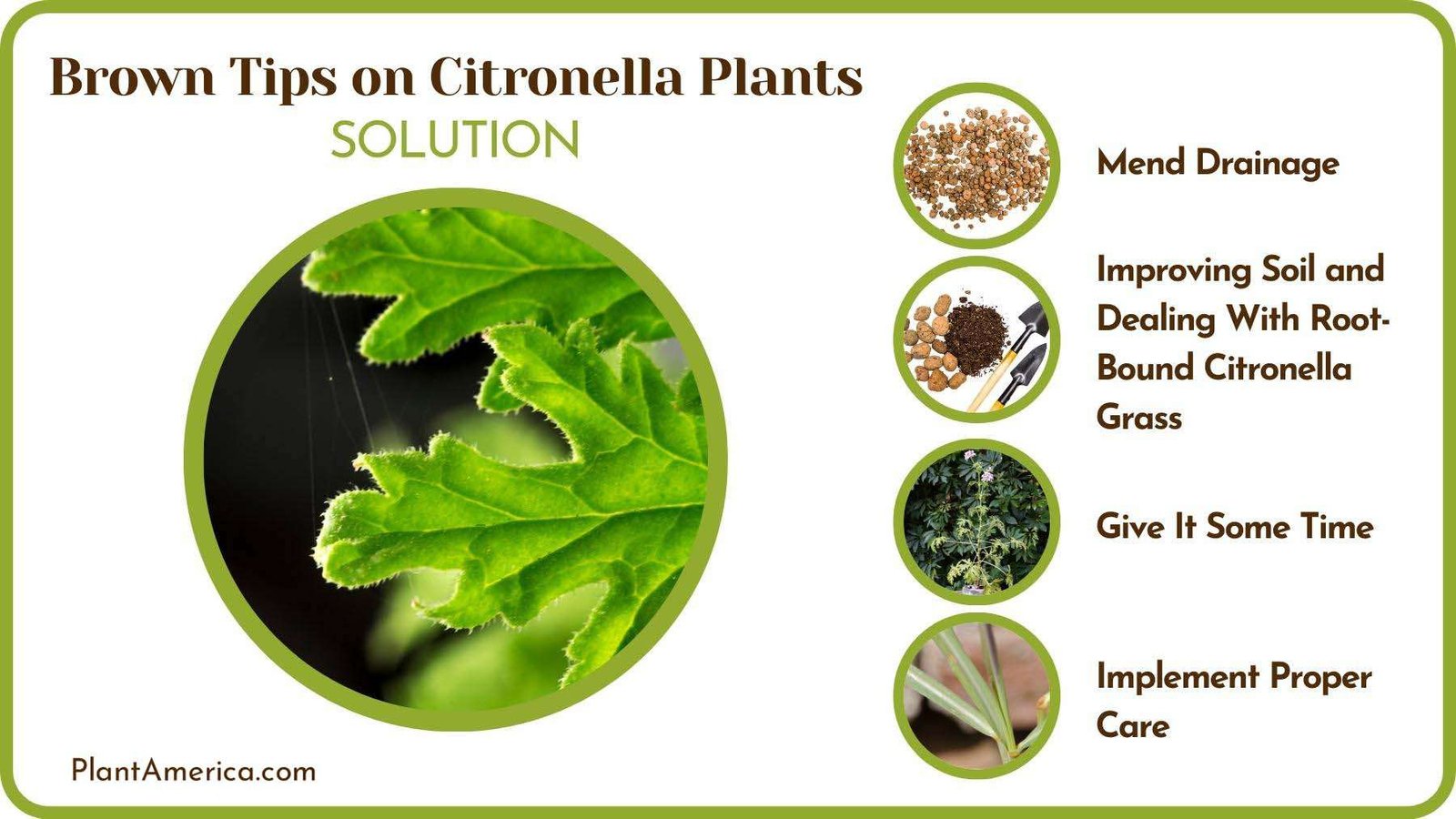
If your plant exhibits browning foliage with no other apparent issues, check if it is root-bound by removing it from its container. In case the roots have outgrown the pot space, transplant it into a new container with fresh soil, choosing a size that is one or two sizes larger.
– Give It Some Time
Once you’ve provided the necessary care to rejuvenate your ailing Citronella plant, exercise patience and allow at least a month for observable results. Nursing a struggling plant back to health is a gradual process, and positive changes may take time to manifest.
In the unfortunate event that your plant cannot be revitalized, consider giving it one last purpose. Transform it into compost, allowing it to contribute as a natural fertilizer to benefit the rest of your garden plants.
– Implement Proper Care
Providing proper care and attention to your mosquito plant is the key to cultivating a lively and robust specimen. Your success as a plant grower is reflected in the flourishing and thriving state of your plant.
To ensure a well-scented, healthy, and vibrant Citronella plant, follow these outlined steps — expose your potted plants to 6 hours of bright, filtered light daily, maintain the soil slightly arid, and water only when the top inch begins to dry, opt for pots with ample holes, keep the temperature between 59°F to 70°F, and engage in bi-monthly pruning to prevent foliage cramping.
Conclusion
The browning of citronella plants is a concern that demands attention from plant enthusiasts, and understanding the underlying causes is paramount for effective solutions. Let’s remember the key points of this guide.
- Recognizing the signs and symptoms associated with these issues is crucial for devising a tailored plan to revive a struggling citronella and keep the plant healthy.
- Saving a brown citronella plant involves a thorough assessment of its current state, addressing the specific issues at hand, and implementing a care routine that considers factors like light exposure, humidity, and nutrient levels.
- If efforts to revive the plant prove unsuccessful, we suggest repurposing it into compost to contribute as a natural fertilizer for other garden plants.
With diligence, patience, and a proactive approach to plant care, you can ensure the health and vibrancy of your citronella plant, allowing it to thrive and fulfill its role in enhancing your garden.