
Florida, full sun plants thrive in the hot, humid climate of the Sunshine State. This blog post will explore Florida full-sun plants that will spread joy in your Florida garden. From sunflowers to succulents, we’ll look at low-maintenance flowers, shrubs, and ground covers that do well planted directly in the beach sun.
Whether you want easy color for your landscape, space-efficient ground covers, or drought-tolerant perennials, the Florida full sun plants on our list can handle the heat and make your outdoor space shine all year, so if you’re looking for easy, colorful plants that will thrive in full Florida sun.
Florida Full Sun Plants For Bright Garden Ideas
1. Beach Sunflower
- Growing Season: Spring, Summer
- Leaf Shape: Elliptic, Linear
- Specific Needs: Full sun, Well-drained soil
- Common Pests: Whiteflies, Aphids
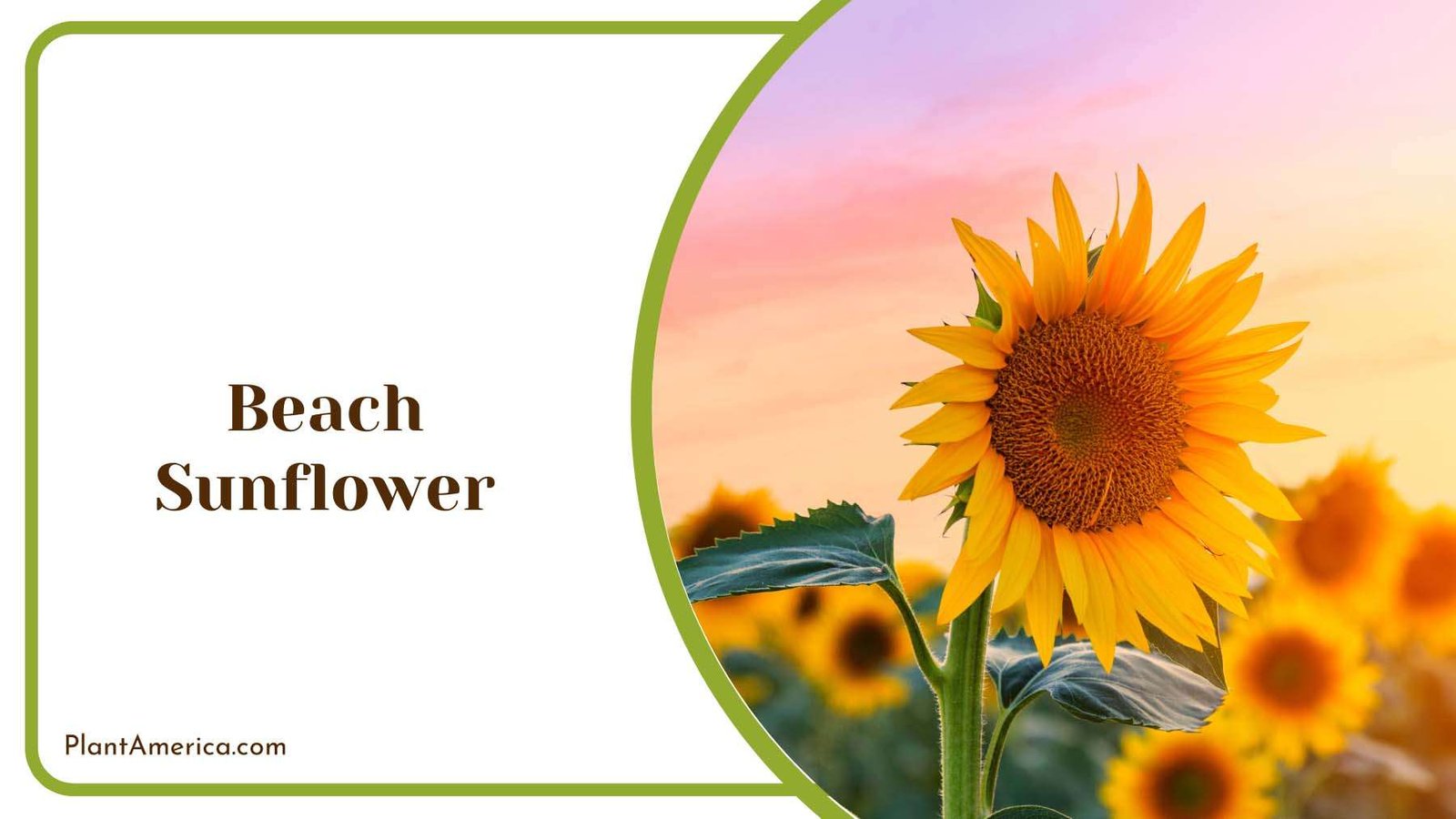
Beach sunflowers, scientifically known as Helianthus debilis, are hardy, drought-tolerant native plants that thrive in coastal sandy soils and full sun exposure. They are perfect for naturalizing areas, stabilizing dunes, and providing nectar and habitat for pollinators and wildlife.
The cheerful yellow daisy flowers in summer and fall attract butterflies, bees, and other beneficial insects all season long. Each composite flower head can reach two to three inches wide and comprises many small, bright yellow ray florets surrounding a dark center disk.
The bright green elliptic leaves of beach sunflowers have a fuzzy texture that helps reduce water loss, aiding in the plant’s tolerance for hot, dry conditions. Mature plants form upright stalks that reach two to four feet tall, depending on environmental conditions.
2. Blue Daze

- Growing Season: Spring, Summer
- Leaf Shape: Oblong, Oblanceolate
- Specific Needs: Consistent moisture, Well-drained soil
- Common Pests: Spider mites, Aphids
Blue daze, scientifically known as Eupatorium coelestinum, makes a fantastic native groundcover plant for Florida gardens. They are perfect for full sun and thrive in the heat, humidity, and periodic drought conditions common in the Sunshine State.
The densely branching stems form a compact, mounded habit that spreads via underground rhizomes. Oblong leaves held close to the stems provide a foliage backdrop for the showy powder blue flowerheads that appear from summer through fall.
The dainty flower heads of blue daze feature tubular florets cascading across the plant, creating an unbeatable color contrast to the dark green foliage. This attracts pollinators like native bees, flies, and hummingbirds to your Florida garden.
3. Zinni

- Growing Season: Spring, Summer
- Leaf Shape: Linear, Lanceolate
- Specific Needs: Full sun, Well-drained soil, Sandy soil
- Common Pests: Spider mites, Aphids
Zinnias are among the easiest and most reliable flowers for Florida gardens. As heat-loving annuals, zinnias thrive in the state’s hot, humid conditions from spring through fall, tolerating the long summer days and moisture better than many other bloom options. They provide a colorful display practically all season long.
Available in a dazzling rainbow of vibrant shades, including bright reds, sunny oranges, cheerful yellows, regal purples, soft pinks and pristine whites, zinnias produce an seemingly endless cascade of charming daisy-like blooms. Some cultivated varieties grown in Florida gardens have been bred to reach stately heights up to three feet tall, their strong stems crowned with large blooms spreading a full five inches wide – an impressive floral spectacle!
The narrow and lance-shaped leaves of zinnia are quite drought tolerant once the plants are established. This allows zinnias to flourish and maintain their beautiful blooms even with only occasional watering during Florida’s typical summer dry spells between rain storms.
The cheerful colors are a welcoming sight, drawing in numerous native pollinators and beneficial insects to keep the flowers. Zinnias prove an ideal, reliable choice for Florida gardens, adding late season pops of color without fussiness right up until the first autumn frosts.
4. Coreopsis
- Growing Season: Spring, Summer
- Leaf Shape: Linear, Lanceolate
- Specific Needs: Full sun, Well-drained soil
- Common Pests: Japanese beetle, Aphids
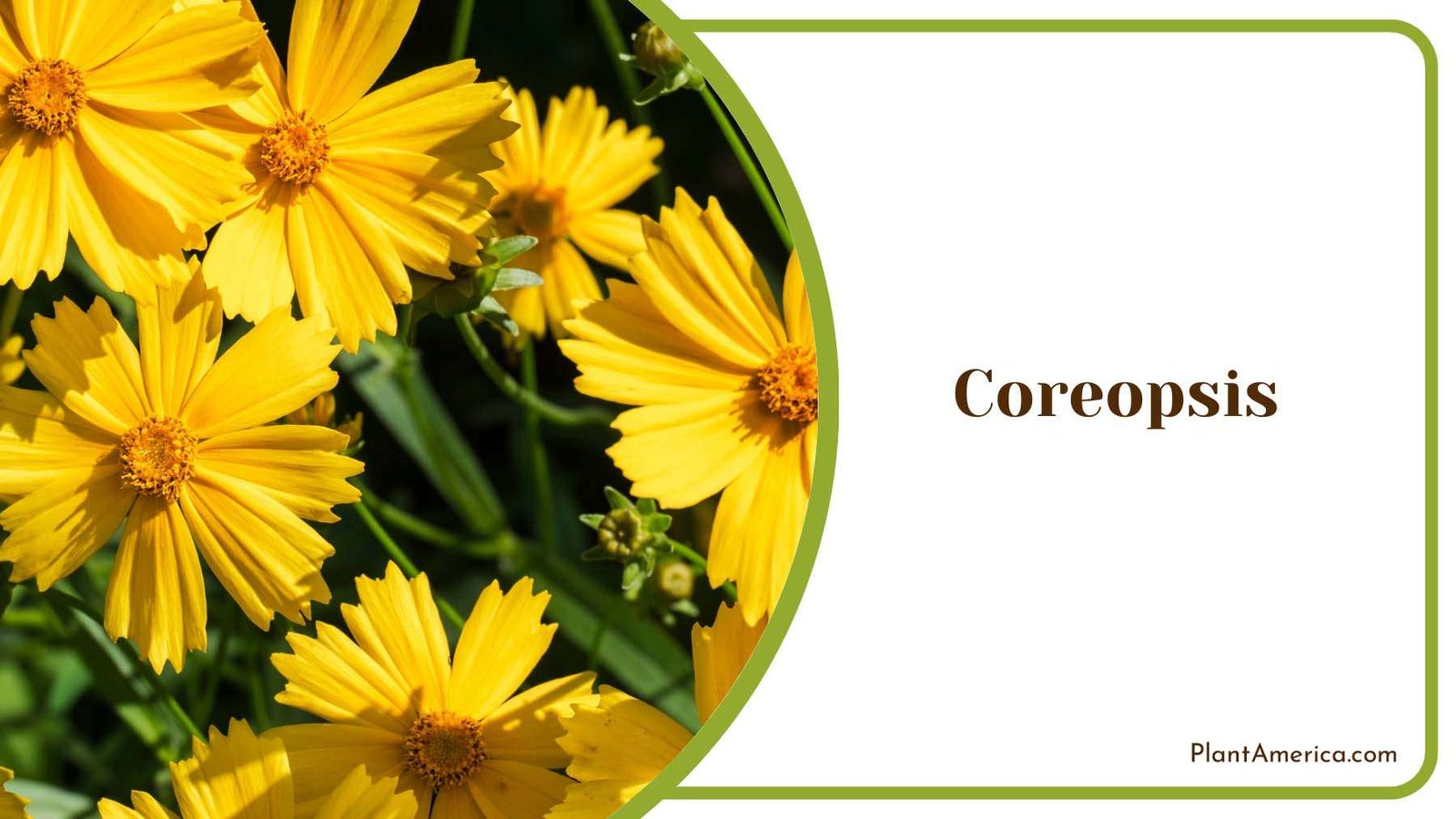
Coreopsis or tickseed are perennial sunflowers native to the Southeast U.S. that thrive in hot, humid southern gardens like those in Florida. The daisy-like coreopsis flowers come in shades of vivid yellow, burnt orange, and scarlet red. They bloom profusely in Florida gardens, providing colorful floral displays from spring through fall.
The long, narrow linear leaves of coreopsis are gray-green in color and form a basal rosette around the flowering stems. The foliage is drought tolerant once the plants are established, fitting well for Florida’s periodic dry spells.
For a longer blooming period, deadhead coreopsis regularly throughout the spring and summer by removing spent flower heads down to the next set of leaves. Cutting the plants back hard after the initial flush of bloom will also stimulate the production of fresh new growth and more flowers.
5. Mexican Petunia
- Growing Season: Spring, Summer
- Leaf Shape: Linear, Oblanceolate
- Specific Needs: Full sun, Well-drained soil
- Common Pests: Spider mites, Whiteflies
Mexican petunias or Ruellia make fantastic drought-tolerant groundcovers for Florida full sun gardens. Native to Central and South America, they have adapted to hot, humid conditions and thrive in the sun and heat of the Florida landscape.
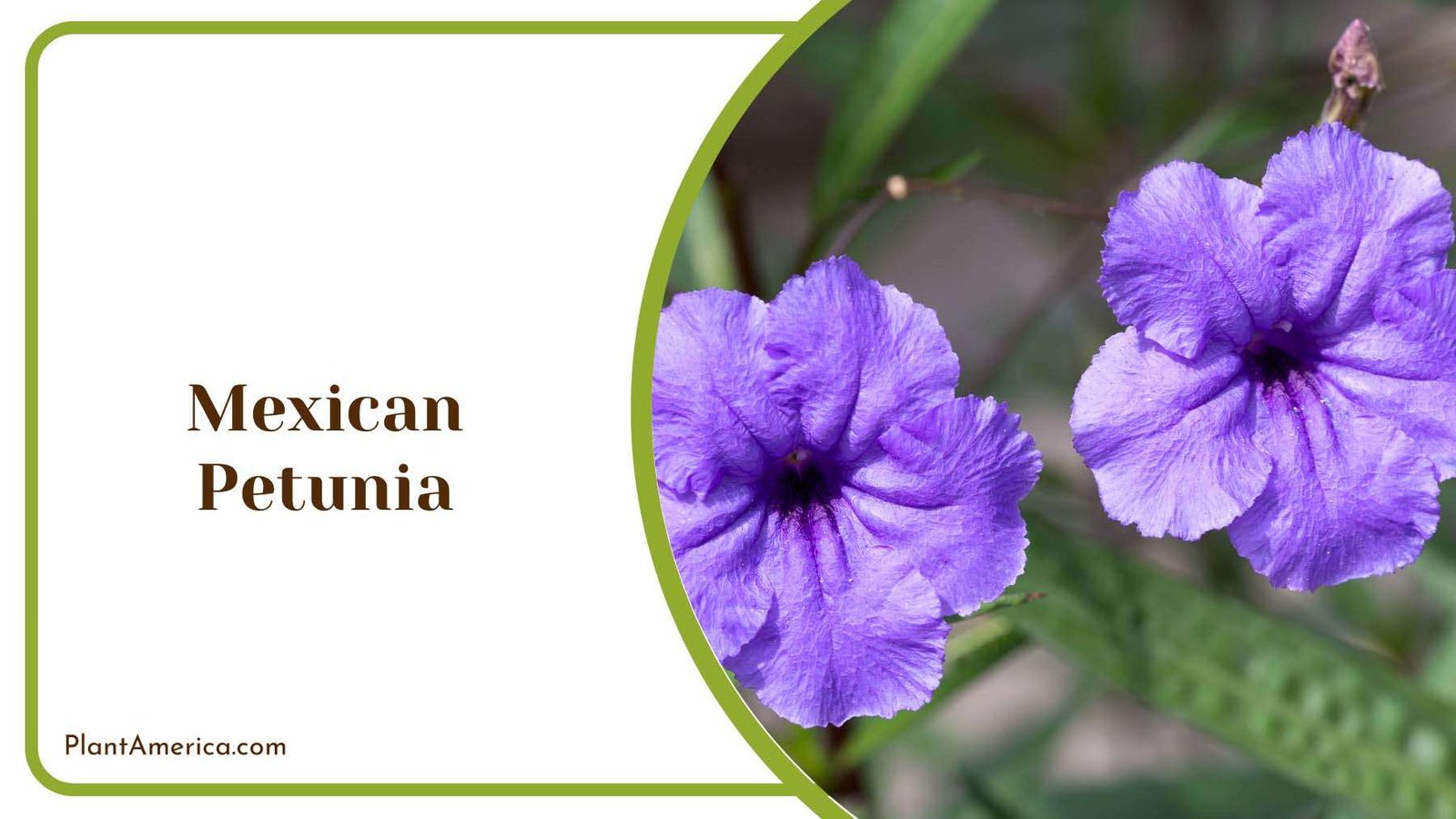
The purple funnel-shaped flowers of Mexican petunia bloom non-stop from spring through fall. The tubular throats attract hummingbirds and butterflies with their nectar rewards. The linear leaves of Mexican petunia have a fuzzy, hairy texture that helps reduce water loss, aiding in the plant’s tolerance for hot, dry conditions. Combined with a tolerance for neglect, the Mexican petunia is a low-maintenance petunia.
Mexican petunias spread quickly by underground stems and readily cascade over walls, edges, openings, and even into rock beds or between pavers. This habit, combined with their moderate size of two to three feet tall and wide, makes them a versatile Florida-tough groundcover.
6. Passion Flower
- Growing Season: Spring, Summer
- Leaf Shape: Palmate, Broad, Ovate
- Specific Needs: Full sun, Well-drained soil
- Common Pests: Spider mites, Aphids
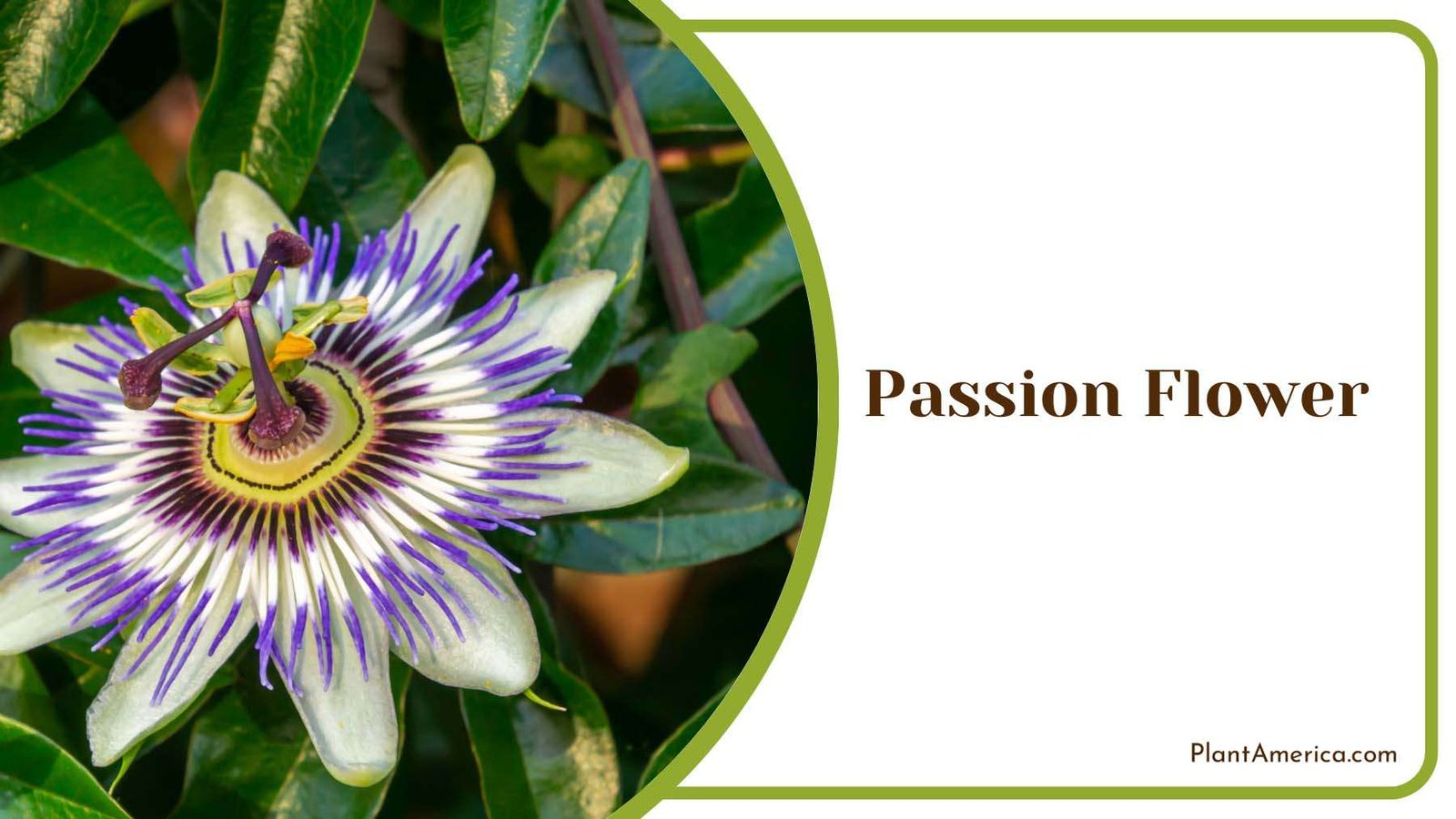
Passion flowers, or Passiflora incarnata, are gorgeous southern blooming vines perfect for Florida gardens. Native to the Southeastern U.S., they have adapted to thrive in the state’s hot, humid conditions.
The showy, fragrant flowers of passion flower vines bloom profusely from spring through fall. Individual blooms are up to five inches wide and feature distinctive petals, sepals, and threadlike structures that attract hummingbirds and butterflies in droves.
The palmately compound leaves of passion flower vines provide dense foliage for shade and privacy. The foliage is deciduous, dying back in winter and re-emerging in spring as the vines begin a new growth and bloom cycle.
Passion flowers are fast-growing vines that will quickly cover arbors, trellises, fences, and other supports if allowed to spread. Provide sturdy guidance for the vines and prune back after the first flowering to encourage a second, more abundant bloom later in summer.
Passionflower vines grow best in full sun and prefer well-draining, slightly acidic soil rich in organic material. Provide supplemental irrigation during dry spells, especially when the vines are young.
7. Saw Palmetto

- Growing Season: Year-round
- Leaf Shape: Circular fan, Radiating lobes
- Specific Needs: Full sun, Sandy well-drained soil
- Common Pests: Scales insects, Thrips
Saw palmetto or Serenoa repens is a Florida native evergreen palm that is extremely hardy and drought tolerant. It can thrive in coastal conditions with sandy soil, high winds, salt spray, and inland regions with little care beyond initial establishment.
The saw palmetto plant forms a low-growing crown from which circular fan leaves radiate, providing lush, evergreen foliage and cover all year. The leaves are pinnate and grow to around three feet long, with prominent spines along the leaf margins.
Saw palmetto thrives in full sun and prefers well-drained, acidic sandy, or organic soils. It can tolerate various soil pH levels from point five to eight. Once established, saw palmetto is drought tolerant and needs little supplemental water beyond seasonal rains.
The fruits of saw palmetto are edible berries that provide a food source for wildlife. Birds and small mammals feed on the nutritious kernels, helping to disperse the seeds and regenerate the natural populations of this native Florida palm.
8. Gaillardia
- Growing Season: Spring, Summer
- Leaf Shape: Linear, Ovate, Undulate margins
- Specific Needs: Full sun, Sandy well-drained soil
- Common Pests: Spider mites, Slugs
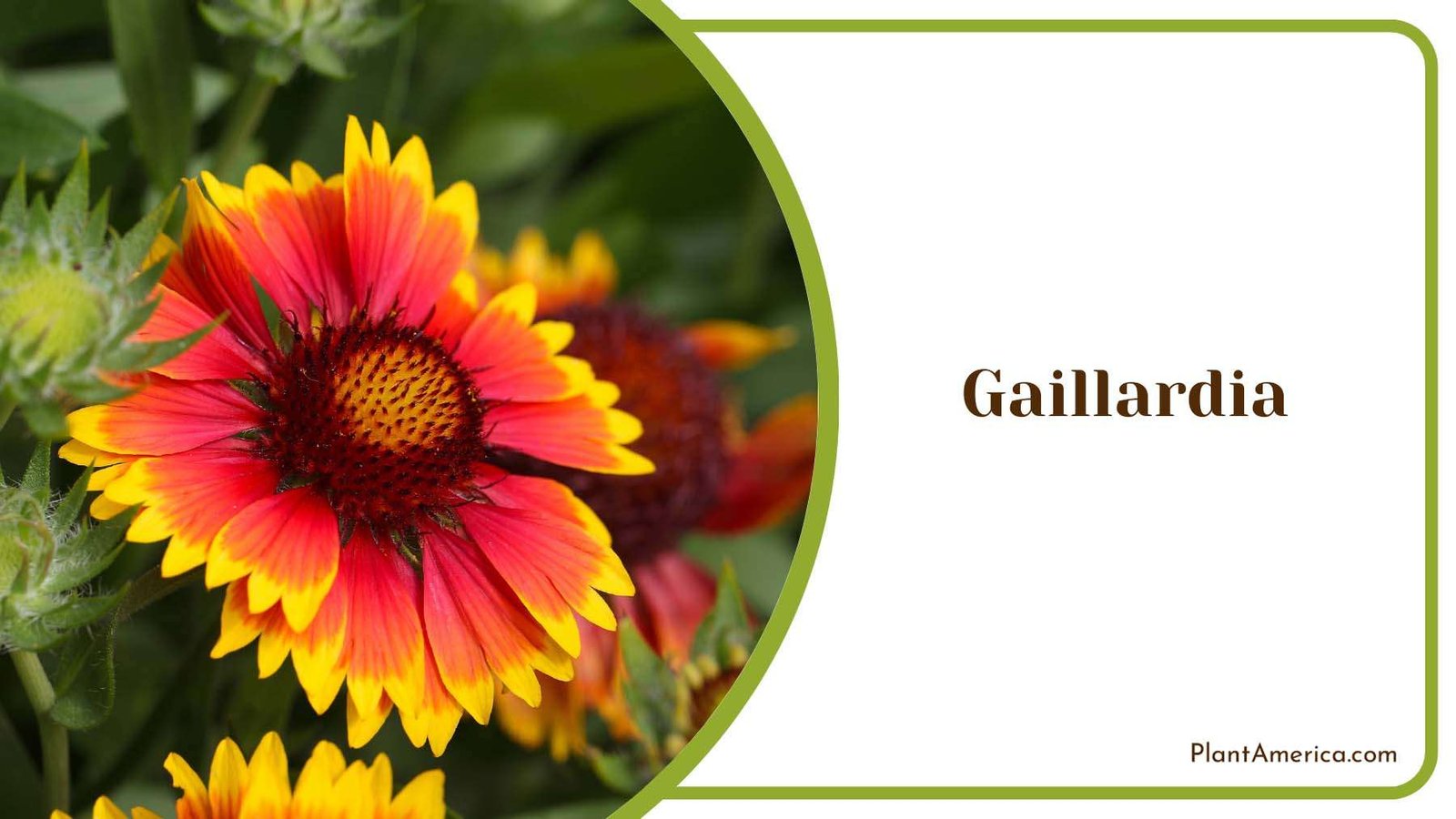
Gaillardia, also known as blanket flower, is a heat-loving perennial native to the North American prairies. It produces cheerful daisy-like flowers in shades of red, yellow, and orange all summer long, attracting butterflies, hummingbirds and beneficial insects with its colorful display. Individual flowers last for weeks, ensuring multiple blooms are open at any time for constant color.
The linear to ovate leaves form a basal rosette with undulating margins that range in texture. This very drought-tolerant foliage allows the plants to establish themselves easily once mature. Cut back spent blooms down to the leaves to encourage a second flush of fresh growth and more flowers later in the season.
Gaillardia thrives in full sun and prefers well-drained, slightly alkaline soil. While providing supplemental irrigation is beneficial when the young plants are becoming established, once mature they can withstand occasional droughts with ease. The redirecting of energy after deadheading blooms combined with its tolerance for drought and sun make Gaillardia a low-maintenance perennial for the garden.
9. Butterfly Bush
- Growing Season: Spring, Summer
- Leaf Shape: Ovate, Opposite
- Specific Needs: Full sun, Well-drained soil
- Common Pests: Japanese beetles, Aphids
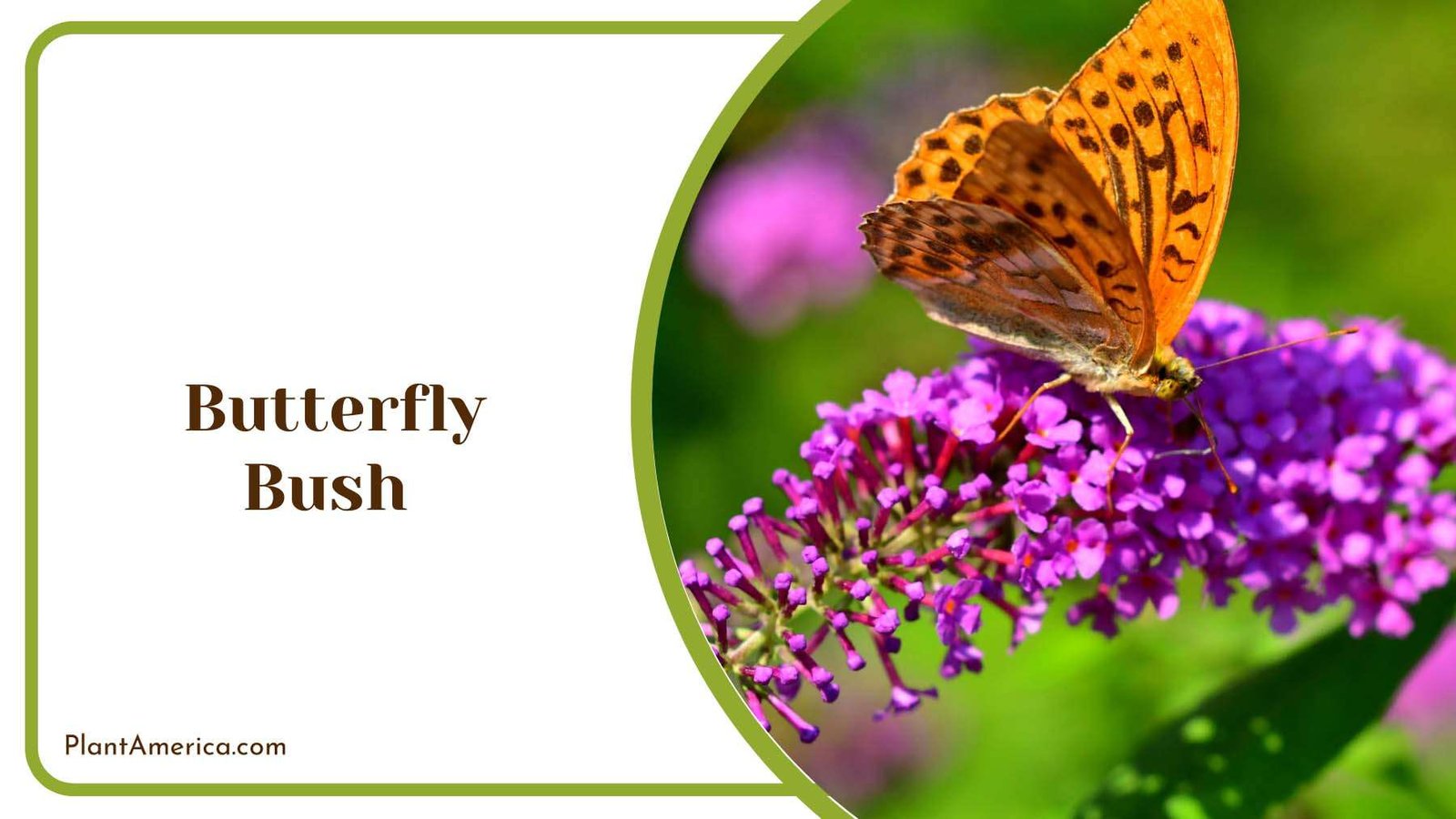
Butterfly bushes or Buddleia davidii make outstanding summer and fall blooming shrubs for Florida gardens. Their ability to thrive in the state’s hot, humid climate has earned them the “butterfly bush.”
The tubular flowers of butterfly bush come in hues ranging from purple and lilac to pink and white. They line the entire length of the upright branches from mid-summer through fall, attracting butterflies in droves with their nectar-rich bloom. The fragrant blossoms appear opposite the ovate leaves along the four-angled stems. The foliage may develop a pale grey powdery coating, especially on younger growth.
Butterfly bushes tolerate full sun, high temperatures, and humidity. They thrive with little care once established, appreciating pruning only after flowering to maintain a compact shape and encourage reblooming the following year.
10. Firebush
- Growing Season: Spring, Summer
- Leaf Shape: Ovate, Opposite
- Specific Needs: Full sun, Well-drained soil
- Common Pests: Whiteflies, Aphids
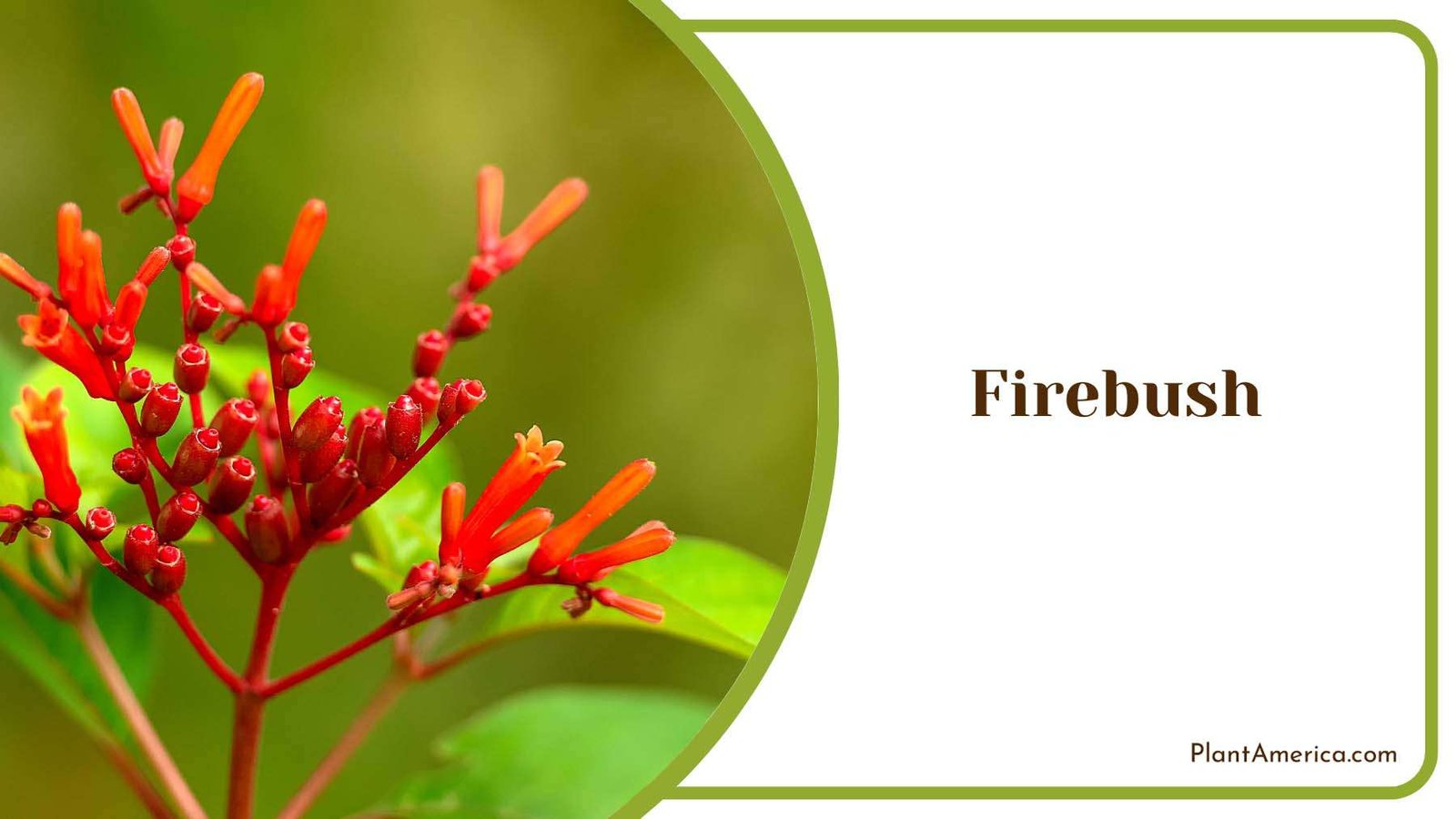
Firebush or Hamelia patens is an outstanding native flowering shrub for Florida gardens. Native to the American tropics, this heat-loving shrub has adapted to thrive in the Sunshine State’s hot, humid climate.
The bright scarlet tubular flowers of a fire bush resemble those of tropical hibiscus, making a vivid splash of color from summer into fall. They attract hummingbirds in droves with their nectar-rich blooms and tubular shape.
11. Lantana
- Growing Season: Spring, Fall
- Leaf Shape: Ovate, Opposite
- Specific Needs: Full sun, Sandy well-drained soil
- Common Pests: Spider mites, Aphids
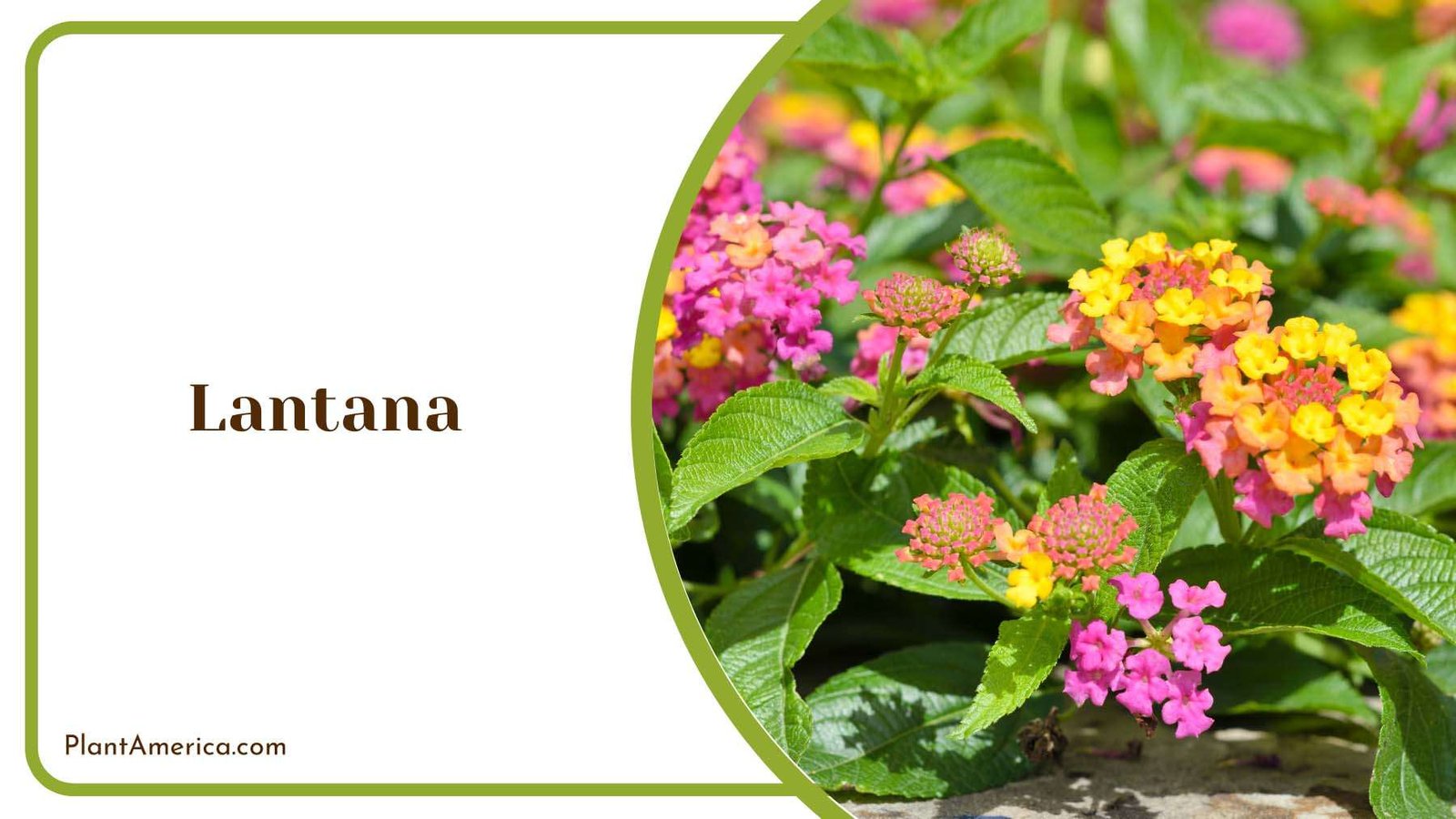
Lantana or Lantana camara is a popular heat-loving flowering shrub ideal for Florida full sun gardens. Native to the American tropics, lantana has adapted to thrive in the hot, humid conditions of the Sunshine State.
The showy clusters of flowers appear in shades ranging from vivid pink and orange to yellow and red. These cheerful blooms attract butterflies, hummingbirds, and beneficial insects for months, from summer into fall.
The opposite, ovate leaves of lantana provide dense foliage for the spreading, multi-branched shrub. The drought-tolerant foliage and ability of lantana to spread quickly via underground stems make it a versatile option for sunny Florida landscapes.
12. Gregg’s Mistflower

- Growing Season: Spring, Fall
- Leaf Shape: Oblong, Opposite
- Specific Needs: Full sun, Sandy well-drained soil
- Common Pests: Spider mites, Aphids
Gregg’s mistflower, or Condophytum greggii, is a low-growing, spreading evergreen subshrub native to South Florida and the Caribbean. Ideal for moist, tropical gardens, it produces an almost continuous display of tiny white star-shaped flowers that entirely cloak the plant from early spring through the first frosts of winter.
The miniature blossoms generously cover and carpet Gregg’s mistflower from springtime greening through fall. As their name suggests, they attract a range of beneficial flying insects such as bees and wasps drawn to gather nectar and pollen from the floral abundance.
With minimal care requirements other than shade or morning sun in hot zones, this mounded subtropical groundcover offers an extensive seasonal show that highlights South Florida’s rainy seasons and mild winters. A profusion of small white blooms keeps Gregg’s mistflower colorful landscapes across its natural warm-climate range.
13. Buttonweed
- Growing Season: Spring, Fall
- Leaf Shape: Linear, Opposite
- Specific Needs: Full sun, Flooded soil
- Common Pests: Japanese beetles, Aphids
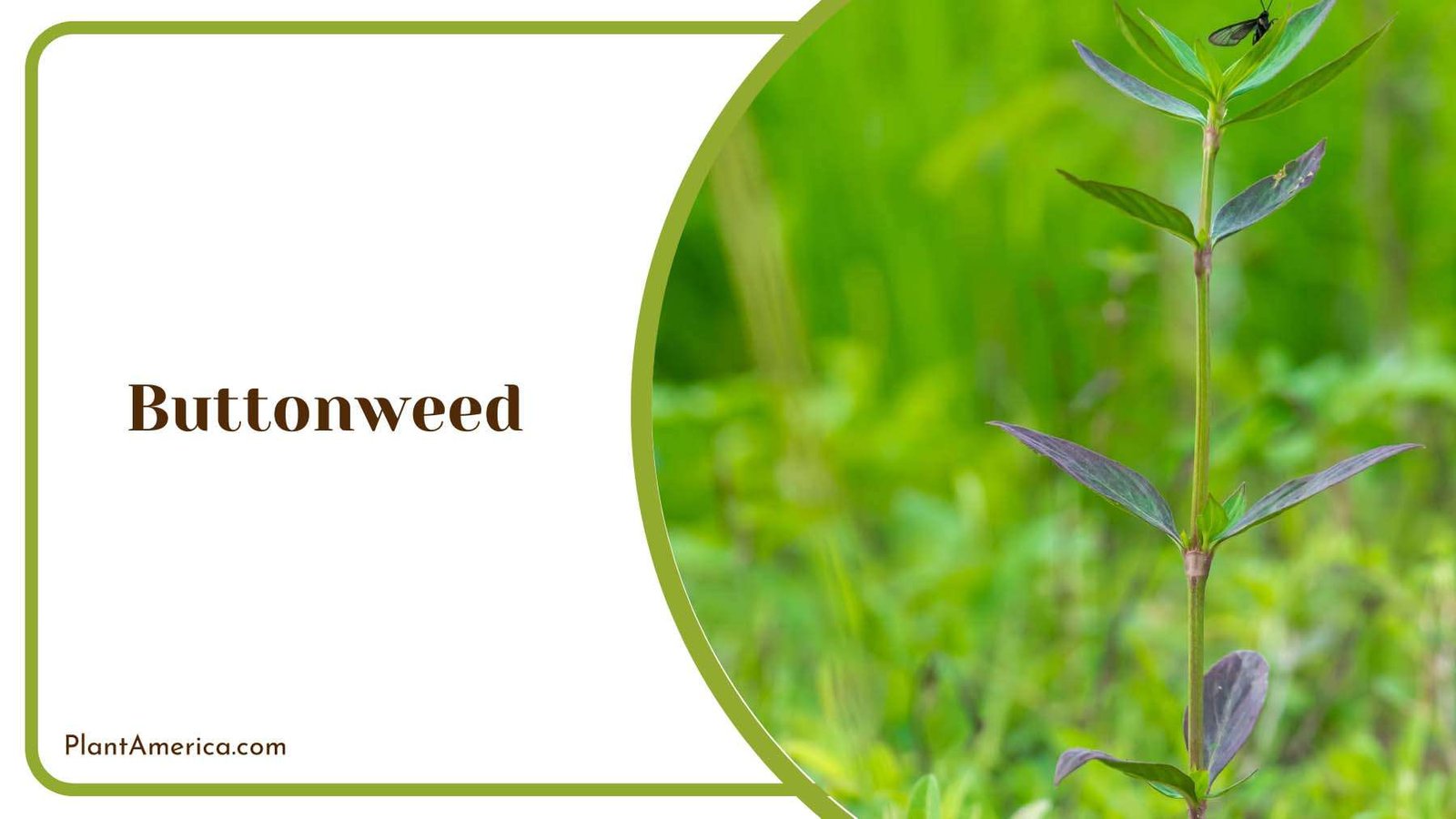
Buttonweed, or Diodia virginiana, is a native groundcover plant in wet coastal soils. The delicate white and rose-colored flowers bloom profusion from spring to fall, providing a continuous floral display throughout the year. Individual flowers remain open for weeks before fading, ensuring that multiple blossoms are present at any given time for maximum color.
The glossy linear opposite leaves provide a dense evergreen cover that persists year-round, effectively choking weeds and holding coastal soils in place.
Buttonweed tolerates nearly full sun and saturated soils making it a perfect choice for coastal plantings. It readily withstands seasonal flooding, salt spray, and exposure due to its natural tolerance for wet and seaside conditions. Buttonweed spreads quickly by underground stems and readily forms thick mats that fill large open areas.
Buttonweed requires little care or maintenance once established, thriving with infrequent watering and no fertilization. The low spreading growth habit and ability to withstand neglect along coastal shores make buttonweed an ideal groundcover choice for seaside landscapes with minimal input requirements beyond its initial siting.
14. Baptisia
- Growing Season: Spring, Fall
- Leaf Shape: Oblong, Pinnate
- Specific Needs: Full sun, Sandy well-drained soil
- Common Pests: Japanese beetles, Leafhopper
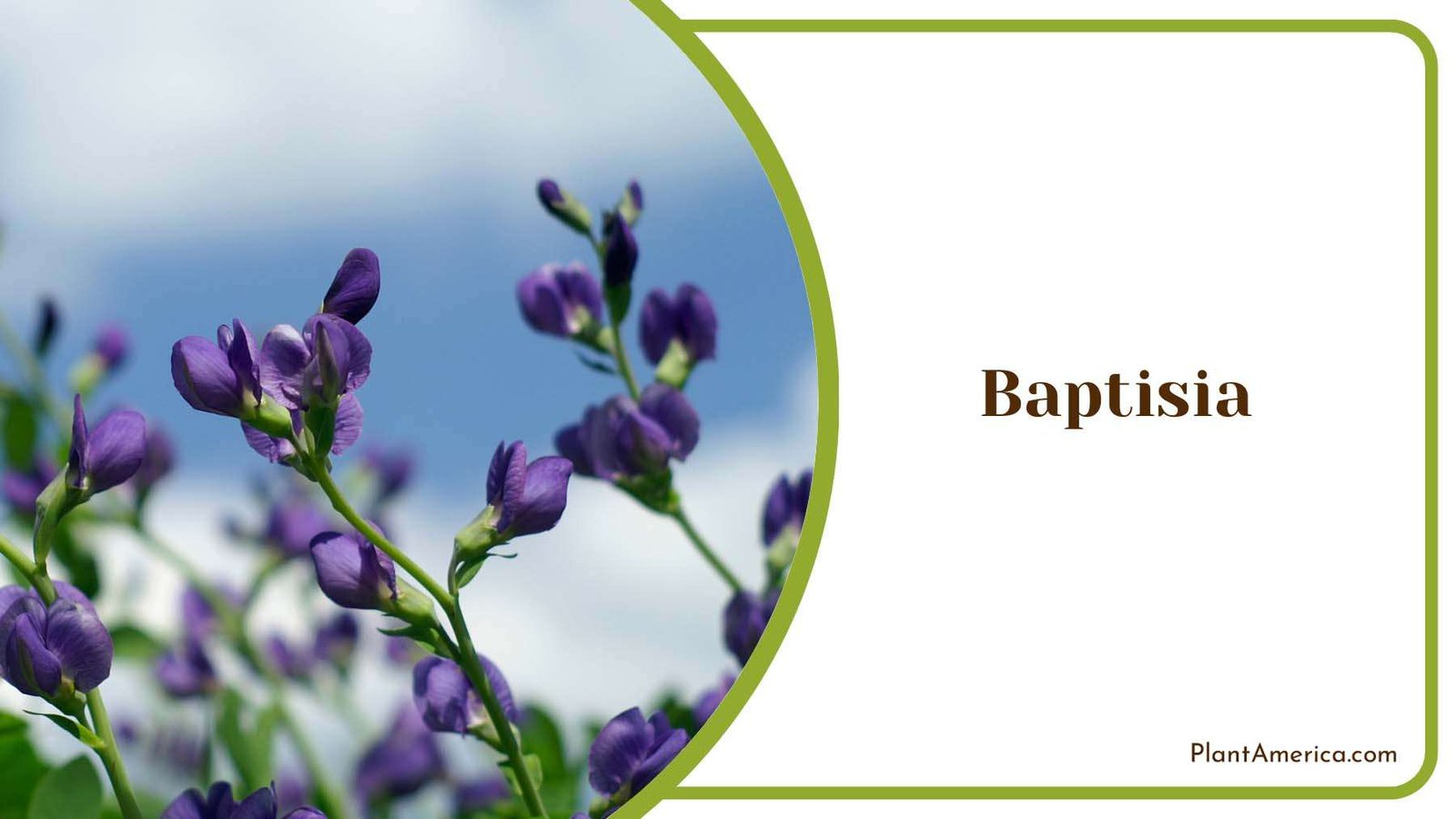
Baptisia, or false indigo, is a beautiful flowering perennial native to the southeastern United States, including Florida. The pea pinnately compound leaves provide an airy texture. The three-lobed oblong leaflets emerge red in spring and turn green for summer, providing textural contrast and visual interest all season long. Large spikes of indigo-blue flowers bloom in early spring.
The flowers provide a vibrant splash of color during the relatively drab time between winter and summer. Individual blooms remain open for weeks before fading, ensuring that multiple spikes bloom simultaneously for maximum visual effect. The large flower spikes attract beneficial insects like bees and butterflies to the garden, providing them with an early-season nectar source.
15. Cat’s Claw Vine
- Growing Season: Spring, Summer
- Leaf Shape: Oval, Pinnately
- Specific Needs: Full sun, Moist soil, Well-drained soil
- Common Pests: Spider mites, Aphids
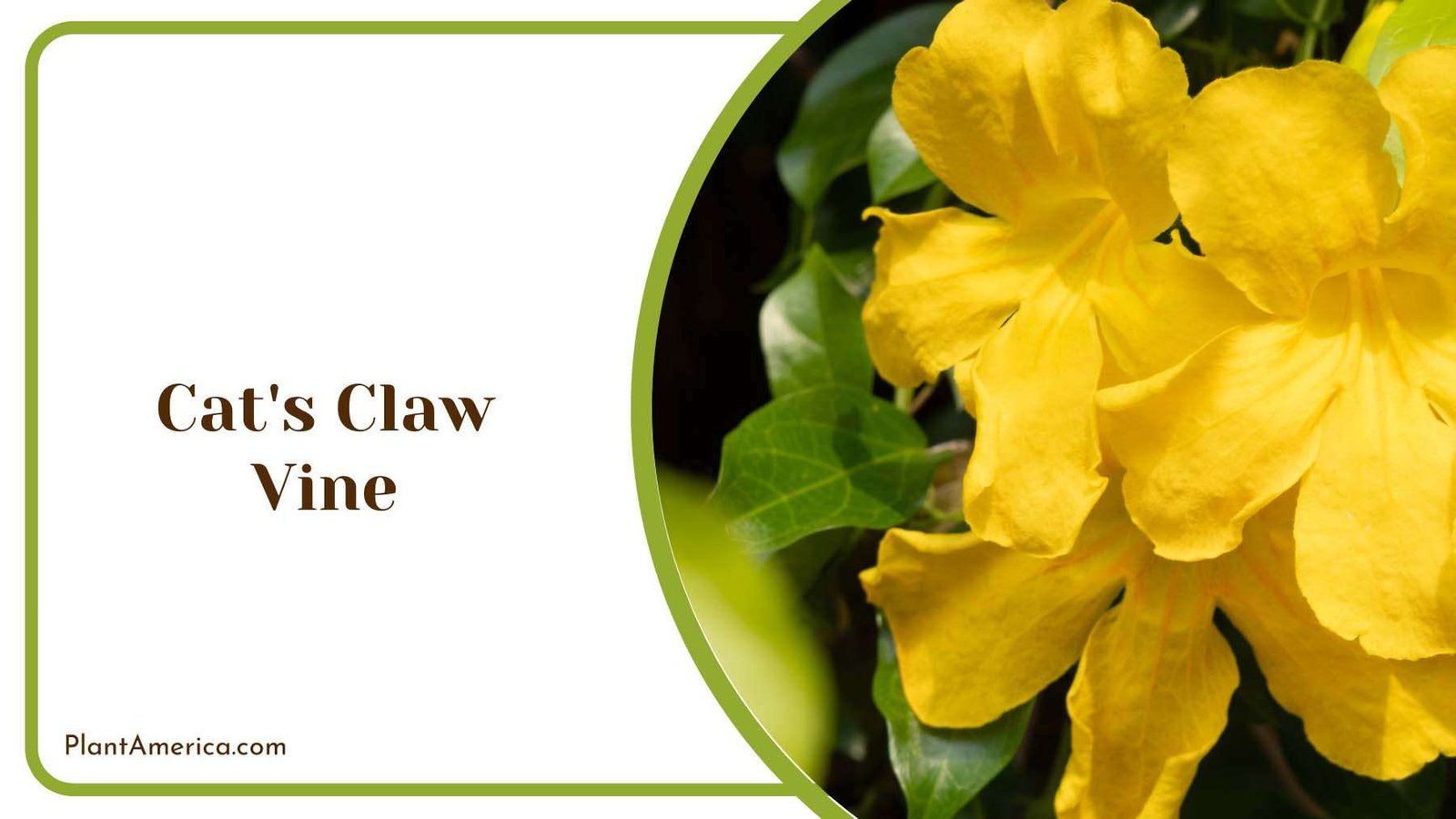
Cat’s claw vine, or Macfadyena unguis-cati, is a colorful tropical woody vine in Florida’s hot, humid climate. The tubular orange and yellow flower clusters bloom prolifically from spring through fall, attracting hummingbirds with nectar-rich blossoms. The long-lasting blooms provide a continuous display of color for months.
The pinnately compound leaves of the cat’s claw vine provide dense, glossy evergreen foliage that covers, supports and forms a shade canopy. The foliage is dark green with light green undersides.
16. Croton
- Growing Season: Spring, Summer
- Leaf Shape: Oblong, Ovate
- Specific Needs: Full sun, Moist soil, Well-drained soil
- Common Pests: Spider mites, Aphids
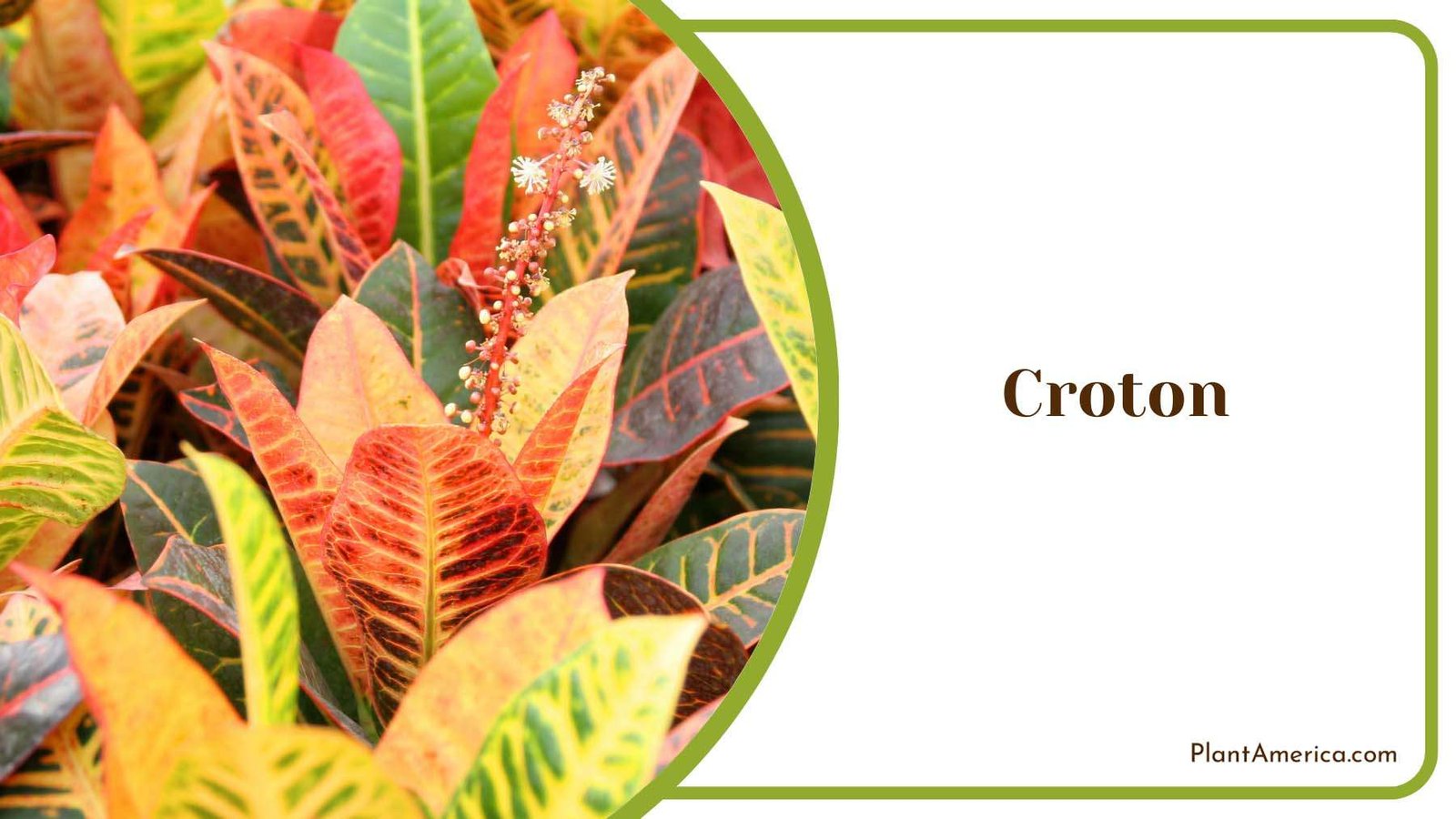
Crotons or Codiaeum variegatum make excellent colorful accent plants for Florida landscapes. Native to tropical regions of Asia, these showy shrubs have adapted to thrive in the Sunshine State’s heat and humidity.
The large, glossy croton leaves emerge variegated in gold, yellow, orange, and red shades. As the plant matures, the leaves typically deepen in color, turning darker shades of burgundy and bronze with age. New leaves emerge at the stem tips each spring.
Crotons prefer full sun and moist, well-drained soil rich in organic matter. They require regular watering to maintain their bright leaf color, especially during the spring and summer growing seasons. Let the soil dry slightly between waterings.
17. Coral Honeysuckle
- Growing Season: Spring, Summer
- Leaf Shape: Oblong, Elliptic
- Specific Needs: Full sun, Moist soil, Well-drained soil
- Common Pests: Japanese beetles, Aphids
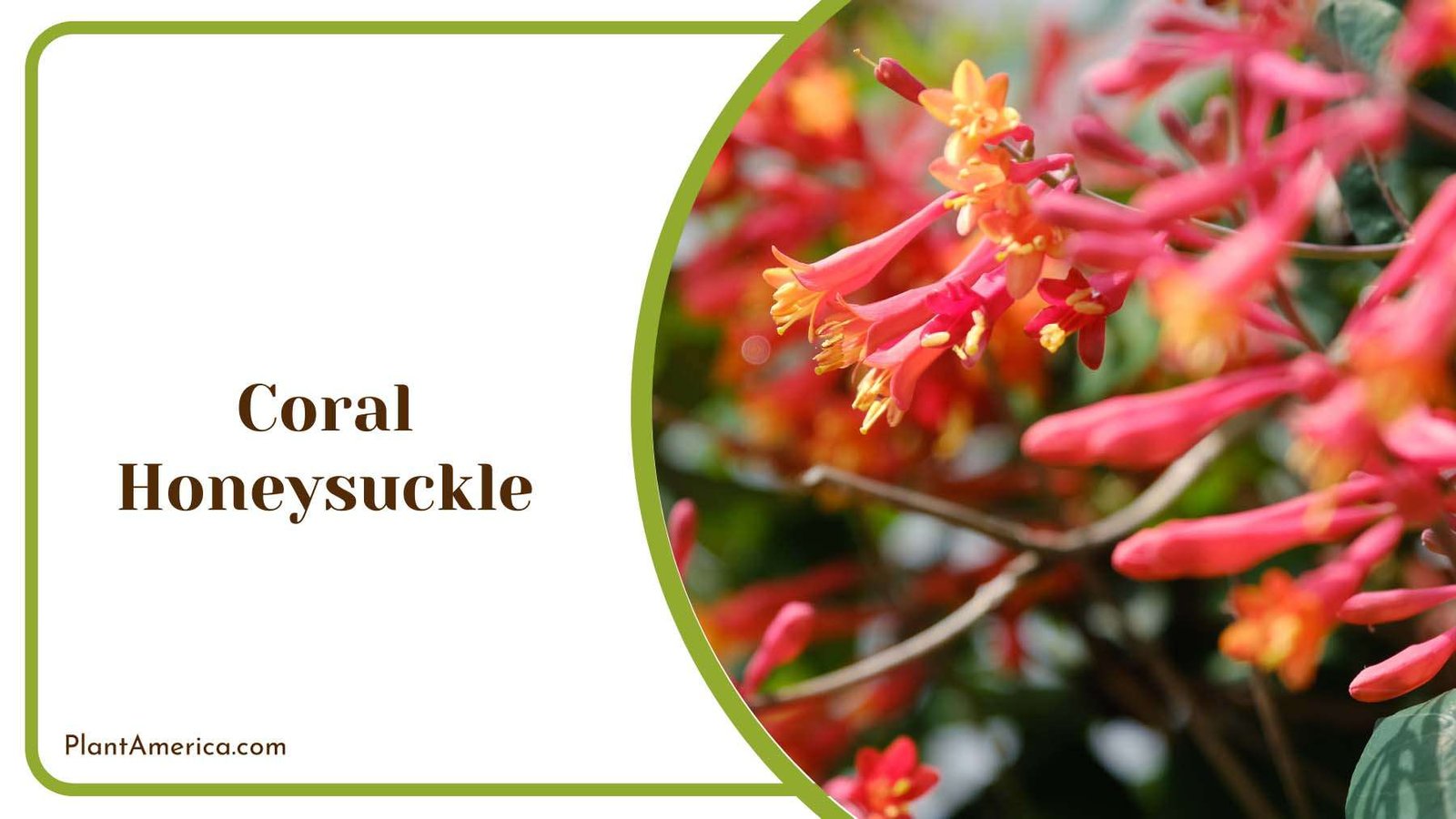
Coral honeysuckle or Leycesteria formosa is an upright, summer-blooming deciduous shrub ideal for Florida gardens. Native to China, this heat-loving species has adapted to thrive in the Sunshine State’s hot, humid climate.
The tubular red flowers of coral honeysuckle bloom profusely from summer into early fall, lining the branched stems and attracting hummingbirds with nectar-rich blossoms. The long-lasting flowers provide a continuous display of color during peak summer heat.
The elliptic to oblong leaves emerge burgundy in spring before turning green for summer. As fall approaches, the foliage may take on different shades of yellow, orange, and red before dropping for winter.
18. Swamp Sunflower

- Growing Season: Spring, Summer
- Leaf Shape: Linear, Lanceolate
- Specific Needs: Full sun, Consistent moisture
- Common Pests: Spider mites, Aphids
Swamp sunflowers or Helianthus angustifolius are hardy perennial wildflowers native to wetlands, swamps, and soggy soils across Florida. The bright yellow daisy flowers bloom prolifically from spring to fall, providing a continuous floral display throughout the year.
Individual flowers remain open for weeks before fading, ensuring that multiple blossoms are present at any given time for maximum color. The long, narrow, linear to lanceolate leaves have a distinct silvery texture and moderate hairiness that aids in reducing water loss providing visual interest year-round.
19. Turk’s Cap

- Growing Season: Spring, Summer
- Leaf Shape: Palmately lobed, Broad rounded
- Specific Needs: Full sun, Well-drained soil, Moist soil
- Common Pests: Whiteflies, Aphids
Turk’s cap or Malvaviscus drummondii is a fantastic tropical accent plant ideal for Florida gardens. Native to the American tropics, this heat-loving shrub has adapted to thrive in the Sunshine State’s hot, humid climate.
The large, vibrant red flowers resemble Turkish fez hats, earning the plant its common name. They appear solitary at the stem tips and attract hummingbirds with nectar-rich petals. The long-lasting blooms provide a continuous display of color from summer into fall.
Conclusion:
From perennials to annuals, the plants cover a range of sizes, shapes, and bloom times to provide color throughout the year.
- Butterfly bushes or Buddleia davidii make outstanding summer and fall blooming shrubs for Florida gardens.
- Beach sunflowers, scientifically known as Helianthus debilis, are hardy, drought-tolerant native plants that thrive in coastal sandy soils and full sun exposure.
- Crotons or Codiaeum variegatum make excellent colorful accent plants for Florida landscapes.
With the right Florida full-sun plants, you can transform your landscape into an oasis of beauty, biodiversity, and joy. Planting the right flowers and plants can bring happiness, their beauty, the connections they foster with nature, and the simple pleasure of tending a garden.