
Brown tips on conifers are a common concern for many gardeners, yet the answers and solutions are often overlooked.
This issue can affect conifers in any garden, but by incorporating suitable garden ideas and practices, you can take proactive measures to prevent your conifers from going brown, maintaining a lush and vibrant exterior for an extended period. The crucial thing is to be able to recognize the problem!
Why Do Your Conifers Have Brown Patches?
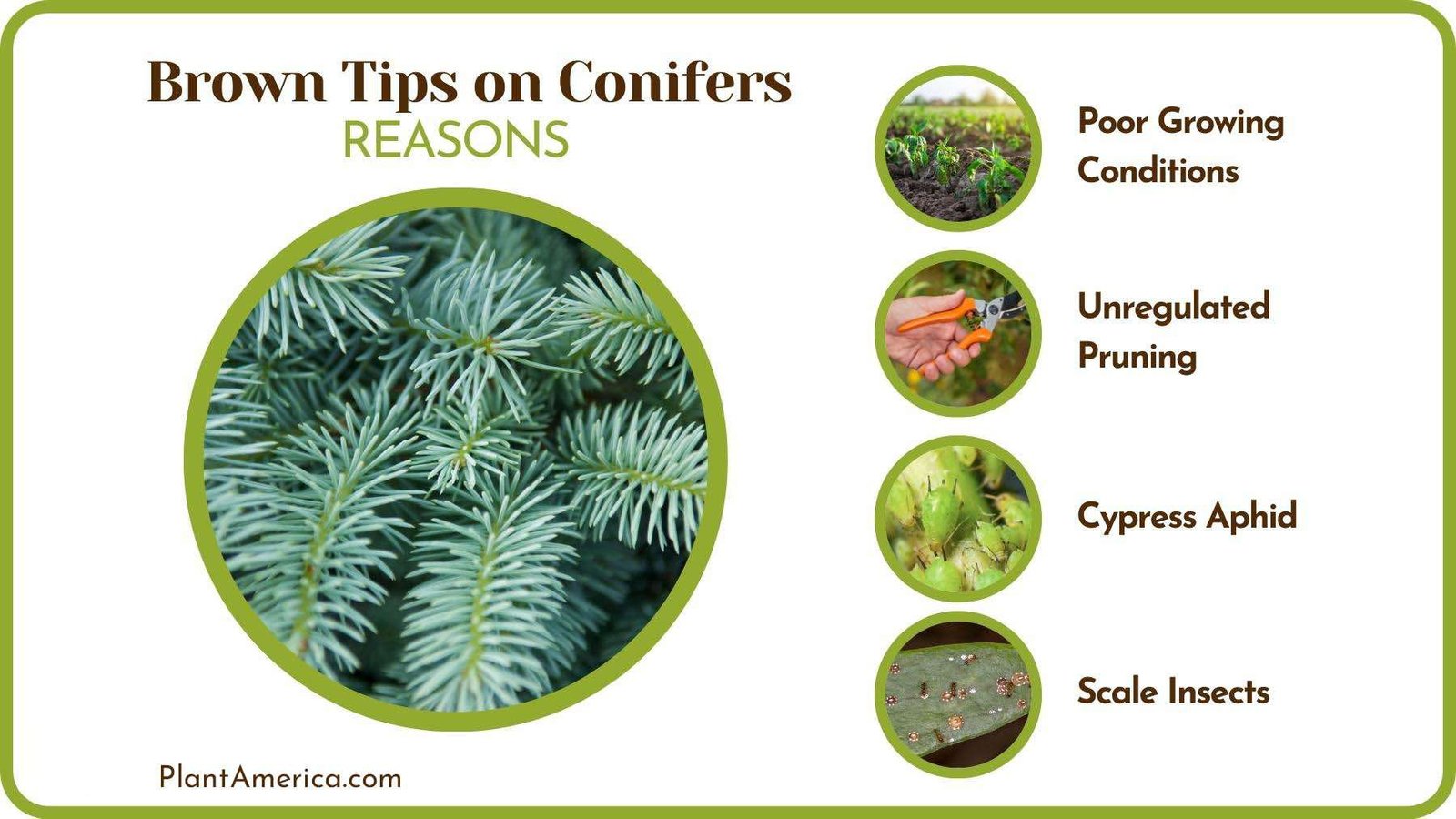
You have Brown patches on your cobnifers because of poor growing conditions and unregulated pruning to root problems and specific pests such as aphids, and dieback. Issues like canker, honey fungus, rot, winter damage, and a few other reasons.
RHS experts highlight that conifers like leylandii (Leyland cypress), Thuja plicata (western red cedar), and Chamaecyparis lawsoniana are particularly susceptible to browning. To maintain the health of these fast-growing hedges, it’s crucial to be aware of these factors and take preventative measures recommended by experts. Let’s debunk all of them.
– Poor Growing Conditions
The browning can often be attributed to unfavorable growing conditions. The browning on your trees is frequently the result of conditions like dryness, frost, or cold and drying winds, which hinder the regenerative process of the cut foliage.
– Unregulated Pruning
In addition to growing conditions, the way you prune your conifers plays a crucial role. The green needles of conifers represent young and healthy new growth, while towards the center, brown needles that receive less light tend to die off. Trimming your tree back to these brown needles can result in permanent brown spots that won’t turn green again. Therefore, precise pruning at the appropriate time of the year is essential.
– Cypress Aphid
Aphid emerges as a frequent culprit behind those brown and yellow needles. Damage inflicted by aphids tends to manifest in late spring and summer, predominantly at the base of the hedge but potentially occurring at any height. While large greyish greenflies might be present, the browning often becomes apparent long after the aphids have departed from the foliage.

Indications of their presence may linger, such as cast aphid skins and the development of black fungal growth (sooty mold) resulting from the sugary honeydew excreted by the aphids.
– Scale Insects
Sap-sucking insects, particularly juniper scale, are frequently encountered in areas experiencing the issue. Similar to aphids, these insects feed by extracting sap from the foliage.
While substantial infestations of the juniper scale are believed to contribute to certain instances of dieback, this insect is prevalent and might be coincidental with the main problem. If comparable numbers of insects are found on portions of the hedge that remain unaffected by dieback, it is improbable that this insect serves as the primary cause of the issue.
– Pestalotiopsis Dieback
Browning conifer needles may sometimes be linked to a fungus known as Pestalotiopsis, identifiable by small black fruiting bodies scattered across the affected foliage. The prevalence of Pestalotiopsis as a concern tends to increase in wet summer conditions.
Typically, this fungus targets plants that are already weakened or damaged, but once established, it has the potential to cause significant die-back.
– Coryneum Canker
Seiridium canker, a fungal infection attributed to Seiridium Cardinale, is responsible for branch die-back in Leyland cypress and western red cedar. This ailment is more prevalent in larger trees and relatively uncommon in smaller hedges.
Various other fungal diseases, such as Phyllosticta leaf spot and dieback on yew, Thuja blight on western red cedar, and Sirococcus blight on cedar and hemlock, can sporadically lead to dieback in specific conifer species.
– Honey Fungus or Phytophthora Root Rot
While conifers are often chosen for privacy hedges due to their evergreen allure, they are not exempt from root problems. When an entire hedge tree shows signs of distress, particularly if nearby trees are also affected, root diseases become a prime concern.
Thoroughly inspect the roots and base of the tree for symptoms of Phytophthora and fungal infections. In cases where a tree succumbs, you’d want to uproot and burn the affected plants. This is the only effective way to halt the spread of the sickness.
– Winter Browning
If you notice the needles of your conifer turning to brownish hue, it is likely due to winter damage. Despite being evergreen, these trees rely on sunlight for energy, and they still need water even in winter. Insufficient water during this season can lead to drying out, causing the needles to turn brown. Factors such as rapid temperature changes, cold winter conditions, or recurring freeze and thaw cycles, can influence the rate of drying. Typically, the part of the conifer exposed to the sun will exhibit more pronounced browning.

– Road Salt
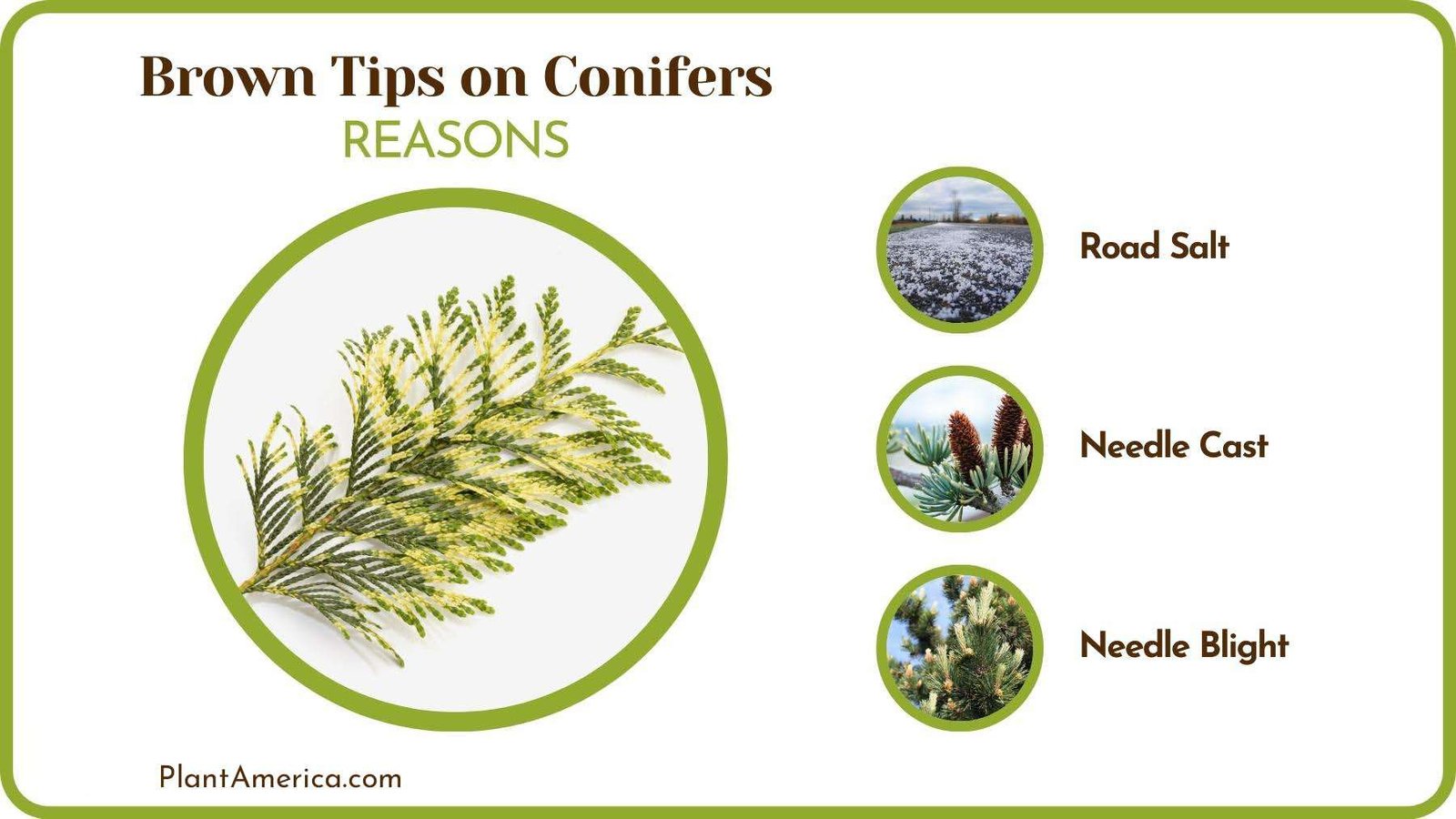
The discoloration you observe in conifers, especially those planted along roads serving as hedges or barriers, may be attributed to salt buildup. The salt applied to roads during winter for de-icing purposes can contribute to browning in your conifers.
– Needle Cast
Needle disease is a term used to describe tree diseases that lead to the shedding of needles in conifers. The initial symptoms manifest on the needles, exhibiting a change in color with the appearance of yellow spots that eventually transition to brown. Additionally, small fruiting bodies may be observed on the surface of the needles.
– Needle Blight
This one encompasses diseases that affect conifers, targeting not only the needles but also the twig tips, leading to the development of brown spots. The onset of brown tips on conifers usually initiates on the lower branches. If left unaddressed over an extended period, this condition can progress, causing the demise of limbs and eventually leading to the death of the entire tree.
How To Deal With Brown Conifers
Conifers can experience a sudden browning, primarily attributed to unfavorable growing conditions, such as being confined in undersized containers or planted in excessively dry soil. Once conifers exhibit a brown hue, the likelihood of regaining their green foliage is extremely low. However, you can enhance their conditions and improve their chances of recovery by ensuring proper planting, adequate watering—especially during hot periods—and providing appropriate nourishment.

– Improving Conditions
To prevent exacerbating the situation, prune your conifers immediately, even during hot and dry weather. This approach encourages the gradual and less vigorous regeneration of older wood compared to younger material. When brown spots inexplicably appear on your conifers, consider the moisture and conditions reminiscent of rainy, moderate woodlands.
– Careful Pruning
It’s generally safe to trim conifers two or three times in April, June, and early August, while also removing competing vegetation within about 1ft on each side of the hedge. To fortify your conifer against varying climates, we recommend feeding it with a general fertilizer in late winter, followed by mulching the hedge base with a three-inch layer of well-rotted organic matter.
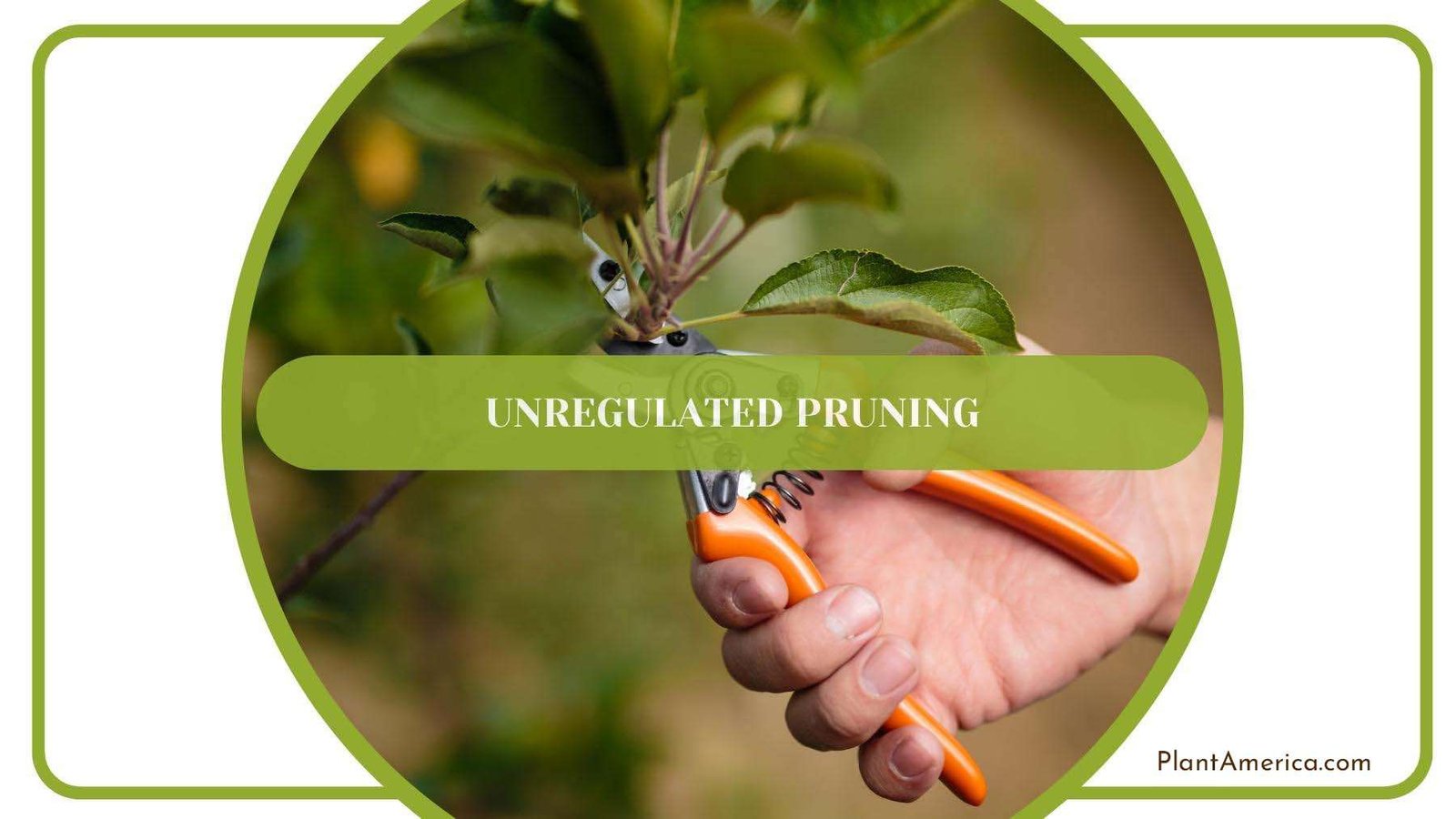
Pruning during colder months can lead to such discoloration, and cutting conifers back to the brown wood won’t result in regrowth, leaving woody patches. Always try to prune within the green needle boundaries of branches, little and often, rather than resorting to drastic, yearly cutbacks.
– Dealing With Dead Roots
In the unfortunate event of your tree dying, the best course of action is to uproot and burn the affected plants, as this is one of the few ways to stop the spread of the sickness. Assess whether the losses in the hedge correspond to areas susceptible to drought or winter waterlogging. Before replanting the hedge, it’s crucial to address and modify these conditions.
– Apply Fungicides
Contact fungicides act on the plant’s surface, forming a protective barrier that requires direct contact with the fungus for effectiveness. Systemic fungicides are absorbed by the plant, providing internal protection to the entire thing, including new growth.
The fungicides interfere with fungal cell functions, such as cell wall formation, enzyme production, and DNA replication, disrupting the processes essential for their reproduction and spread.
Fungicides are commonly applied through sprays, covering plant surfaces, while systemic fungicides can be administered as soil drenches, allowing the plant to absorb the fungicide through its roots.
– Dealing With Insects
To effectively manage pests in conifers, adopt a comprehensive approach. Promptly remove dead or infested branches through regular pruning to enhance air circulation and eliminate hiding spots for pests. Thinning out dense areas is crucial to encourage better light penetration and reduce humidity, creating an unfavorable environment for pests.
Beneficial insects like ladybugs, lacewings, or predatory mites, which act as natural predators, help to control pest populations. Neem oil, a potent natural insecticide, can disrupt the feeding and reproductive cycles of various pests.

For a more hands-on approach, utilize insecticidal soap—whether homemade or commercial. Create a mild soap and water solution and ensure thorough coverage on both sides of the leaves during application.
In cases of severe infestations where other methods prove insufficient, systemic insecticides may be considered. These insecticides are absorbed by the plant and work to eliminate pests as they feed. However, exercise caution and strictly adhere to product instructions when using systemic insecticides.
– Avoid Winter Damage
The manifestation of winter-caused browning becomes apparent either during the winter or early spring. To mitigate this type of browning, it is advisable to water your tree in the autumn, particularly during dry spells.
Providing extra water in the summer, especially in August, proves beneficial as it enables the plant to store sufficient water for the winter, averting stress and the subsequent browning of needles.
– Dealing With Salt Buildup
Ensuring sufficient space between plants is crucial to promote airflow, preventing the onset of fungal, and bacterial infections and salt buildup. Pruning diseased sections is essential to prevent the spread of infections to the entire tree. Vigilant attention and proper care are key factors in maintaining the health and vitality of conifers.
Conclusion
Dying conifers present quite a challenge, but often the answers and solutions remain overlooked. This issue can impact various types of conifers, ranging from leylandii to western red cedar, and recognizing the root causes is essential for implementing proactive measures to prevent browning.
- Understanding these factors is the first step toward maintaining the health and vibrancy of your conifers. From addressing poor growing conditions to dealing with specific pests and diseases, the guide equips gardeners with the knowledge needed to keep conifers lush and vibrant.
- Preventative measures include careful pruning, ensuring proper planting conditions, dealing with dead roots promptly, and applying fungicides when necessary. You want a comprehensive approach to managing pests, including the use of beneficial insects, neem oil, insecticidal soap, and systemic insecticides when needed.
- Avoiding winter damage involves strategic watering in autumn and providing extra water in the summer, while dealing with salt deposits requires maintaining sufficient space between plants, pruning diseased sections, and vigilant care.
In essence, maintaining healthy conifers is a multifaceted task that involves a combination of proper care, timely intervention, and a proactive approach to potential issues.