
Brown tips on bay tree leaves serve as a distress signal from the plant. Much like how humans seek a refreshing drink during hot, dry summer weather, trees require adequate water to remain hydrated.

However, the tree’s struggle to find sufficient water isn’t the only thing that can cause them to go crispy. Follow this guide and find out what’s bugging your bay plant and learn how to help it thrive once again!
Why Are My Bay Leaves Going Brown?
Your Bay leaves are going brown because of various reasons, and understanding these factors is crucial for maintaining the health of your tree. Both overwatering and underwatering are considered bad practices when it comes to bay tree care.
Although hardy in harsh sun and drought-resistant, these trees are sensitive to environmental changes. Exposure to extreme temperatures, harsh winds, or sudden fluctuations in weather conditions can result in stress, leading to brown leaves.

Insect infestations or diseases, such as fungal infections, and even transplanting shock can cause browning of the foliage too.
To address browning bay plants, identifying the specific cause will get you closer to the solution. Once you’ve reached the root problem, you’ll turn your plant back to normal easily! Let’s see some of the common causes of browning leaves on bay laurels.
– Watering Issues
The Bay Tree, native to the Mediterranean, exhibits signs of stress by turning its leaves brown when subjected to consistently soggy conditions. Despite its drought tolerance, excessively dry conditions can cause your leaves to brown up and drop.
Don’t think that underwatering is the sole issue here — overwatering will eventually lead to drooping, brown, and yellow trees too. Conversely, insufficient watering during the tree’s establishment phase may lead to its demise, with the initial indication being brown and crispy leaves. It is crucial to strike a balance in watering practices to ensure the health and vitality of your bay leaf plant.
– Temperature Problems
These trees are well-suited for warm climates and flourish in temperatures between 40 to 60 degrees Fahrenheit, ideally thriving in hardiness zones ranging from five to nine. While these evergreen perennials can endure temperatures as low as 20 Fahrenheit, their well-being may be compromised if exposed to more significant temperature drops.

In regions experiencing really cold winters, your trees may experience frost damage on the foliage, shedding leaves in return.
– Scale Insects
Bay trees deprived of water become susceptible to infestations by scale insects, necessitating their removal. Pests such as spider mites, aphids, and psyllids can contribute to the spread of pathogenic diseases. The visible marks left on the leaves by these insects become entry points for fungal issues.
The pathogens can then spread within the tree and gradually extend to other plants, posing a risk of infecting the entire garden. It is crucial to address these pest issues promptly to maintain health and prevent the spread of diseases in your trees.
– Not Enough Light
These trees thrive in sunny locations, exhibiting optimal growth with more than eight hours of sunlight daily. In conditions of low light or less than eight hours of sunlight, these plants may struggle with photosynthesis, resulting in yellowing leaves that eventually turn brown and die.
While these trees love direct sunlight, they will cherish and tolerate partial shade when things get rough. Full shade, however, is not suitable for its well-being. Additionally, abrupt relocation from indoors to outdoors after an extended period may also lead to brown and yellow leaves in Bay plants.

– Nutrient Problems
Inadequate feeding is a frequent cause of leaves turning brown. Bay laurels that receive insufficient fertilizer may exhibit a transition from dark green to yellow or light green, ultimately leading to browning.
Overfertilized trees may display stunted growth alongside brown leaves. To promote lush growth, it is advisable to fertilize your tree every three weeks from spring to summer, refraining from fertilization during the winter months.
– Disease
Sometimes, even despite optimal environmental conditions and proper feeding, browning in your tree may occur due to various diseases. Root rot, often caused by overly wet conditions, is a prevalent disease affecting these shrubby trees.
Pathogenic diseases such as mold, blight, and anthracnose will contribute to brown-leaf development and can often happen post-pest activity. Vigilance against these potential issues is crucial for maintaining the health and vitality of your laurel trees.
– Dry Soil
Bay plants can withstand some drought, but even they may succumb if not given enough water for months on end. Examine the soil around your tree by employing a garden trowel to dig approximately 18 inches deep. If the soil appears dusty and crumbly, it indicates drought stress in the tree.
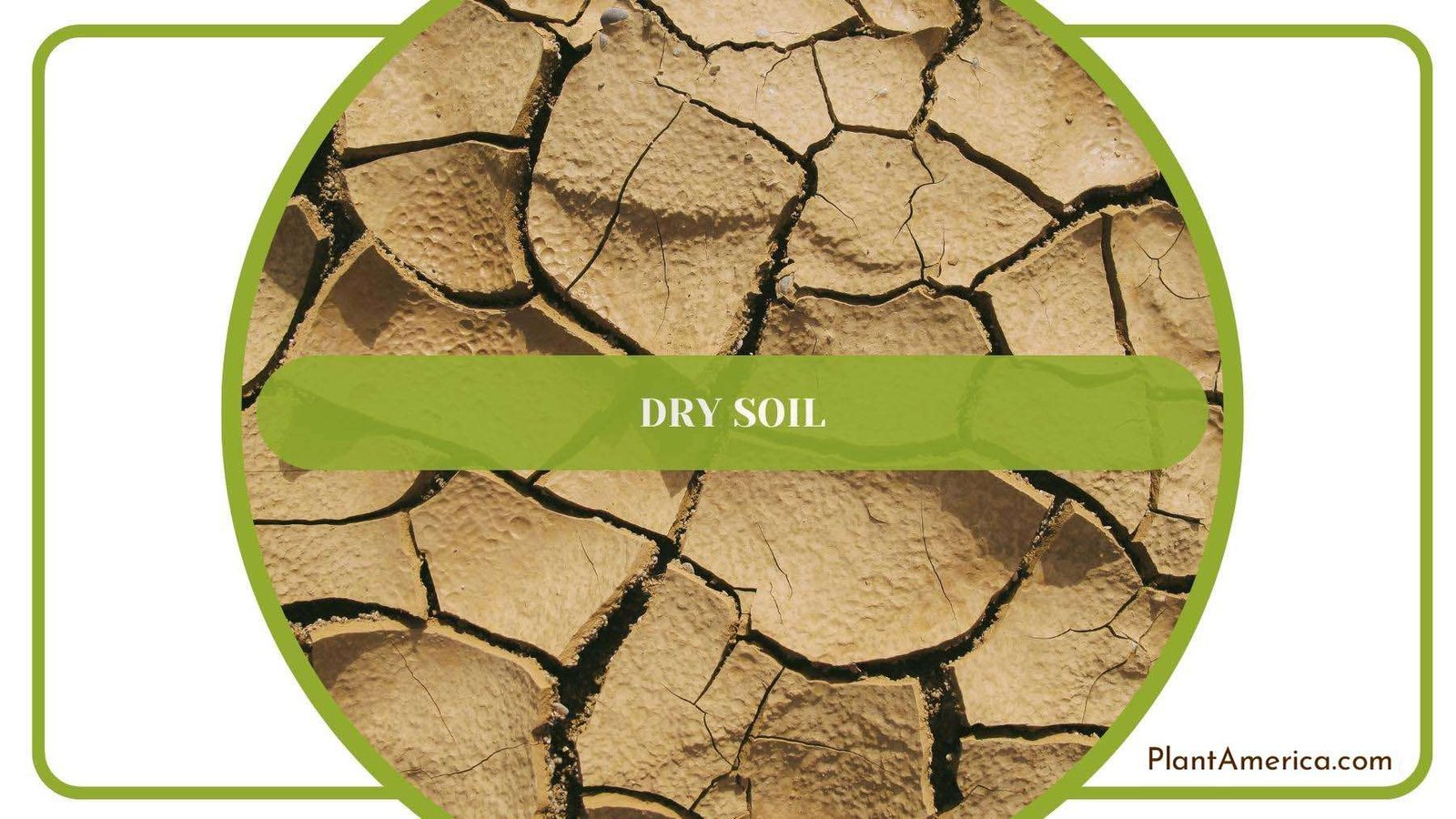
In cases where the soil is challenging to dig, utilize a moisture meter to assess the situation and confirm whether dry conditions are indeed the root cause of the issue.
– Damaged Roots
Young or recently planted trees experience quicker drying out compared to established plants, primarily due to their developing root systems. Similarly, established trees that have undergone some sort of disturbance of the rootball may encounter challenges in supplying sufficient water to the foliage.
Now that we have our culprits lined up, we can get into action and save our trees!
How To Save Your Bay Leaf Tree From Dying
No matter the reason behind your tree’s brown foliage, there is optimism. These Mediterranean trees are generally resilient, and with proper care and time, they are likely to recover the following year.

Let’s see what we can do to help these plants regain their vigor!
– Solutions for Watering
To ensure the optimal health of your tree, water it when the top 2 inches of the soil become dry, employing the bottom watering method for exceptionally dry conditions. Utilize a terracotta container with ample drainage holes, ensuring to discard any excess water in the pot or saucer.
For trees experiencing severe dehydration, a thorough weekly deep watering is recommended. Adjust the watering frequency during rainy seasons, reducing it accordingly. If the soil becomes too mushy, consider repotting the plant to maintain a well-balanced moisture.
– Solving Nutrient Issues
Optimize the health of your Bay Tree by fertilizing it with an all-purpose fertilizer featuring an NPK value of 5-5-5, blended with well-draining soil maintaining a pH level between six and seven. Use a soil test kit to keep the pH levels in check.

In the case of overfertilization, flush the roots of the plant with distilled water and consider repotting it using a new potting mix. When hydrating your plant before fertilization, always use distilled or rainwater. Enhance the nutritional content safely by transitioning to homemade compost as a nutrient source.
– Preventative Measures for Cold
During severe cold temperatures, you should always move your bay indoors if at all possible. If moving the plant indoors is not feasible, provide protection using frost blankets to shield it from the cold. Implementing mulching around the tree’s roots is an effective strategy to maintain a stable temperature and safeguard the Bay Tree during challenging weather conditions.
– Optimal Temperature
As a plant native to the Mediterranean region, this tree thrives in warm temperatures. However, it can adapt to non-Mediterranean climates with proper care and good enough placement.

Avoid frequent exposure to temperatures below 32 degrees Fahrenheit, or -5 Celsius. Bay trees can withstand brief periods of colder weather if they are well-sheltered and given enough heat.
– Dealing With Pests and Diseases
To prevent the spread of pathogens, it’s essential to isolate the infected tree. Promptly prune the affected parts, ensuring not to spread the infection to other areas. In the case of root rot, carefully prune the affected roots while preserving the healthy ones. Sterilize your pruning tools before and after use to prevent further contamination.
Clearing away old debris from the soil outdoors is crucial to avoid the presence of fungal and bacterial pathogens. Weekly applications of fungicides, pesticides, or neem oil can effectively eliminate both pathogens and insects, contributing to the tree’s recovery.
– Propagating Bay Laurel Trees
Propagation may be the solution to ensure your tree lives on and you get a resilient variety in your garden. For optimal results do it in midsummer, when it’s safe to take six-inch-long bay tree cuttings from half-ripe new growth.
Trim a stem, leaving only the top leaves, and plant it in a pot with a quality growing medium (optionally, use rooting hormone). Keep the cutting moist and away from direct sunlight. Note that successful rooting is not guaranteed and may take several months.
You can also try air layering — select a healthy one or two-year-old stem, remove side shoots, and remove the bark and cambium layer. Apply rooting hormone, wrap the cutting in damp sphagnum moss, and secure it with plastic or aluminum foil. Roots should develop over time.
– Soil For Bay Trees
Your newly planted tree will thrive in any well-draining soil as long as it receives adequate sunlight. Ideal conditions involve direct sunlight, considering that the Laurus Nobilis is native to the Mediterranean and can endure summer droughts.
Conclusion
The brown tips on bay tree leaves act as a distress signal, indicative of various potential issues such as watering imbalances, temperature stress, pests, diseases, and even transplant shock. Understanding these factors is crucial for maintaining the overall health and vitality of your bay plant.
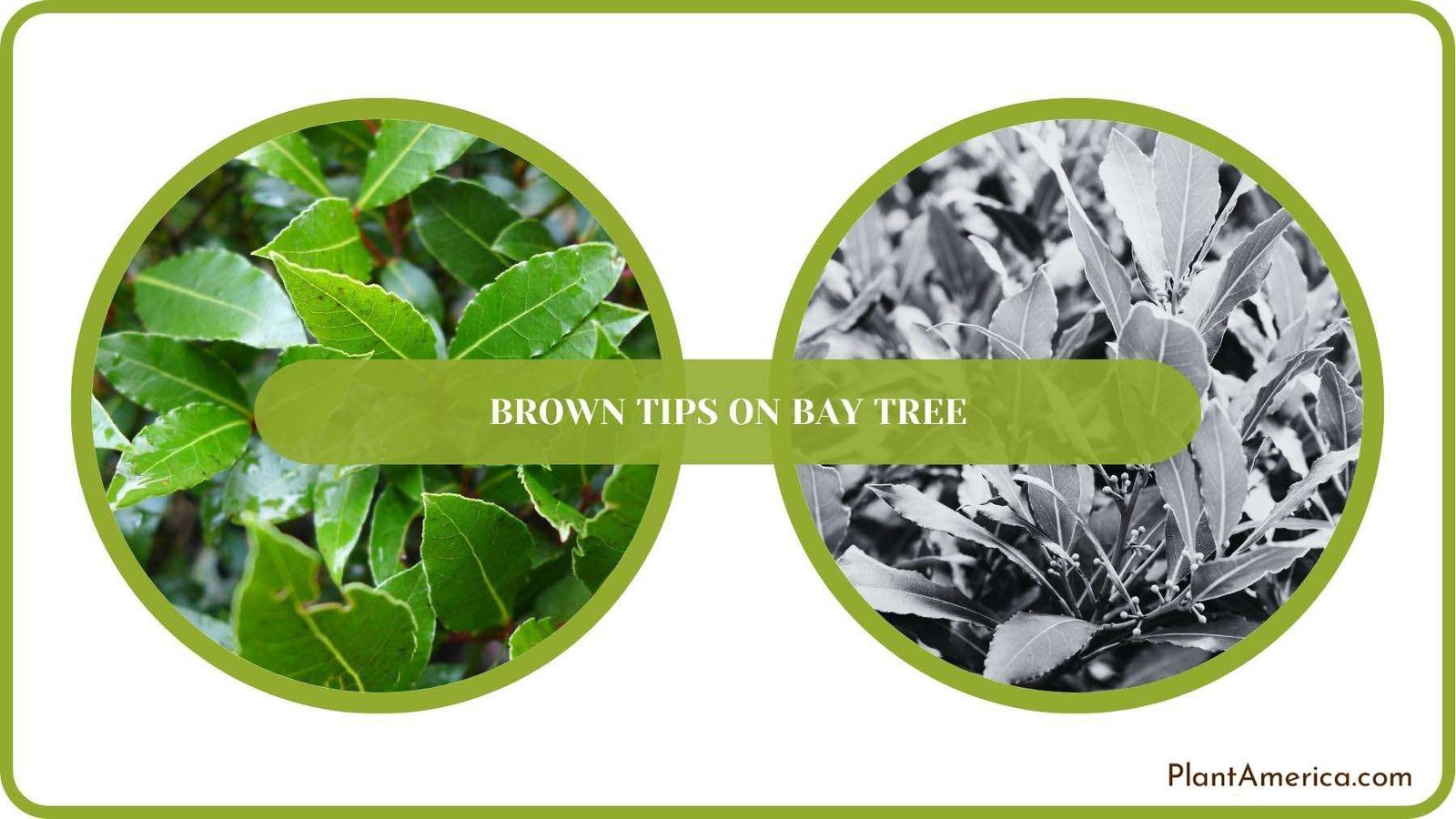
- The common problems of brown and yellow foliage on bay laurels range from water-related issues, temperature problems, pest infestations, light deficiencies, and nutrient imbalances, to diseases. By identifying the specific cause, you can implement targeted solutions to restore your tree to health.
- Revitalize your bay tree by addressing specific issues with some immediate action. Only water when the top 2 inches of soil is dry. Utilize bottom watering for dry conditions and a well-draining terracotta pot. Deep watering weekly is key.
- Feed with a 5-5-5 NPK fertilizer, and maintain a pH of six to seven. Move indoors during extreme cold or shield with frost blankets. Mulch around roots for temperature stability. Isolate and prune infected parts immediately. Sterilize tools, clear debris, and apply weekly neem oil or fungicides.
- Midsummer is the prime time to propagate the species. Take six-inch cuttings or try air layering for a resilient variety. Plant in well-draining soil, mimicking the Mediterranean environment. Ensure adequate sunlight.
Ultimately, with proper care and attention, your bay tree is likely to rebound and thrive, showcasing the resilience of these Mediterranean plants.